- Select Language
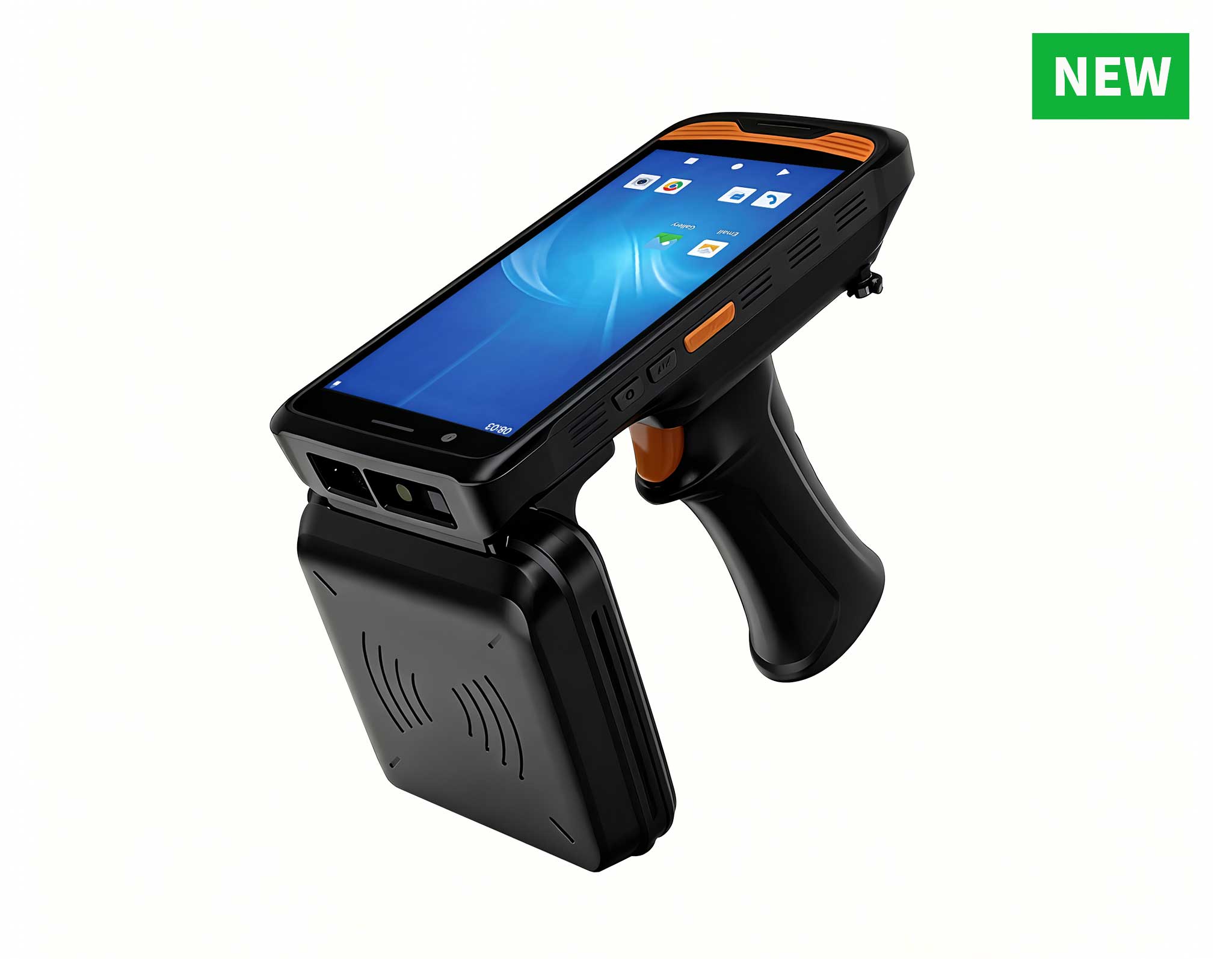
R366C-S 5.5-inch Industrial UHF RFID Reader | Qual...
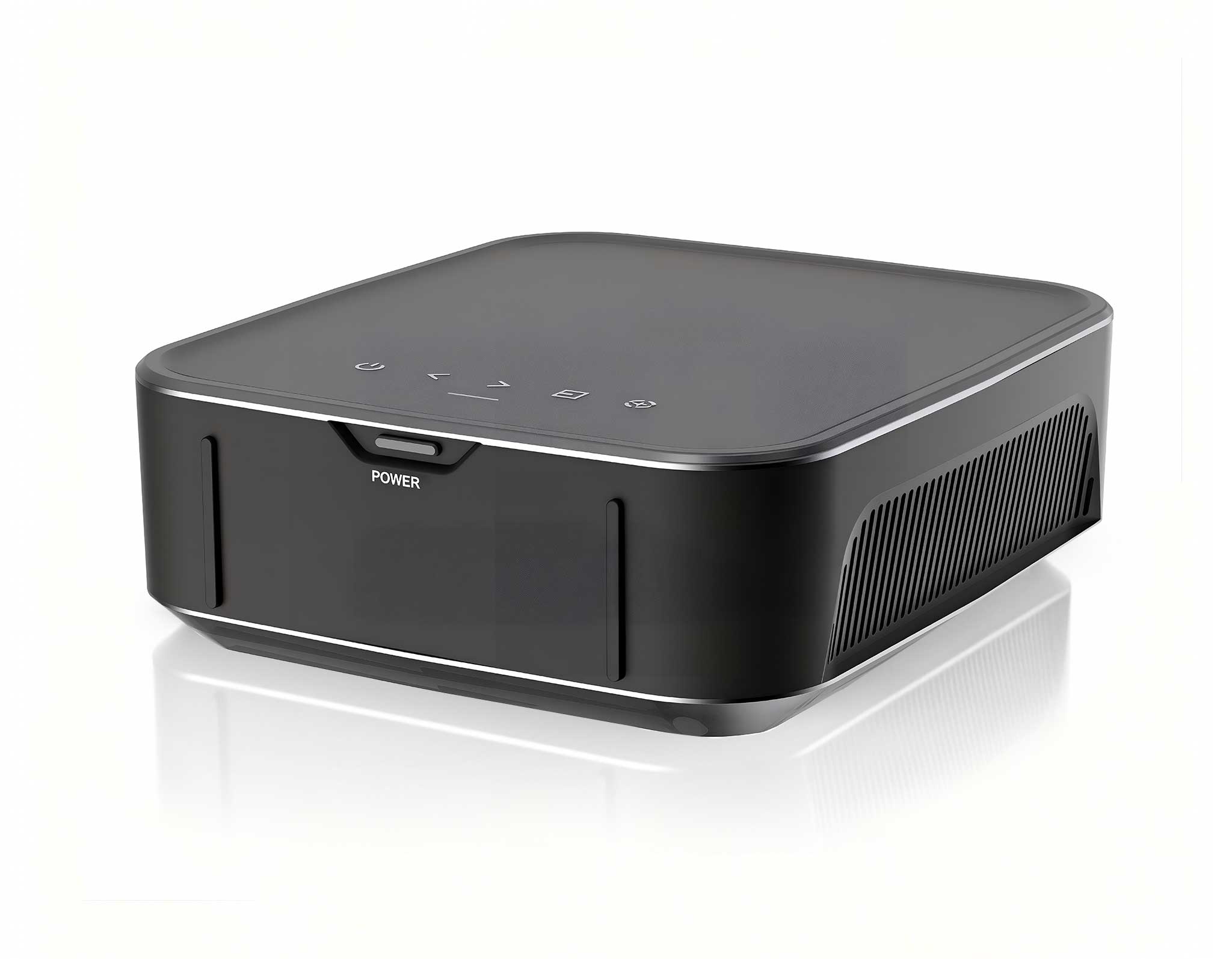
One Device, Dual Functions – A Projector and a Com...
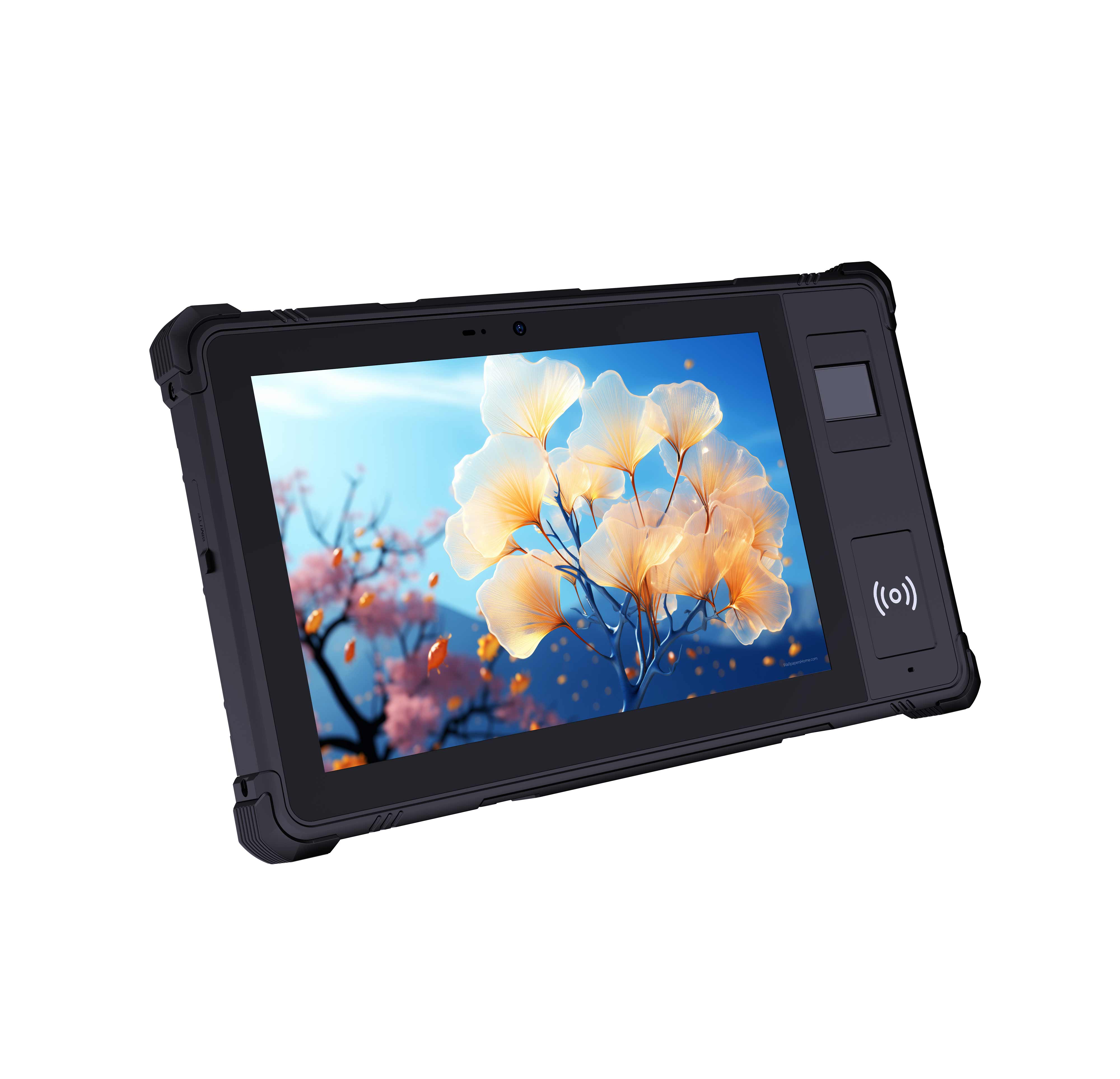
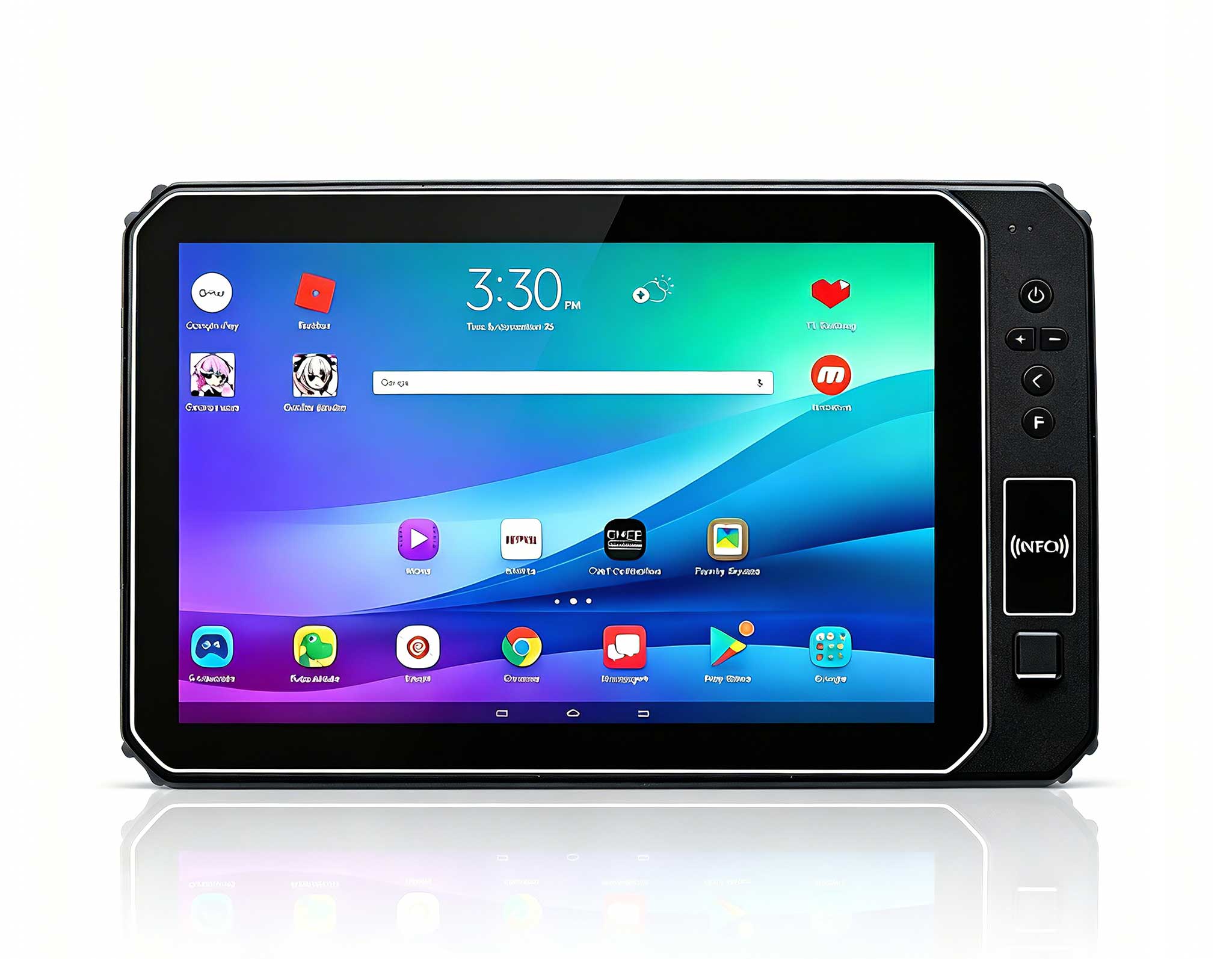
This 10-inch Android rugged tablet is designed for...
Maintenance instructions: Store at room temperatur...
P11 Series Next-Gen Enterprise Rugged Industrial ...
Full SpecificationsModelHotus ST9‑MOSWindows 10/11...
One Device, Dual Functions – A Projector and a Com...
Full SpecificationsModelHotus ST11‑MOSWindows 10/1...
From the unknown so simpleUsed for mobile phones, ...
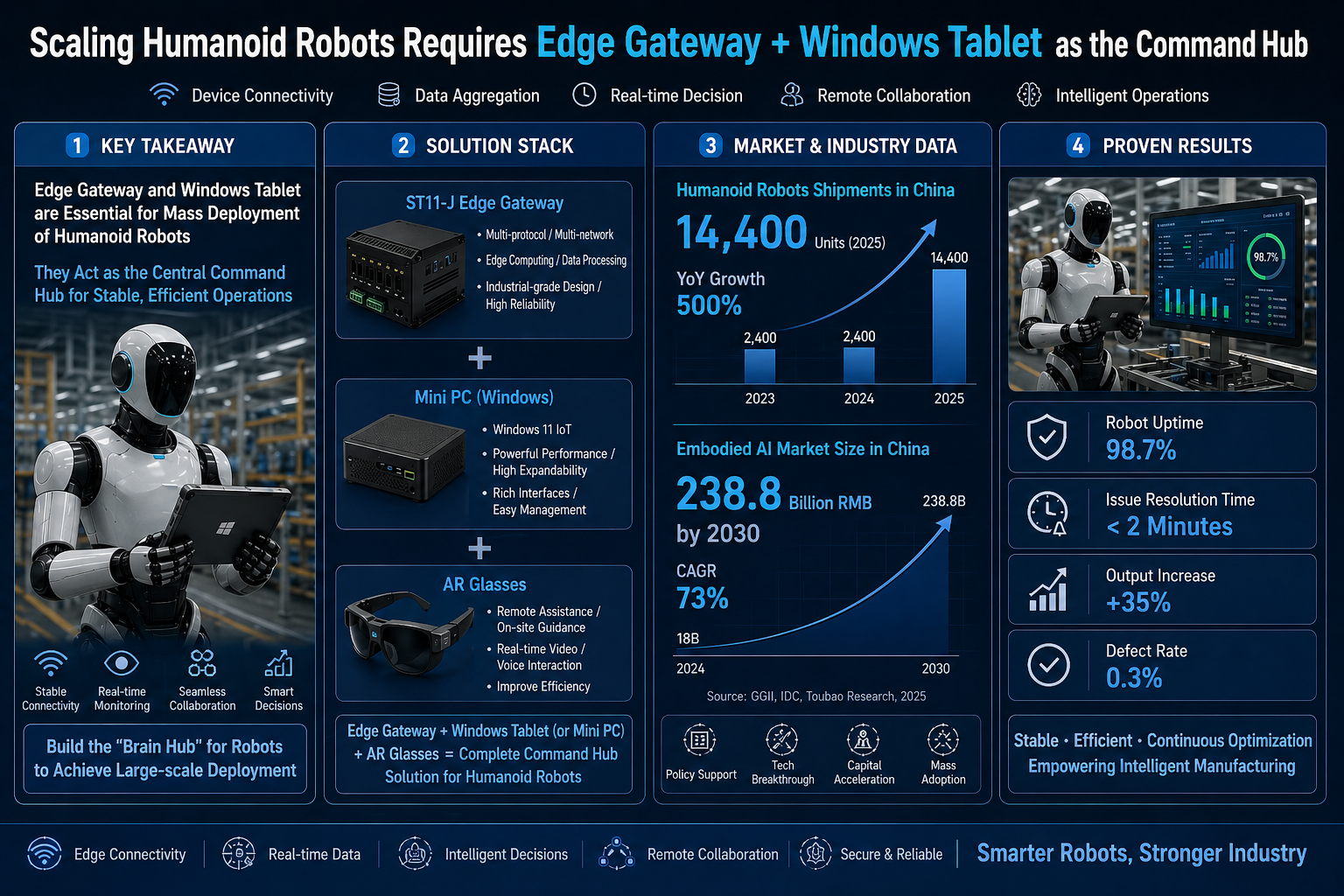
Fig 1 – ST11-J rugged tablet used as humanoid robot fleet control terminal
Humanoid robots are entering real production environments faster than expected. Yet most deployments fail to scale for one simple reason: operators lack a fast, reliable way to monitor and intervene in real time. Without a mobile command interface, even advanced robots become idle assets the moment something unexpected happens.
Industrial Edge Computing | Robot Fleet Control | April 2026
A single humanoid robot performing a demo task is easy to manage. A fleet of 20, 50, or 100 units operating across a factory floor is a different challenge entirely. Each robot generates continuous telemetry — location, battery status, task progress, sensor feedback — and any interruption requires immediate human decision-making.
In real manufacturing environments, issues happen constantly: dropped components, blocked paths, unstable network connections, or unexpected human interaction. Without a real-time monitoring system, these events create downtime that compounds across the entire fleet.
This is where a rugged Windows tablet for robot fleet management becomes essential. It allows supervisors to move freely on the factory floor while maintaining full visibility and control.
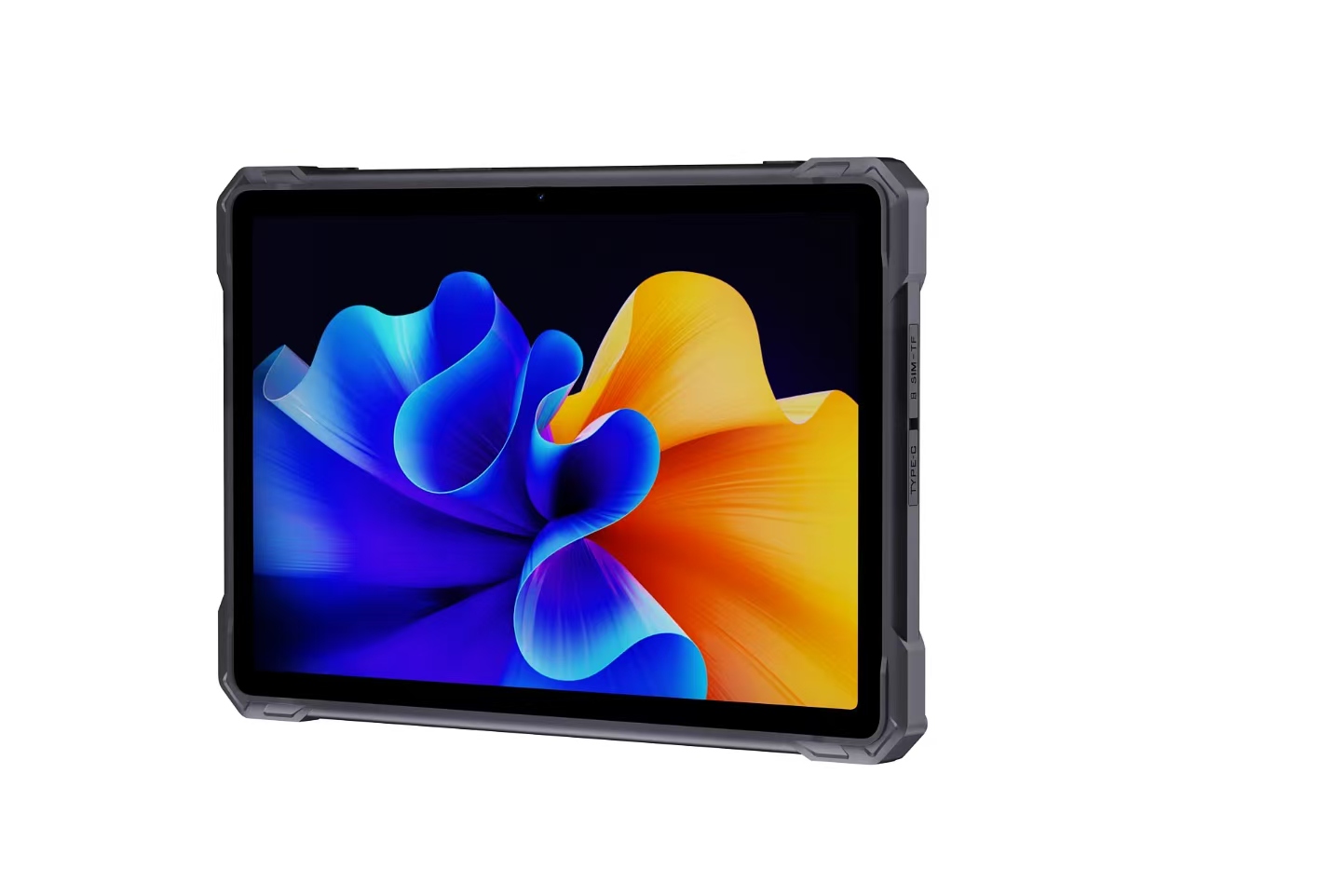
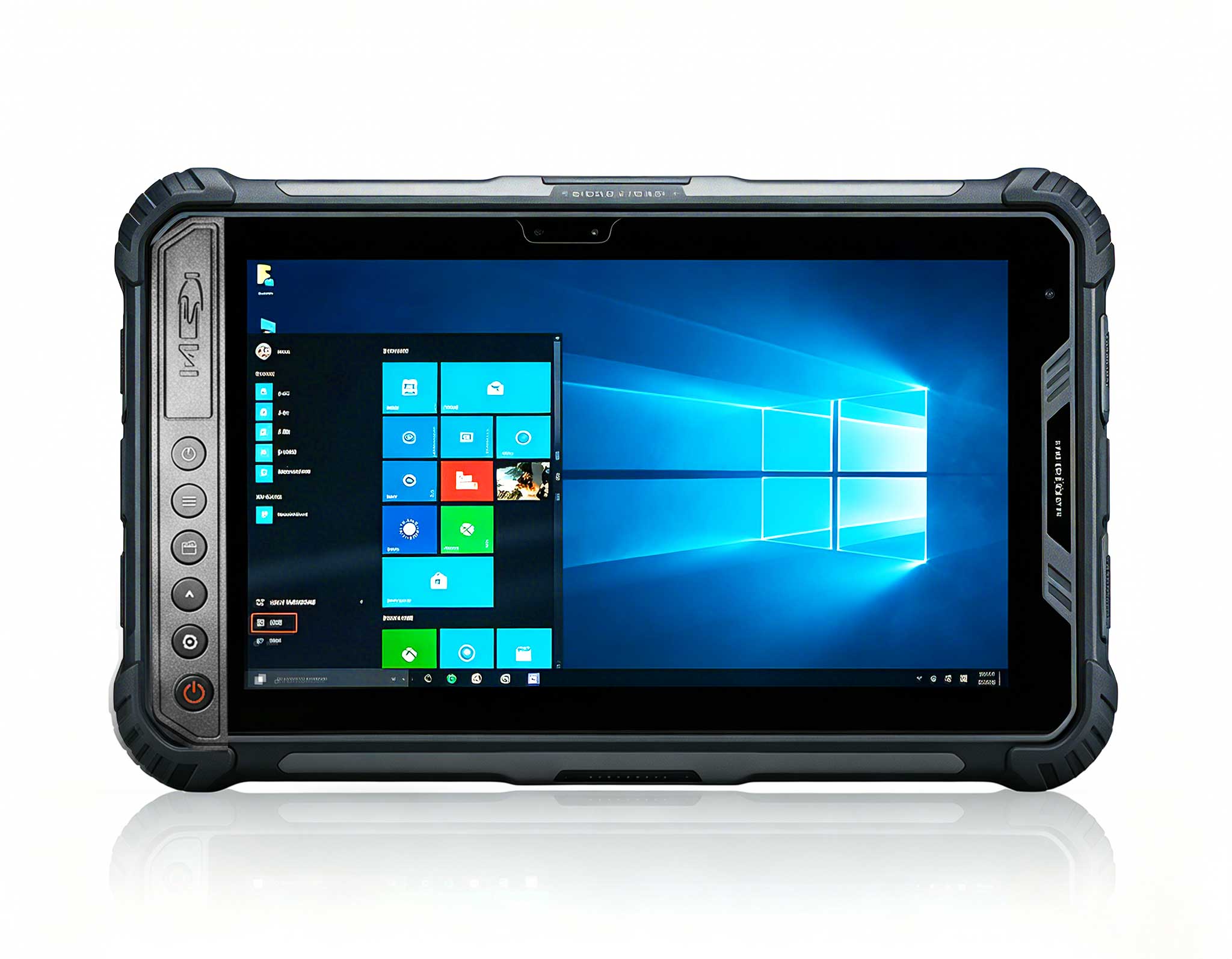
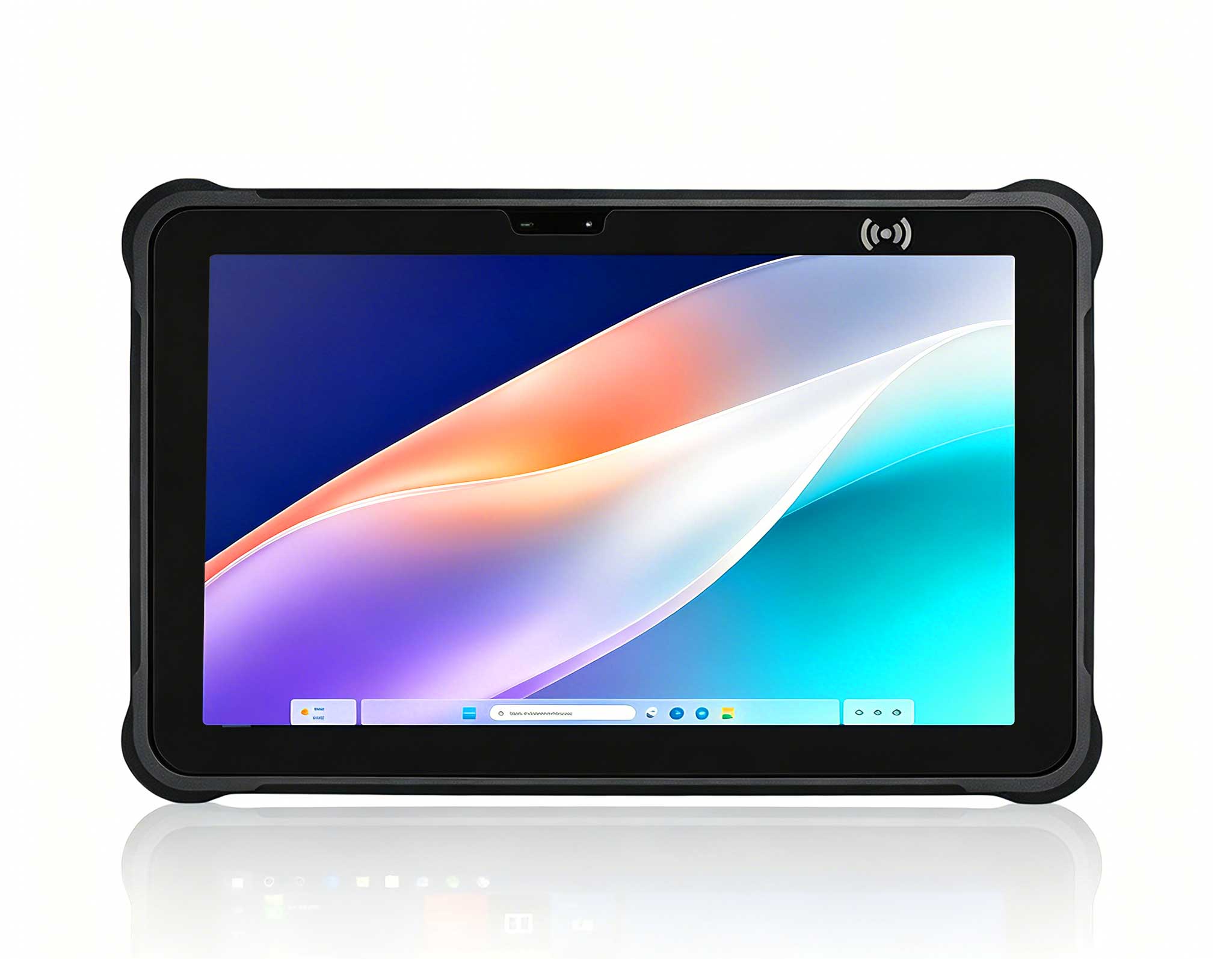
The ST11-J 10.1" rugged Windows tablet is built for industrial environments where dust, vibration, and glare are constant factors. Its high-brightness display ensures visibility under strong lighting, while the Windows operating system supports native robot fleet software without compatibility issues.
On a single interface, supervisors can monitor multiple robots simultaneously:
When an exception occurs, the tablet instantly displays the robot’s camera feed and system data. Operators can take control, adjust movement, or safely stop the robot within seconds. This significantly reduces downtime compared to fixed control room systems.

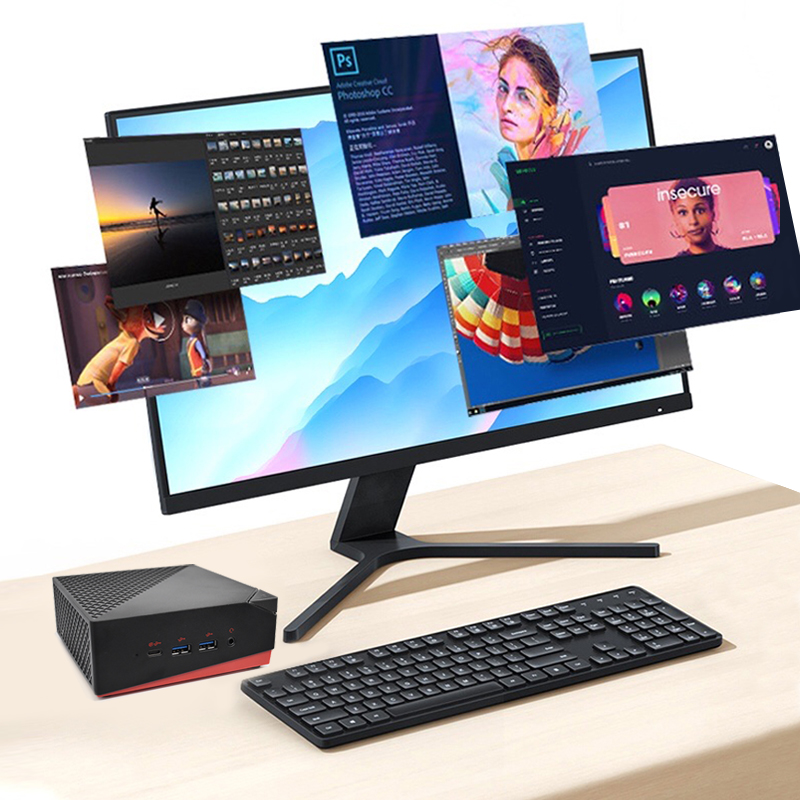
Fig 2 – Edge Mini PC handling local robot data processing
Robot fleets cannot rely entirely on cloud infrastructure. Latency and network interruptions introduce risk, especially in safety-critical environments. A mini PC edge gateway processes data locally and ensures continuous operation.
The Hotus industrial Mini PC acts as a bridge between robots and the cloud. Installed near charging stations or control cabinets, it aggregates data from multiple robots and performs real-time analysis.
Key functions include:
By offloading computation from the cloud, factories gain faster response times and more stable robot behavior.
In many scenarios, operators need both hands available. Tablets are effective, but wearable interfaces further improve efficiency.
The AR smart glasses provide real-time overlays directly in the user’s field of vision. Supervisors walking through the facility can see:
When a robot encounters an issue, the system displays diagnostic steps and live video without requiring the user to stop or switch devices. This reduces response time and improves workflow continuity.
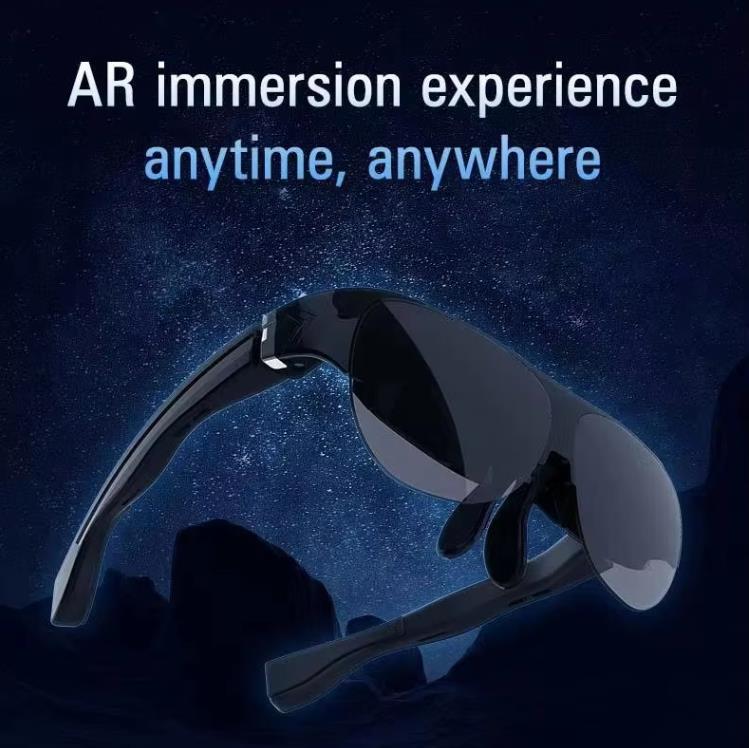
Fig 3 – AR glasses showing robot data overlay in real environment
A manufacturing facility testing humanoid robots integrated rugged tablets, edge gateways, and AR devices into its workflow. Within months, the operation showed measurable improvements:
The key takeaway is clear: robot performance depends not only on hardware, but on the supporting control infrastructure.
As humanoid robots move from pilot programs to full-scale deployment, factories must rethink how they manage automation. A complete system includes:
Combining these elements creates a responsive, resilient, and scalable robot management framework suitable for real industrial conditions.
For technical details or deployment planning, explore the available hardware options and evaluate how edge computing and mobile control can support your robot fleet strategy.