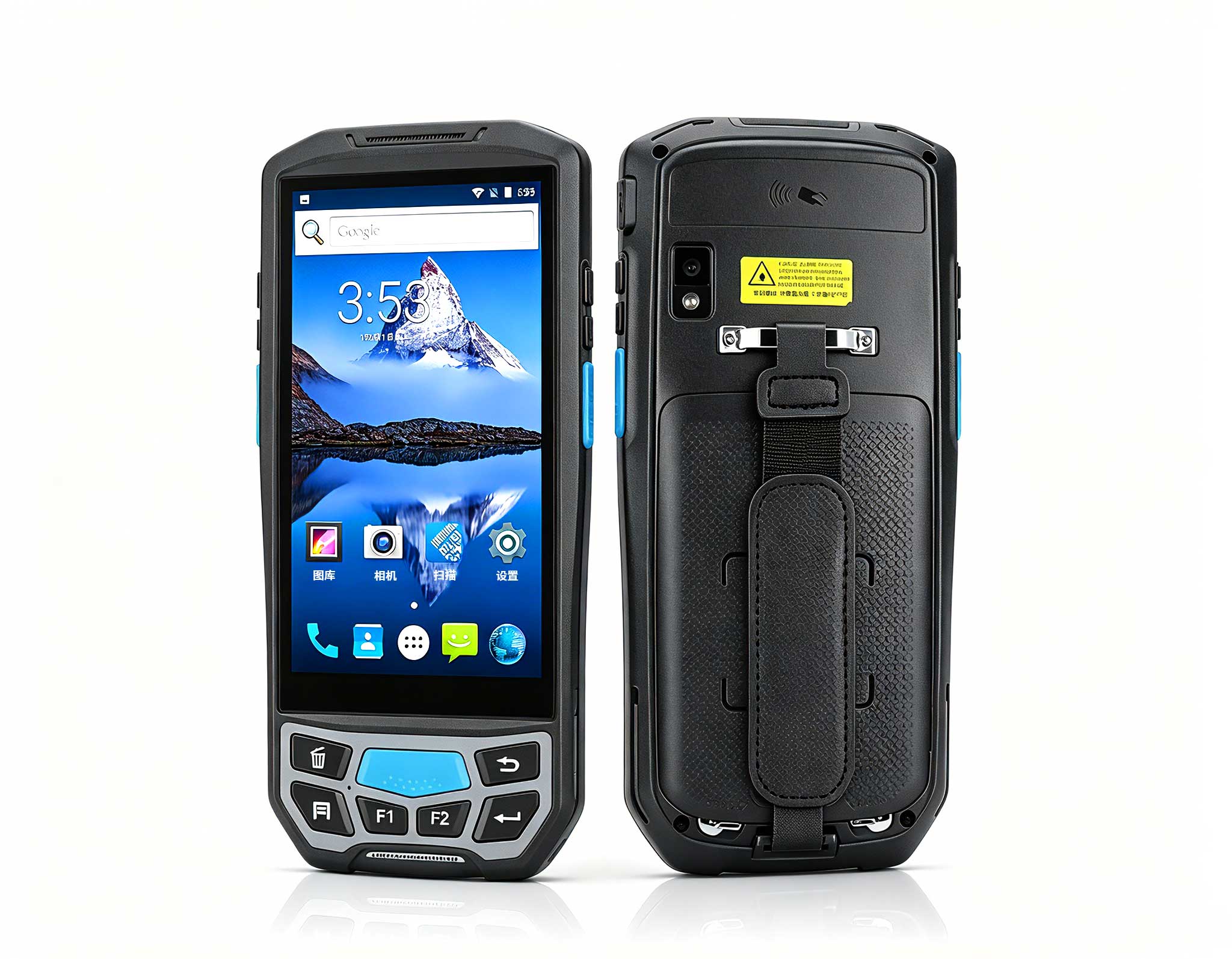
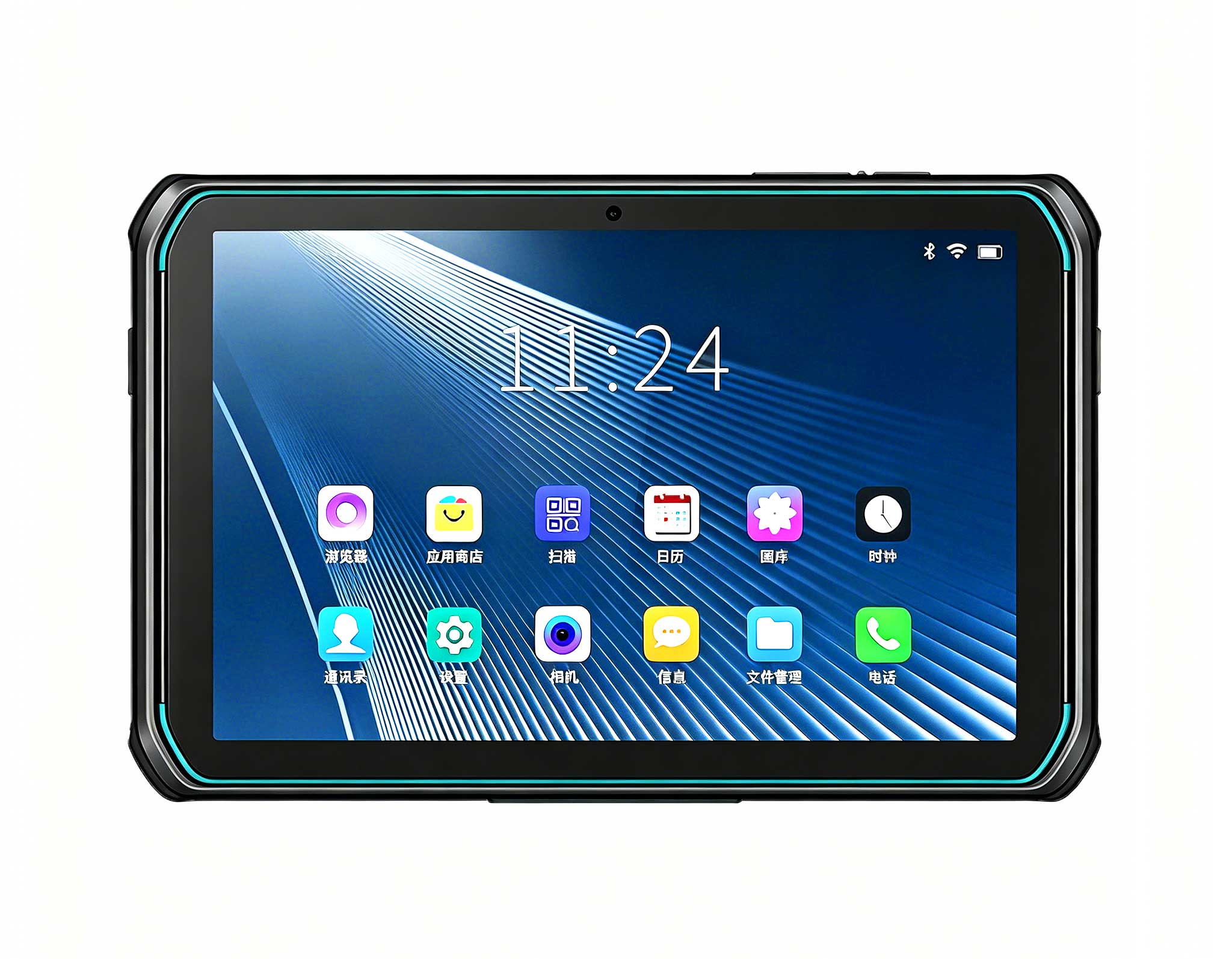
- Select Language
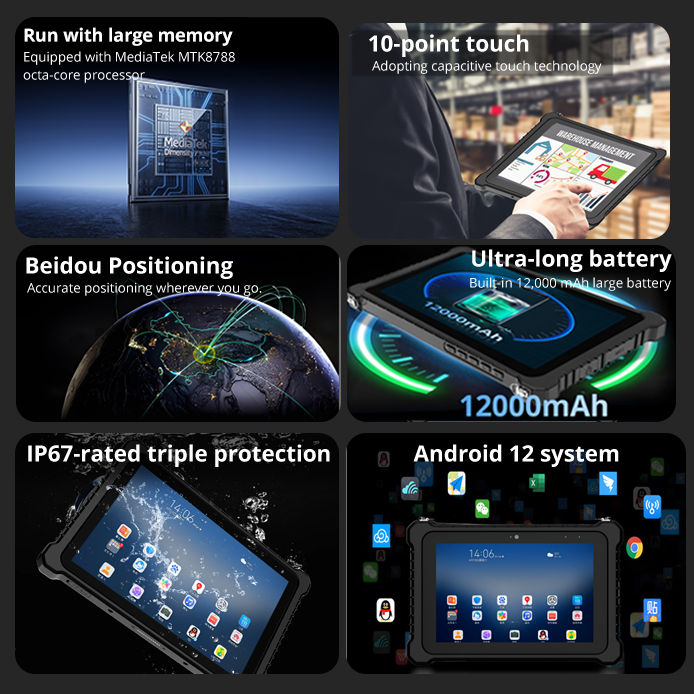
P11 Series Next-Gen Enterprise Rugged Industrial ...
Full SpecificationsModel Hotus SH5‑WOperating ...
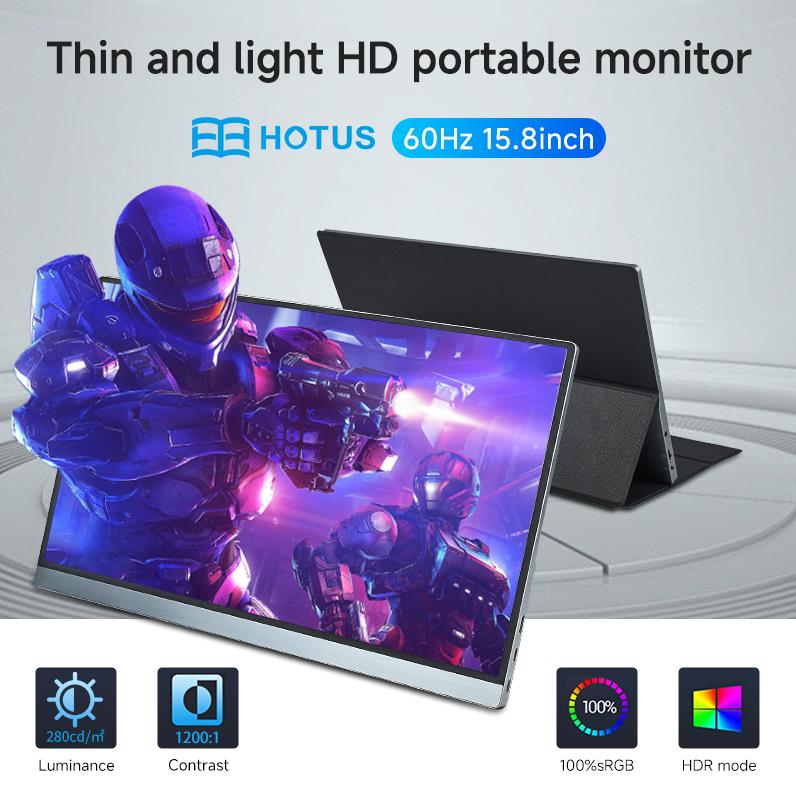
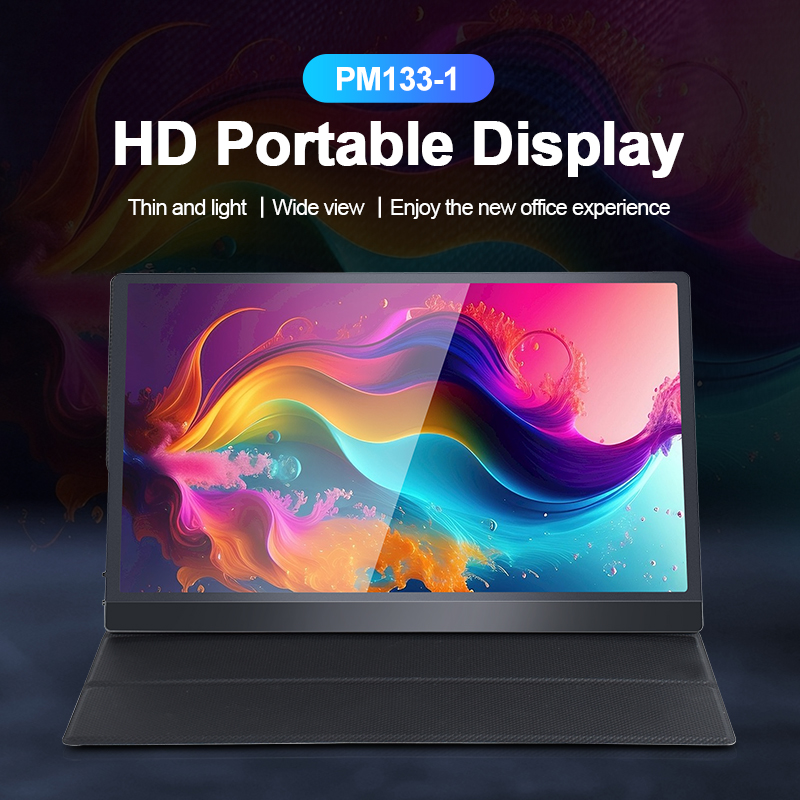
The PM158-1 is a 15.6-inch portable touchscreen mo...
The U9000 handheld PDA combines advanced barcode s...
P11 Series Next-Gen Enterprise Rugged Industrial ...
Full SpecificationsModelHotus ST11‑UOSWindows 10 P...
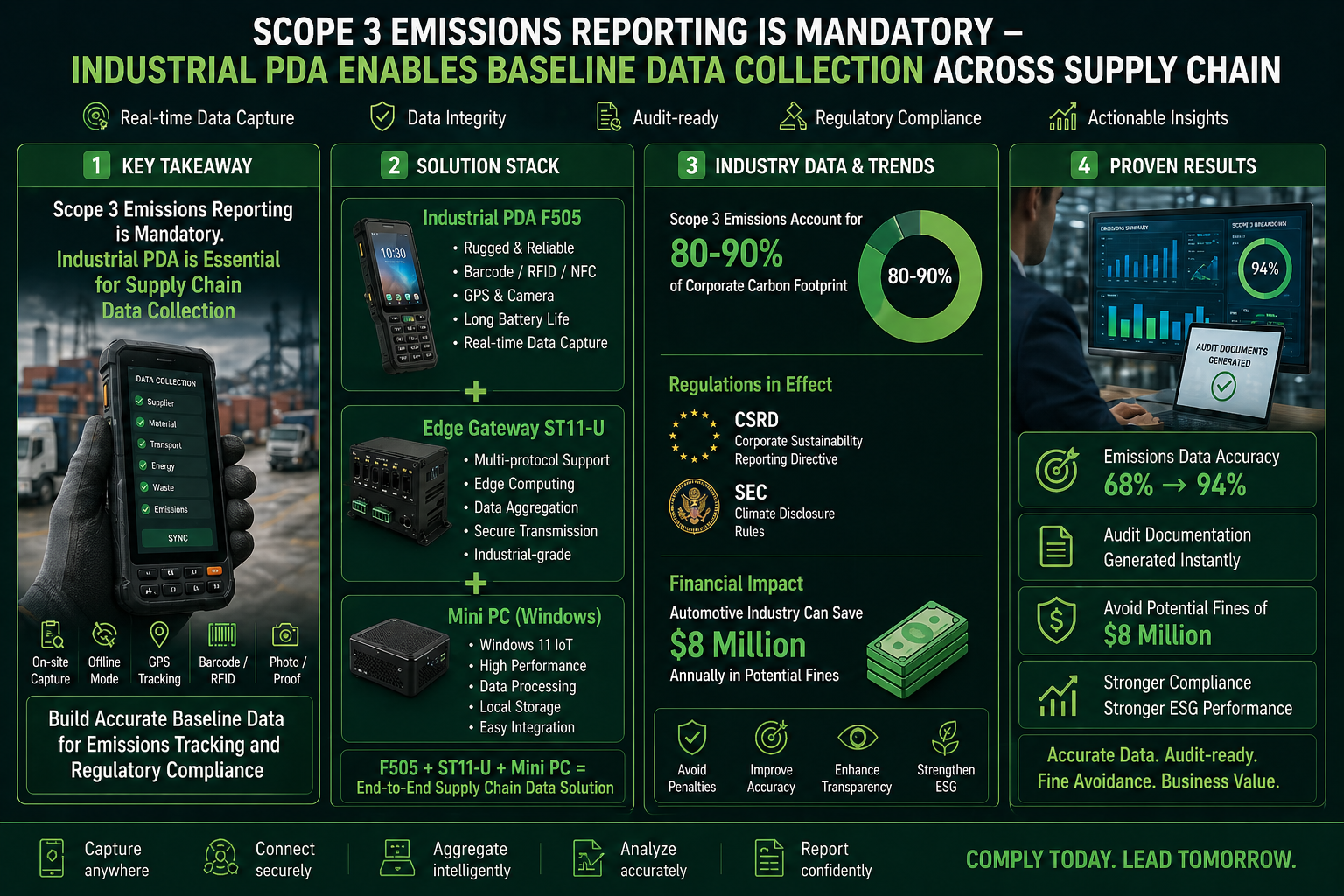
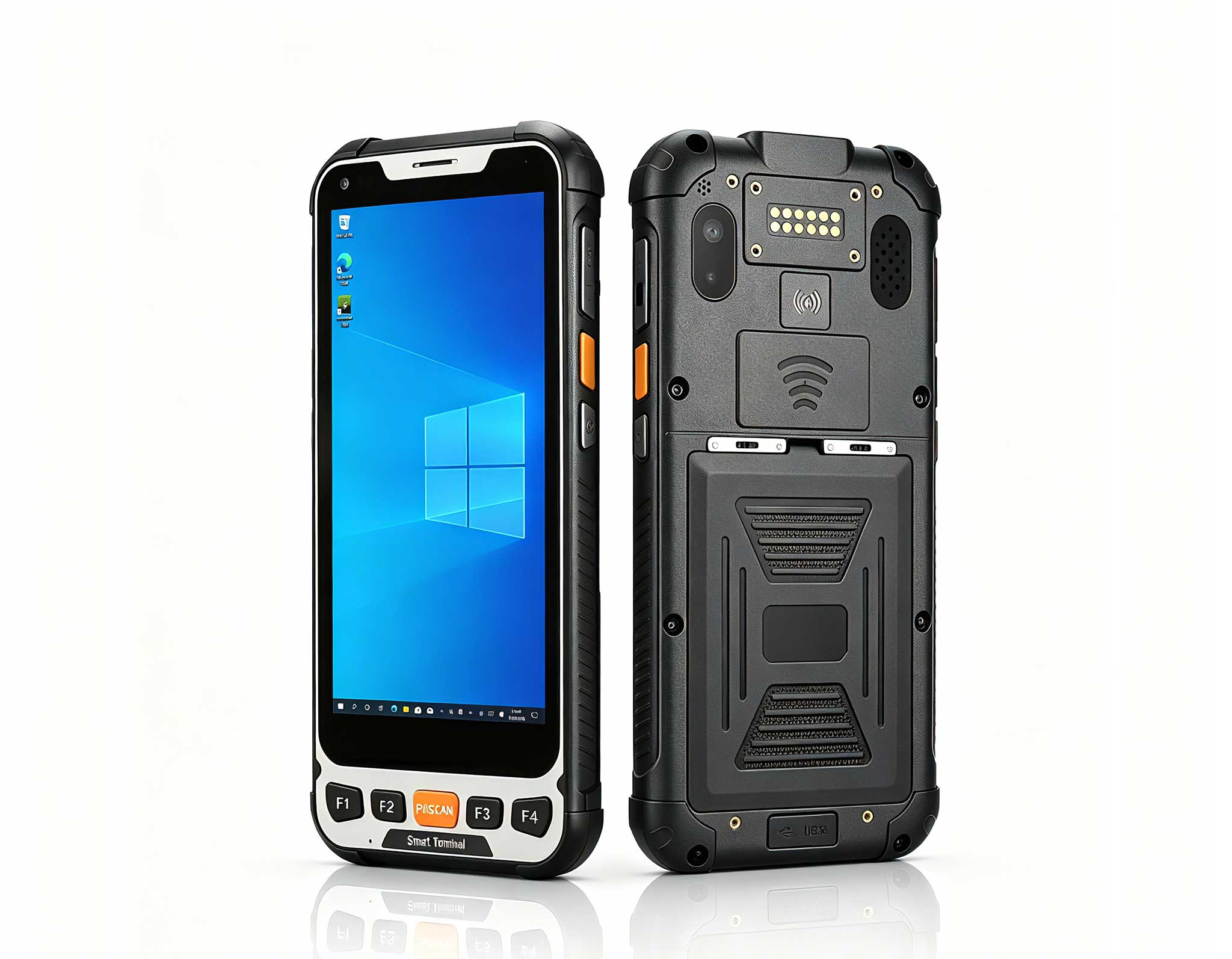
Fig 1 – Industrial PDA capturing shipment data for Scope 3 carbon tracking
Supply chain emissions are becoming the hardest part of corporate sustainability reporting. Most companies already track energy and direct emissions, but indirect logistics data remains fragmented, manual, and often unreliable. Accurate reporting starts with capturing real data at the source.
Supply Chain Sustainability | Carbon Accounting Technology | April 2026
Environmental reporting standards are tightening across global markets. Regulations and investor expectations now require companies to disclose emissions beyond their own operations, including transportation, suppliers, and distribution networks.
For most organizations, Scope 3 emissions represent the largest share of their carbon footprint. However, these emissions are also the most difficult to measure because they depend on data outside direct corporate control.
Traditional methods—spend-based estimates, supplier questionnaires, or industry averages—no longer meet audit standards. They lack precision and cannot provide shipment-level traceability.
Reliable reporting requires a shift from estimation to primary data capture at the point of logistics activity. Every outbound pallet, container, or shipment contains valuable emissions data that must be recorded in real time.
Key data points include:
Capturing this information consistently requires a device that can operate reliably in warehouses, yards, and loading docks.
The Hotus F505 handheld industrial PDA is designed for high-frequency scanning and data entry in demanding environments. Equipped with a fast barcode engine and durable housing, it allows logistics workers to capture shipment data without workflow disruption.
Compared to consumer devices, industrial PDAs provide:
By integrating data validation directly into the scanning process, errors are reduced at the source rather than corrected later.
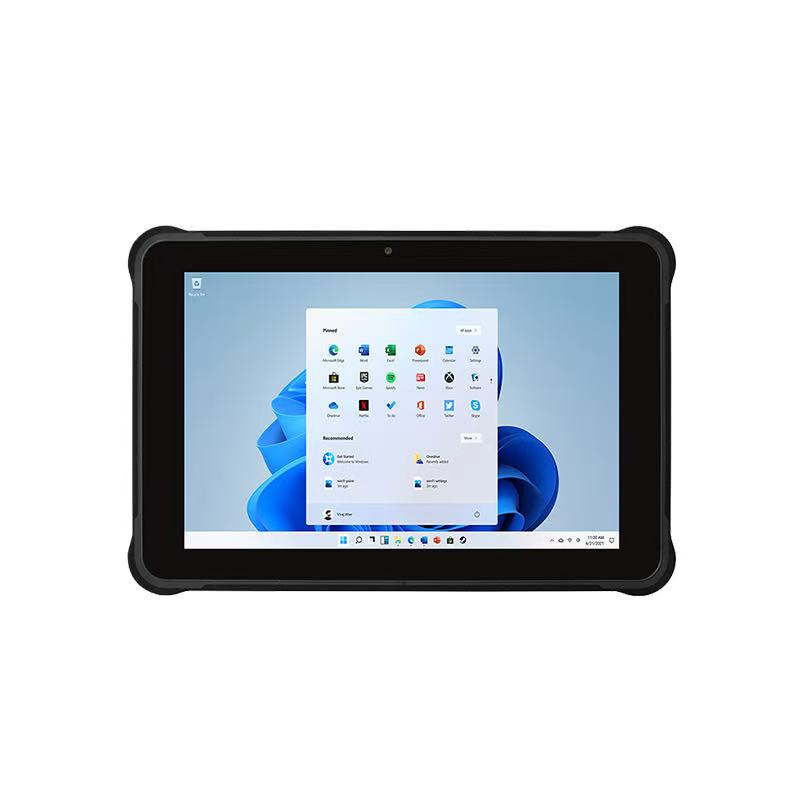
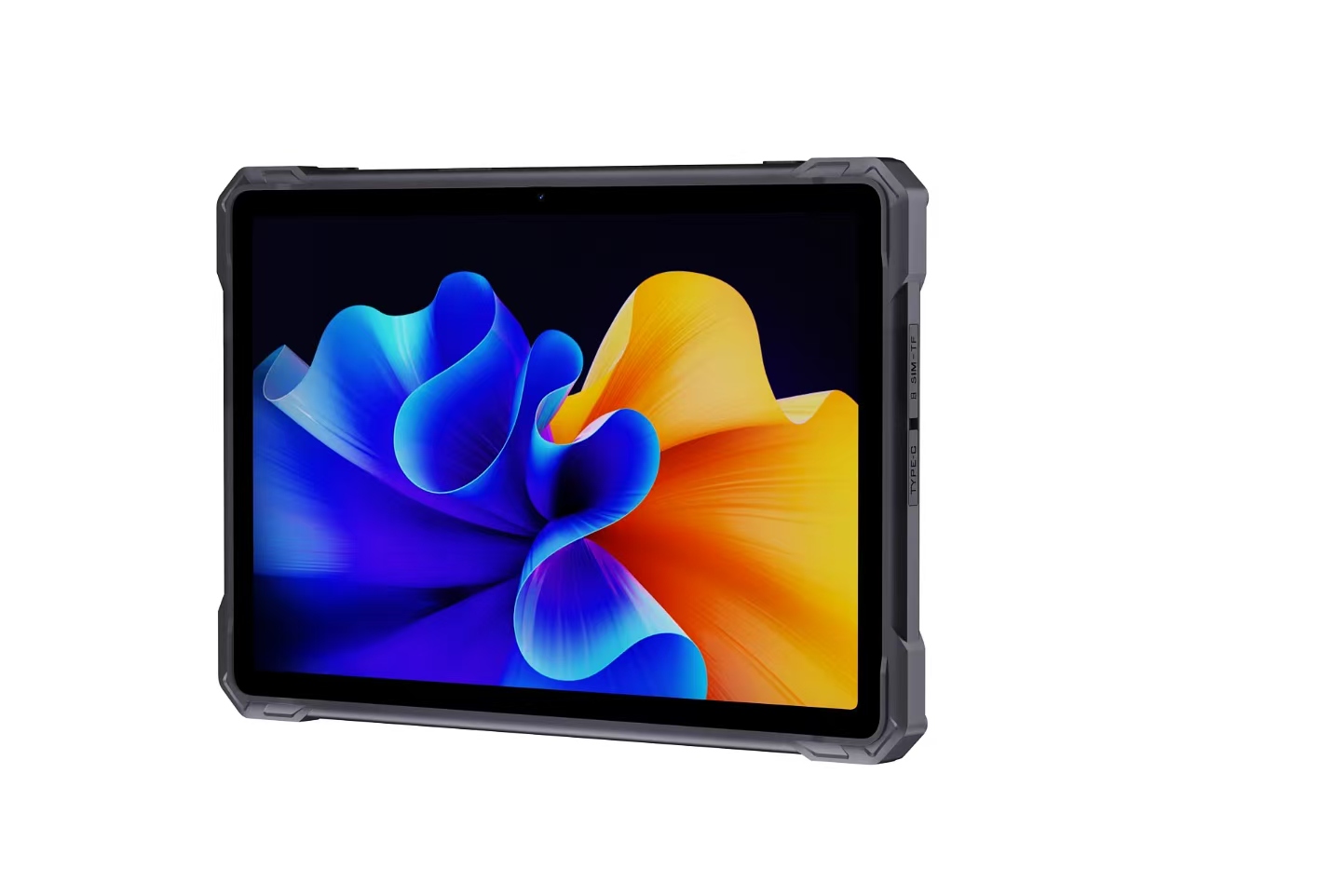
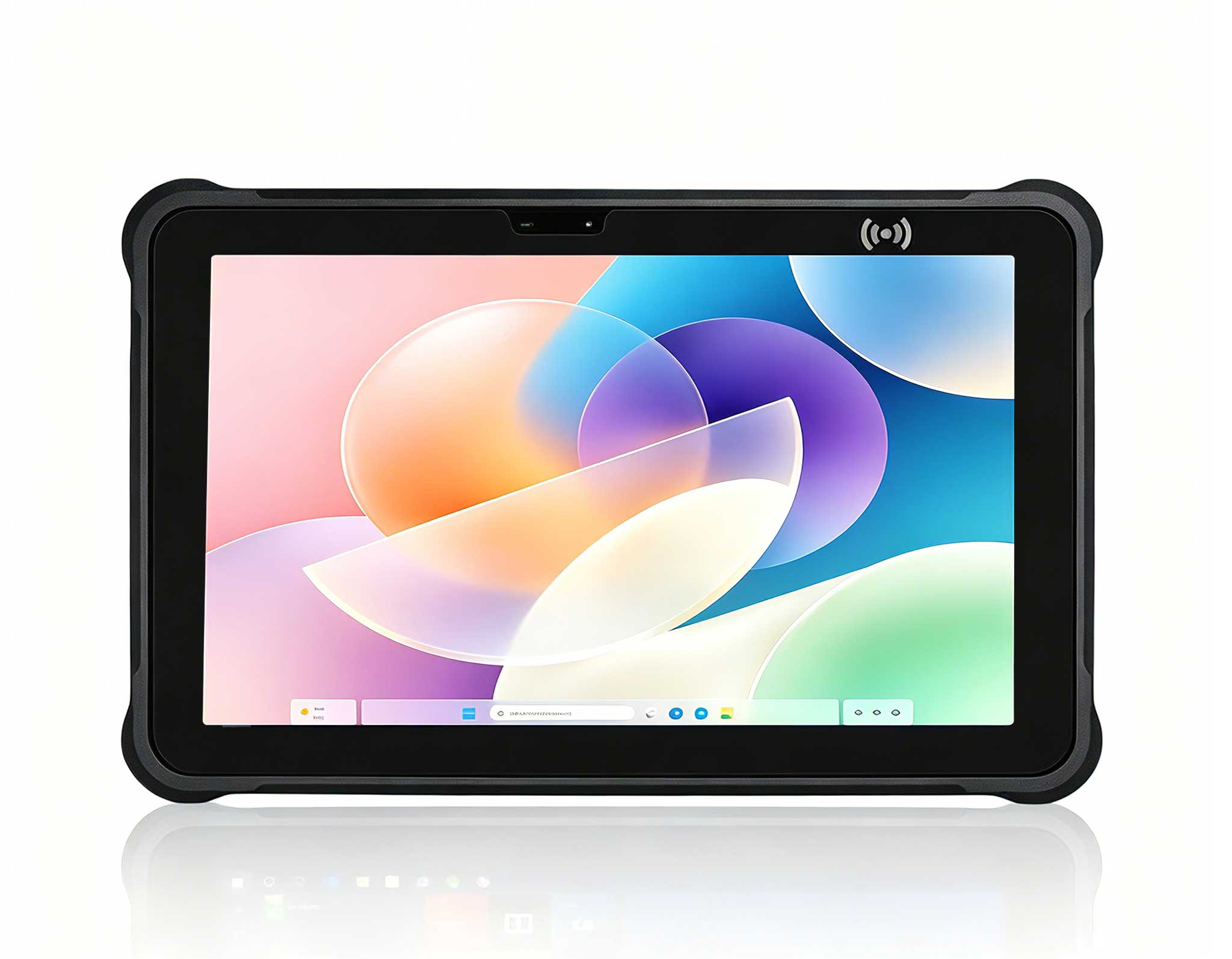
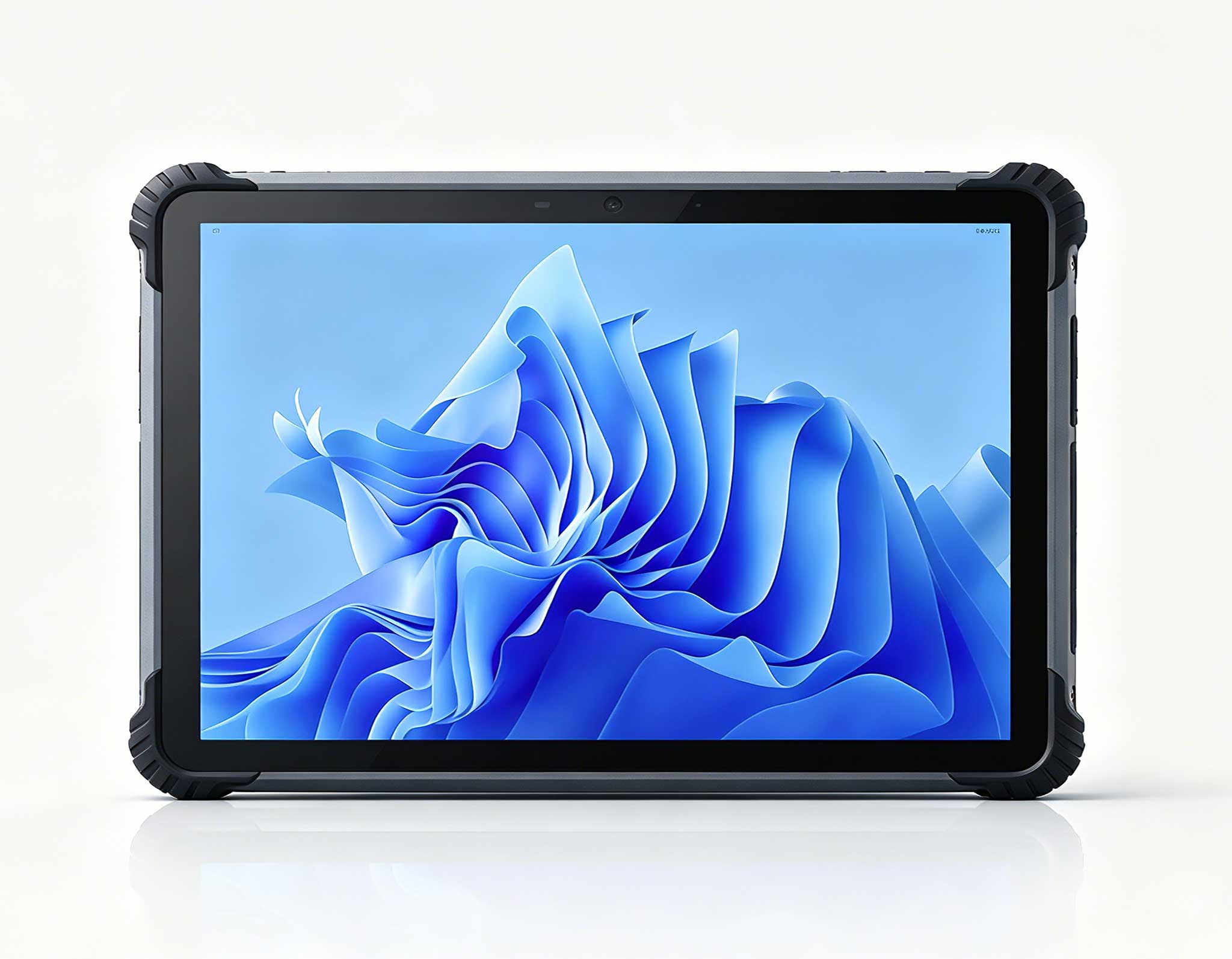
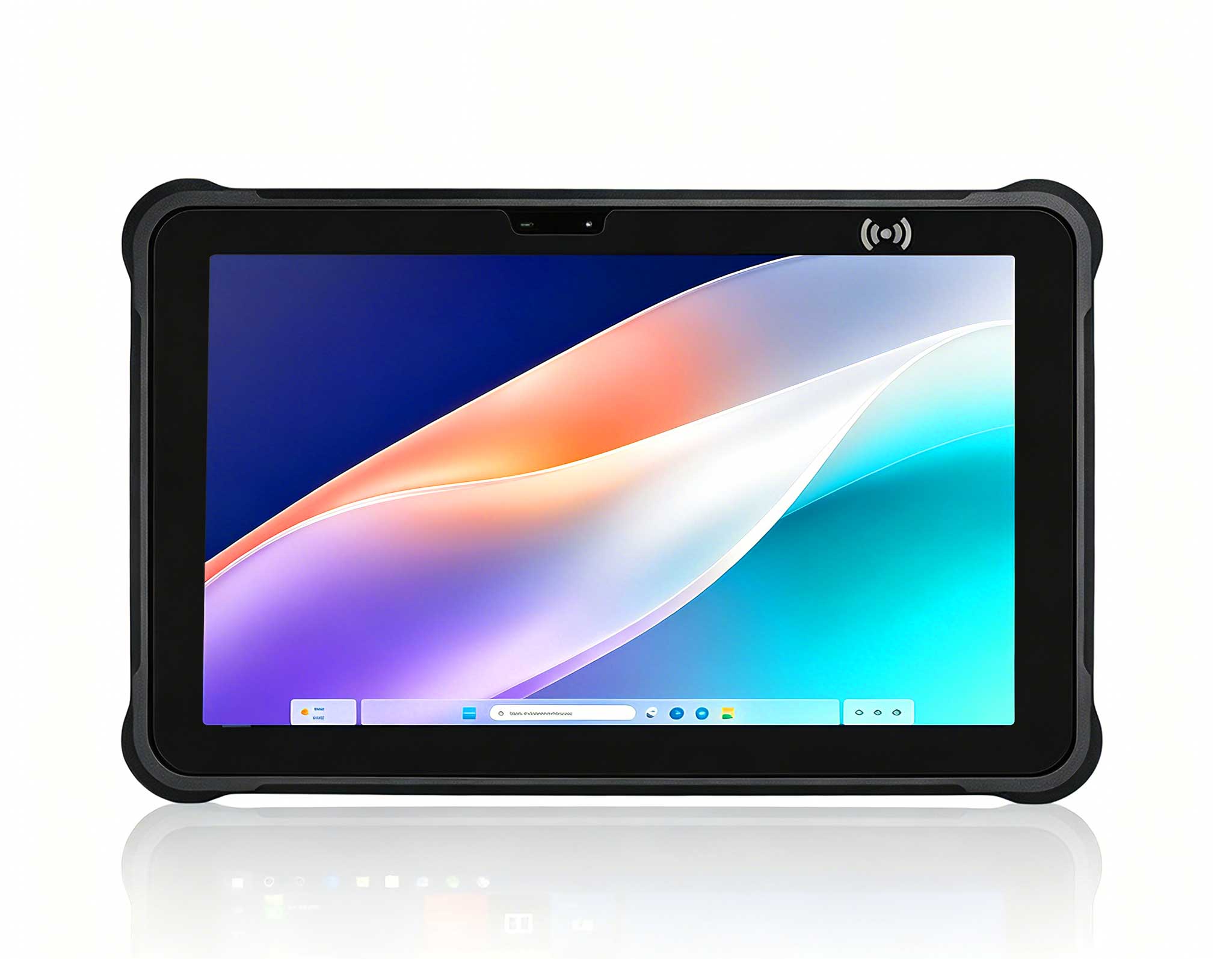
Fig 2 – Real-time Scope 3 emissions dashboard on rugged tablet
Once captured, shipment data must be accessible for analysis and decision-making. A rugged Windows tablet provides mobility and computing capability for on-site management.
The Hotus ST11-U rugged tablet enables supply chain managers to monitor emissions data as it is generated. Dashboards can display:
With immediate visibility, companies can identify inefficiencies and adjust logistics strategies without waiting for end-of-quarter reports.

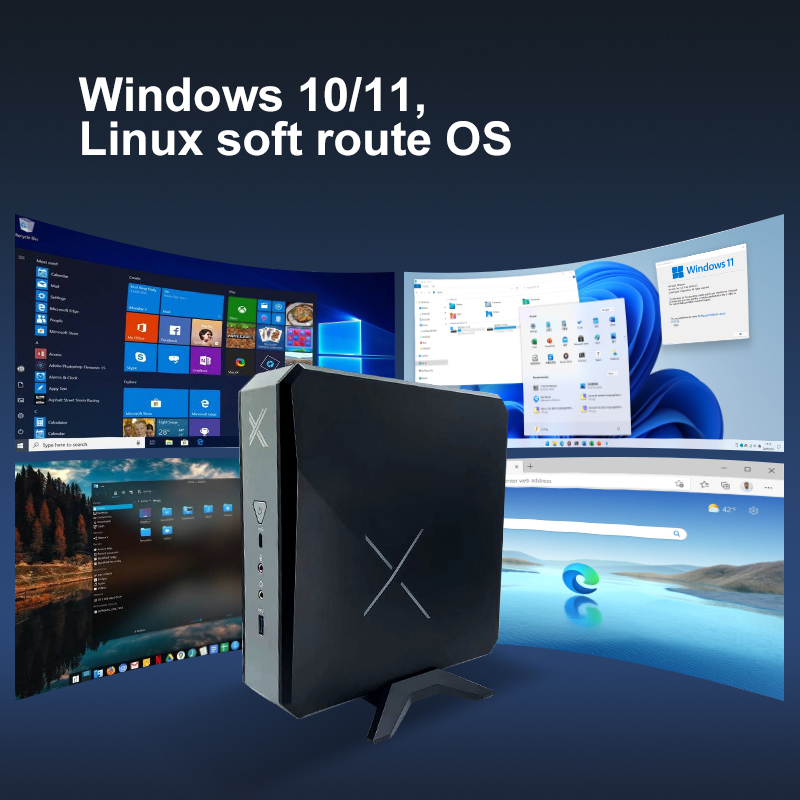
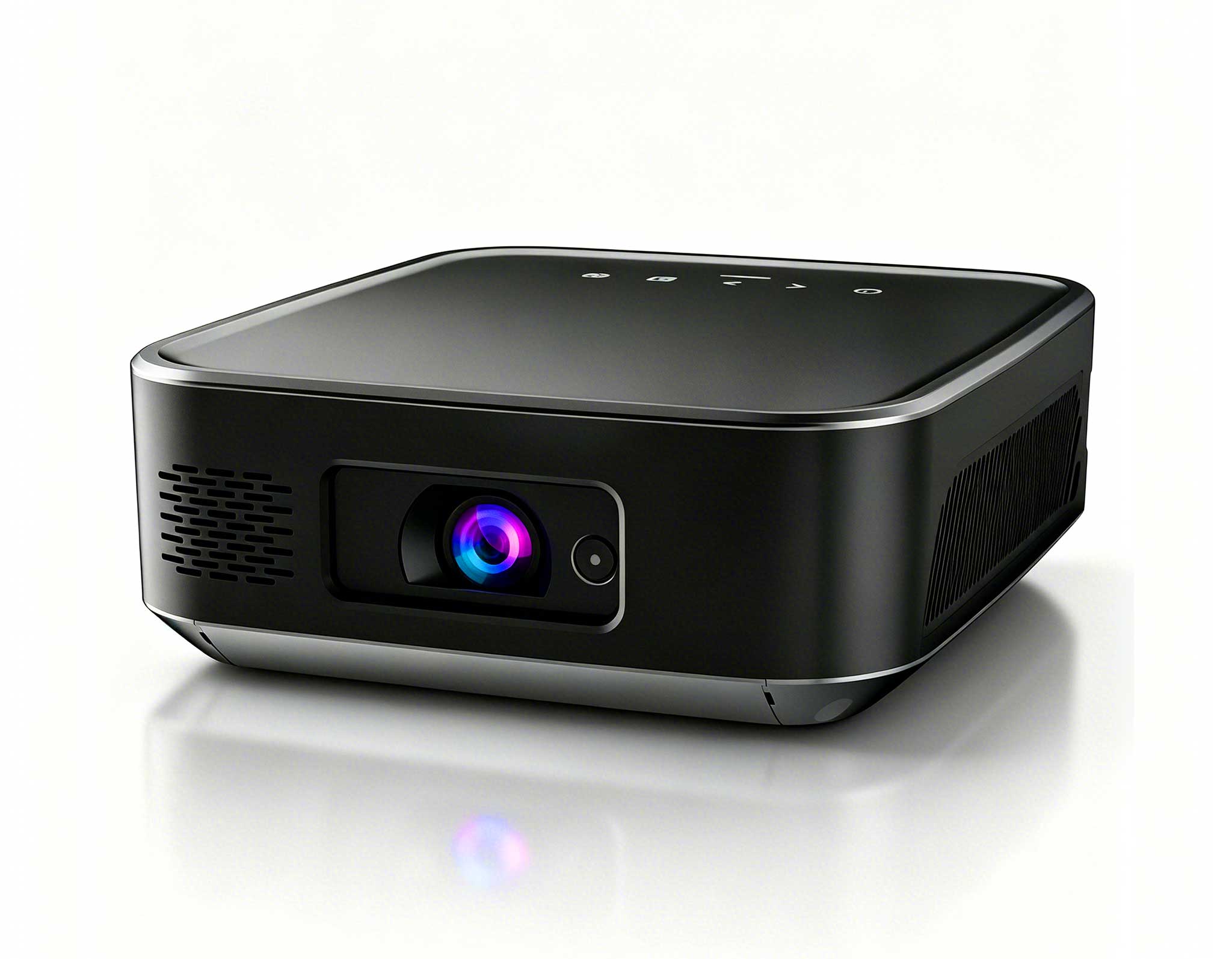
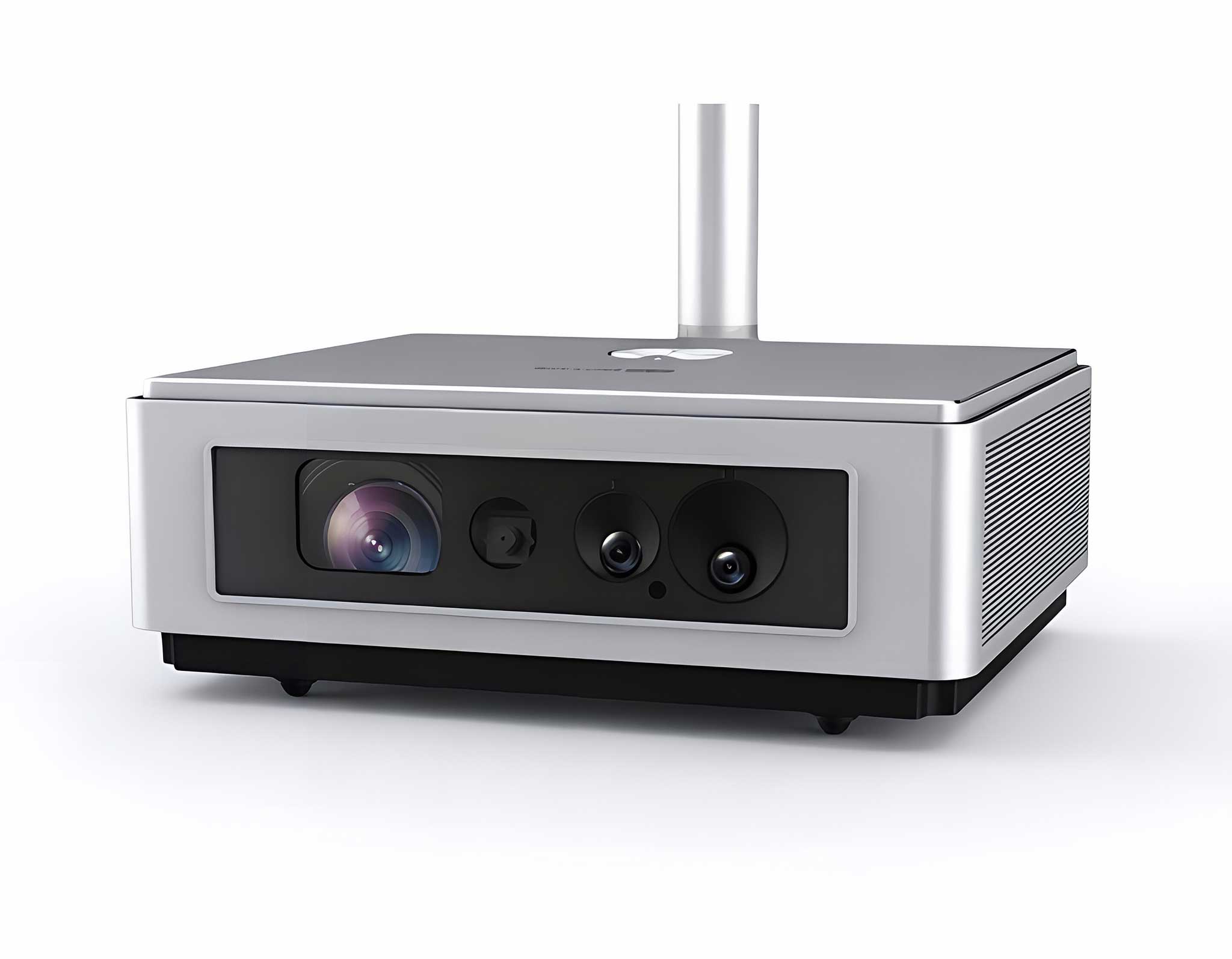
Fig 3 – Edge Mini PC performing local emissions data processing
Large-scale supply chains generate significant volumes of data. Sending all raw data to the cloud can create delays and increase bandwidth costs. Edge computing provides a practical solution.
The Hotus Mini PC edge gateway processes and validates data locally before syncing with central systems. This approach offers several advantages:
Edge processing also allows basic emissions calculations to run on-site, enabling quicker insights and reducing reliance on delayed cloud analysis.
Companies that transition to primary data collection gain measurable operational and compliance benefits. Accurate shipment-level data supports:
More importantly, it transforms sustainability from a reporting exercise into a data-driven operational function.
Effective Scope 3 management requires an integrated system across the supply chain. A scalable approach includes:
Together, these components create a continuous data flow from shipment origin to reporting platform, ensuring accuracy and transparency at every stage.
For organizations preparing for stricter sustainability requirements, investing in reliable data collection infrastructure is no longer optional. It is the foundation for credible, defensible carbon reporting.