- Select Language
R366-S 5.5-inch Industrial PDA | Qualcomm Octa-cor...
RS51 4G Rugged Handheld Terminal | 6.3" FHD+ ...
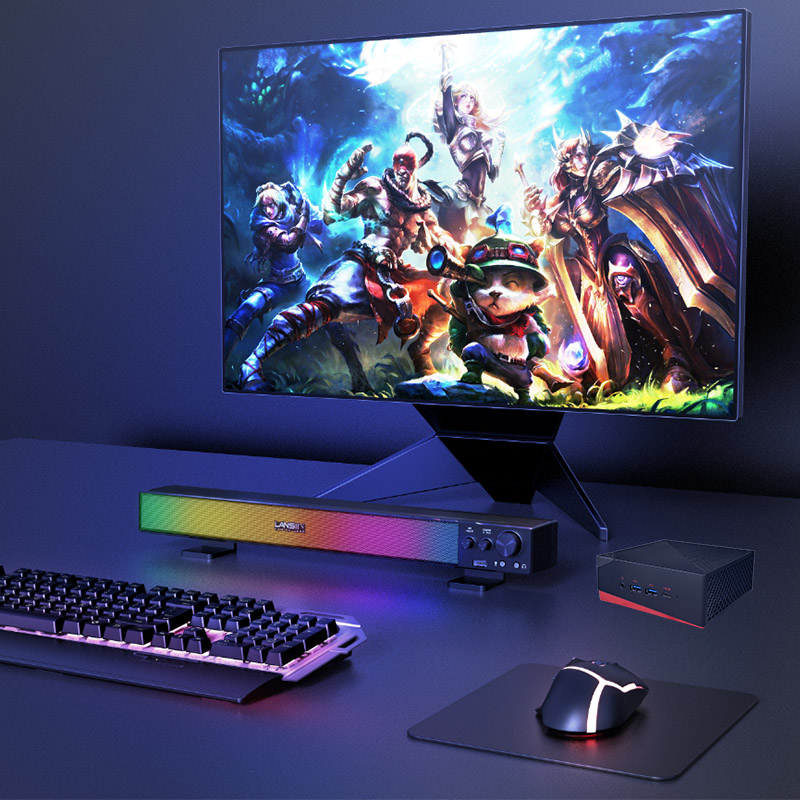
One Device, Dual Functions – A Projector and a Com...
️ X8 Series Handheld Label & Thermal Printing ...
Technical SpecificationsModel: Palm-sized miniPCTy...
RS50 5G Rugged Handheld Terminal | 6.3" FHD+ ...
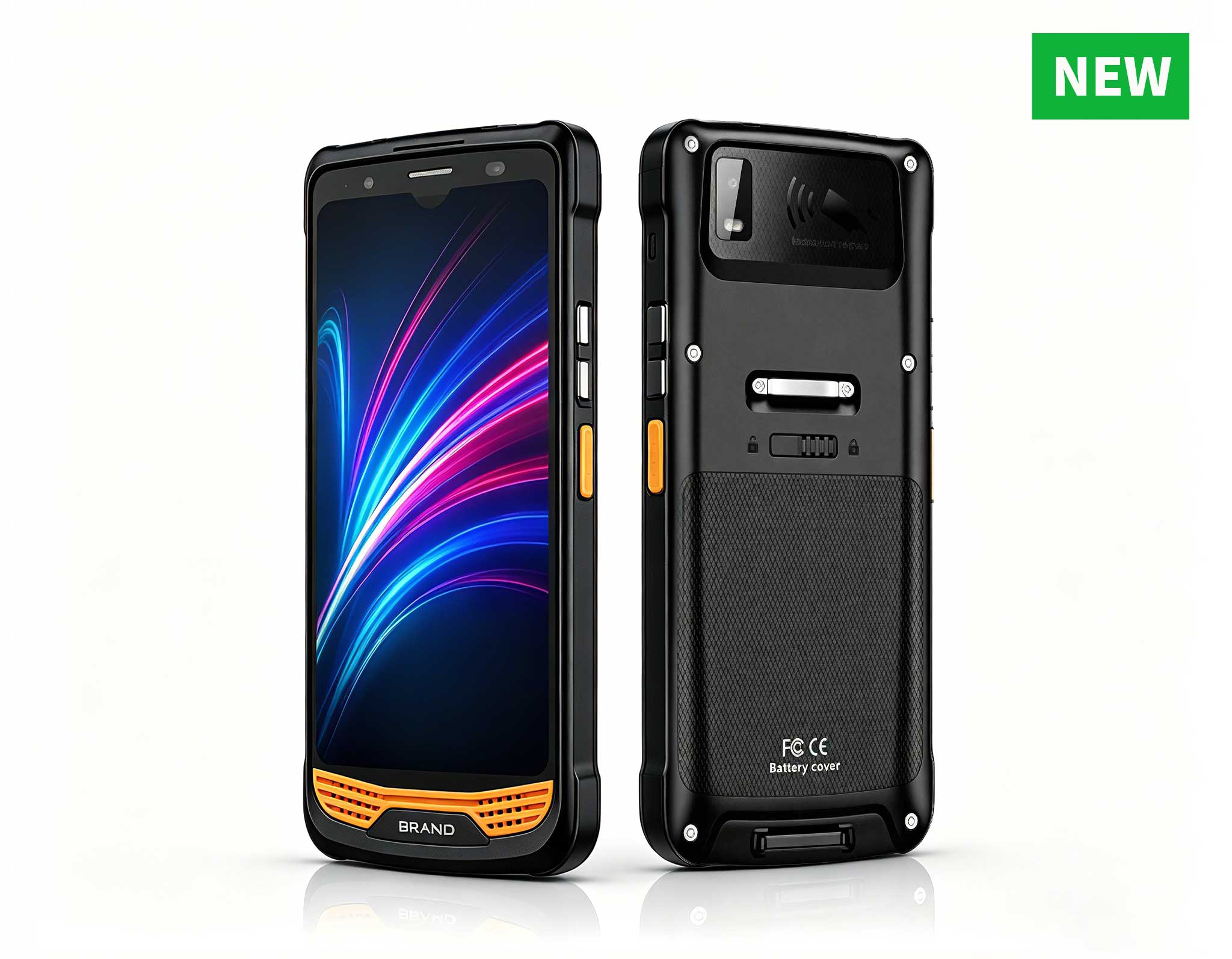
The N60 PDA is a cutting-edge device for inventory...
The R501 PDA combines a powerful MT6762 Octa-Core ...
The U9000 handheld PDA combines advanced barcode s...
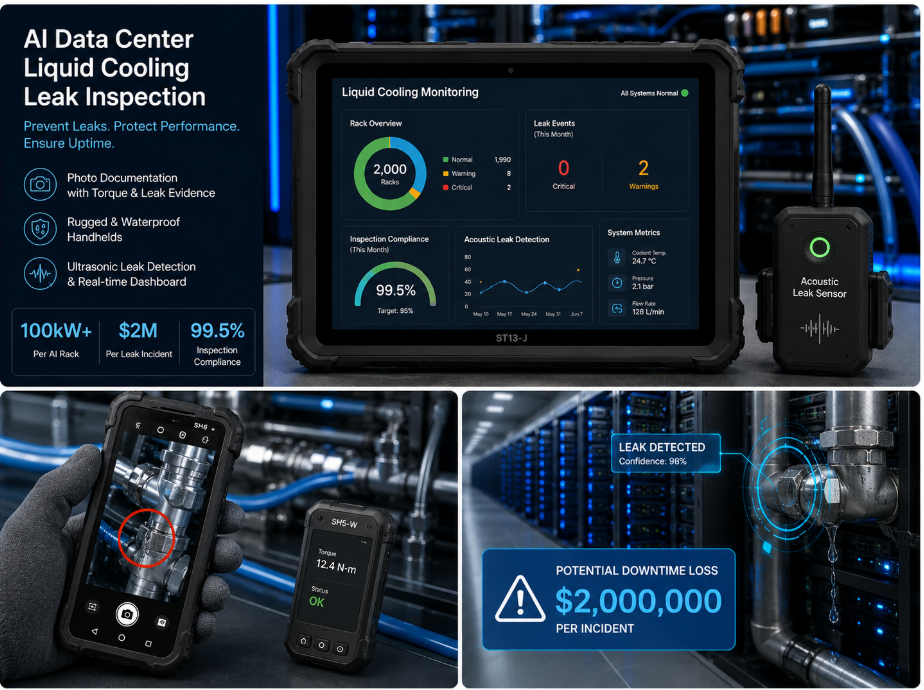
Fig 1 – A data center technician crouches beside a liquid-cooled AI rack, using the SH6 rugged Windows handheld to verify torque values and inspect coolant fittings. Blue coolant tubes run overhead while server LEDs pulse quietly in the background.
Industry Insight: AI infrastructure is pushing data centers beyond the limits of traditional air cooling. GPU clusters used for large language models and AI training now generate extreme thermal loads, making liquid cooling unavoidable. Yet many operators still manage inspections with spreadsheets and paper forms. In a high-density cooling environment, even a minor fitting leak can trigger equipment shutdowns, insurance claims, and multimillion-dollar outages. Digital inspection tools are rapidly becoming standard practice for modern AI facilities.
The global AI boom is fundamentally changing how modern data centers are designed. High-performance GPU servers powering generative AI, autonomous systems, and large-scale inference workloads now operate at rack densities that were almost unimaginable only a few years ago. In many hyperscale environments, individual racks exceed 100kW of thermal output, making conventional air cooling increasingly impractical.
As a result, liquid cooling technologies — including direct-to-chip cooling, rear-door heat exchangers, and immersion cooling — are moving rapidly from experimental deployments into mainstream infrastructure.
Liquid cooling improves thermal efficiency and significantly reduces energy consumption, but it also introduces a new operational challenge: coolant leak management. A loose fitting, degraded gasket, or improperly torqued quick-disconnect coupling can allow dielectric coolant to escape directly into sensitive electronic systems.
Although many liquid coolants are marketed as non-conductive, contamination from dust, metallic particles, and residue can still create electrical hazards once leaks occur. Even a small coolant drip inside a live AI cluster can force emergency shutdown procedures, hardware replacement, and extended downtime.
For hyperscale operators, every minute offline can cost thousands — or even millions — of dollars in lost compute availability.
Despite these risks, many facilities still rely on handwritten maintenance logs or disconnected spreadsheets for leak inspections. These methods make it difficult to verify inspection completion, track recurring fitting problems, or provide photographic evidence during insurance or compliance audits.
The Hotus SH6 6.5″ Windows Rugged Handheld is designed specifically for field inspection workflows inside high-density data center environments. Its compact form factor allows technicians to work comfortably between narrow server aisles and cable trays, while the IP67-rated enclosure protects the device from coolant splashes, condensation, and accidental drops.
The SH6 supports digital inspection applications that guide technicians through structured coolant-loop verification procedures. Instead of paper checklists, engineers can confirm each fitting inspection digitally, capture high-resolution photos, record torque values, and attach timestamped maintenance notes directly from the handheld.
The device’s glove-compatible touchscreen is optimized for ESD-safe gloves commonly used in data center maintenance operations. Integrated cameras simplify visual documentation, making every inspection traceable and audit-ready.
In modern AI facilities, traceability matters as much as repair itself. If a fitting fails weeks later, operators need to know who inspected it, what measurements were recorded, and whether warning signs were previously detected.
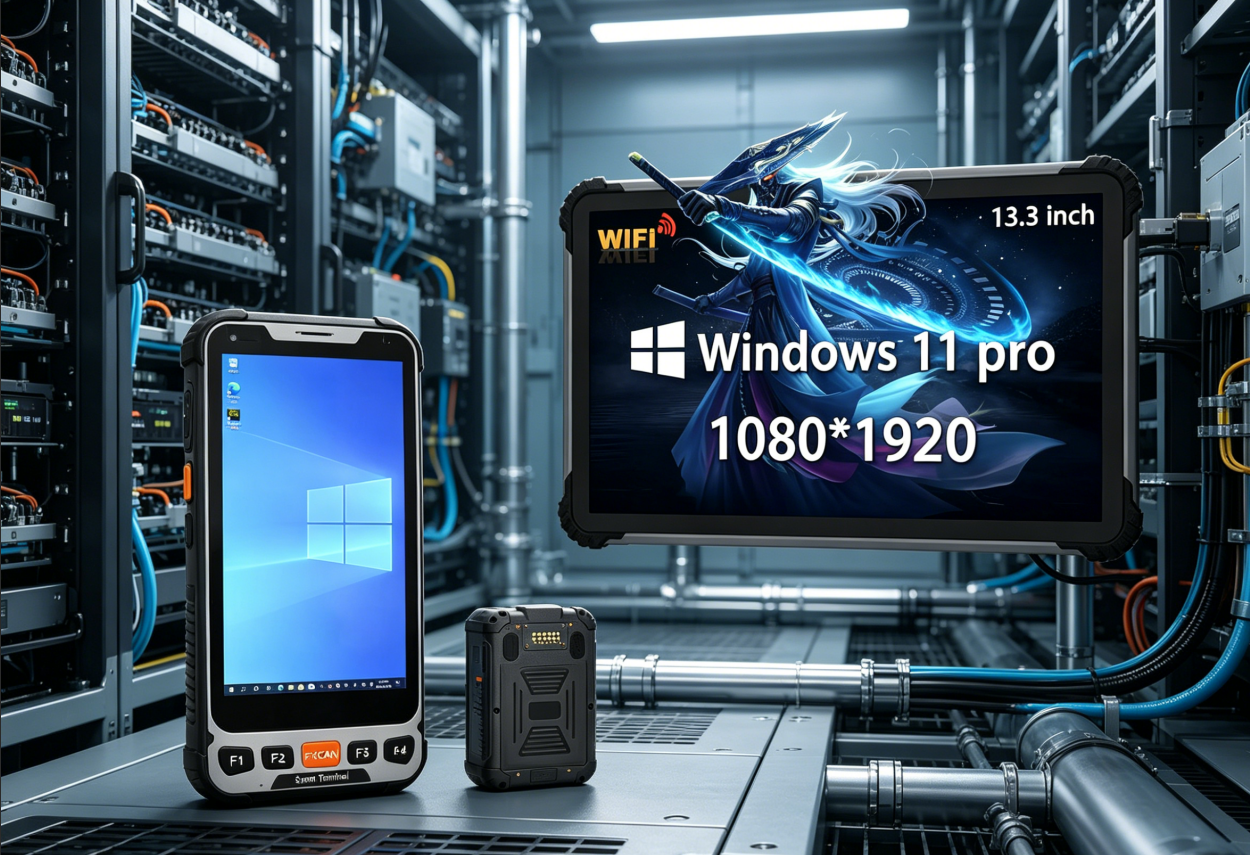
Fig 2 – A facility engineer reviews a liquid cooling inspection heatmap on the SH5-W rugged handheld inside a cold aisle containment zone. Several fittings are highlighted for scheduled re-torque inspection.
In crowded server environments, mobility matters. Maintenance teams often need to climb ladders, maneuver through cable-dense corridors, or inspect cooling manifolds positioned above active racks.
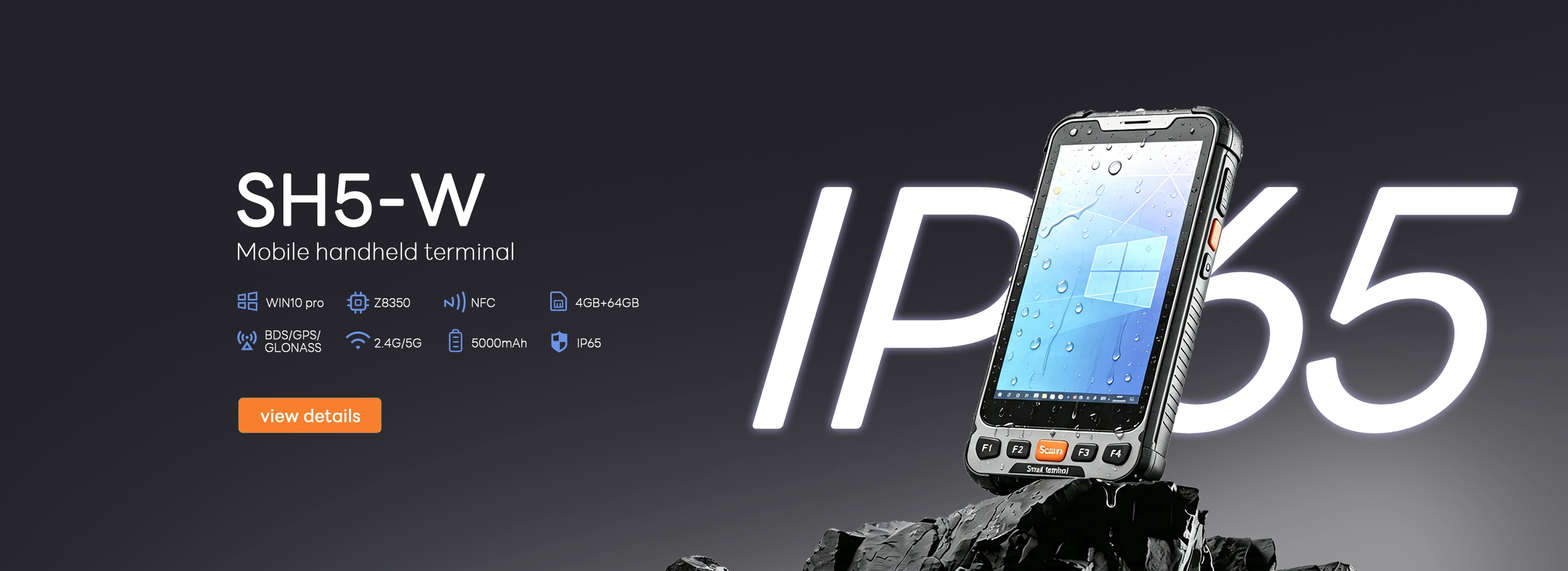
The Hotus SH5-W Windows Rugged Handheld provides a lighter, pocket-sized option for technicians performing rapid inspections across large AI campuses. Its compact 5.5-inch design makes it ideal for quick fitting verification, digital checklists, and leak-response workflows.
Maintenance supervisors can also use the SH5-W to review inspection trends, identify repeated failures by rack location, and monitor maintenance compliance across multiple cooling zones.
As liquid cooling infrastructure expands, operators increasingly combine manual inspections with real-time environmental monitoring systems. Acoustic leak sensors, pressure sensors, and thermal probes continuously monitor coolant loops for early warning signs.
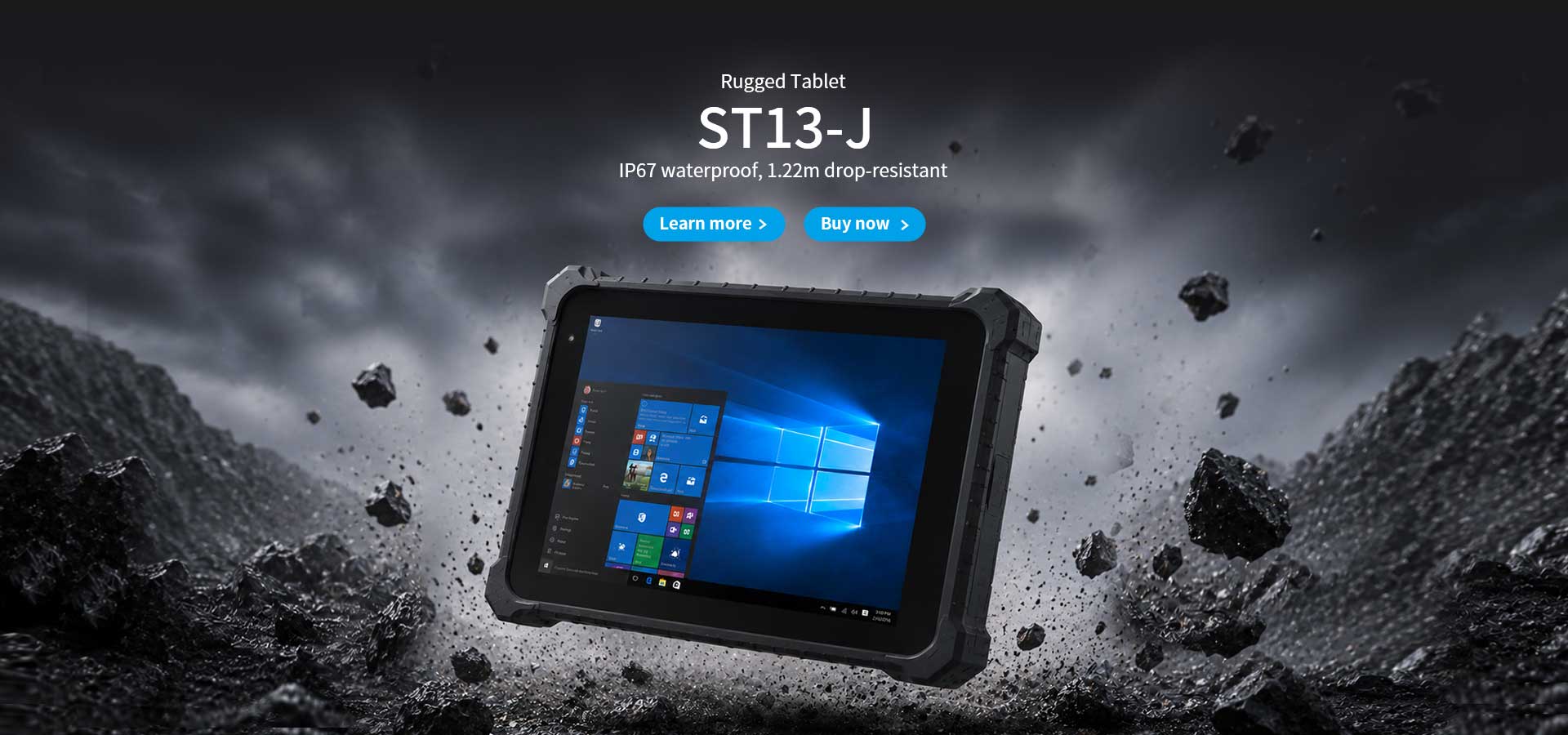
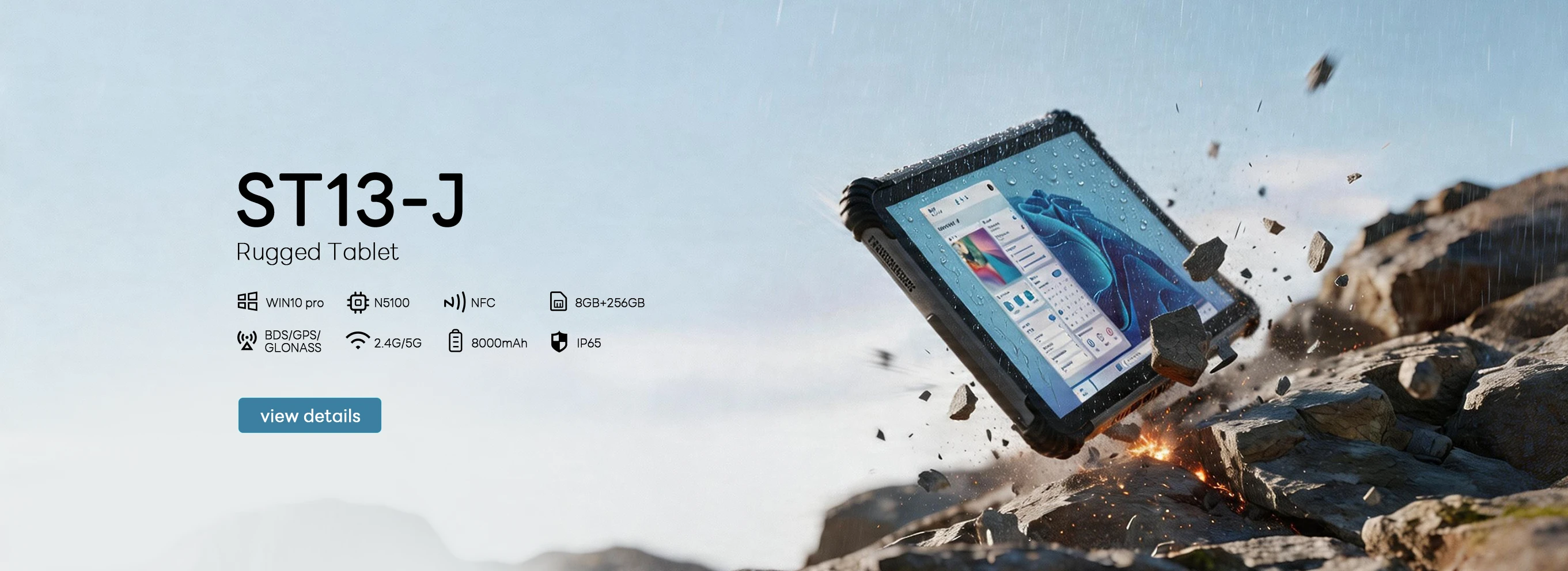
The Hotus ST13-J 13.3″ Windows Rugged Tablet functions as a centralized monitoring dashboard for data center operations teams. Mounted inside network operations centers or maintenance control rooms, the ST13-J displays rack-level inspection status, leak alerts, pressure anomalies, and cooling loop analytics in real time.
When integrated with facility management platforms, the tablet can instantly display the exact rack location, inspection history, technician notes, and previous maintenance records associated with a flagged fitting or cooling distribution unit.
This level of visibility allows operators to move from reactive maintenance toward predictive reliability management — a crucial advantage for AI infrastructure operating around the clock.
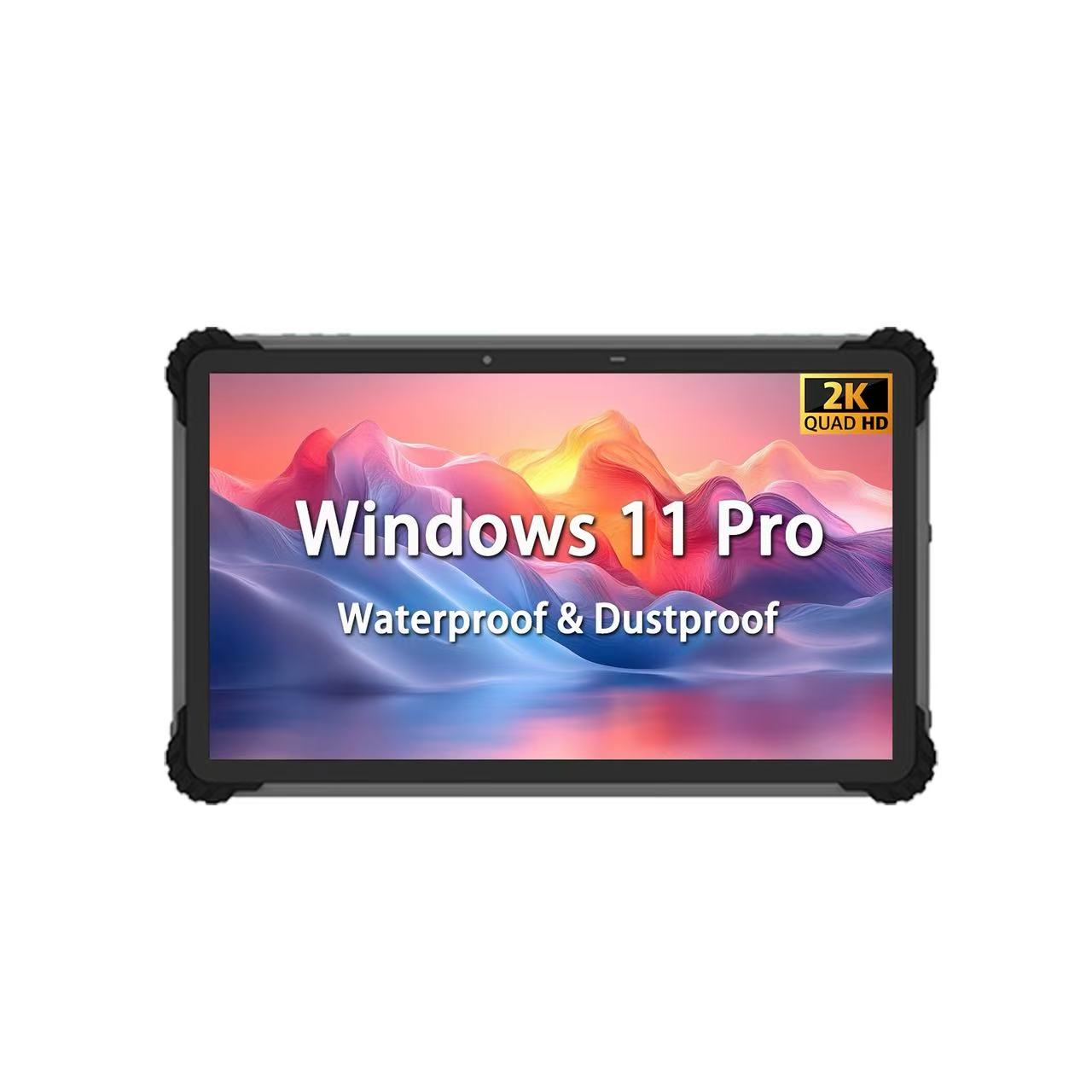
Fig 3 – The ST13-J rugged tablet displays a live cooling infrastructure map inside a network operations center. A pressure warning appears near a cooling distribution unit while technicians prepare a preventive inspection.
A hyperscale AI data center operating more than 2,000 liquid-cooled GPU racks recently upgraded its maintenance workflow using SH6 handhelds, SH5-W compact inspection terminals, and ST13-J monitoring tablets.
Before deployment, inspection compliance rates were inconsistent due to paper-based processes and incomplete reporting. Within six months of digitization, inspection completion rates improved to 99%+, while maintenance response times for cooling alerts dropped significantly.
During one scheduled inspection cycle, technicians identified early-stage seepage at two quick-connect fittings before coolant escaped into production equipment. According to the facility operator, the preventive repairs avoided an estimated $2 million in downtime and hardware risk.
The company also streamlined compliance reporting for SOC 2 and internal operational audits because every inspection record included timestamps, technician identity, images, and maintenance actions.
As AI workloads continue pushing power density higher, liquid cooling reliability is becoming a core operational priority. Facilities that digitize inspection workflows today will be far better prepared for the next generation of ultra-dense compute infrastructure.
In AI data centers, uptime depends on more than servers — it depends on every fitting, every inspection, and every maintenance record. The SH6, SH5-W, and ST13-J help operators modernize coolant-loop inspections with digital traceability, real-time visibility, and field-ready rugged hardware designed for mission-critical environments.
Contact HOTUS Technology to discuss AI data center liquid cooling inspections, digital maintenance modernization, and rugged handheld solutions for high-density cooling infrastructure management.