- Select Language
Enterprise Flagship SeriesEngineered for mission-c...
The T80 handheld PDA combines advanced barcode sca...
The EGPU Graphics Card Expansion Dock is a high-pe...
R350C 4-inch Industrial Handheld PDA | Qualcom...
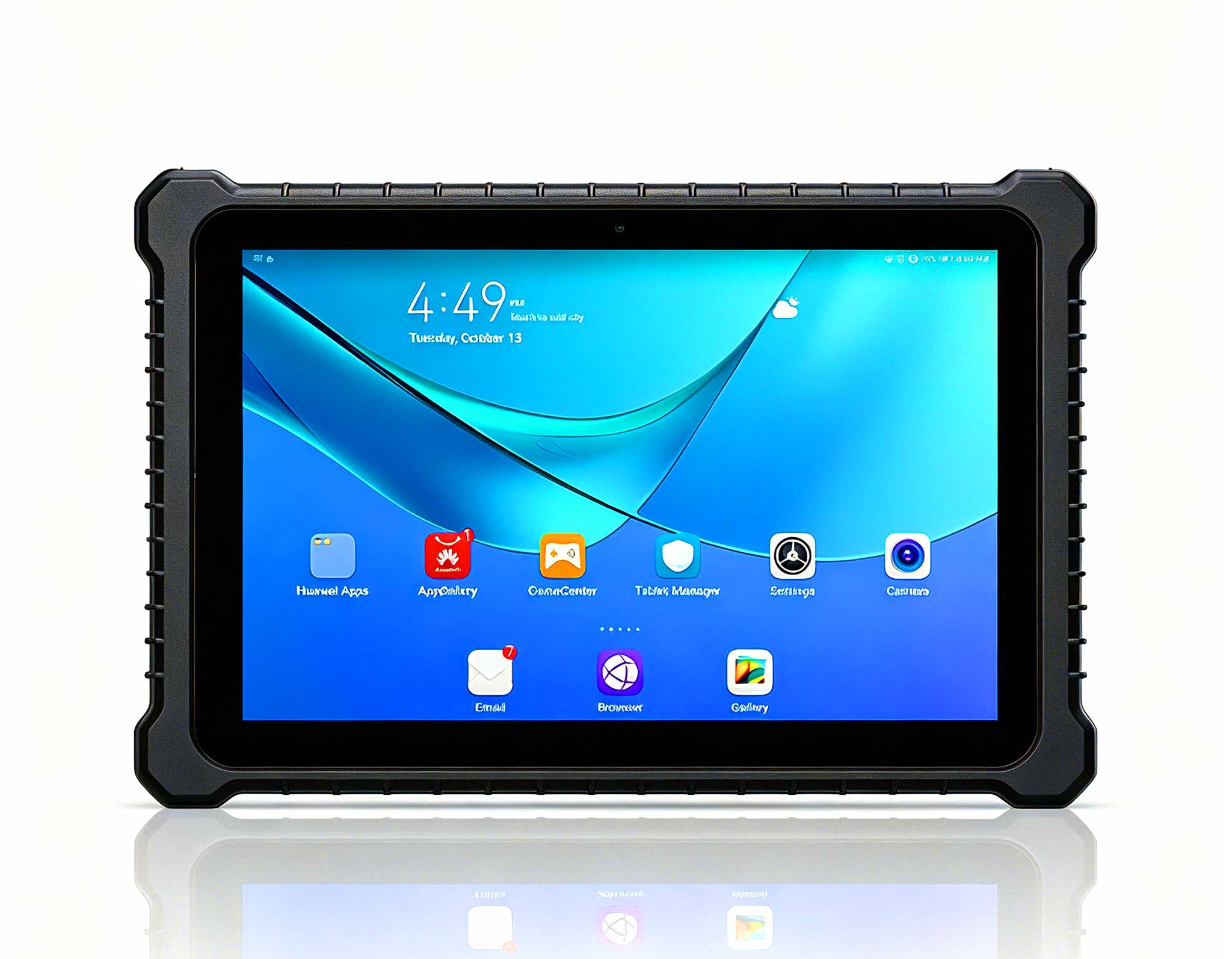
This 10-inch Android rugged tablet is designed for...
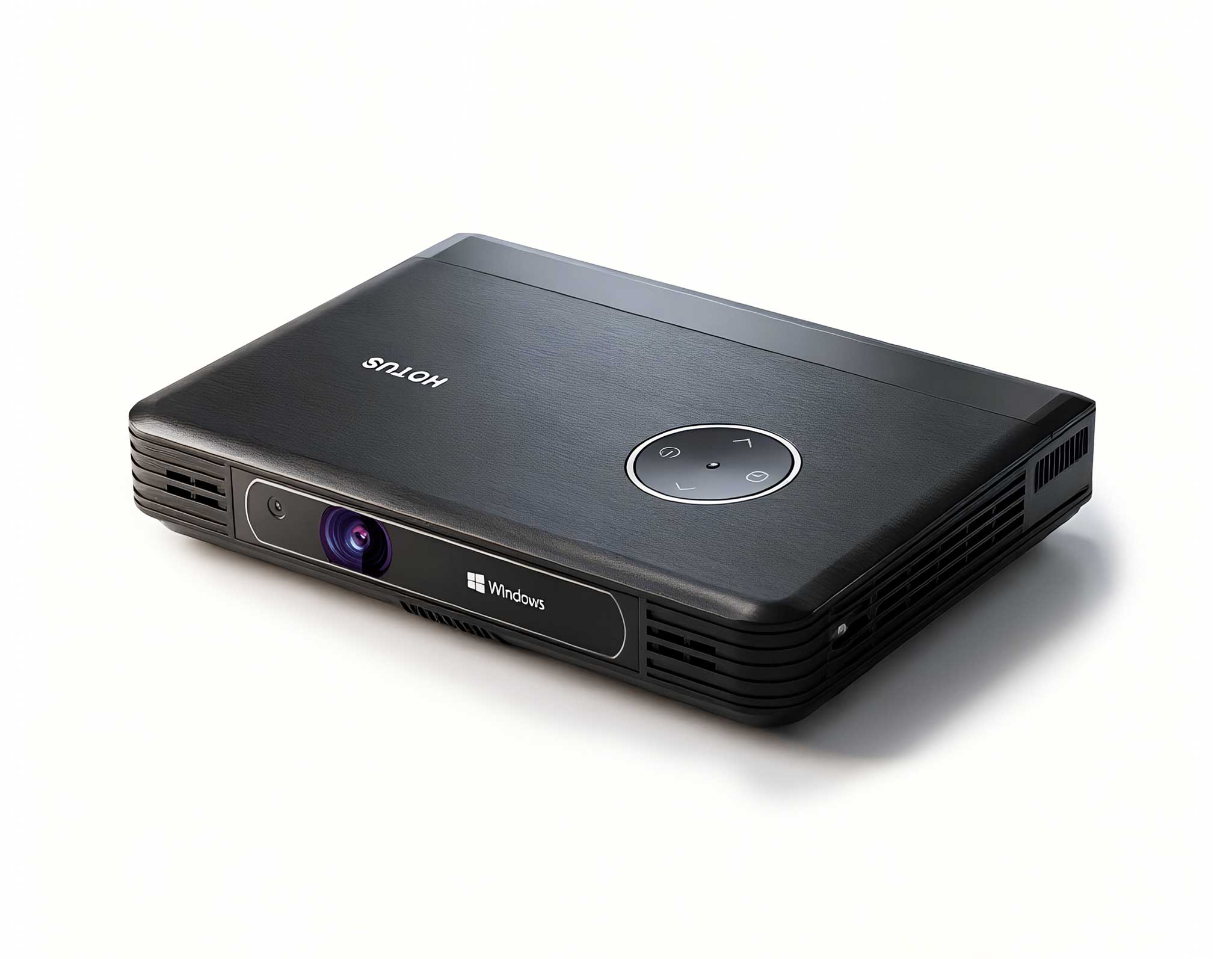
One Device, Dual Functions – A Projector and a Com...
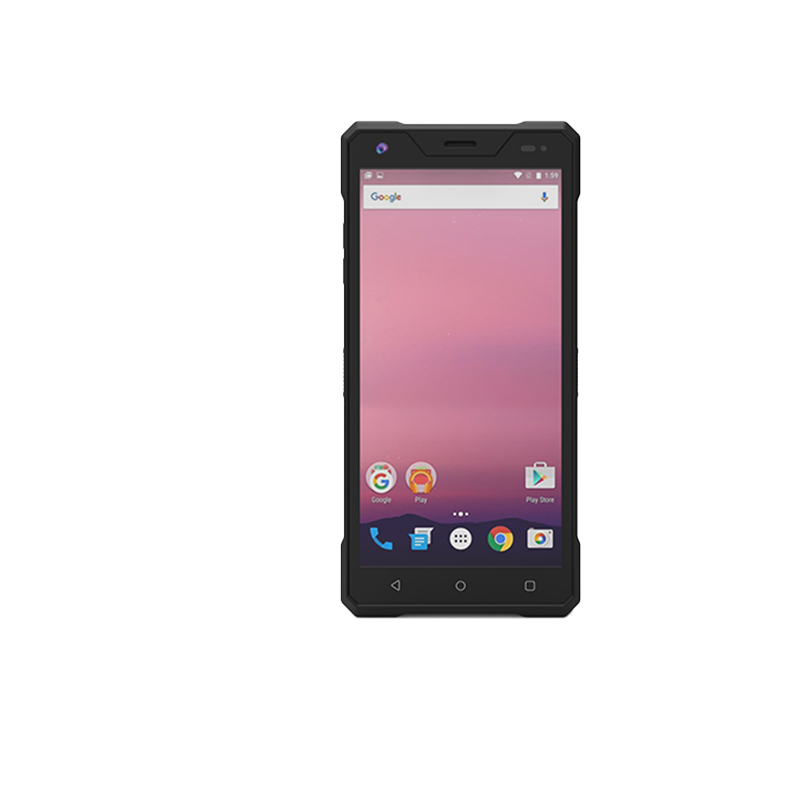
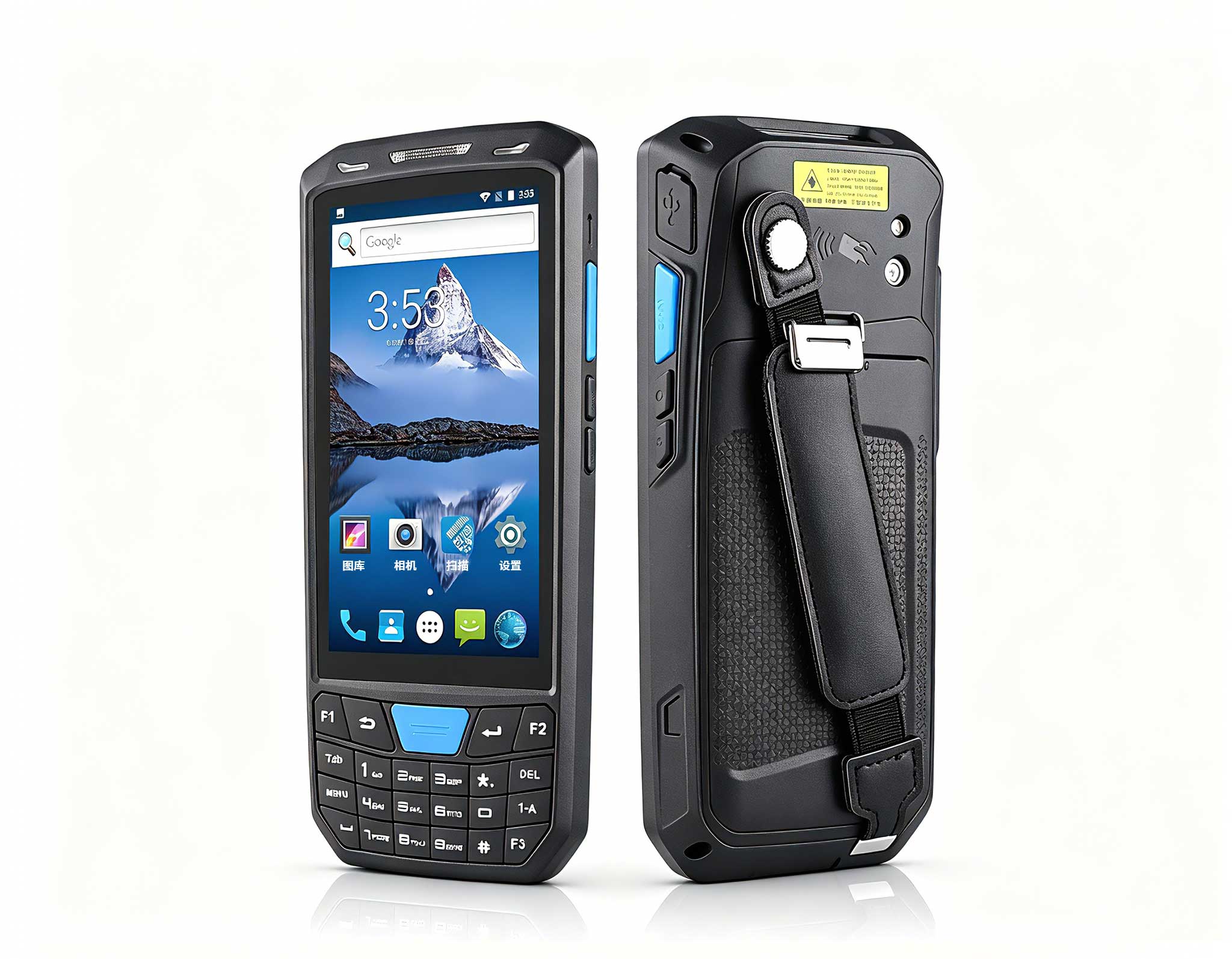
R366-S 5.5-inch Industrial PDA | Qualcomm Octa-cor...
A store's checkout area is really three workstations stacked on top of each other, and most retail hardware vendors only sell you one of them. There is the back office — the box that runs the POS server, holds the inventory database and drives the receipt printer and the till. There is the counter — the screen the customer turns around, the price checker, the loyalty sign-up tablet that gets wiped with sanitizer forty times a day. And there is the hand — the device a floor associate uses to scan a shelf tag, check stock and take a card payment anywhere in the aisle. This comparison builds all three tiers from Hotus hardware — the WTR PRO AMD in the back, the HTQ10A on the counter and the ST9-M in the hand — and tests them against two of the most respected names in handheld retail scanning: Honeywell's EDA5S and Datalogic's Memor 20. Both are excellent handhelds. The gap is what they leave uncovered above the hand.
| Tier | Hotus unit | Engine | What it carries | Rival benchmark |
|---|---|---|---|---|
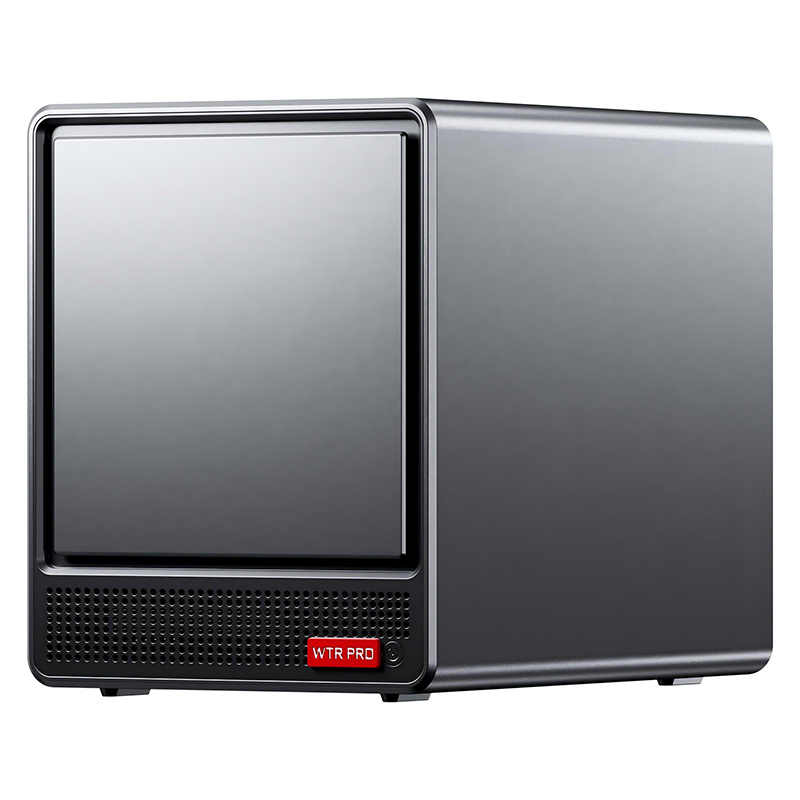
| Back office | WTR PRO AMD | Ryzen 7 5825U | 4× SATA bays, dual 2.5 GbE, 3× 4K out | None from either rival |
| Counter | HTQ10A | MTK 8788 octa-core | 10" 560 nits, IP67 sealed, drop-tested | None from either rival |
| Hand | ST9-M | Intel i5-8200Y | 8" x86 Windows, 400 nits, stylus and dock | EDA5S / Memor 20 |
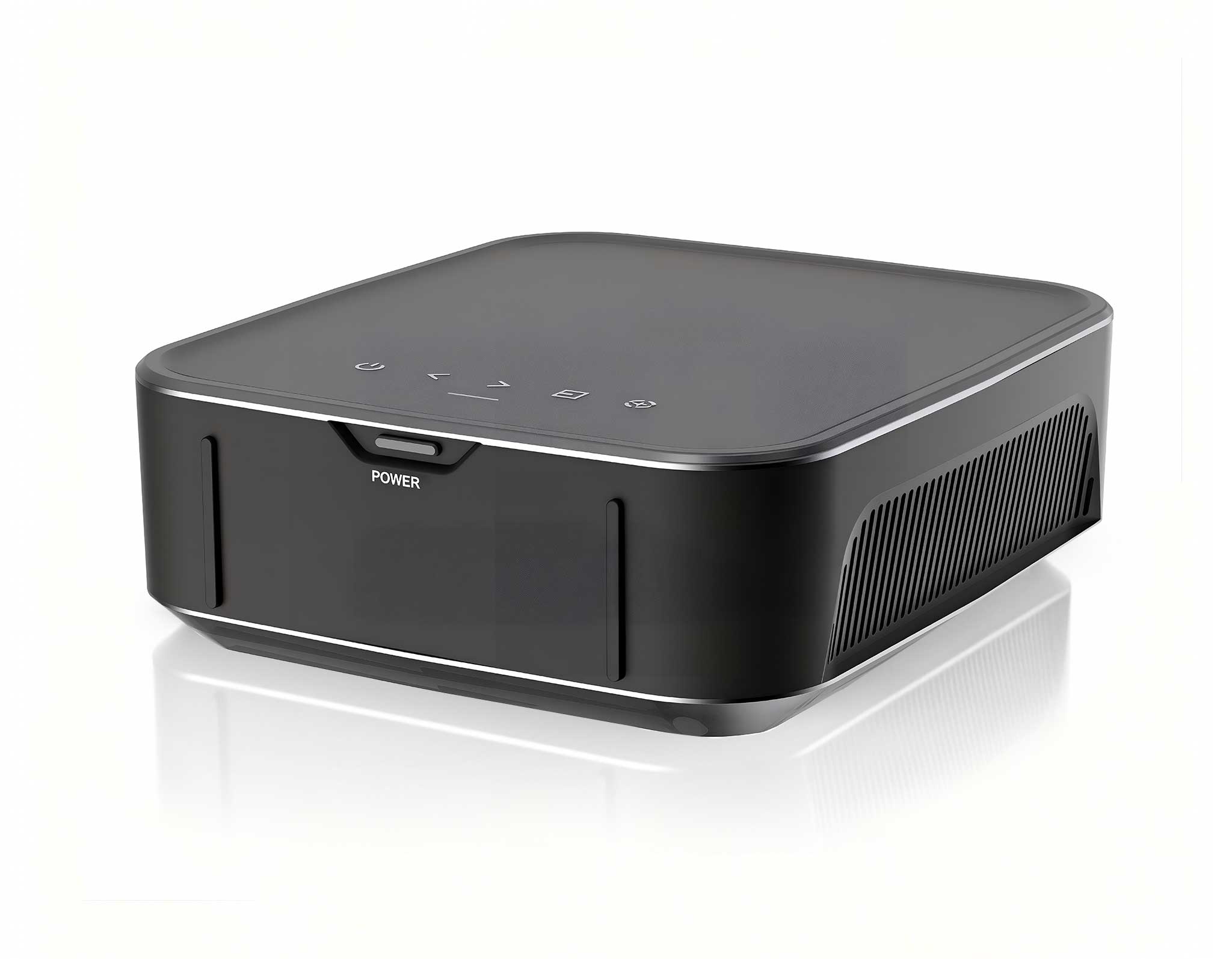
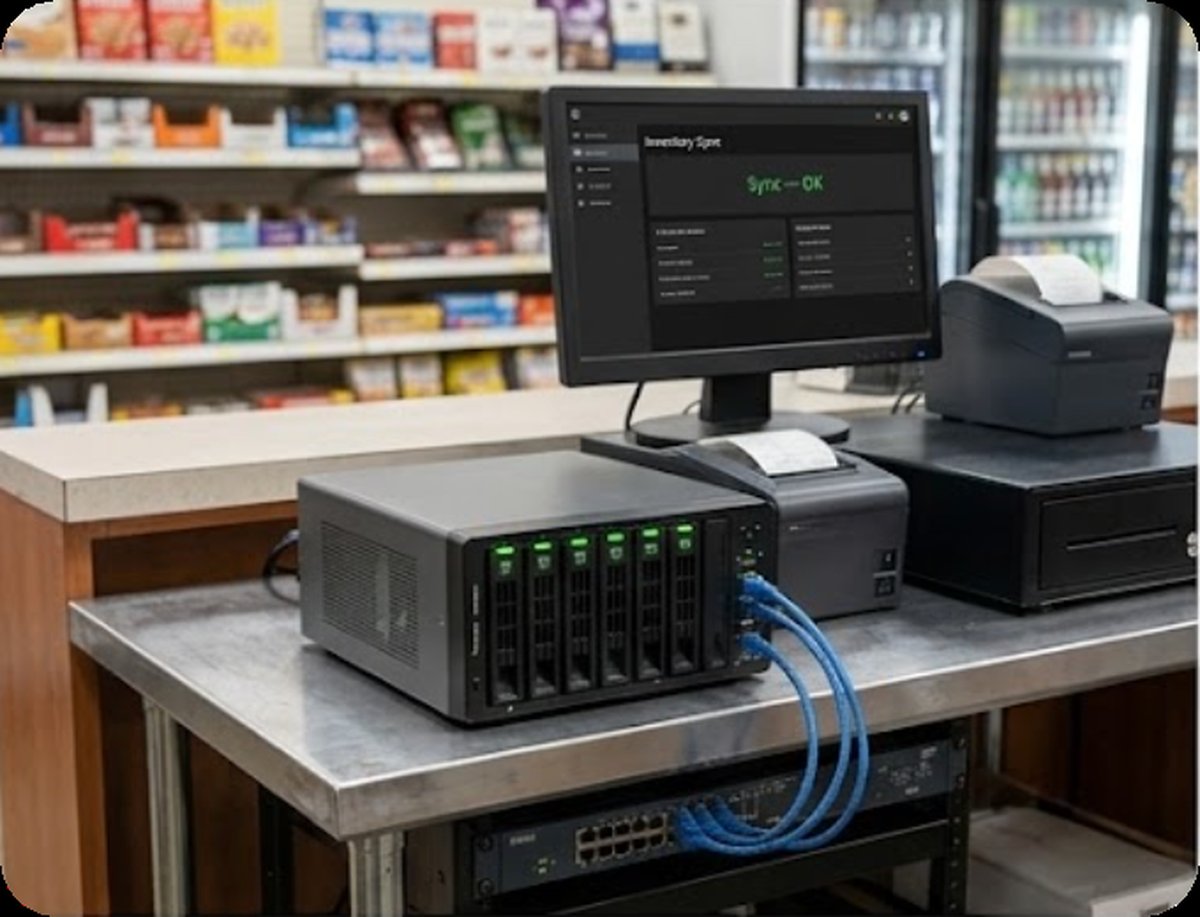
Every card transaction, every stock movement and every shift report eventually lands in a box behind the counter or in the stockroom, and that box decides how the store survives a network outage. The WTR PRO AMD runs a Ryzen 7 5825U with four SATA drive bays behind a metal chassis, dual 2.5-gigabit Ethernet ports and enough display output — HDMI, DisplayPort and USB-C driving three 4K screens — to run the back-office monitor, the training screen and the security feed from one unit. Four bays mean the inventory database can live on a mirrored pair while weekly footage archives to a third disk, all inside a 120-watt supply sized for years of always-on duty. When the wide-area link drops on a Saturday, the same box keeps the lane printers, the price lookups and the card authorizations running on the local copy — the difference between a short pause and a queue of customers watching staff write receipts by hand. It is the least glamorous part of the stack and the one neither rival addresses at all: Honeywell and Datalogic build handheld computers, not servers, and a store running their hardware still needs a third vendor for the room where the data actually lives.
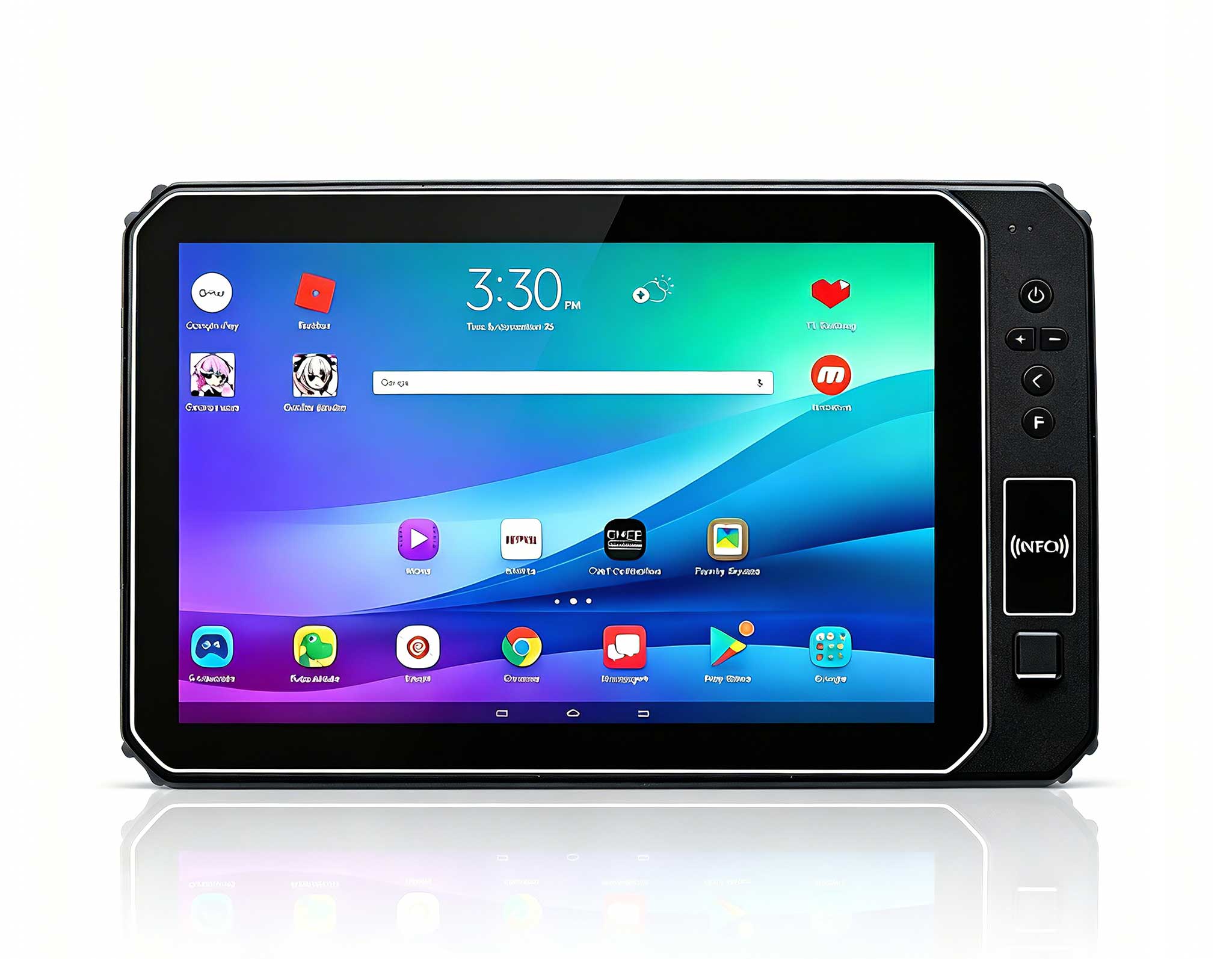
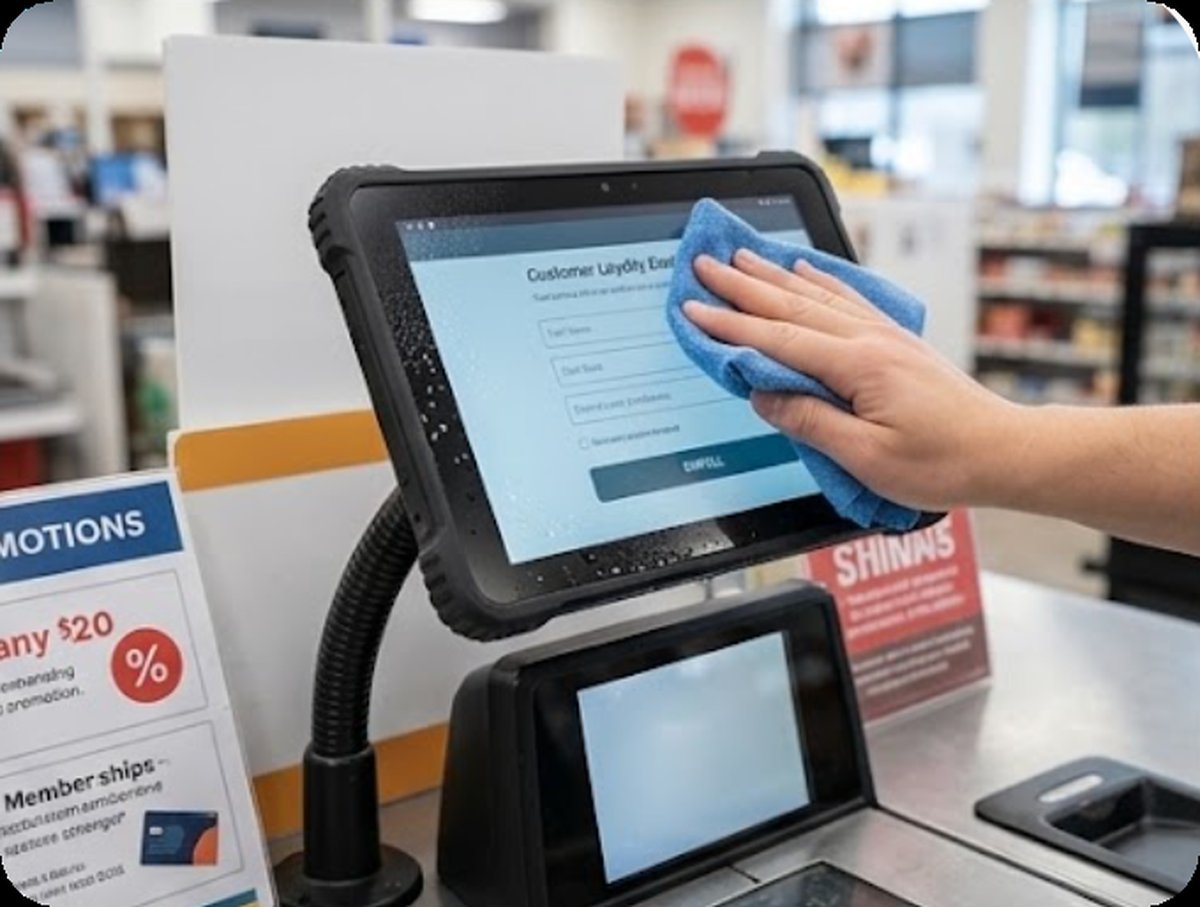
The customer-facing tier lives a brutal life: hand sanitizer, coffee spills, cleaning crews at closing and the occasional shove against a shelf edge. The HTQ10A is sealed to IP67 — the same rating as the washdown gear in food plants — with a 10-inch 1920×1200 panel at 560 nits bright enough for a storefront window in daylight, and a 7000 mAh battery that functions as a built-in UPS through the brief power blips that would reboot a plastic consumer tablet mid-transaction. It runs Android 12 on an MTK 8788 octa-core, which keeps the loyalty-app and queue-ticket side of the counter cheap to maintain. Neither rival sells this tier either: Honeywell's counter presence lives in fixed retail scanners, not sealed touch tablets, and Datalogic's kiosk line targets industrial check-in rather than a checkout counter. A store that buys the handheld specialists still bolts on somebody else's screen.
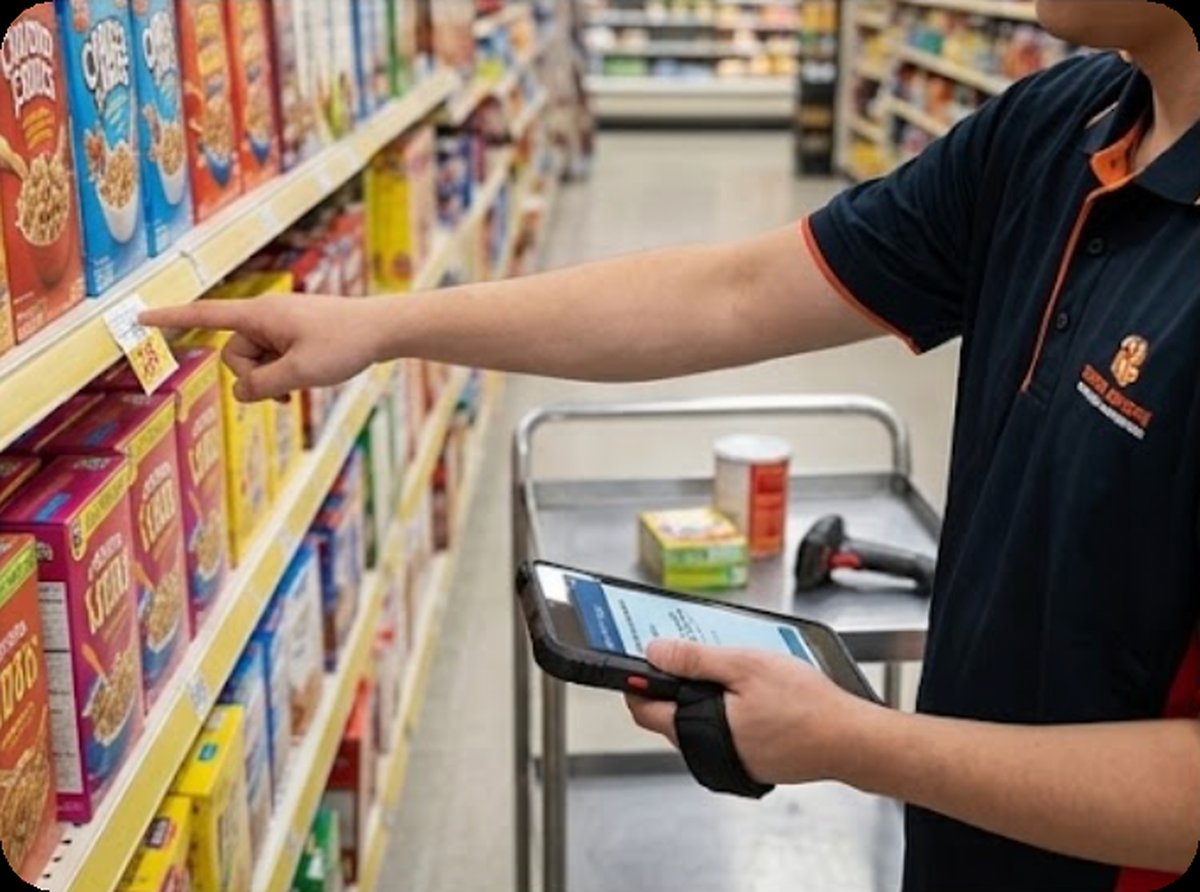
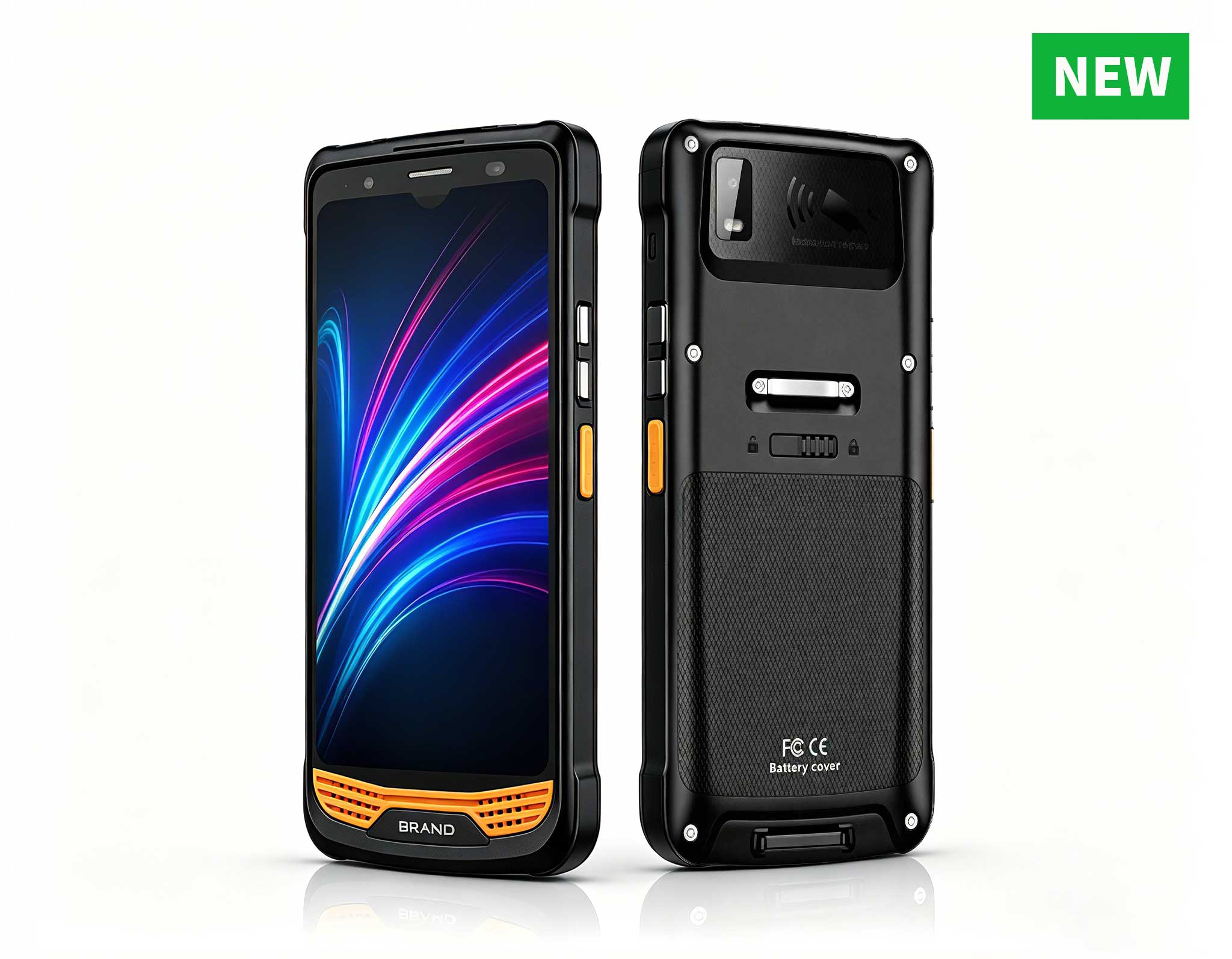
The tier where both rivals genuinely live is the hand, and this is where the comparison gets honest. The ST9-M is an 8-inch Windows tablet on an Intel i5-8200Y — dual-core x86 with a 3.9 GHz turbo — which means it runs the same desktop POS client, the same legacy ERP agent and the same card-terminal software the back office runs, with no mobile-app port in between. Its 1200×1920 panel is sharp for the size at 400 nits, the touch layer accepts wet hands and a stylus for signature capture, and an optional dock turns it into a wired counter station the moment it lands. Against it, the Honeywell EDA5S brings the Mobility Edge platform — a software foundation that promises unified security patches across device generations, which IT departments rightly value — and Datalogic's Memor 20 answers with its signature Green Spot aiming feedback and Qi wireless charging that tops the battery on a countertop pad overnight. On scan ergonomics and enterprise fleet management, both specialists have earned their reputations. What they cannot do is run the x86 desktop software many European and Asian POS vendors still ship: an Android PDA renders the store's real transaction client through a browser or a rewritten app, and that rewrite is a project with its own budget line. There is also a staffing argument worth naming: seasonal hires reach competence on a full Windows desktop interface they may already know from school or prior jobs, while a proprietary Android launcher is one more system the floor trainer has to teach from zero every autumn.
Neither Honeywell nor Datalogic is a weak opponent; on the hand tier alone, either would win a straight ergonomic contest against most generic tablets, and Honeywell's update-longevity program in particular is a genuine operational advantage. The point of stacking the three tiers is arithmetic: a store that buys handhelds from a specialist still sources its back-office server and its sealed counter screen from two more vendors, with three support contracts and three replacement cycles to reconcile. The Hotus stack consolidates all three heights on parts-bin compatibility — one accessories drawer, one RMA process and one vendor to call when the Saturday queue backs up — at a price that leaves budget for the spare fleet every rental-heavy store eventually needs. The rugged tablet lineup covers the counter and hand tiers in more sizes, and the mini PC lineup holds the back-office options between them. When the next tier of the stack needs justifying to the owner, the comparison archive collects more cross-lineup matchups.