- Select Language
P11 Series Next-Gen Enterprise Rugged Industrial ...
The X501 Handheld PDA combines advanced barcode sc...
RT81 4G Rugged Tablet | 10.1" FHD 400nit | Qu...
The N60 PDA is a cutting-edge device for inventory...
Full SpecificationsModelHotus ST11‑UOSWindows 10 P...
Full SpecificationsModelHotus ST13‑UOSWindows 10 P...
The R501 PDA combines a powerful MT6762 Octa-Core ...
The N40 Android smart PDA features a Cortex-A53 qu...
Edge computing in a working factory is not one computer — it is a stack of three jobs that usually get bought from three different vendors. Something small has to sit at the machine and run vision inspection without a fan to clog. Something else has to live in the control cabinet, bridging decades-old serial gear to the plant network. And a technician walking the floor needs a screen that survives dust, knocks and the occasional drop from a cart. This comparison builds that stack from three Hotus units — the Palm-sized miniPC, the HCAR5000 MI and the ST13-J — and tests each layer against the industrial specialists: OnLogic's ML100G-56 fanless NUC and Advantech's UNO-148 DIN-rail controller. Where the industrial credentials genuinely belong to the rivals, this piece says so plainly.
| Layer | Hotus unit | Compute | I/O and storage | Rival benchmark |
|---|---|---|---|---|
| Vision node | Palm-sized miniPC | i3-1215U to i9-12900HK, Win 11 | 2.5 GbE, 2× M.2, 3× 8K out | OnLogic ML100G-56 |
| Cabinet gateway | HCAR5000 MI | Ryzen 5600H/5800H/5900HX | 64GB DDR4, SSD + 500GB-1TB HDD | Advantech UNO-148 |
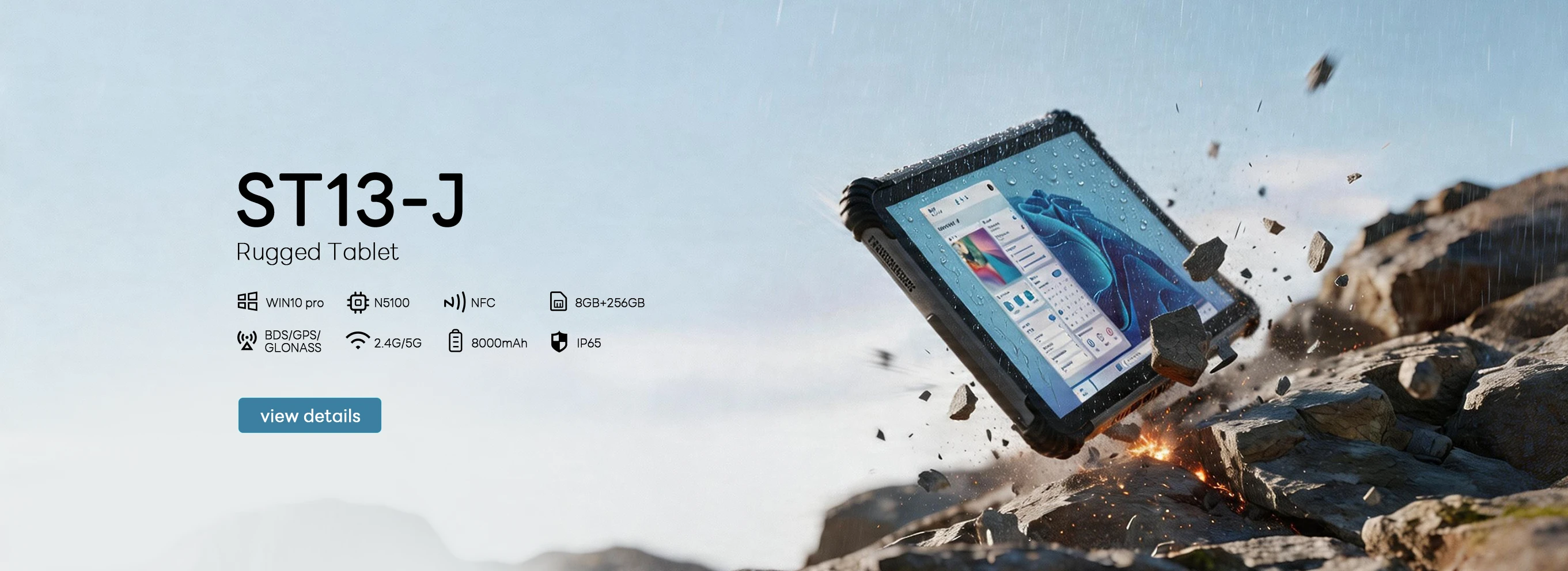
| Floor HMI | ST13-J | Intel N5100 quad-core | 13.3" panel, IP65 sealed unit | UNO-148 + external display |
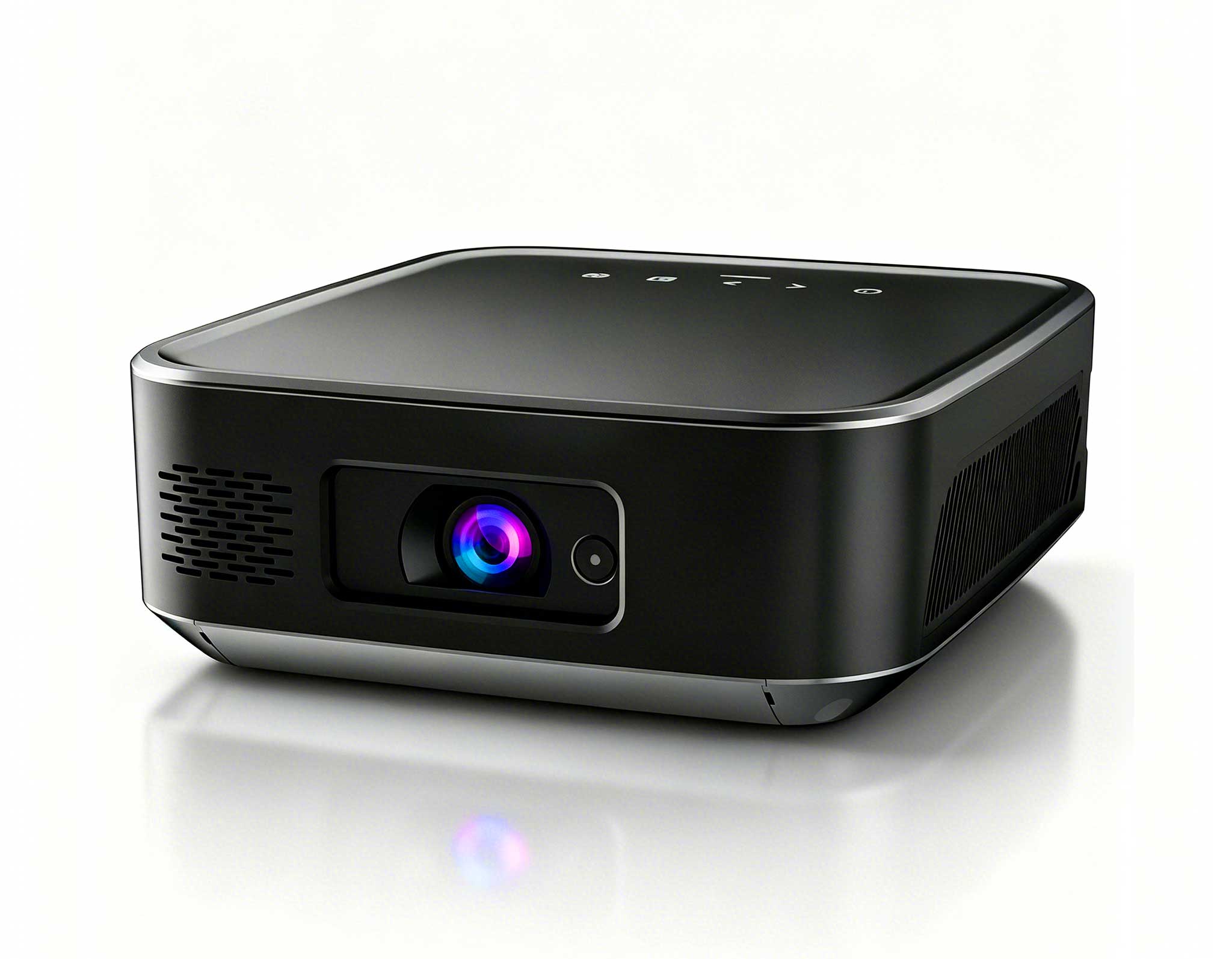
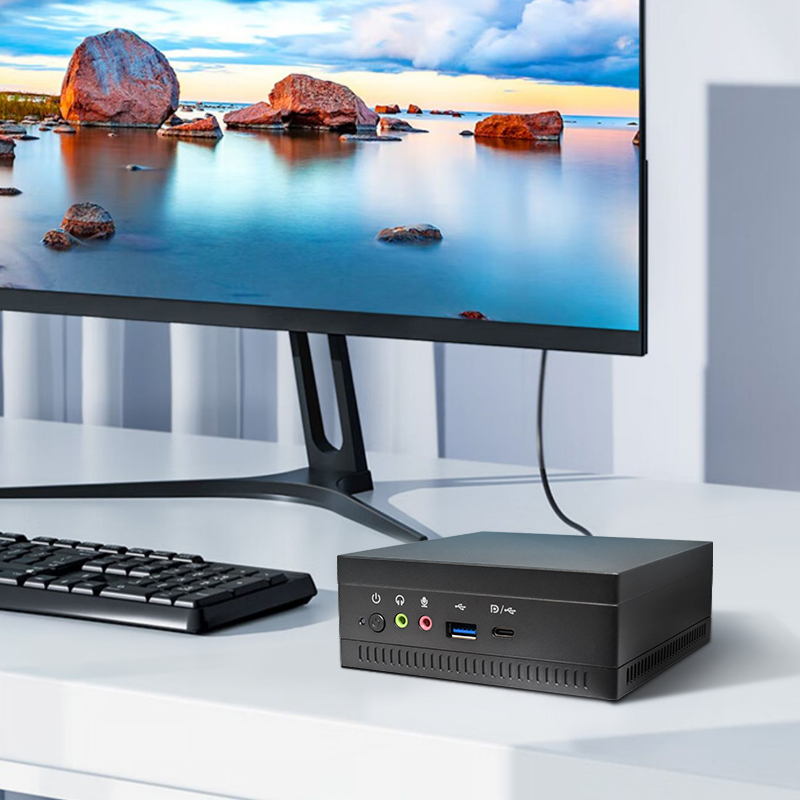
Vision inspection at the line wants desktop-class silicon in a box that never asks for attention. The Palm-sized miniPC takes an Intel Core i3-1215U up to an i9-12900HK on Windows 11, drives up to three 8K outputs for camera monitors and status boards, and carries 2.5 GbE for pushing frames to a trainer or pulling model updates overnight. Its two M.2 slots hold the OS and a fast scratch drive, and the chassis is genuinely palm-sized — VESA or bracket it inside the machine's own cabinet and it disappears. Deployment details matter at this layer, and the small ones decide whether a pilot survives month three: the box boots from mains the moment the cell powers up, so a line restart never waits for an IT visit, and because the SSD is a standard M.2 module, a corrupted image is rebuilt from a USB stick in minutes rather than RMA'd across an ocean. Against it, the OnLogic ML100G-56 is the same idea executed with industrial parts: Intel Core Ultra with an onboard NPU for local inference, up to 96GB of DDR5, dual 2.5 GbE, an optional isolated COM port and Hailo AI accelerator, 12-24 VDC input and 0-50°C operation under OnLogic's Hardshell fanless shell. The honest scorecard: the ML100G-56 earns its premium if the node hangs on a machine that bakes at fifty degrees or runs from a 24 V control circuit. The Hotus unit counters on price, on a CPU ladder that tops out well above the Ultra 5's base configuration, and on standard mains power that any bench outlet supplies — the right choice where the environment is dusty but thermally kind and a technician can service it from the aisle.
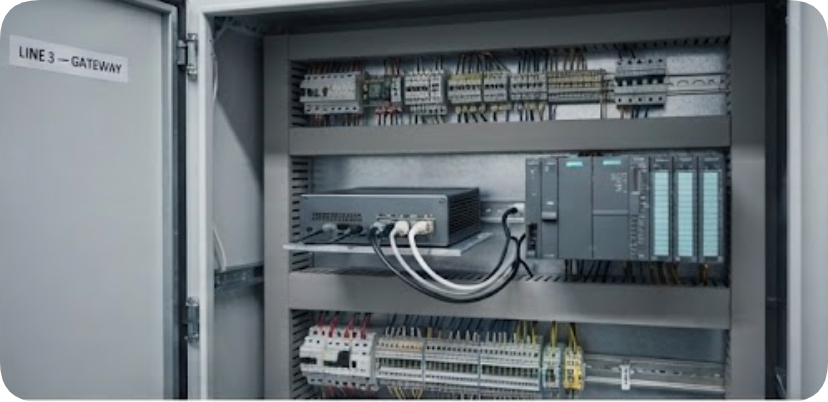
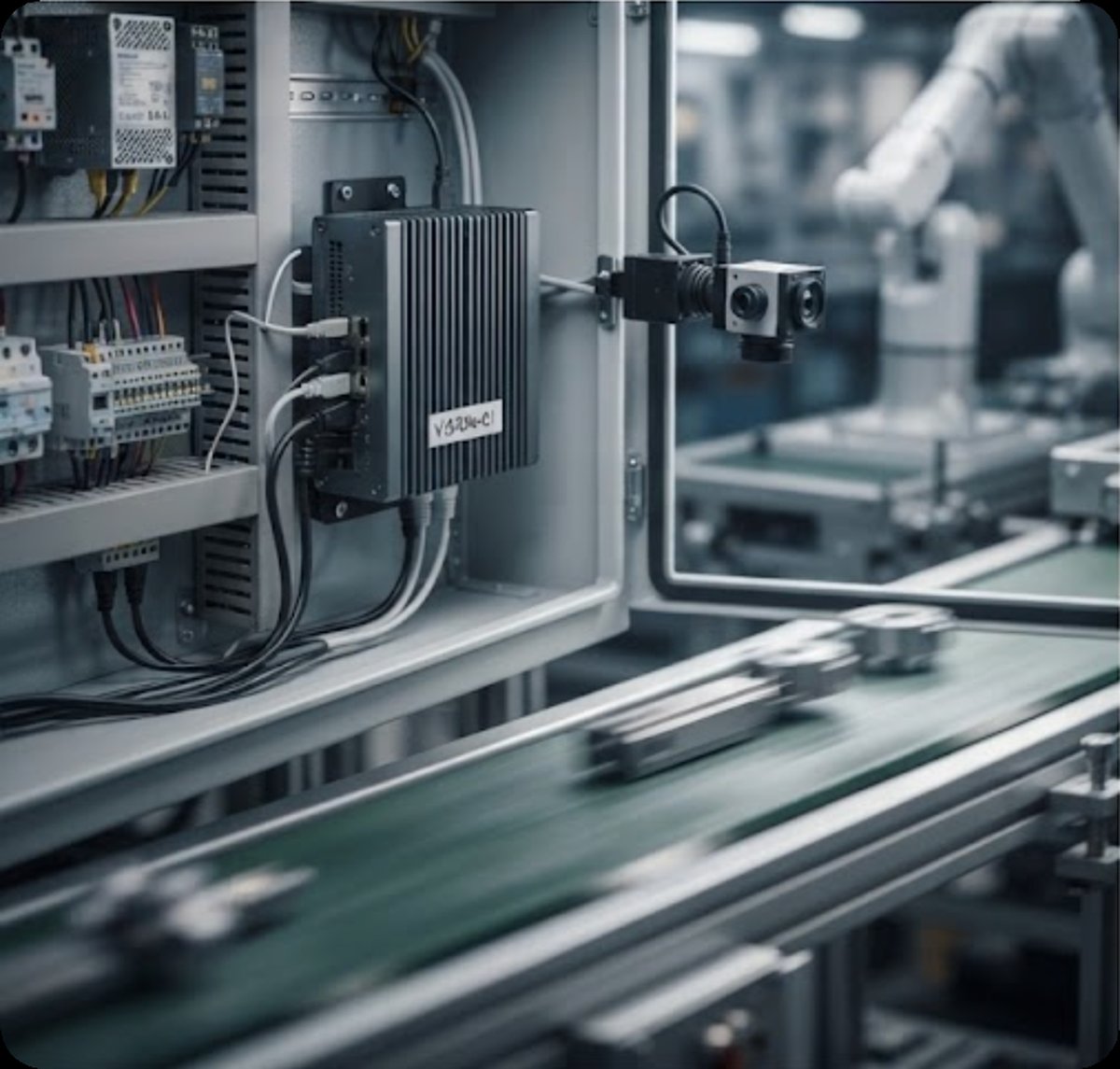
The gateway layer is where Advantech's UNO-148 shows what four decades of industrial engineering buys. It is a DIN-rail controller with three LAN ports — two of them 2.5 GbE with time-sensitive networking — four isolated RS-232/422/485 serial ports, eight isolated digital inputs and eight outputs, a 10-36 VDC wide-voltage feed and a -20 to 60°C operating range, all in an aluminium housing certified to IEC 61010-1 with TPM 2.0 and Advantech's iDoor expansion modules. Nothing in the Hotus range pretends to match that isolation and certification list, and a safety-critical interlock should not run on anything less. The HCAR5000 MI plays a different card in the same cabinet: a Ryzen 5600H, 5800H or 5900H eight-class mobile chip with up to 64GB of DDR4, plus a drive bay that takes a 500GB or 1TB 7200-rpm HDD alongside the SSD. That combination is built for data-weight duties the UNO-148 treats as an afterthought — weeks of buffered camera footage, local historian databases, model-training staging — at a price that leaves room for a second unit. The practical division of labour in one cabinet: the UNO-148 owns the deterministic, safety-adjacent I/O loop, while the HCAR5000 MI sits beside it as the storage-and-compute tier, pulling the sensor stream over LAN and keeping months of history on spinning disks that still cost a fraction of industrial NVMe. Its serial and LAN provisioning covers the PLC-bridging job; it just skips the 2500-volt isolation and the wide-temperature envelope, so it belongs in conditioned cabinets, not foundry walls.
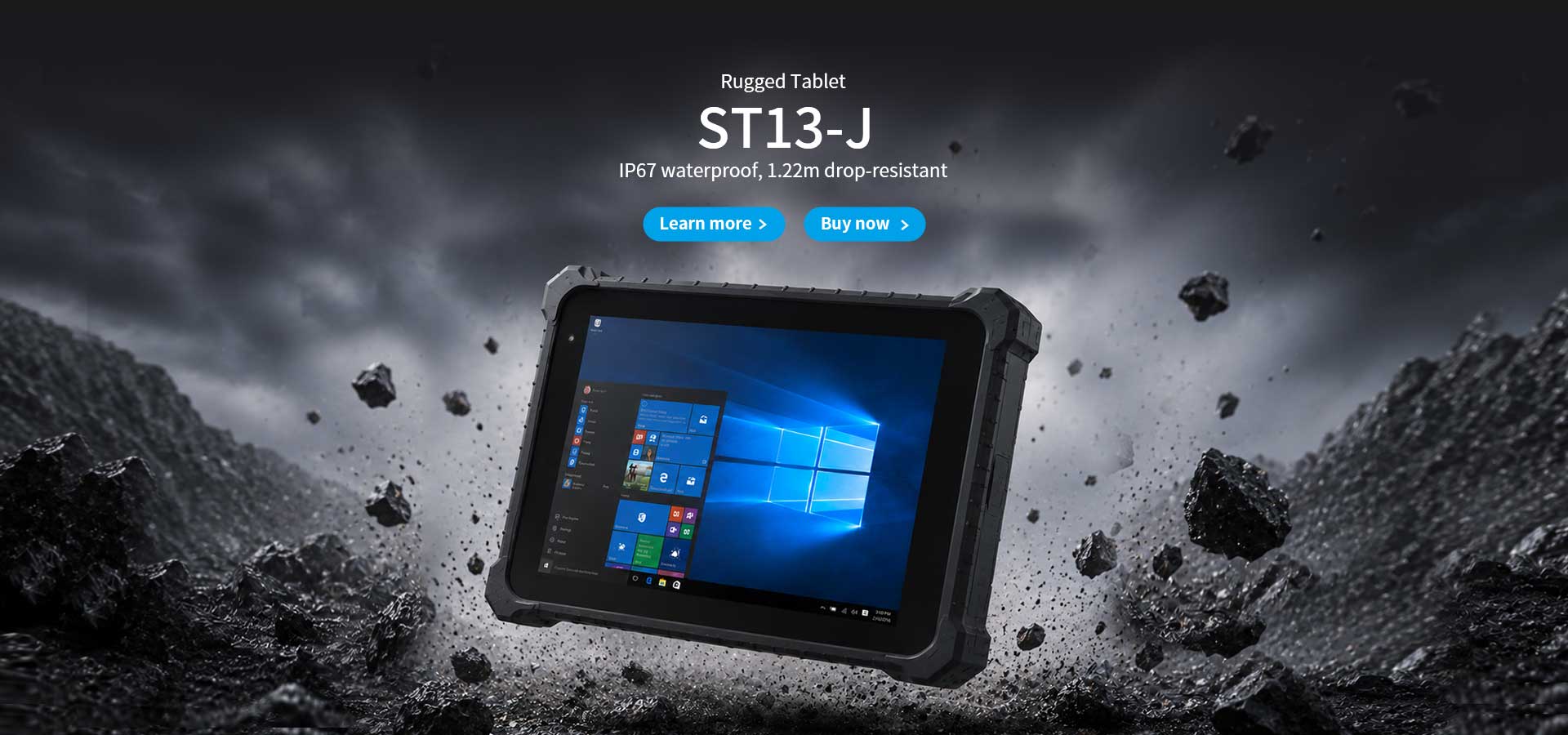
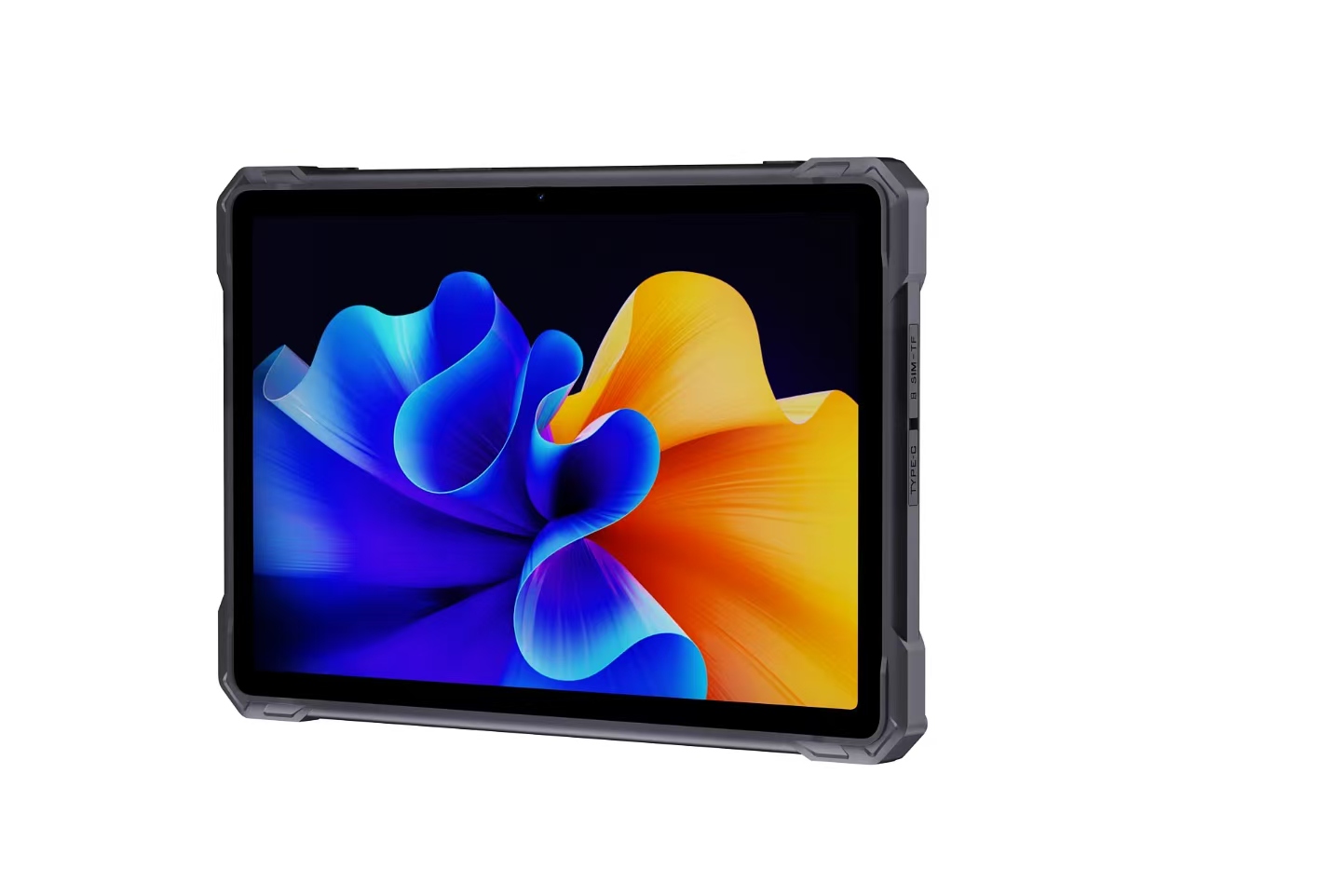
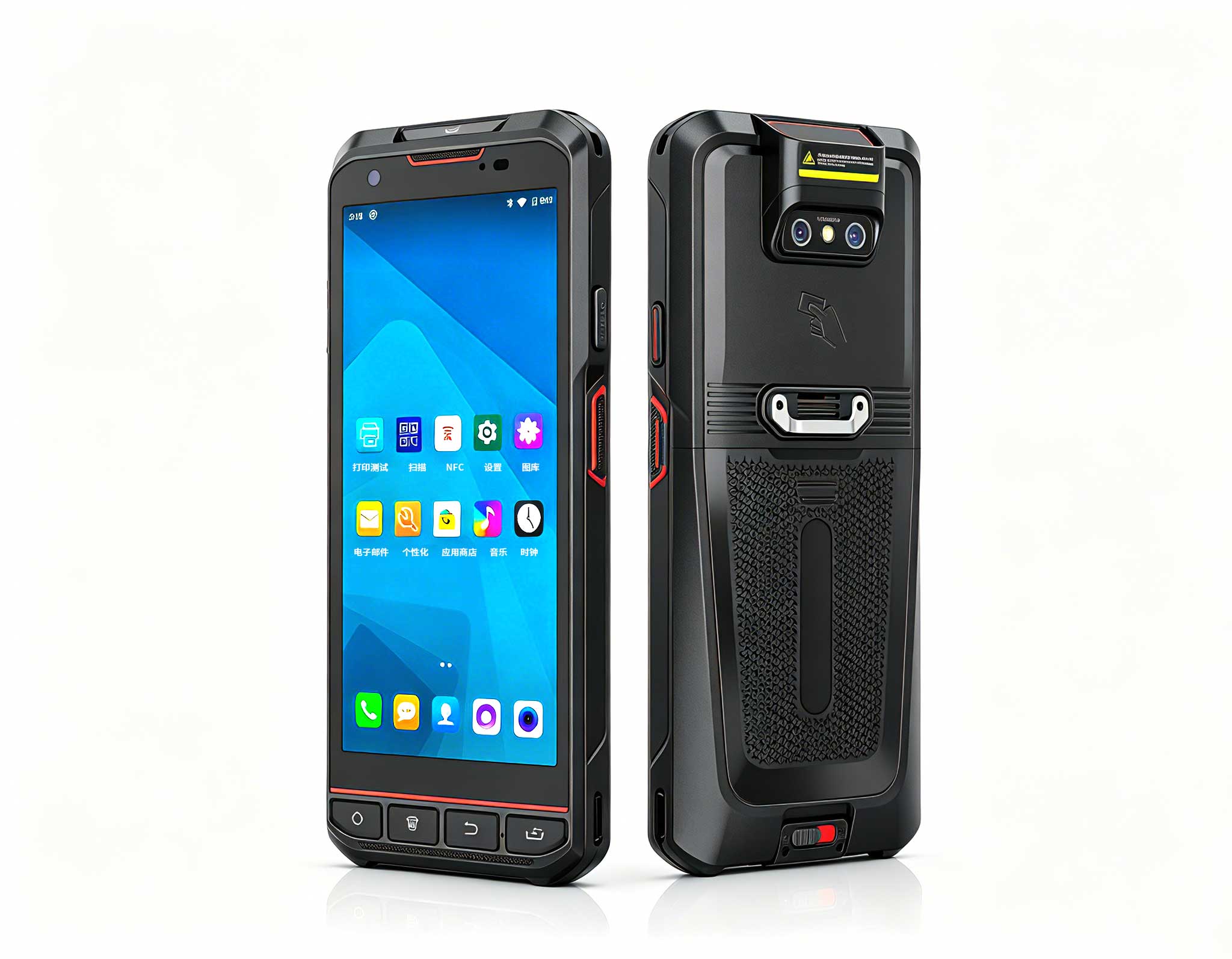
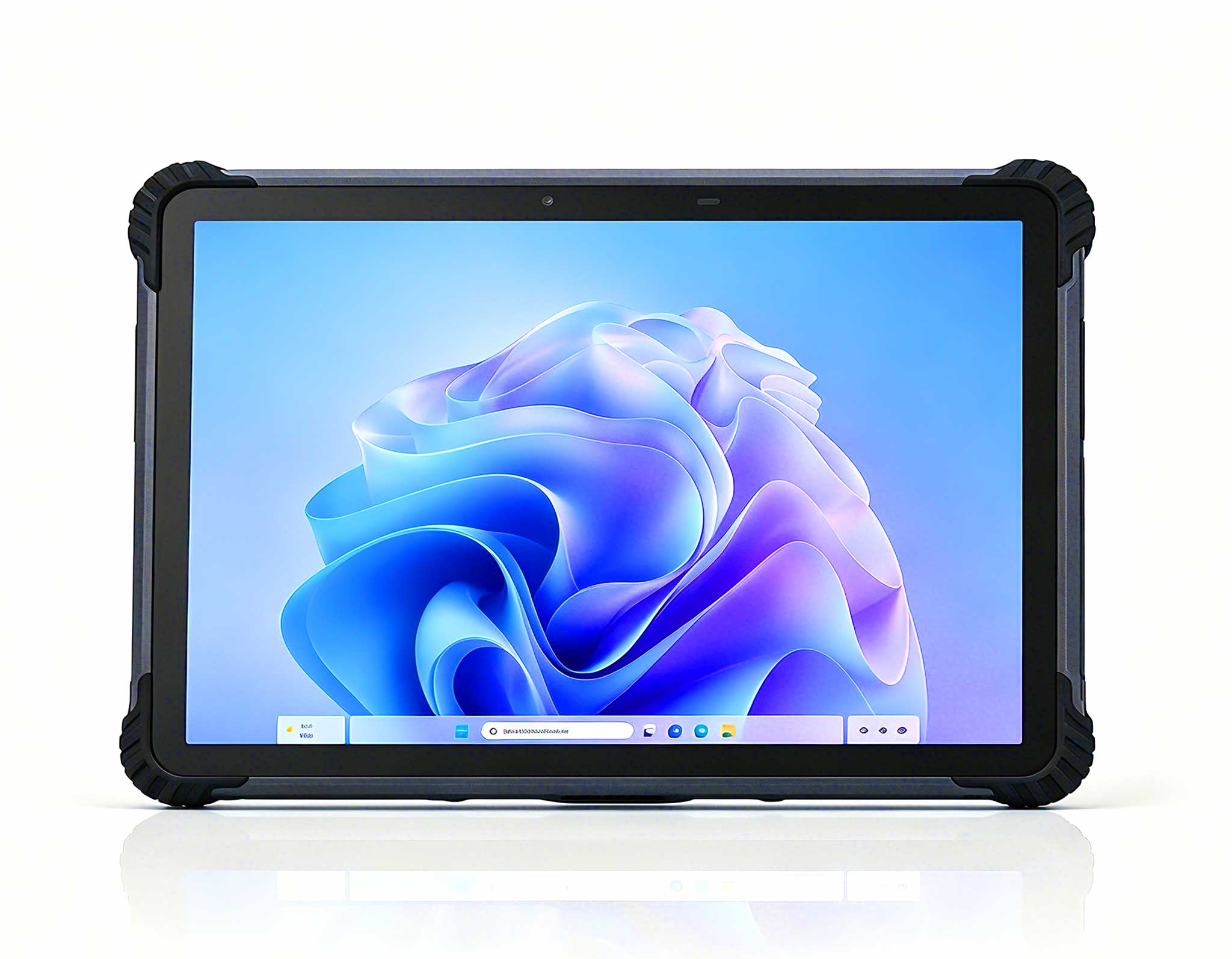
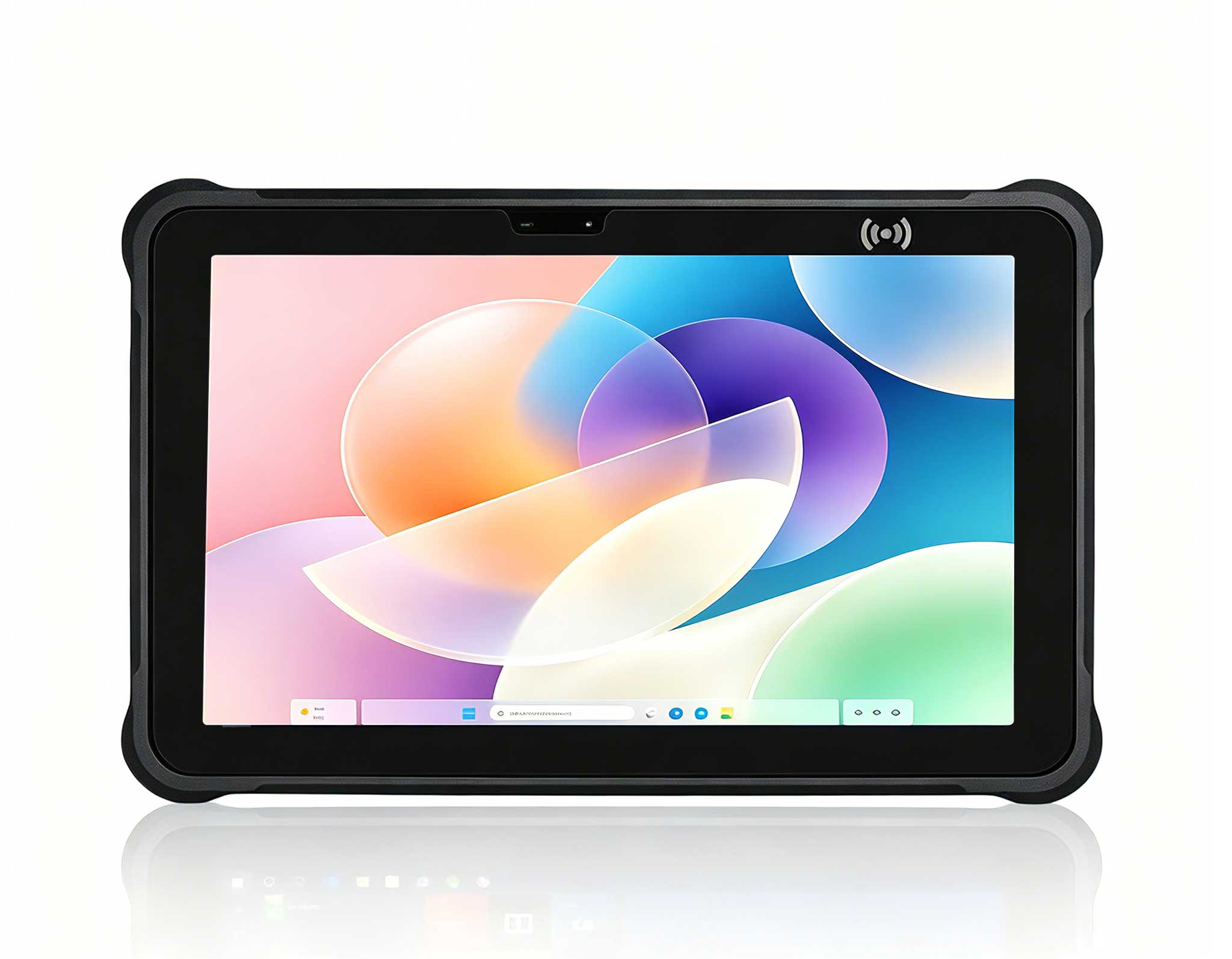
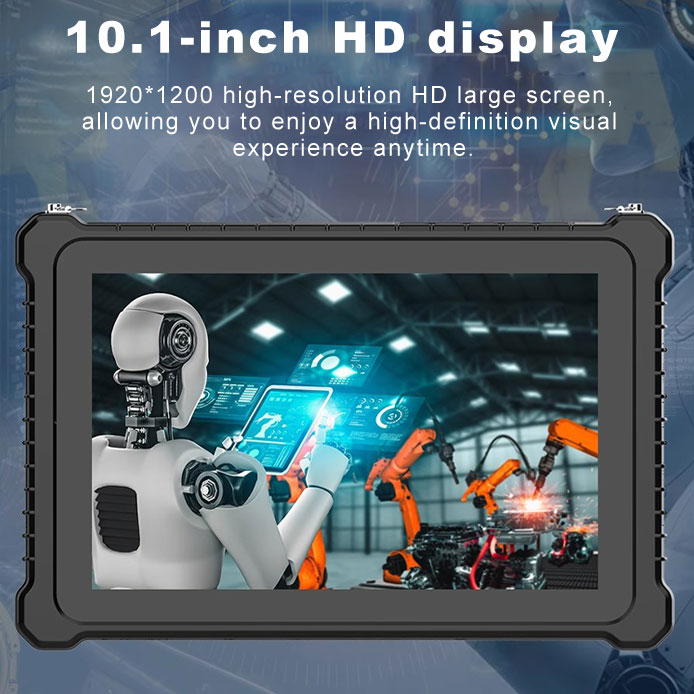
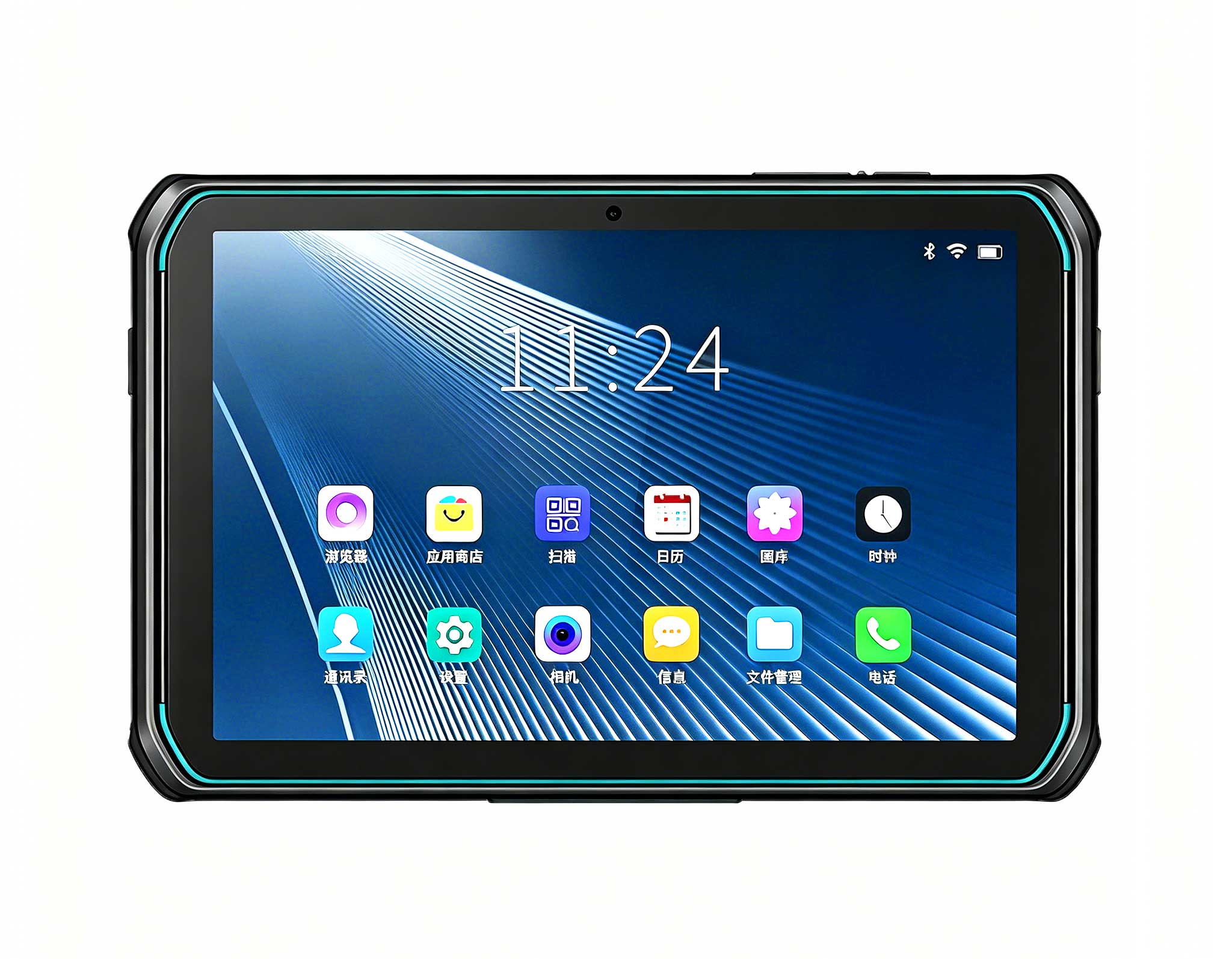
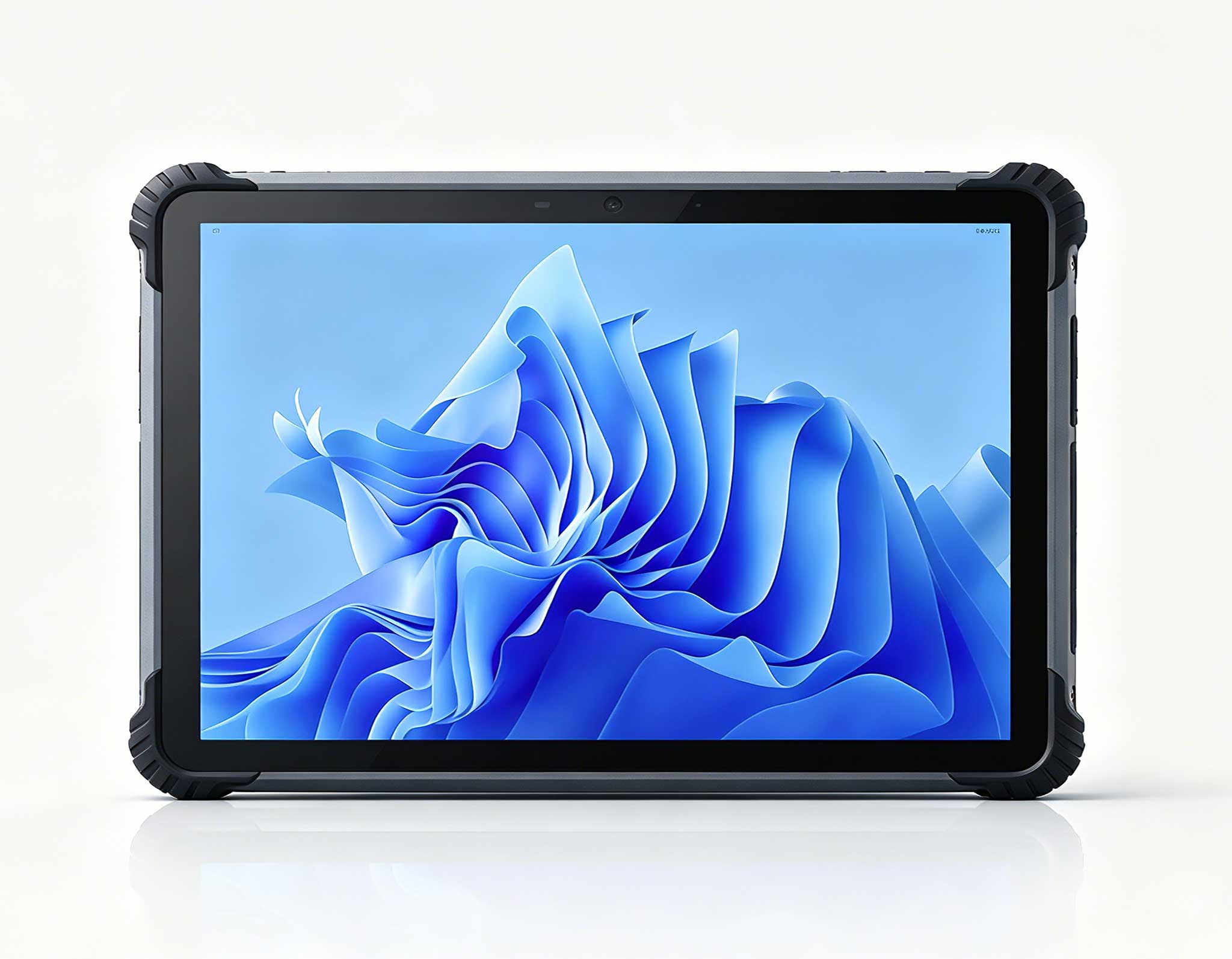
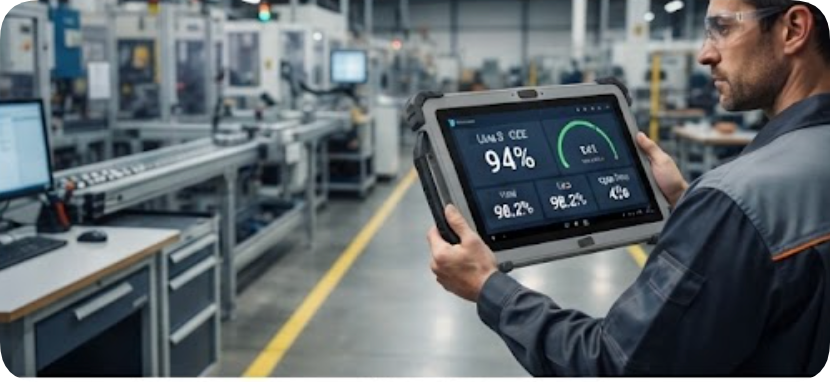
Neither rival unit ships a screen. The ML100G-56 and UNO-148 both expect a panel — DIN-rail cutout, VESA arm, or a monitor bolted beside the cell — and on a moving cart that means a second device, a second cable and a second failure point. The ST13-J collapses that into one sealed unit: a 13.3-inch touch panel with the Intel N5100 quad-core and its compute in the same IP65 body, so washdown wipe-offs and aisle dust stop at the glass. Fifteen watts of N5100 runs a browser HMI, a line-side dashboard or a remote desktop back to the HCAR5000 without thermal drama, and because the panel and the computer are one SKU, a cracked unit swaps in minutes and the shift never waits on a repair bench. That single-SKU argument is also the tablet's limit: it is a fixed configuration, while the UNO-148's M.2 and mini-PCIe slots grow with the project. Day to day, though, the tablet lives a life neither rival sees — clipped to a cart during changeovers, handed to a visiting auditor with the line dashboard already open, docked at the end of a shift to charge overnight. Buy the tablet for the floor, buy the controller for the cabinet, and let each do the job it was sealed for.
Neither rival is expensive by accident. The ML100G-56's NPU, wide-voltage input and two-year-to-five-year lifecycle program are exactly what a lights-out plant needs, and the UNO-148's isolated I/O, TSN networking and Azure IoT Edge certification exist because production lines sign off on nothing less — expect to pay well over a thousand euros for the Advantech controller alone. The Hotus stack wins the middle ground: pilot lines, packaging cells, workshops and mid-size plants where the environment is rough but conditioned, the budget is counted, and someone on staff can open a chassis. When the deployment graduates to certified safety scope, the industrial brands are the honest next step, and the Hotus mini PC lineup and rugged tablet lineup remain the value bench that got the project there. More cross-lineup matchups are collected in the comparison archive.