- Select Language
R860-S 5.5-inch Industrial PDA with Thermal Printe...
R350C 4-inch Industrial Handheld PDA | Qualcom...
P8 Series 8-Inch Rugged Industrial Tablet PC Mobi...
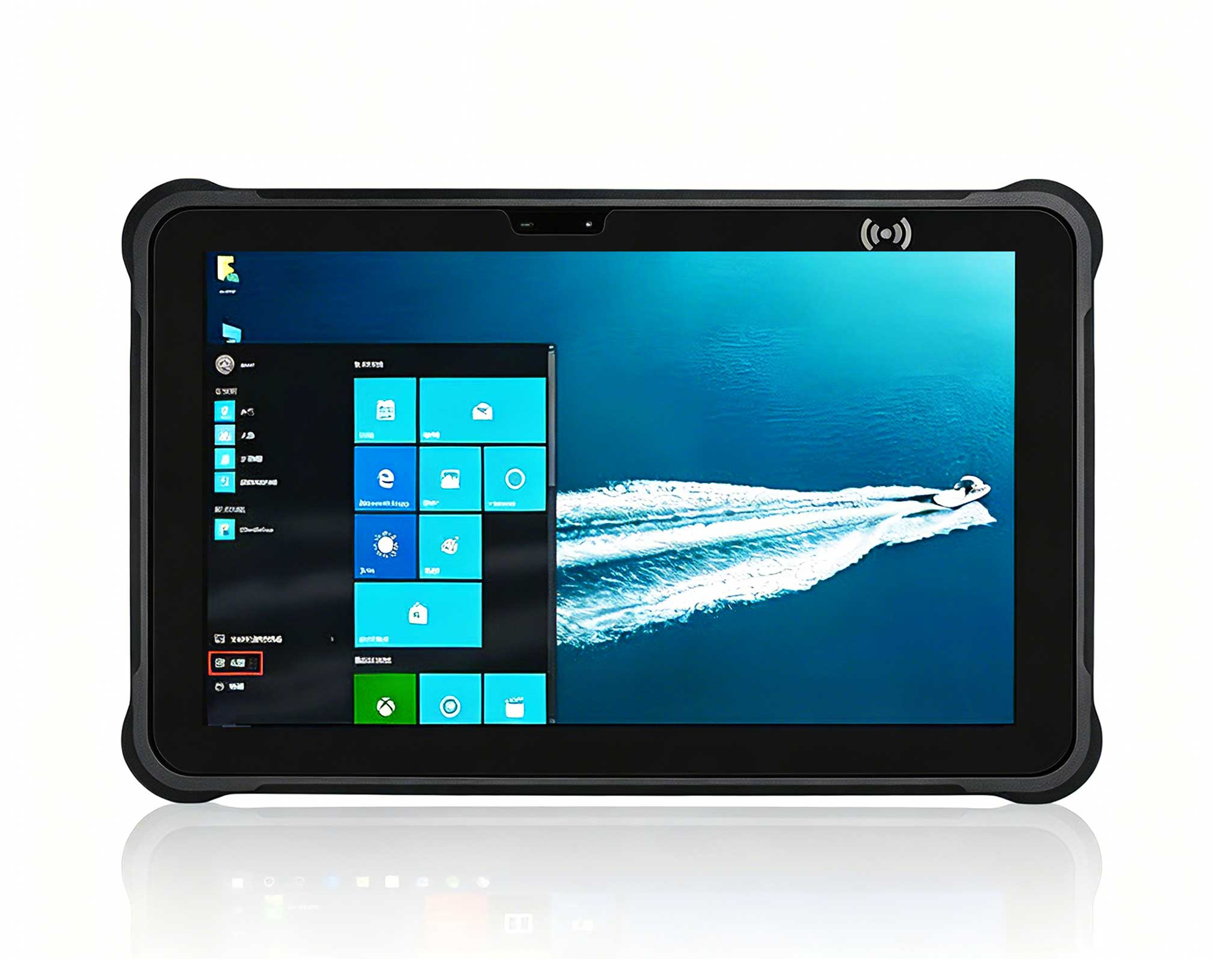
Full SpecificationsModelHotus ST11‑JOSWindows 10 P...
R530C 6.0-inch Industrial PDA | Qualcomm Octa-core...
Last year, I spent two weeks at a hospital bedside with a family member. What struck me most wasn’t the medical treatment—it was the daily struggle nurses faced with their technology. I watched nurses switch between a desktop at the nurse station, a tablet on a rolling cart, and a bedside scanner countless times per shift. Every time a device froze or threw a blue screen, it wasn’t just an IT nuisance—it directly impacted medication accuracy, nursing record timeliness, and patient satisfaction. In healthcare IT selection, safety and reliability must come before price. That experience cemented my belief that hospitals need Medical Device Computing solutions purpose-built for clinical environments, not repurposed consumer hardware.
Healthcare digitalization demands hardware that can handle 24/7 operation, withstand frequent disinfection, and integrate seamlessly with hospital information systems (HIS) and electronic medical records (EMR). From the cramped nurse station to the mobile cart at the bedside, every endpoint matters. Hotus Technology addresses two distinct deployment needs with its Palm-sized miniPC and ST9-J rugged tablet. These are not consumer gadgets; they are industrial-grade tools designed for the rigor of modern medicine.
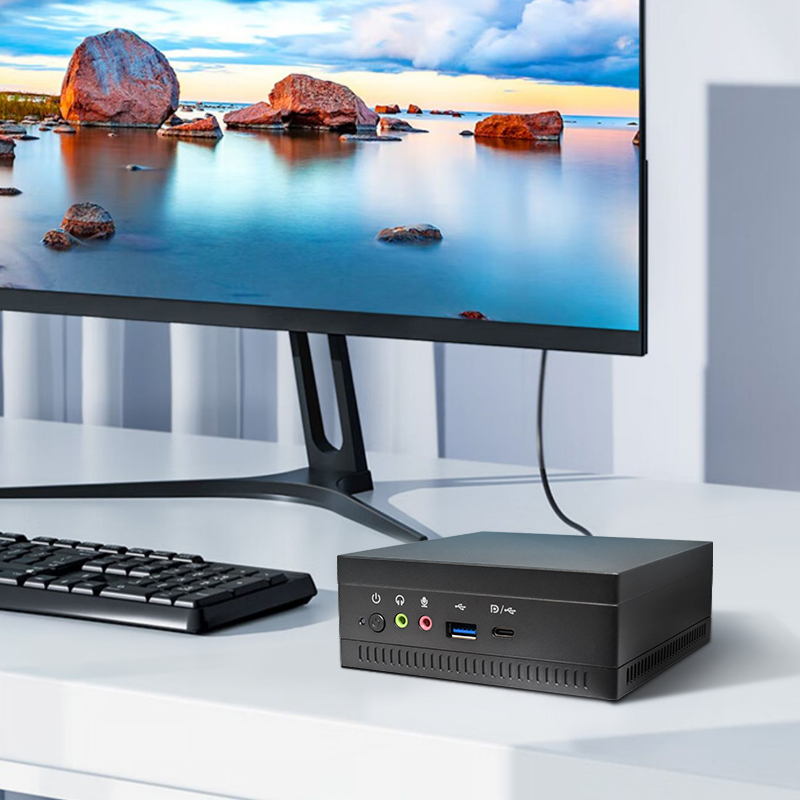
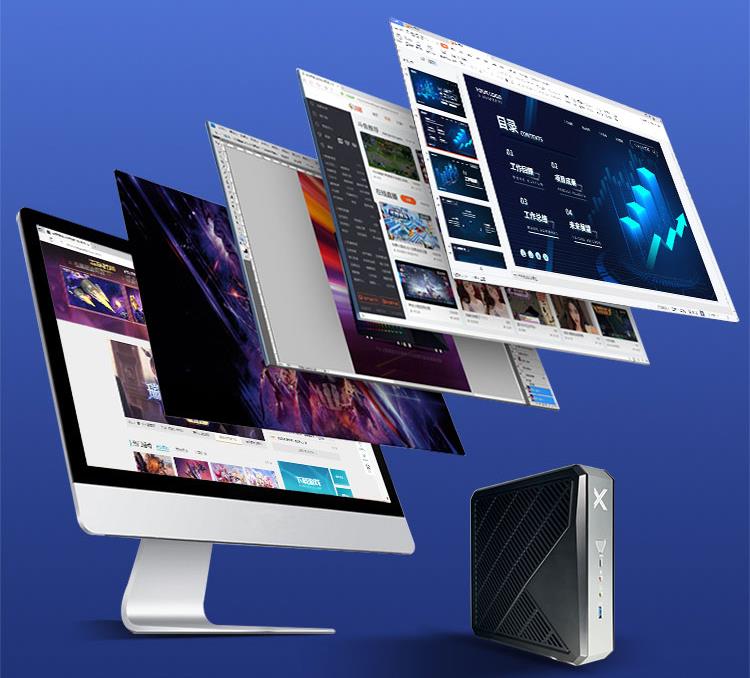
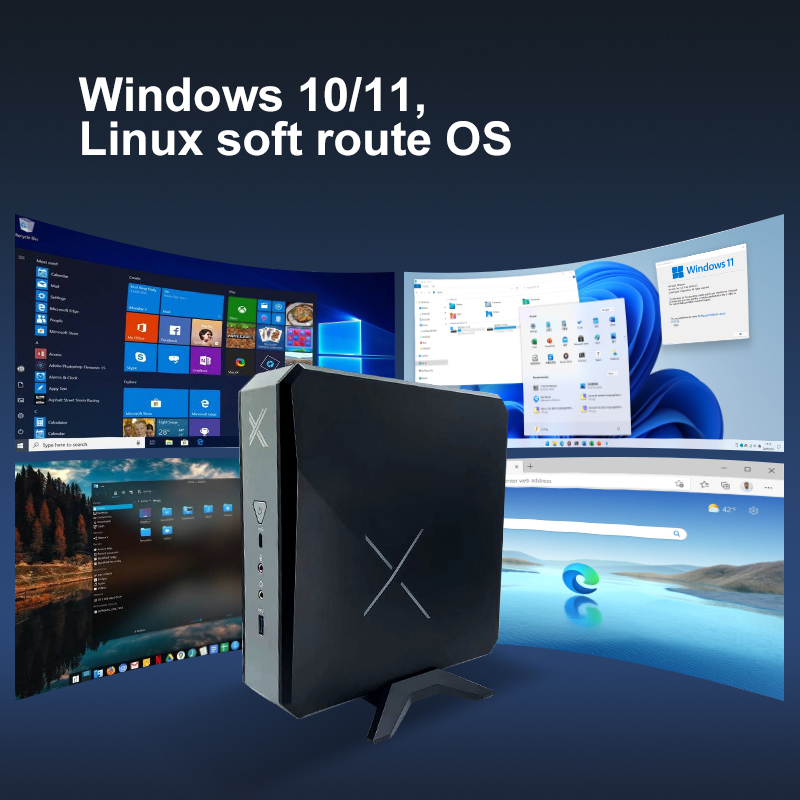
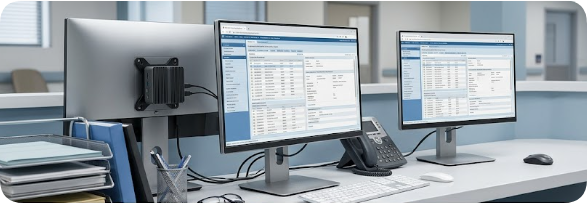
Space in a nurse station is at a premium. Every square inch of countertop is used for documentation, medication preparation, and communication. Traditional desktop towers are bulky, collect dust, and obstruct workflow. The Hotus Palm-sized miniPC solves this with an ultra-compact form factor weighing just 200 grams. It can be mounted directly behind a monitor using a VESA bracket, effectively eliminating the computer from the desktop entirely.
This mini PC is designed for silent, fanless operation. In a clinical setting, this is critical. Fans circulate dust and bacteria, which can compromise sterile environments. The fanless design also ensures zero noise pollution, creating a calmer atmosphere for both staff and patients. It supports 24/7 continuous operation, making it ideal for running HIS and EMR systems without interruption. Common applications include nurse station terminals, registration and billing counters, laboratory report workstations, and medical image viewing stations. Its reliability reduces IT maintenance calls and ensures clinicians always have access to the data they need.
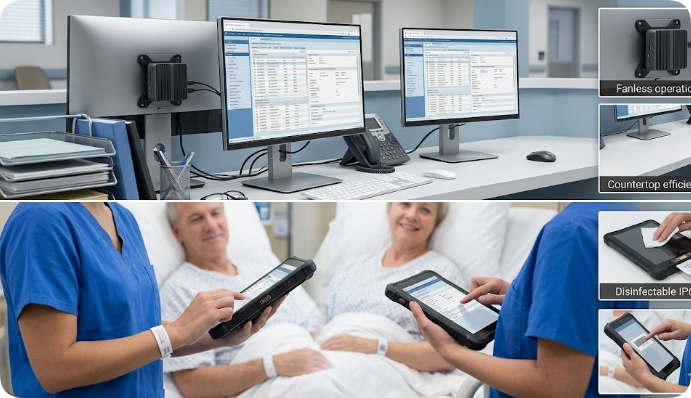
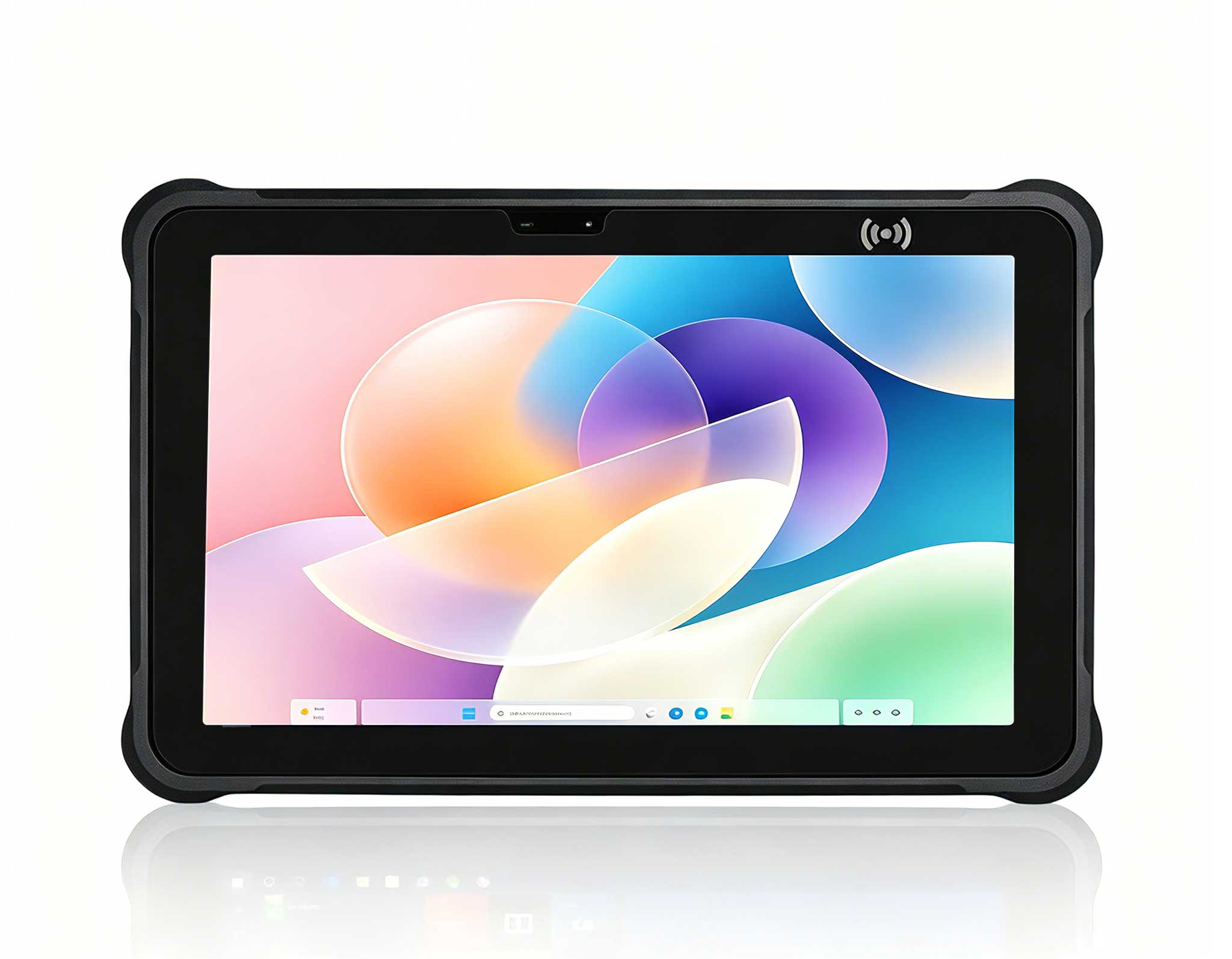
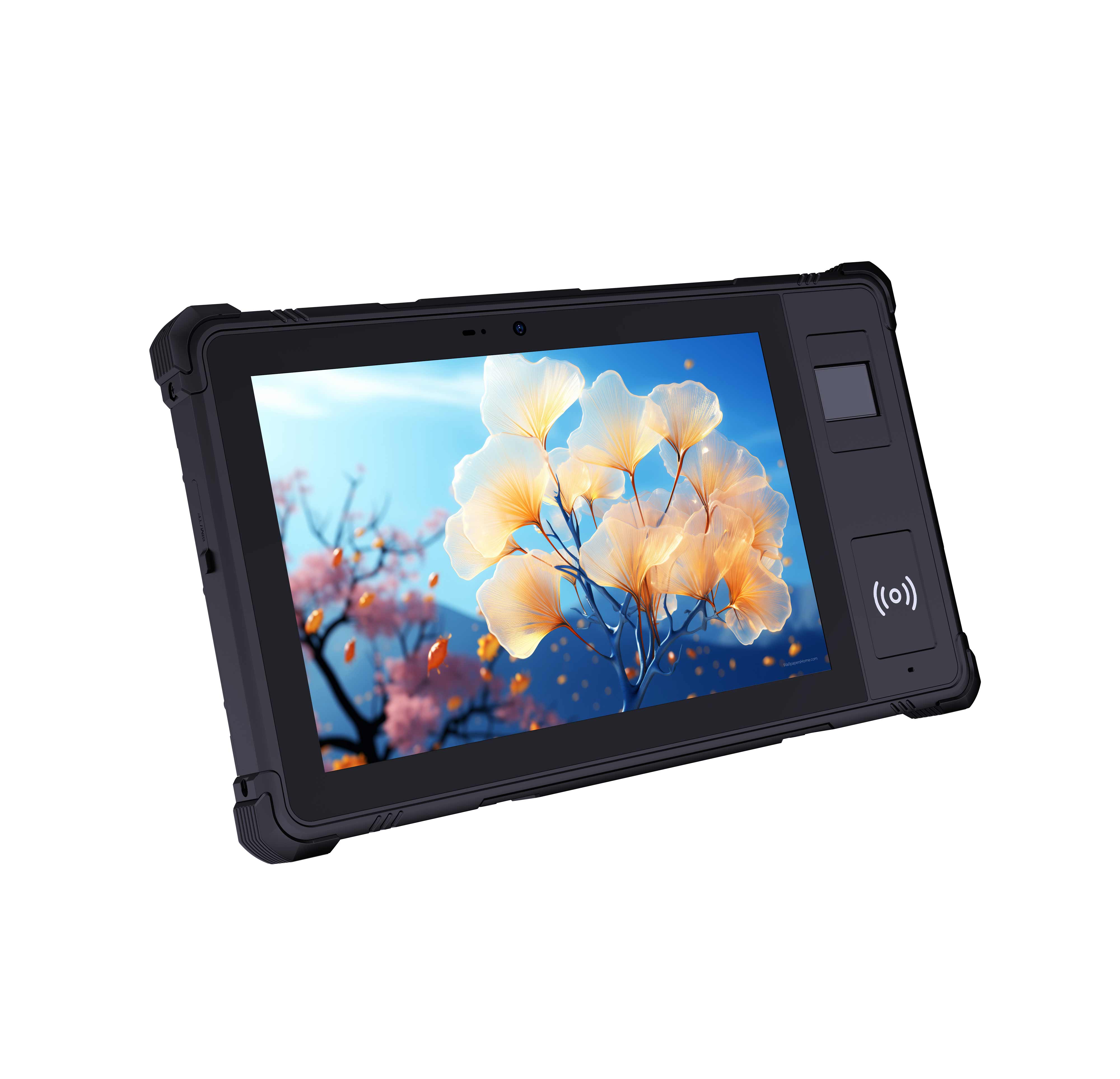
Mobile nursing requires a different kind of device. Nurses need to walk to the patient bedside, scan wristbands, record vital signs, and access medication administration records—all while standing. A standard consumer tablet cannot survive drops, disinfectant wipes, or the occasional spill. The ST9-J is an 8-inch Windows industrial tablet built for this exact environment. With an IP65 rating for dust and water resistance, it can be cleaned with alcohol wipes after every patient interaction, directly supporting infection control protocols.
This rugged tablet supports multiple data capture modes including barcode scanning, RFID reading, and a high-resolution camera. It is perfectly suited for nursing information systems (NIS), mobile patient rounds, pharmacy inventory management, and emergency cart terminals. Weighing only 650 grams, it is light enough for one-handed use during a 12-hour shift. The ST9-J ensures that medication administration and vital sign recording happen accurately and in real-time, right at the point of care.
| Feature | Palm-sized miniPC | ST9-J Rugged Tablet |
|---|---|---|
| Form Factor | Ultra-compact, 200g | Handheld, 650g |
| Protection Rating | Fanless (dust/bacteria resistant) | IP65 (waterproof, dustproof) |
| Deployment Method | VESA mount behind monitor | Handheld with hand strap or cart mount |
| Primary Use Case | Fixed clinical workstation | Mobile nursing and bedside care |
| Cleaning Protocol | Standard surface wipe | Alcohol wipe disinfection |
| Typical Applications | Nurse station, registration, lab, imaging | Bedside vitals, wristband scanning, pharmacy rounds |
Choosing the right hardware for your healthcare facility depends on the workflow. For fixed locations where staff sit at a dedicated desk, the Palm-sized miniPC is the optimal choice. It saves space, reduces clutter, and provides a stable, always-on connection to the hospital network. It is ideal for nurse stations, registration windows, laboratory information systems, and any workstation that requires a permanent, reliable computer.
For mobile workflows where clinicians move from room to room, the ST9-J rugged tablet is essential. It brings computing power directly to the patient bedside, eliminating the need to walk back to a fixed terminal. This reduces errors in medication administration and improves the timeliness of documentation. It is the right tool for mobile nursing, patient rounding, pharmacy inventory, and emergency response.
In many modern hospitals, both devices work together. The miniPC powers the fixed station, while the rugged tablet enables true mobility. This combination ensures that clinical staff have the right tool for every task, improving both efficiency and patient safety.
Healthcare IT is not a place to cut corners. The devices that clinicians use every day directly affect their ability to deliver safe, effective care. By choosing industrial-grade hardware like the Hotus Palm-sized miniPC and ST9-J rugged tablet, hospitals can reduce downtime, improve infection control, and enhance staff satisfaction. Whether you are upgrading a nurse station or deploying a mobile nursing program, these devices are built to perform in the most demanding clinical environments.
Contact Hotus Technology today to discuss how our compact computing and mobile terminal solutions can support your healthcare digitalization journey.