Industry News

Product

news

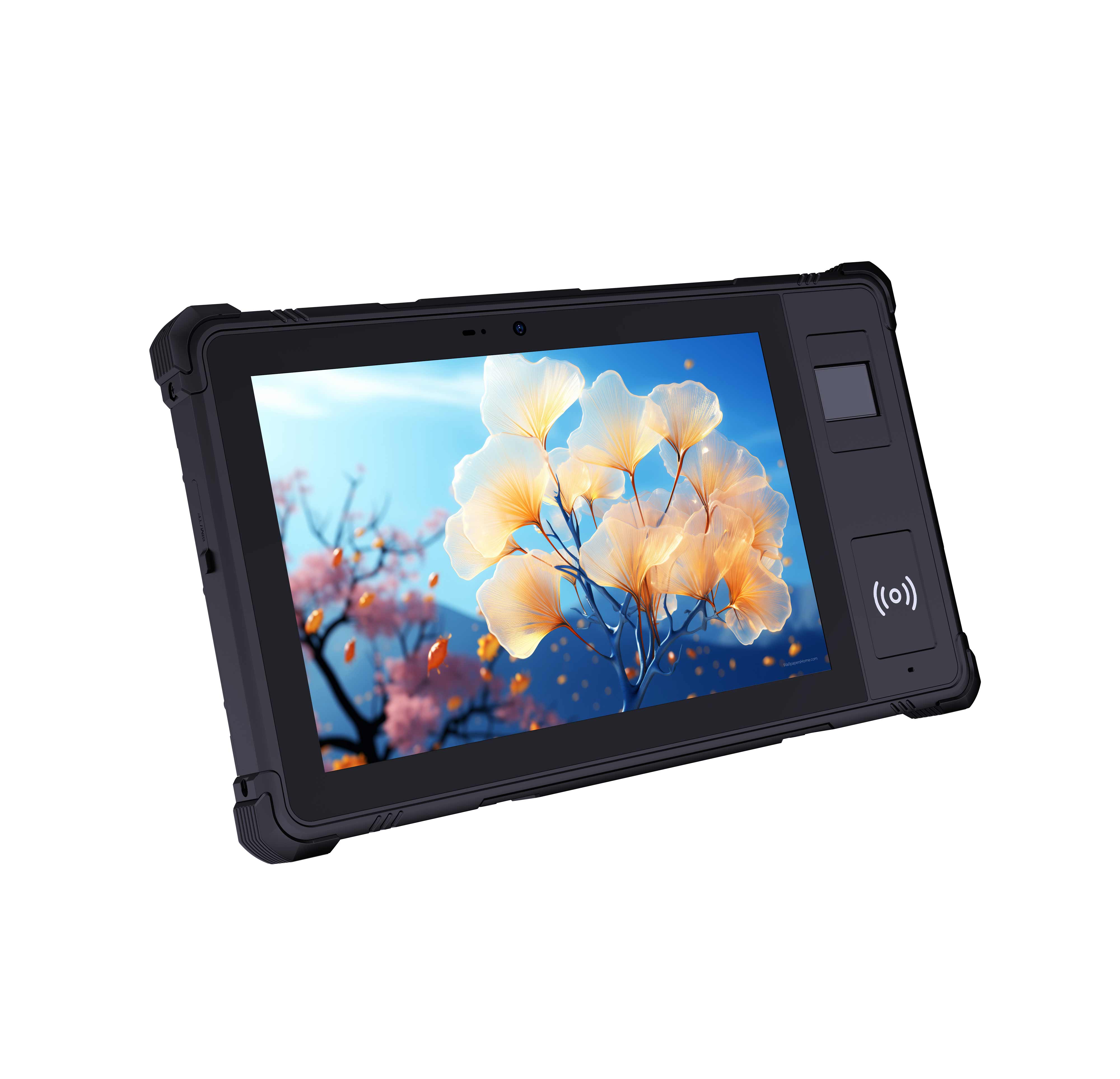
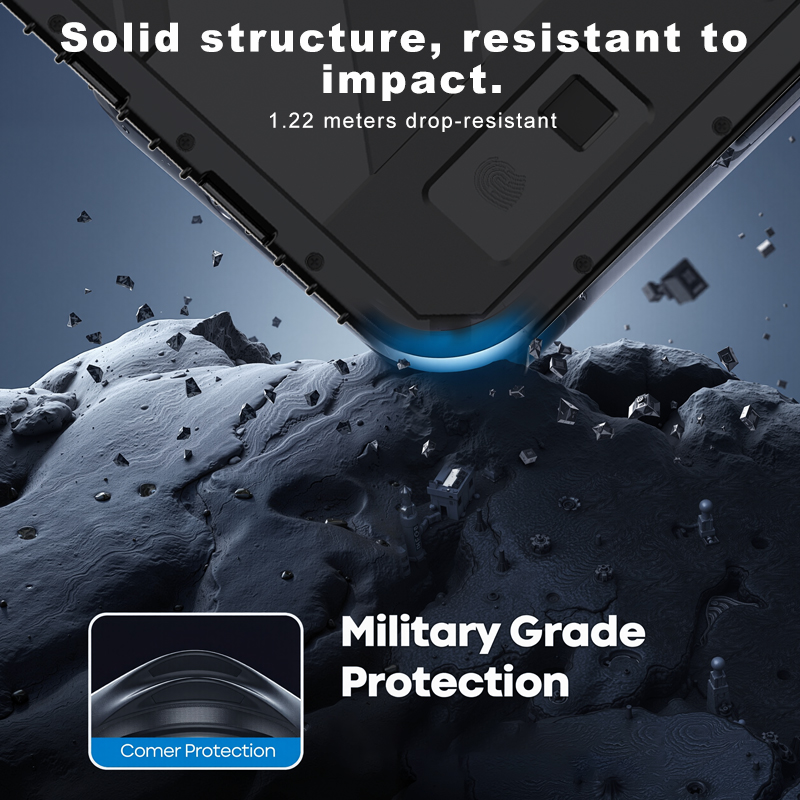
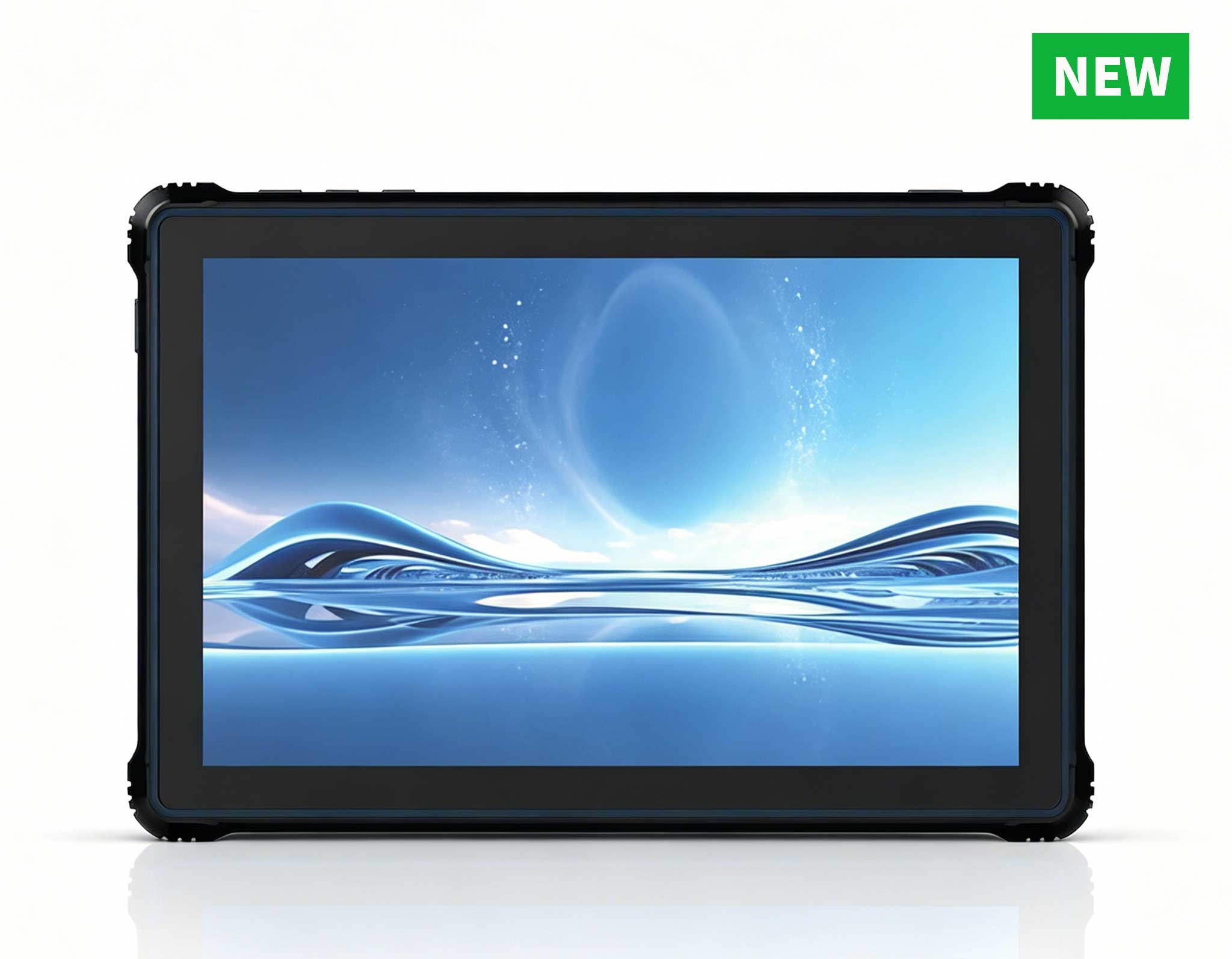
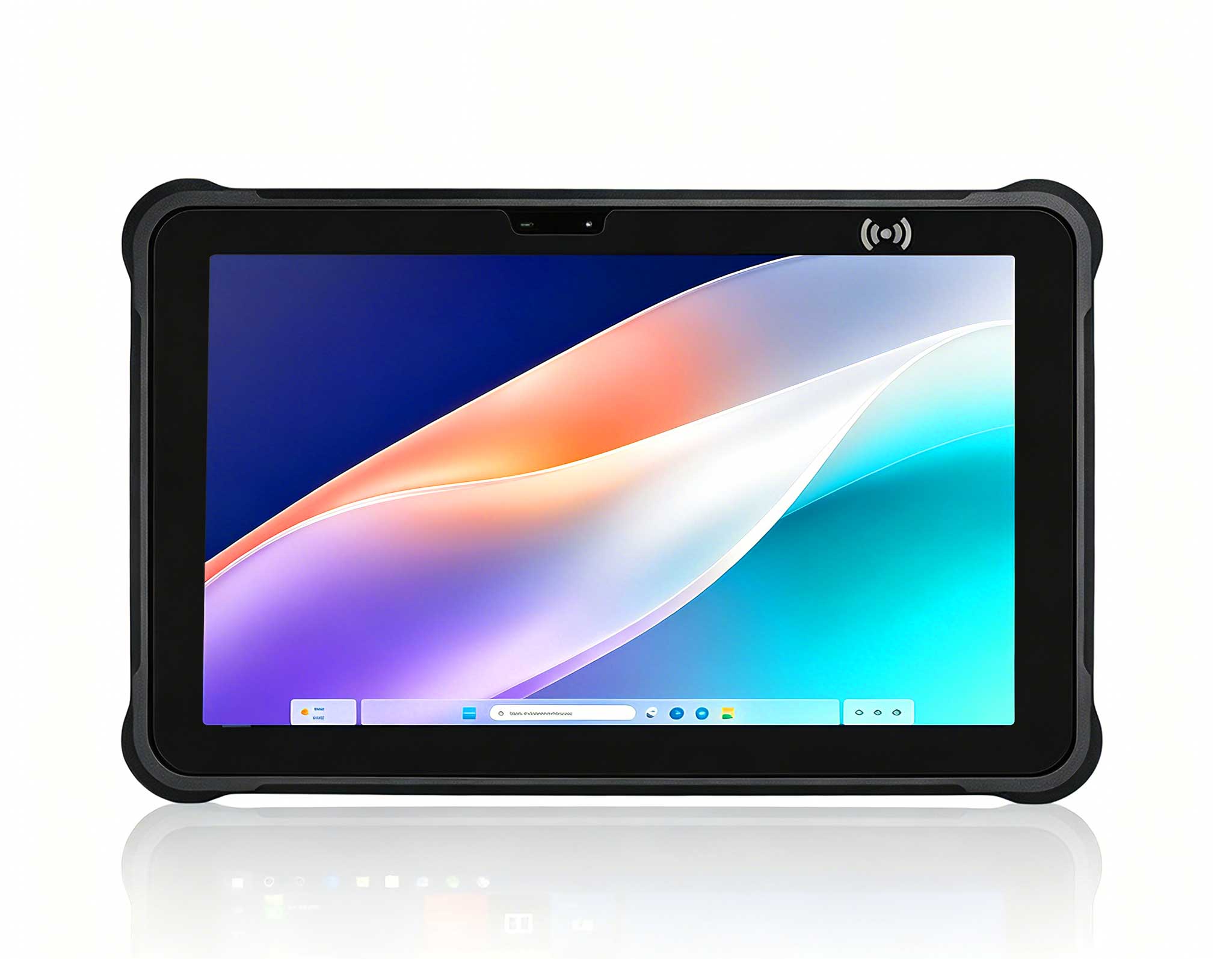
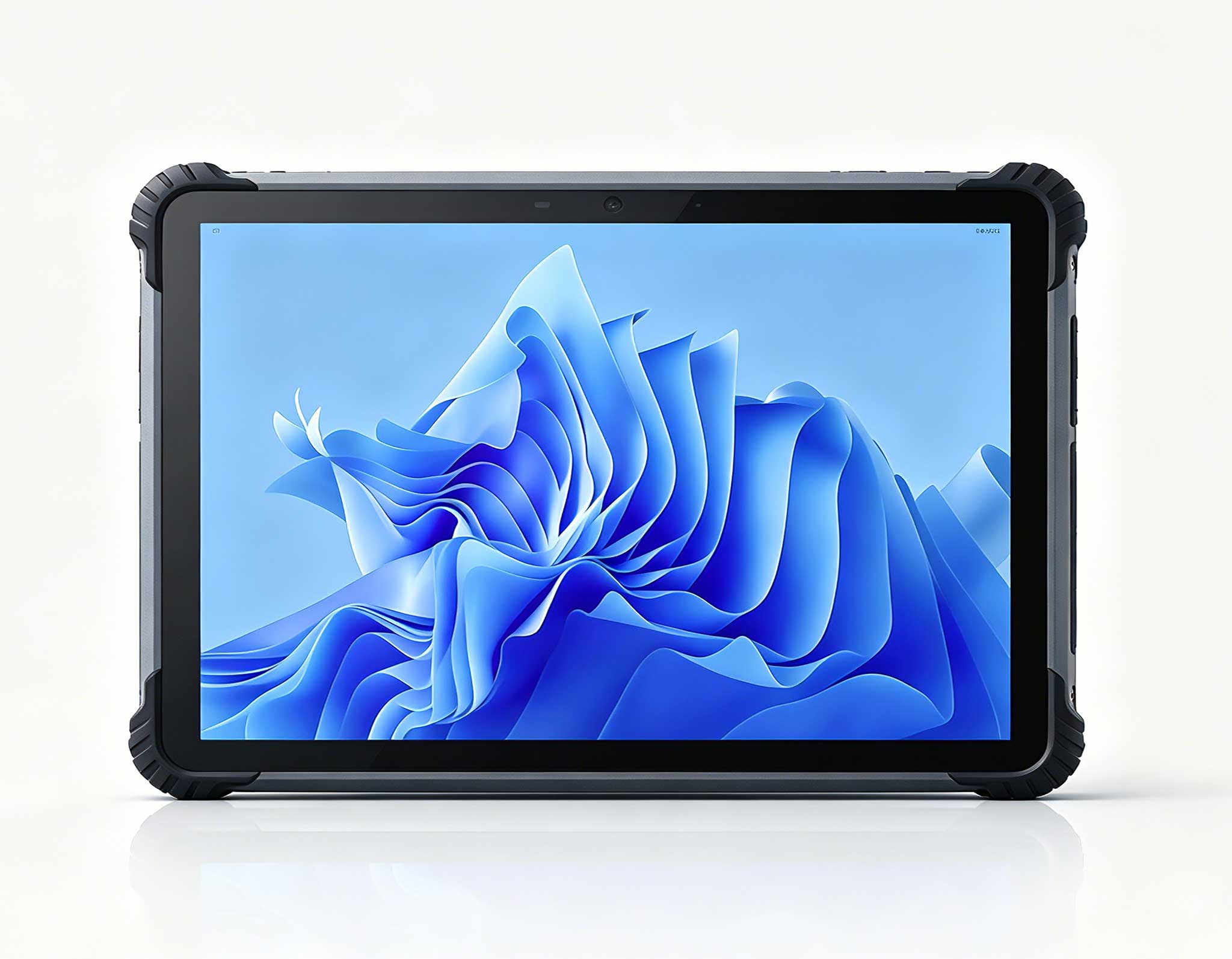
Hotus ST13‑U 13.3" Rugged Industrial Tablet

2026-06-18

Full SpecificationsModelHotus ST13‑UOSWindows 10 P...

Hotus ST11‑U 10.1" Rugged Industrial Tablet

2026-06-18

Full SpecificationsModelHotus ST11‑UOSWindows 10 P...

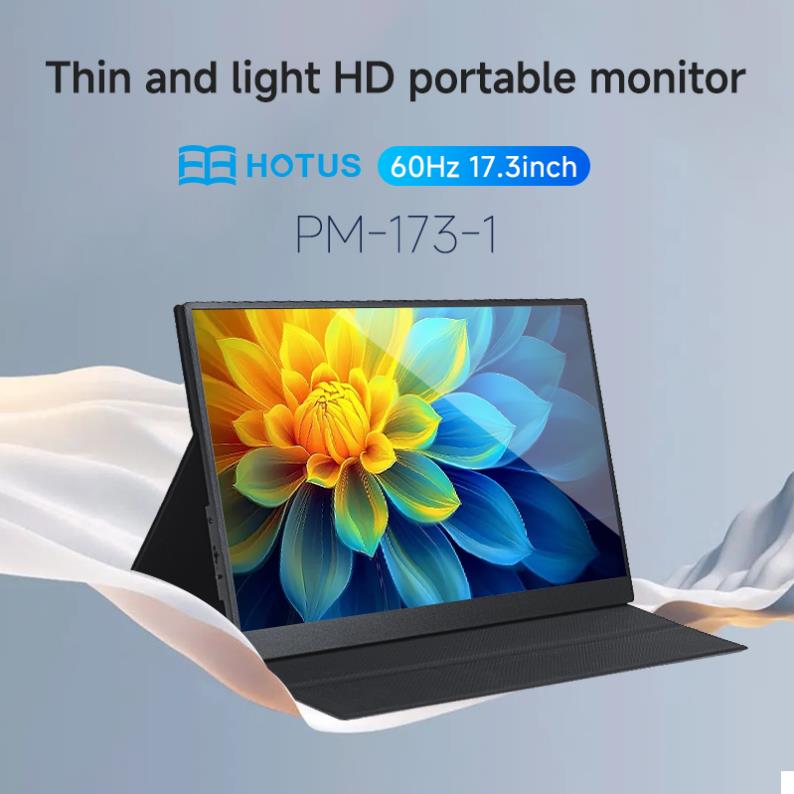
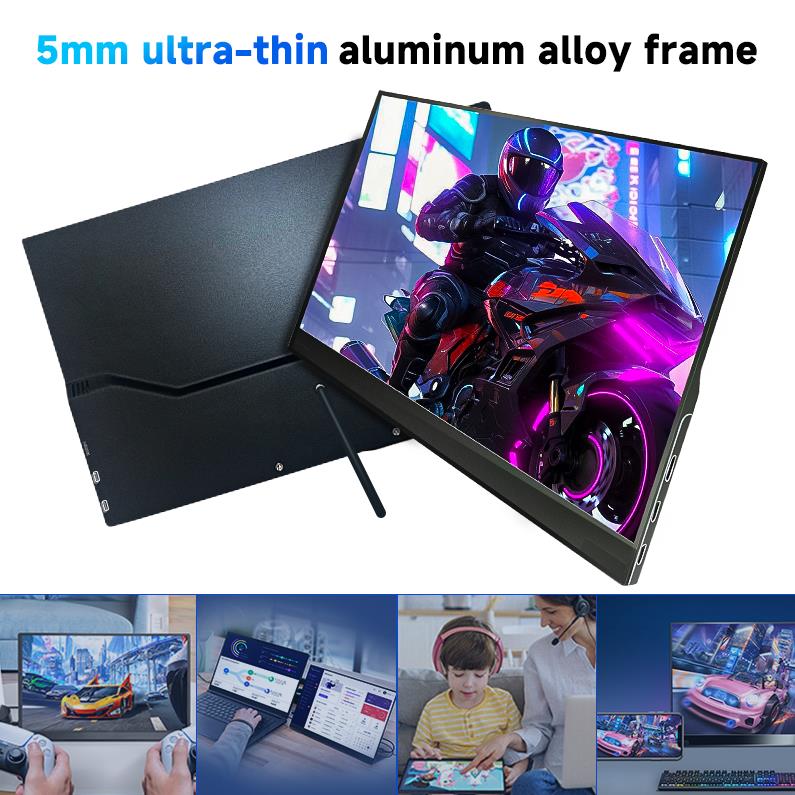
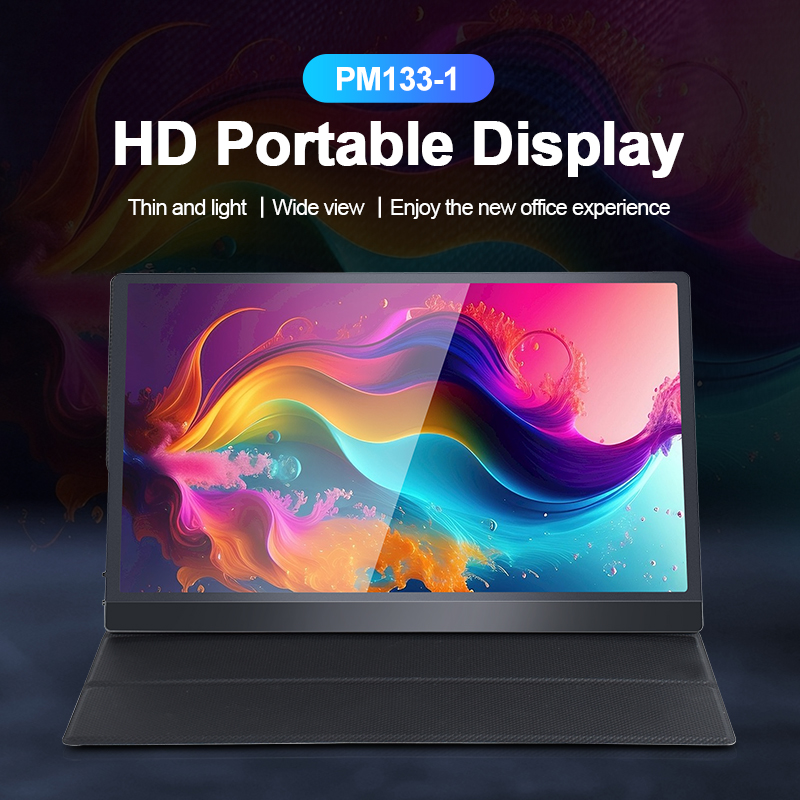
15.0-inch Portable Monitor PM150-1

2026-06-18

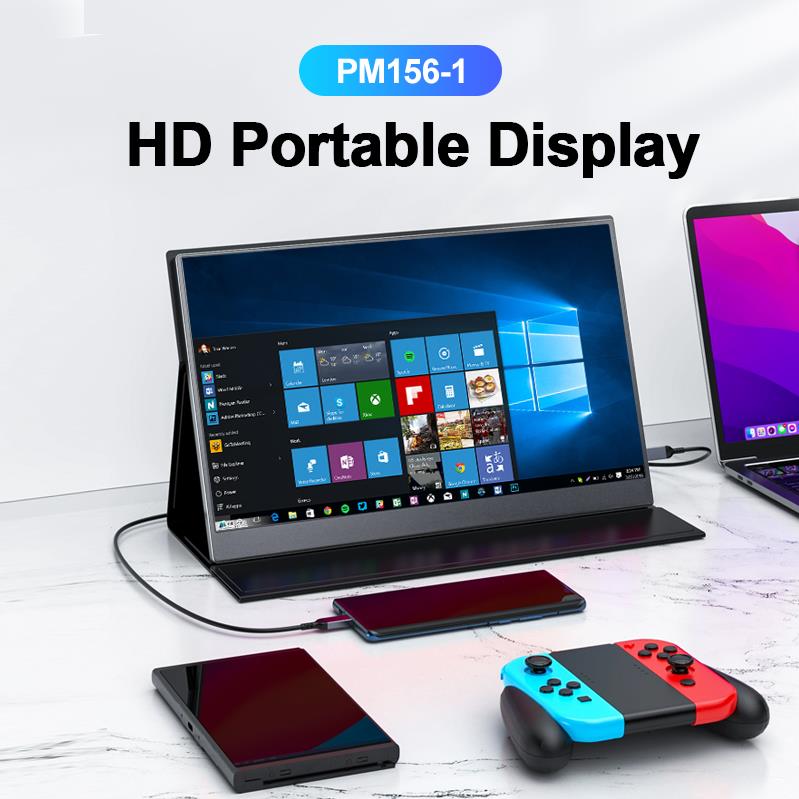
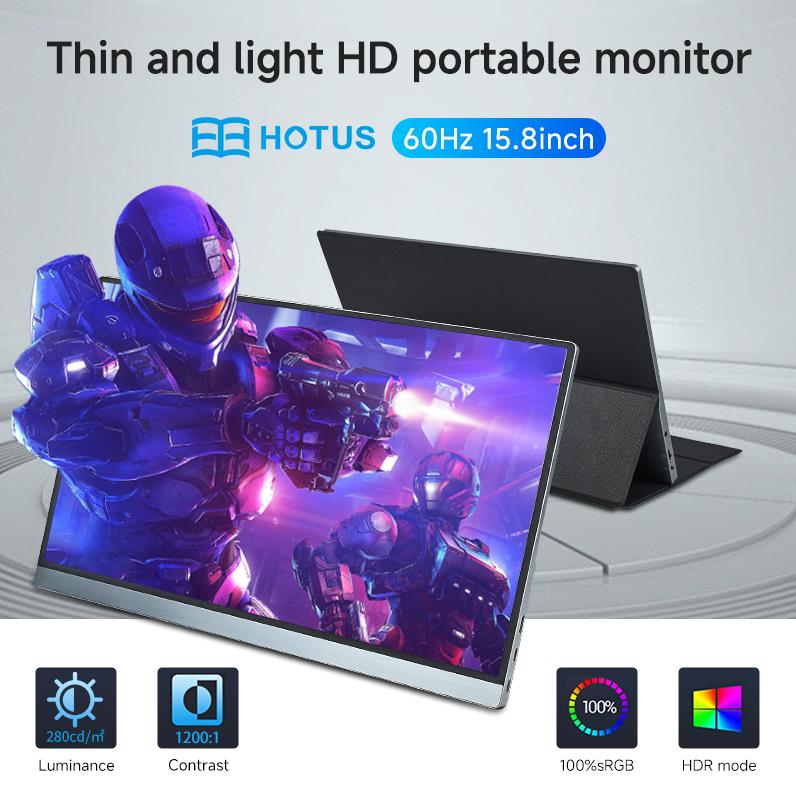
The PM150-1 is a 15.0-inch portable monitor featur...

Contact Us

Hotus Technology (Shenzhen) Co., Ltd.
Tel:+86 18922879583
Skype:tiger.wang@richitek.com
E-Mail:tiger.wang@richitek.com
Add: 3 Floor, Building D1, Xintang Industrial Zone, East District, Baishixia Community, Fuyong Street, Baoan District, Shenzhen city, 518100 China
If you have any question,Please contact us,we will give you the best service!
Contact Now

From Glare to Gains: How the Handheld PDA F505 Redefines Warehouse Inbound Scanning Efficiency

2026-06-18

Published June 18, 2026 | Industry Analysis by Hotus Technology

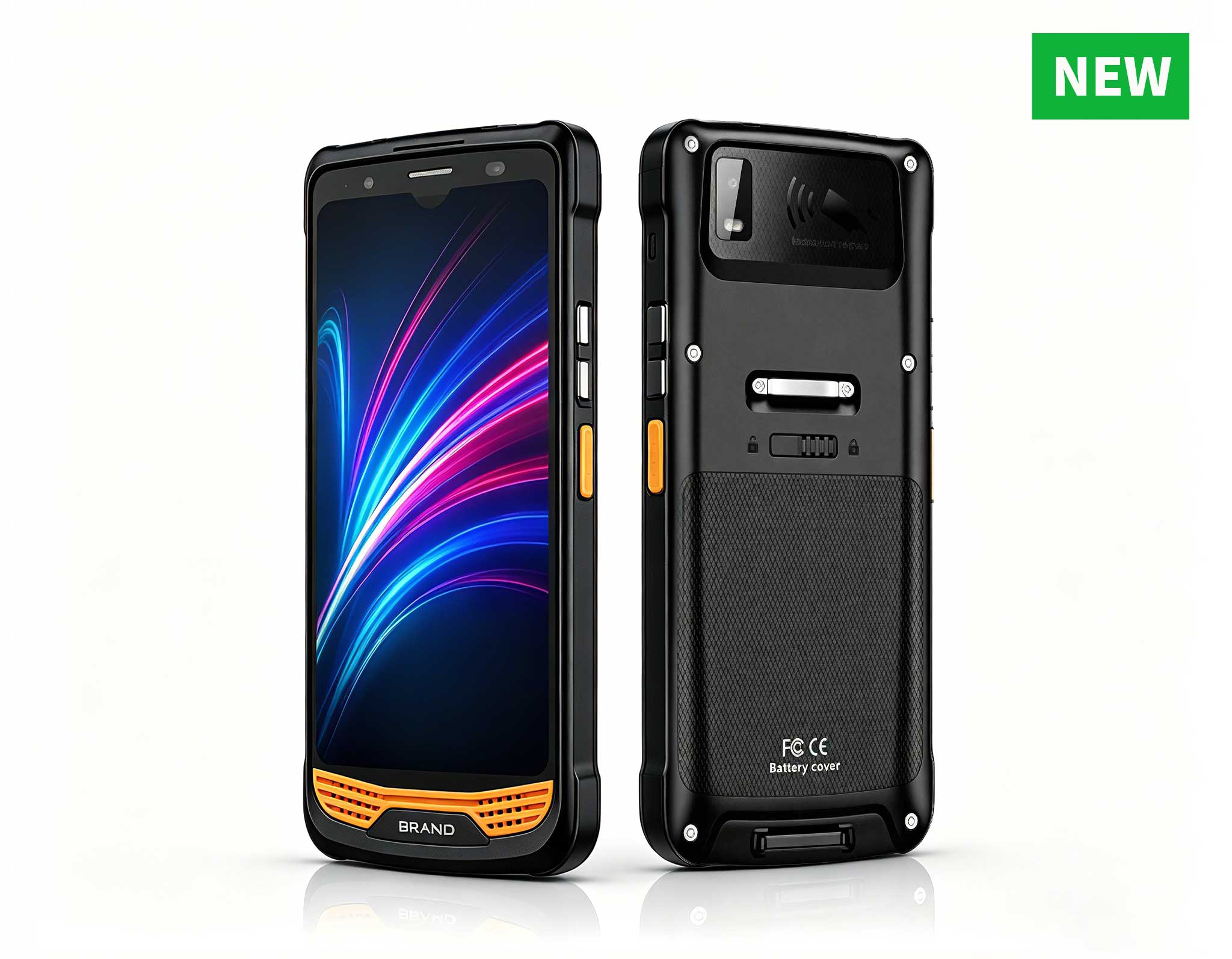
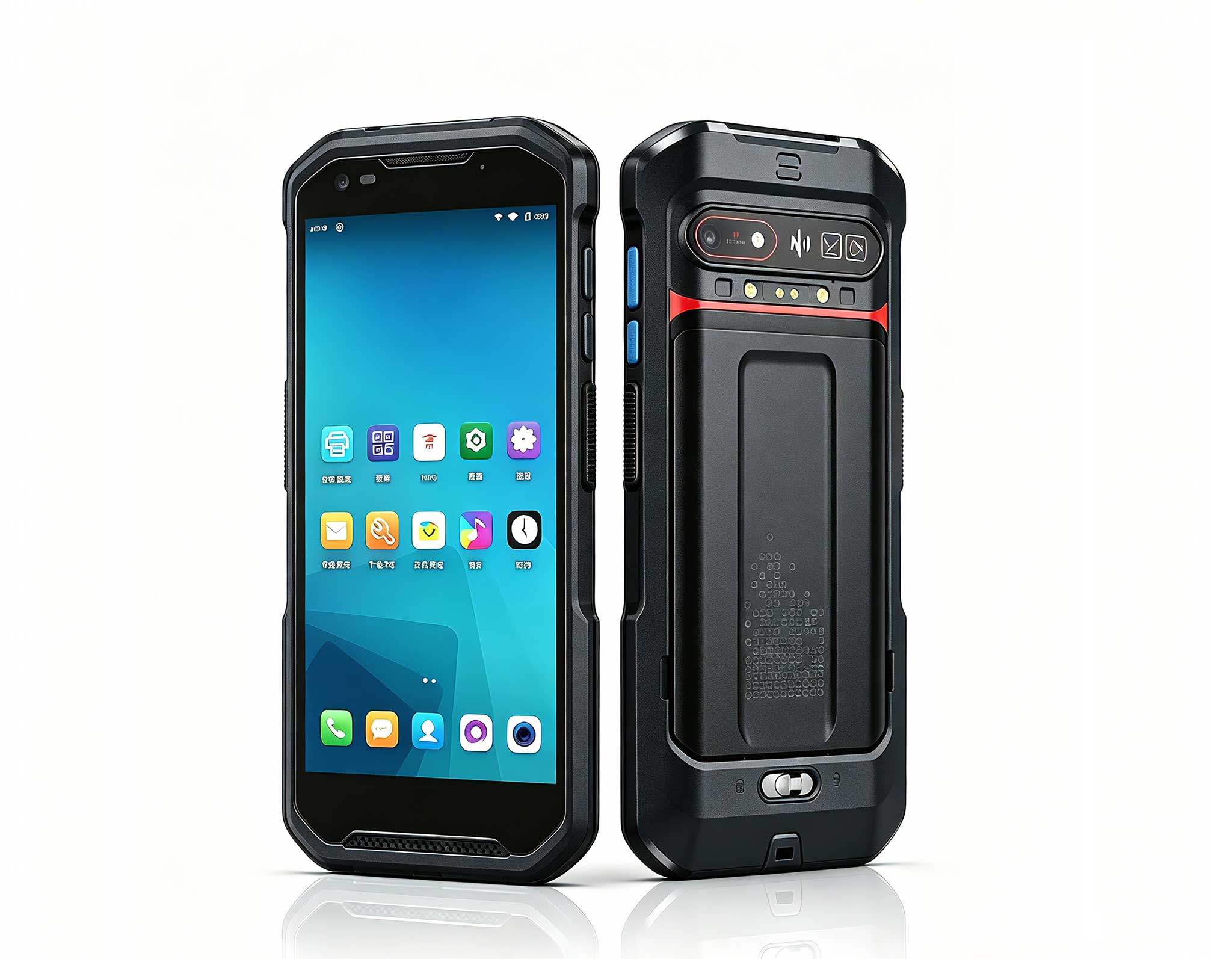
In the high-stakes world of warehouse inbound logistics, the difference between a smooth operation and a costly bottleneck often comes down to the tools in workers' hands. For distribution centers processing thousands of SKUs daily, the shift from legacy devices to modern rugged handheld PDAs isn't just about upgrading hardware—it's about reimagining workflow efficiency. This analysis compares the performance of the Handheld PDA F505, an Android 13 full-screen mobile data collection terminal, against traditional setups, drawing on deployment data from a regional logistics hub handling 12,000 inbound SKUs per day. Whether you're evaluating Rugged Tablet options or industrial PDAs, these insights can inform your next equipment decision.

1. The Legacy Device Dilemma: A Benchmarking Overview

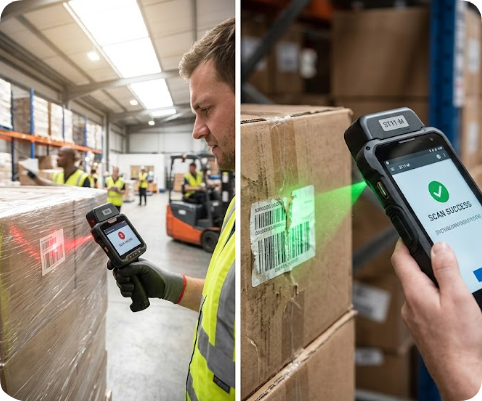
Before the F505 deployment, the client—a mid-size 3PL managing a 180,000-square-foot facility—relied on a mix of consumer smartphones with Bluetooth ring scanners and aging Windows Mobile terminals. The inbound dock, responsible for receiving, put-away, and cross-dock staging, faced consistent pressure to maintain speed and accuracy. To quantify the gap, we benchmarked three key metrics against the F505: scan speed, multi-mode scanning fluency, and system stability under peak load.
From Glare to Gains: How the Handheld PDA F505 Redefines Warehouse Inbound Scanning Efficiency(图1)

  • Scan speed: Legacy setups averaged 45 seconds per pallet, with Bluetooth disconnections and camera failures on damaged barcodes adding 10–15 seconds per re-scan.
  • Multi-mode scanning: Workers juggled two devices—a smartphone for barcodes and a separate RFID sled for tag reads—causing 8–12 seconds of transition time per mode switch.
  • System stability: Windows Mobile terminals crashed or froze during peak hours (10 a.m. to 2 p.m.), requiring 10 hours of weekly IT maintenance.
  • Screen visibility: Resistive screens suffered severe glare in sun-exposed loading bays, forcing workers to shade displays manually, leading to 5–7 missed taps per hour.

2. The F505 Advantage: A Data-Driven Turnaround

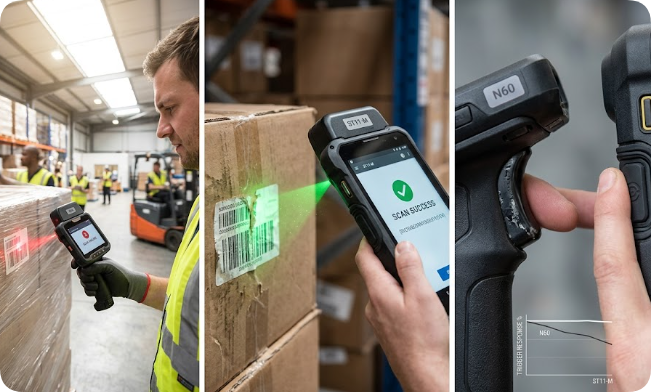
Deploying the Handheld PDA F505 introduced a unified, purpose-built solution that addressed each pain point head-on. The device features an integrated barcode and UHF RFID scanner running on Android 13, eliminating the need for secondary hardware. Below are the measurable improvements observed over a 30-day trial period:
From Glare to Gains: How the Handheld PDA F505 Redefines Warehouse Inbound Scanning Efficiency(图2)

  • Reduced scan time: Workers completed pallet scans in an average of 22 seconds—a 51% improvement over legacy devices—thanks to a high-speed imager that reads damaged, wrinkled, or low-contrast barcodes on first pass.
  • Seamless mode switching: With dual scanning capabilities in one unit, transitions between barcode and RFID tasks dropped to under 2 seconds, cutting total transition time by 75%.
  • Zero crashes under load: The Android 13 operating system maintained stable performance during peak hours, with IT support time falling from 10 hours per week to just 1 hour for routine updates.
  • Enhanced display: The full-screen capacitive touchscreen, rated at 600 nits, eliminated glare issues in bright dock light, reducing data entry errors by 40% and missed taps by 90%.

3. Industry Implications: What This Means for Logistics Managers

The F505's impact extends beyond this single deployment. For logistics hubs facing similar throughput bottlenecks, the case highlights three broader trends:
From Glare to Gains: How the Handheld PDA F505 Redefines Warehouse Inbound Scanning Efficiency(图3)

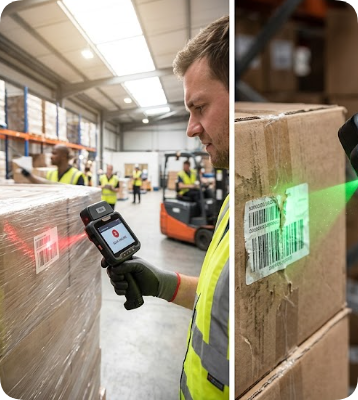
  • Convergence of scanning technologies: Integrated devices reduce device fatigue and training time, as workers master one interface instead of multiple.
  • Android 13 as a stability anchor: Modern operating systems offer better resource management and app compatibility, minimizing downtime compared to legacy platforms.
  • Ergonomic ROI: Improved screen visibility and lighter form factors (the F505 weighs 10.6 ounces) reduce physical strain, indirectly boosting scan rates by 12% in afternoon shifts.

In conclusion, the Handheld PDA F505 isn't just a hardware upgrade; it's a strategic tool for transforming inbound scanning from a source of delays into a driver of operational excellence. For mid-sized distribution centers evaluating Rugged Tablet or PDA options, the data underscores a clear message: aligning device capabilities with real-world dock conditions can unlock significant efficiency gains, turning throughput bottlenecks into real-time accuracy. For a deeper look at similar deployments, see our case study on PDA Warehouse Management Cases.

×

Contact us

email:
name:
subject :
content: