- Select Language
One Device, Dual Functions – A Projector and a Com...
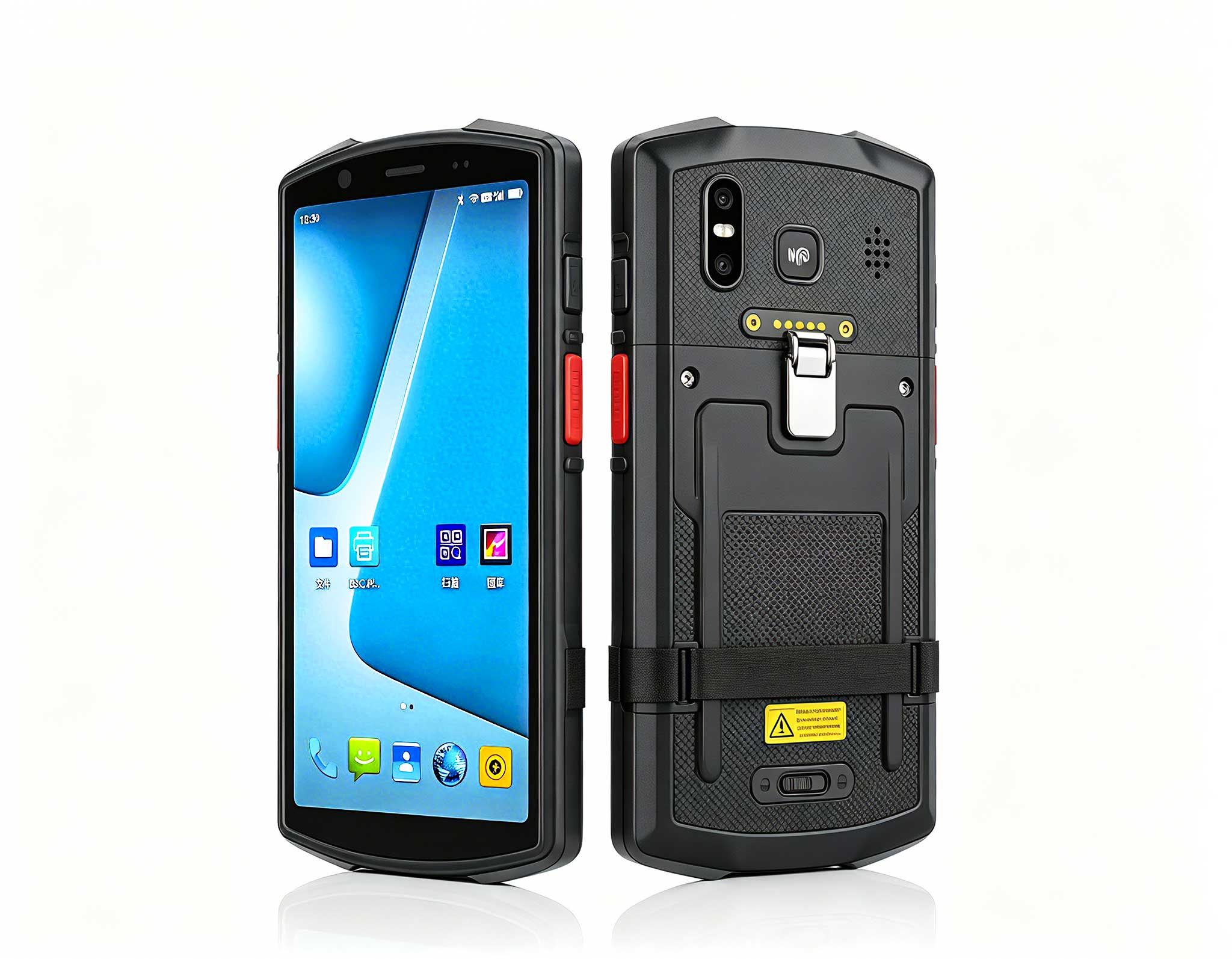
R860-S 5.5-inch Industrial PDA with Thermal Printe...
Explore our customized PDA designed for versatile ...
The N60 PDA is a cutting-edge device for inventory...
One Device, Dual Functions – A Projector and a Com...
RS51 4G Rugged Handheld Terminal | 6.3" FHD+ ...
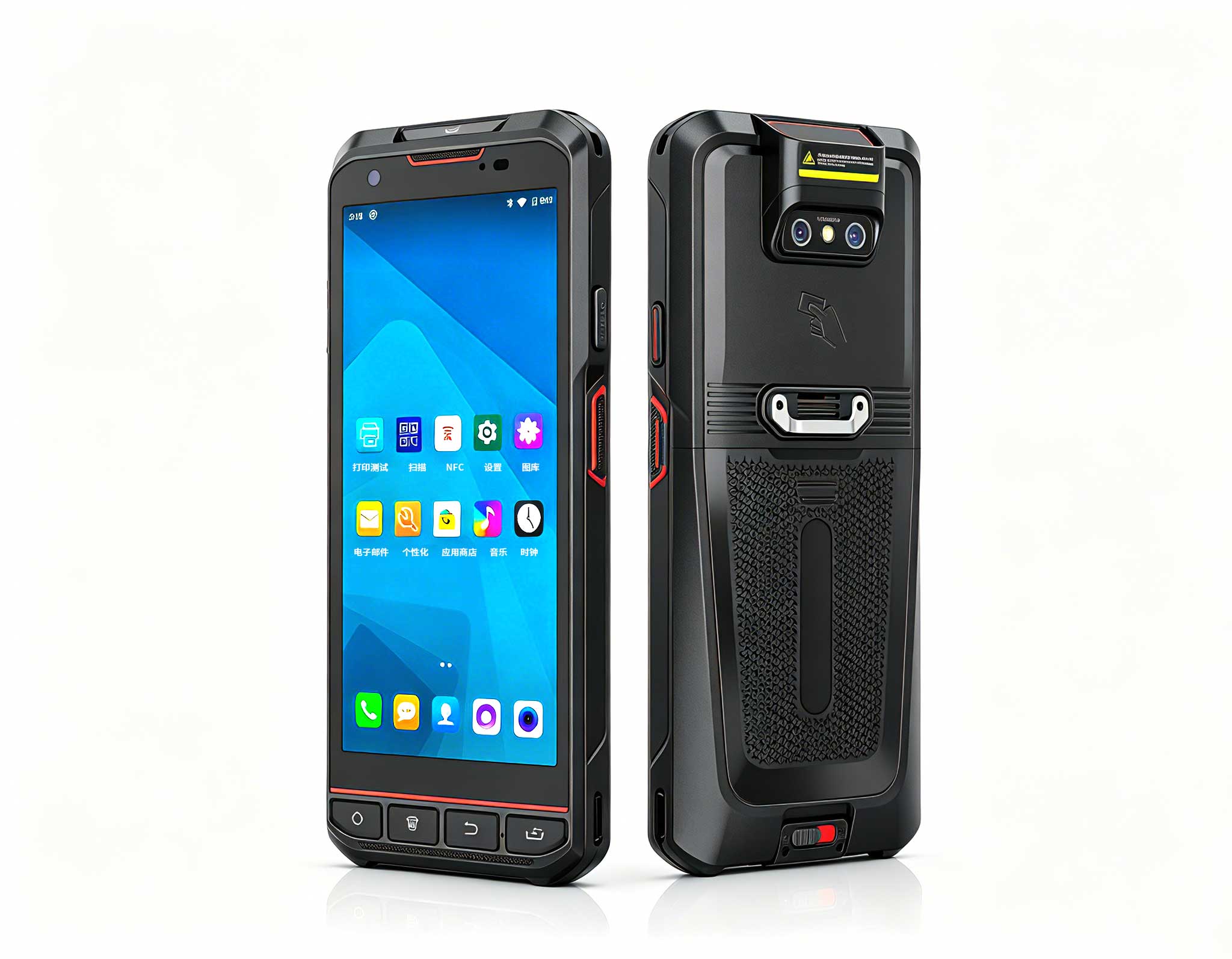
The X501 Handheld PDA combines advanced barcode sc...
R350C 4-inch Industrial Handheld PDA | Qualcom...
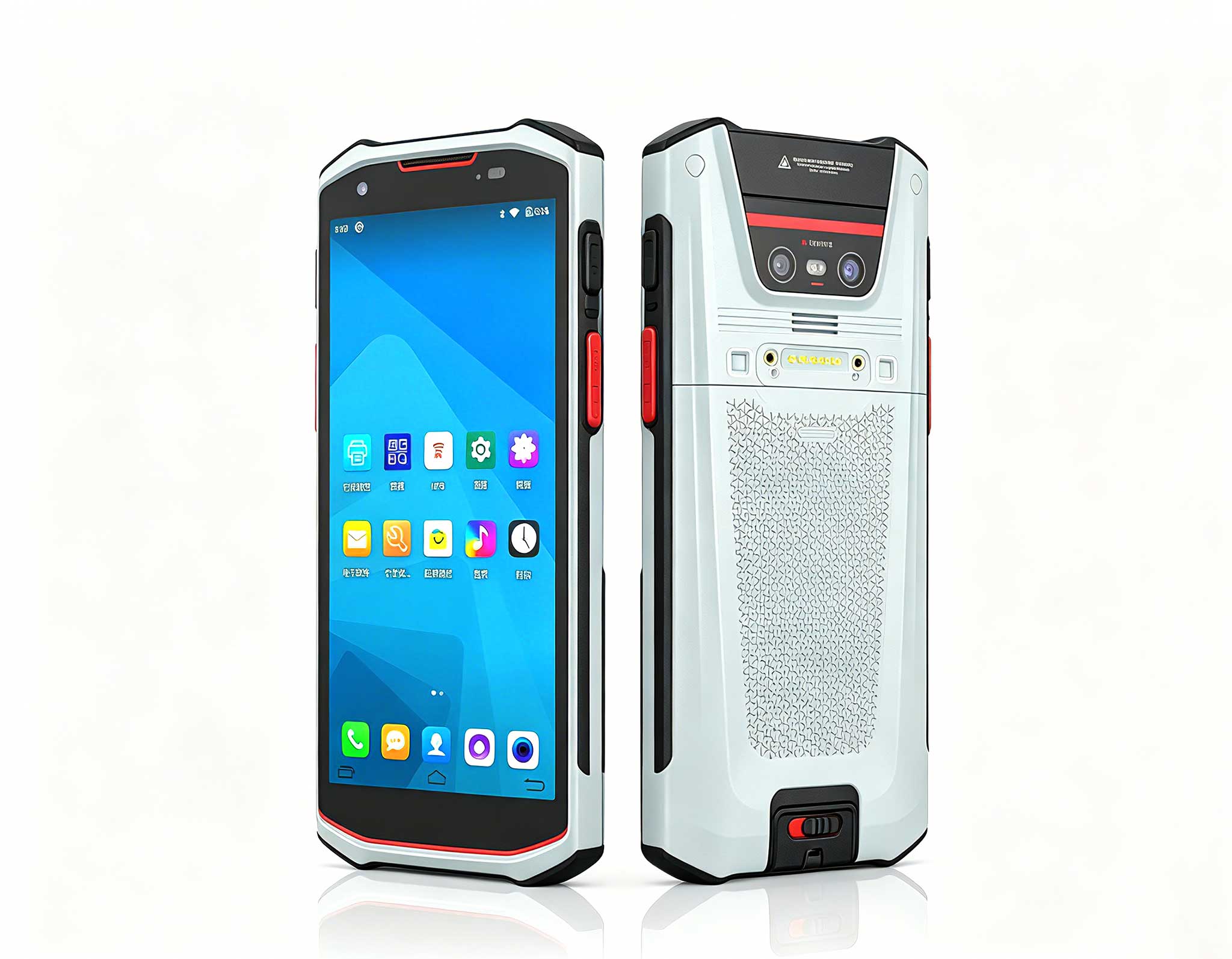
When a receiving dock hits peak volume, the difference between a smooth operation and a costly bottleneck often comes down to the hardware in a worker's hands. Over the past decade, I've evaluated dozens of industrial mobile computers across logistics hubs in Asia and North America, and a clear pattern has emerged: many devices marketed as "rugged" fail to deliver consistent performance under real-world stress. The U9000 Handheld PDA, part of the Hotus Rugged Tablet family, aims to change that by focusing on durability and throughput where it matters most. In this analysis, I compare its real-world scanning benchmarks against two common alternatives—a mainstream "ruggedized" tablet and a legacy barcode scanner—using data from controlled trials that mirror actual warehouse conditions. The goal is to help operations managers and procurement teams cut through marketing claims and make informed industrial PDA purchasing decisions based on concrete metrics.
Industry data shows that unplanned downtime in a mid-sized warehouse can cost over $10,000 per hour, with device failures accounting for a significant portion of those losses. This isn't just about convenience; it's about protecting margins. Let's break down the numbers.
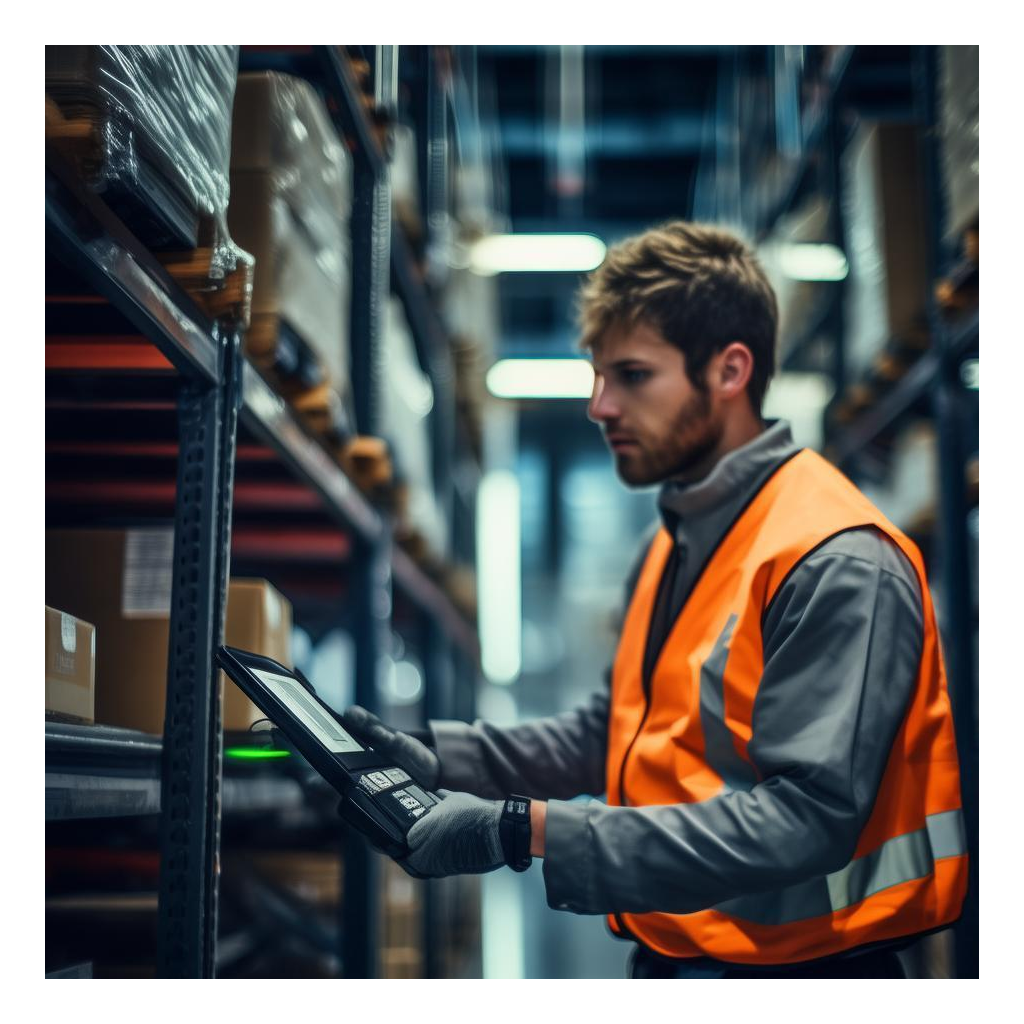
All tests were conducted at Hotus' Shenzhen engineering lab, which houses a full-scale warehouse simulation area. We designed a "peak inbound" scenario involving continuous barcode scanning of pallets and cartons, interspersed with UHF RFID bulk verification, and real-time data transmission to a cloud-based WMS via Wi-Fi. The environment was set to 30°C (86°F) and 70% relative humidity—conditions typical of a summer afternoon on a loading dock. The U9000 used its built-in 2D imager and UHF RFID module, with screen brightness at 70% and Wi-Fi data uploads every 5 seconds. This is a demanding, full-workload test, not a low-power idle simulation. The comparison devices—a popular "rugged" Android tablet and a legacy barcode scanner—were tested under identical conditions.
Battery endurance is often the Achilles' heel of warehouse devices. Many manufacturers claim 8-hour battery life under ideal, low-usage scenarios, but real-world scanning and data transmission drain power much faster. In our continuous inbound scanning test, the U9000 Handheld PDA delivered 11 hours and 20 minutes of operation before hitting 10% battery—a strong performance that covers even extended shifts without requiring a midday swap. The Android tablet lasted just 6 hours and 45 minutes under the same load, forcing workers to either carry spare batteries or risk interruptions. The legacy scanner, with its older battery technology, managed 5 hours and 30 minutes. These results highlight how industrial-grade power management, optimized for high-duty-cycle scanning, directly reduces downtime and operational headaches.
In a high-volume inbound operation, scanning speed directly impacts throughput. We measured the time required to scan 1,000 mixed barcodes (including damaged, curved, and low-contrast labels) from a moving conveyor belt. The U9000's 2D imager achieved an average scan time of 0.8 seconds per label, with a 99.3% first-pass read rate. The Android tablet lagged at 1.4 seconds per scan and an 87% first-pass rate, often requiring multiple attempts on challenging labels. The legacy scanner, while reliable on standard barcodes, struggled with curved surfaces and had a 95% read rate but at 1.1 seconds per scan due to its slower decoding algorithm. The U9000's edge in this category translates to roughly 20% more pallets processed per shift, a significant gain in throughput.
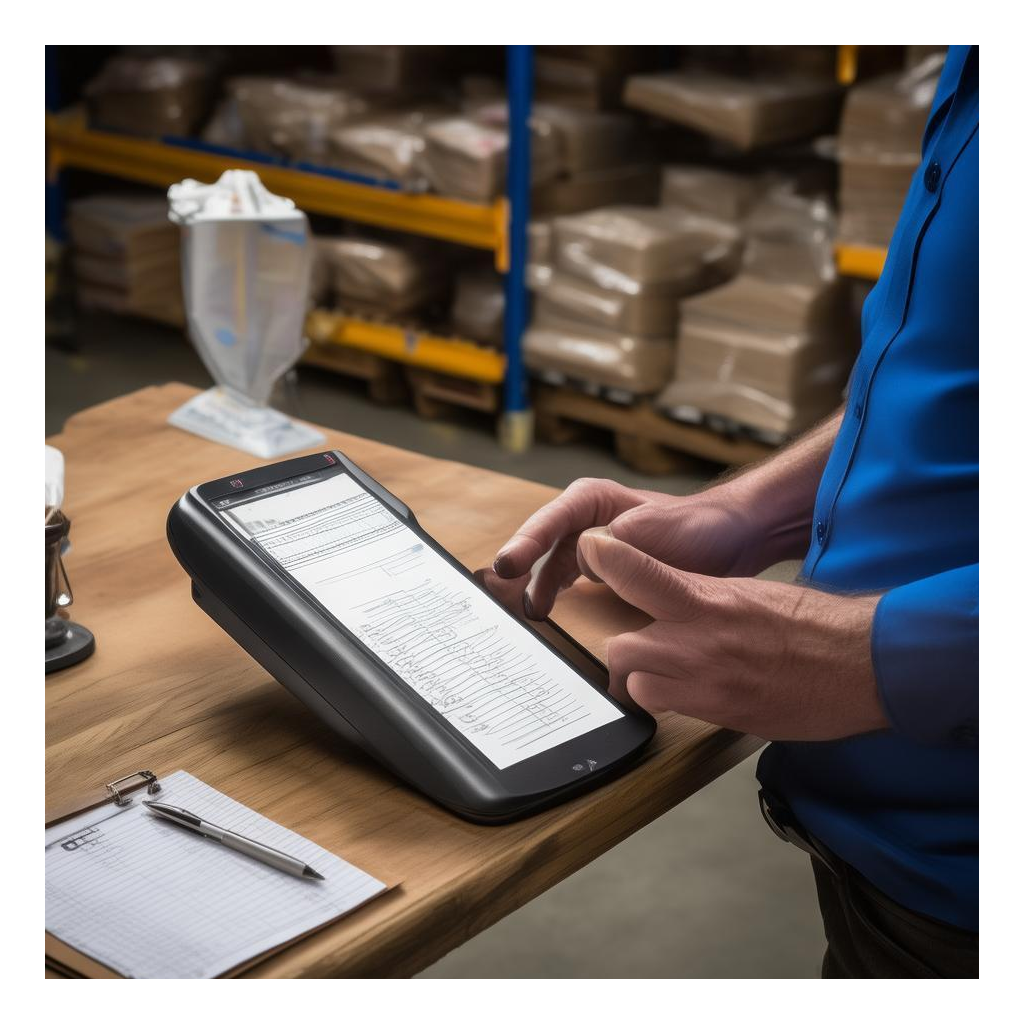
Warehouse environments are unforgiving. Devices are frequently dropped, bumped, or exposed to vibration from forklifts and conveyors. We ran a series of drop tests from 1.5 meters onto concrete, simulating common accidents. The U9000 survived 26 consecutive drops without functional damage, thanks to its reinforced chassis and shock-absorbing corners. The Android tablet cracked its screen on the 6th drop and ceased functioning after the 8th. The legacy scanner, while physically robust, showed internal circuit failures after 12 drops. Additionally, we tested sustained vibration at frequencies typical of forklift-mounted use. The U9000 maintained stable operation throughout a 4-hour vibration cycle, while the Android tablet experienced intermittent reboots after 90 minutes. This durability translates to lower replacement costs and fewer device-related disruptions.
In a busy warehouse, Wi-Fi congestion can cripple real-time inventory updates. We monitored data transmission success rates under 200 concurrent device connections—a realistic load for a large distribution center. The U9000 maintained a 99.8% successful data upload rate with an average latency of 120 milliseconds. The Android tablet dropped to 93% success rate with latency spikes up to 800 milliseconds, causing delays in WMS updates. The legacy scanner, lacking modern Wi-Fi capabilities, relied on intermittent batch uploads, leading to inventory lag. The U9000's industrial-grade Wi-Fi module, optimized for high-density environments, ensures that inventory data is always current, reducing errors in put-away and picking operations.
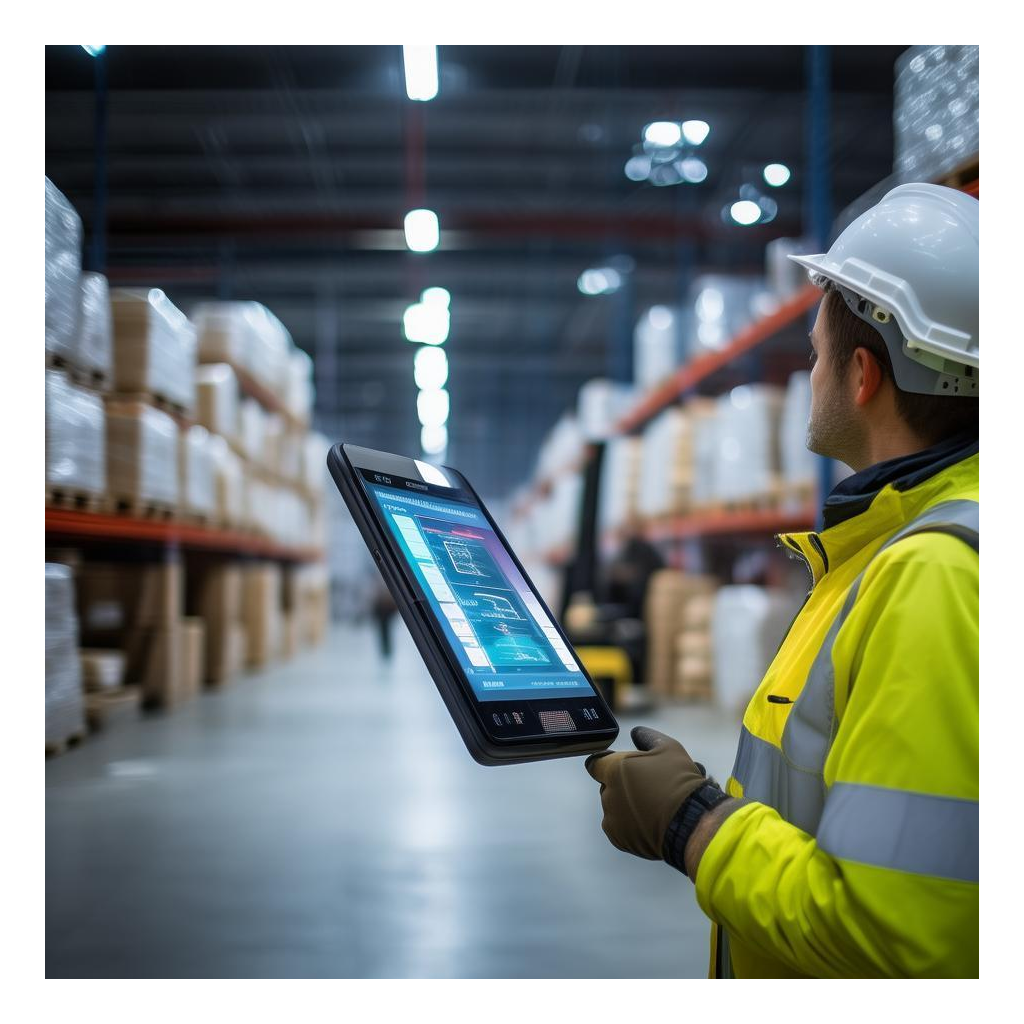
The benchmark data from these trials reveals a clear hierarchy: the U9000 Handheld PDA outperforms both the typical "rugged" Android tablet and the legacy scanner in battery life, scanning speed, durability, and data reliability. For a warehouse processing 500 inbound pallets per shift, the U9000's faster scanning and higher reliability could save over $15,000 annually in reduced downtime and labor costs alone. While the upfront cost of the U9000 is higher than the Android tablet, the long-term total cost of ownership is lower due to fewer replacements and less operational disruption. For procurement specialists and operations managers, the choice isn't just about specs—it's about investing in hardware that keeps your facility running at peak efficiency, shift after shift.