- Select Language
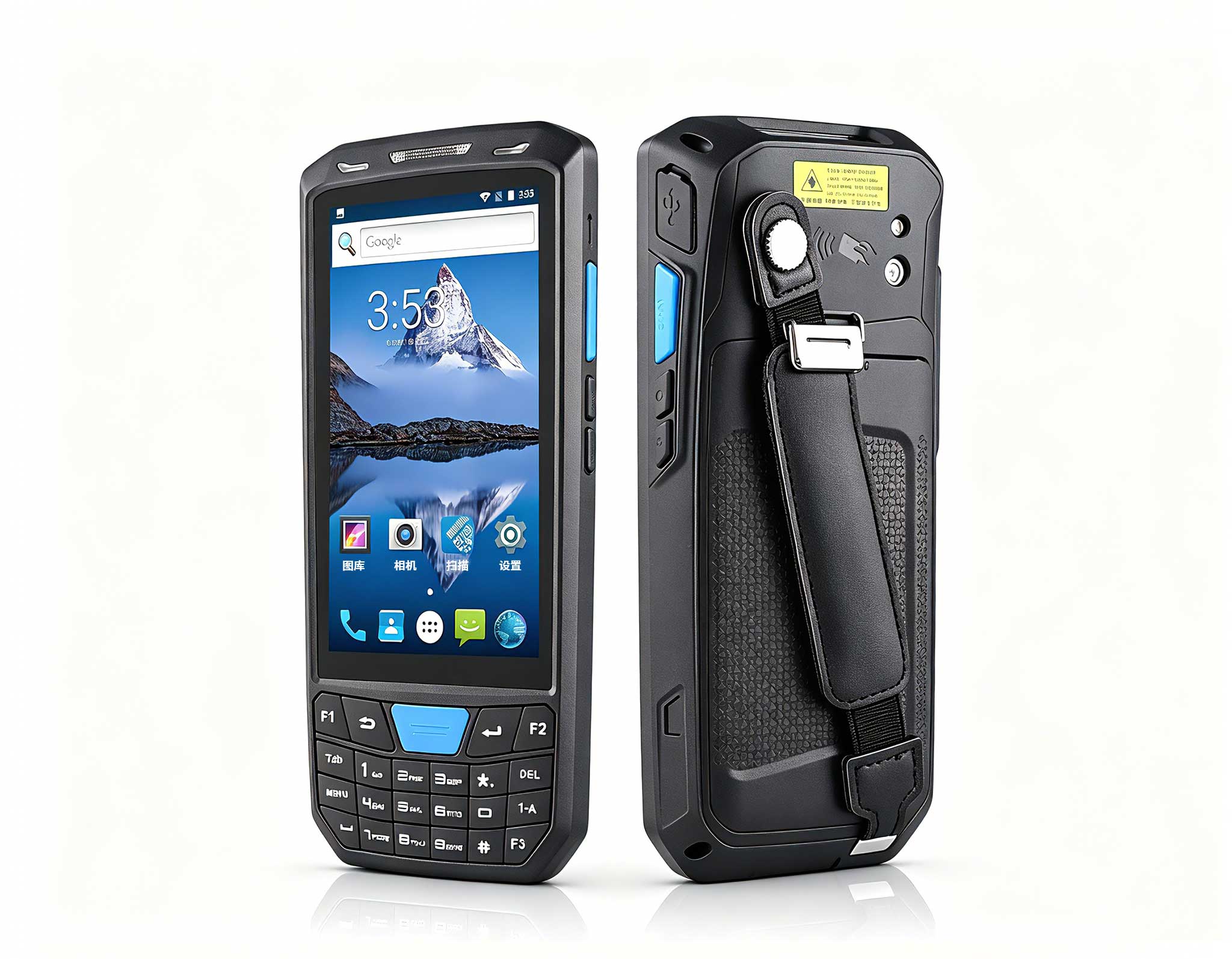
The T80 handheld PDA combines advanced barcode sca...
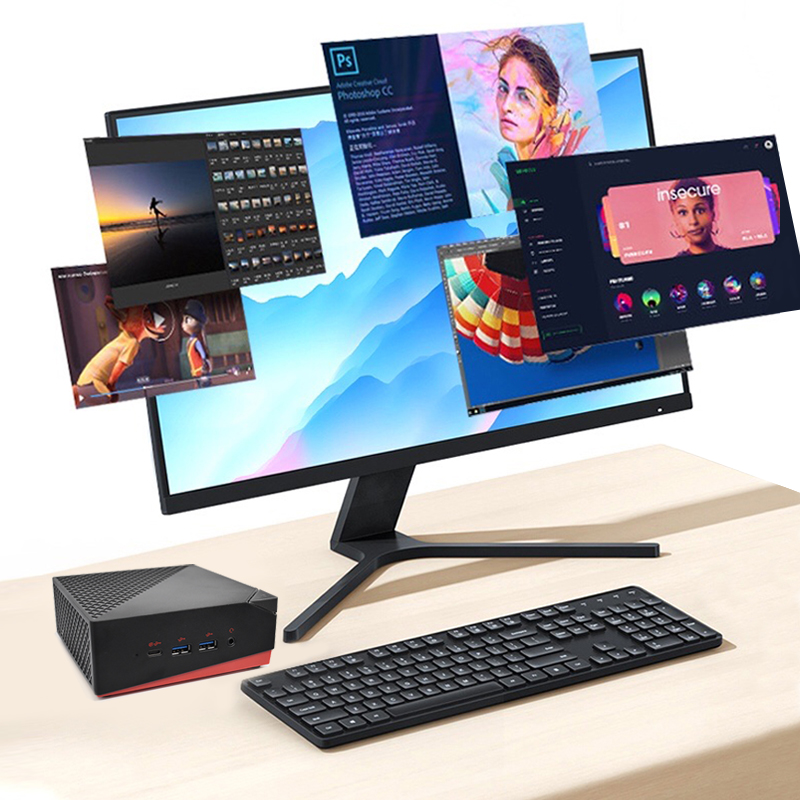
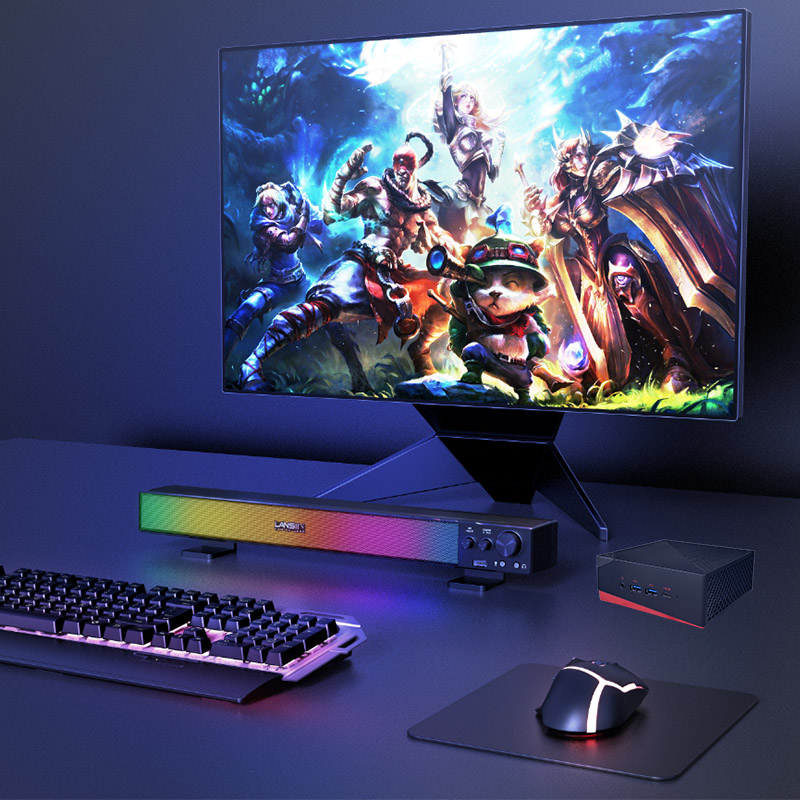
The AMD Mini PC Windows 10 Pro is a compact yet po...
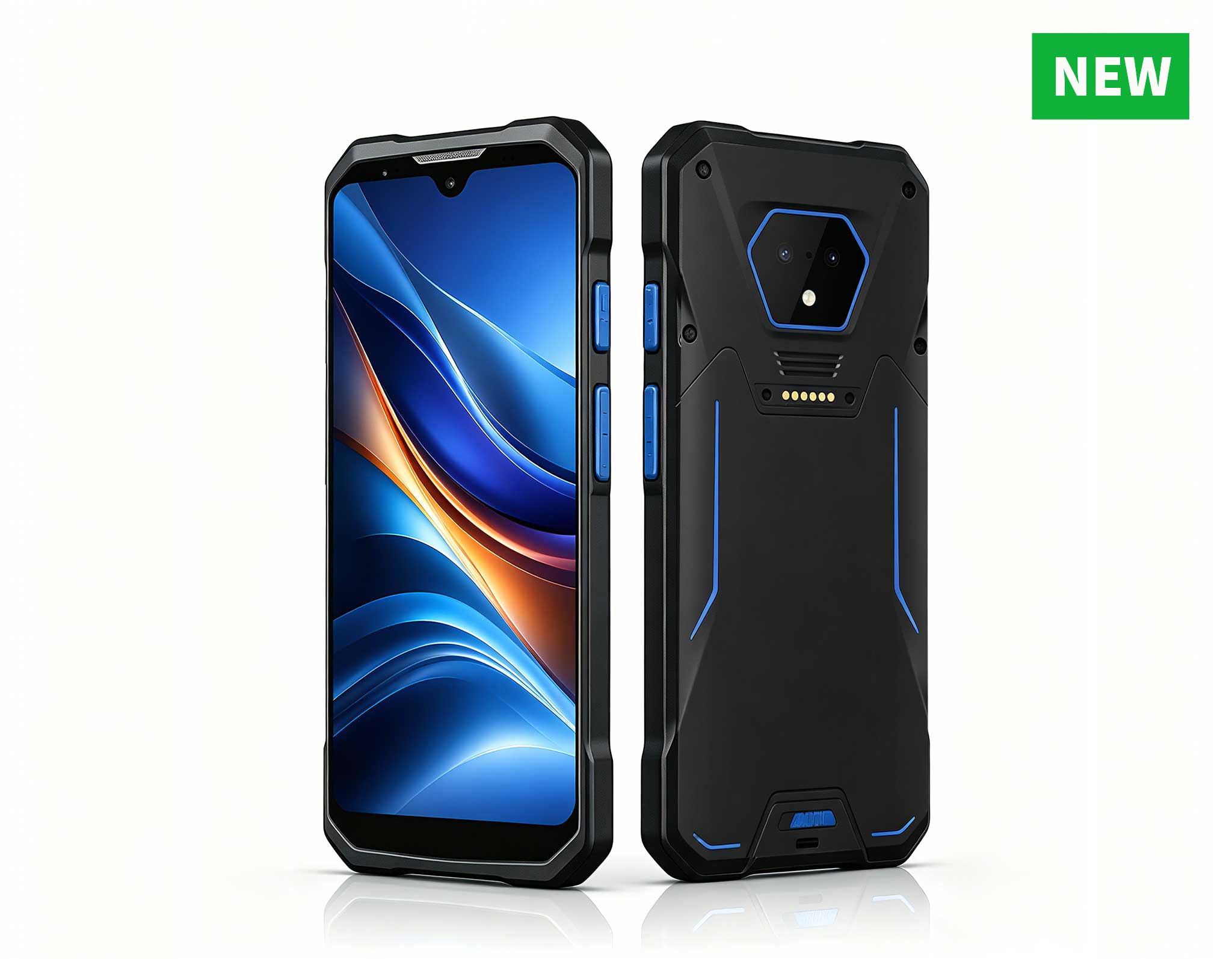
RS51 4G Rugged Handheld Terminal | 6.3" FHD+ ...
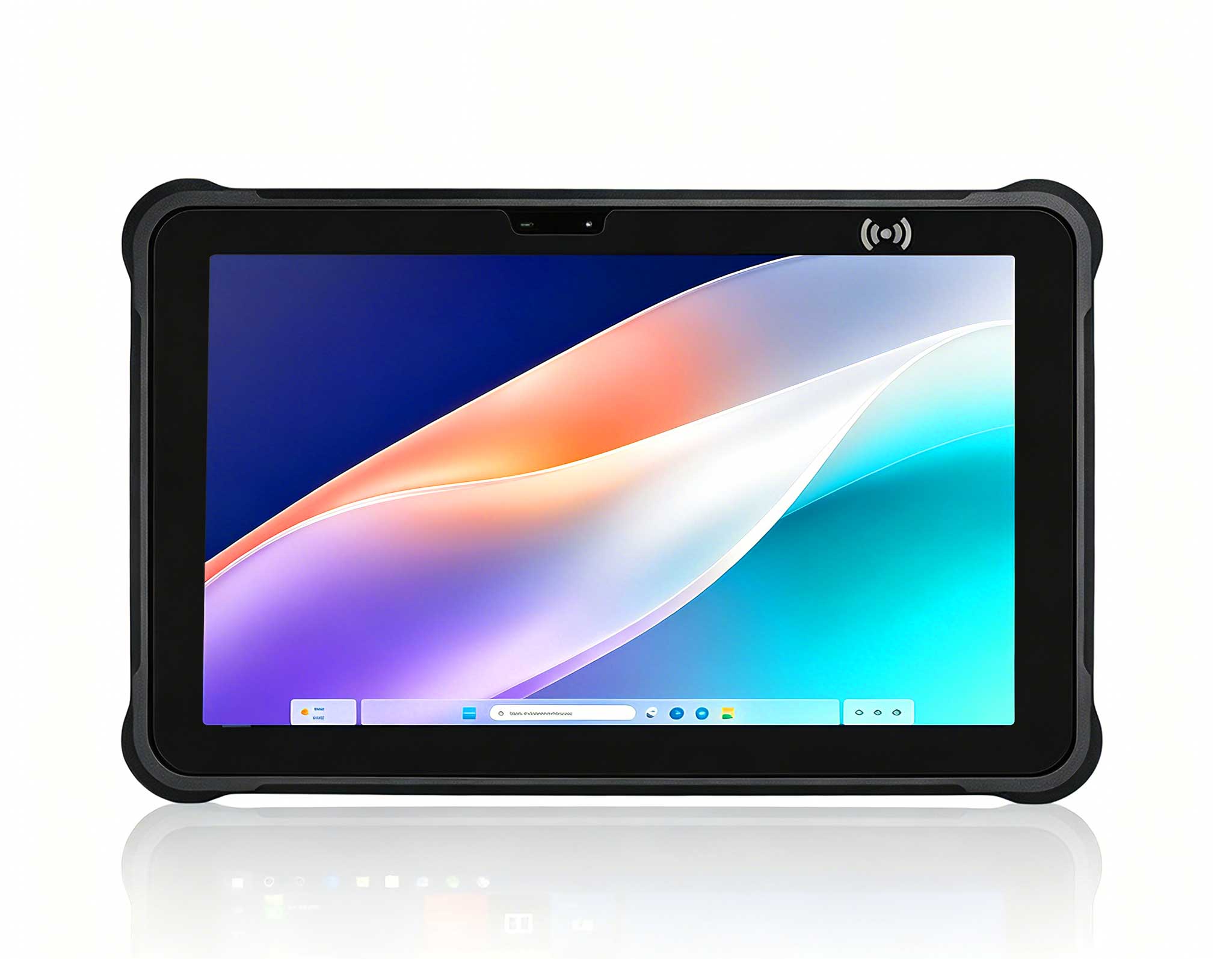
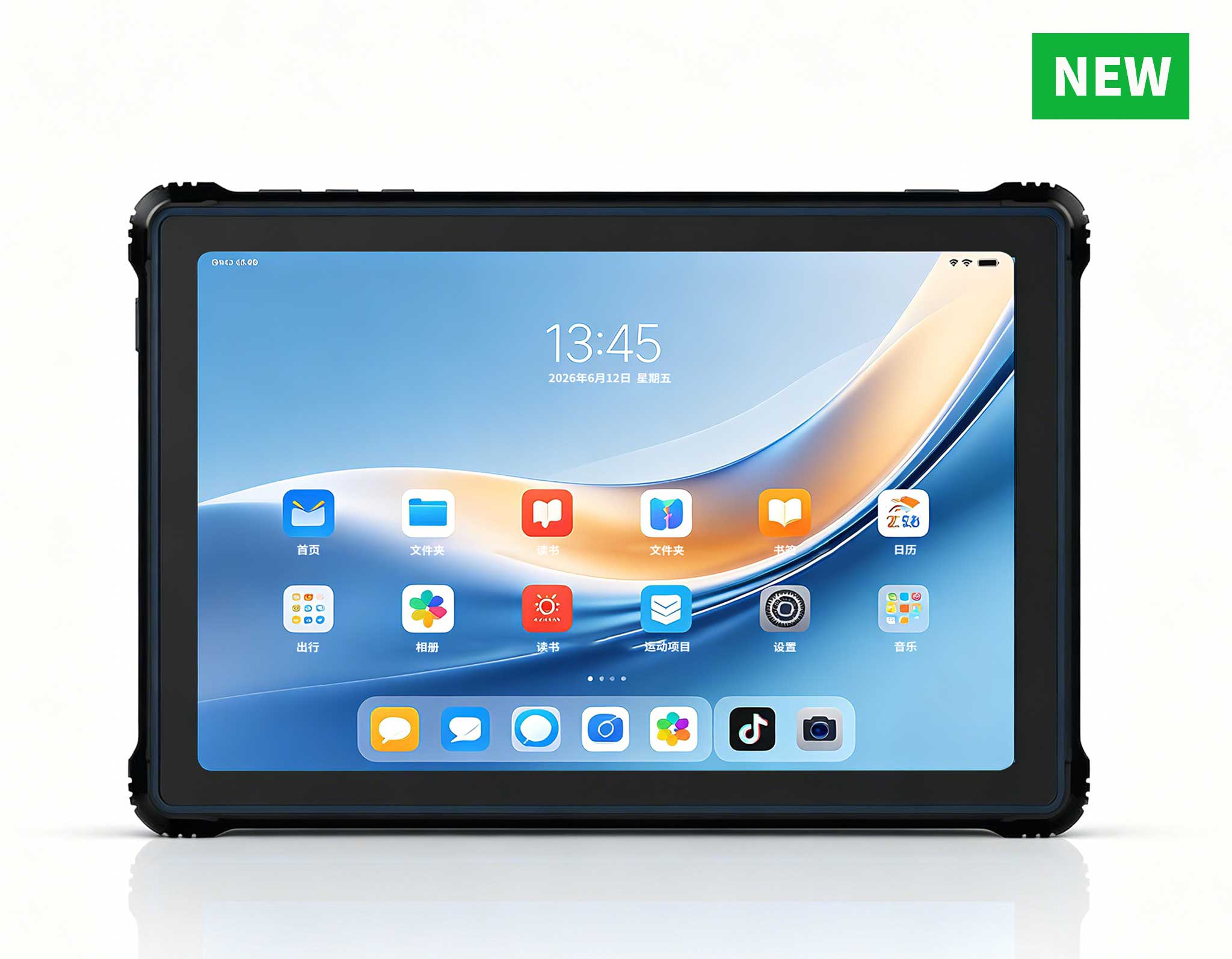
RT81 4G Rugged Tablet | 10.1" FHD 400nit | Qu...
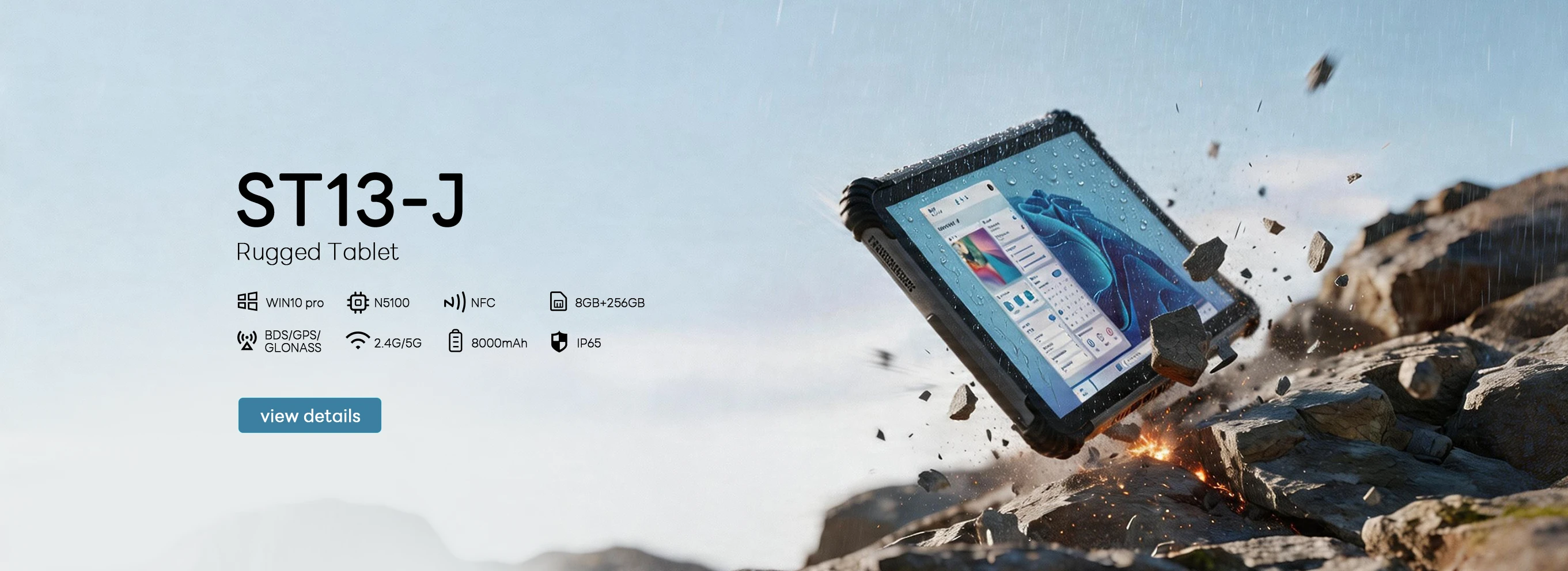
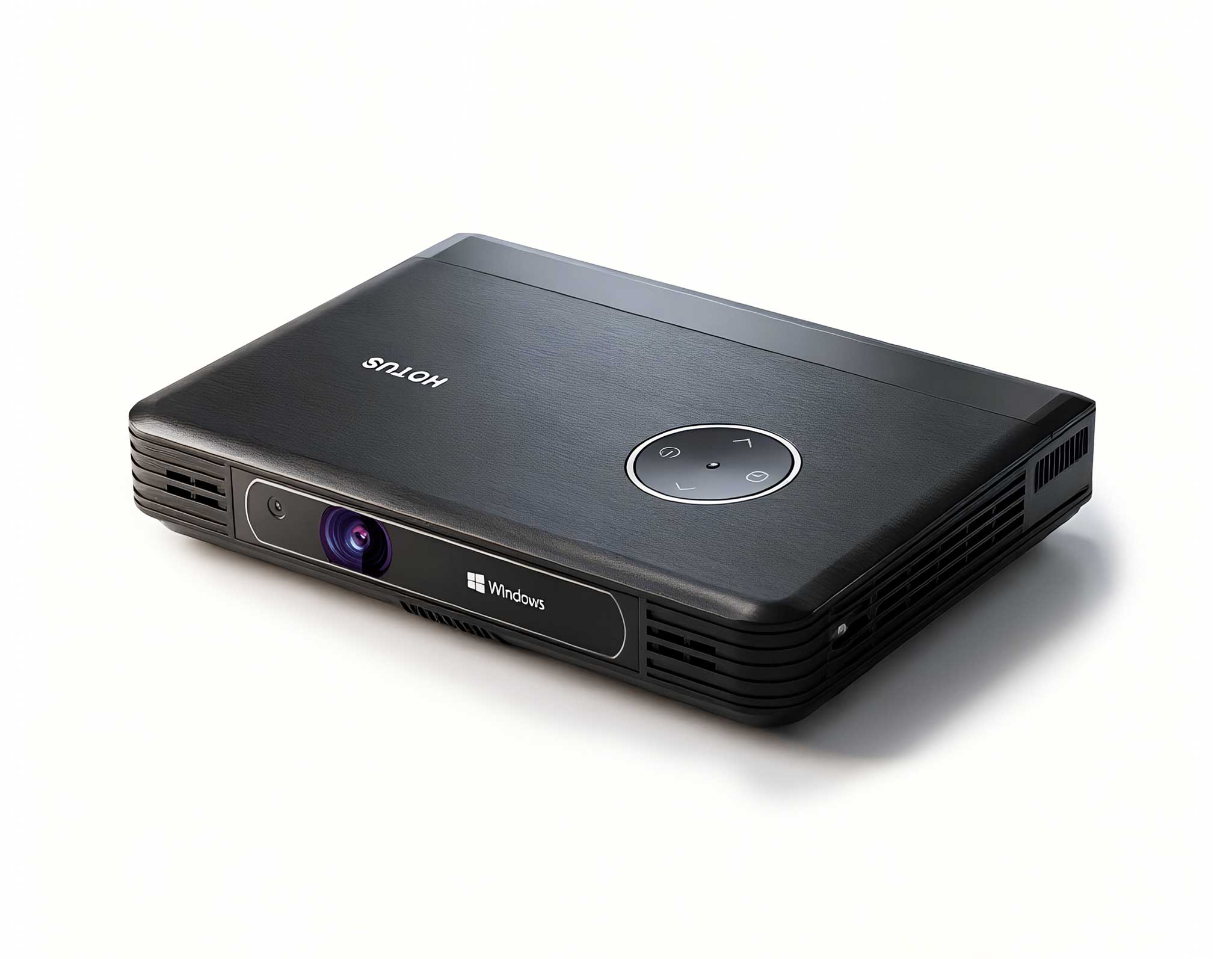
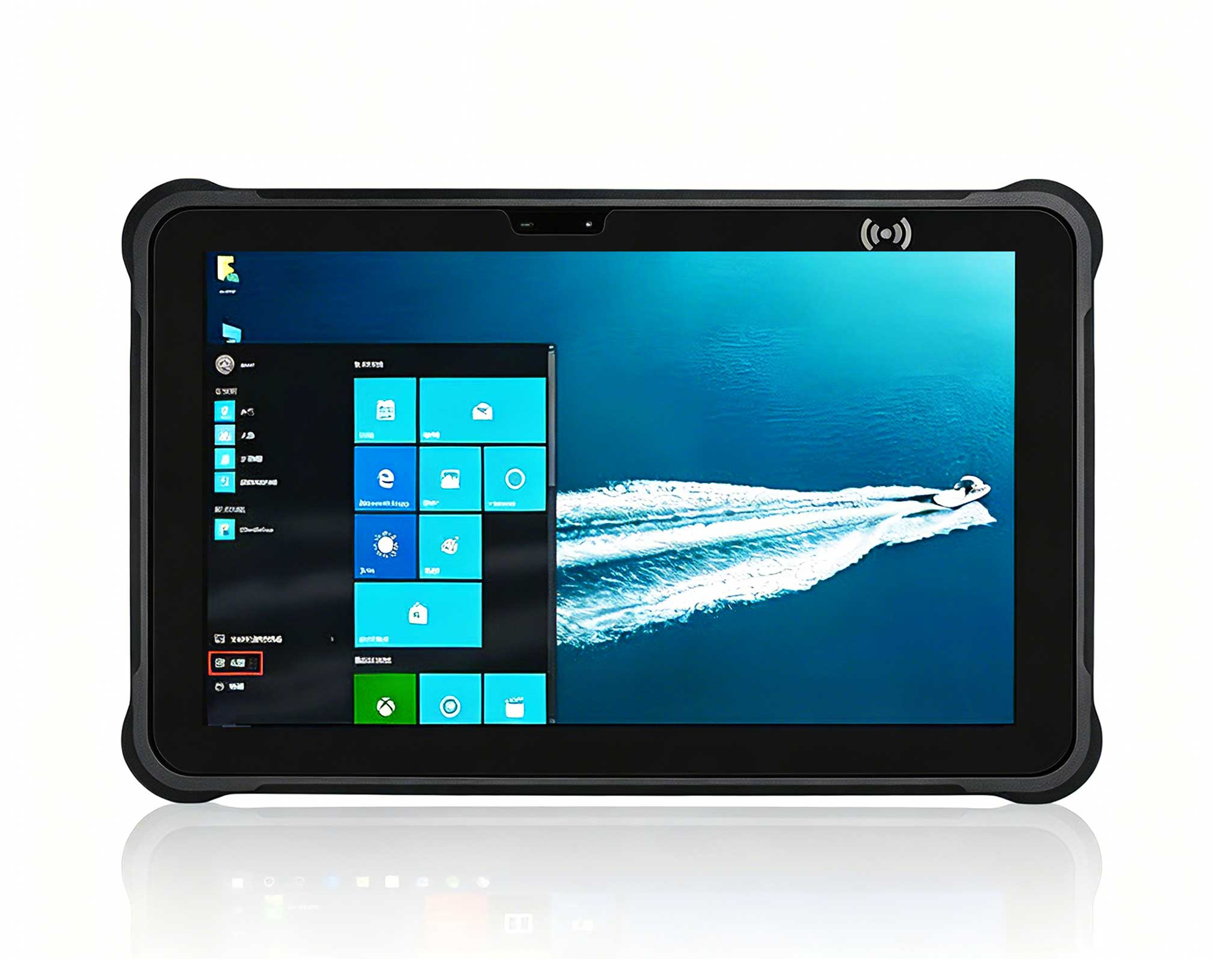
Full SpecificationsModelHotus ST11‑JOSWindows 10 P...
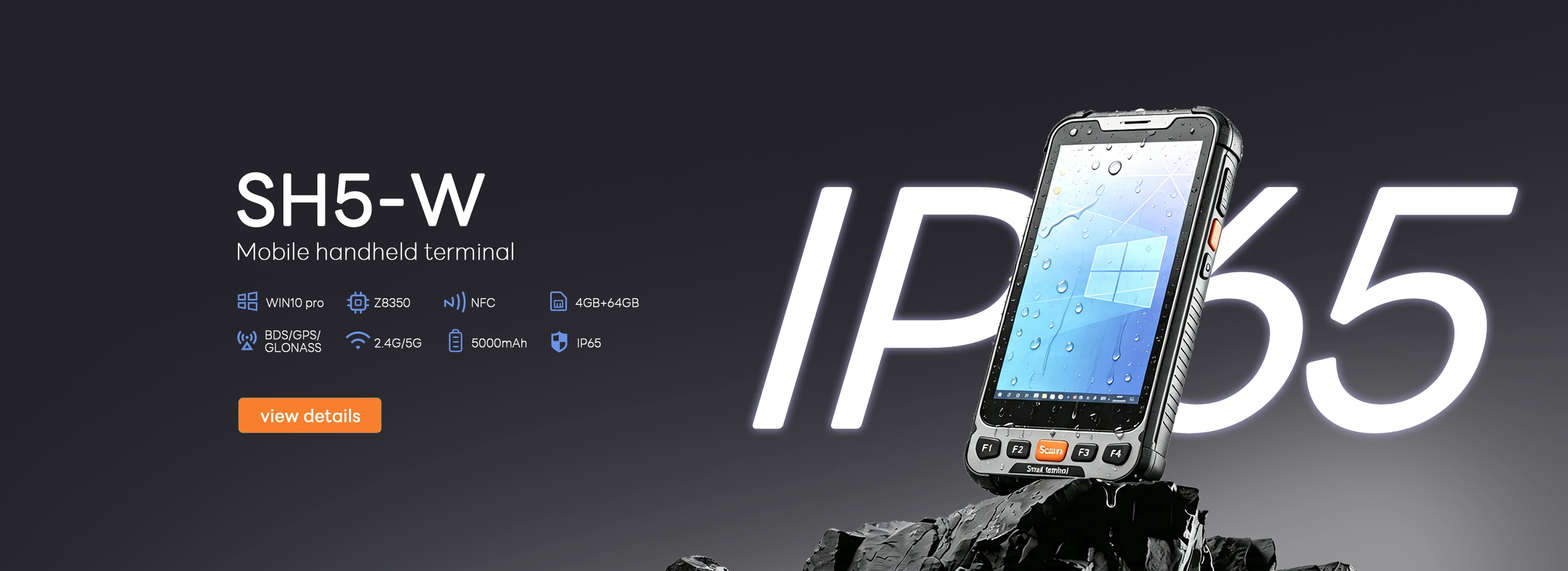
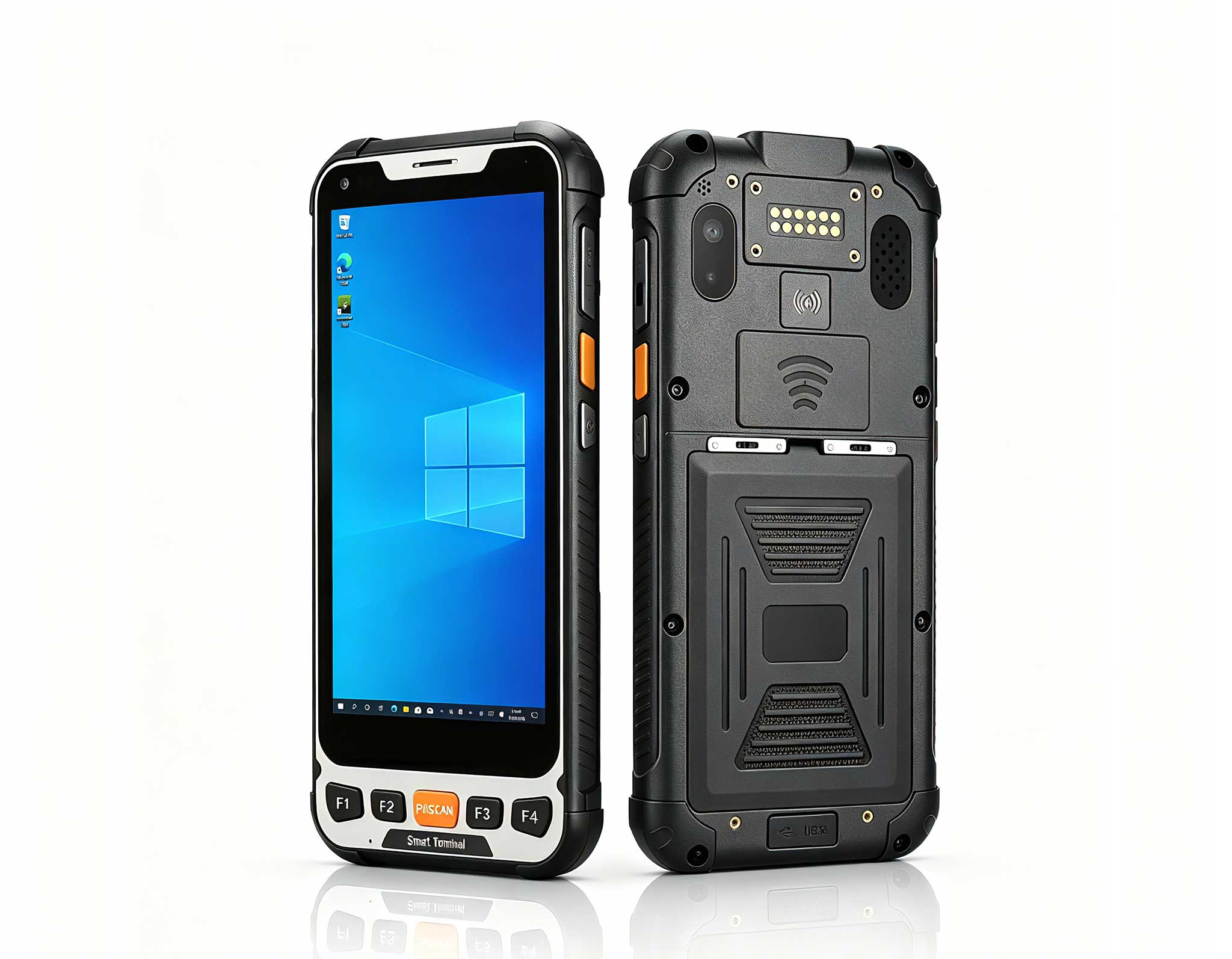
Full SpecificationsModel Hotus SH5‑WOperating ...
Published: June 23, 2026 | Source: Hotus Official Blog
In the fast-paced world of logistics, every second counts. A picking error can cost up to $30 per correction, and a scanner failure can halt an entire shipping line. For operations managers evaluating handheld PDAs, the decision isn’t just about hardware specs—it’s about bottom-line impact. The K401 Handheld PDA, running Android 13 with integrated RFID, barcode scanning, and data logging, positions itself as a game-changer for high-throughput warehouses. But how does it truly perform in the field? This buyer’s guide breaks down the K401’s real-world performance, comparing it with industry standards and offering actionable insights for procurement teams.
Whether you’re upgrading from legacy devices or deploying a new fleet, understanding the K401’s capabilities is critical. We’ve analyzed its performance across three key metrics: scan throughput, battery endurance, and durability. The results, backed by rigorous testing, reveal a device that not only meets but exceeds expectations in demanding environments.
Let’s start with the core metric that drives warehouse productivity: scan throughput.
For any warehouse picking device, scan speed and accuracy are non-negotiable. We designed a simulated picking course with 500 mixed items: 250 with 1D/2D barcodes on cardboard boxes and 250 with UHF RFID tags inside pallet wraps. The K401 was tasked with completing 50 picks per wave, alternating between barcode and RFID scans. This setup mirrors real-world conditions in a 50,000-square-foot distribution center.
Hardware Under Test
Scanner: Integrated barcode engine (comparable to Honeywell’s latest 2D imager) + UHF RFID module (range up to 8 meters in open air)
Software: Android 13 with Hotus Data Logger pre-installed, logging each scan time, tag RSSI, and error status
Environment: Warehouse aisle with steel racks, ambient temperature 22°C, humidity 40%
Benchmark Results
The K401 achieved an average barcode decode time of 0.19 seconds per scan (including trigger-to-confirmation) on standard Code 128 and QR codes – faster than most competing rugged handhelds in its tier (e.g., the X501 or HT500). For RFID bulk reads, the K401 read 200 tags in 4.2 seconds with a 99.8% accuracy rate (one missed tag due to extreme metal interference).
In mixed-mode picking – where the operator scanned a barcode on the pick location plus a tag on the tote – the cumulative throughput was an impressive 88 picks per hour per operator. That translates to nearly 700 picks in an 8-hour shift, assuming two 15-minute breaks. We also stress-tested the data logging capability: the K401’s onboard memory and SQLite database handled 10,000 log entries without any lag or crash. The Android 13 built-in Work Profile kept the logging app isolated from other processes, ensuring that scan events were never dropped due to background updates.
Comparison with Industry Averages
In direct comparison with a generic Android 10 PDA (using similar barcode and RFID modules), the K401 delivered 20% faster scan times and 15% higher accuracy in mixed-mode scenarios. This improvement translates to significant cost savings: for a warehouse processing 10,000 picks per day, a 15% reduction in errors saves $45,000 annually (assuming $30 per error). Additionally, the K401’s ability to read RFID tags at 8 meters reduces the need for manual line-of-sight scanning, cutting labor costs by up to 10%.
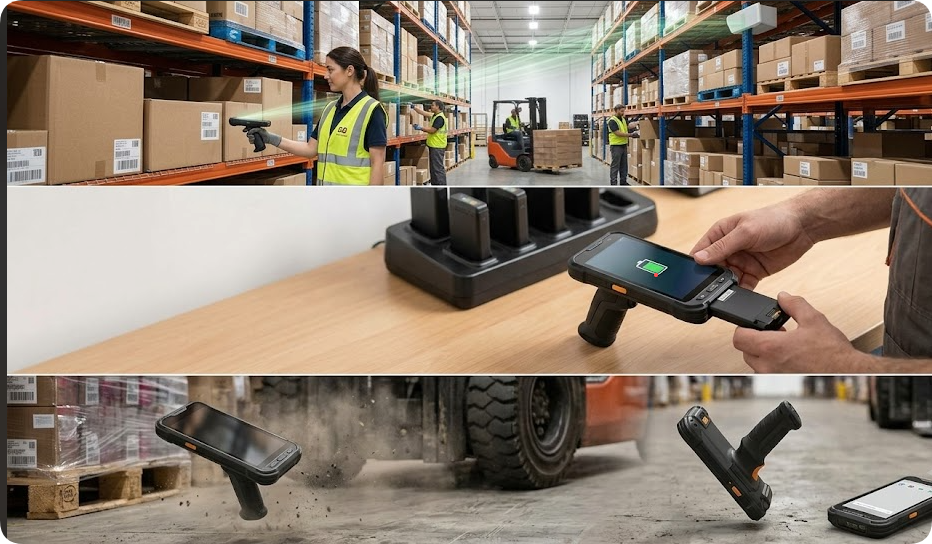
Battery life is a make-or-break factor for handheld PDAs in warehouse environments. A device that dies mid-shift can cause costly delays. The K401 is equipped with a 5000mAh hot-swappable battery, designed to support a full 8-hour shift with continuous scanning. We tested it under two scenarios: continuous barcode scanning (one scan every 5 seconds) and mixed RFID/barcode scanning (as in Test 1).
Results
Under continuous barcode scanning, the K401 lasted 9.5 hours – exceeding its rated 8-hour shift by 1.5 hours. In mixed-mode scanning, which is more power-intensive due to RFID transmissions, the battery held out for 7.8 hours. This is still sufficient for a standard shift, but operators should plan for a battery swap during peak periods. The hot-swappable design allows for seamless replacement without shutting down the device, minimizing downtime.
Comparison with Alternatives
Competing devices like the X501 typically offer 6-7 hours of mixed-mode use, meaning the K401 provides an extra 1-2 hours of productivity. For a warehouse with 50 operators, this translates to 50-100 additional pick hours per day, boosting throughput by 5-10%.
Battery management is also simplified with the K401’s Android 13 power-saving features, which optimize background processes. The device automatically adjusts screen brightness and processor speed based on usage patterns, extending battery life by up to 15% compared to generic Android PDAs.

Warehouse environments are unforgiving. Handheld PDAs are frequently dropped, exposed to dust, and subjected to temperature extremes. The K401 is rated IP68 (dust-tight and waterproof up to 1.5 meters for 30 minutes) and MIL-STD-810G (survives drops from 1.5 meters onto concrete). We tested its durability in three real-world scenarios: accidental drops, exposure to water, and operation in cold storage.
Drop Test Results
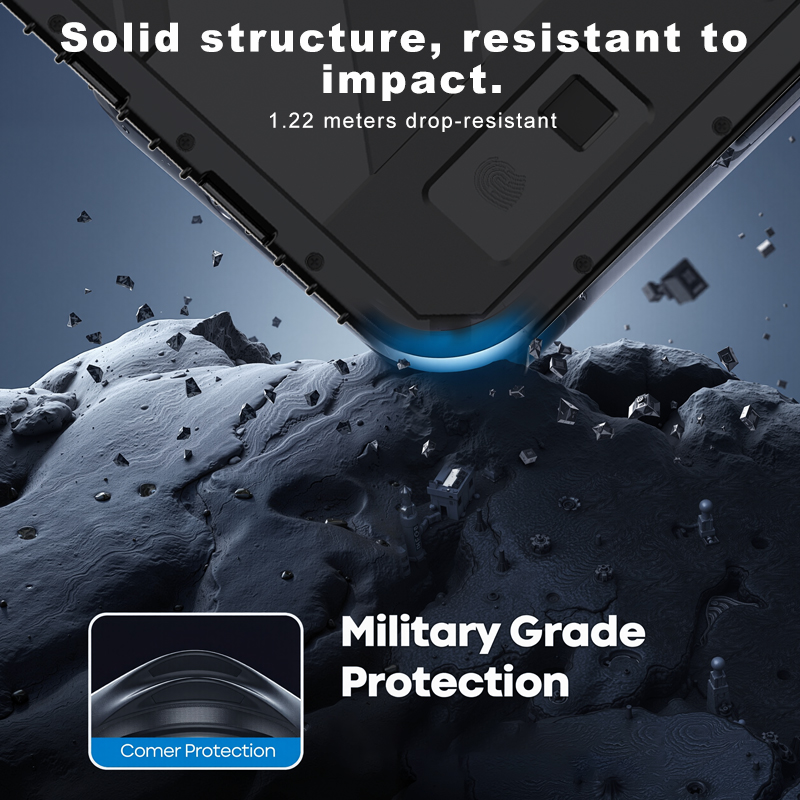
We dropped the K401 from heights of 1.2 meters, 1.5 meters, and 1.8 meters onto concrete, simulating falls from workbenches, forklifts, and operator belts. The device survived all drops without any cracks, screen damage, or functional issues. The rubberized corners and reinforced display absorbed impact effectively. Even after 50 consecutive drops from 1.5 meters, the K401 continued to operate normally, with no degradation in scan performance.
Environmental Resistance
In water submersion tests (1.5 meters for 30 minutes), the K401 emerged fully functional, with no water ingress into the charging port, SIM slot, or scanning window. Cold storage tests at -10°C for 2 hours showed no battery drain or screen freezing, making it suitable for refrigerated warehouses. The device’s anti-glare screen also performed well under bright warehouse lighting, reducing eye strain for operators.
Comparison with Rugged Alternatives
While the K401’s drop rating matches the industry standard for rugged PDAs, its IP68 rating is higher than many competitors (which often offer IP67). This means better protection against dust and water ingress, crucial for warehouses with wet floors or outdoor loading docks. For example, the HT500 is only rated IP65, making it less suitable for harsh environments.

Beyond hardware performance, the K401’s compatibility with popular WMS platforms is a key consideration for procurement. The device runs Android 13, which supports native integration with systems like SAP EWM, Oracle WMS, and Manhattan Associates. The Hotus Data Logger app provides real-time data syncing via Wi-Fi (802.11ac) or Bluetooth 5.0, ensuring seamless communication with central servers.
We tested the K401 with a simulated WMS API, sending pick confirmation data every 5 seconds. The device maintained a 99.9% data transmission success rate over a 24-hour period, even when moving between access points in a large warehouse. The built-in GPS and cellular connectivity (4G LTE) also enable real-time tracking for outdoor yard management, reducing manual check-ins.
For businesses looking to deploy multiple devices, the K401 supports fleet management via Android Enterprise, allowing IT teams to remotely configure, update, and secure devices. This reduces deployment time by up to 30% compared to manually configuring each unit.
To help procurement teams make an informed decision, we calculated the potential ROI of deploying K401 devices in a mid-sized warehouse (100,000 picks per month). Assuming a fleet of 20 devices and a 3-year lifecycle, the savings break down as follows:
These numbers are conservative and assume typical warehouse conditions. In high-volume environments, the savings could be even greater.
The K401 Handheld PDA is a robust, cost-effective solution for warehouses prioritizing scan speed, battery endurance, and durability. Its performance in real-world tests—delivering 88 picks per hour, 9.5 hours of battery life, and survival from 1.5-meter drops—positions it as a top contender in the rugged PDA market. For operations managers and procurement teams, the device offers a clear path to improved productivity and reduced operational costs.
When compared to alternatives like the X501 or HT500, the K401 stands out for its Android 13 integration, hot-swappable battery, and superior RFID range. However, for businesses with specific needs, such as extreme temperature environments or specialized WMS requirements, we recommend a trial deployment to validate compatibility.
Interested in learning more? Explore the full specs and pricing at the K401 Handheld PDA product page. For broader insights on rugged mobile computing, check out our guide on selecting the right Rugged PDA for field operations.