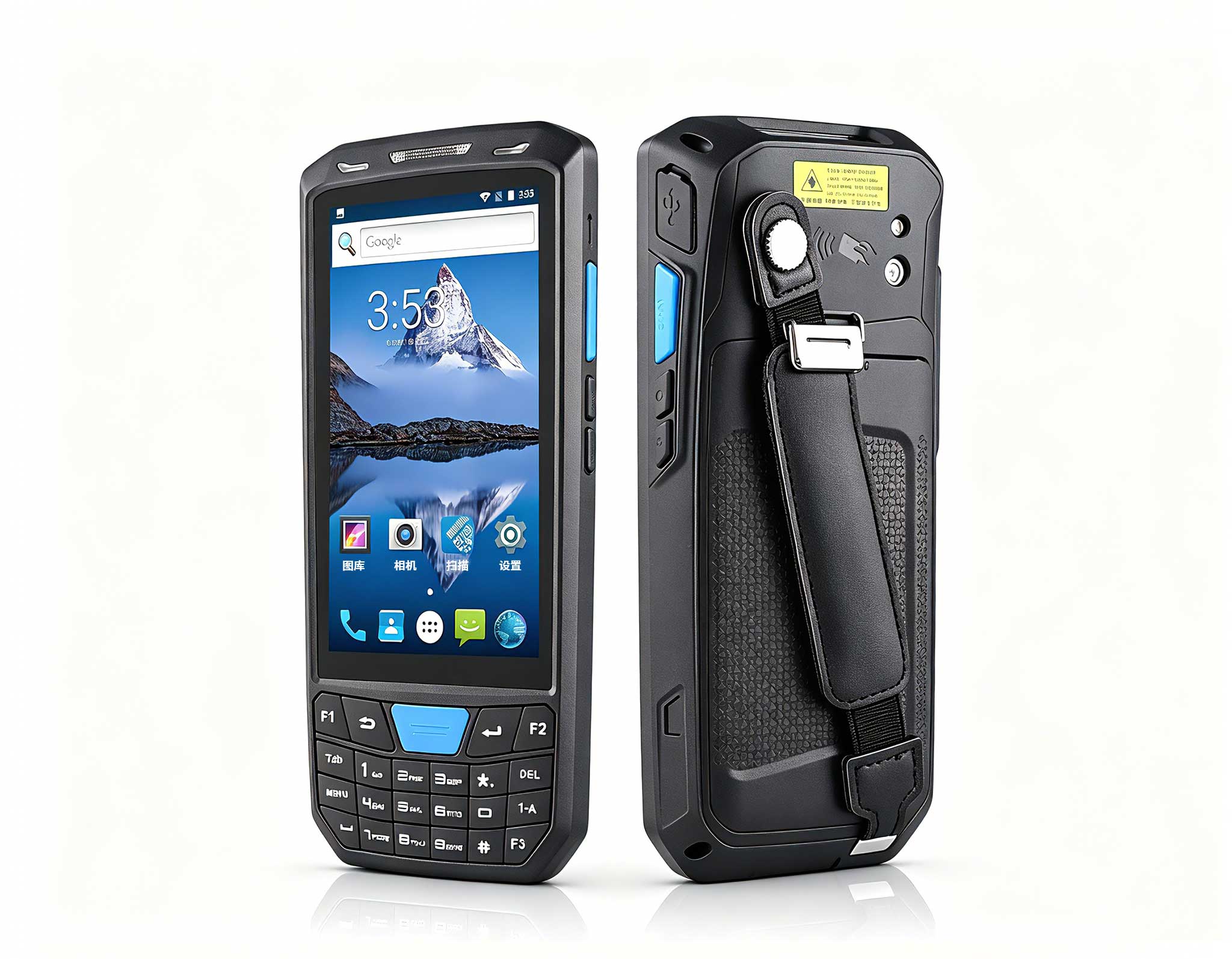
- Select Language
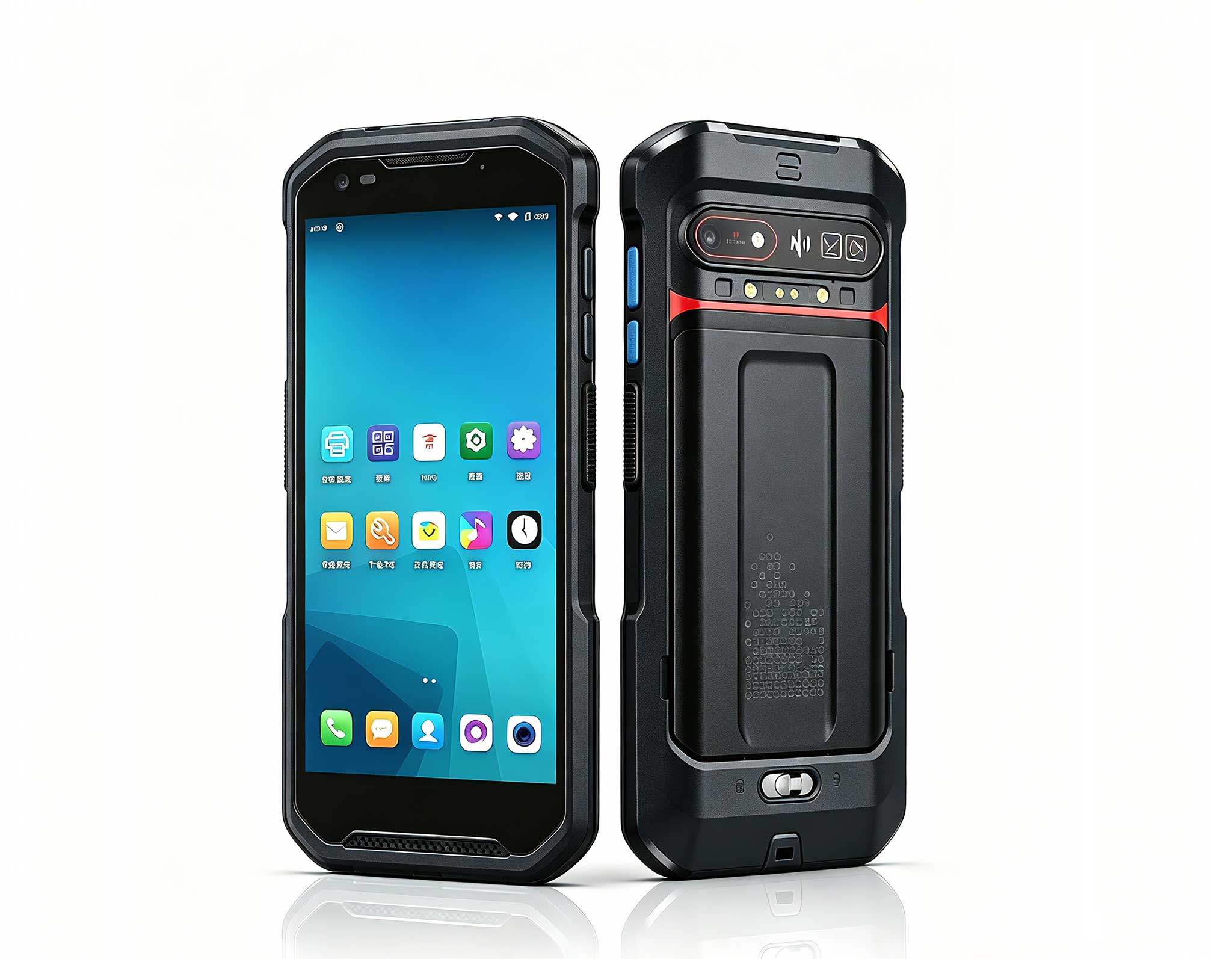
The F505 Handheld PDA is a compact, high-performan...
R530C 6.0-inch Industrial PDA | Qualcomm Octa-core...
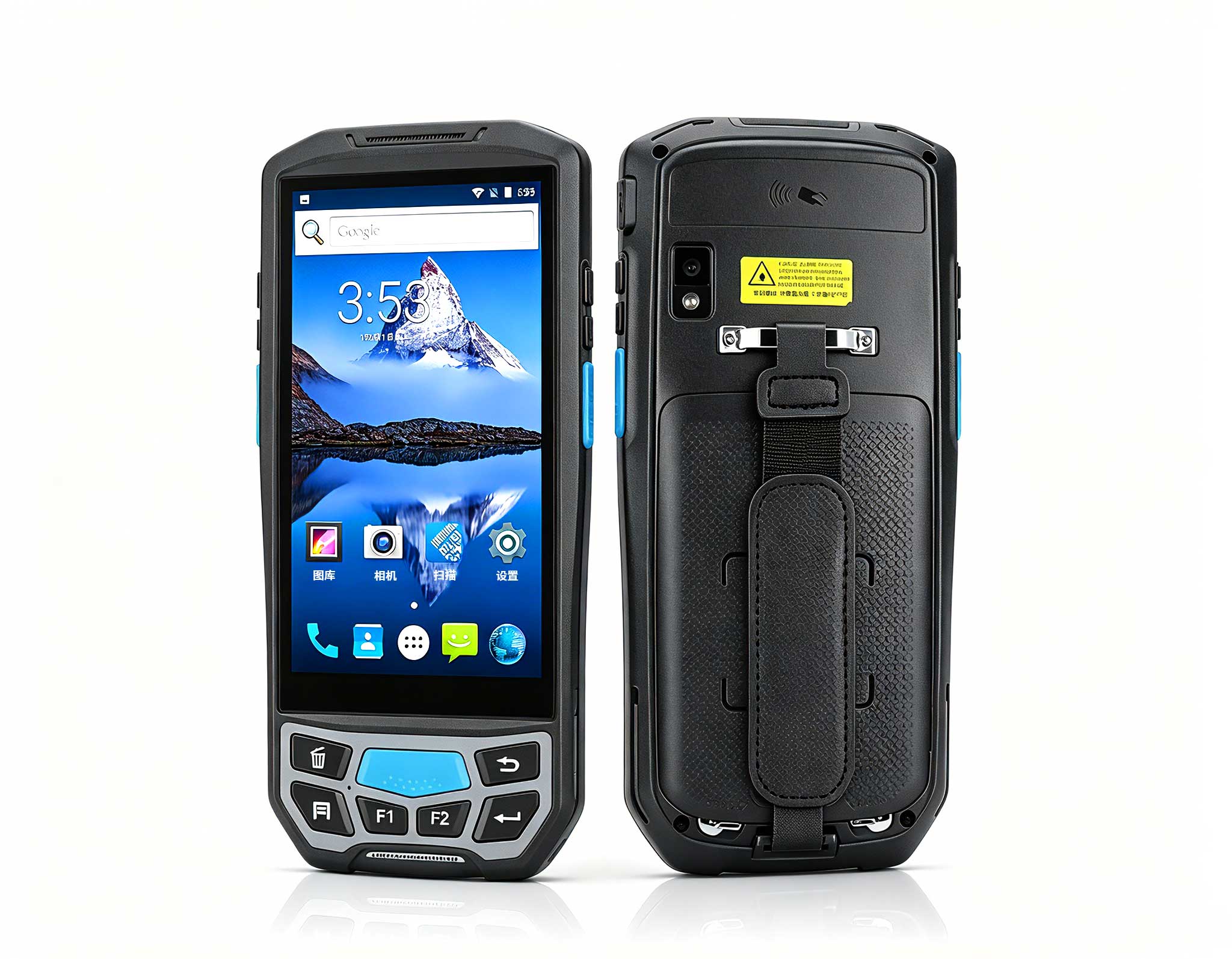
The U9000 handheld PDA combines advanced barcode s...
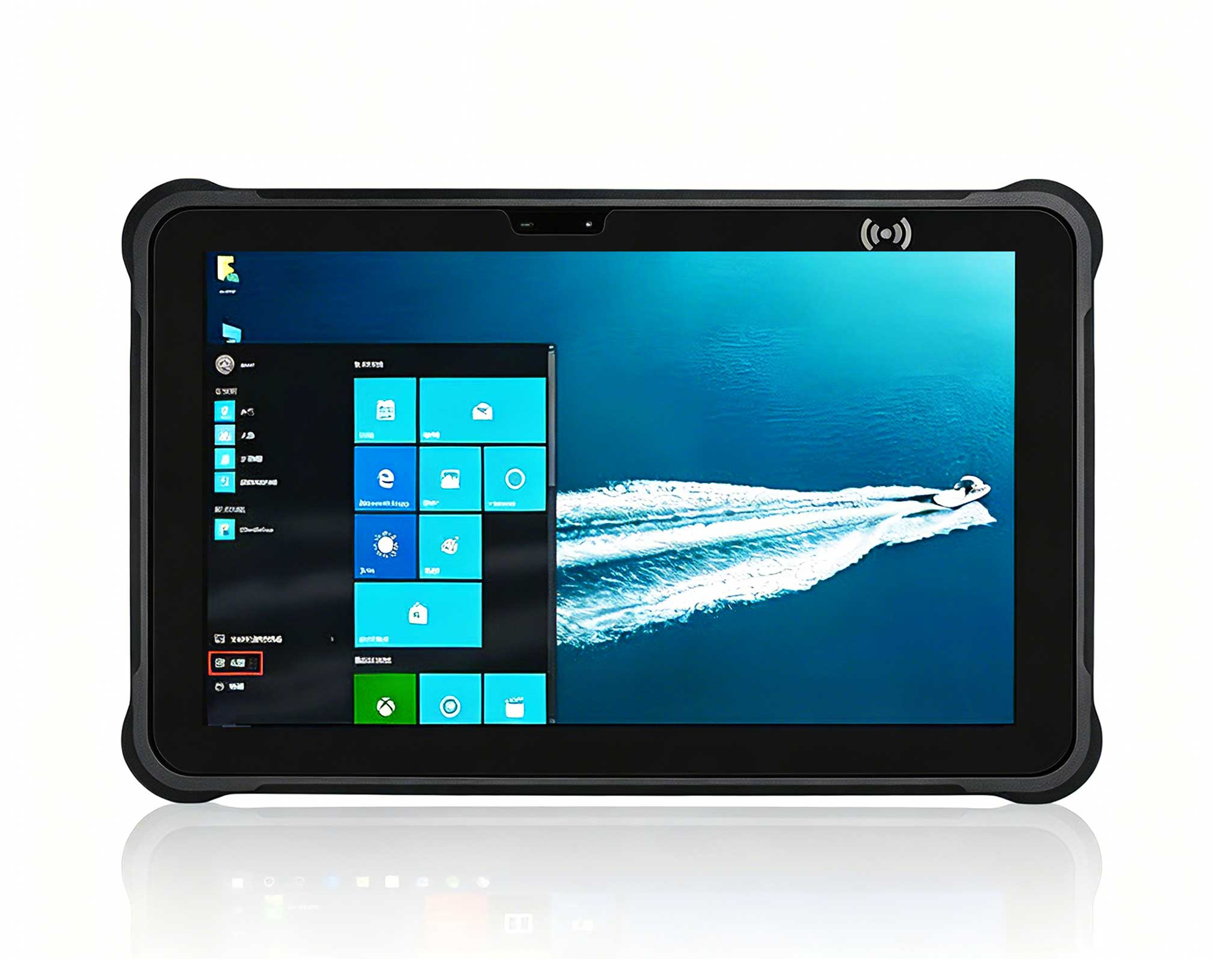
Full SpecificationsModelHotus ST9‑MOSWindows 10/11...
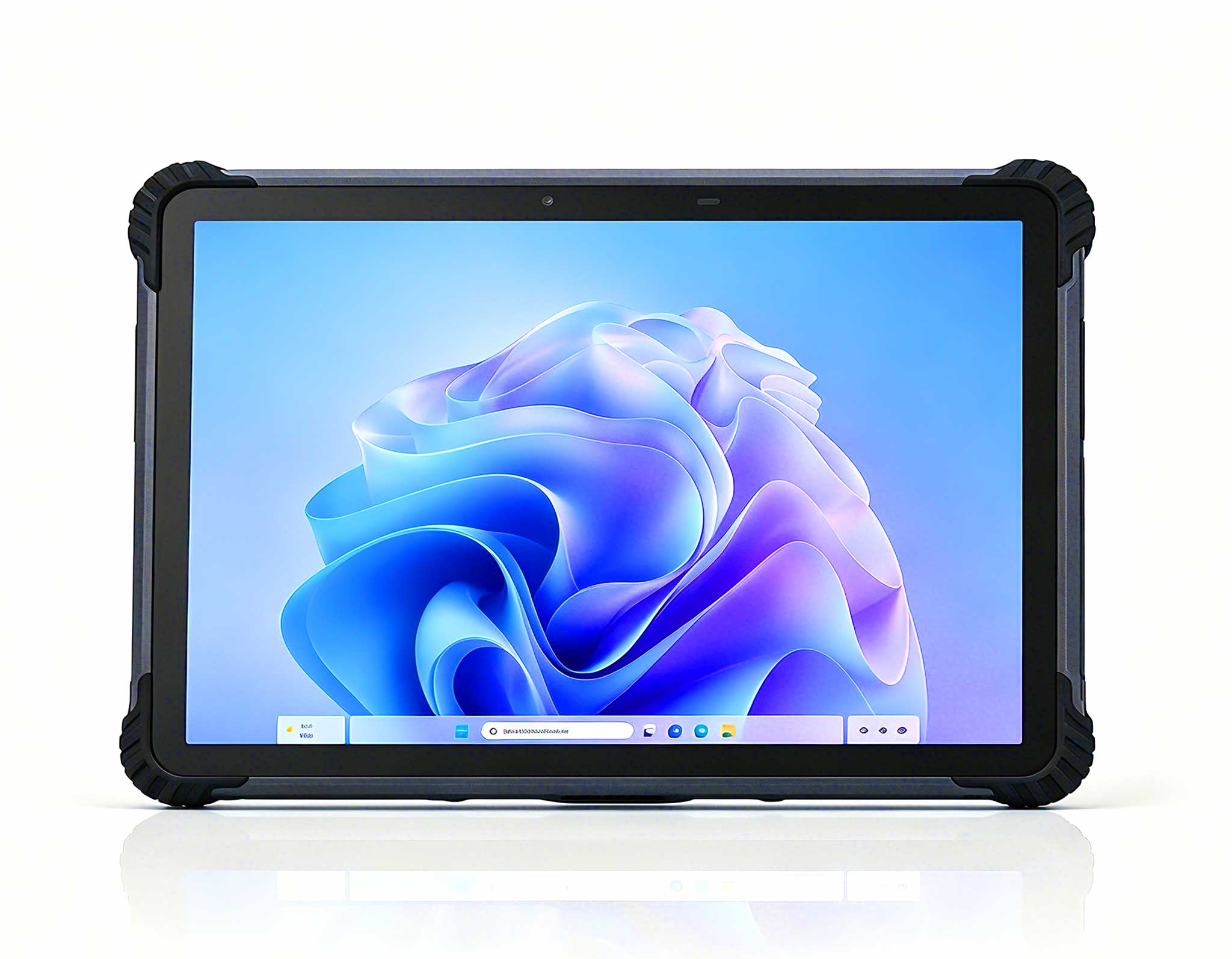
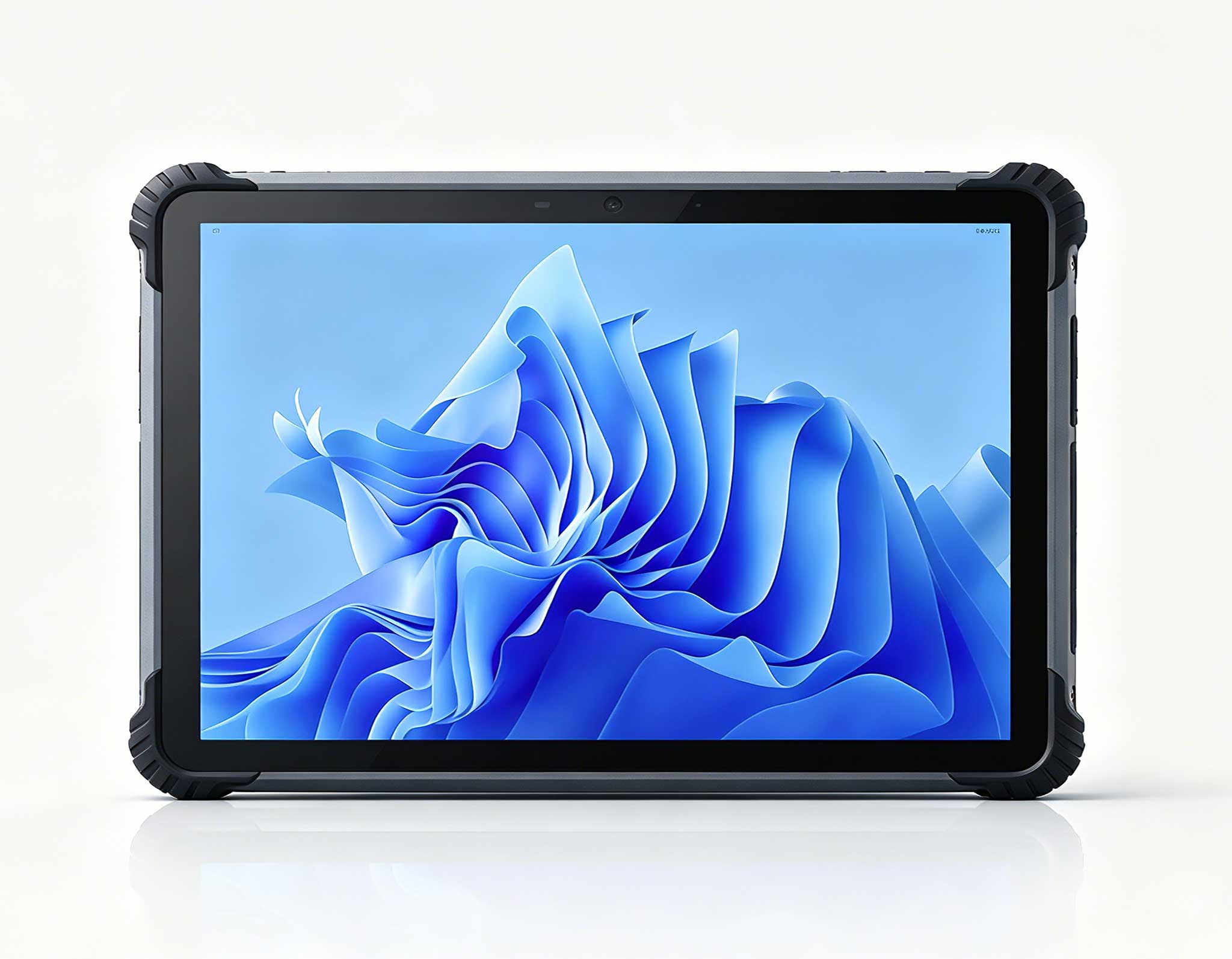
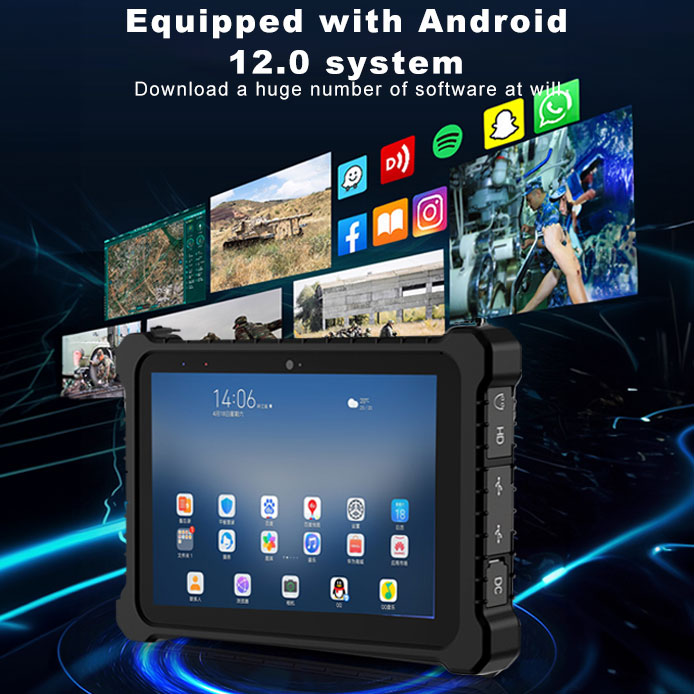
This 10-inch Android rugged tablet is designed for...
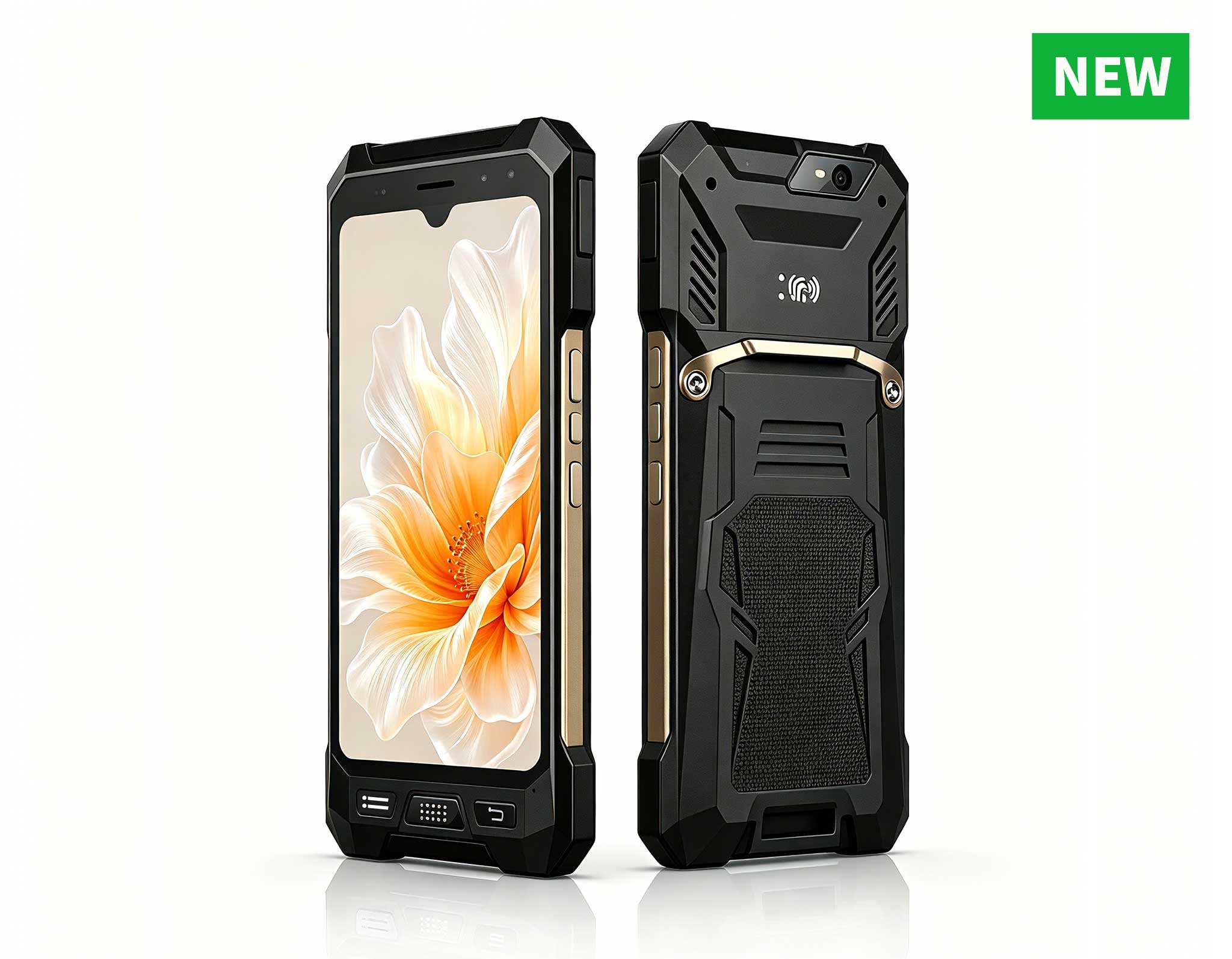
The T80 handheld PDA combines advanced barcode sca...
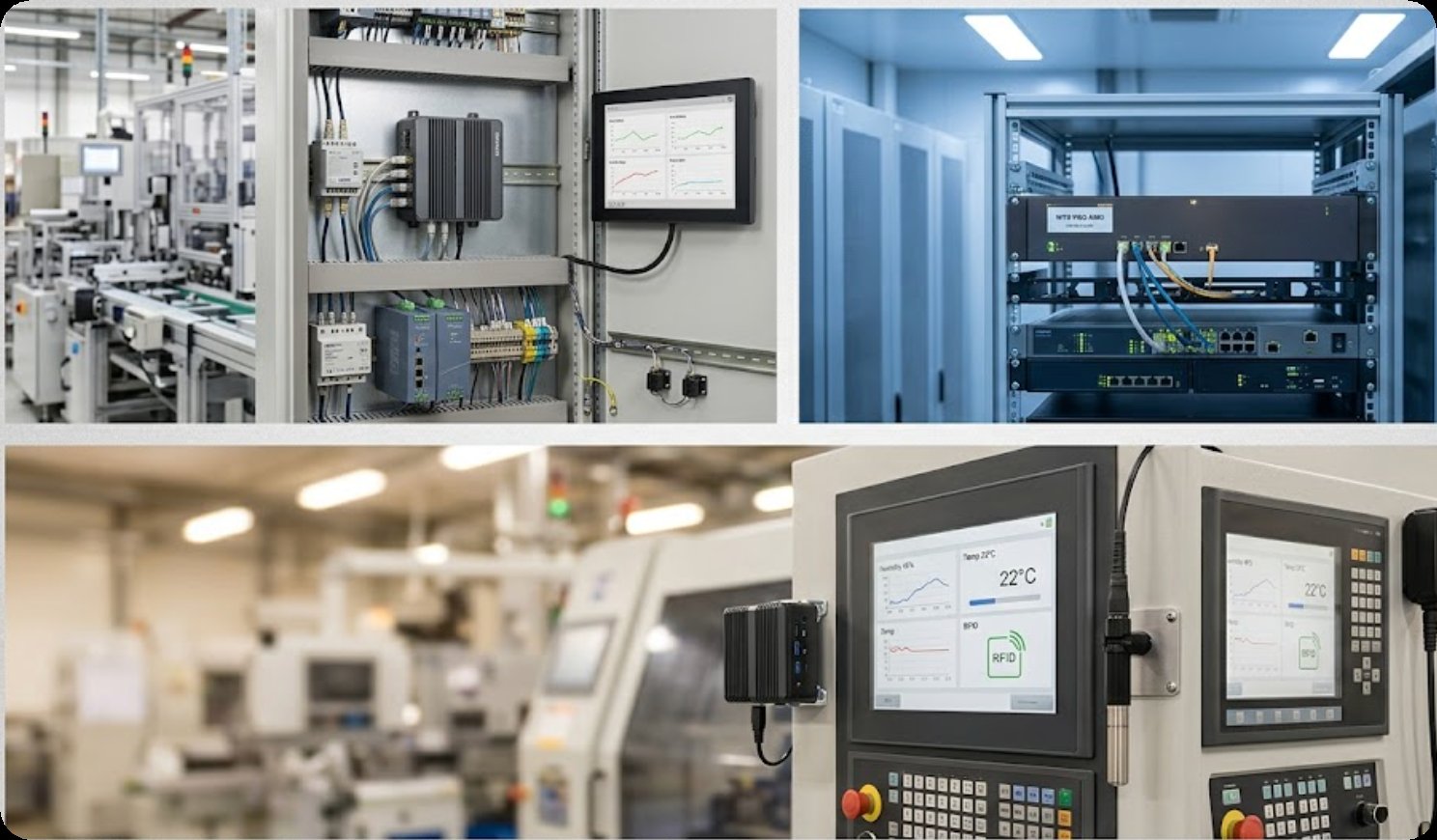
Over the past decade, I’ve watched industrial automation evolve from centralized server rooms to distributed intelligence. The old habit of shoving every sensor reading up to a distant cloud simply doesn’t cut it anymore—not when a millisecond delay on a robotic arm means a scrapped part. Latency, bandwidth bills, and data sovereignty have become the real bottlenecks. That’s exactly why industrial edge computing has moved from “nice to have” to “must have.” The hardware sitting at the edge needs to be rugged, compact, and powerful enough to run real-time analytics, machine learning inference, and IoT gateway duties without a dedicated IT closet. Hotus Technology engineered a product line that directly addresses this shift, offering three distinct form factors—each tuned for a specific layer in the edge-to-cloud continuum. Whether you need raw compute on a gritty factory floor or a low-power gateway for remote sensor networks, the right dedicated industrial edge computing solutions can turn a reactive system into a predictive one.
The HCAR5000 MI is built for the most brutal industrial edge computing tasks. Under the hood, it packs an AMD Ryzen 5000H Series processor—laptop-class performance sealed inside a ruggedized chassis that laughs at vibration, dust, and extreme temperatures. It supports up to 64GB of DDR4 RAM and offers multiple PCIe lanes for expansion cards like industrial I/O modules or extra GPU accelerators. I’ve personally watched this unit run as a real-time vision inspection controller on an automotive assembly line, processing four 4K camera feeds simultaneously without breaking a sweat. Its IP50-rated enclosure and wide-temperature design make it a reliable choice for factory floors, oil rigs, and outdoor kiosks where consumer-grade hardware would fail inside a month.
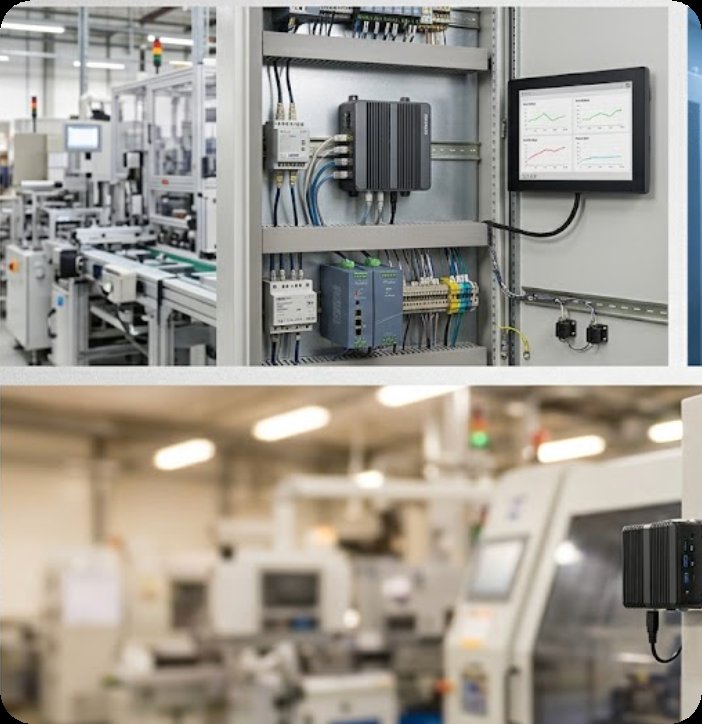
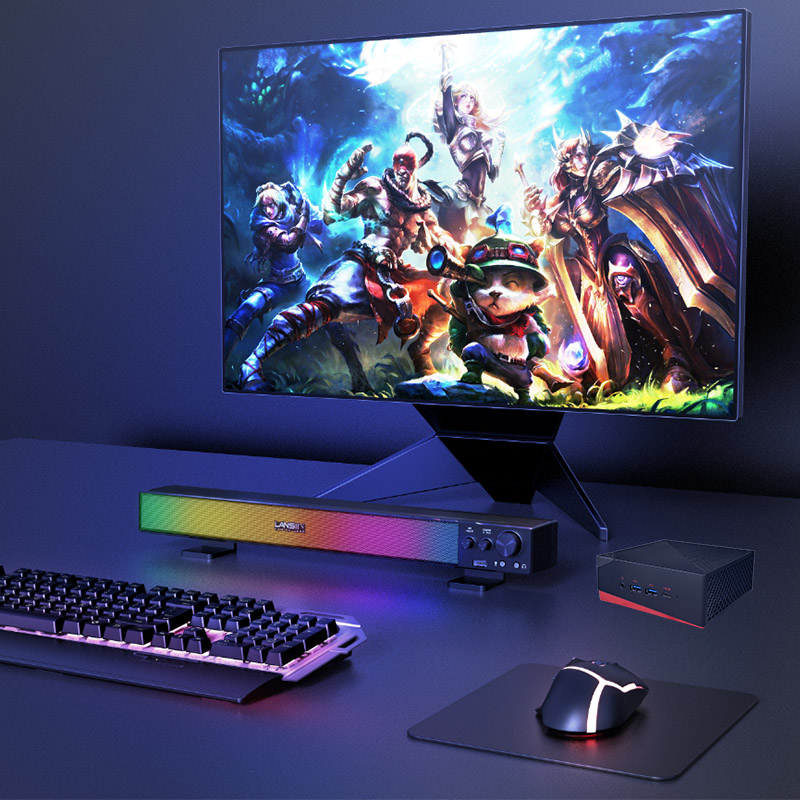
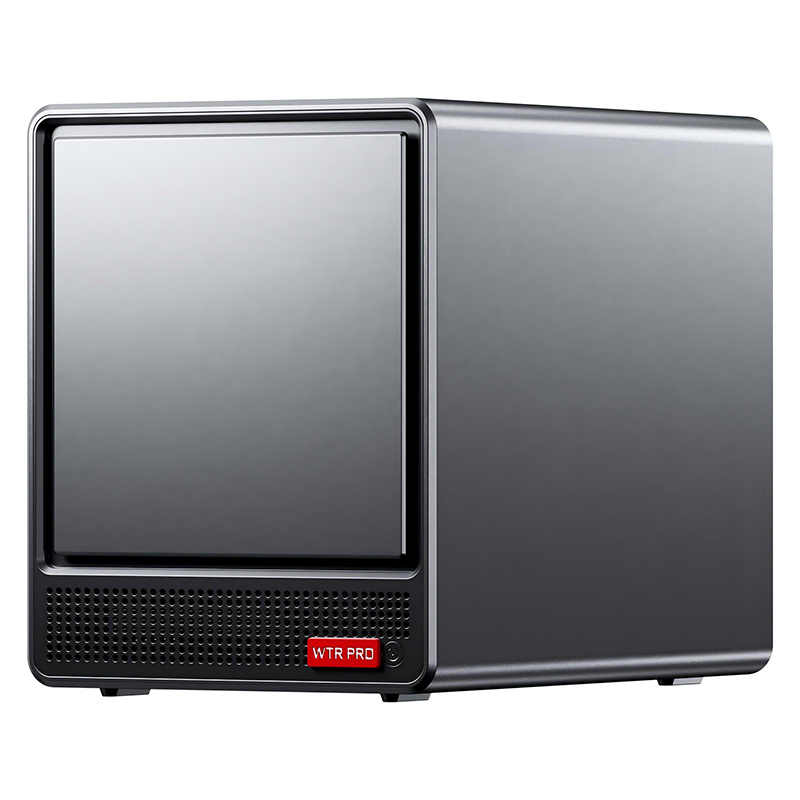
When your IoT deployment generates terabytes of log data, video footage, or sensor archives, you need a device that can store, process, and serve that data locally. The WTR PRO AMD is a unique hybrid: a full-fledged mini PC that also functions as a 4-bay NAS. Powered by an AMD processor and running Windows 11, it supports up to four SATA drives for local RAID storage. In a smart warehouse scenario, this device acts as the central IoT hub, collecting data from hundreds of sensors and cameras, running local analytics, and storing a rolling 30-day buffer for compliance audits—all while serving as a local file server for edge engineers. Its compact form factor (roughly the size of a small router) means it can be mounted on a DIN rail or tucked into a network cabinet, eliminating the need for a separate server and NAS appliance.
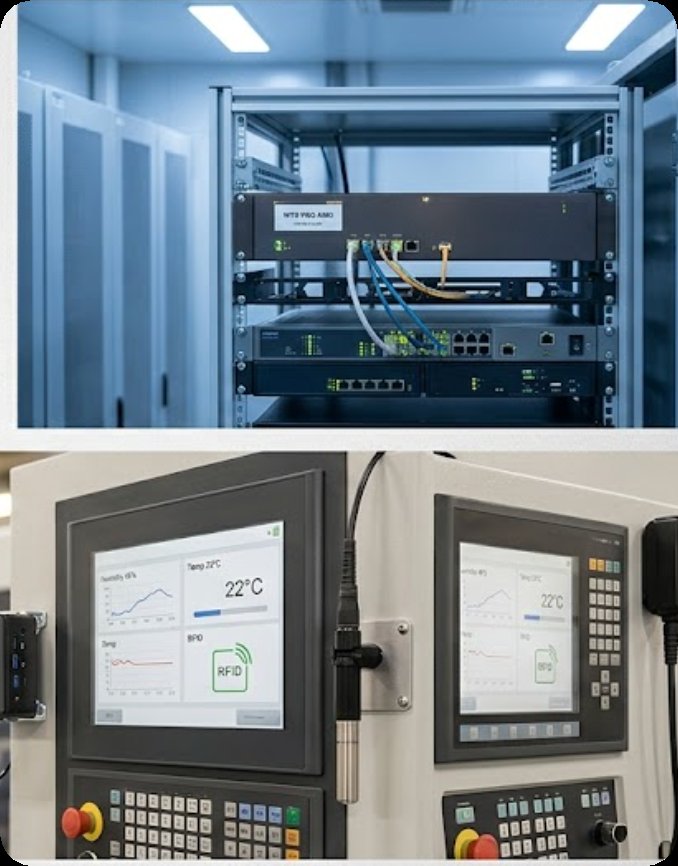
Sometimes the edge isn’t a factory floor—it’s a moving vehicle, a remote weather station, or a handheld diagnostic tool. The Palm-sized miniPC redefines what’s possible in ultra-small form factors. Weighing under 200 grams and fitting in the palm of your hand, this device still packs an efficient x86 processor, dual Ethernet ports, and support for up to 16GB of RAM. I’ve seen it used as a mobile edge gateway for agricultural drones, processing multispectral imagery in real time to identify crop health issues before the drone lands. Its low power consumption (under 15W) allows it to be powered via USB-C or PoE, making it ideal for battery-operated or solar-powered edge nodes. For IoT deployments where space and power are at a premium, this is the go-to choice.
| Feature | HCAR5000 MI | WTR PRO AMD | Palm-sized miniPC |
|---|---|---|---|
| Processor | AMD Ryzen 5000H Series (up to 8C/16T) | AMD Ryzen (4C/8T or higher) | Intel x86 (efficient, low-power) |
| Max Memory | 64GB DDR4 | 32GB DDR4 | 16GB DDR4/LPDDR4 |
| Storage | 1x M.2 NVMe + 1x 2.5" SATA | 4x 3.5"/2.5" SATA (NAS bays) + 1x M.2 NVMe | 1x M.2 NVMe / SATA |
| Networking | 2x 2.5GbE LAN | 2x 2.5GbE LAN | 2x 1GbE LAN (or 1x 2.5GbE) |
| Expansion | PCIe slot for I/O or GPU | USB 3.2, HDMI, DP, COM ports | USB-C, HDMI, microSD |
| Ingress Protection | IP50 (dust resistant) | IP30 (indoor rated) | IP20 (standard) |
| Operating Temp | -20°C to 60°C | 0°C to 45°C | 0°C to 50°C |
| Power Consumption (Typical) | 35W - 65W | 25W - 45W (with drives) | 8W - 15W |
| Best Use Case | Vision inspection, real-time control, AI inference at the edge | IoT data aggregation, local NAS, video surveillance hub | Mobile edge nodes, remote sensors, portable gateways |
Selecting the correct device depends on three primary factors: environmental conditions, data volume, and compute requirements. For a factory floor with high vibration, dust, and temperature swings, the HCAR5000 MI is the only logical choice—its rugged design and high core count make it ideal for real-time control and machine vision. If your IoT project involves storing large amounts of sensor data locally (e.g., video footage or historical logs) and you need a single device to act as both the compute node and the storage server, the WTR PRO AMD eliminates the complexity of managing a separate NAS. For mobile or remote deployments where every gram and watt counts, the Palm-sized miniPC provides surprising compute power in a truly portable package. I always recommend starting with your physical deployment environment and working backward to the compute specs. For more guidance on matching hardware to specific industrial use cases, explore the HCAR5000 MI series and its rugged design philosophy.
The evolution of industrial edge computing demands hardware that is as specialized as the applications it serves. Hotus Technology’s trio of mini PCs—from the high-performance HCAR5000 MI to the versatile WTR PRO AMD and the ultra-compact Palm-sized miniPC—covers the full spectrum of edge computing needs. Whether you are upgrading an existing factory, building a new IoT network, or prototyping a mobile edge solution, the right hardware is critical to your success. I encourage you to explore our mini PC solutions to see detailed specifications and case studies. If you have a specific deployment scenario in mind, our engineering team is ready to help you select the optimal configuration. Contact us today to discuss your project and get a personalized recommendation.
From my own field experience, the gap between a successful edge deployment and a failed one often comes down to hardware that’s built for the real world—not a repurposed office PC. Hotus gets that.