- Select Language
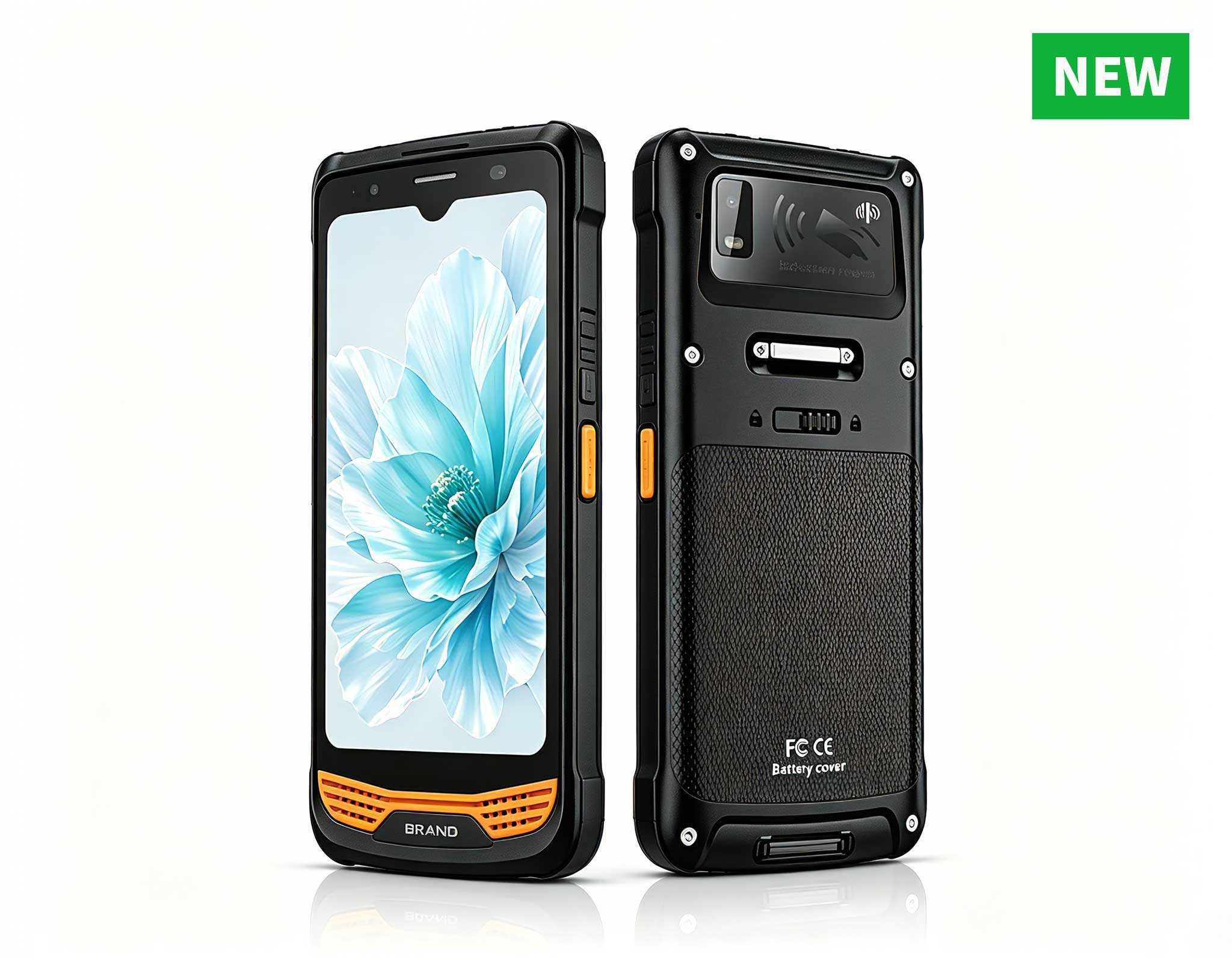
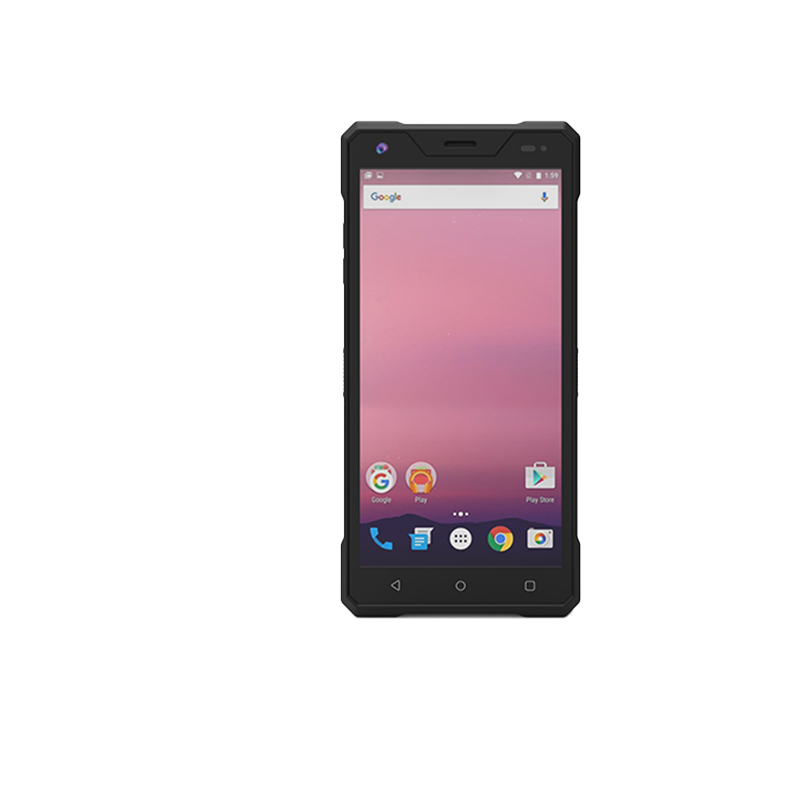
The R501 PDA combines a powerful MT6762 Octa-Core ...
The N40 Android smart PDA features a Cortex-A53 qu...
R366-S Thin 5.5-inch Industrial PDA | Qualcomm Oct...
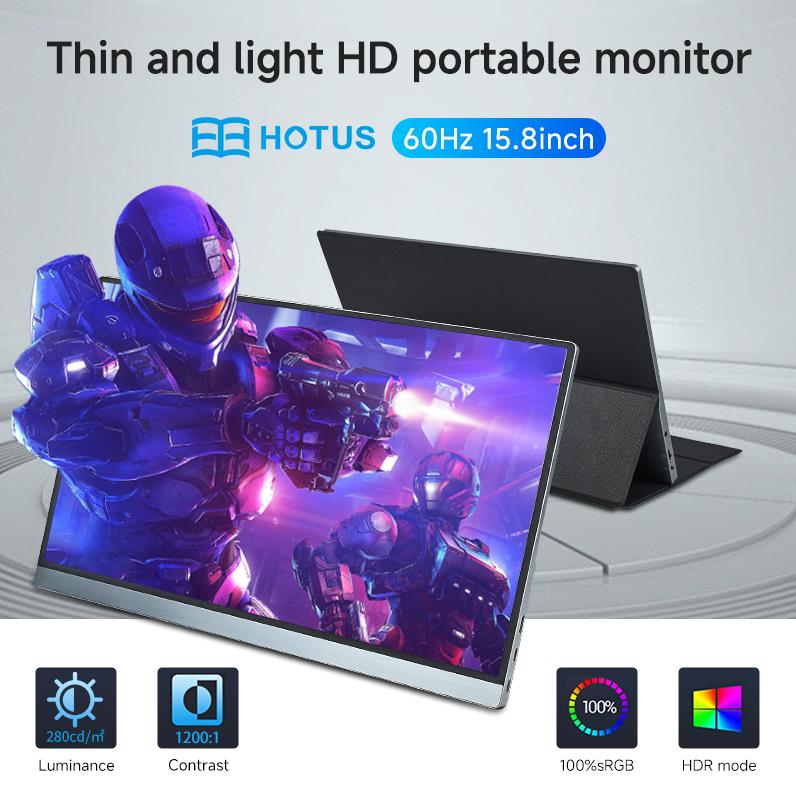
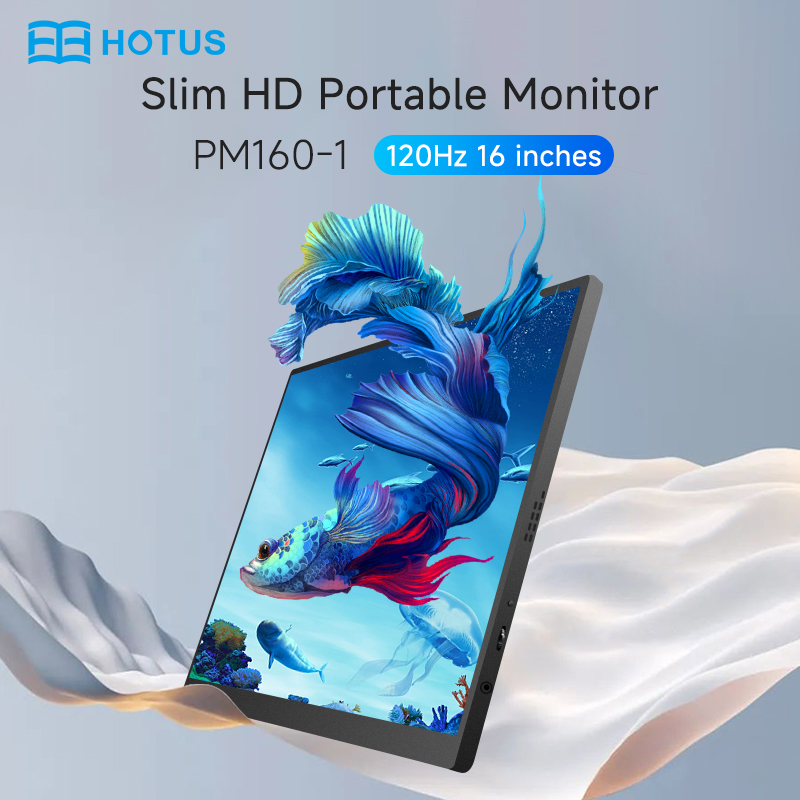
The PM158-1 is a 15.6-inch portable touchscreen mo...
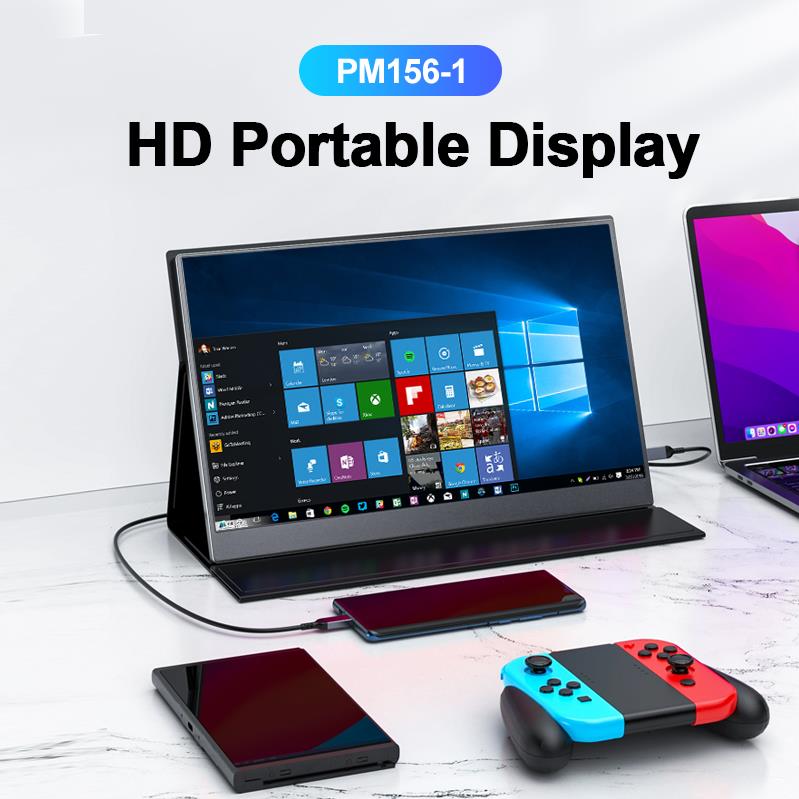
The PM156-1 is a 15.6-inch portable PC monitor fea...
From the unknown so simpleUsed for mobile phones, ...
The N40 Android smart PDA features a Cortex-A53 qu...
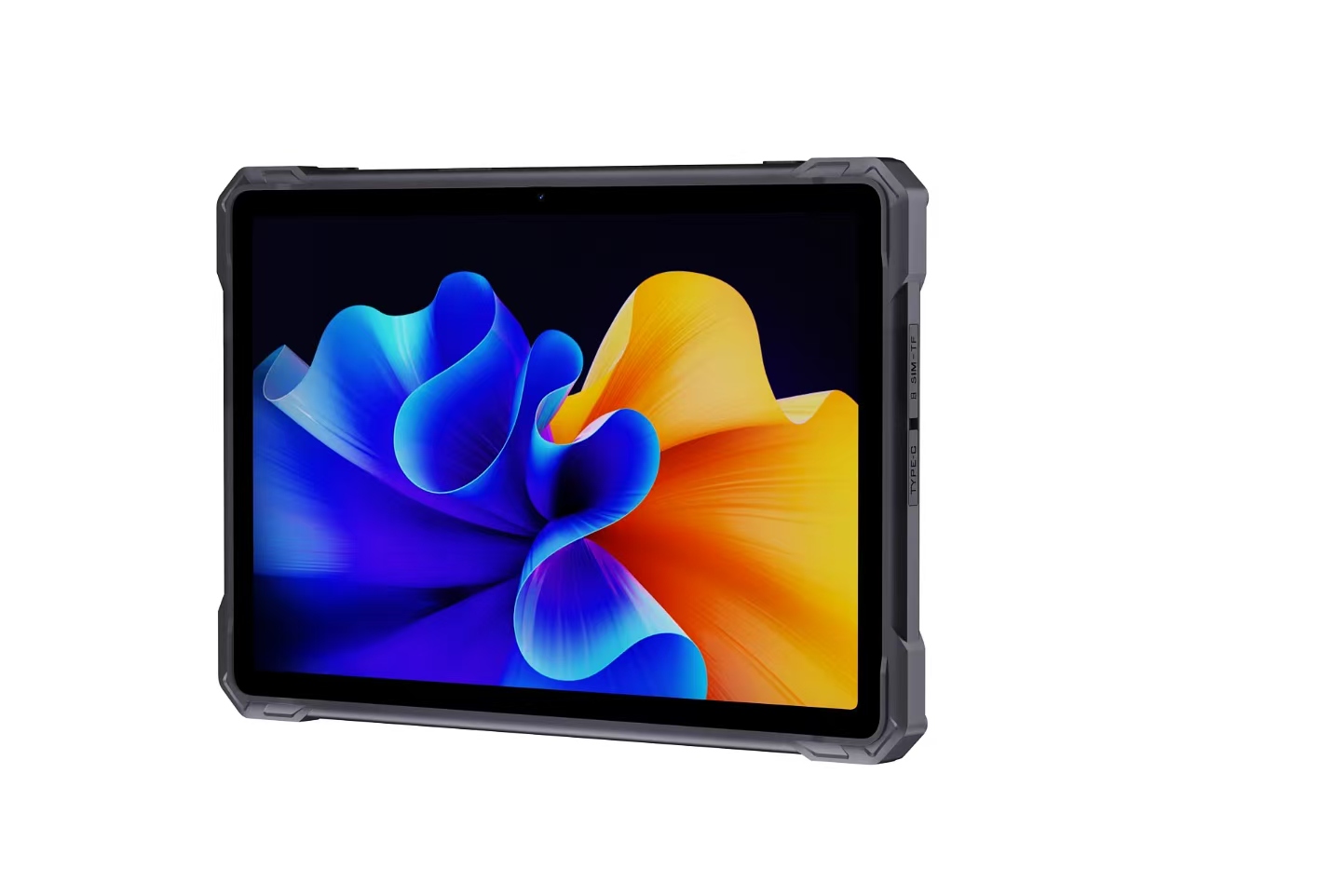
P11 Series Next-Gen Enterprise Rugged Industrial ...
Enterprise Flagship SeriesEngineered for mission-c...
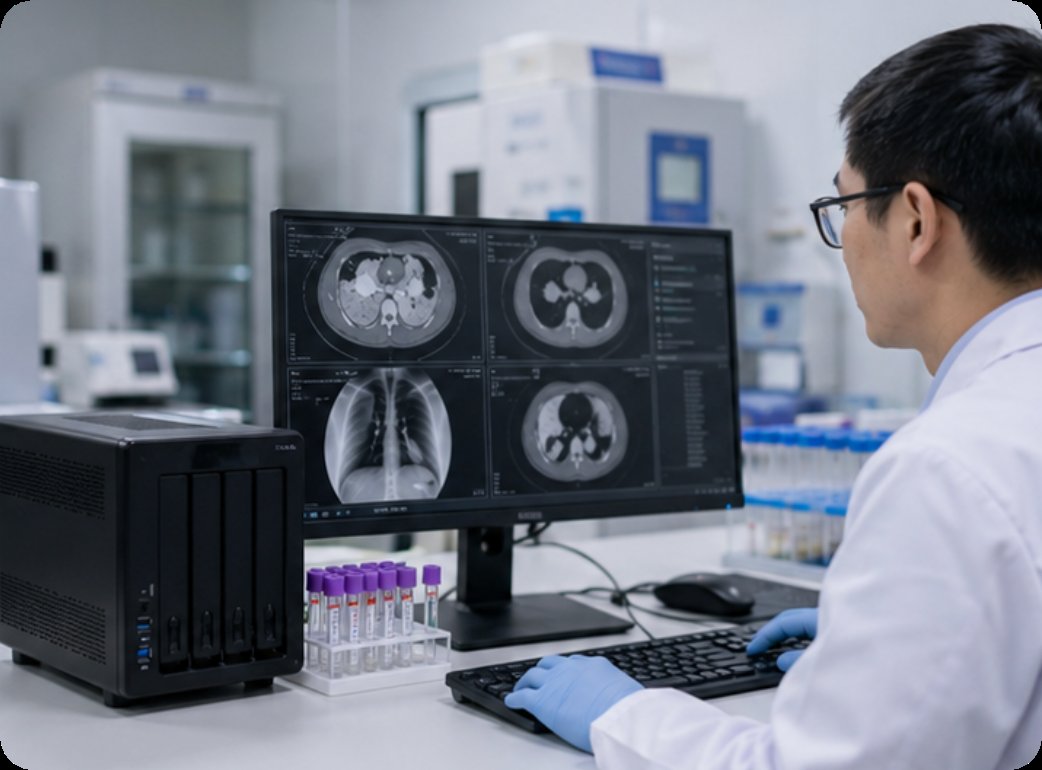
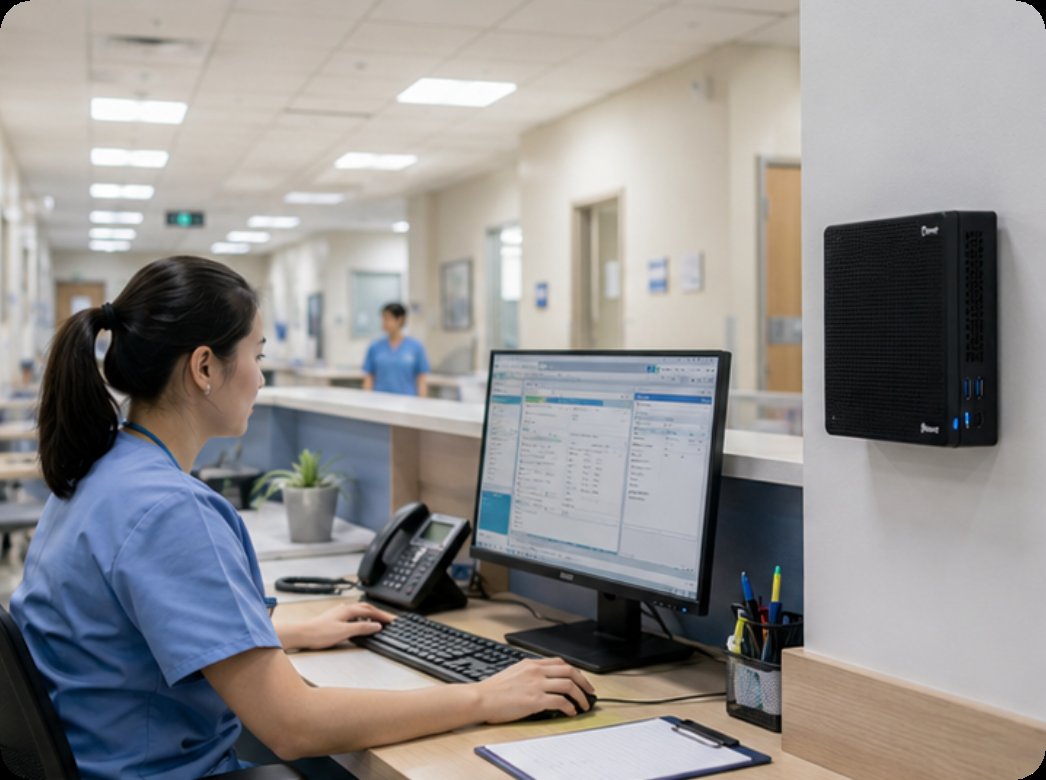
Over the past decade, I’ve consulted on dozens of healthcare IT deployments, and one pattern keeps emerging: the old guard—bulky towers and overpriced all-in-one medical workstations—is fading out. In their place, compact, high-performance mini PCs are taking over. This isn’t just about reclaiming desk space; it’s a hard-nosed financial decision. Every square foot in a busy clinic carries a cost, and every minute of system downtime eats into revenue. When you run the numbers on total cost of ownership—hardware acquisition, energy consumption, maintenance, and lifespan—the return on investment for a modern Mini PC becomes impossible to ignore. Clinics today need systems that can handle Electronic Health Records (EHR), medical imaging, and telemedicine without breaking a sweat, yet remain small enough to fit into cramped nursing stations or mobile carts. That’s exactly where Hotus Technology’s dedicated medical workstation solutions come into play, offering a clear path to upgrading your infrastructure without draining your budget.
The HCAR5000 MI is built for clinics that refuse to compromise on processing power. At its core, it runs on AMD Ryzen 5000H Series processors, delivering desktop-class muscle in a chassis small enough to mount behind a monitor or under a desk. This machine is purpose-designed for high-throughput environments—think urgent care centers, radiology reading rooms, or multi-physician practices where applications like PACS (Picture Archiving and Communication Systems) and complex diagnostic software run simultaneously. With support for up to 64GB of DDR4 RAM and dual display outputs, it’s a natural fit for dual-monitor clinical workflows. If your goal is to standardize on a single, powerful platform that handles both administrative tasks and intensive medical imaging without a hitch, this model is your answer.
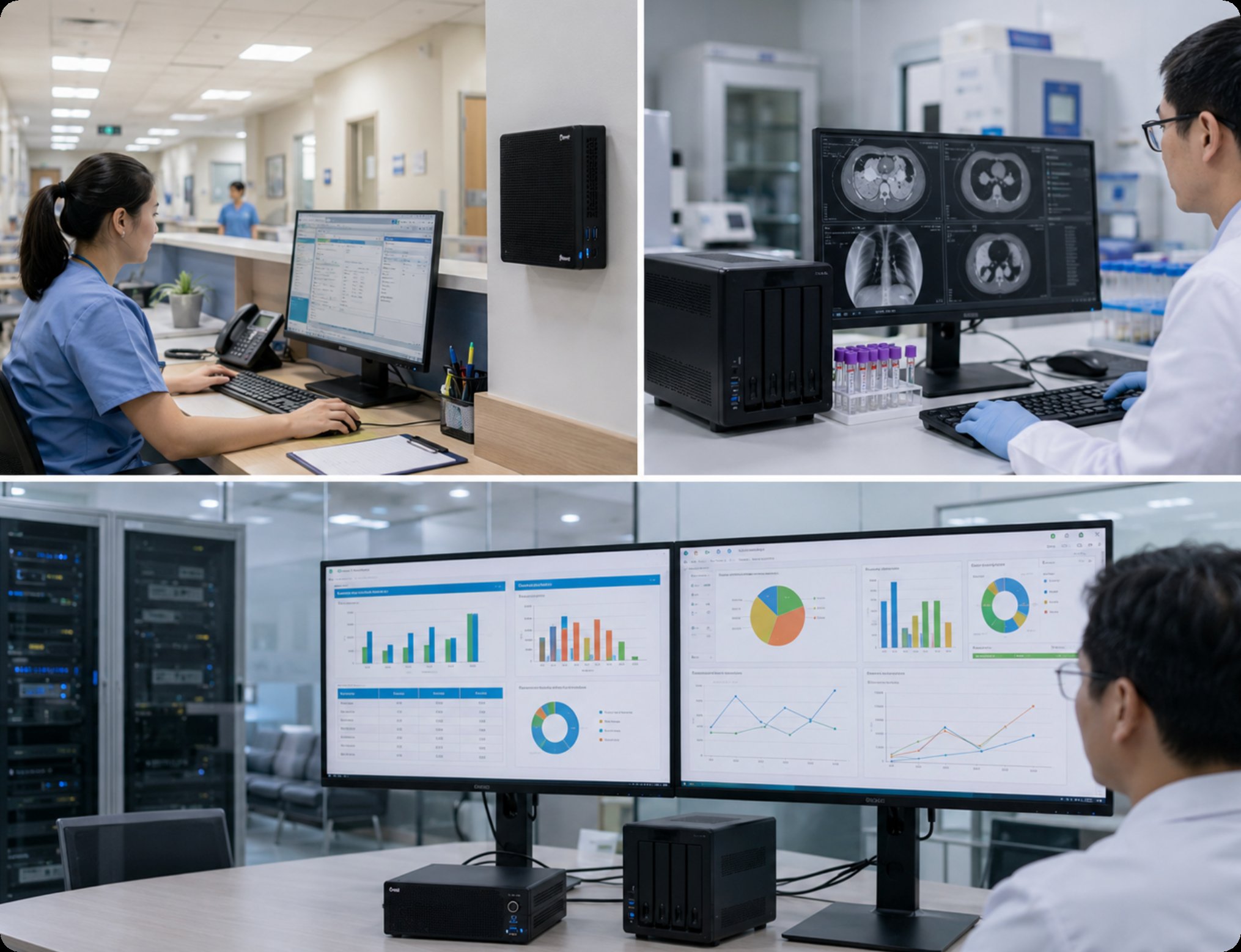
While the HCAR5000 MI focuses squarely on raw compute, the WTR PRO AMD brings a different kind of value to the clinic: integrated storage and networking. This model is a 4-bay NAS mini PC powered by AMD, meaning it can pull double duty as both a primary workstation and a local file server. For smaller clinics or dental practices that need to store patient records, X-rays, and billing data locally without investing in a separate server, the WTR PRO AMD is a true game-changer. It supports RAID configurations for data redundancy—a critical feature for HIPAA compliance and disaster recovery. Its compact footprint also makes it ideal for telemedicine carts, where you need a powerful computer, storage for recorded sessions, and reliable connectivity all in one box. By replacing two pieces of hardware with one, this dual-functionality dramatically improves your return on investment.
| Feature | HCAR5000 MI | WTR PRO AMD |
|---|---|---|
| Processor | AMD Ryzen 5000H Series (High-Performance Mobile) | AMD Ryzen (High-Performance, varies by config) |
| Memory (RAM) | Up to 64GB DDR4 | Up to 64GB DDR4 |
| Storage | M.2 NVMe SSD + 2.5" SATA | 4-Bay NAS (HDD/SSD) + M.2 NVMe |
| Network | 2.5GbE LAN | 2.5GbE LAN (Dual options available) |
| Video Output | Dual HDMI / DP (Multi-display support) | HDMI + DP (Multi-display support) |
| Form Factor | Ultra-compact, VESA mountable | Compact NAS chassis, VESA mountable |
| Best Use Case | High-performance clinical workstation, PACS, EHR | All-in-one workstation + local file server, telemedicine cart |
| Ideal Clinic Size | Medium to Large Practices, Urgent Care | Small to Medium Clinics, Dental, Specialty |
When you’re calculating the ROI for your deployment, these are the questions I always ask my clients to consider:
1. What is your primary workload?
If your clinic depends on real-time medical imaging, large database queries, or running multiple virtual machines, the HCAR5000 MI is the obvious pick. Its raw CPU power ensures zero lag when scrolling through high-resolution scans or managing complex patient records.
2. Do you need a local server?
For clinics looking to consolidate hardware—replacing a separate workstation and a NAS or server—the WTR PRO AMD delivers the best ROI. It eliminates the cost of a second device, cuts power consumption, and simplifies IT management.
3. What is your space and mounting requirement?
Both units are VESA mountable, but the WTR PRO AMD is slightly larger due to its 4-bay storage design. If you’re mounting the PC on the back of a monitor on a rolling cart, the slimmer HCAR5000 MI is easier to manage. For a fixed desk setup, the WTR PRO AMD offers more flexibility.
4. What is your budget for storage?
The HCAR5000 MI uses fast NVMe SSDs, which are ideal for speed. The WTR PRO AMD lets you use lower-cost HDDs for bulk storage—like archived patient records—while keeping an SSD for the operating system. This mixed storage approach can significantly lower your per-gigabyte cost.
Both models are part of the broader HCAR5000 MI series family, ensuring consistent build quality and long-term support for medical environments.
Switching to a mini PC-based medical workstation isn’t just a passing trend—it’s a strategic financial move. By cutting hardware costs, lowering energy bills, and reclaiming valuable desk space, clinics can see a full return on their investment in under 18 months. Whether you choose the high-performance HCAR5000 MI for your main clinical stations or the versatile WTR PRO AMD for a combined workstation and server role, Hotus Technology delivers the reliability and efficiency your practice needs. To see how these solutions fit into your specific workflow, explore our mini PC solutions and start calculating your clinic’s potential savings today.