- Select Language
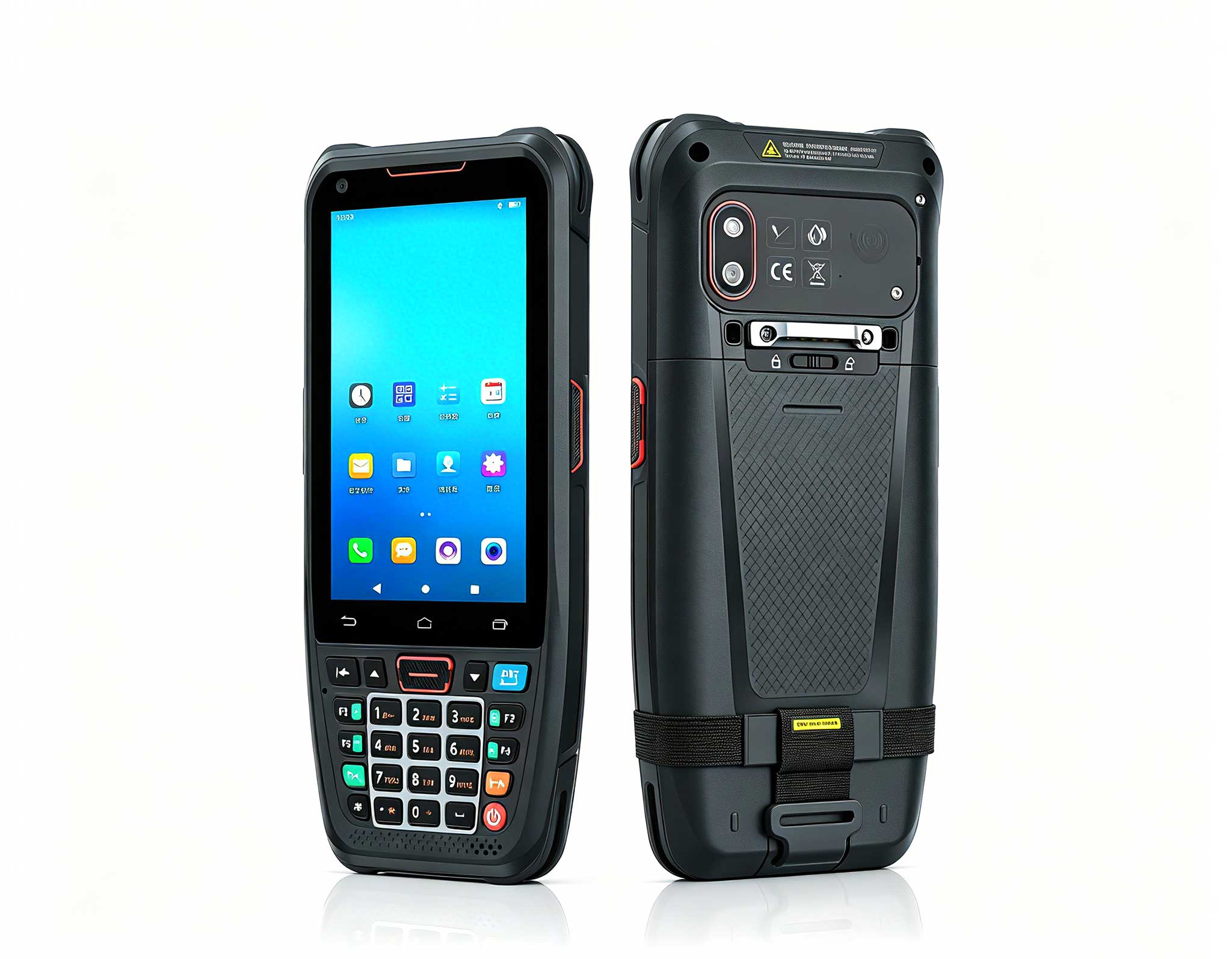
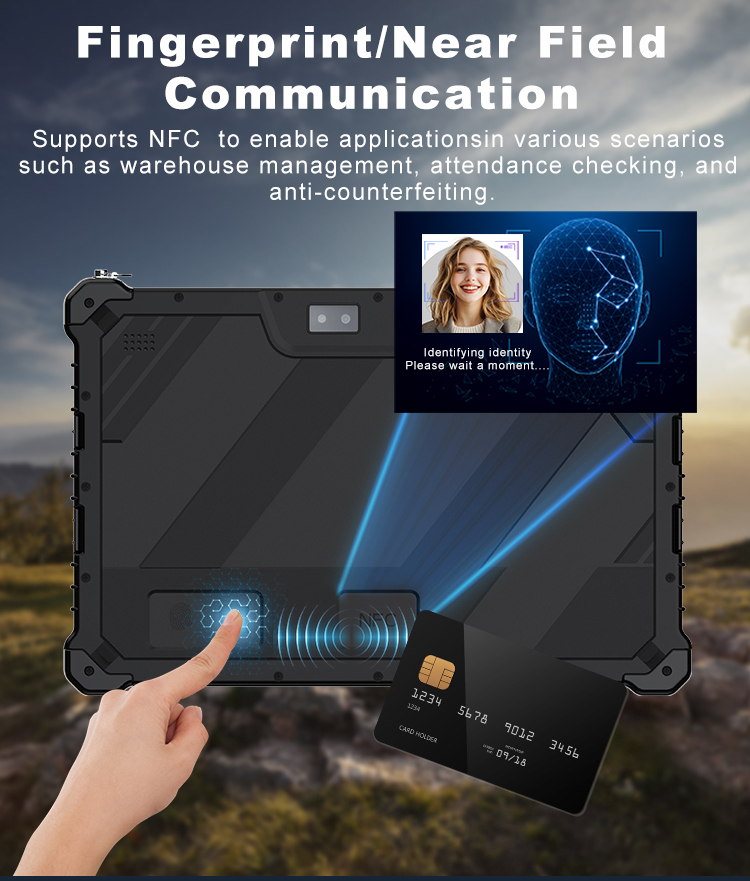
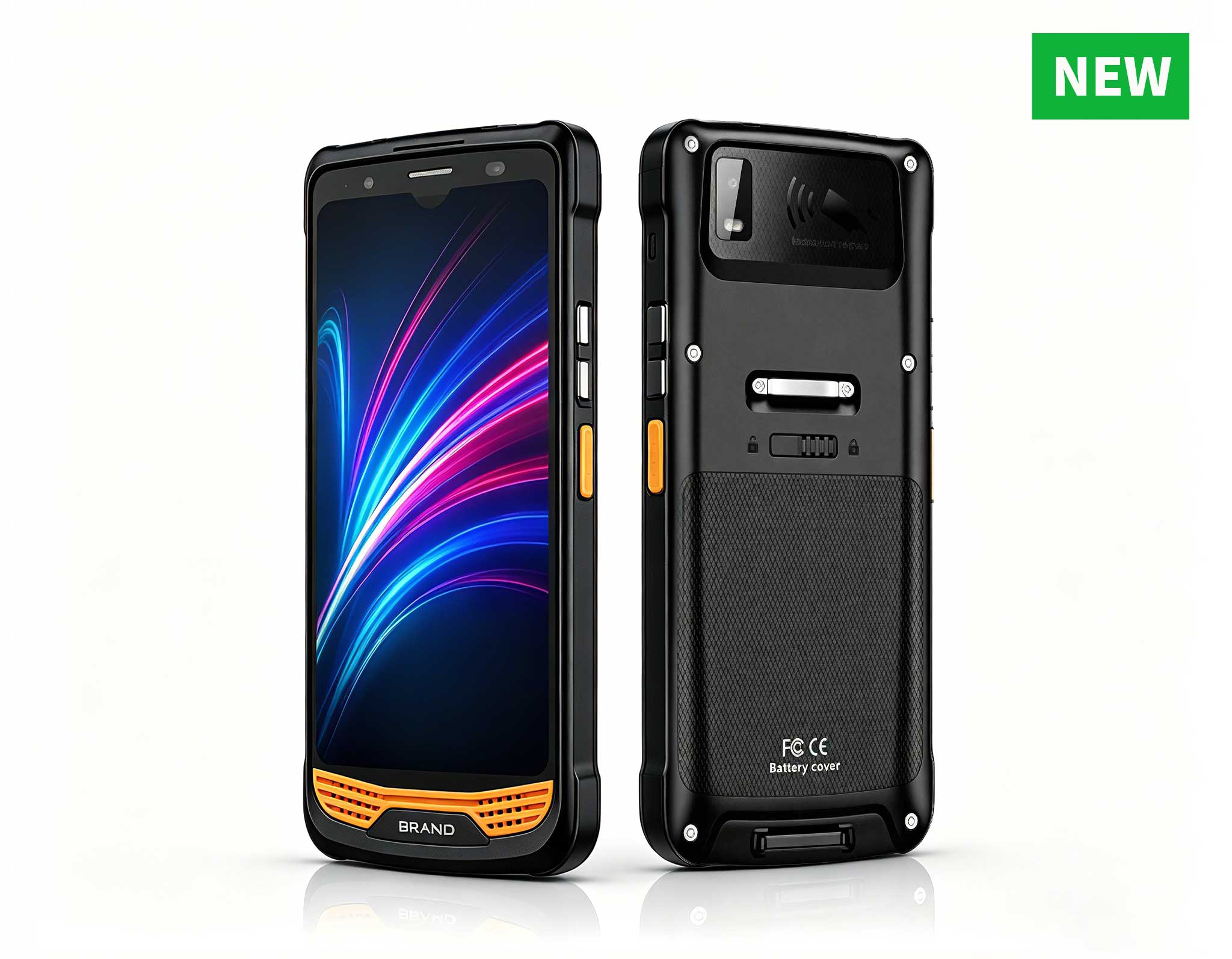
The N40 Android smart PDA features a Cortex-A53 qu...
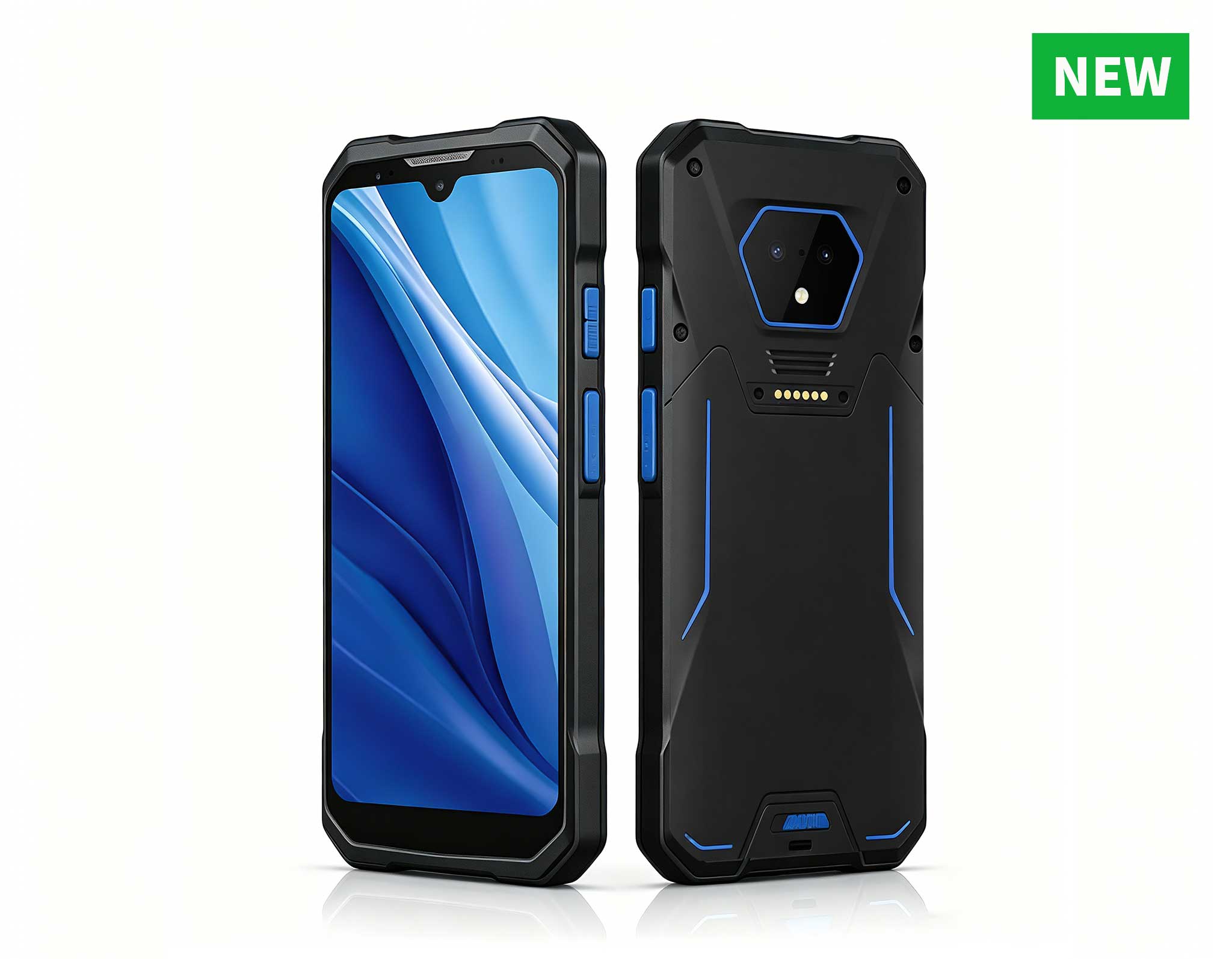
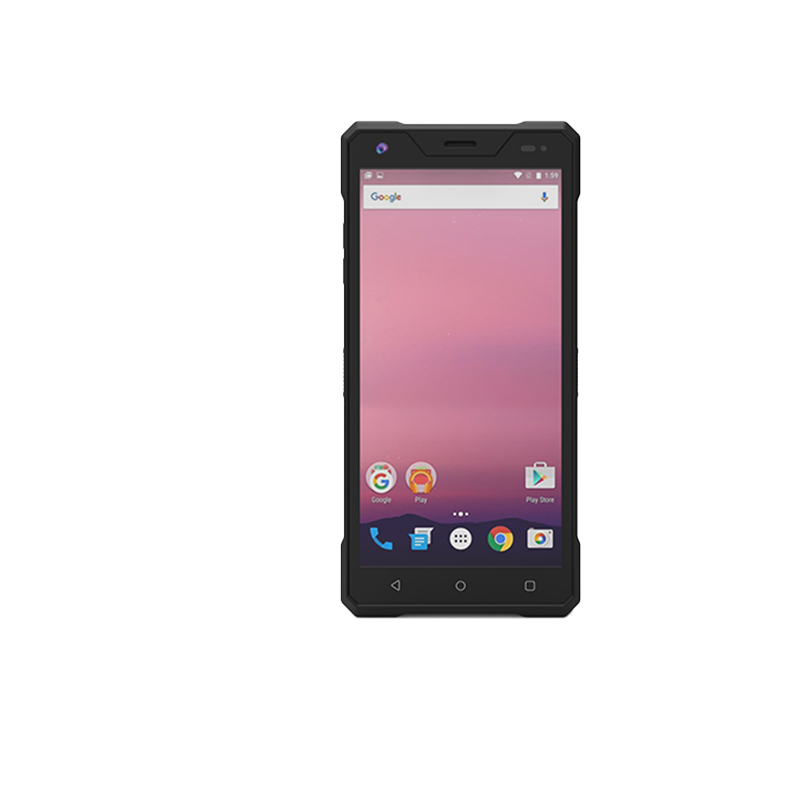
RS50 5G Rugged Handheld Terminal | 6.3" FHD+ ...
Enterprise Flagship SeriesEngineered for mission-c...
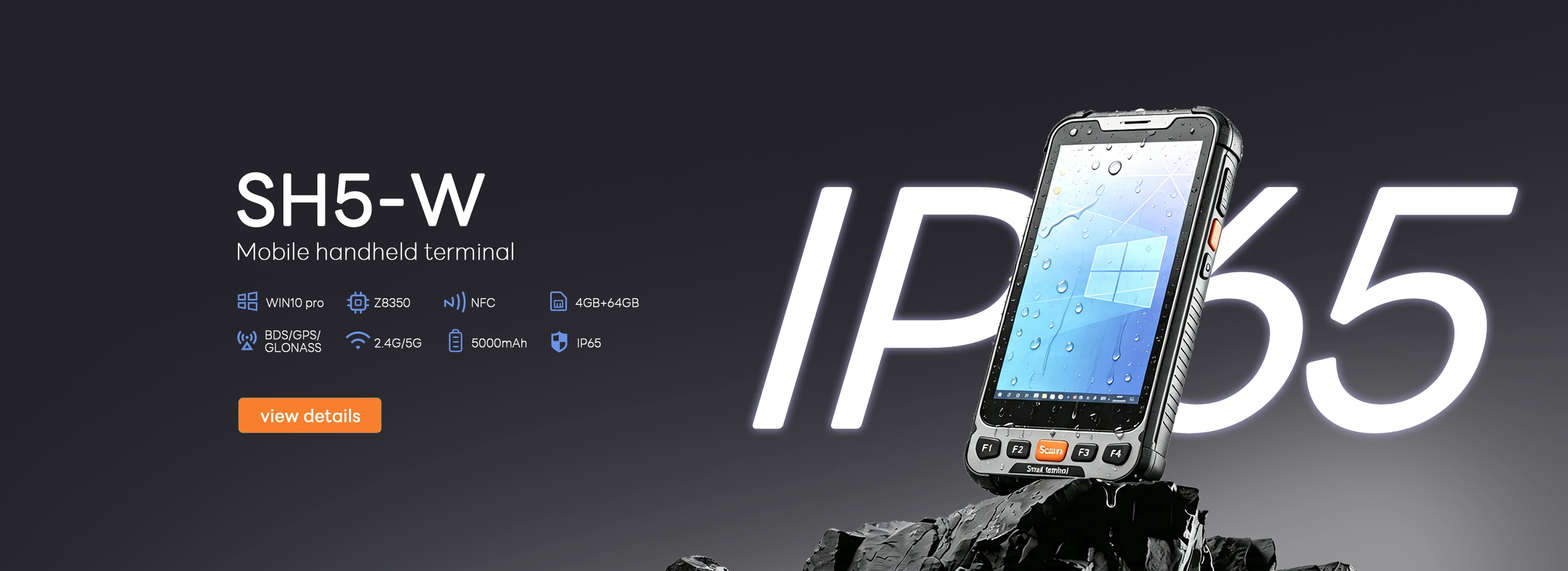
Full SpecificationsModel Hotus SH5‑WOperating ...
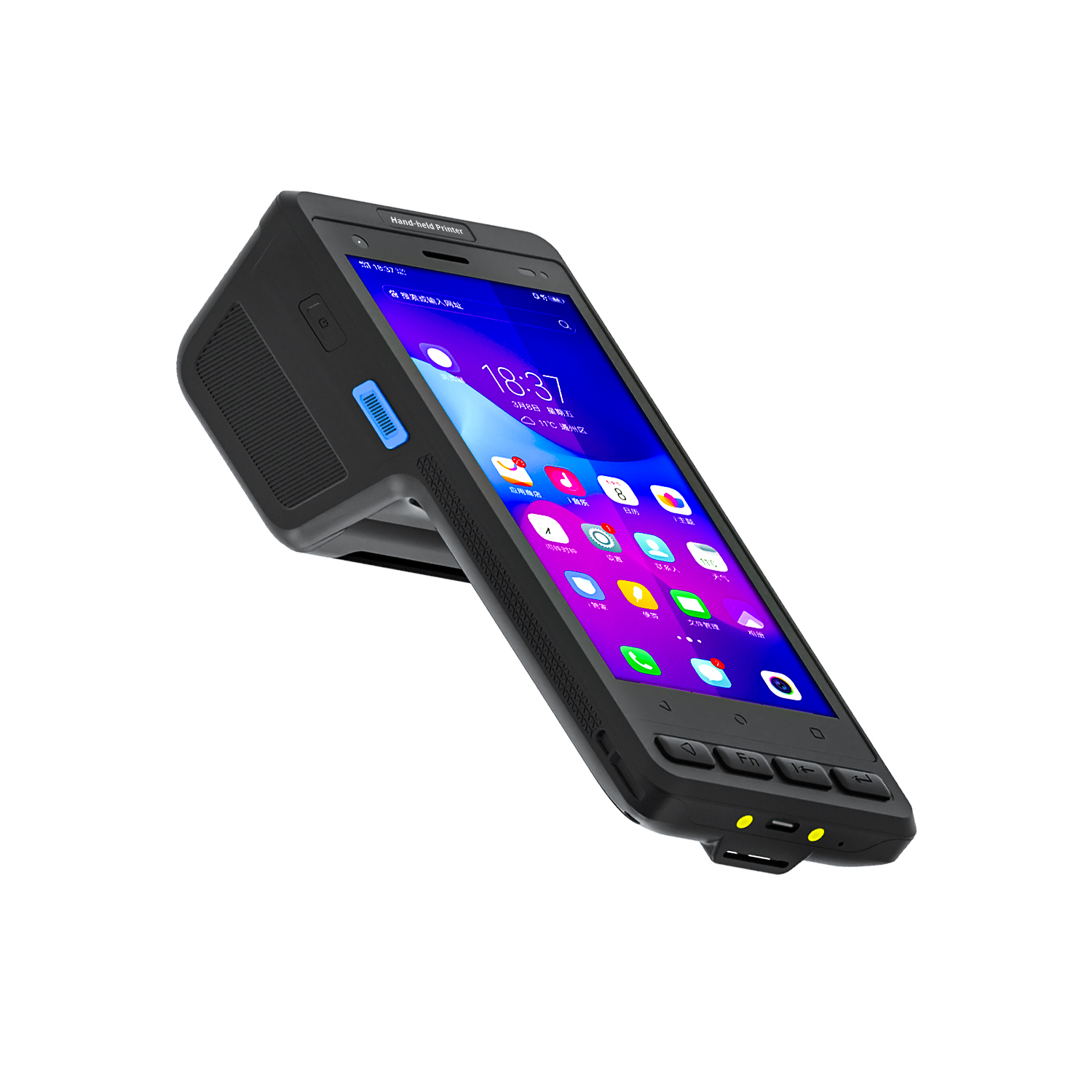
️ X8 Series Handheld Label & Thermal Printing ...
R366-S 5.5-inch Industrial PDA | Qualcomm Octa-cor...
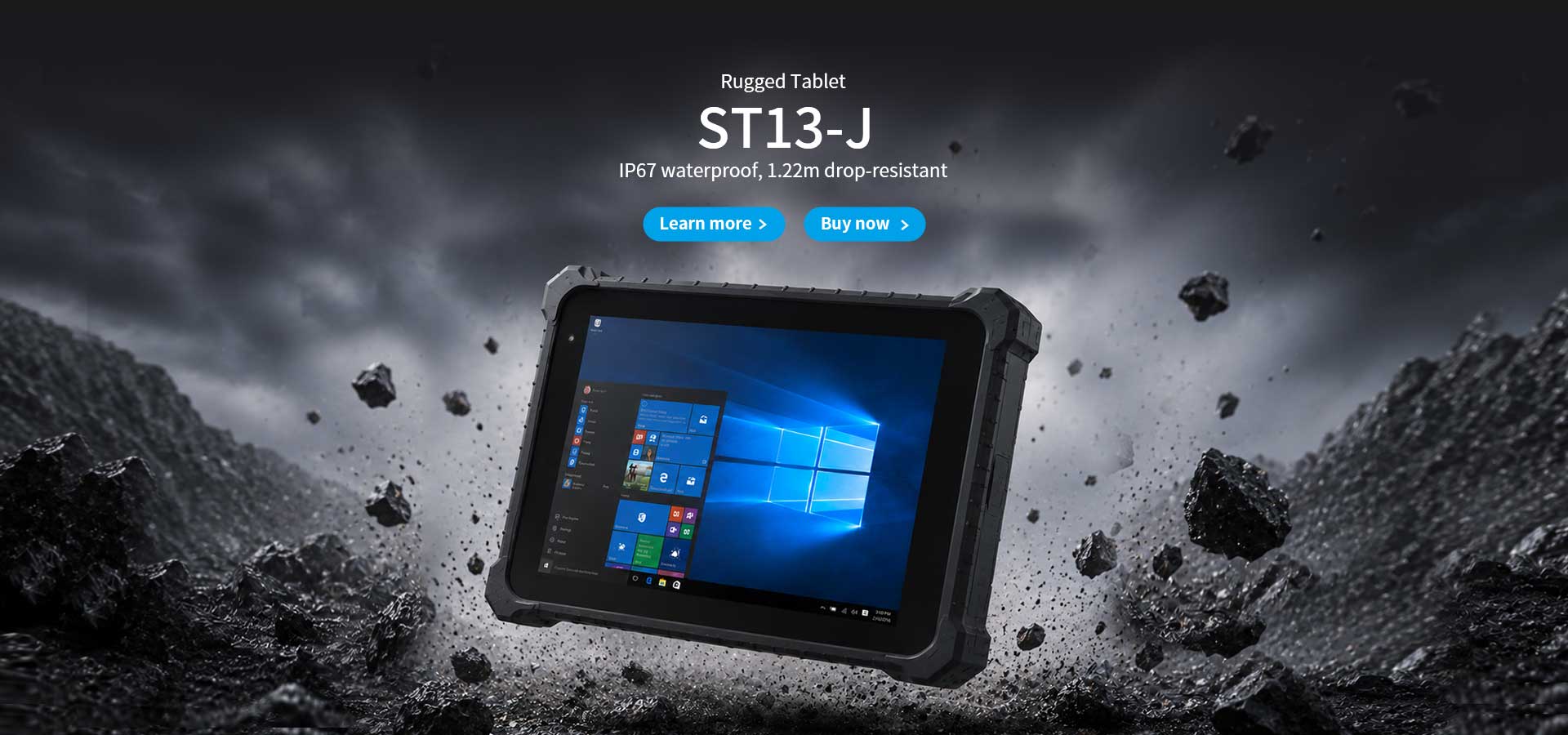
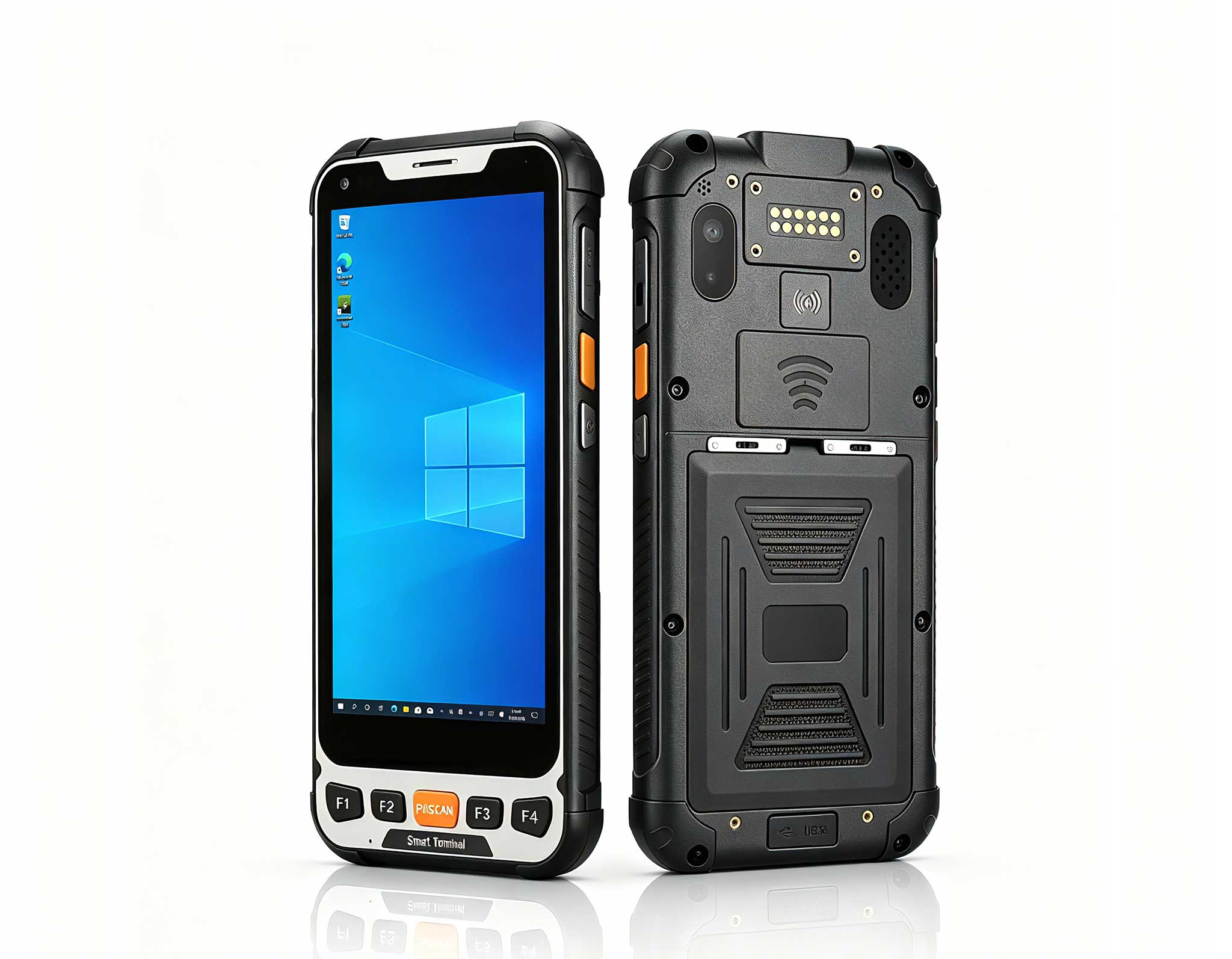
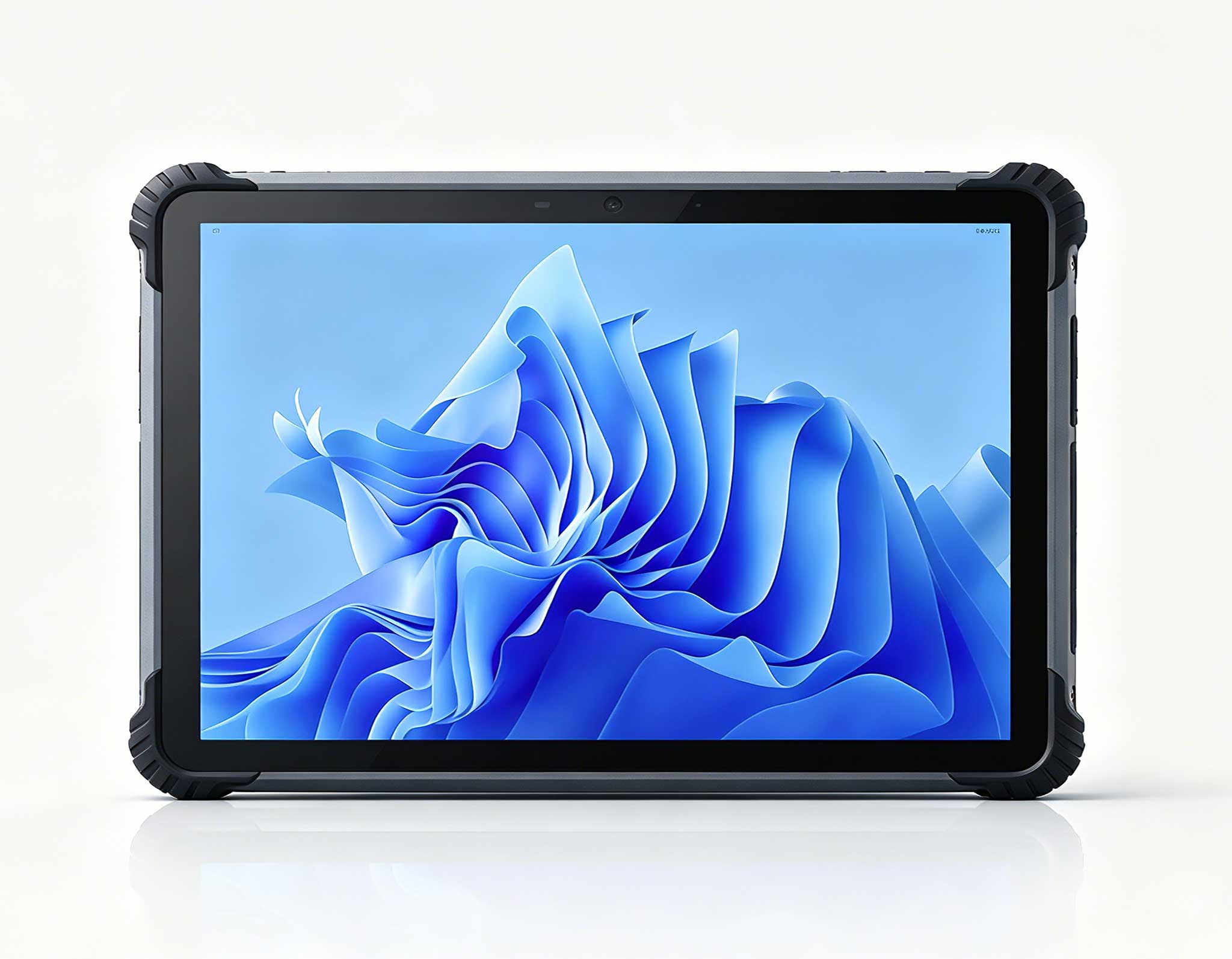
Full SpecificationsModelHotus ST13‑UOSWindows 10 P...
The R501 PDA combines a powerful MT6762 Octa-Core ...
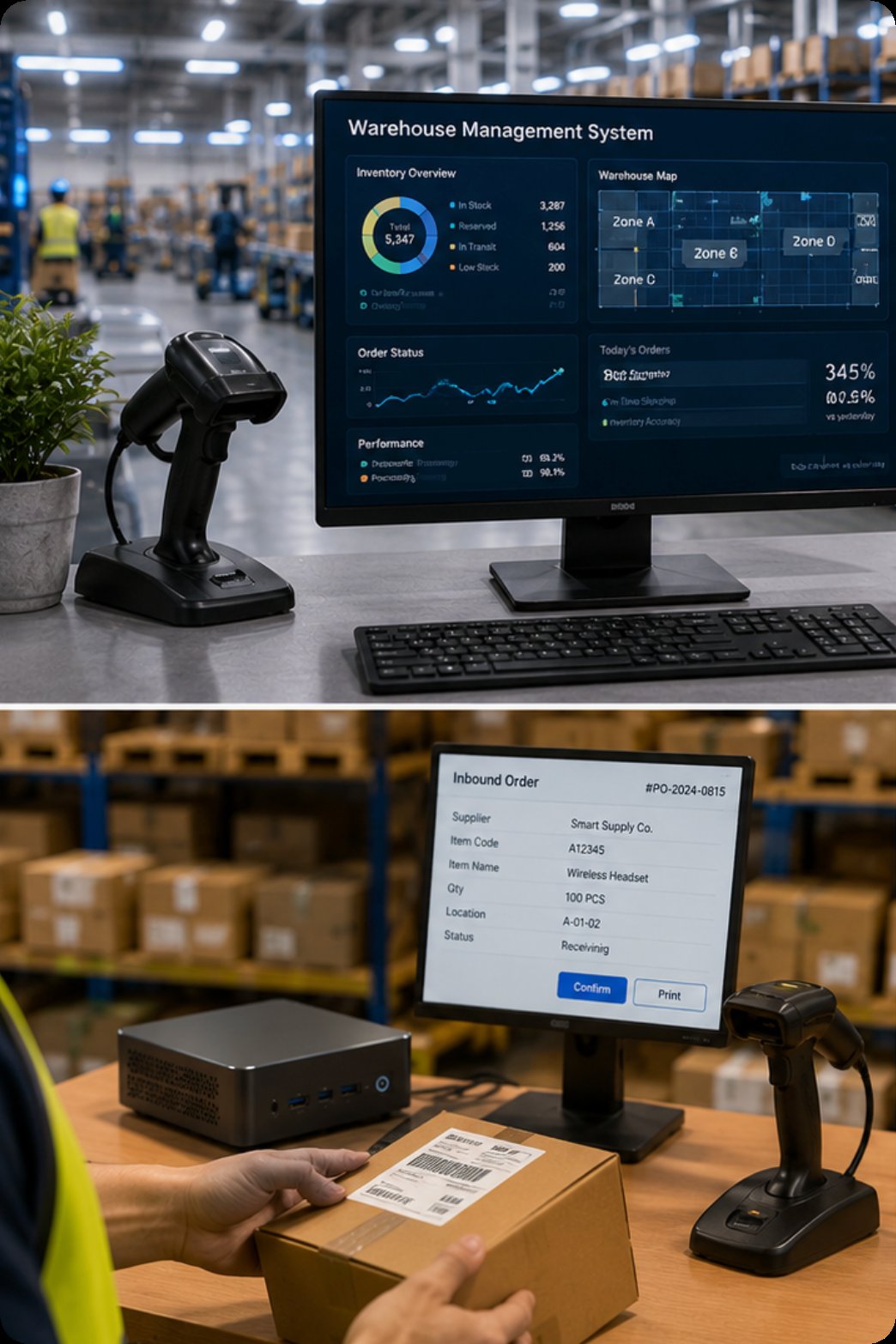
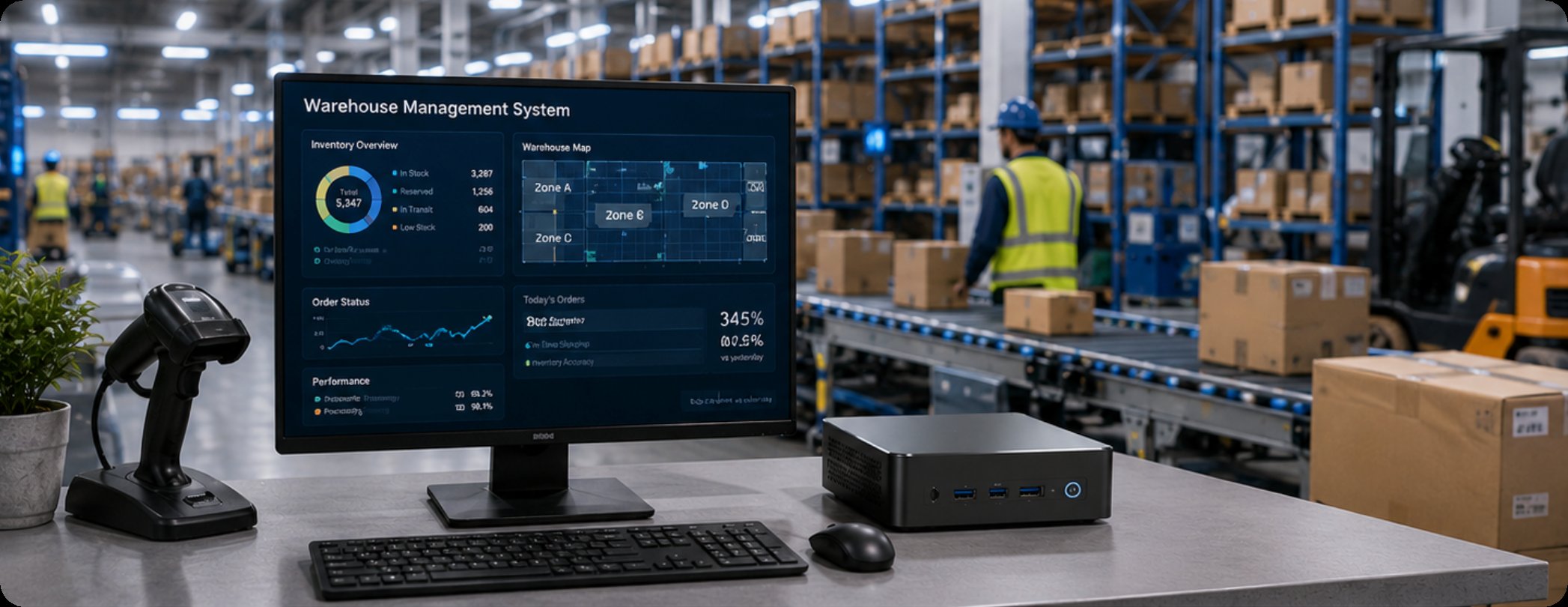
Over the past decade, I’ve worked shoulder-to-shoulder with logistics managers and warehouse operators who are fed up with clunky tower servers and outdated terminals that can’t keep pace with modern demands. Today’s warehouse is a data-driven beast—real-time inventory tracking, autonomous mobile robots (AMRs), and AI-powered vision systems require serious processing power, but they also need hardware that fits into tight control cabinets or rolls along on mobile carts. The industry has spoken: decentralization is the future. Instead of relying on a single central server bogged down by latency, forward-thinking operators are deploying edge computing nodes directly on the warehouse floor. That’s where compact, high-performance Mini PC solutions like the HCAR5000 MI and the Palm-sized miniPC come in. These machines deliver the ruggedness, connectivity, and compute density needed to handle barcode scanning, RFID processing, and warehouse management system (WMS) clients—all without eating up valuable shelf space. If you’re mapping out your next logistics IT upgrade, I strongly recommend checking out dedicated warehouse logistics solutions that leverage these form factors.
The HCAR5000 MI is built for logistics environments where performance isn’t negotiable. Powered by AMD Ryzen 5000H series processors, this mini PC delivers desktop-class multi-threading capabilities that let you run multiple virtual machines for WMS, process high-resolution camera feeds for automated sorting, or handle complex SQL queries from inventory databases without breaking a sweat. Its industrial-grade design includes wide temperature tolerance and enhanced vibration resistance, so you can mount it inside a forklift or on a conveyor control panel without worrying about failure. With support for up to 64GB of DDR4 RAM and triple display outputs, it can drive multiple monitoring stations simultaneously. For large distribution centers where downtime is simply not an option, the HCAR5000 MI is the best choice you can make.
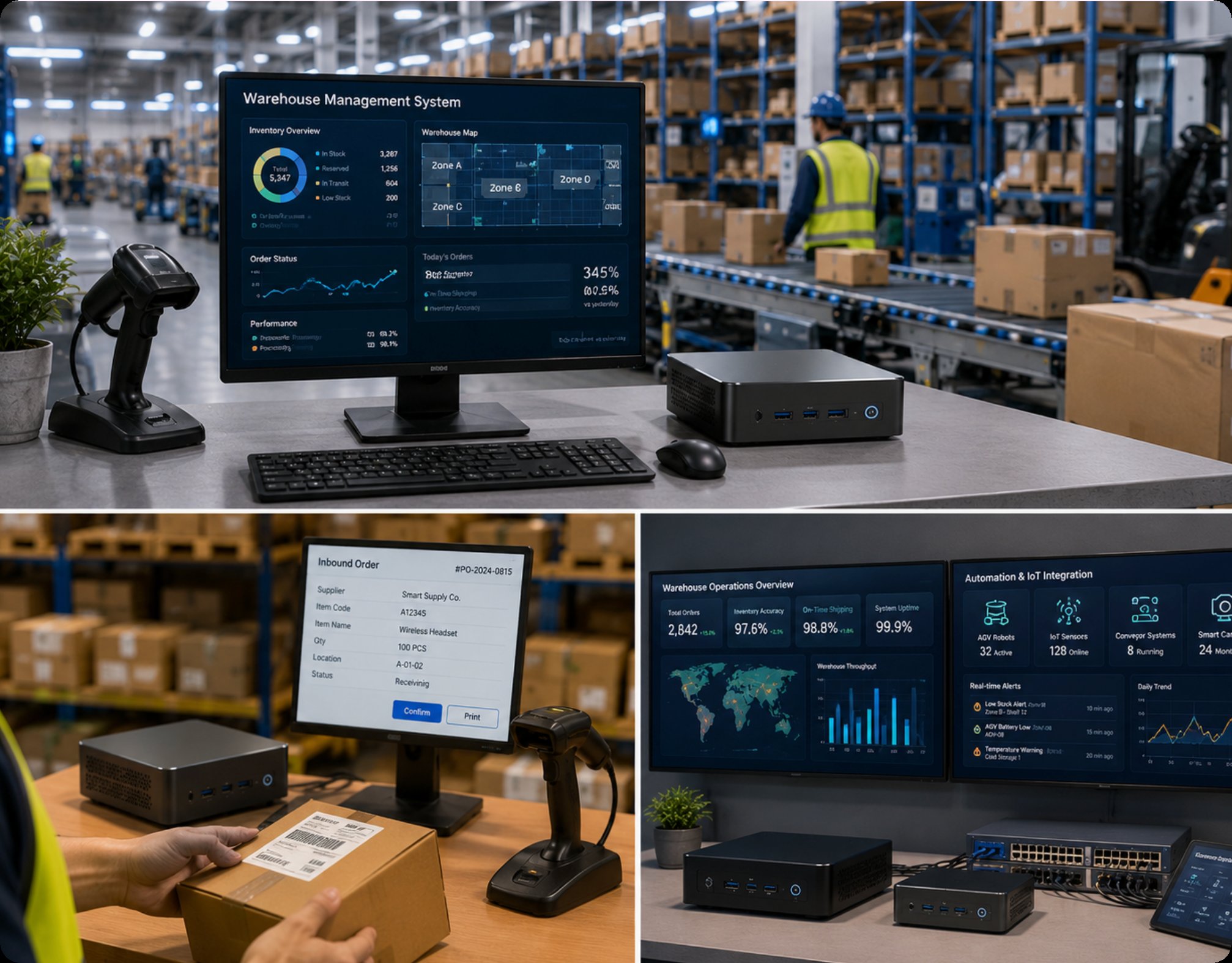
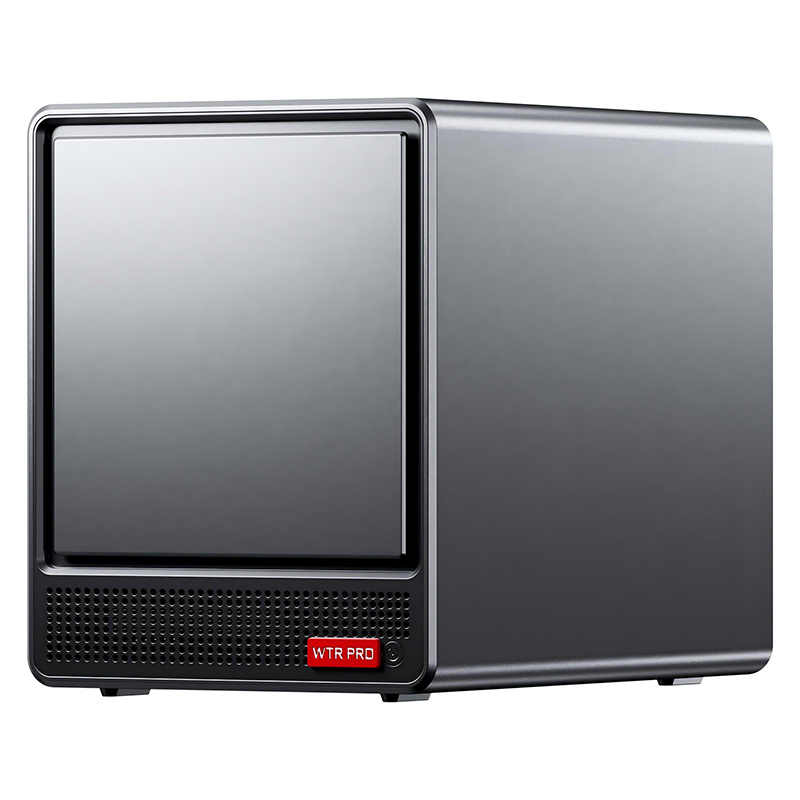
When space is at an absolute premium—think handheld scanning stations, mobile workstations on pick carts, or embedded inside kiosks—the Palm-sized miniPC redefines what’s possible. Despite measuring just a few inches per side, it houses an efficient Intel processor, dual Gigabit Ethernet ports for seamless network integration, and multiple USB ports for connecting barcode scanners and RFID readers. Its fanless cooling design ensures silent operation and zero dust intake—critical in warehouses with high particulate levels. I’ve personally seen these units deployed as edge gateways that aggregate data from IoT sensors and push it to the cloud with minimal latency. For small to medium-sized warehouses looking to digitize without a major infrastructure overhaul, this device offers the perfect balance of size and functionality.
| Feature | HCAR5000 MI | Palm-sized miniPC |
|---|---|---|
| Processor | AMD Ryzen 5000H Series (up to 8 cores) | Intel (efficient low-power series) |
| Memory (Max) | 64GB DDR4 | 16GB DDR4 |
| Storage | M.2 NVMe + SATA III | M.2 SATA / NVMe |
| Ethernet Ports | 2 x 2.5GbE | 2 x Gigabit Ethernet |
| Video Output | HDMI + DP + USB-C (triple display) | HDMI + VGA (dual display) |
| Cooling | Active fan (industrial grade) | Fanless (silent operation) |
| Operating Temperature | -20°C to 70°C | 0°C to 50°C |
| Mounting Option | VESA / DIN-rail / Wall | VESA / Desktop stand |
| Best Use Case | Heavy computing at fixed stations, AMR controllers | Mobile carts, kiosks, edge IoT gateways |
Selecting between these two models comes down to three key factors: workload intensity, physical environment, and network architecture. If your warehouse runs advanced vision systems, multiple WMS clients, or robotic controllers that demand high CPU throughput, the HCAR5000 MI with its Ryzen H-series processor is the logical choice. It also handles extreme temperatures better, making it suitable for unheated storage areas. On the other hand, if your priority is ultra-compact deployment on mobile picking carts, receiving desks, or as a low-power edge node that processes sensor data and communicates with a central server, the Palm-sized miniPC offers a more cost-effective and space-efficient solution. Both units share the advantage of being part of the broader HCAR5000 MI family, ensuring software compatibility and unified management tools.
The trend in warehouse logistics is clear: edge computing, smaller footprints, and higher reliability are here to stay. Whether you need the raw power of the HCAR5000 MI for a sorting hub or the discreet efficiency of the Palm-sized miniPC for a mobile station, Hotus Technology provides the hardware backbone for your digital transformation. We invite you to explore our mini PC solutions to see detailed specifications and find the configuration that matches your operational goals. Contact our team today for a personalized consultation and start optimizing your warehouse performance.