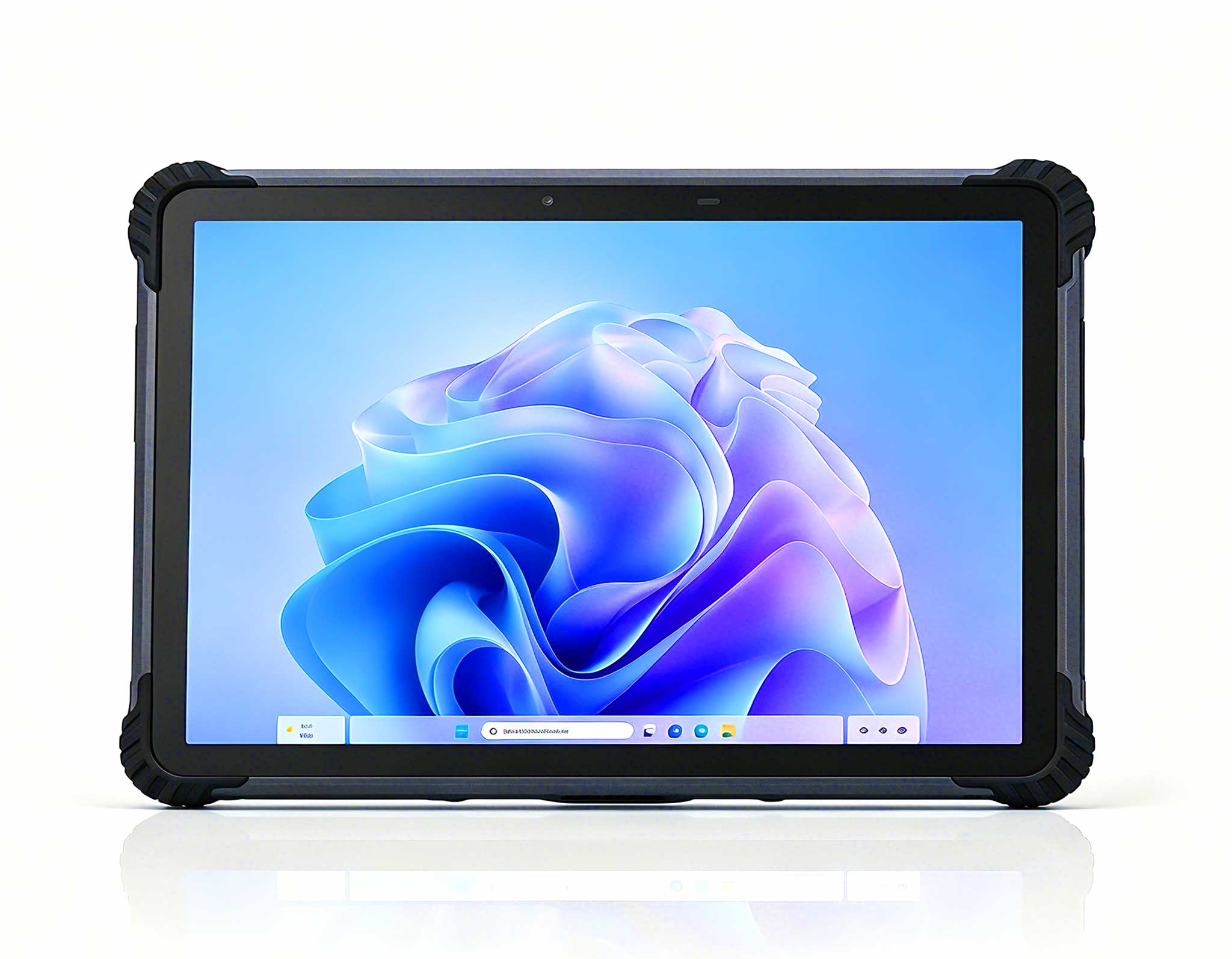
- Select Language
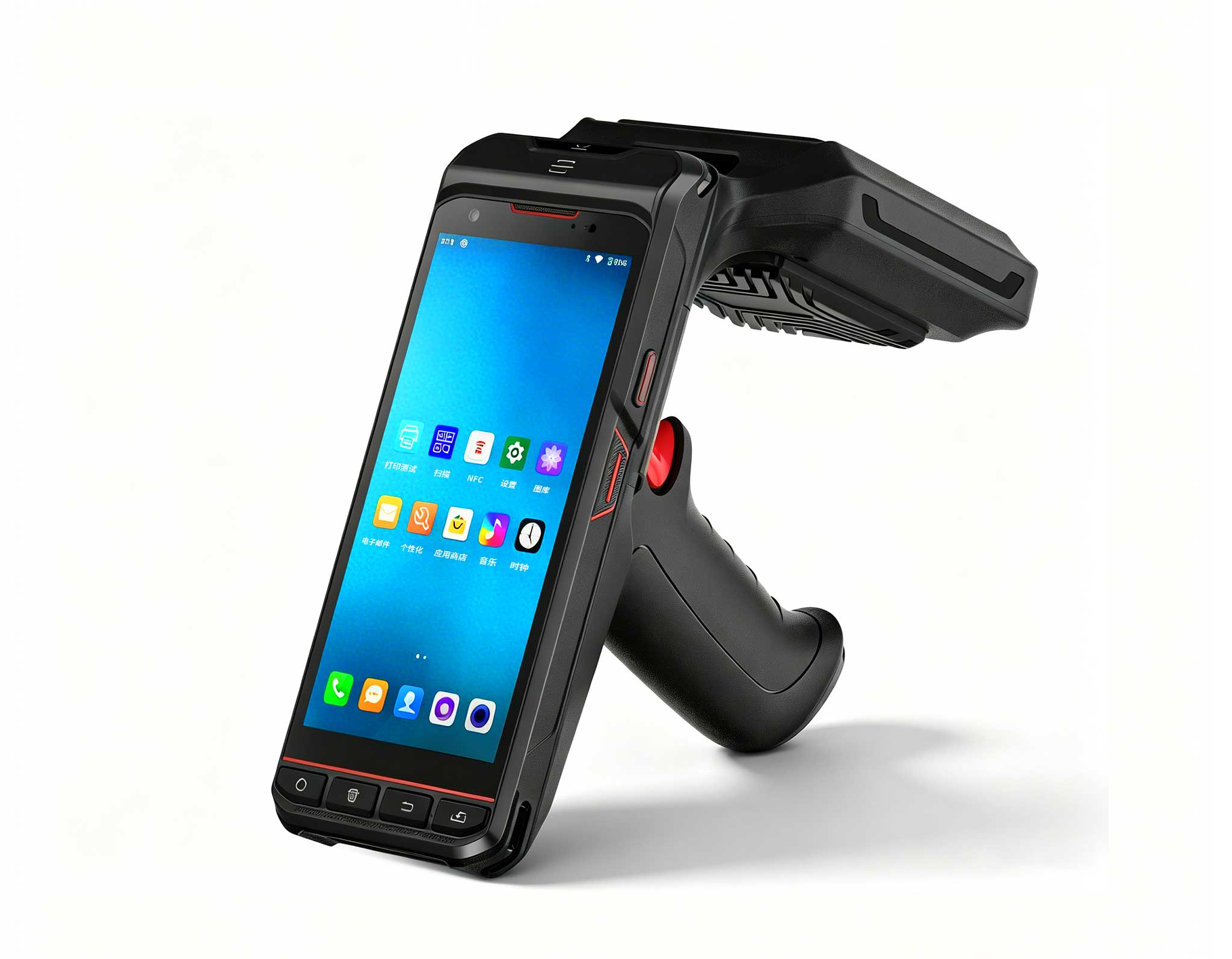
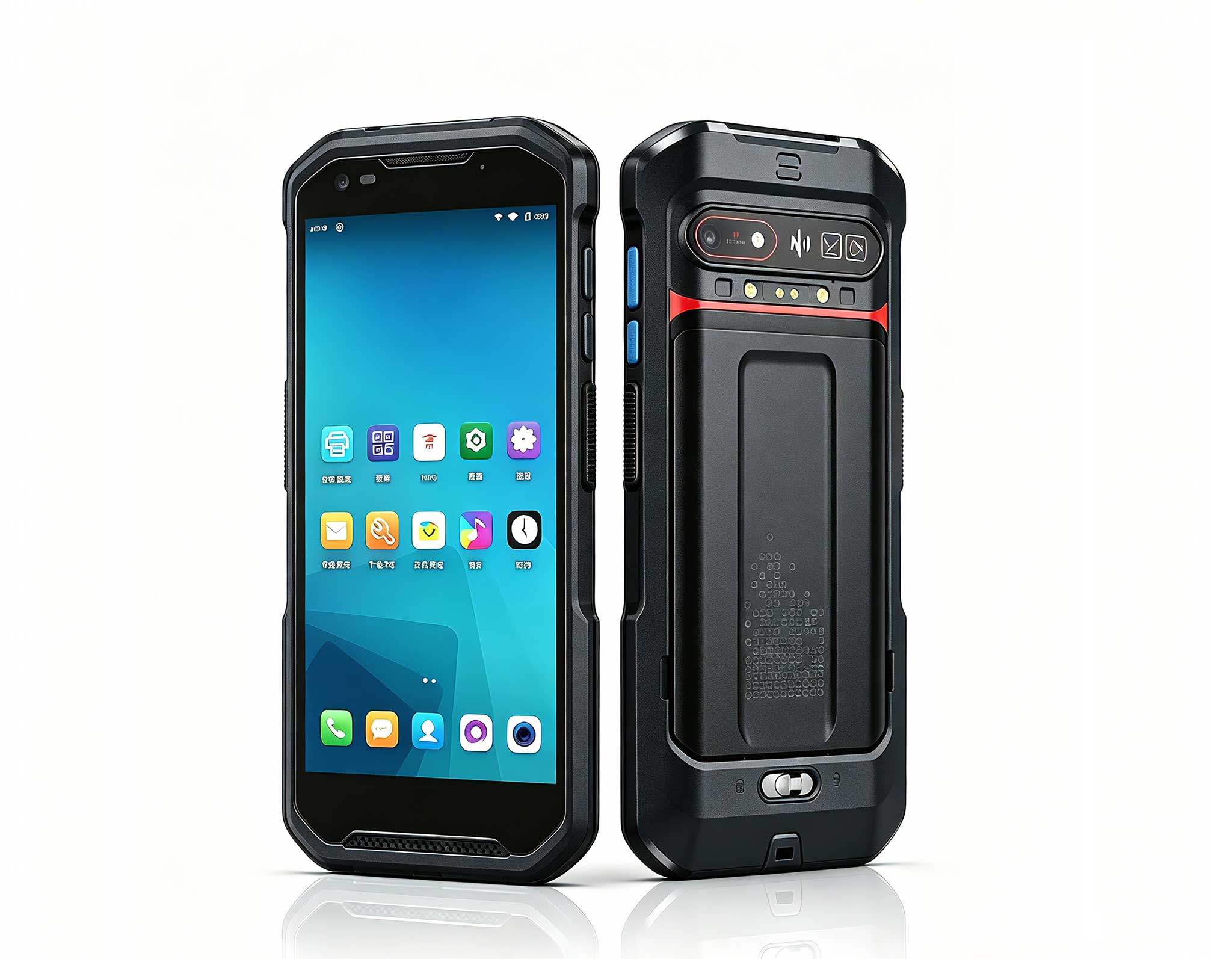
The R501 PDA combines a powerful MT6762 Octa-Core ...
The F505 Handheld PDA is a compact, high-performan...
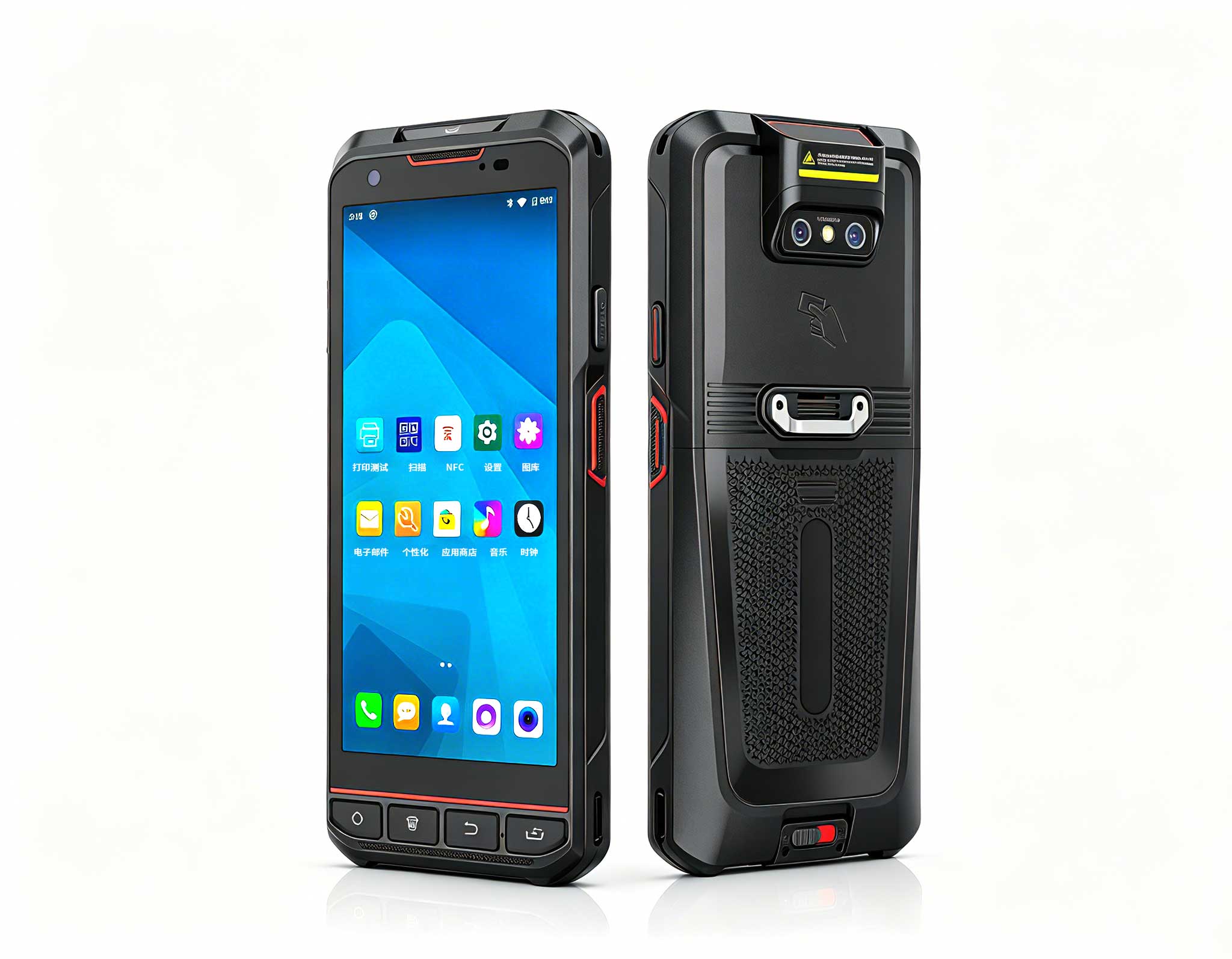
The X501 Handheld PDA combines advanced barcode sc...
RS51 4G Rugged Handheld Terminal | 6.3" FHD+ ...
The EGPU Graphics Card Expansion Dock is a high-pe...
R366-S Thin 5.5-inch Industrial PDA | Qualcomm Oct...
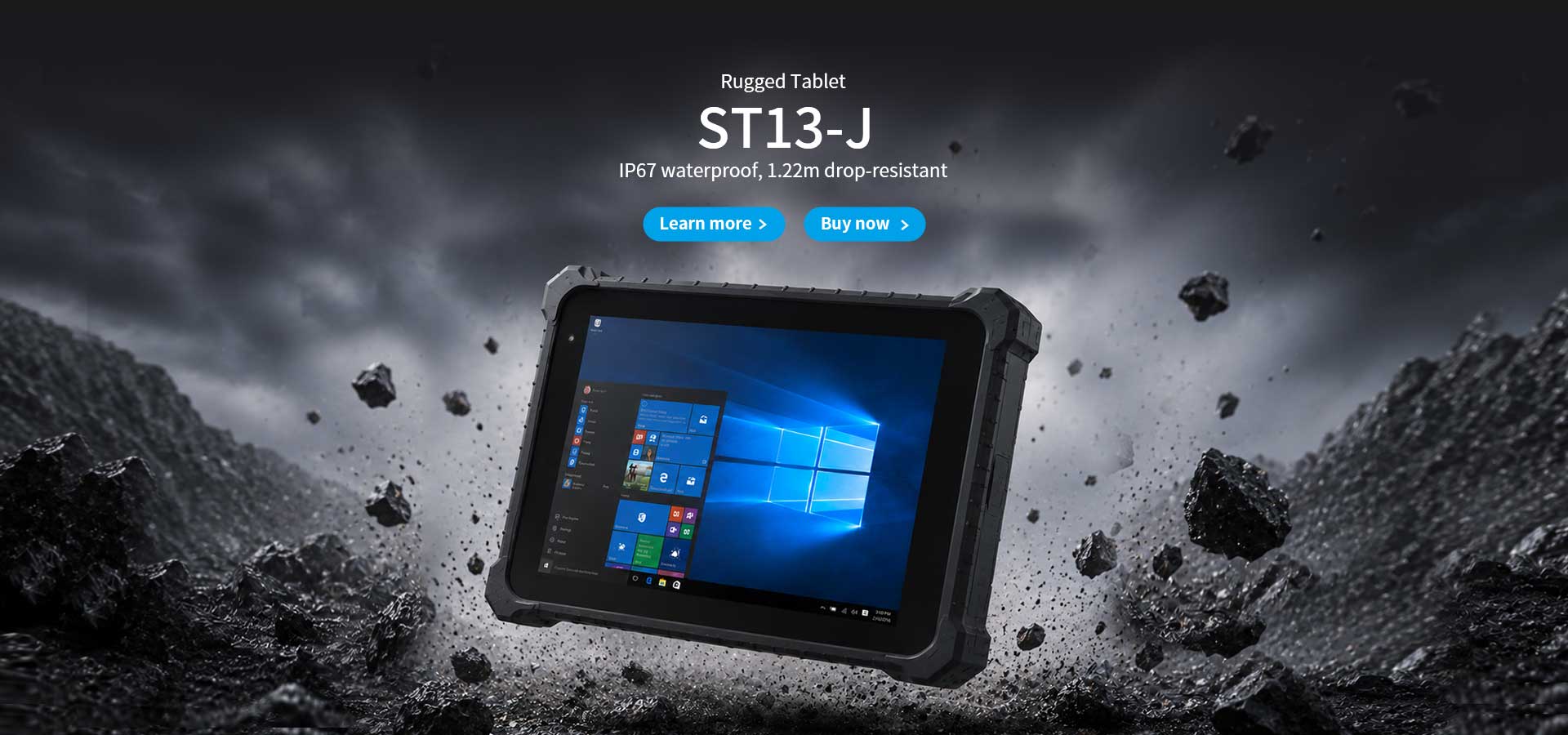
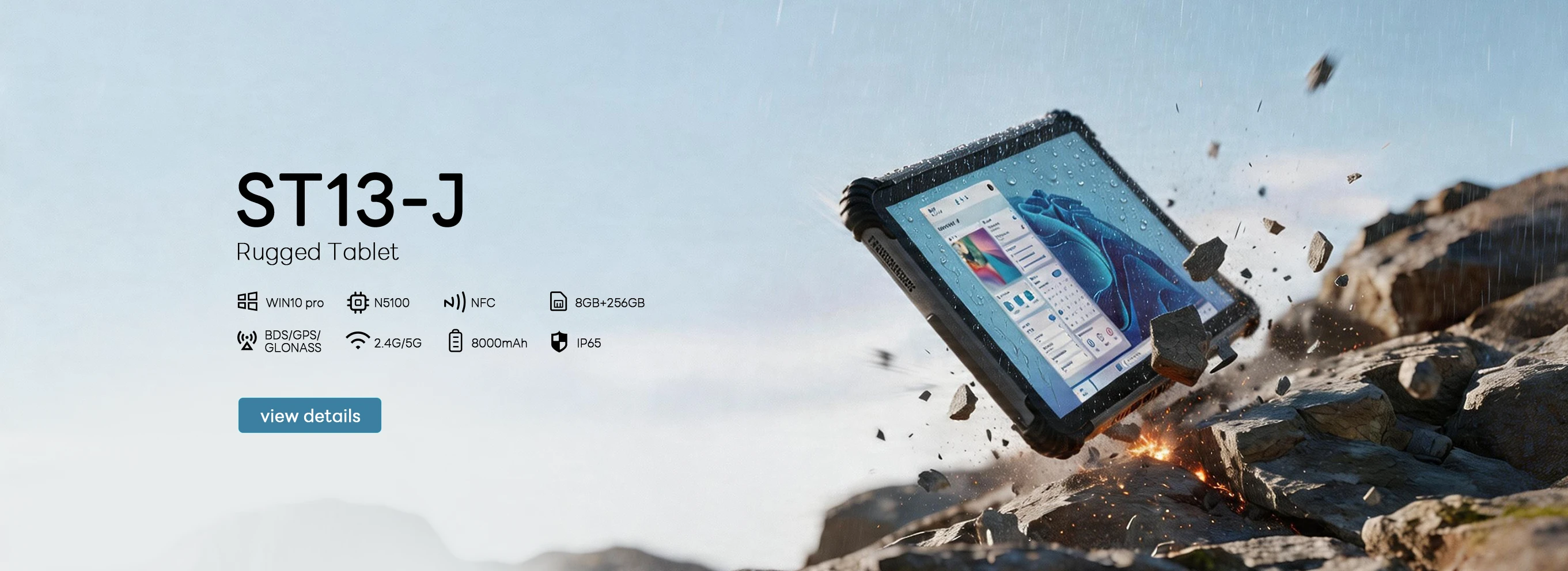
Full SpecificationsModelHotus ST13‑JOSWindows 10 P...
Traditional approaches to Medical Workstation often require time-consuming manual processes or outdated technology. But what if there was a better way? ST11-U, HTYJ08A Rugged Tablet and ST13-U are changing how teams handle this challenge. The rapid evolution of medical-grade computing has moved far beyond simple data entry terminals, transforming into comprehensive clinical support platforms that integrate patient records, diagnostic imaging, and real-time monitoring. This article examines how these three rugged devices represent distinct generations of technological advancement while addressing the specific demands of modern healthcare environments.
Medical workstation technology has undergone remarkable transformation over the past fifteen years. Early systems relied on stationary desktop computers tethered to hospital walls, limiting mobility and forcing clinicians to return to a central station for every data update. The first portable attempts used consumer-grade laptops that failed under the rigors of daily clinical use—exposed to disinfectants, dropped on hard floors, and operated with gloved hands. These devices suffered from frequent downtime, data loss, and compromised infection control protocols.
The shift toward ruggedized computing marked a pivotal turning point. Manufacturers began engineering devices specifically for healthcare's unique challenges, incorporating sealed housings, antimicrobial surfaces, and hot-swappable batteries. Today's solutions offer multi-modal interaction, ultra-compact designs, and features like automatic brightness adjustment for varying lighting conditions. For facilities seeking a comprehensive approach, this industrial solution for Medical Workstation integrates seamlessly with existing hospital infrastructure while providing the durability required for demanding clinical environments.
The evolution continues with each generation addressing previously unsolvable problems. Current devices now support wireless charging, advanced telemedicine capabilities, and AI-assisted documentation—features that were unimaginable just five years ago. The progression from basic data terminals to intelligent clinical assistants represents not just incremental improvement but a fundamental reimagining of how technology supports patient care delivery.
The HTYJ08A Rugged Tablet represents a significant leap forward in portable medical computing. Designed for healthcare professionals who need reliable access to patient data at the point of care, this device combines military-grade durability with clinical functionality. Its compact form factor allows easy mounting on medical carts, wall stations, or handheld use during patient rounds. The glove-friendly touchscreen responds accurately even when clinicians wear protective equipment, while the anti-glare display ensures readability under bright surgical lights or near windows.
What sets the HTYJ08A apart is its adaptive connectivity suite. It supports both Wi-Fi 6 and 5G cellular networks, maintaining uninterrupted access to electronic health records even when moving between hospital zones. The hot-swappable battery design means clinicians can replace power sources without powering down, eliminating workflow interruptions during critical procedures. For facilities implementing mobile nursing stations, the HTYJ08A Rugged Tablet serves as an ideal foundation, offering expandable storage options and compatibility with existing medical peripheral devices.
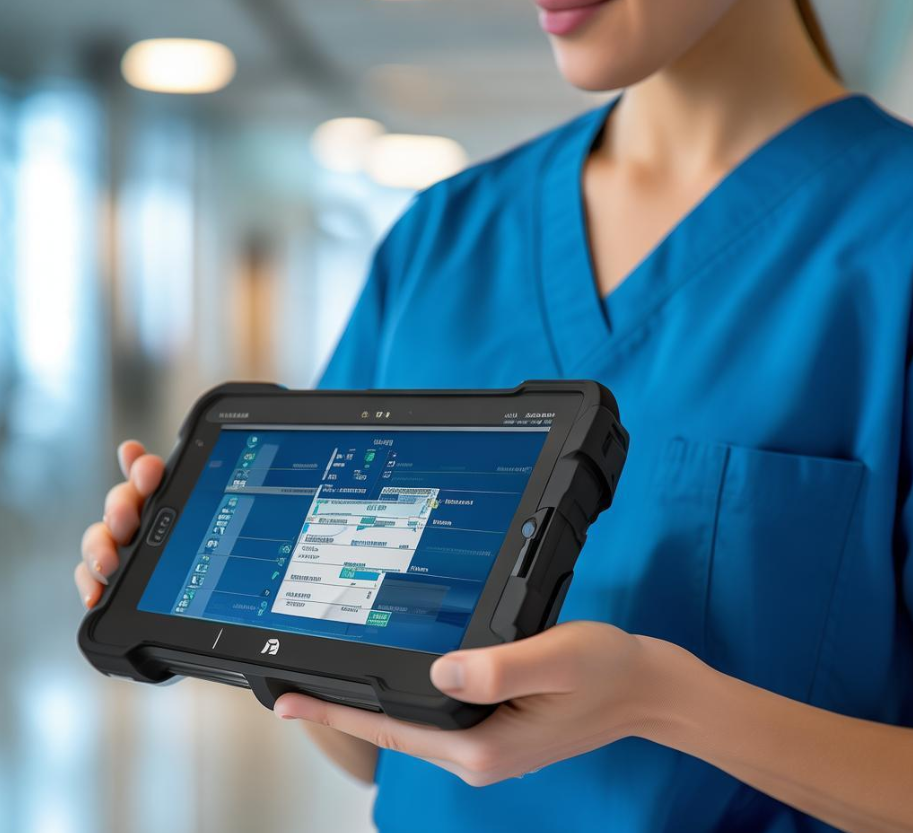
Infection control remains paramount in healthcare settings. The HTYJ08A features a fully sealed IP65-rated enclosure that withstands repeated cleaning with hospital-grade disinfectants without degrading performance. Its fanless cooling system eliminates air vents where pathogens might accumulate, while the antimicrobial housing material inhibits bacterial growth on frequently touched surfaces. These design considerations directly address the hygiene requirements that consumer tablets simply cannot meet, making the HTYJ08A a trusted tool in infection-sensitive departments including ICUs and operating rooms.
The 10.1 windowsST11-URugged Industrial Tablet delivers the perfect balance between screen real estate and portability for medical workstation applications. Its 10.1-inch display provides sufficient viewing area for reviewing laboratory results, medication administration records, and diagnostic images, while remaining compact enough for bedside use. The Windows operating system ensures seamless integration with existing hospital software, including electronic medical record platforms, barcode medication administration systems, and telemedicine applications that require full desktop compatibility.
Performance-wise, the ST11-U is engineered for multitasking efficiency. It handles simultaneous applications—video conferencing with specialists, real-time vital sign monitoring, and documentation—without noticeable lag. The device's 8GB RAM and fast SSD storage ensure quick boot times and responsive interaction, reducing the frustrating delays that plague older systems. For clinicians who must document every patient interaction thoroughly, the ST11-U's comfortable typing experience and accurate stylus input support detailed note-taking without the need for additional peripherals.
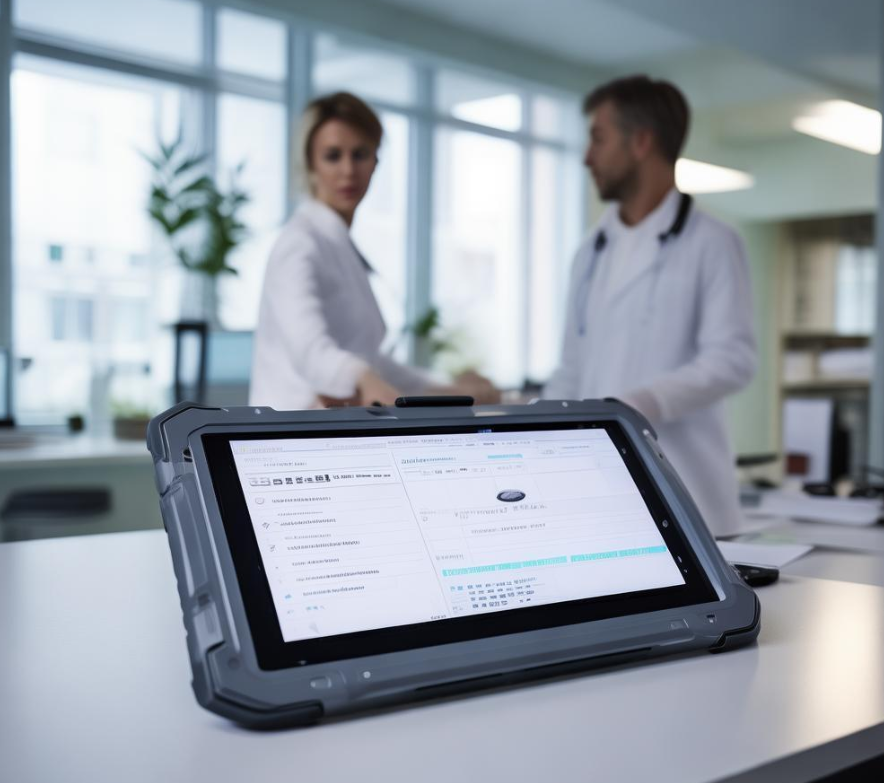
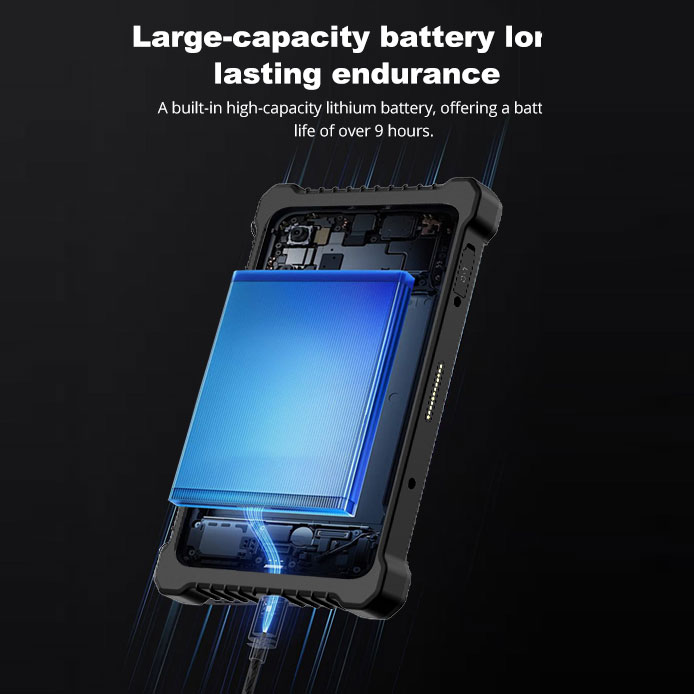
Battery life has always been a critical concern for mobile medical devices, and the ST11-U addresses this with an intelligent power management system that extends operational time to a full shift. The hot-swappable battery pack allows continuous operation without downtime, while the device's low-power components reduce heat generation, making it comfortable for extended handheld use. Additionally, the ST11-U includes programmable function keys that can be customized for frequently used actions like scanning patient wristbands, capturing images, or sending secure messages—streamlining workflows and reducing repetitive strain for busy healthcare providers.
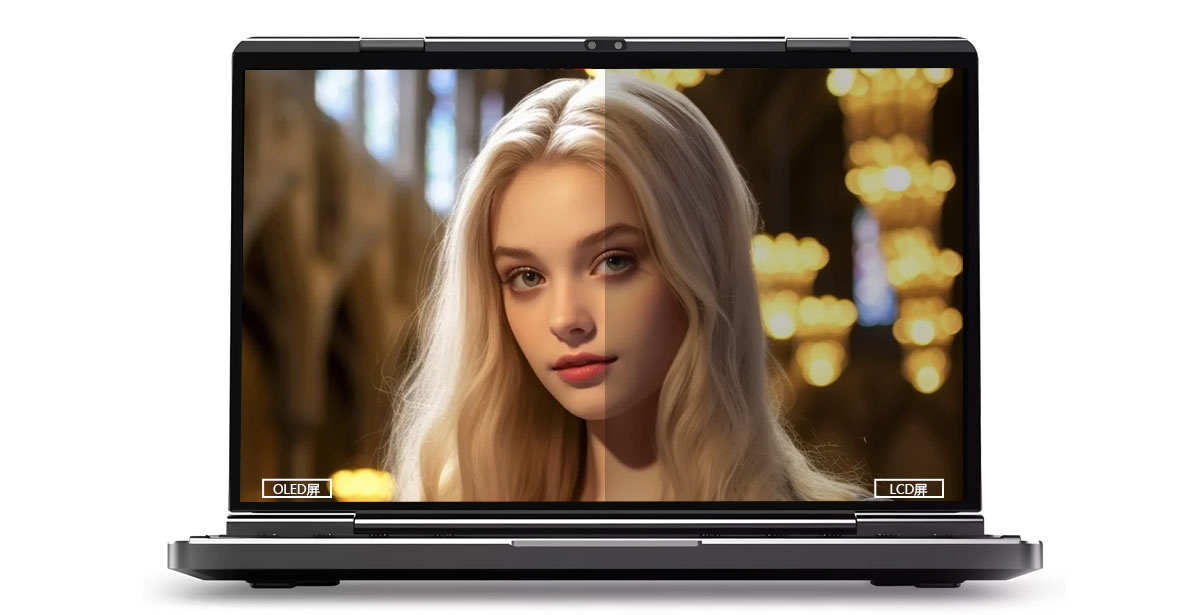
For applications requiring larger displays, the 13.3 windows(ST13-U)Rugged Industrial Tablet offers an expanded canvas for complex medical data visualization. The 13.3-inch screen provides exceptional clarity for reviewing radiology images, pathology slides, and detailed anatomical diagrams. Its high-resolution panel with wide color gamut ensures accurate representation of diagnostic imagery, critical for specialties like dermatology and telepathology where subtle color differences affect clinical decisions.
The ST13-U's larger chassis accommodates enhanced thermal management, allowing sustained high-performance operation during lengthy procedures. This makes it particularly suitable for anesthesia workstations, surgical navigation systems, and intensive care monitoring stations where continuous uptime is non-negotiable. The device supports multiple display outputs, enabling connection to larger monitors for teaching purposes or collaborative case reviews. Its robust construction includes reinforced corners and a shock-absorbing mounting system that protects internal components from accidental impacts.
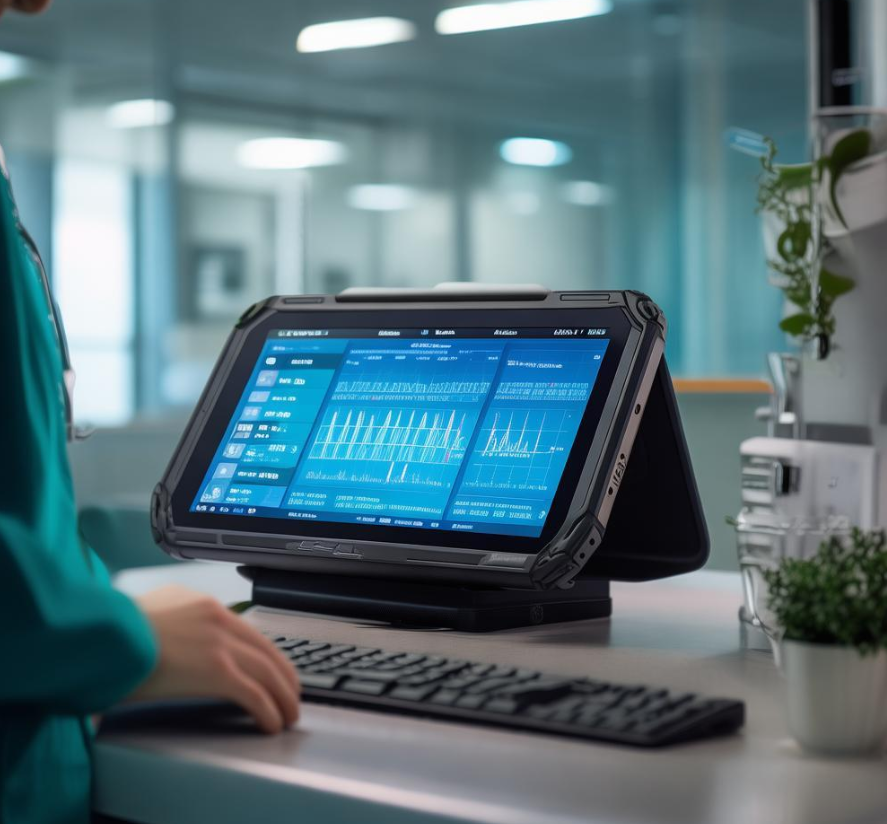
Interoperability remains a cornerstone of the ST13-U design. It includes a comprehensive port array—USB 3.2, HDMI, serial, and Ethernet—allowing connection to legacy medical equipment that still plays a vital role in patient care. This backward compatibility extends the useful life of existing hospital investments while providing the performance benefits of modern computing. For facilities planning gradual technology transitions, the ST13-U bridges the gap between older systems and emerging digital health platforms, ensuring continuity of operations throughout the upgrade cycle.
Understanding the differences between these three devices helps healthcare organizations select the right tool for each clinical context. The following table summarizes key specifications and positioning:
| Model | Position | Display Size | Weight | Optimal Use Case |
|---|---|---|---|---|
| HTYJ08A Rugged Tablet | Versatile Clinical Companion | 8-inch | Lightweight | Bedside care, portable rounds, medication administration |
| ST11-U | Balanced Documentation Tool | 10.1-inch | Moderate | Nursing stations, telemedicine, general clinical documentation |
| ST13-U | Diagnostic Visualization Platform | 13.3-inch | Heavier | Radiology review, surgical navigation, ICU monitoring |
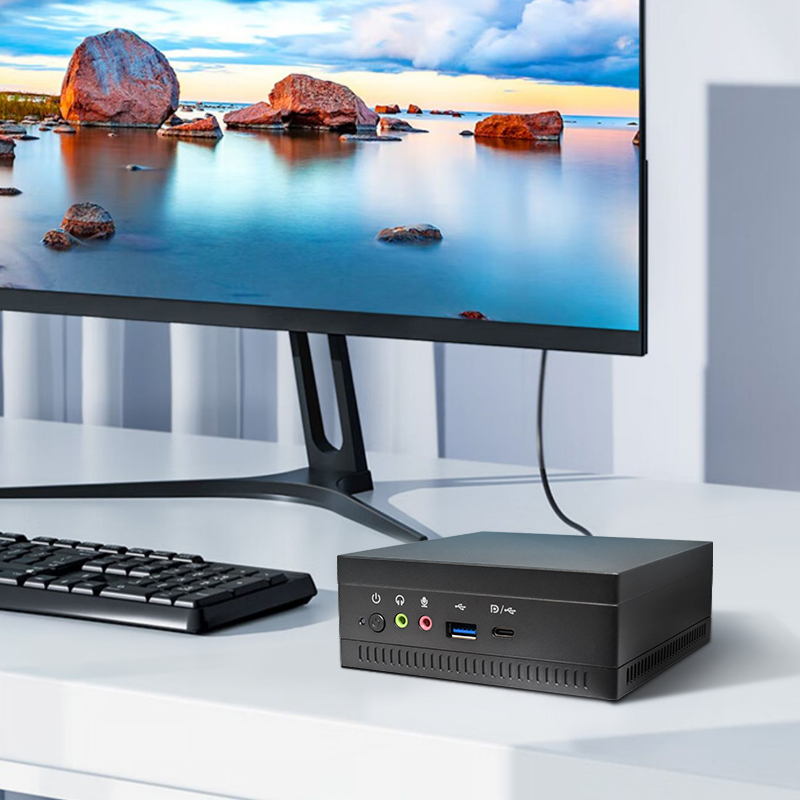
Weight considerations play a significant role in device selection. The HTYJ08A's lighter profile suits clinicians who carry devices throughout their shift, while the ST13-U's larger footprint proves advantageous for stationary applications where screen size enhances productivity. Each device shares the same rugged DNA—IP65 sealing, drop resistance, and disinfectant-ready surfaces—ensuring consistent hygiene standards across all deployment scenarios. When combined with rugged mini PC solutions, these tablets can serve as primary or satellite workstations, creating a cohesive ecosystem that adapts to evolving clinical needs.
Industry research indicates that over 65% of Medical Workstation operators plan to upgrade their computing equipment within the next two years. The primary drivers are better processing speed, longer battery life, and systems intuitive enough for temporary staff to operate without extensive training. Additionally, the surge in telehealth adoption has accelerated demand for devices with superior cameras, microphones, and display quality—features that all three models address to varying degrees.
Looking forward, we anticipate tighter integration between rugged tablets and hospital IoT infrastructure. Future devices will likely incorporate environmental sensors for temperature and air quality monitoring, further expanding their utility beyond traditional computing tasks. Artificial intelligence will play an increasing role in predictive documentation and clinical decision support, requiring hardware capable of handling on-device inference workloads. The current generation of rugged tablets provides the processing headroom to accommodate these upcoming software enhancements, making them future-ready investments for healthcare organizations.
The evolution of medical workstation technology continues at an accelerating pace. Organizations that adopt current-generation rugged tablets position themselves to leverage emerging innovations while delivering immediate improvements in clinical workflow efficiency, data accuracy, and patient satisfaction. By selecting the appropriate device for each clinical role—whether the compact HTYJ08A, balanced ST11-U, or expansive ST13-U—healthcare providers can build a resilient technology foundation that grows with their needs.