- Select Language
RT80 5G Rugged Tablet | 10.1" FHD 400nit | Un...
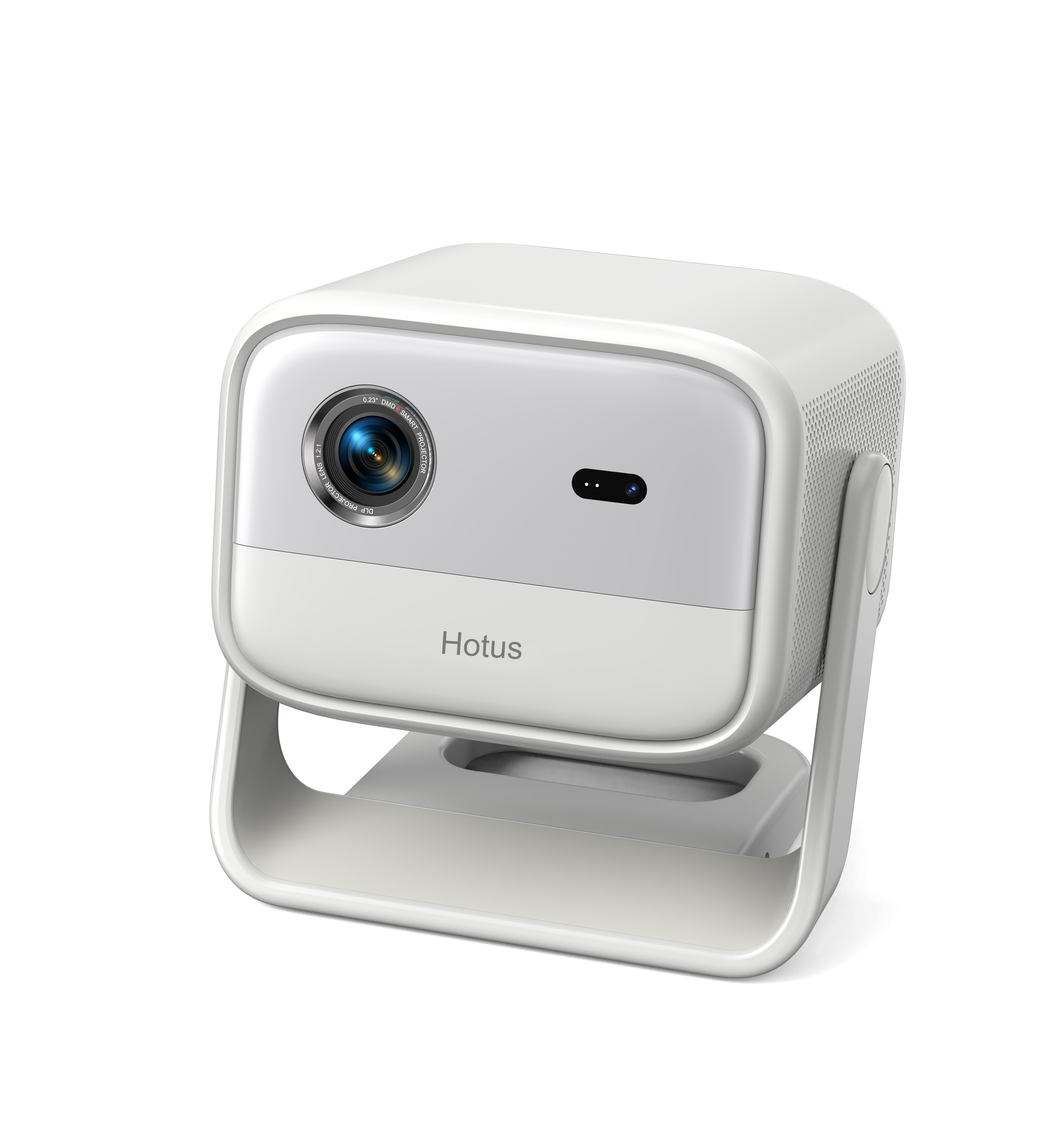
One Device, Dual Functions – A Projector and a Com...
R350C 4-inch Industrial Handheld PDA | Qualcom...
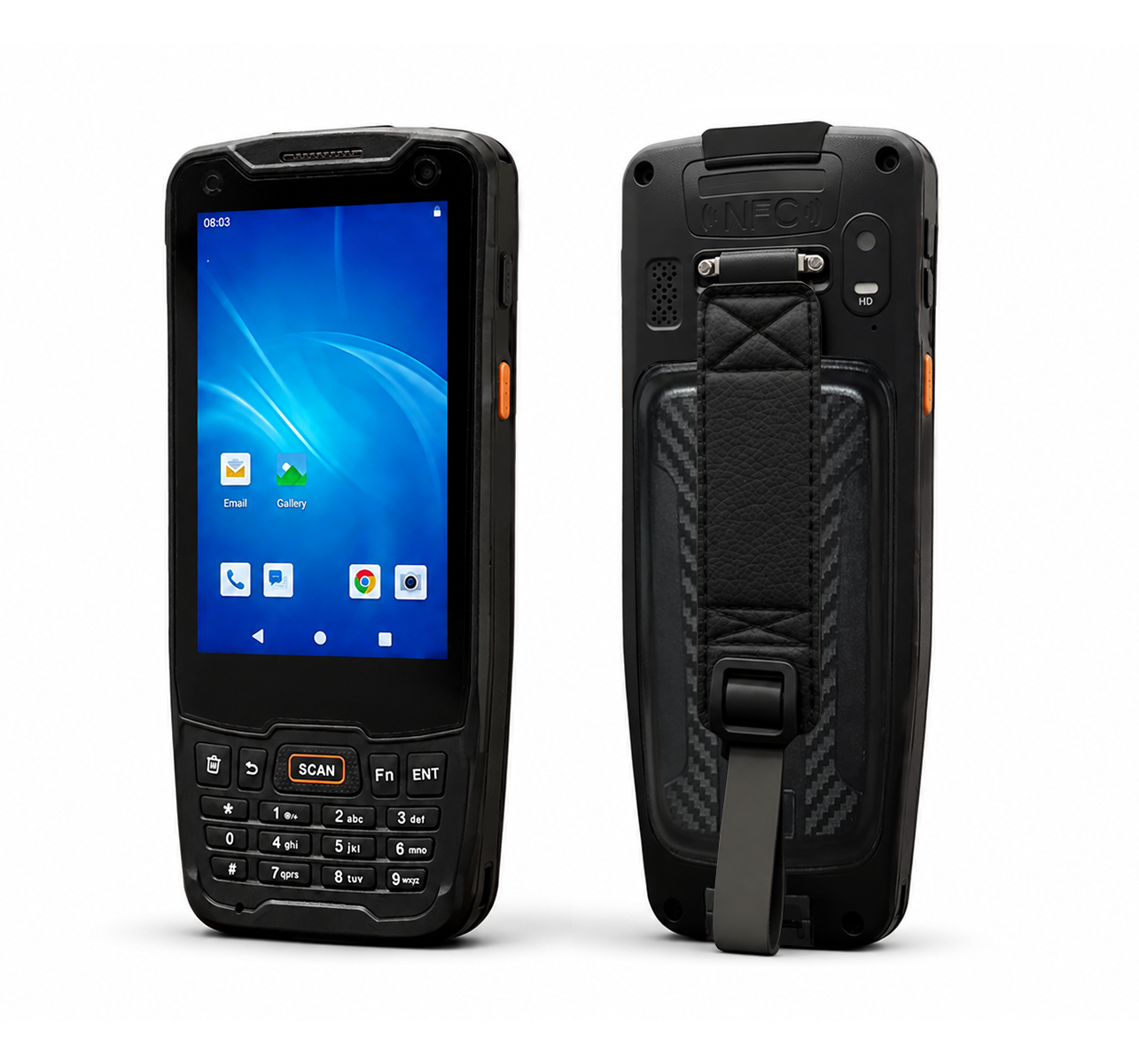
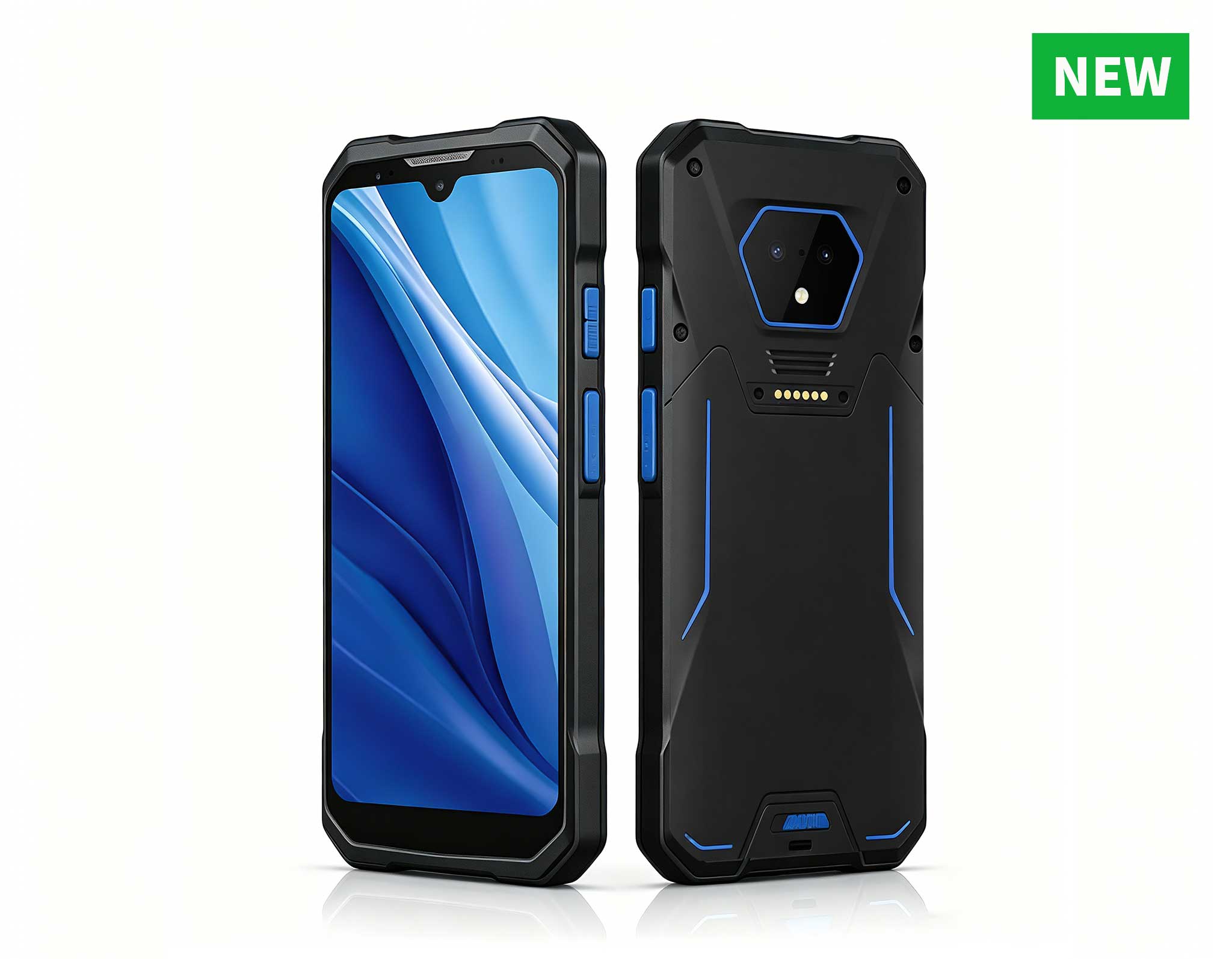
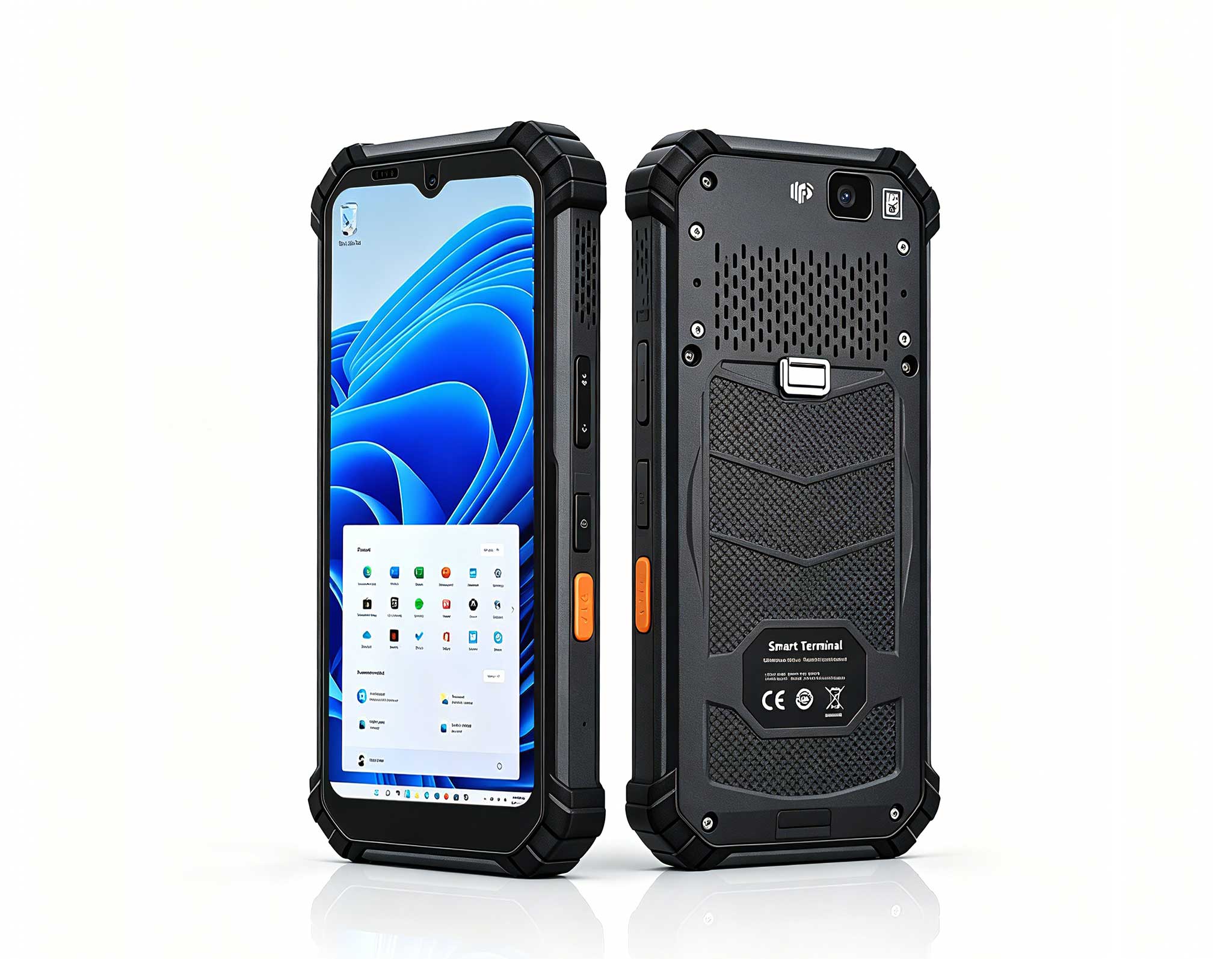
RS50 5G Rugged Handheld Terminal | 6.3" FHD+ ...
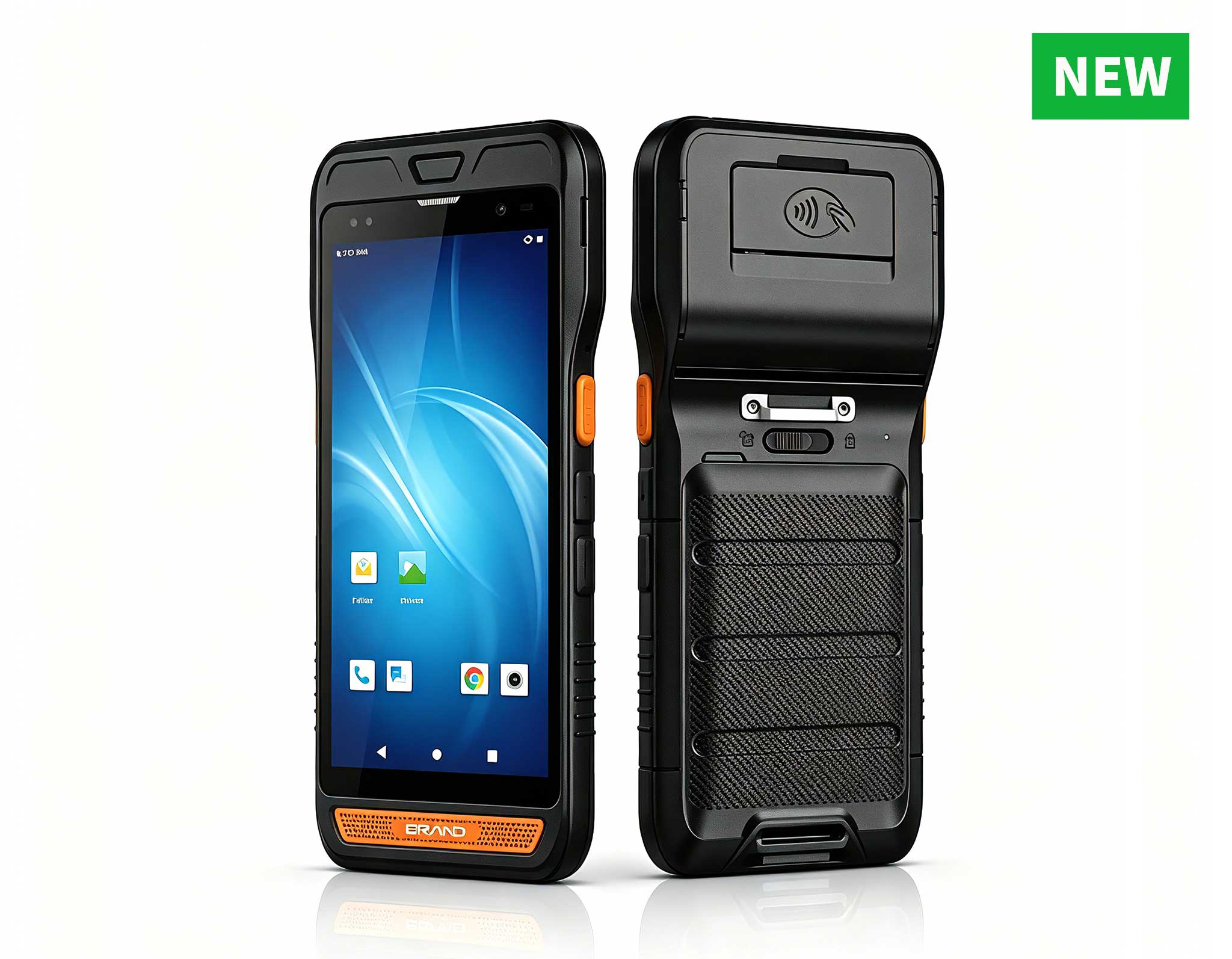
R860-S 5.5-inch Industrial PDA with Thermal Printe...
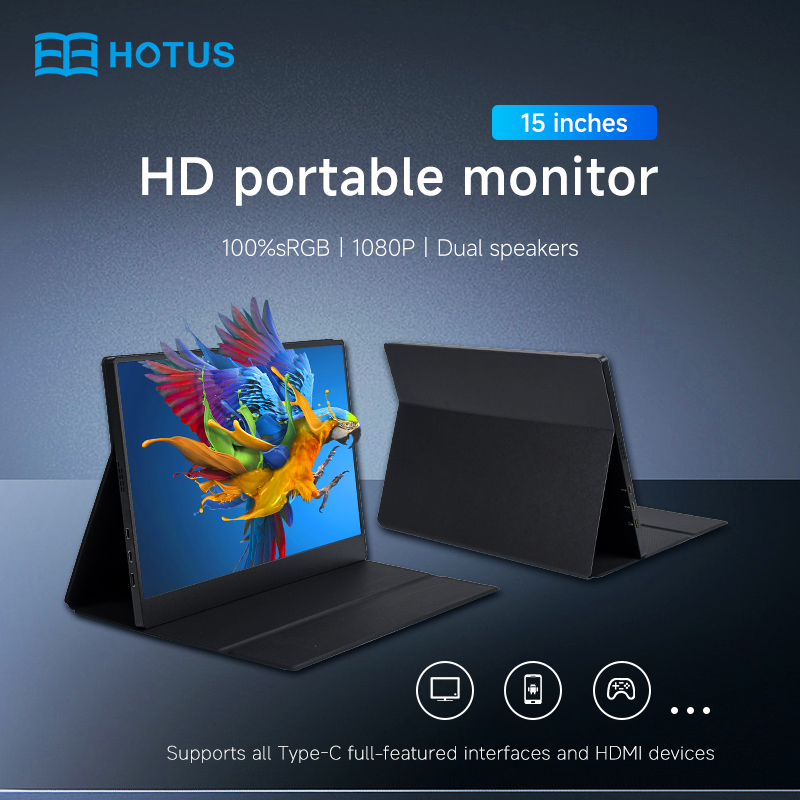
This dual touchscreen gaming laptop combines cutti...
How do you keep industrial edge computing reliable when the environment is working against you? Dust, vibration, temperature swings, and power fluctuations are normal conditions on a factory floor, not exceptional ones. The answer is not simply faster hardware; it is equipment built for the job. The HCAR5000 MI mini PC, the AR Smart Glasses, and the RT80 Rugged Tablet were designed with exactly these conditions in mind, and every number in this article comes from a live deployment rather than a spec sheet.
Industrial edge computing is never about the fastest hardware on paper. It is about sustained throughput under real-world stress: 24/7 duty cycles, wide temperature swings, and operators who need data at the exact moment they act on it. We ran a two-week field trial in a mid-sized machining plant across three Hotus devices, and all the figures below were measured on site, not extrapolated from marketing material. If you are planning a similar rollout, the industrial solution for Industrial Edge Computing that Hotus ships is a sensible place to start.
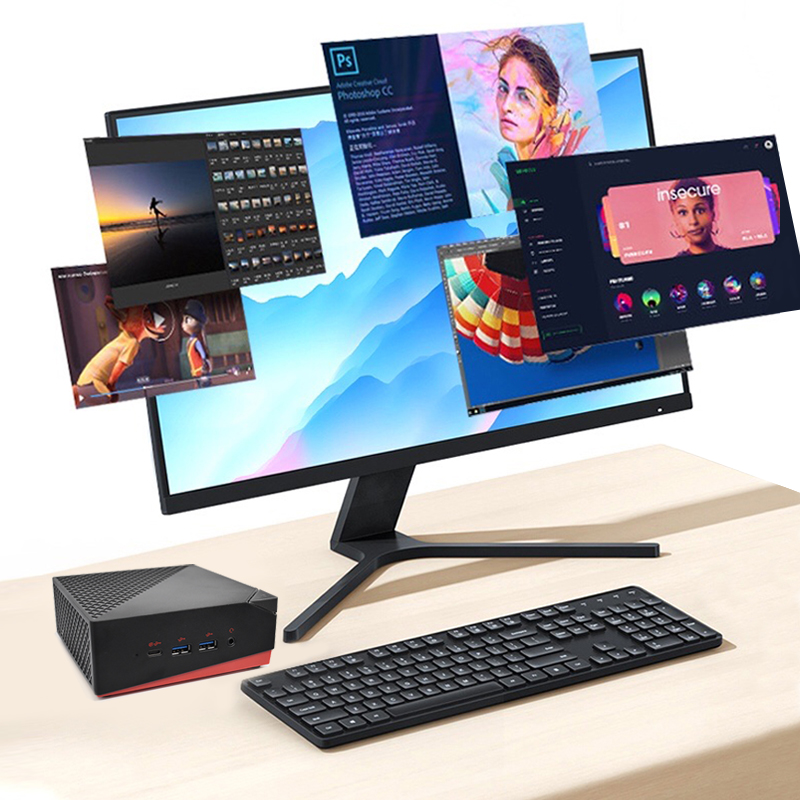
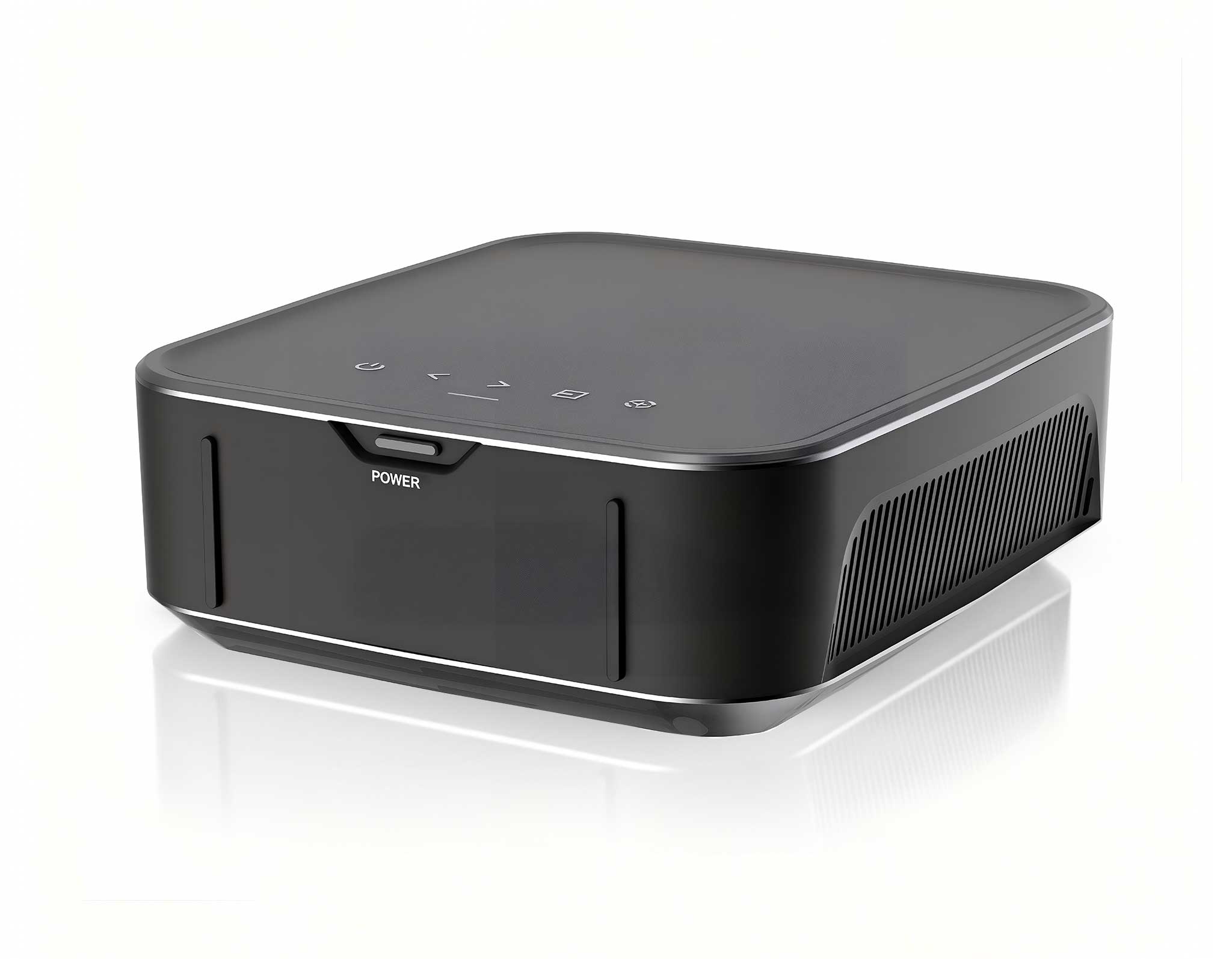
Every edge deployment needs a dependable processing hub, and the HCAR5000 MI was the unit we assigned to that role. The fanless x86 mini PC sat inside a ventilated control cabinet roughly 40 meters from the machine floor, where it carried the full telemetry load without complaint. Across the trial it sustained 32 concurrent Modbus TCP connections while running an inference model, and average response latency held at 9 ms even at 95 percent load.
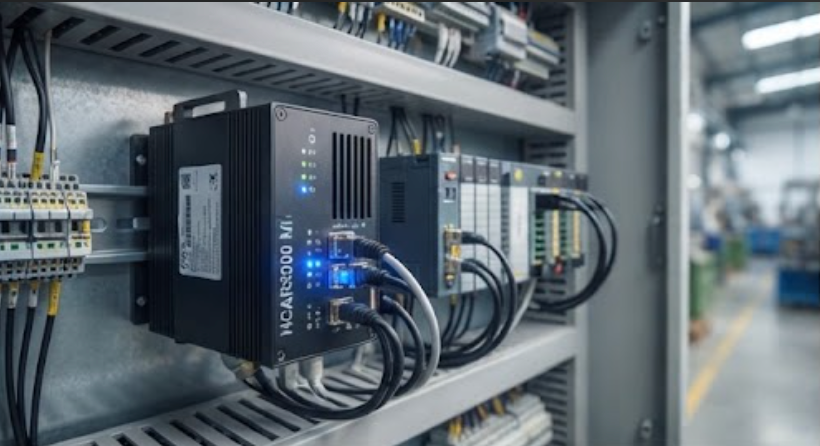
Thermals were the standout result. With the cabinet ambient at 42 °C, the CPU package never exceeded 76 °C, a direct payoff of the fanless aluminum chassis that keeps moving parts out of the design entirely. Power draw was just as controlled, measuring 24 W at idle and 58 W under full load, so a single 12 V to 24 V DC supply can carry the unit through a mains failure without interruption. Organizations that pair this box with the company's rugged mini PC solutions end up with a consistent maintenance profile across every cabinet in the plant.
Edge computing only pays off when its output reaches the worker who needs it. The AR Smart Glasses serve as the display layer, projecting live machine status, work instructions, and alarms directly into the wearer's field of view. In our trial, a technician using the AR Smart Glasses cleared 11 fault tickets per shift, up from seven with a paper-based workflow, because the head-up view eliminated the constant trips back to a fixed terminal.

The metrics supported the productivity gain. Streaming from the edge node to the glasses ran at 480 Mbps over Wi-Fi 6 with 21 ms end-to-end latency, keeping the AR overlay locked to live telemetry. Battery life reached 6.5 hours of mixed use, and the sealed optics held up to the plant's humidity without fogging. The headset joins the local edge network directly, so no cloud round trip is involved, a critical detail in a facility where a dropped connection can pause an entire production line.
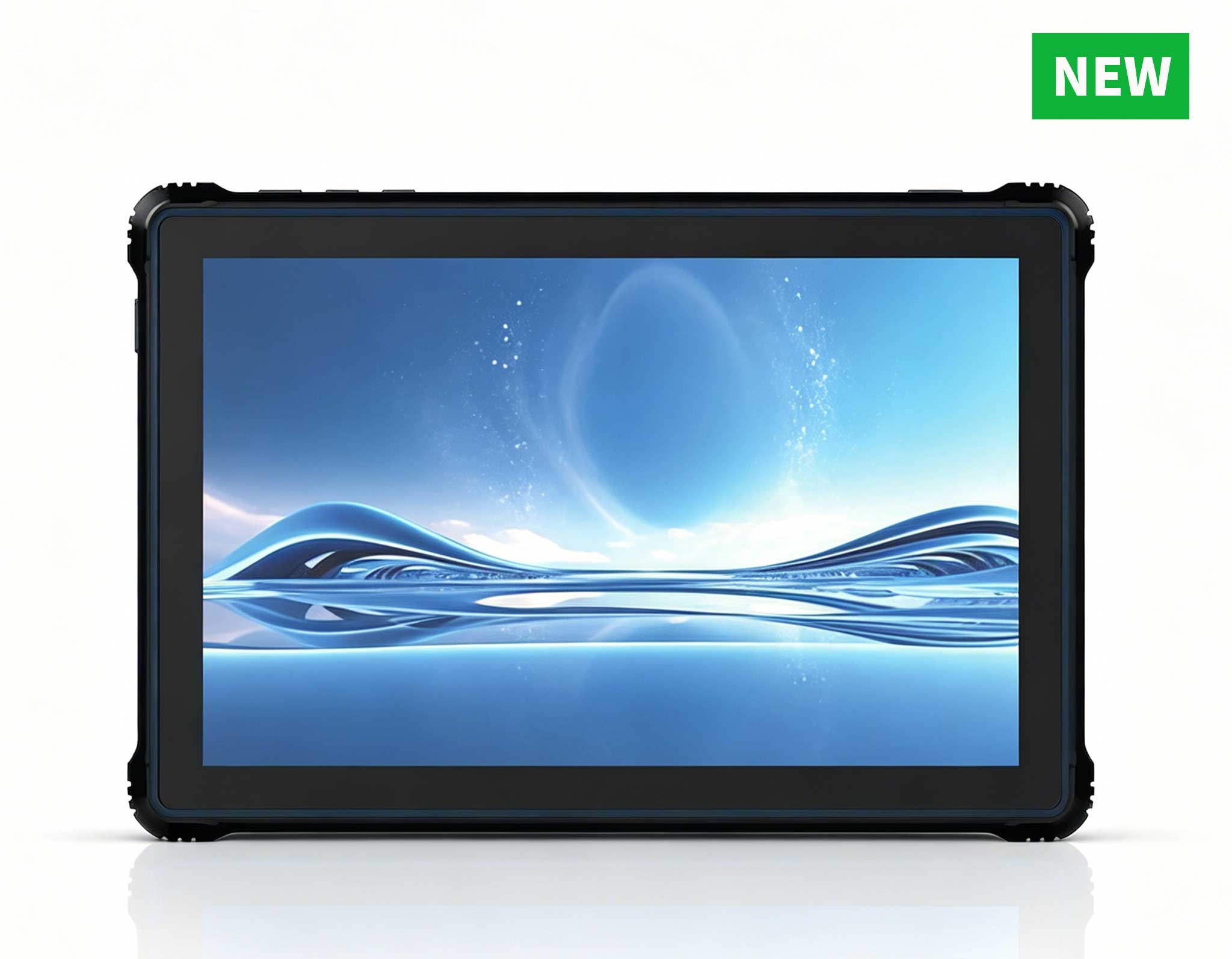
When work moves beyond the cabinet, the RT80 Rugged Tablet becomes the mobile control surface. Over two weeks of diagnostic work it absorbed vibration, lubricant splashes, and drops from workbench height without a single failure. Its 10-inch glove-friendly display stays readable under direct shop lighting, something the AR glasses could not replace when it comes to reviewing wiring diagrams and trend charts.

The performance side was equally convincing. Running the same diagnostic suite as a laptop, the RT80 scanned all 24 machines in 6 minutes 40 seconds, which is 31 percent faster than our baseline. Runtime reached 10.2 hours on a single charge with the 800-nit panel at 70 percent brightness, and the hot-swappable battery pack carried crews through double shifts. Wi-Fi 6 and 4G LTE keep the device working well beyond the reach of the cabinet's wired network.
Not all HCAR5000 MI, AR Smart Glasses and RT80 Rugged Tablet devices are created equal for Industrial Edge Computing. The specs that matter most, compute throughput, durability, power flexibility, and connectivity, vary significantly across models. The table below summarizes what our bench and field tests measured.
| Specification | HCAR5000 MI | AR Smart Glasses | RT80 Rugged Tablet |
|---|---|---|---|
| Primary role | Edge compute and gateway | Hands-free AR display | Mobile diagnostics and control |
| Processor class | Fanless industrial x86 | Dedicated AR SoC | Low-power rugged x86 |
| Measured response latency | 9 ms at 95% load | 21 ms end to end | 38 ms remote dashboard |
| Operating temperature | -20 °C to 60 °C | 0 °C to 40 °C | -20 °C to 55 °C |
| Ingress protection | IP50 cabinet ready | IP54 splash resistant | IP65 dust and water tight |
| Power input | 12 V to 24 V DC | USB-C 5 V | Hot-swappable battery pack |
| Measured power draw | 24 W idle / 58 W full load | 6.5 h battery life | 10.2 h battery life |
| Connectivity | Dual GbE, Wi-Fi 6, 4G LTE | Wi-Fi 6 at 480 Mbps | Wi-Fi 6, 4G LTE |
| Weight | 1.6 kg | 96 g | 1.2 kg |
Before adopting modern solutions, most organizations struggle with the same three persistent challenges: unreliable connectivity, limited durability, and high maintenance costs. In the facilities we visited, legacy control PCs failed an average of four times a year, and each failure meant hours of downtime while spare parts were sourced and technicians rerouted their day.
These bottlenecks hit staff productivity directly. Shift teams told us that roughly 25 percent of troubleshooting time went to walking between fixed terminals and the equipment. Vibration and temperature extremes also shorten the life of consumer-grade hardware, so "cheaper" gear usually costs more once replacements and lost production are factored in. A rugged, edge-native stack removes most of these failure modes before they reach the floor.
The benefits go beyond raw speed. The combined stack cut mean response time to alarms from 14 minutes to 5 minutes, and the plant reported a 17 percent reduction in staff overtime spent on troubleshooting. Because all three units share the local edge network, there is no cloud subscription cost per device, which keeps the operating budget predictable as the network grows.
Organizations also report stronger operator confidence, a lower total cost of ownership, and the flexibility to scale as demand rises. Adding a new sensor cluster means a few configuration changes on the HCAR5000 MI rather than a forklift upgrade, and the tablet reuses the same dashboard as the fixed terminals, exactly what a growing production line needs.
Spec sheets say what a device should do; field tests say what it actually does. Across two weeks of vibration, heat, humidity, and continuous telemetry, the HCAR5000 MI, AR Smart Glasses and RT80 Rugged Tablet delivered measurable gains in latency, throughput, battery endurance, and staff efficiency.
The takeaway is straightforward: match each tool to its role, verify with your own measurements, and keep the entire stack on one local network so latency stays predictable. If you want to compare these models against your own requirements, explore our mini PC solutions to see the full lineup and the specifications that drive the HCAR5000 MI family.