- Select Language
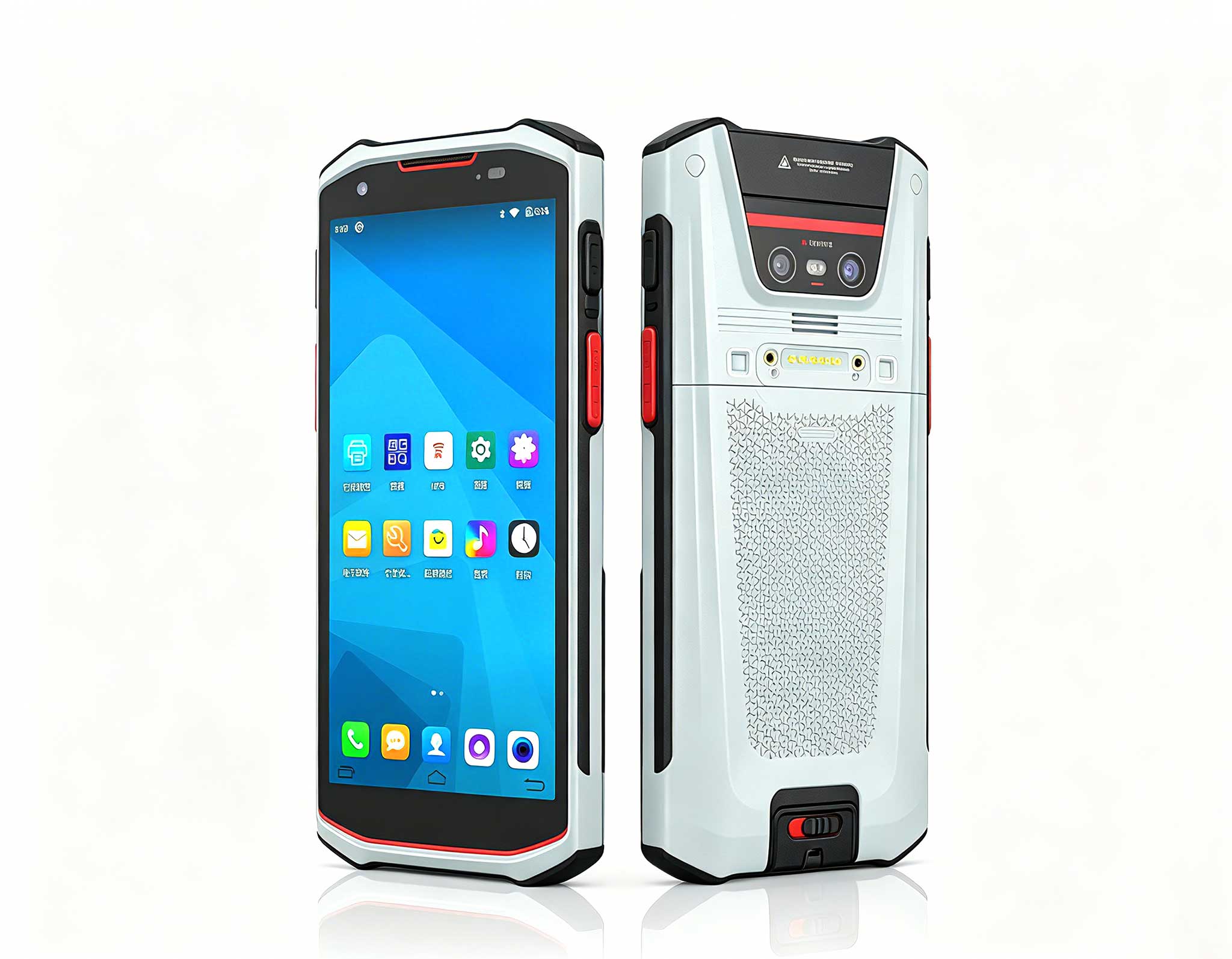
R530C 6.0-inch Industrial PDA | Qualcomm Octa-core...
R350C 4-inch Industrial Handheld PDA | Qualcom...
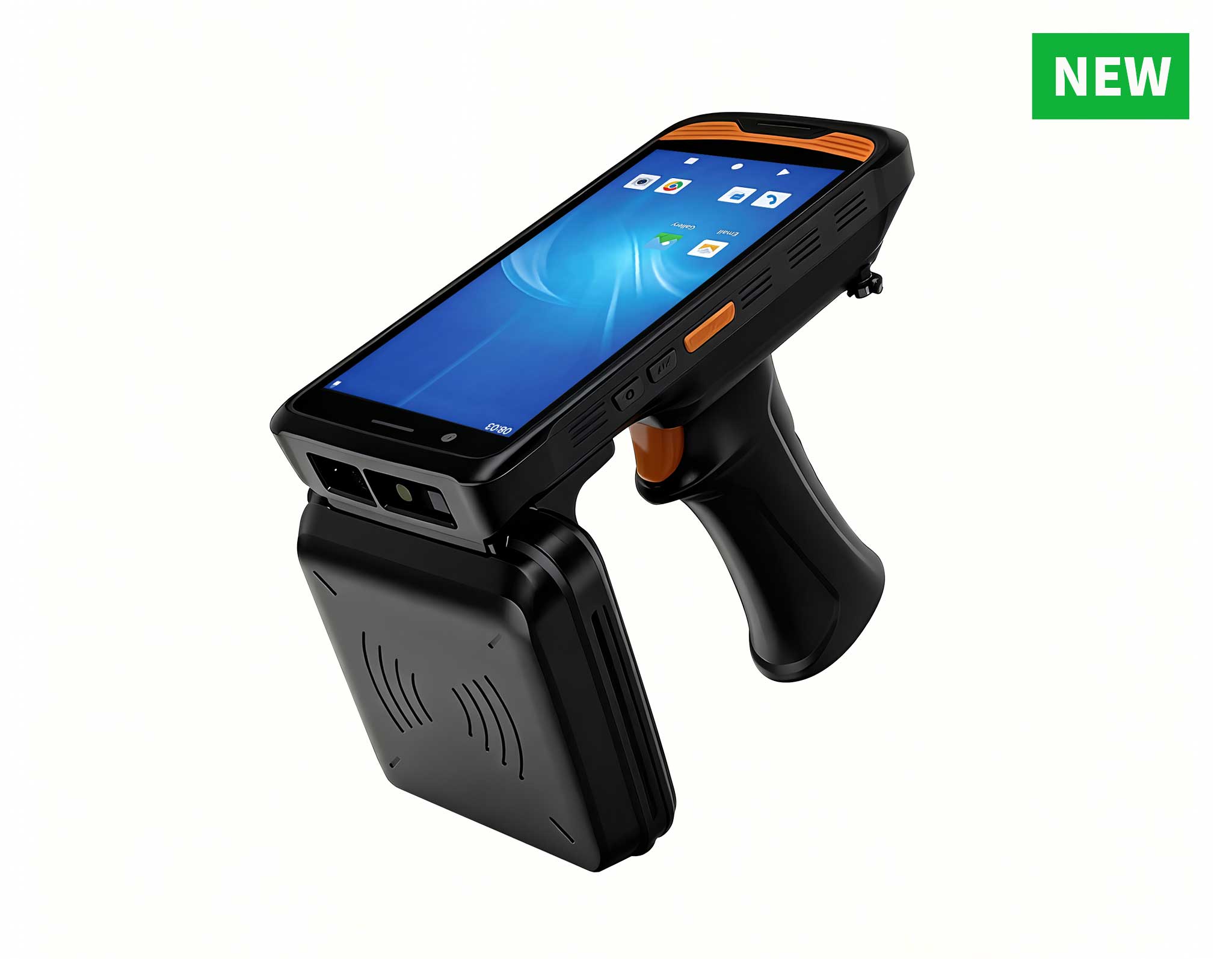
R366C-S 5.5-inch Industrial UHF RFID Reader | Qual...
Maintenance instructions: Store at room temperatur...
Enterprise Flagship SeriesEngineered for mission-c...
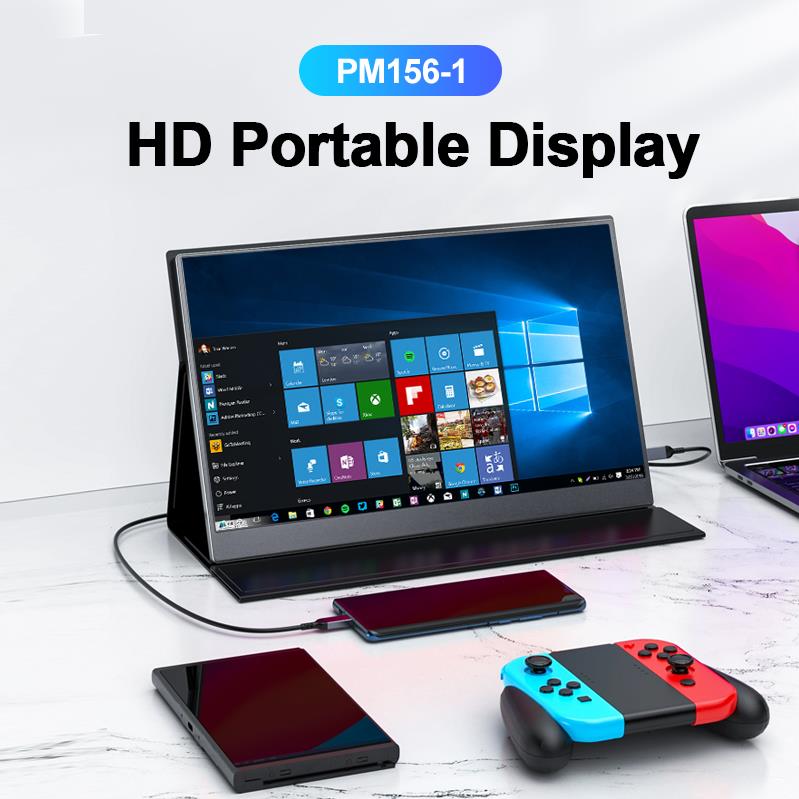
The PM156-1 is a 15.6-inch portable PC monitor fea...
The EGPU Graphics Card Expansion Dock is a high-pe...
Here is the reality that most institutions face: in a large computer classroom, a teacher at the front of the room often has to compete with the hum of dozens of cooling fans just to be heard clearly. Students in the back rows strain to follow instructions, and the lesson quietly loses momentum. That is why more schools, universities and training centers are turning to the HTNJ08A Rugged Tablet, ST13-J and ST11-J for a fundamentally different approach to classroom technology. As digital teaching reshapes campus infrastructure, computer rooms and language labs are no longer simple rows of desktop PCs tethered to the wall. They are becoming flexible, multi-purpose learning environments in which audio clarity, device reliability and mobility determine the quality of the experience. For institutions that serve large groups of learners, choosing the right hardware now carries as much weight as choosing the right curriculum.
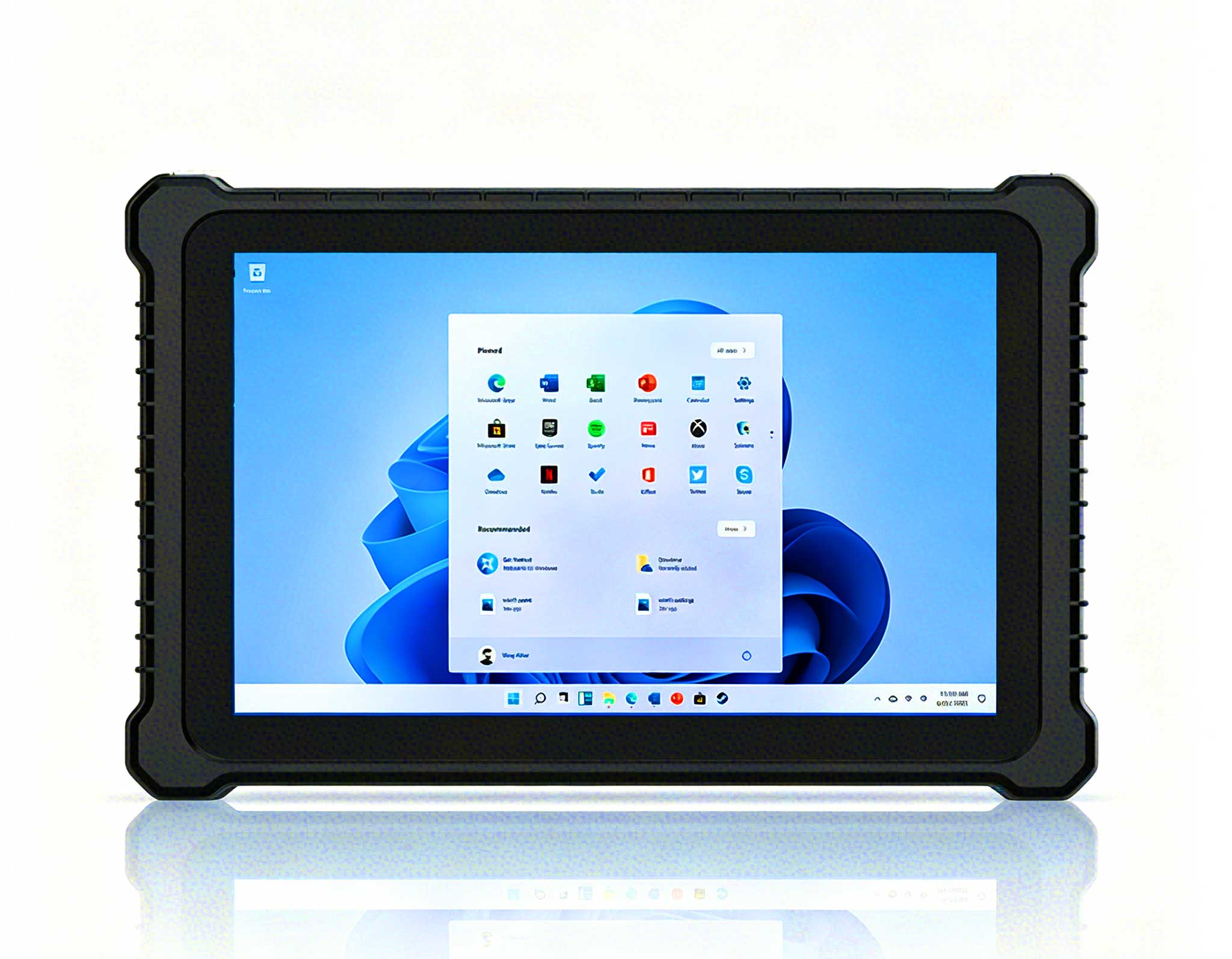
Digital teaching is expanding quickly across the education sector. Classrooms today blend in-person instruction with online resources, recorded lectures, quiz platforms and interactive group activities, often within the same lesson period. That shift demands equipment capable of surviving long school days, frequent movement between rooms and constant handling by students and staff alike. The HTNJ08A Rugged Tablet is engineered for exactly these conditions, combining durable construction with dependable day-to-day performance and a form factor that fits naturally into modern computer labs, lecture halls and project-based learning spaces.
Institutions that have standardized on this hardware consistently report improved satisfaction among students and teaching staff, fewer overtime hours spent on equipment troubleshooting, and a lower total cost of ownership compared with older desktop-based setups. Because the devices share a common Windows platform, IT teams gain the flexibility to scale operations as enrollment grows. For a school's technology department, that translates into fewer service tickets, less downtime and a clearer budget story when administrators ask why the campus should invest in upgraded classroom technology.

Industry research points in one direction: more than 65% of education operators plan to upgrade their audio and classroom equipment within the next two years. The primary drivers are better audio quality, longer battery life and systems that are intuitive enough for temporary staff and substitute teachers to operate without extensive training. The same forces are reshaping the education tablet market, where shipments continue to climb as hybrid learning becomes the default model rather than the exception. Administrators are no longer asking whether to invest in mobile learning devices; they are asking which devices will hold up over a full depreciation cycle.
Beyond audio, the broader classroom upgrade trend points firmly toward rugged, mobile hardware. Schools are replacing fixed desktops with tablets and small-form-factor computers that can move freely between labs, libraries and project-based learning spaces. Educators report that students stay more engaged when they can work in small groups with reliable personal devices, and administrators appreciate hardware that survives daily use without constant repair. This is exactly the direction in which an industrial solution for Education proves its value in real deployments, where uptime is measured in semesters rather than in spec sheets.
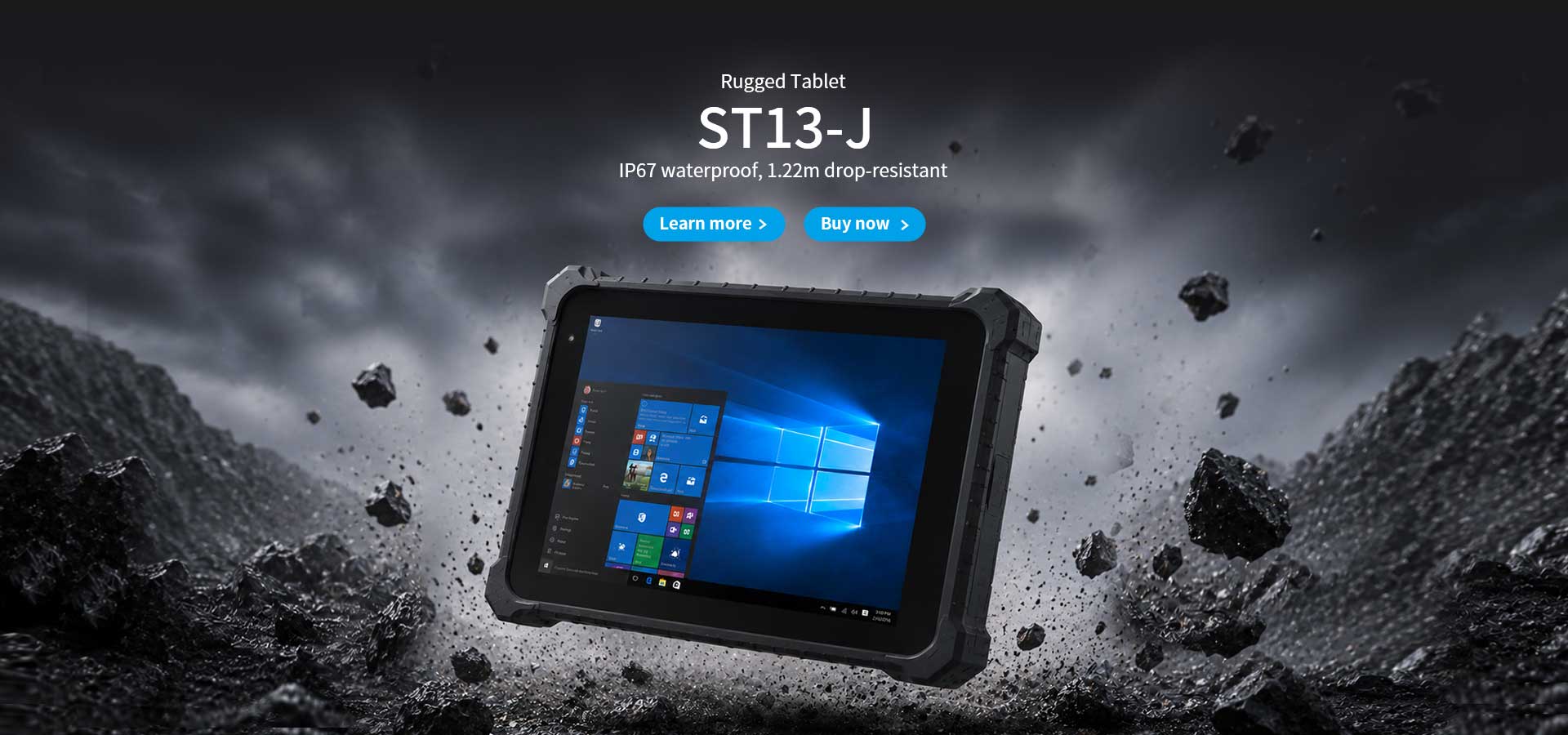
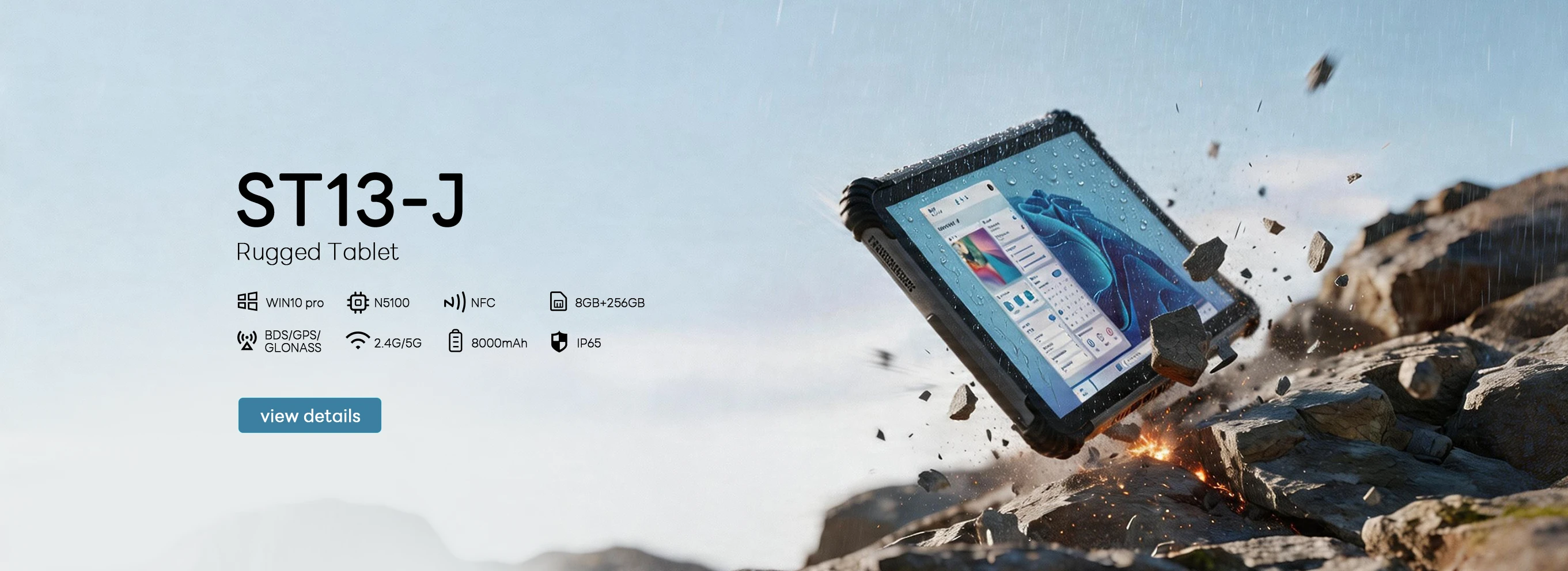
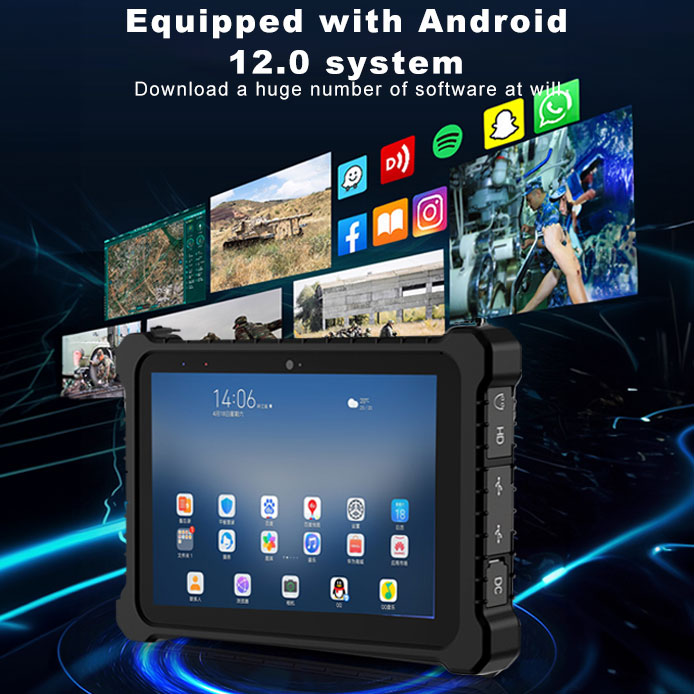
Choosing between the three models depends largely on the role each device is expected to play in your computer classroom. The HTNJ08A Rugged Tablet serves as the versatile all-rounder for mobile instruction and group activities, moving with the teacher or traveling between stations as the lesson requires. The 10.1-inch Windows ST11-J Rugged Industrial Tablet offers a compact footprint that fits neatly on shared desks and maximizes the number of stations per square meter, while the 13.3-inch Windows ST13-J Rugged Industrial Tablet delivers a larger screen better suited to content-heavy subjects such as design, engineering and multimedia production, where every pixel of workspace matters.

| Model | Best Position in Education | Screen Form Factor | Ideal Use Case |
|---|---|---|---|
| HTNJ08A Rugged Tablet | Mobile instruction and flexible labs | Compact rugged tablet | Group work, field learning, roving teachers |
| ST11-J | Shared desks and computer rooms | 10.1-inch panel | Language labs, quiz stations, exam terminals |
| ST13-J | Content-heavy classrooms | 13.3-inch panel | Design, engineering and multimedia courses |
The HTNJ08A Rugged Tablet remains the anchor of this lineup because it pairs true mobility with the processing power required by modern learning applications, from video playback to browser-based collaboration tools. All three devices run Windows, which means schools can standardize on the same software, management tools and security policies across every classroom without compatibility headaches. That single-platform approach simplifies provisioning, cuts training time for IT staff and makes it practical to redeploy devices between labs as timetables change.
Consider the experience of a facility manager at a large education institution that was struggling to make itself heard, quite literally. Their classrooms routinely handled groups of 50 or more learners in a challenging acoustic environment where sound bounced off hard surfaces and lost definition before reaching the back rows. After evaluating several options, they deployed the HTNJ08A Rugged Tablet, ST11-J and ST13-J across their computer rooms and language labs. The results were measurable and immediate: satisfaction scores improved noticeably, lab bookings increased as teachers gained confidence in the equipment, device failures dropped sharply, and temporary staff could run a full session after just a short orientation. Equipment that used to cause interruptions had become the quiet backbone of the daily timetable.
Deployments like this also rely on supporting hardware that keeps the whole classroom running smoothly. Alongside rugged tablets and panel computers, many institutions pair their learning stations with rugged mini PC solutions for fixed workstations, media servers and digital signage across campus buildings. The result is a consistent hardware ecosystem that is easy to source, simple to maintain and ready for whatever the next school year brings, whether that means new software, new courses or simply more students.

The education industry is moving toward flexible, durable and audio-ready classroom hardware, and the data confirms that operators are investing now rather than waiting for the next budget cycle. The HTNJ08A Rugged Tablet, ST11-J and ST13-J give schools a clear upgrade path: a rugged tablet for mobile instruction, a 10.1-inch panel for dense computer rooms and a 13.3-inch panel for content-heavy subjects. Each device is built to withstand daily classroom use, support clear communication and integrate seamlessly with standard Windows management tools, so the technology fits the way schools already work.
For administrators planning their next equipment refresh, the message is simple. Choose hardware that teachers actually want to use, that survives student handling and that scales with hybrid learning demand. With the right rugged devices in place, education facilities can deliver consistently better learning experiences, lower operating costs and a future-proof foundation for digital teaching.