- Select Language
The X501 Handheld PDA combines advanced barcode sc...
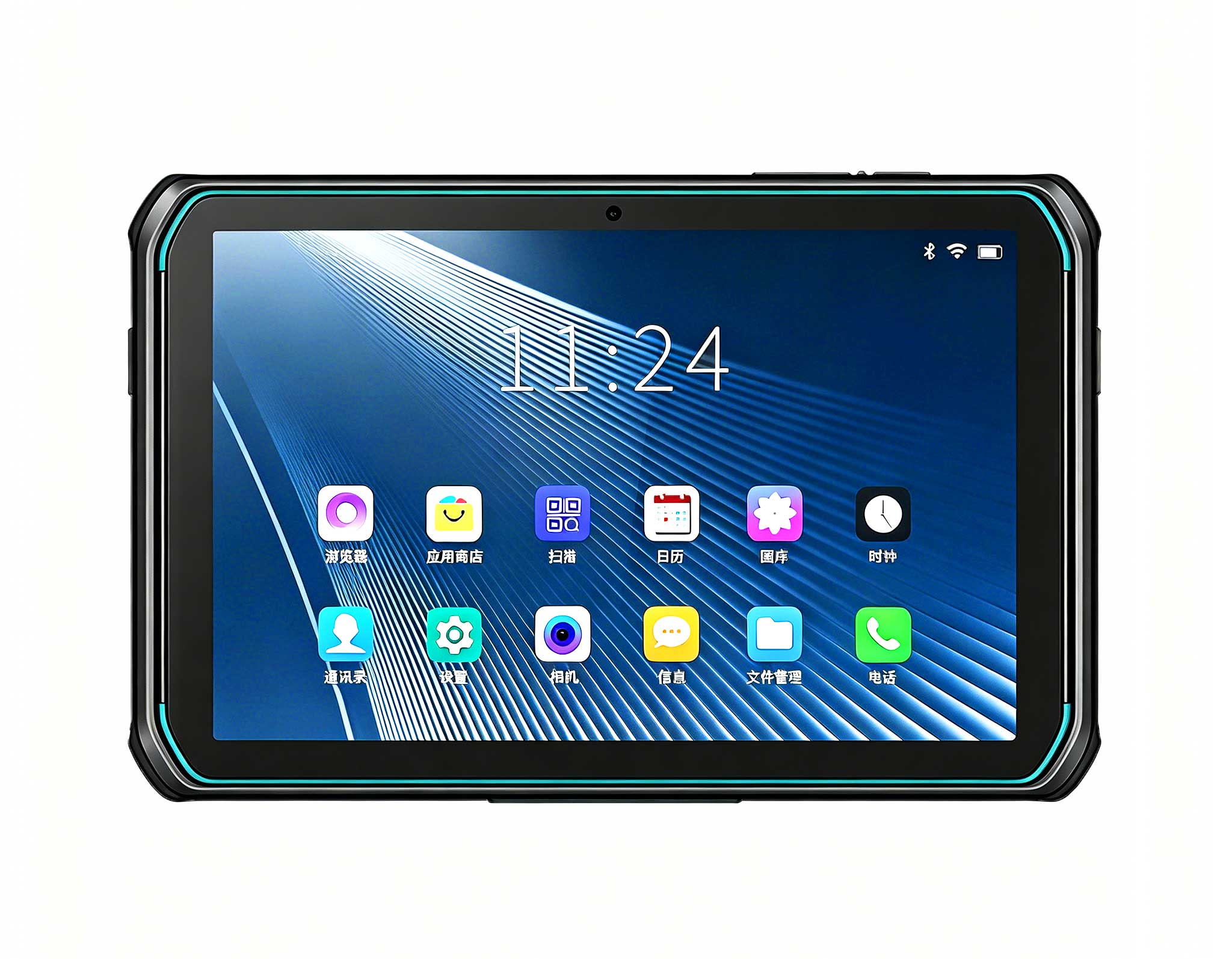
P11 Series Next-Gen Enterprise Rugged Industrial ...
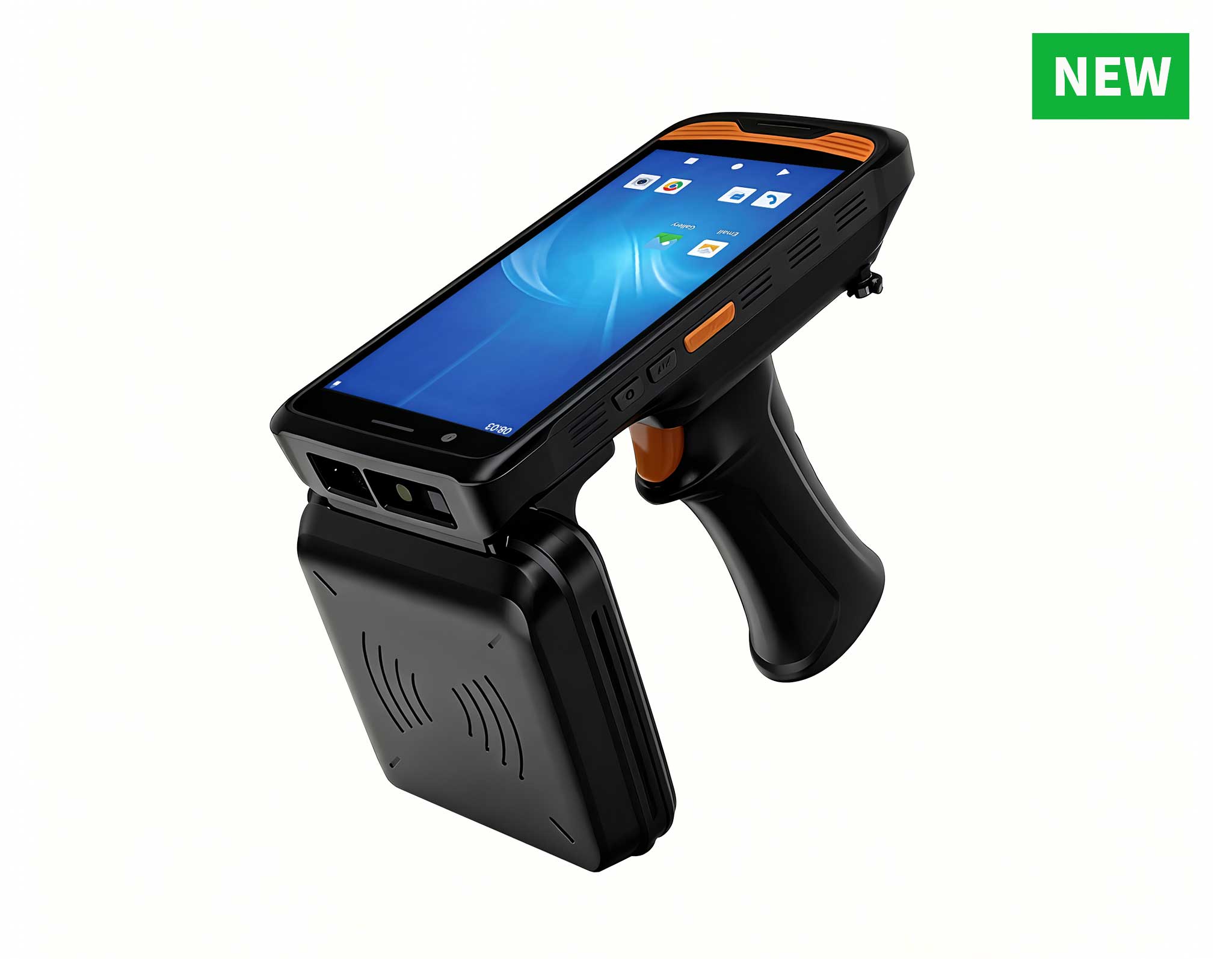
R366C-S 5.5-inch Industrial UHF RFID Reader | Qual...
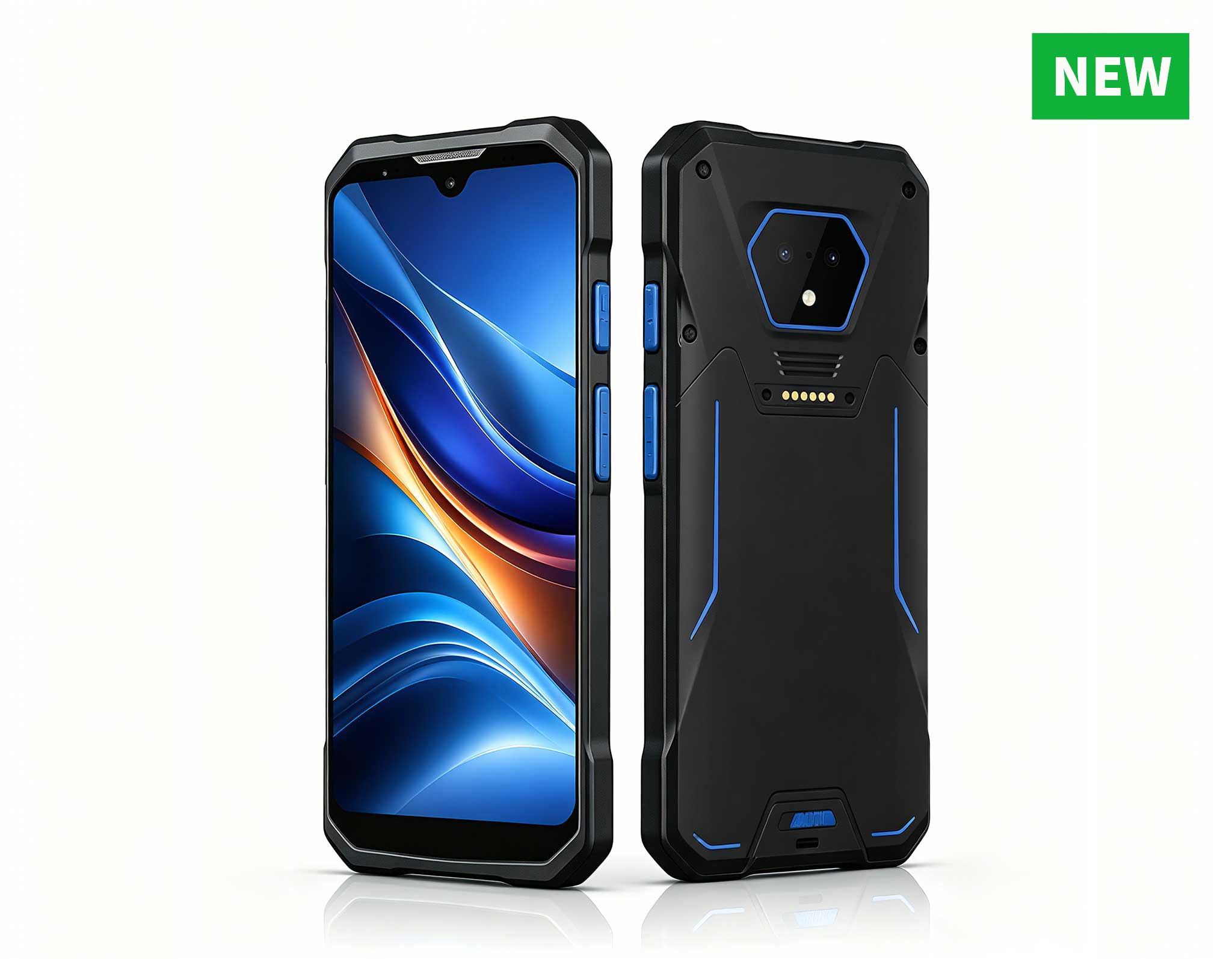
RS51 4G Rugged Handheld Terminal | 6.3" FHD+ ...
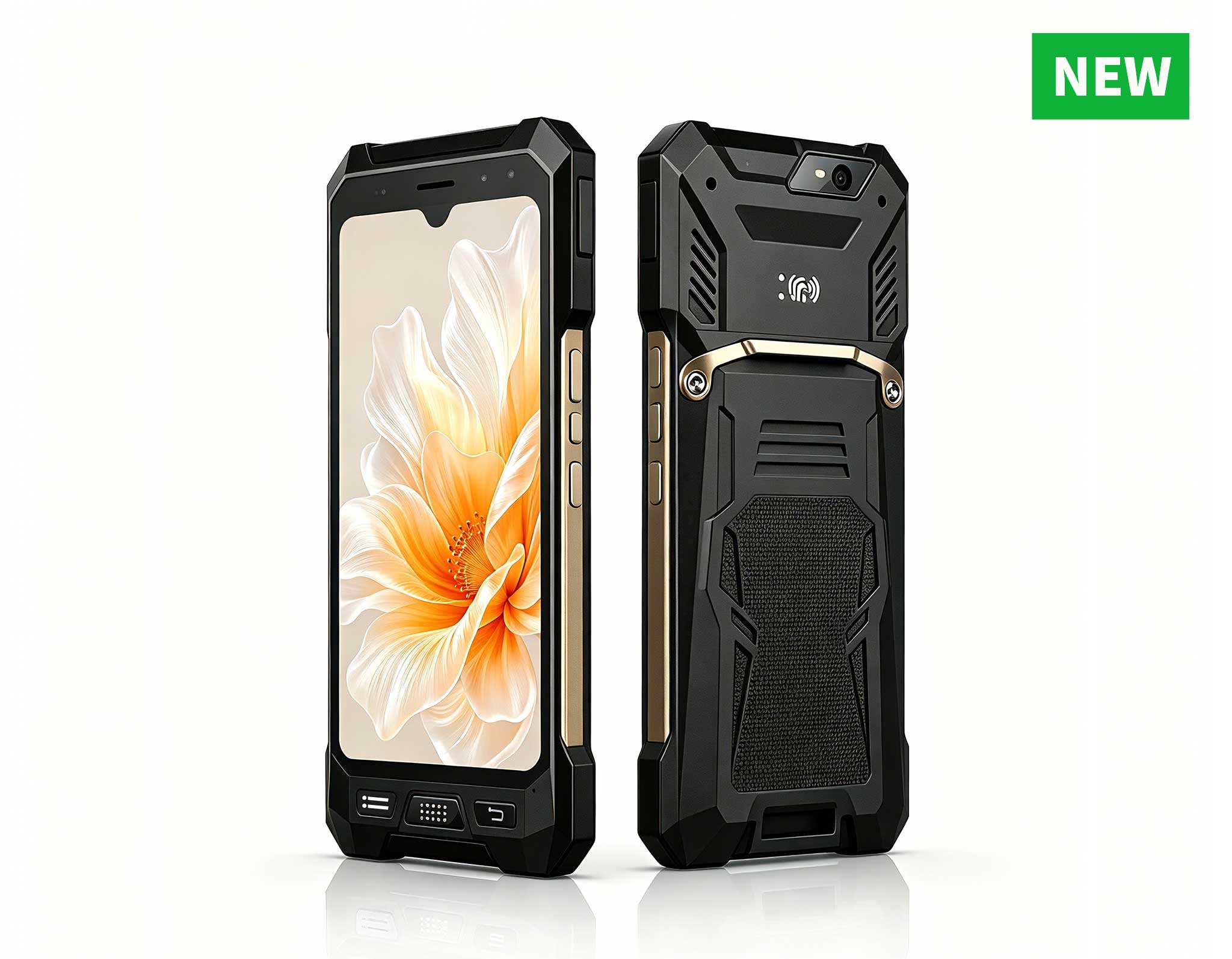
R530C 6.0-inch Industrial PDA | Qualcomm Octa-core...
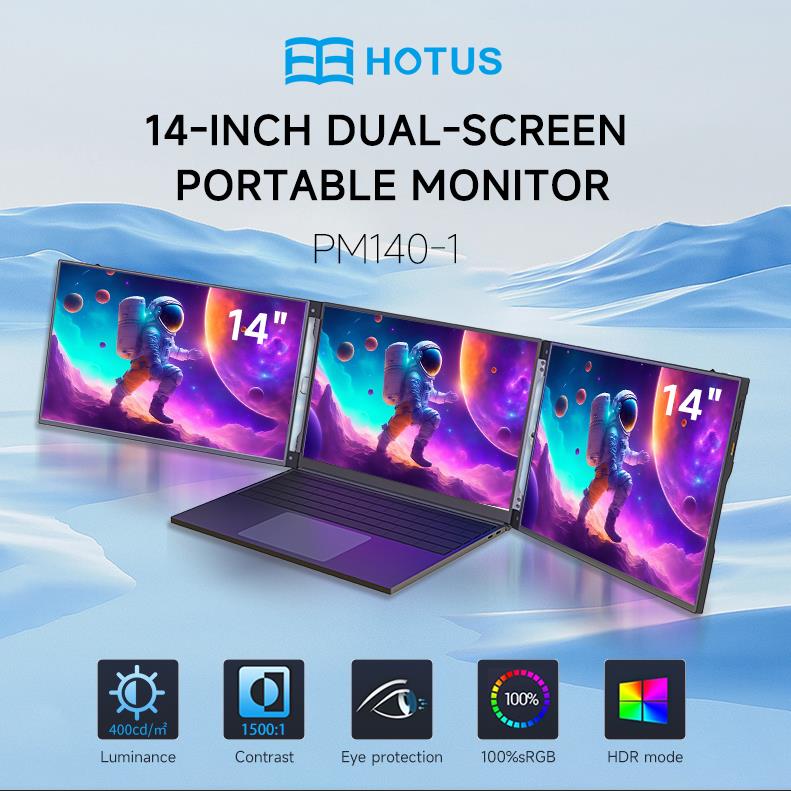
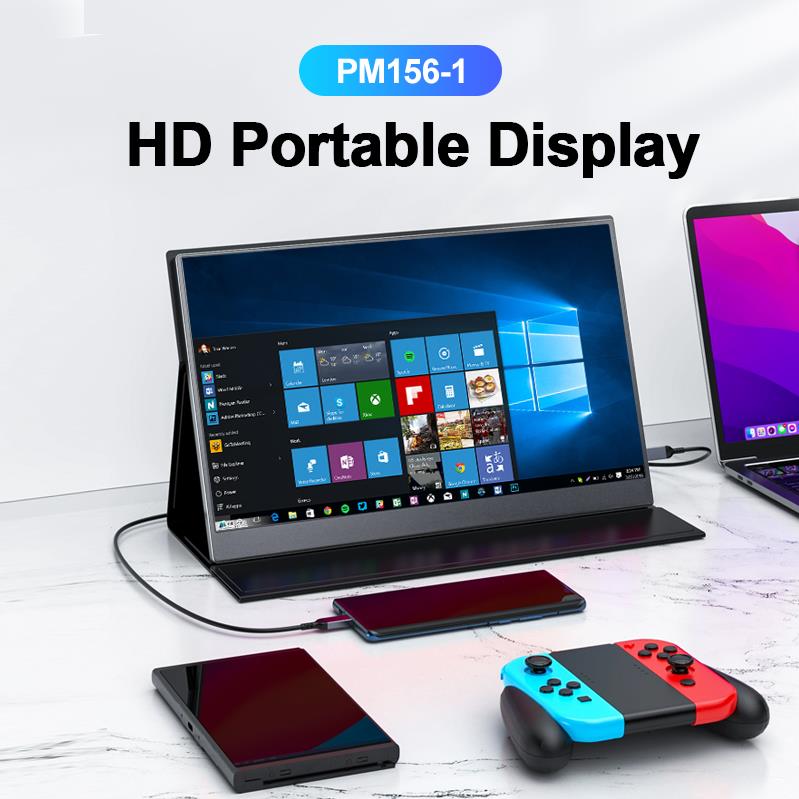
The PM156-1 is a 15.6-inch portable PC monitor fea...
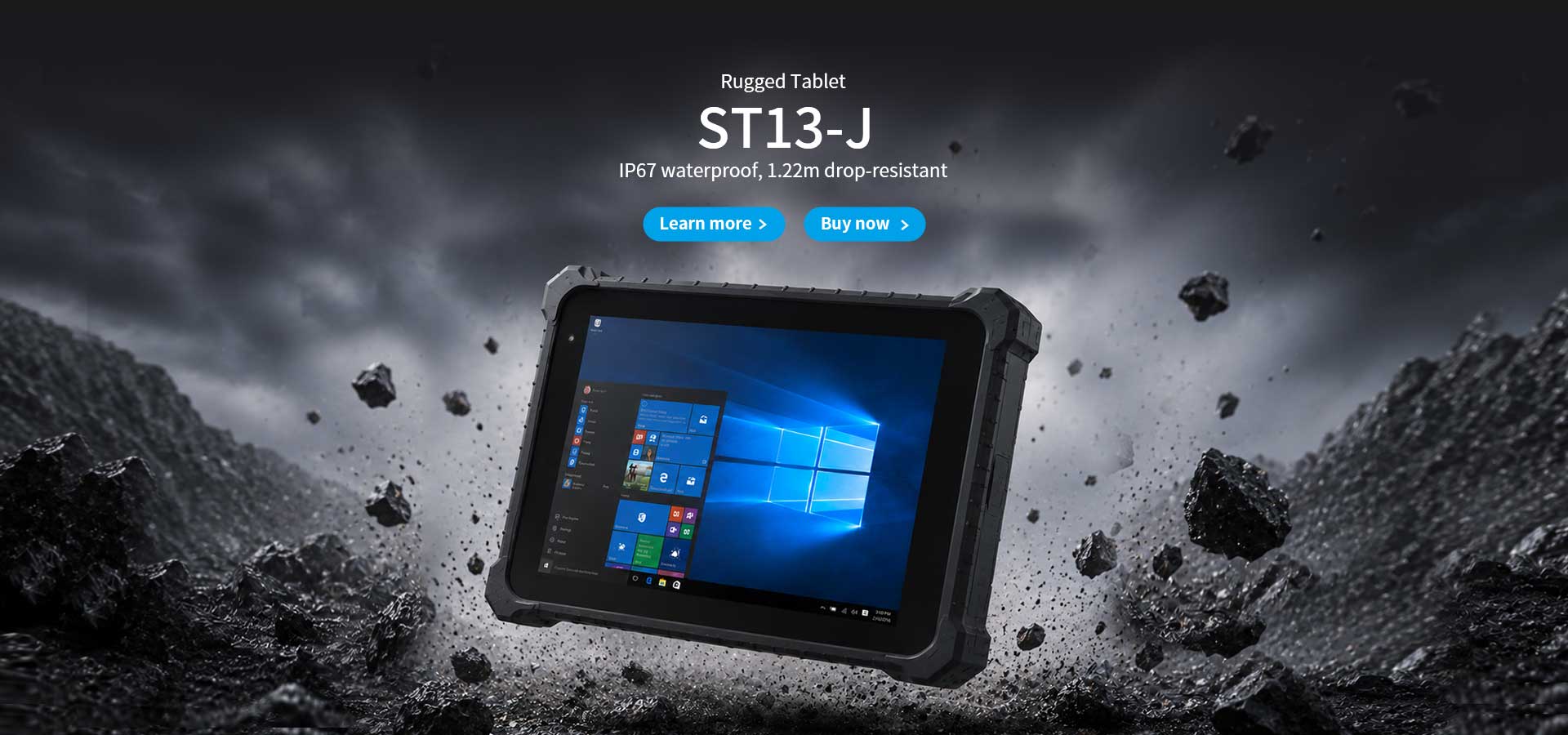
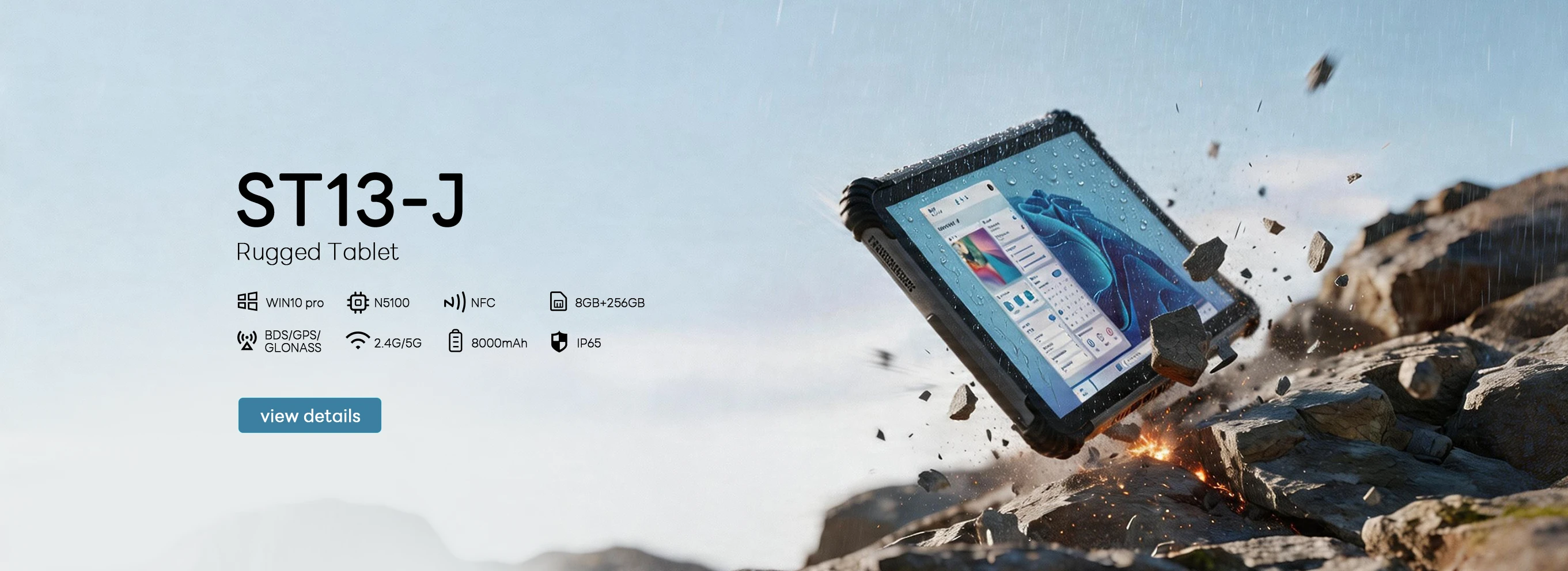
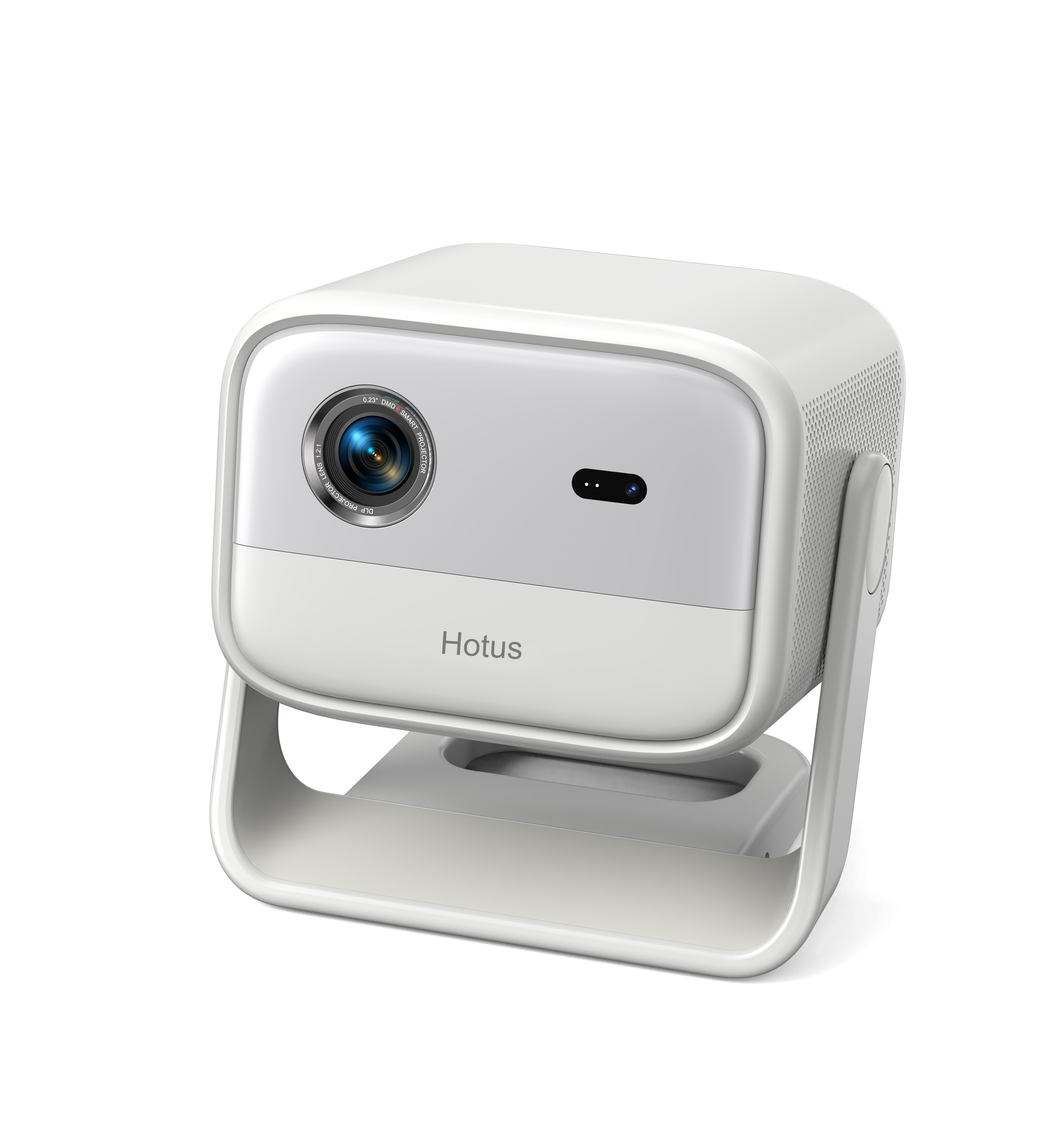
Full SpecificationsModelHotus ST13‑JOSWindows 10 P...
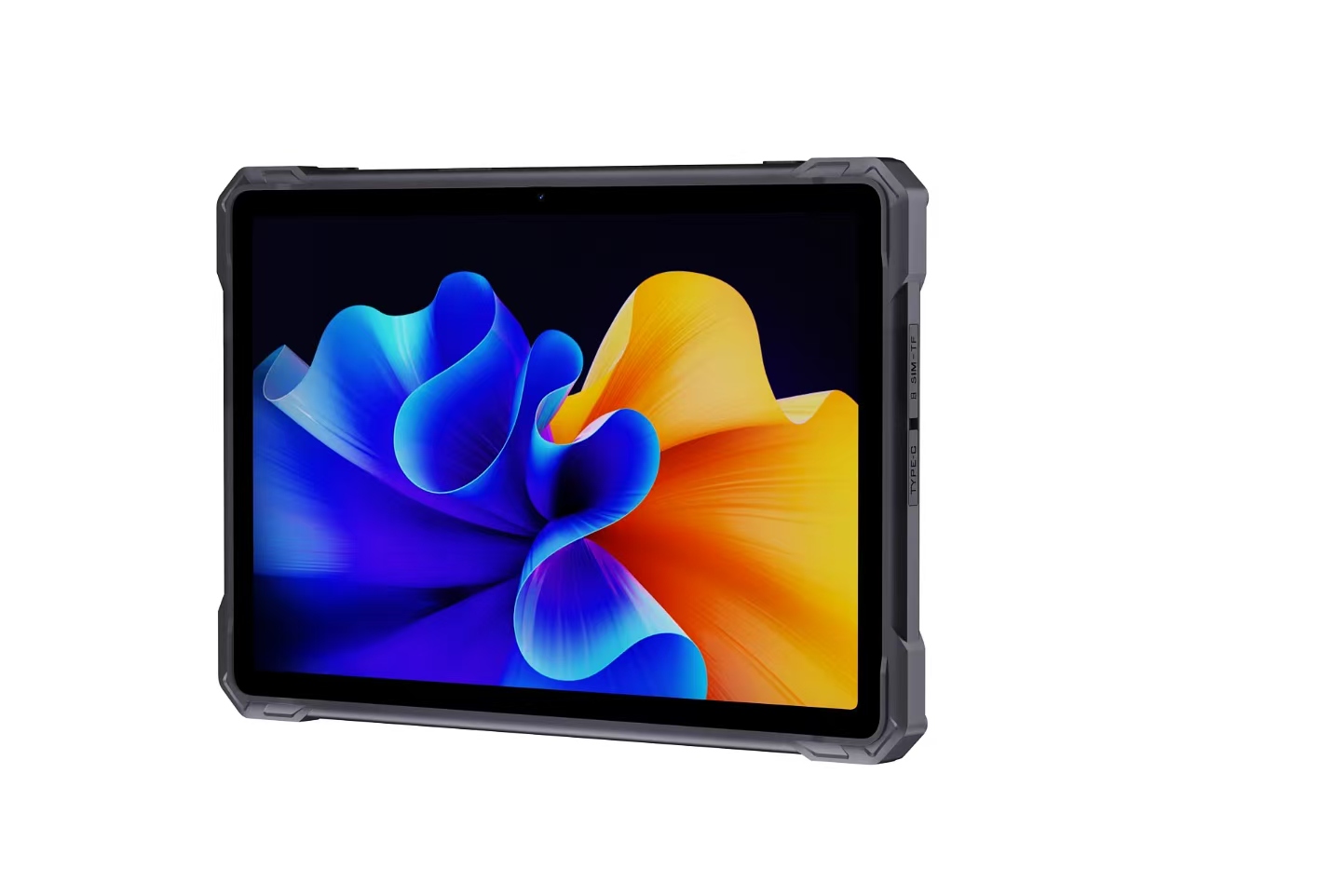
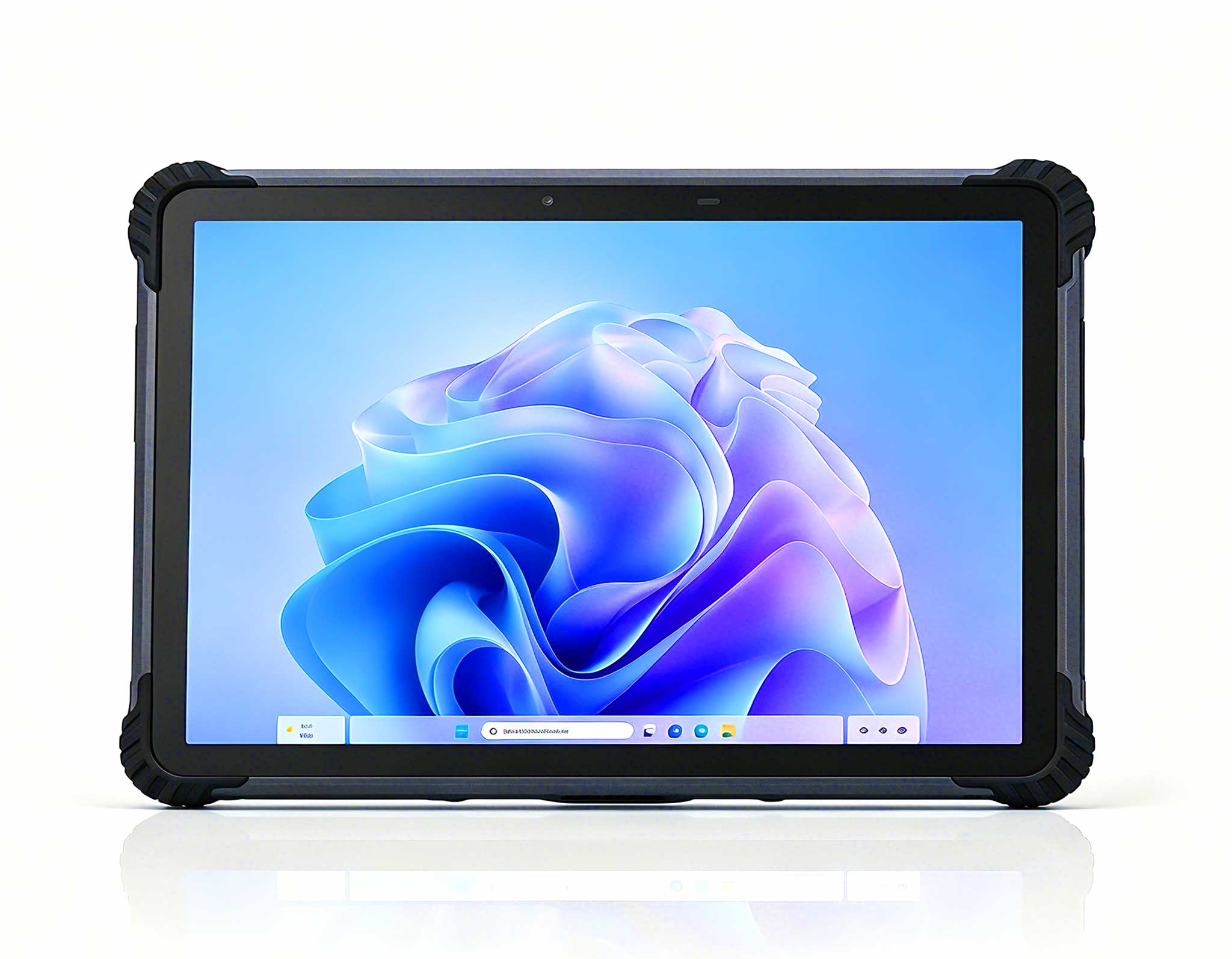
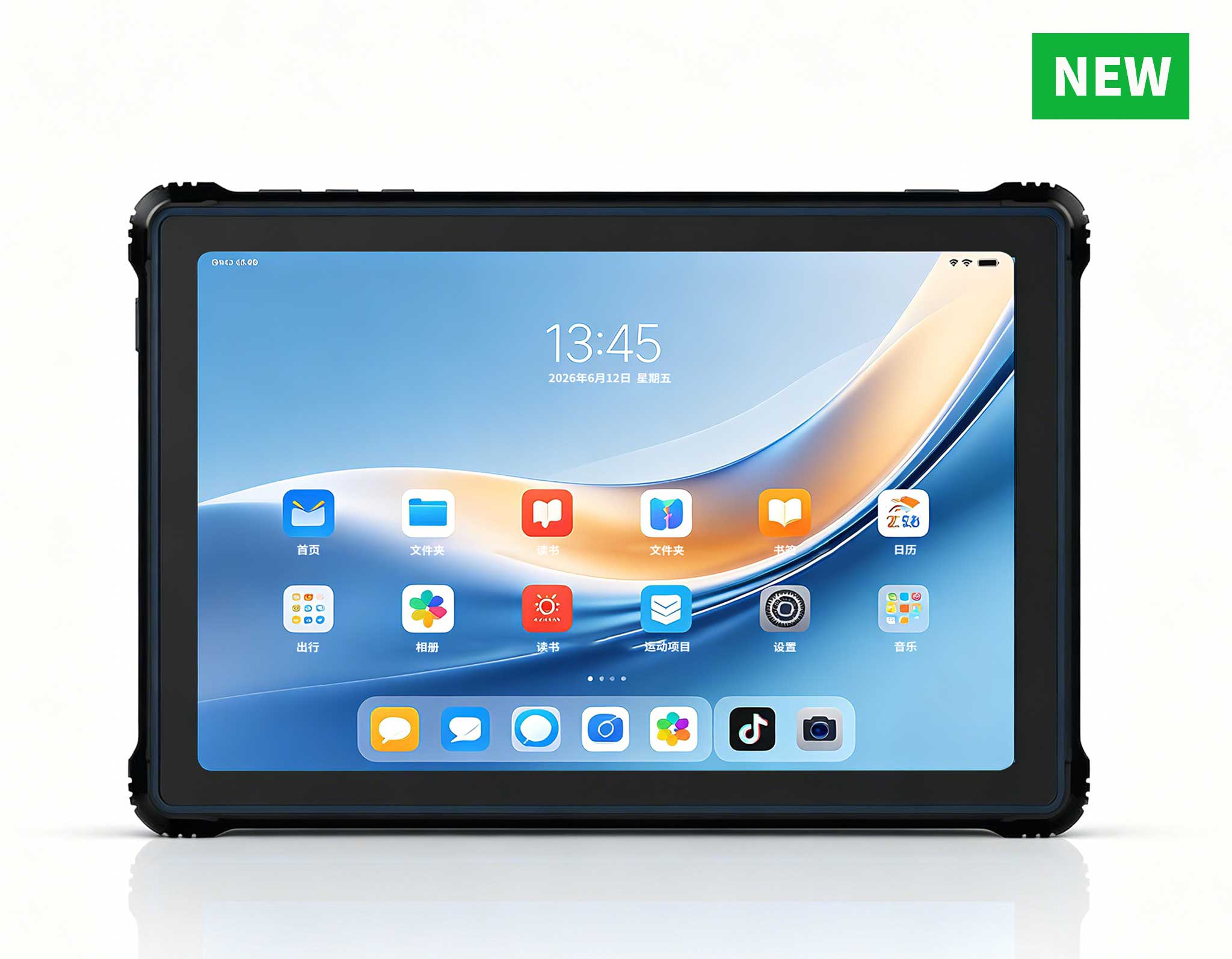
RT81 4G Rugged Tablet | 10.1" FHD 400nit | Qu...
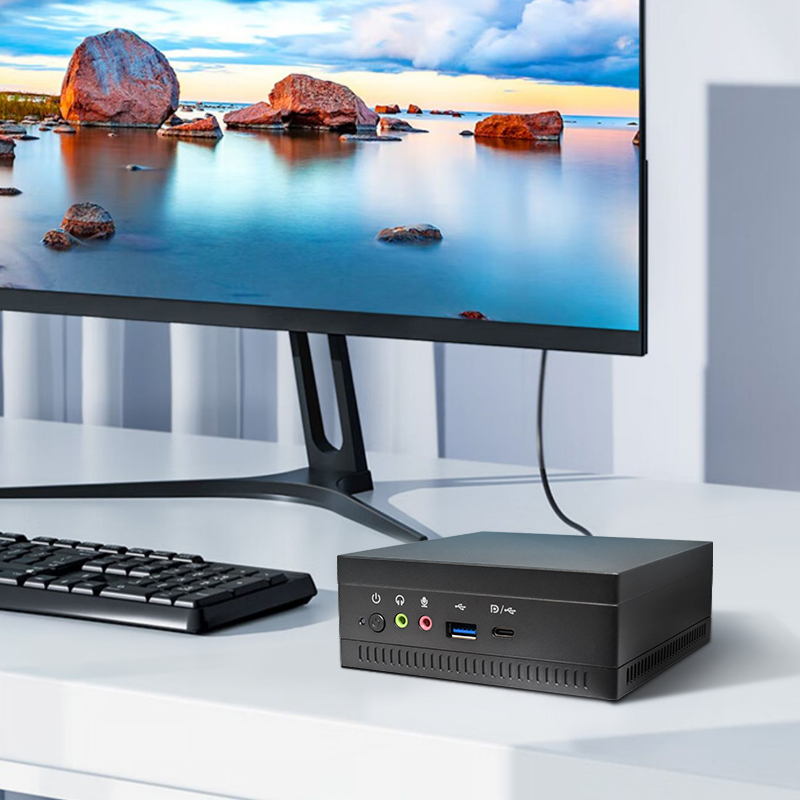
This ultra-compact mini PC offers powerful perform...
When a distribution manager asks me how to justify a handheld refresh, I start with the cost of the status quo. Paper-based picks, manual cycle counts, and walkie-talkie coordination quietly drain hours on every shift, and the errors they create show up later as mis-ships and angry customers. In my experience, the fastest payback in a warehouse comes not from a bigger system, but from putting the right rugged scanner in every worker's hand. Before any purchase order, I ask the team to log one week of re-scans, re-counts, and exception tickets; that baseline is what turns a vague "we should modernize" into a number we can defend to finance. That is exactly why we built dedicated warehouse and logistics solutions around industrial PDAs instead of generic consumer phones.
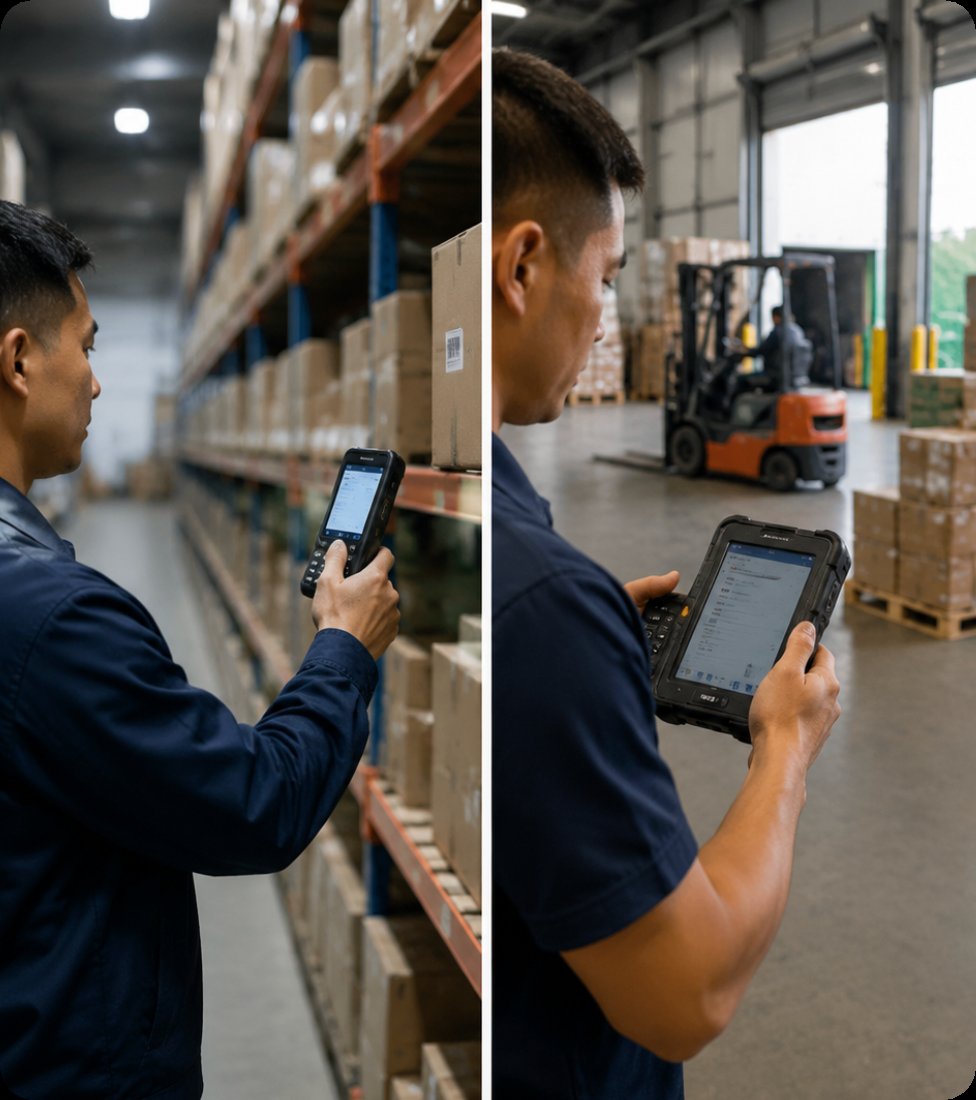
The N60 Inventory Management PDA is the device I recommend first for teams that live in put-away and stock counts. Its barcode engine is tuned for high-volume scanning at arm's length, and the data-logger workflow means a count taken at aisle seven is already reconciled on the server before the worker reaches aisle eight. On a typical mid-size floor, supervisors tell me they recover roughly two hours per operator per day once double-entry is gone. At that rate, the hardware pays for itself inside a single peak season rather than across a multi-year depreciation schedule. The second win is quieter but just as real: because the scan is the record, training a seasonal hire takes an afternoon instead of a week, and the number of "system says we have it but the shelf is empty" surprises drops sharply.

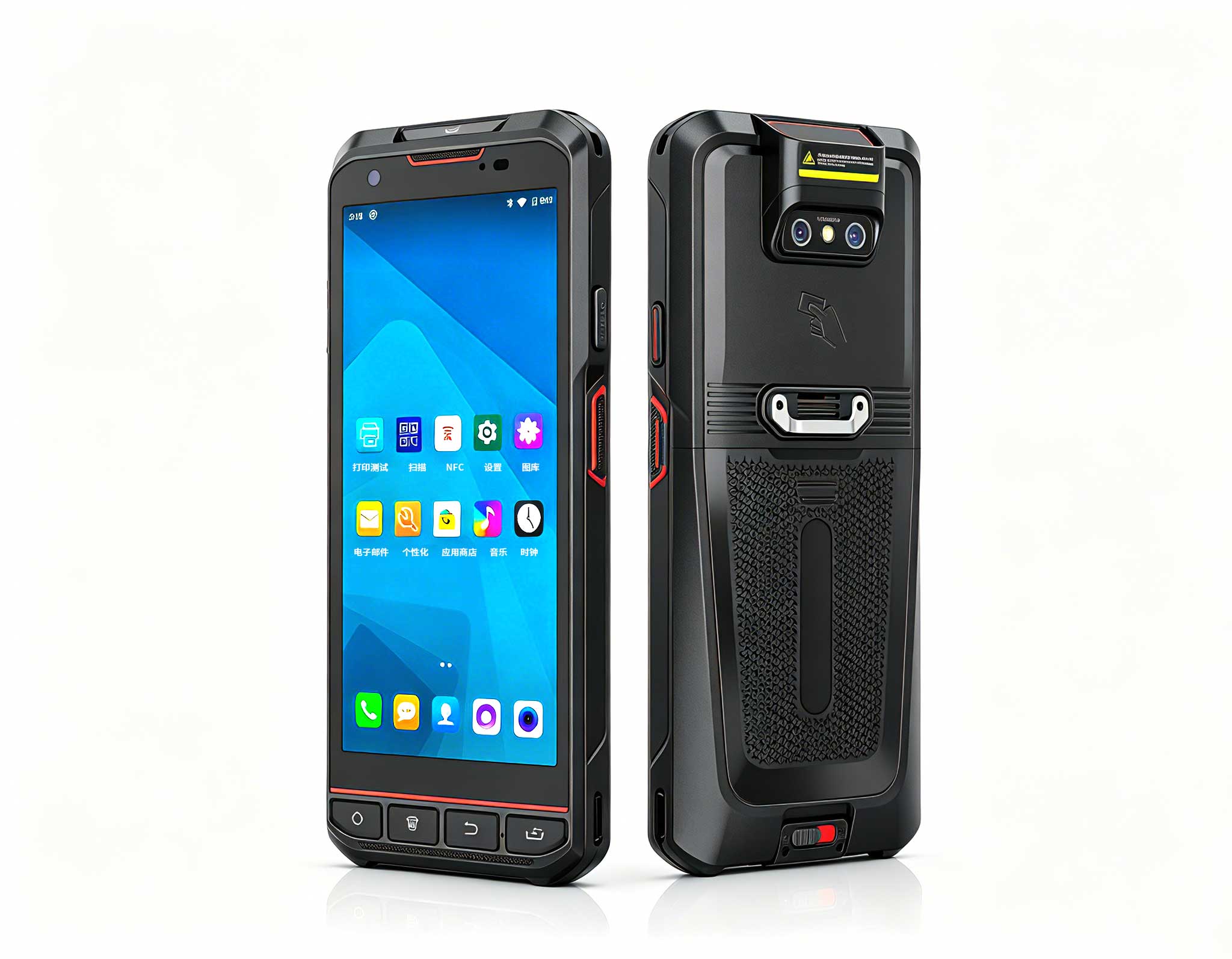
The R530C PDA is the all-rounder for sites that need more than a scanner. Its 6.0-inch display and Qualcomm octa-core platform handle the larger warehouse-management apps without stalling, while built-in UHF, NFC, 2D barcode, and PSAM support collapse what used to be three separate gadgets into one. I have watched yards and cross-dock zones retire their old RFID gun the moment an R530C goes live, because a single device now covers gate check-in, pallet locate, and proof-of-delivery. Fewer SKUs of hardware means lower spare-parts spend and simpler training, and the larger screen lets workers confirm a full task list without squinting. When a device also runs the voice-pick or labor-tracking app, the business stops buying single-purpose tools that sit idle half the day.
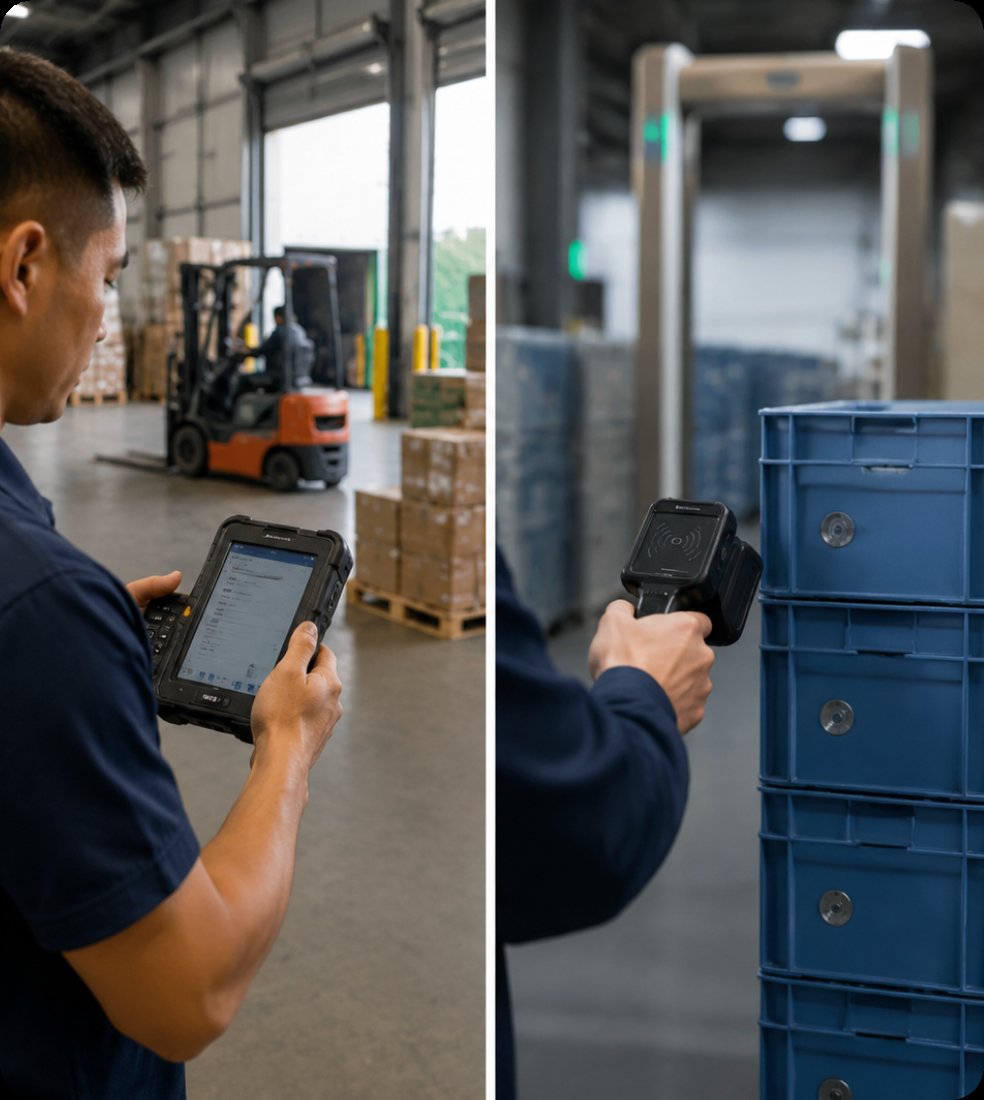
The R501 Tag RFID extends the same philosophy to asset-level visibility. Where the N60 and R530C shine at item and carton scanning, the R501 leans into tag reads for tools, totes, and returnable packaging that tend to wander. Pairing it with a UHF gate turns "we think the roll cage is somewhere on site" into "the roll cage just left dock three." For operations running a mixed fleet, the three devices complement rather than compete: the N60 for counters, the R530C for full-workflow users, and the R501 for tag-heavy tracking. The returnable-packaging case alone often justifies the R501, because lost totes and pallets are a recurring lease-style cost that simply disappears once every asset is readable at the door.
| Model | Primary Role | Key Capabilities | Best Fit |
|---|---|---|---|
| N60 Inventory Management PDA | High-volume barcode counting | 1D/2D barcode scan, data-logger workflow, lightweight handheld | Put-away, cycle counting, pick verification |
| R530C PDA | All-in-one field terminal | 6.0-inch display, octa-core, UHF, NFC, 2D barcode, PSAM | Cross-dock, yard, full WMS users |
| R501 Tag RFID | Asset and tag tracking | RFID tag read, barcode scan, rugged Android handheld | Tool tracking, returnable packaging, gate reads |
My rule of thumb is to match the device to the task, not the budget line. If a role is ninety percent scanning, the N60 keeps the worker fast and the invoice small. If the same worker also checks in trucks, prints proofs, and runs a heavy app, the R530C removes the need for a second device. And if the pain point is assets disappearing rather than items mis-counted, the R501 closes that gap. Across a fleet, standardizing on the rugged industrial PDA series keeps one spare-parts pool and one training path, which is its own quiet saving. Buy by workflow, roll out by zone, and let the utilization data decide the next batch rather than a guess made in a meeting room.
The ROI case is rarely a single dramatic number; it is the sum of recovered hours, fewer mis-ships, and one fewer device class to maintain. I usually model it as labor-hours saved minus device cost over twelve months, and for most mid-size warehouses the curve turns positive well before the first quarter ends. Add the soft savings, fewer exception tickets, lower overtime during peaks, and less shrinkage from tracked assets, and the payback only gets shorter. If you want the deeper math on consolidating multiple functions into one terminal, our breakdown of how multi-function industrial PDAs cut fleet costs walks through a real deployment.
Ready to scope a pilot? Start with one busy zone, deploy the N60 or R530C there, and measure pick accuracy and cycle-count time for thirty days. The data will tell you exactly where to roll out next, and which of the three devices belongs in each worker's hand. Most teams I work with stop debating the budget by week three, because the floor has already answered the question for them.