- Select Language
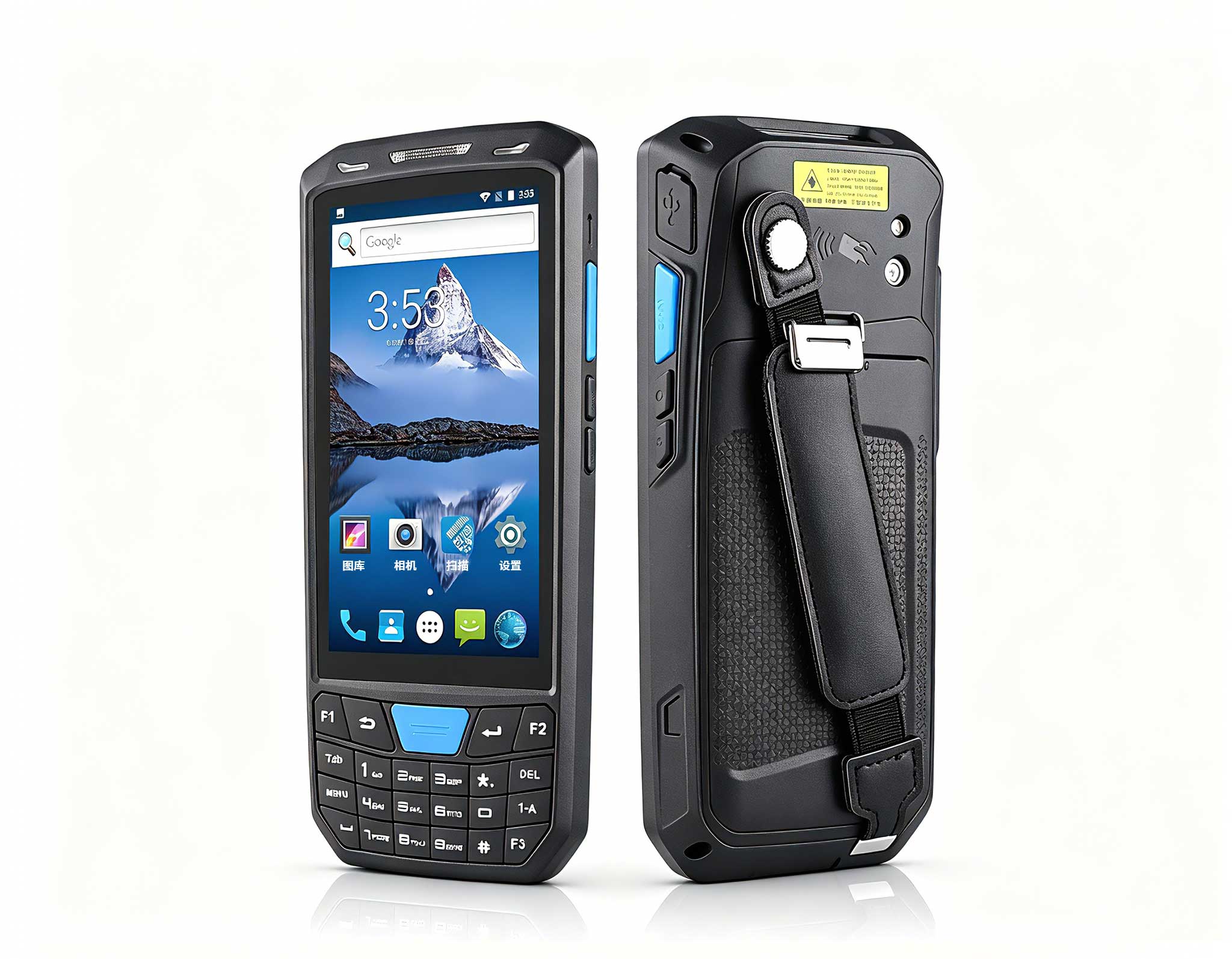
The X501 Handheld PDA combines advanced barcode sc...
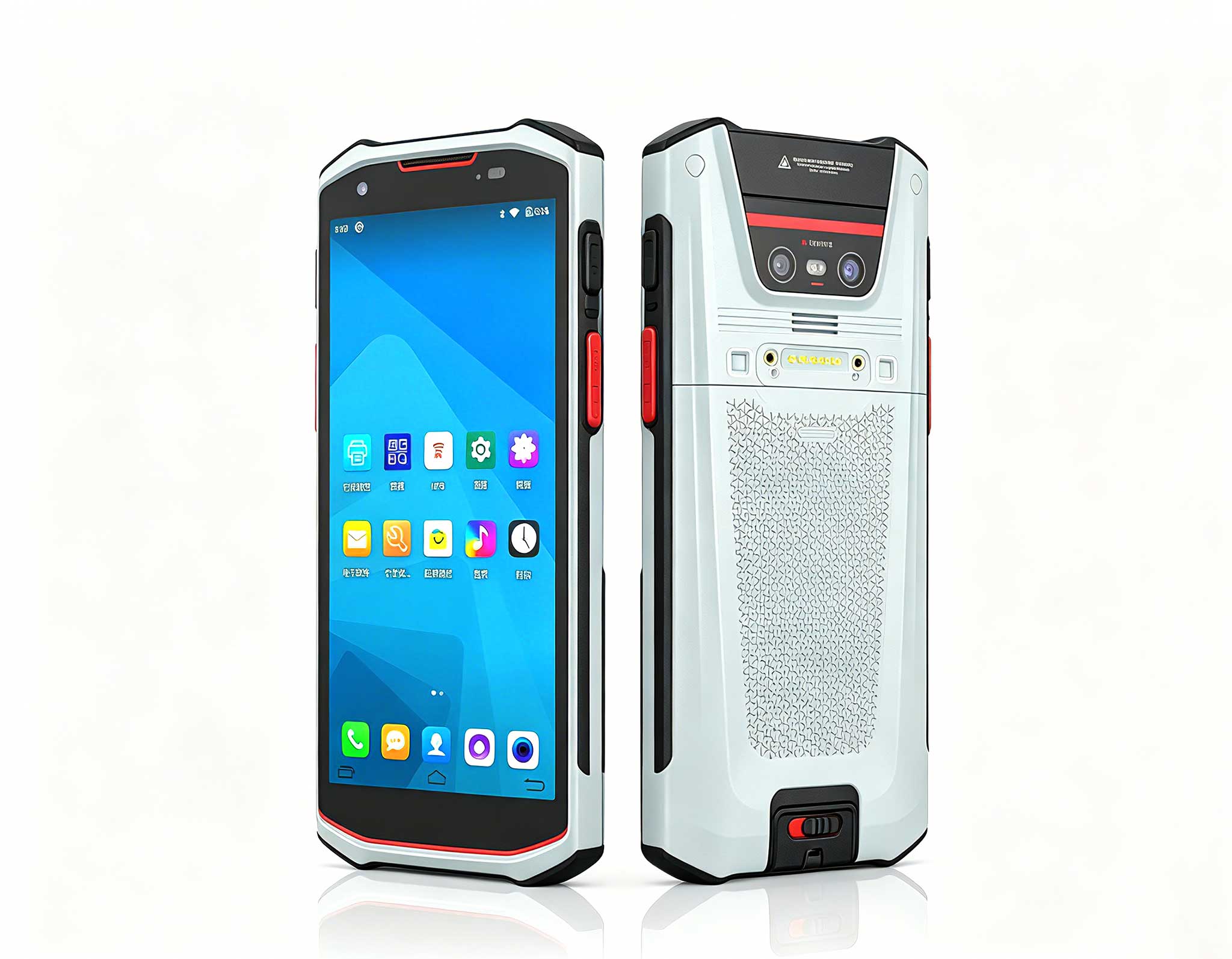
RS50 5G Rugged Handheld Terminal | 6.3" FHD+ ...
The T80 handheld PDA combines advanced barcode sca...
Enterprise Flagship SeriesEngineered for mission-c...
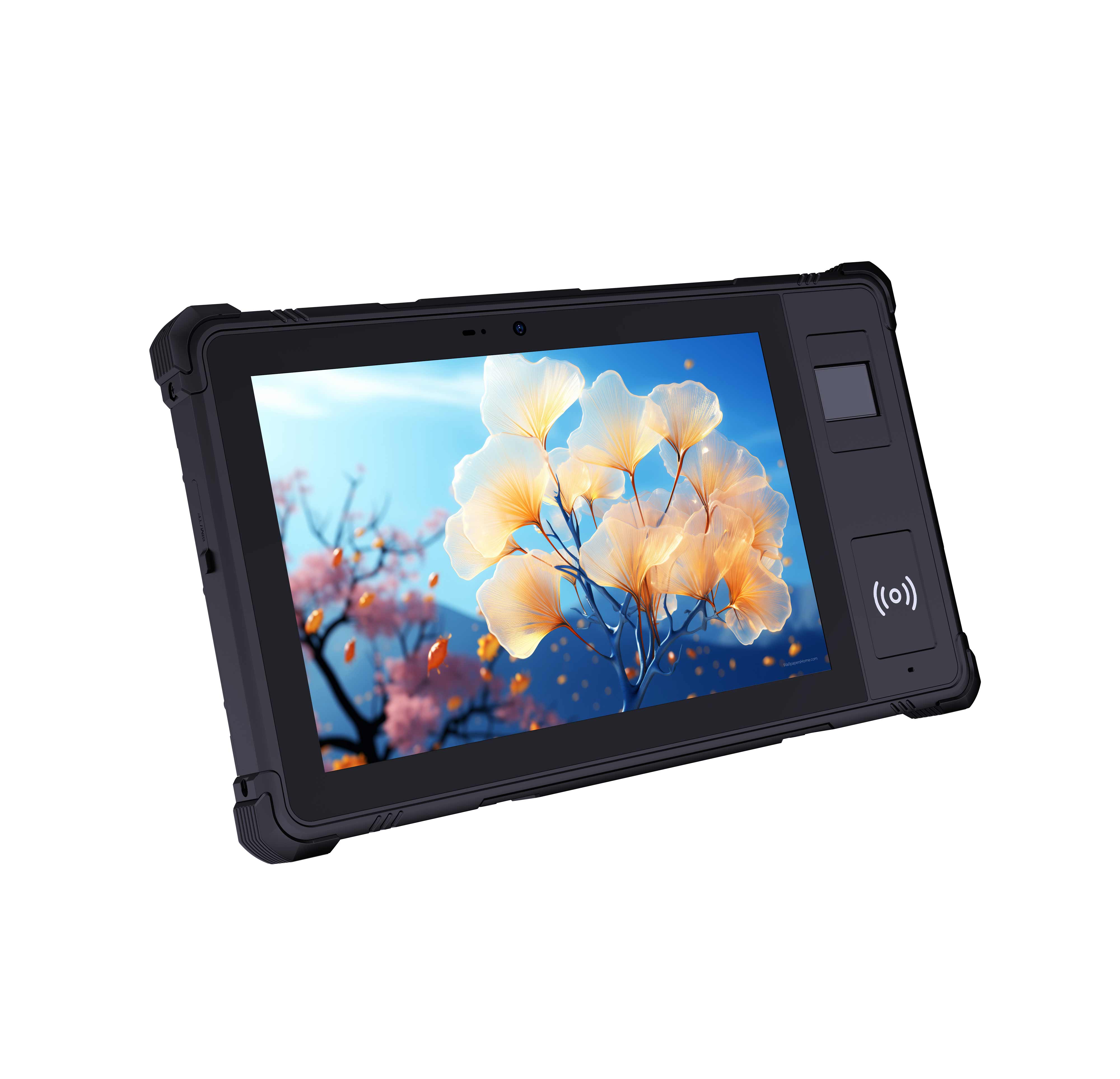
Explore an innovative Personal Digital Assistant f...
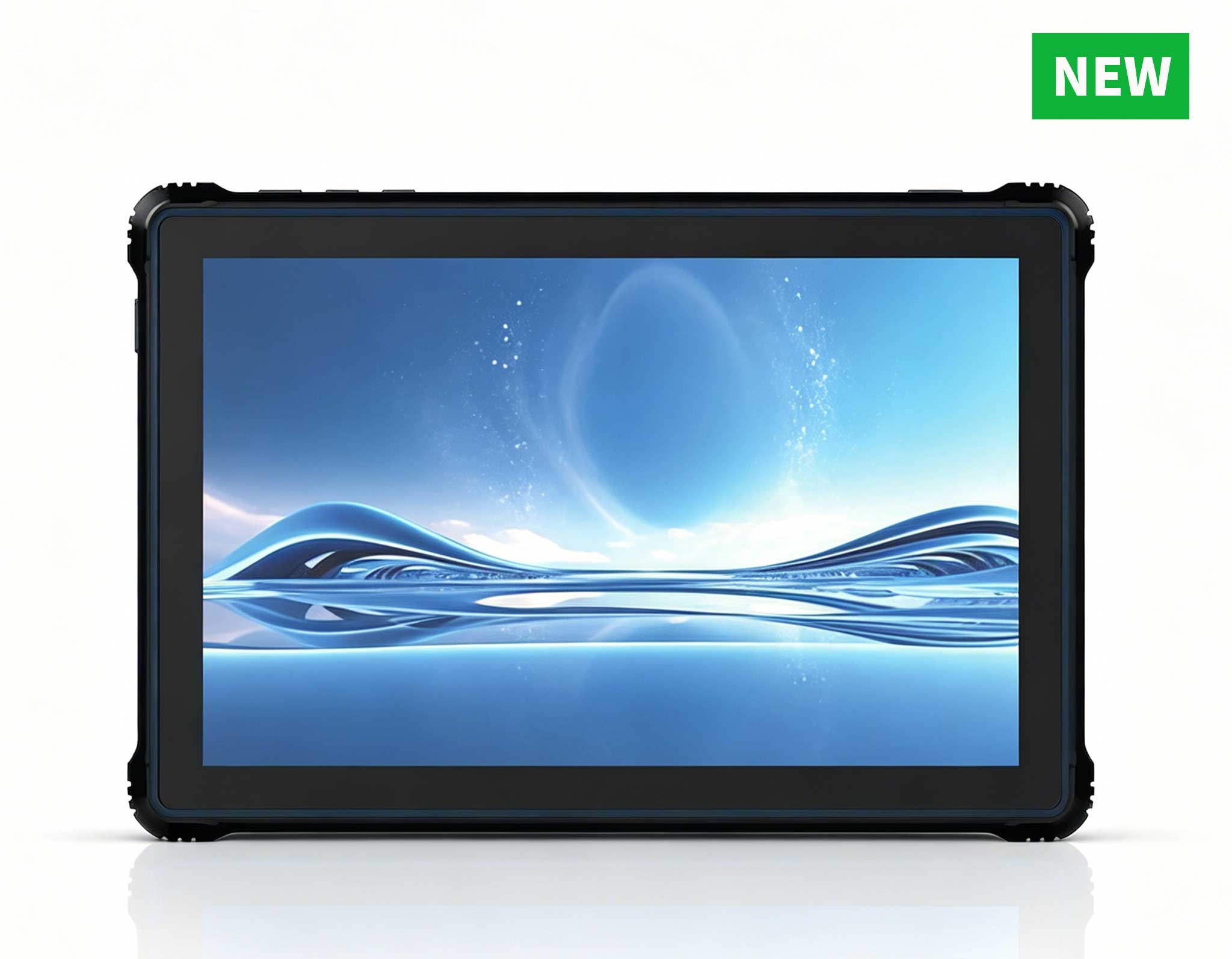
RT80 5G Rugged Tablet | 10.1" FHD 400nit | Un...
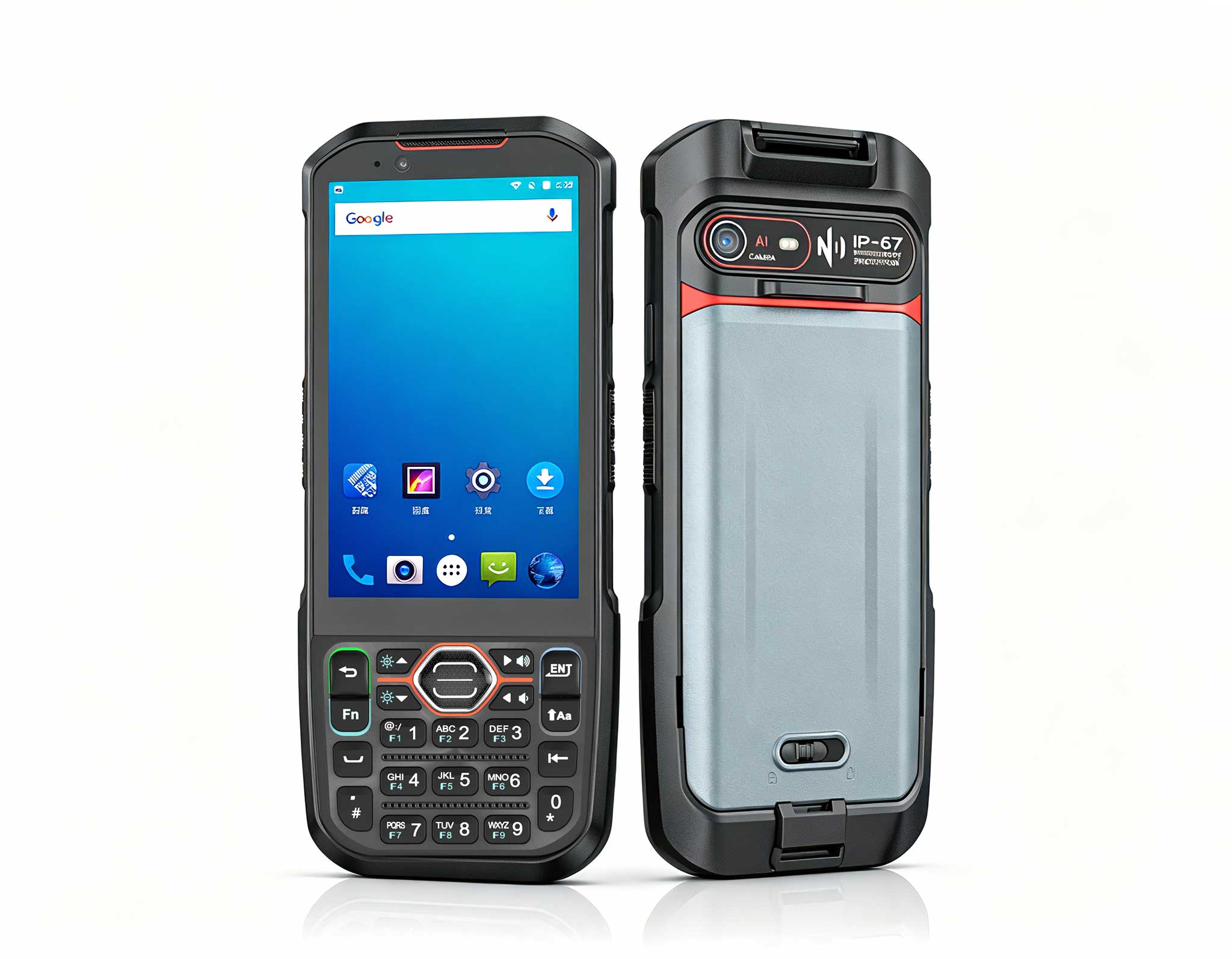
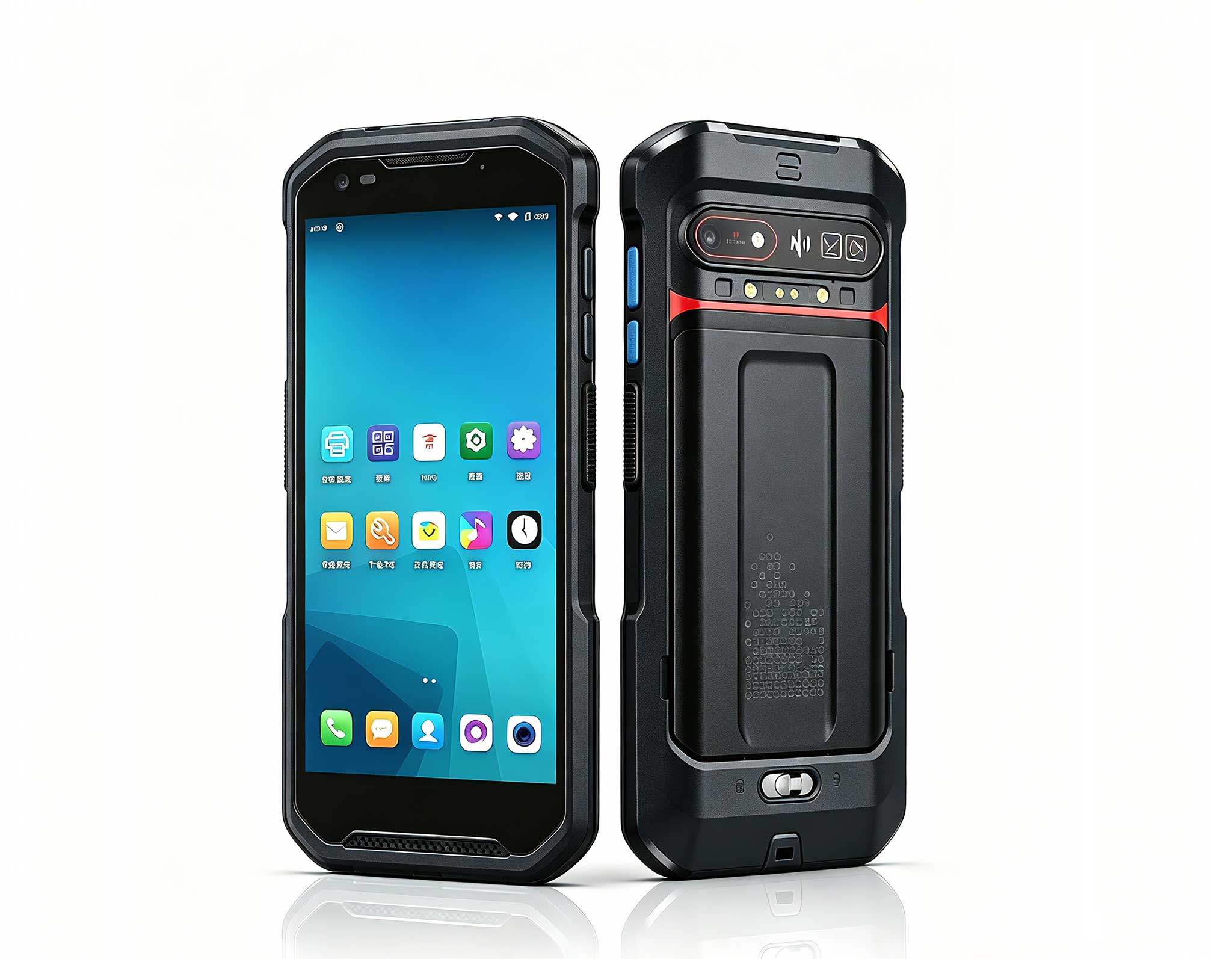
The F505 Handheld PDA is a compact, high-performan...
R860-S 5.5-inch Industrial PDA with Thermal Printe...
Full SpecificationsModelHotus ST11‑MOSWindows 10/1...
Full SpecificationsModelHotus ST9‑JOSWindows 10 Pr...
Full SpecificationsModel Hotus SH5‑WOperating ...
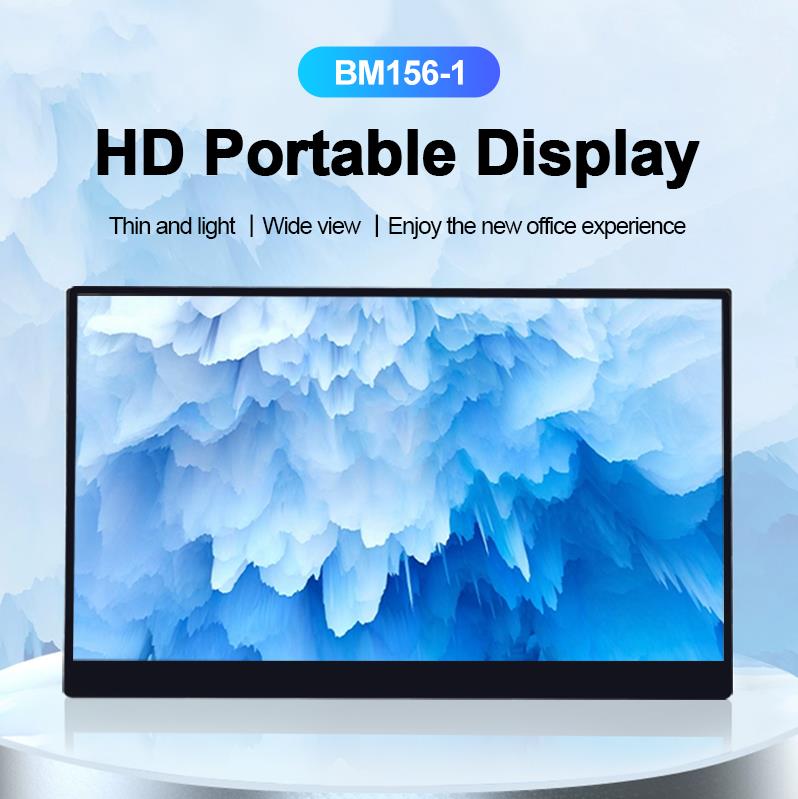
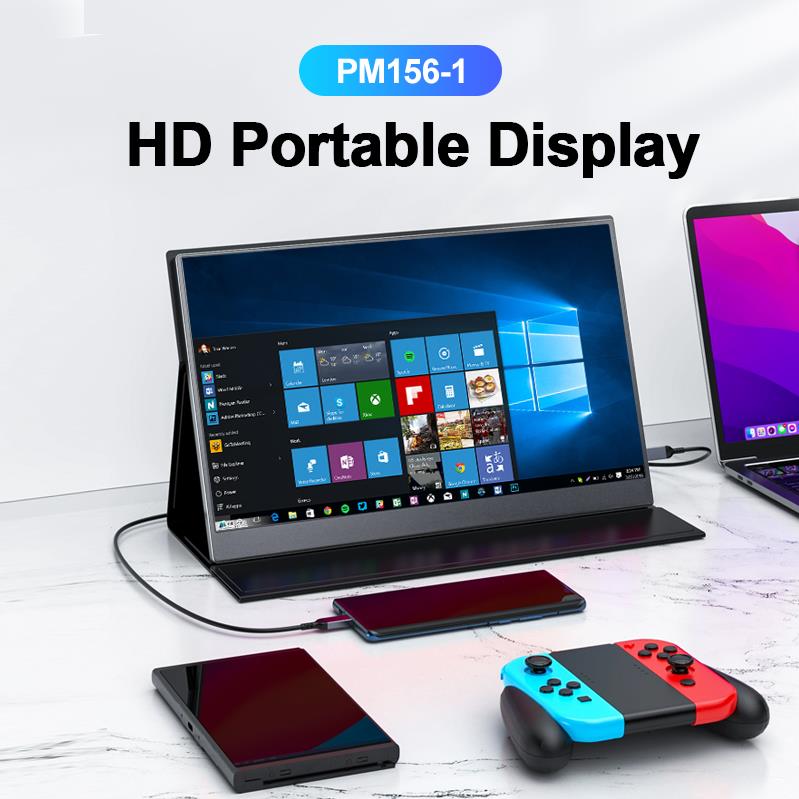
The PM156-1 is a 15.6-inch portable PC monitor fea...
After supporting more than a dozen school computer labs over the past few years, I have come to expect the same call at the start of every term: a cart of consumer tablets that will not boot, screens cracked from a single fall, and batteries dead before the second period. The pattern is not bad luck, it is a mismatch between fragile hardware and a room full of students. When a district asks me to fix a failing lab, I start by replacing the fragile devices with rugged tablets built for education, then I work through the failure modes one by one.
The first problem is physical. A normal tablet is rated for a fall onto a couch, not a tile floor from a student desk. In a computer classroom the devices are passed hand to hand, dropped into carts, and plugged in by people who are still learning to be careful. Liquid is the second killer: a knocked-over bottle ends a consumer device in seconds. The third is scale: when thirty units share one charger bank, the weak batteries fail first and the whole lesson stalls. None of these are user errors, they are design gaps that a rugged build closes by default.
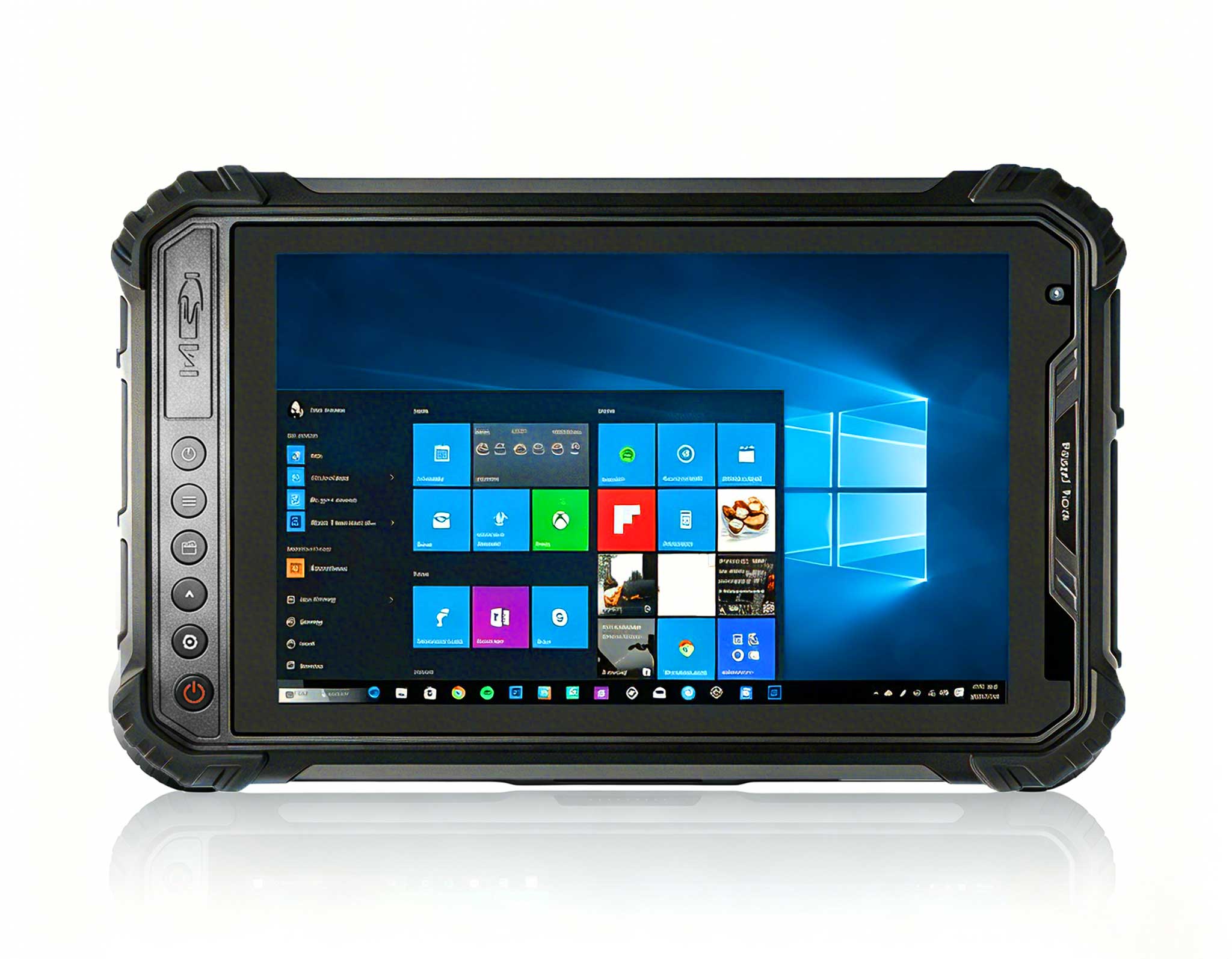
The ST9-M is the model I put in the busiest hands-on rooms. It runs an Intel Core i5-8200Y dual-core processor at 1.30GHz with Turbo up to 3.90GHz, paired with 8GB of RAM and a 256GB drive that can be expanded to 1TB, so it opens the lab software, a browser, and a coding tool at the same time without freezing. The 8-inch IPS panel at 1200x1920 stays readable under classroom lights, and the 10-point touch works with a stylus or a wet finger, which matters after lab clean-up. Its IP65 shell and MIL-STD-810G rating absorb the drops and dust that destroy ordinary slates, and a 5000mAh battery gives about six and a half hours of mixed use, enough for a full double period. Optional barcode, UHF, and fingerprint modules let the same unit double as an attendance and asset tracker.
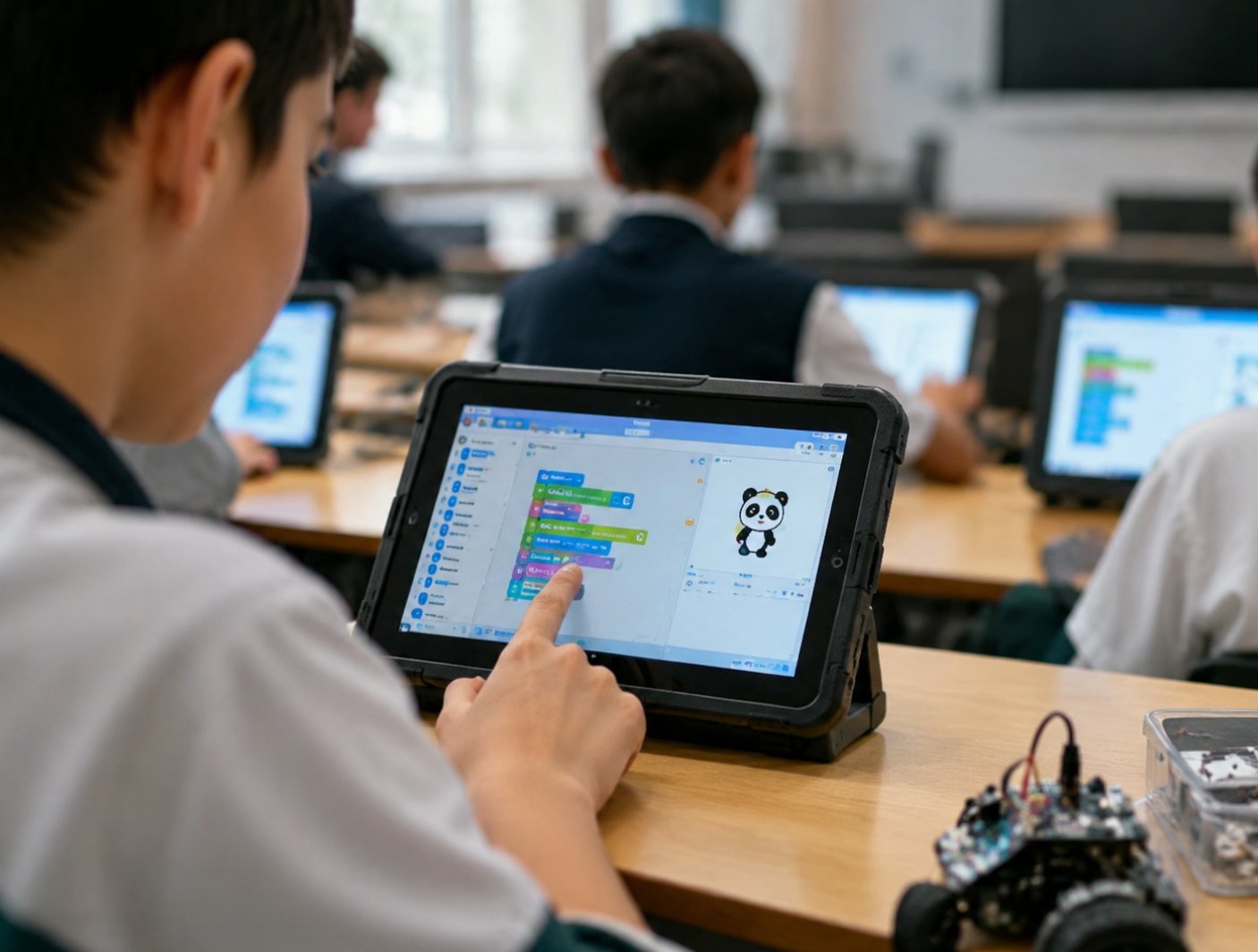
Where the budget is the constraint, the HTNJ08C earns the spot. It is built on an Intel N100 quad-core processor at 3.4GHz, with an 8-inch 1200x1920 LCD at 560 nits that holds up in bright rooms, and a 7H hard touch surface that survives keys and rough handling. The IP67 seal and 1.22-meter drop rating are a step above the ST9-M on water resistance, which is useful in science and food-tech classrooms where spills are routine. A double-layer body keeps it stable on a desk, and the port set is unusually complete for the price: Mini HDMI, Type-A, Type-C, RJ45, TF, and SIM, so a student can wire into the network, present to a display, and tether 4G without dongles. Battery is 3500mAh, so I pair it with a charging dock for all-day carts.

For senior labs and exam rooms where screen space and stamina matter, the ST11-M is the better fit. It shares the ST9-M's i5-8200Y platform and 8GB of RAM but moves to a 10.1-inch 1200x1920 IPS display, a 6000mAh battery good for about seven and a half hours, and four days of standby between charges. TPM 2.0 and NFC 13.56MHz support let the school bind the device to a student ID and meet audit logging rules, while dual USB 3.0, RS232, RJ45, and HDMI cover the engineering and robotics peripherals older labs still use. The larger body also handles a barcode, UHF, or fingerprint module without crowding the ports.
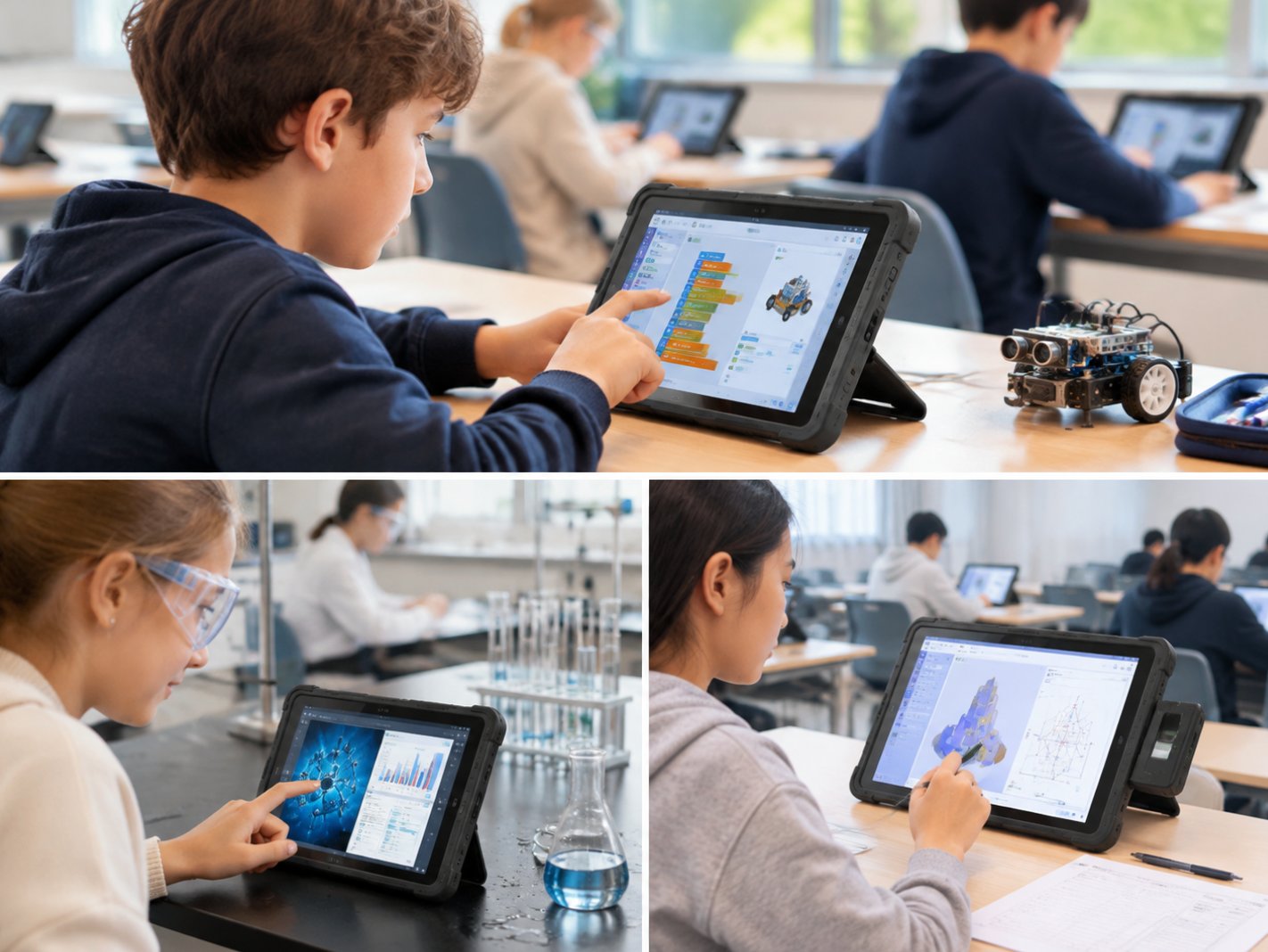
The three units cover different room types, so the right pick depends on the lesson, not the logo. The table below lines up the numbers that actually change a school day.
| Model | Processor | Memory | Display | Protection | Battery |
|---|---|---|---|---|---|
| ST9-M | Intel i5-8200Y, up to 3.90GHz | 8GB plus 256GB | 8-inch IPS 1200x1920 | IP65, MIL-STD-810G | 5000mAh, 6.5h |
| HTNJ08C | Intel N100, 4-core 3.4GHz | Configurable | 8-inch LCD 1200x1920 | IP67, 1.22m drop | 3500mAh |
| ST11-M | Intel i5-8200Y, up to 3.90GHz | 8GB plus 256GB | 10.1-inch IPS 1200x1920 | IP65, TPM 2.0 | 6000mAh, 7.5h |
My rule is to match the failure mode to the feature. If drops and dust are the daily risk, any IP65 or IP67 unit ends the break-fix loop. If spills are likely, the HTNJ08C's IP67 edge wins. If the room runs heavy software or long exams, the ST9-M or ST11-M i5 platform and bigger batteries keep the session alive. For identity and compliance, the TPM and NFC on the ST11-M let the school log every sign-out. Standardizing on one rugged family also simplifies spare parts and imaging, which is why many of my districts then explore our mini PC solutions for the back-office and lab server side of the same program.
A computer classroom should fail less than the devices inside it, and that starts with hardware chosen for the room, not the catalogue. Whether you need a compact 8-inch unit for busy hands-on tables, a budget Intel N100 model for spill-prone classes, or a 10.1-inch workhorse for senior exams, the three tablets above cover a typical school without forcing a mixed vendor stack. Reach out and we can map each room to a model, then ship evaluation units so your IT team can validate the workflow before a term-wide rollout. Talk to our team and turn the first-week repair queue into a non-event.