- Select Language
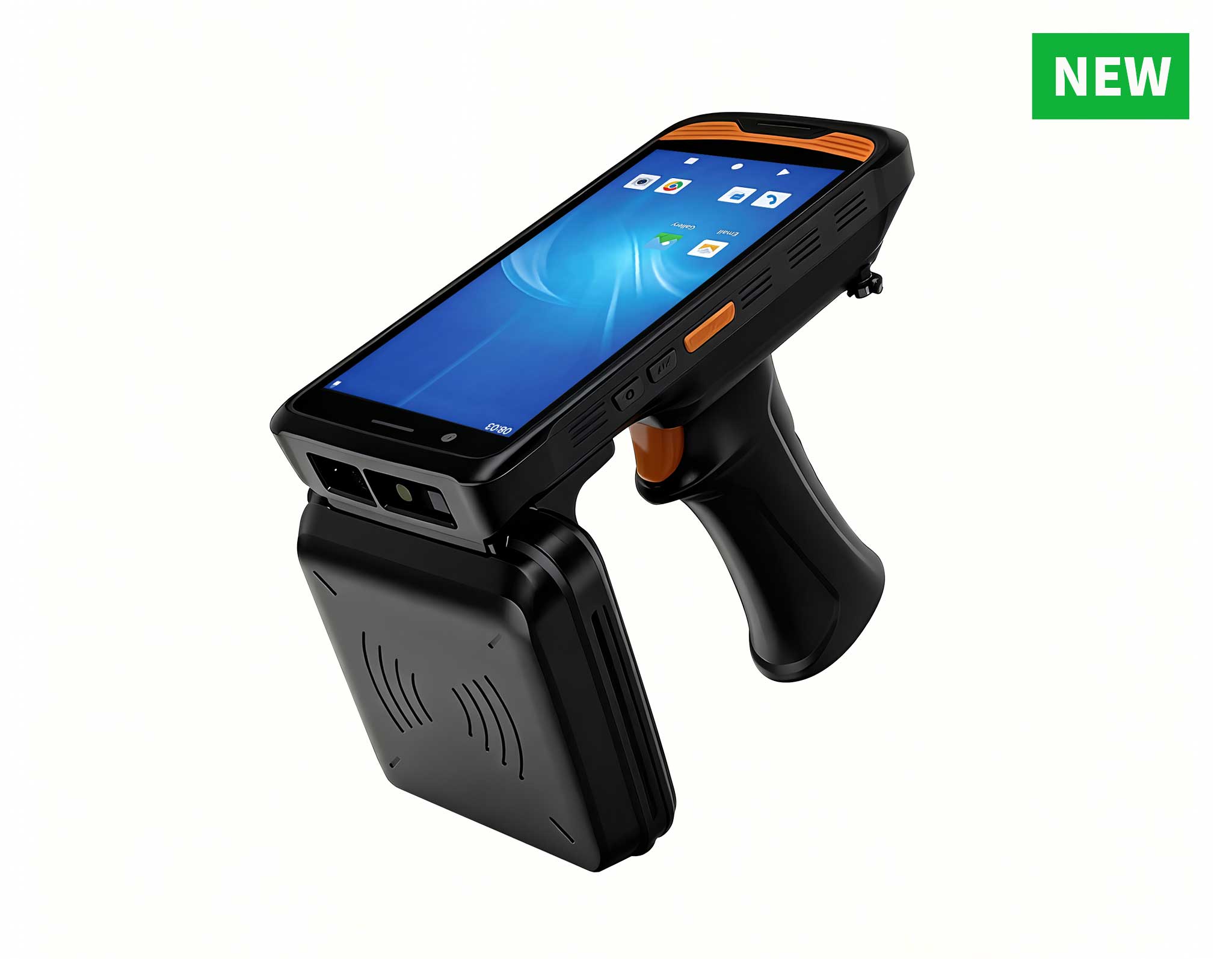
R366C-S 5.5-inch Industrial UHF RFID Reader | Qual...
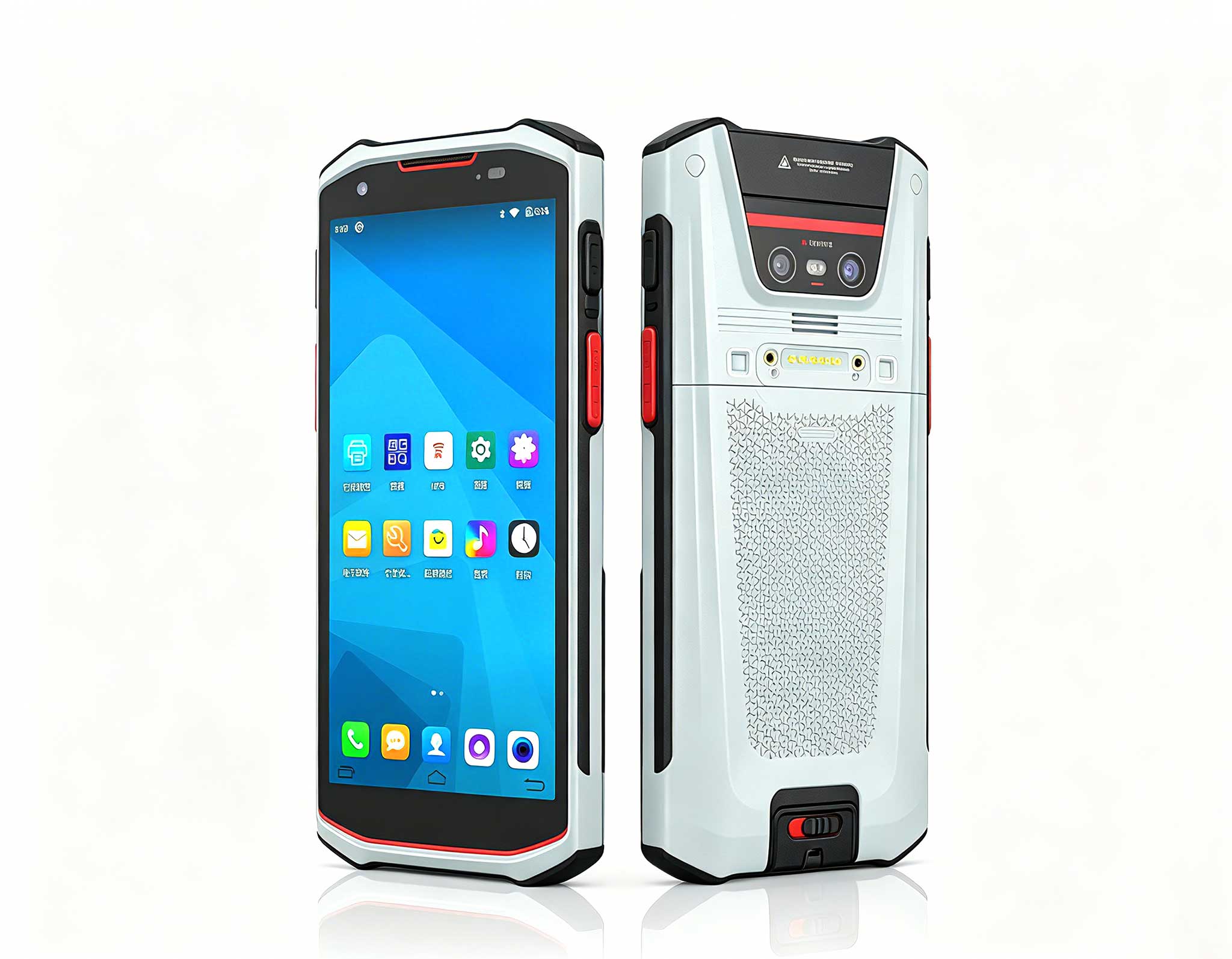
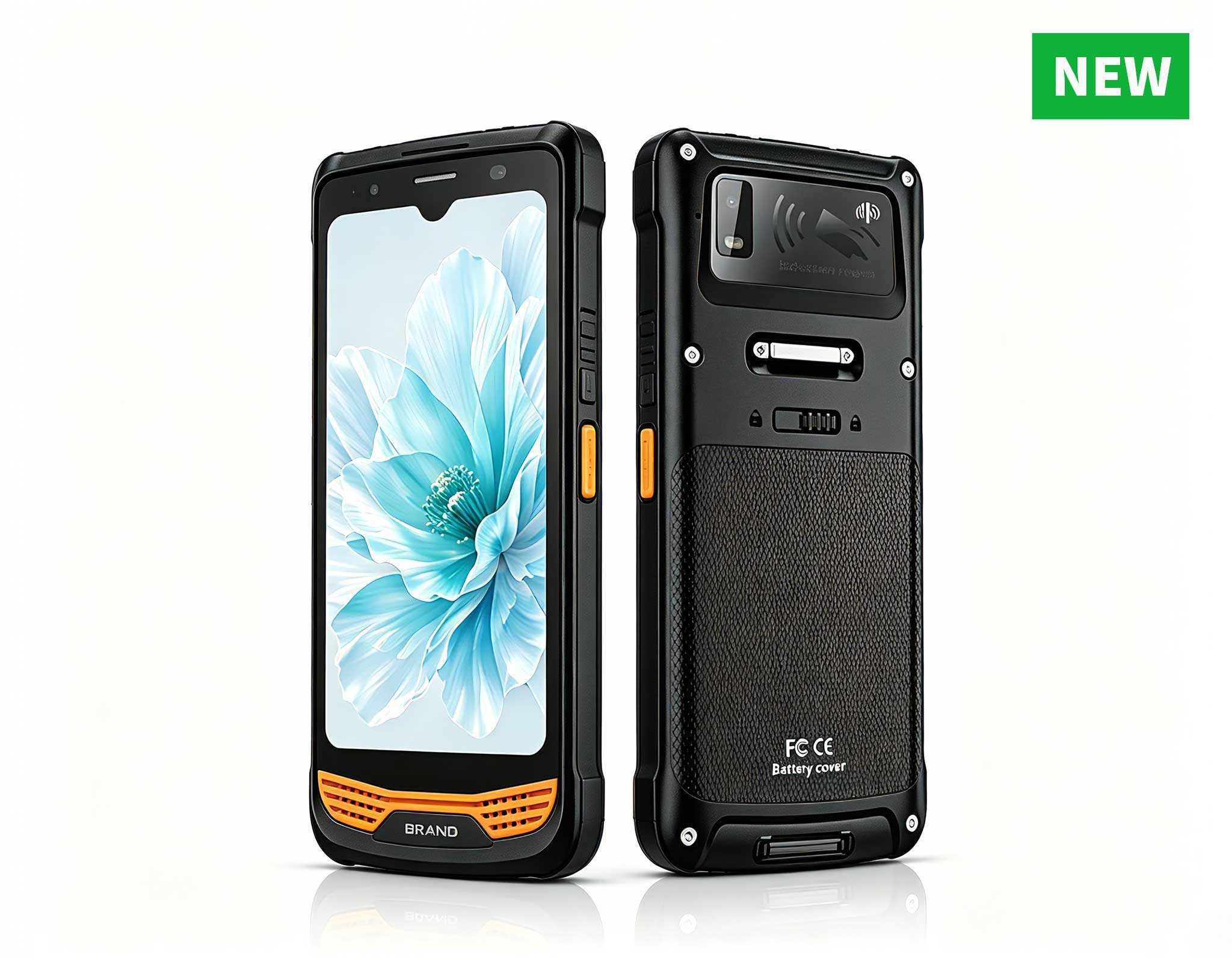
R366-S Thin 5.5-inch Industrial PDA | Qualcomm Oct...
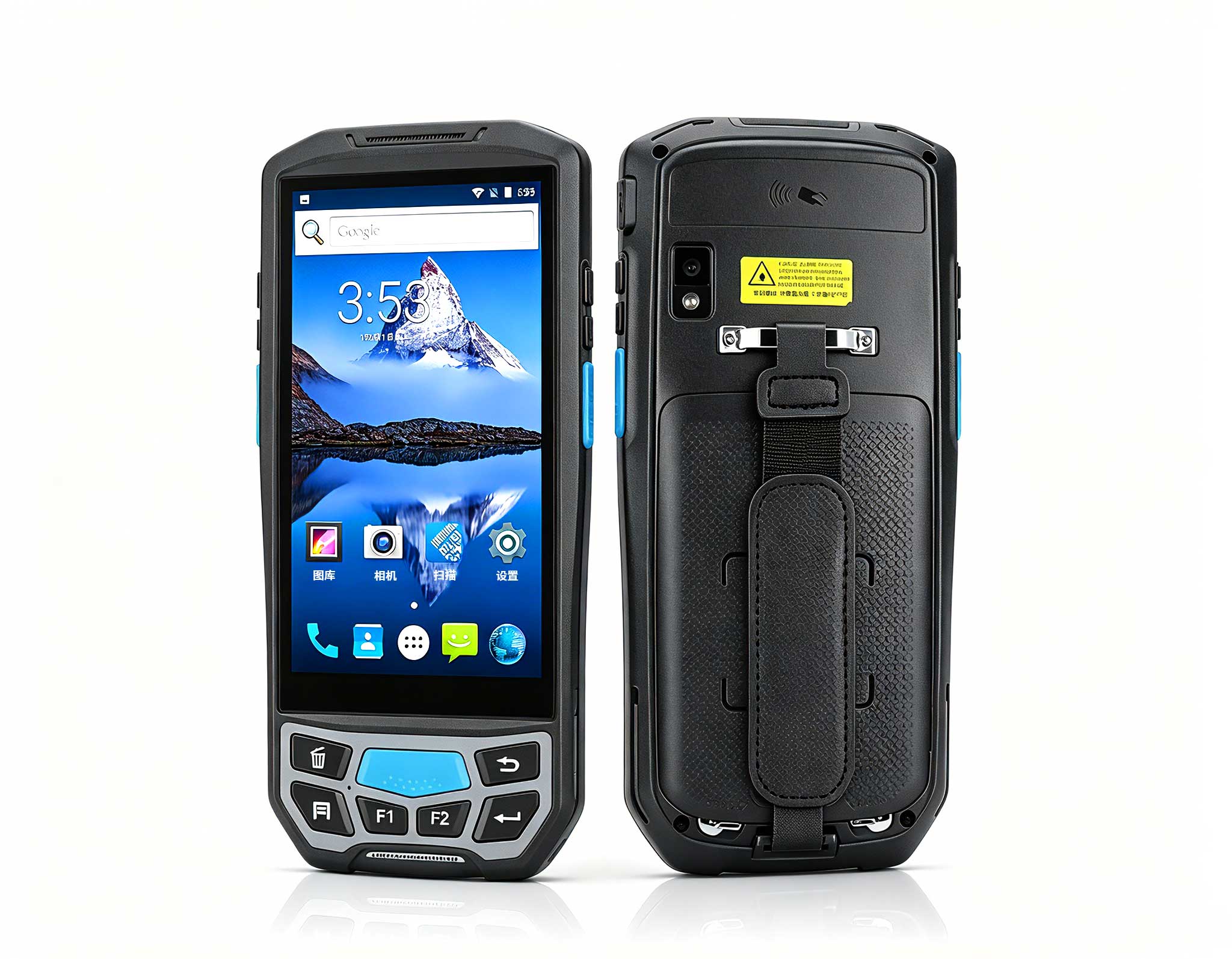
The U9000 handheld PDA combines advanced barcode s...
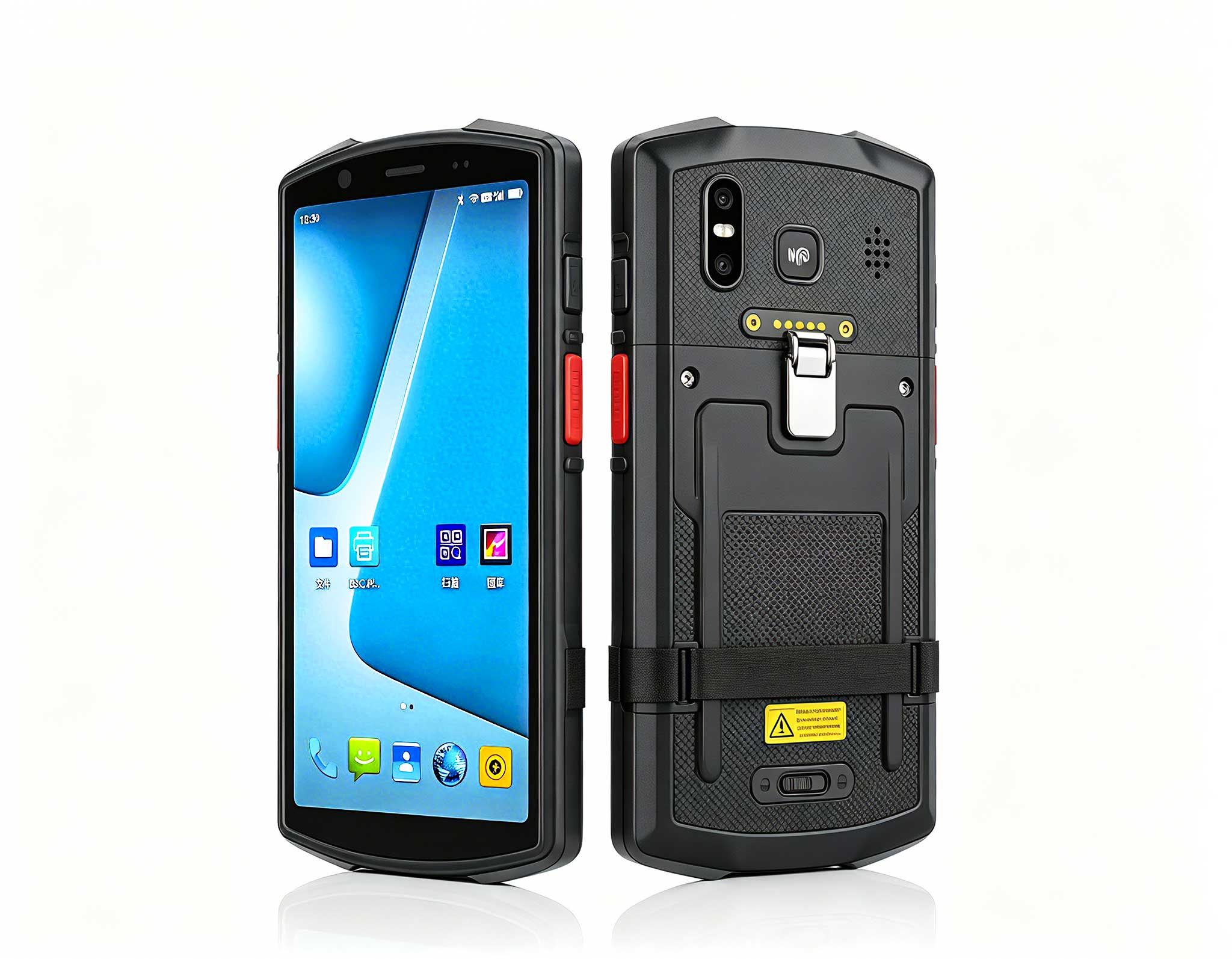
The N60 PDA is a cutting-edge device for inventory...
Full SpecificationsModelHotus ST9‑MOSWindows 10/11...
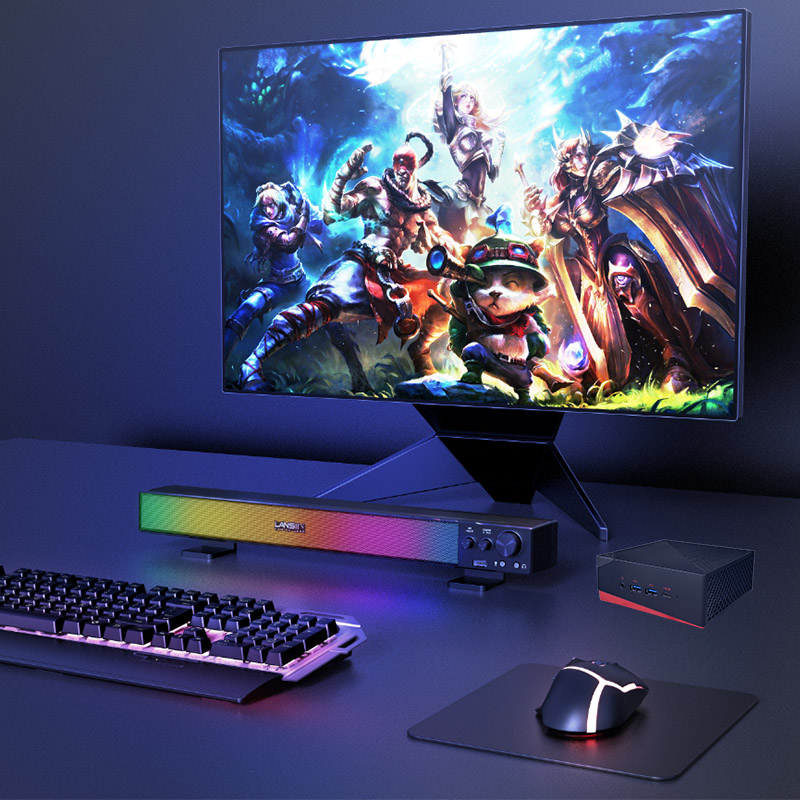
Technical SpecificationsModel: Palm-sized miniPCTy...
Maintenance instructions: Store at room temperatur...
From where I stand on a distribution-center floor, the gap between a smooth shift and a stalled one usually comes down to two things: how fast a worker can identify an item, and how clean the data is when it reaches the warehouse system. I have watched teams lose hours to misreads and manual keying, and I have watched the same teams recover that time the week a rugged device program goes live. This piece walks through a deployment ROI view for dedicated warehouse logistics solutions, using three Hotus devices that pair naturally on one floor.
Paper pick lists and consumer-grade phones break down exactly where volume spikes. A picker walks an aisle, squints at a smudged label, types a number by hand, and the warehouse management system never learns the real location of the carton. Multiply that by thousands of lines per shift and the cost is not the hardware, it is the labor minutes and the correction work that follow every misread. The first question any operator should ask is not "which scanner is cheapest" but "how long until the new workflow pays for itself."
The RFID Barcode Scanner F502 is the workhorse for mixed-tag environments. It combines a rugged handheld shell with both UHF RFID reading and 1D/2D barcode capture, so a single pass identifies a pallet, a totes tag, and a printed label without swapping tools. On a receiving dock that means a forklift driver can confirm inbound against the purchase order in seconds, and the data lands in the system before the pallet is stacked. We typically see the biggest accuracy gain at goods-in, where the penalty for a wrong bin is paid back many times over the month.
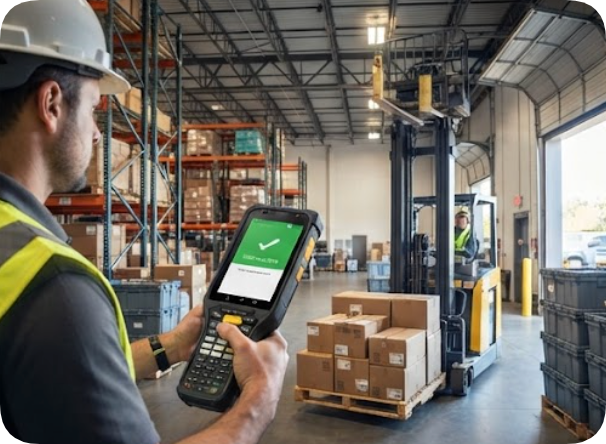
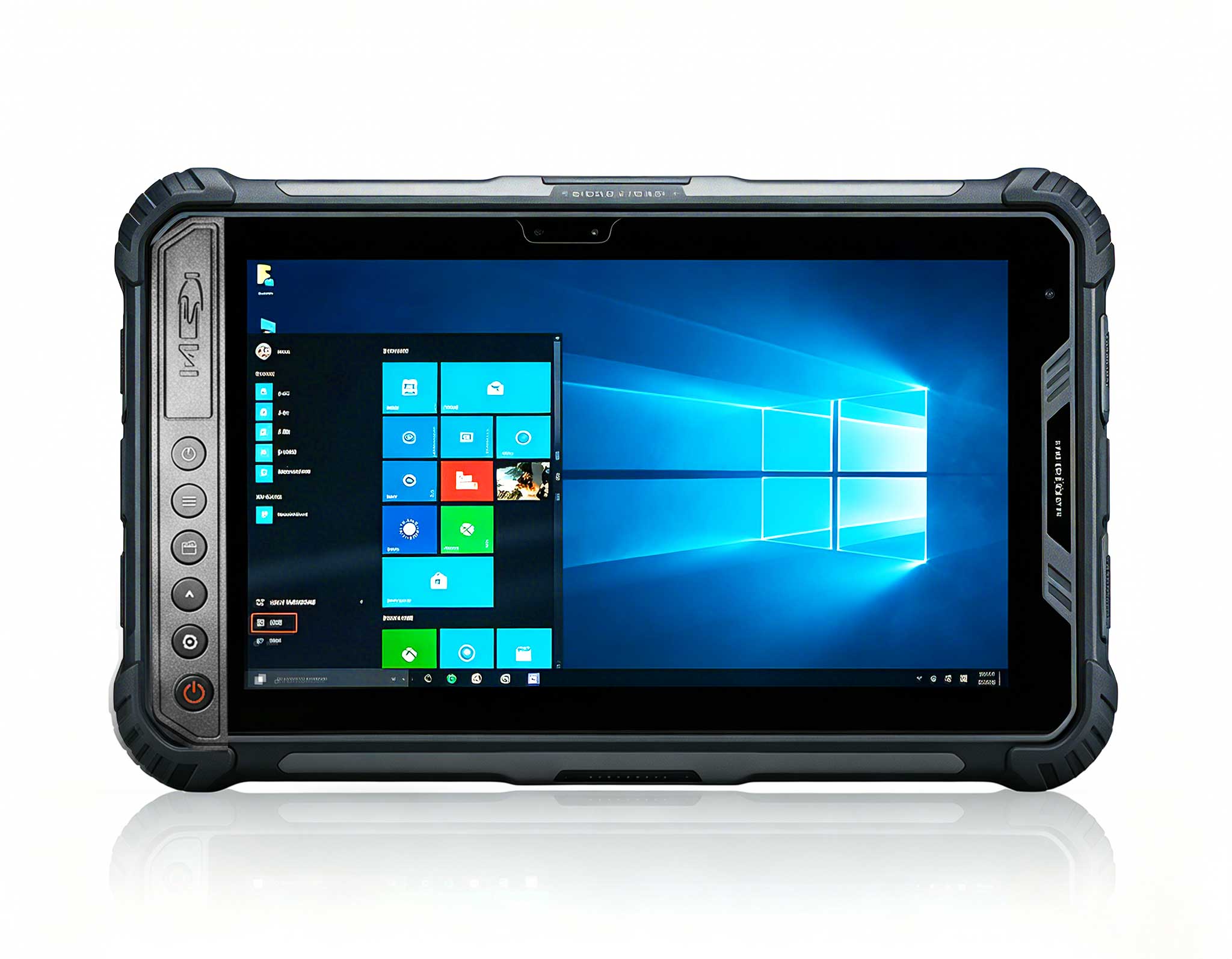
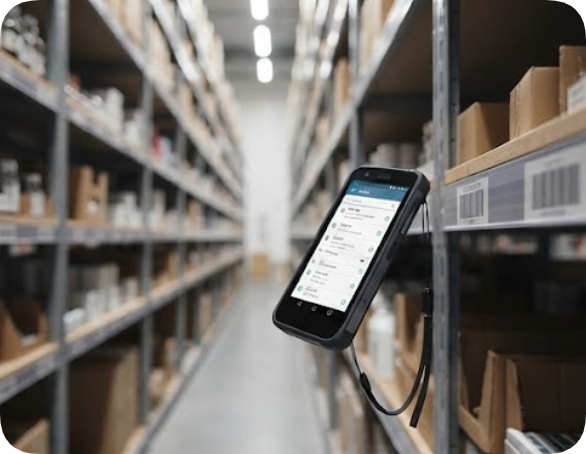
The R366-S PDA earns its place where picking density is high and hands are full. Its 5.5-inch industrial display, Qualcomm octa-core platform, NFC, 2D barcode engine, and PSAM slot make it a natural fit for cart-based picking, returns processing, and handheld confirmation at pack-out. Because it is slim, workers keep it on a wrist lanyard through a full shift instead of setting it down and losing it between totes. The ROI lever here is throughput per labor hour, not a single heroic feature.
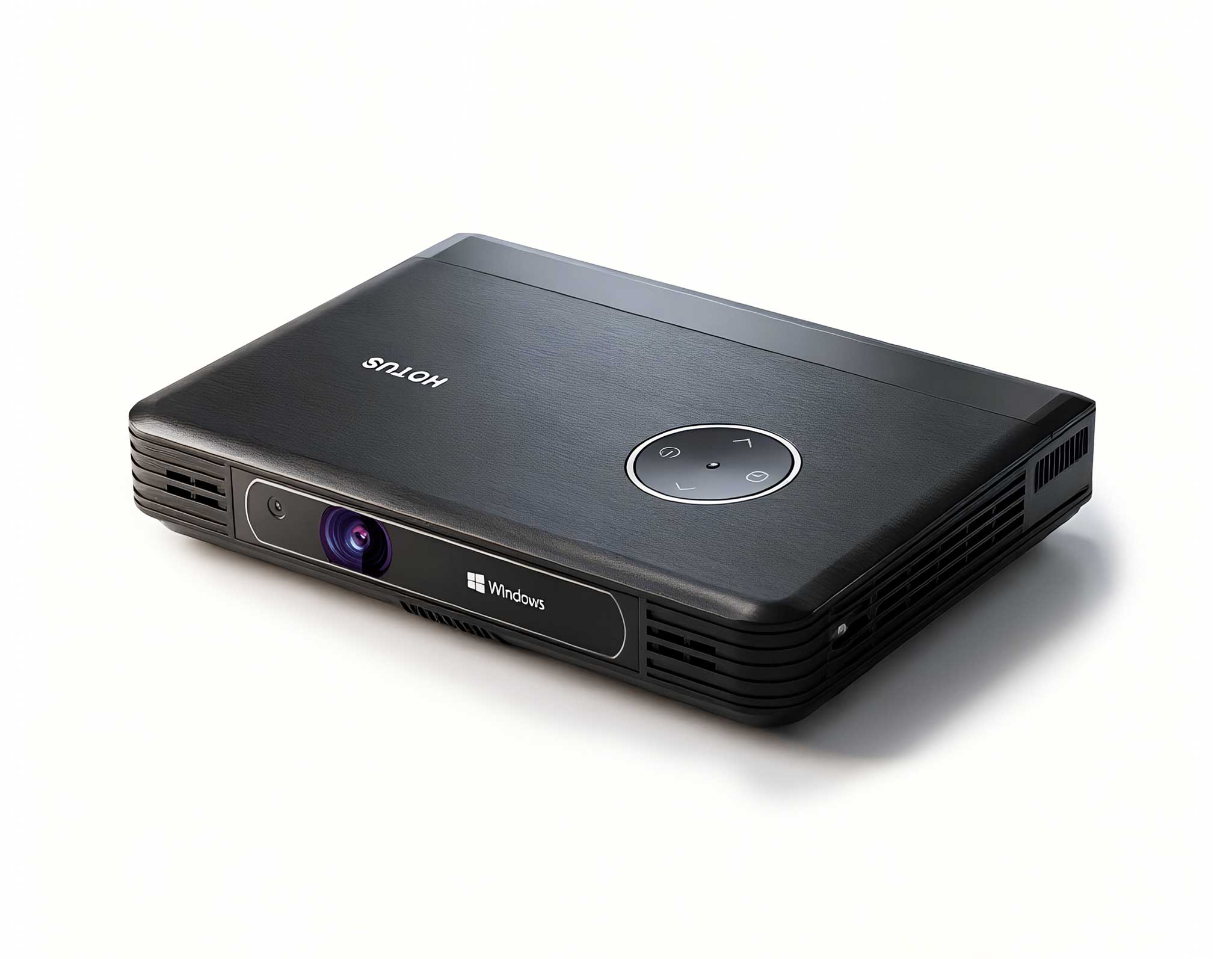
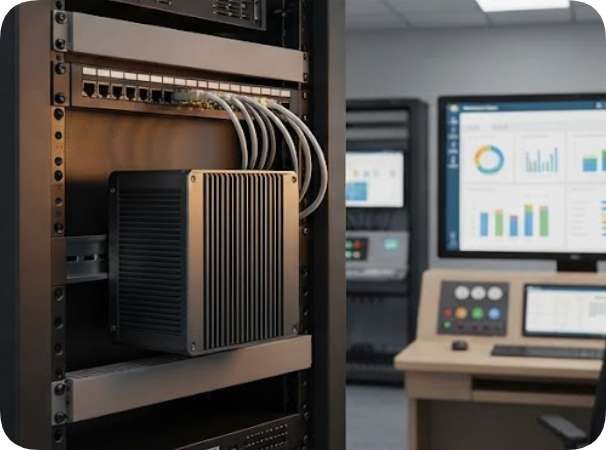
The HCAR5000 MI is the quiet multiplier. Built on the AMD Ryzen 5000H series in a compact mini PC footprint, it sits at the edge of the network as a local node that caches the WMS, brokers the device fleet, and keeps scanning alive if the backbone link dips. A single unit can serve a zone, so you are not shipping a server rack to every building. The payback shows up as fewer full-shift outages and a much smaller footprint in the control room.
| Device | Form | Wireless and Capture | Best Floor Role |
|---|---|---|---|
| RFID Barcode Scanner F502 | Rugged handheld PDA | Wi-Fi or 4G, UHF RFID, 1D/2D scan | Goods-in and pallet confirmation |
| R366-S PDA | 5.5-inch slim industrial PDA | Wi-Fi, NFC, 2D barcode, PSAM | High-volume cart picking |
| HCAR5000 MI | AMD Ryzen 5000H mini PC | GbE and Wi-Fi, fanless edge node | Local WMS cache and fleet broker |
Exact CPU, memory, storage, and battery configurations vary by order, so treat the table as a role map rather than a fixed spec sheet. The point of a deployment ROI analysis is to match each device to a job, then count the labor hours it returns.
A realistic rollout phases the devices in over a quarter, trains two shifts, and measures three numbers: misread rate, pick seconds per line, and system-availability minutes. In the deployments we track, the F502 at goods-in usually recovers its cost first because the correction work it removes is the most expensive. The R366-S pays back through sustained pick speed once the cart workflow is standardized. The HCAR5000 MI is the slow burn, but over twelve months the avoided outage hours make it the cheapest insurance on the floor. Add the three together and most mid-size centers land inside a single-year payback.
The mistake I see most often is buying one device for every role. A dock needs RFID reach, an aisle needs a slim screen, and a control room needs a stable node, and none of those jobs is served by forcing a single form factor everywhere. Start from your busiest hour, not your average day, and place the F502 where tags and pallets meet, the R366-S where pickers walk the most, and the HCAR5000 MI where the network is thinnest. That ordering is what turns a hardware purchase into a deployment that actually pays back.
If you are scoping a floor upgrade this quarter, the fastest next step is to map one zone end to end and pilot the three devices together. You can explore our mini PC solutions alongside the handheld line, or talk to our team about a staged rollout that fits your throughput instead of a generic bundle.