- Select Language
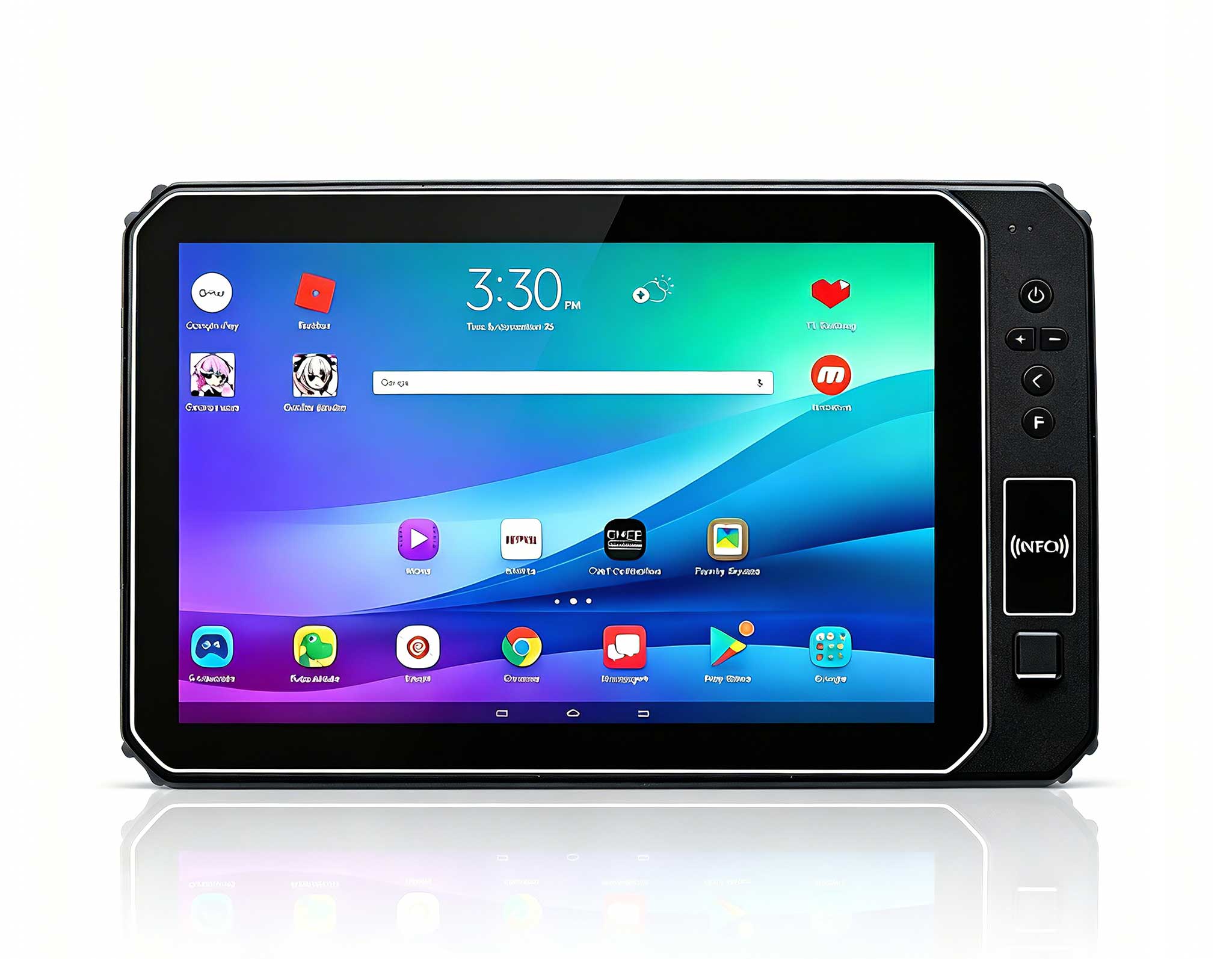
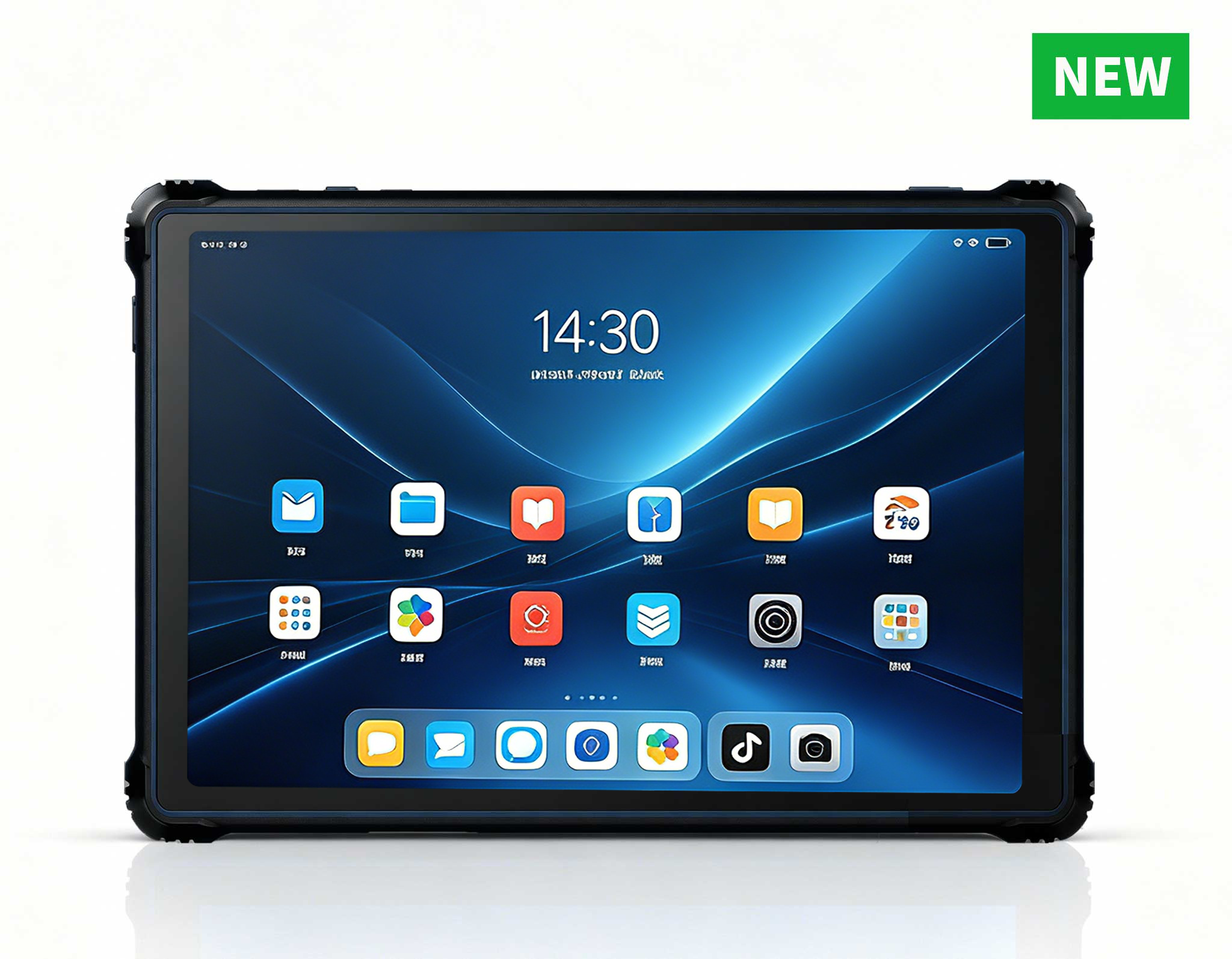
This 10-inch Android rugged tablet is designed for...
R366C-S 5.5-inch Industrial UHF RFID Reader | Qual...
R350C 4-inch Industrial Handheld PDA | Qualcom...
RT82 5G Rugged Tablet | 10.1" FHD 400nit | Qu...
R366-S 5.5-inch Industrial PDA | Qualcomm Octa-cor...
R366-S Thin 5.5-inch Industrial PDA | Qualcomm Oct...
Full SpecificationsModelHotus ST9‑JOSWindows 10 Pr...
Enterprise Flagship SeriesEngineered for mission-c...
RS51 4G Rugged Handheld Terminal | 6.3" FHD+ ...
Full SpecificationsModelHotus ST11‑MOSWindows 10/1...
The T80 handheld PDA combines advanced barcode sca...
Most remote assistance policies describe what has to be on the record. Far fewer describe who ended the session, and that single omission is where the compliance gaps actually appear. A tablet-based remote session has two ends, an expert at a desk and a technician on site, and either of them can stop it. The device the technician was holding keeps the evidence. The device that started the call usually keeps the log. When the two disagree about when the work stopped, the organisation has a policy problem, not a hardware problem.
A customer running field service across three regions asked us to write down the closing rule before we quoted any equipment, because their previous system had left them with eleven months of sessions and no way to say who closed what. The requirement they landed on is simple enough to state and awkward enough to satisfy: every session must be closable by the person who has the strongest claim to close it, on a device that can prove the closure happened.
There are only three endings, and each one leaves a different trace. A normal ending is an agreed close, where the expert says the fix is confirmed and the technician acknowledges; both sides then end the session from their own device and both records should agree. A technical ending is a drop, where the link fails and neither side chose it. A compliance ending is an imposed close, where a supervisor or a site policy ends the session unilaterally, and this is the one that is almost never documented because the person who imposed it is often not holding the technician's device.
The three cases need different evidence, and this is why a single rule such as "record every call" is not sufficient. An agreed close needs both sides' timestamps to prove the same moment. A technical close needs the failed segment retained rather than discarded. An imposed close needs the authority of the person imposing it attached to the record, which is a different problem entirely and one that no tablet solves by itself.
What every ending shares is that the record has to exist on a device that did not lose power first. A field tablet that is dropped, soaked, or run flat at the end of a call holds the least useful session of the day, and it is the one most likely to be the session a customer later disputes.
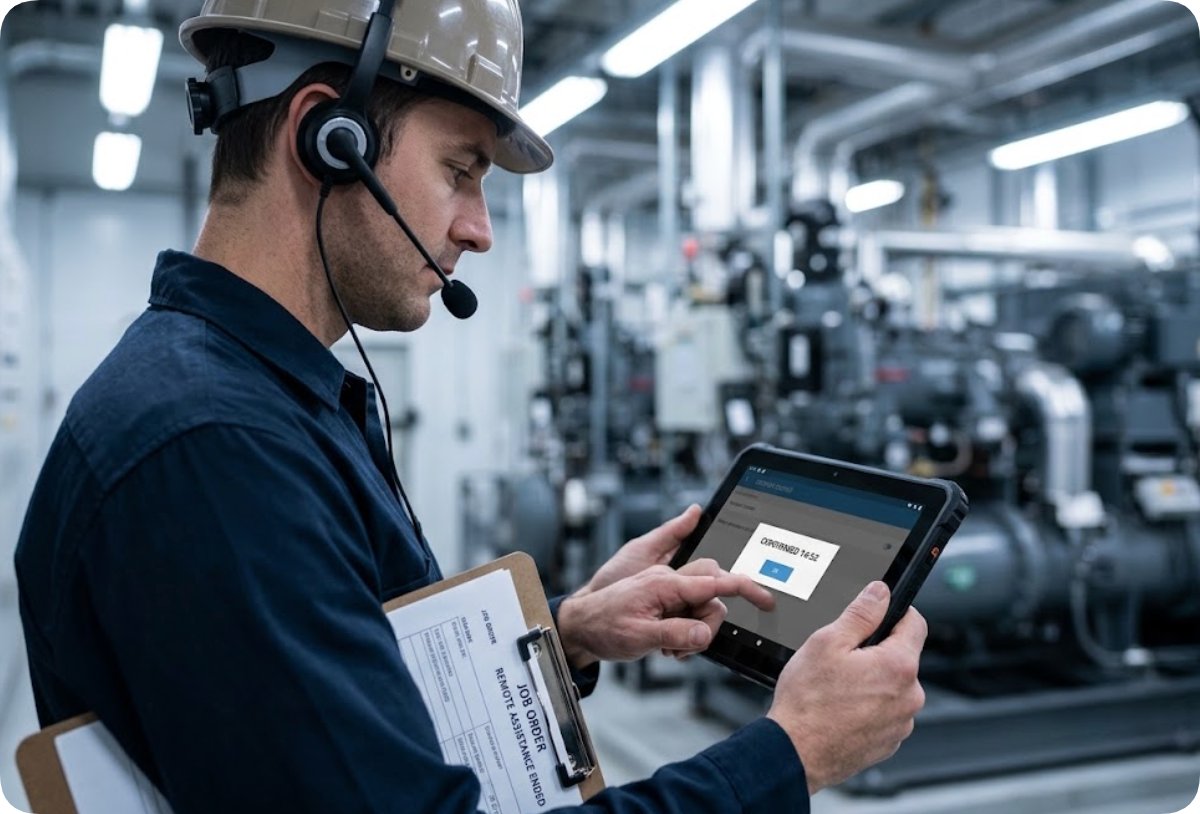
The choice between the three units on this project was decided by one property each: which one stays awake long enough after the call, and which one keeps its log when the battery does not. The specification table is reproduced first because the numbers below are quoted from the manufacturer sheets rather than from a comparison article.
| Model | OS | CPU | Display | Battery | Protection | Key Interfaces |
|---|---|---|---|---|---|---|
| HTQ10A | Android 12 | MTK 8788, 8 cores / 8 threads, 2.0GHz | 10" LCD 1920x1200, 560nit | 3.8V 7000mAh, non-removable | IP67, 1.22M drop | USB Type-C, Mini HDMI, 12Pin POGOPIN, TF/SIM |
| HTNJ08B | Windows | Intel Pentium N6000, 4 cores / 4 threads, 3.3GHz | 8" LCD 1200x1920, 560nit | 7.6V 3500mAh | IP67, 1.22M drop | RJ45, Type-A, Type-C, 12Pin POGOPIN |
| ST11-M | Windows 10 Pro (11 Pro / Ubuntu optional) | Intel Core i5-8200Y, 1.30GHz turbo 3.90GHz | 10.1" IPS 1200x1920, 430nit (1000nit optional) | 6000mAh, 7h30min use | IP65 | RS232, 2x USB 3.0, RJ45, POGOPIN, TPM 2.0 |
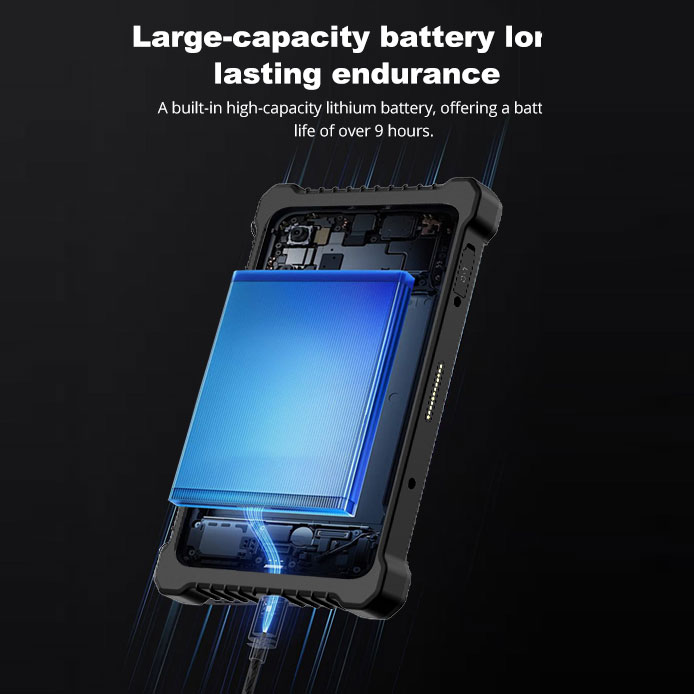
The HTQ10A is the unit the technicians carry, and the reason is the 7000mAh battery rather than the processor. A seven-hour field shift that ends with a supplier on the line needs the tablet to still be holding a session after the shift, and a 7000mAh non-removable cell is the largest of the three. Its 560-nit ten-inch panel is what makes the closing confirmation readable in a plant room rather than under a desk lamp, and the twelve-pin POGOPIN is where the charging dock connects so the device goes back on charge without anyone opening a case.
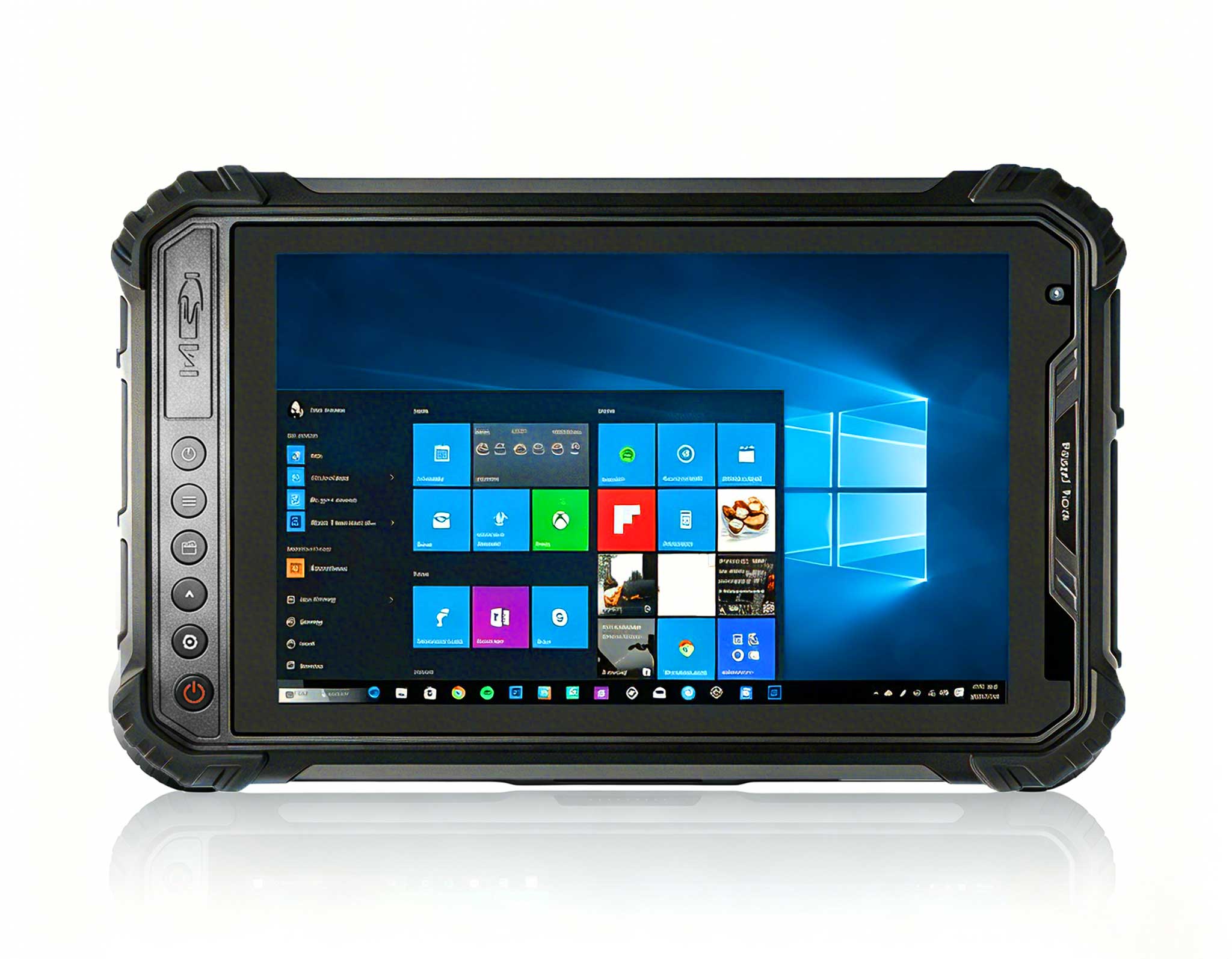
The HTNJ08B stays in the equipment room as the local endpoint, and its wired RJ45 port is the reason it sits there. An eight-inch Windows tablet on a wired desk link is the end that keeps the session log when the wireless link on the other end is the thing that failed, which makes it the reference copy for exactly the technical-close case described above. Its 3500mAh cell is the smallest of the three and that is acceptable because this unit is on a desk most of its life.
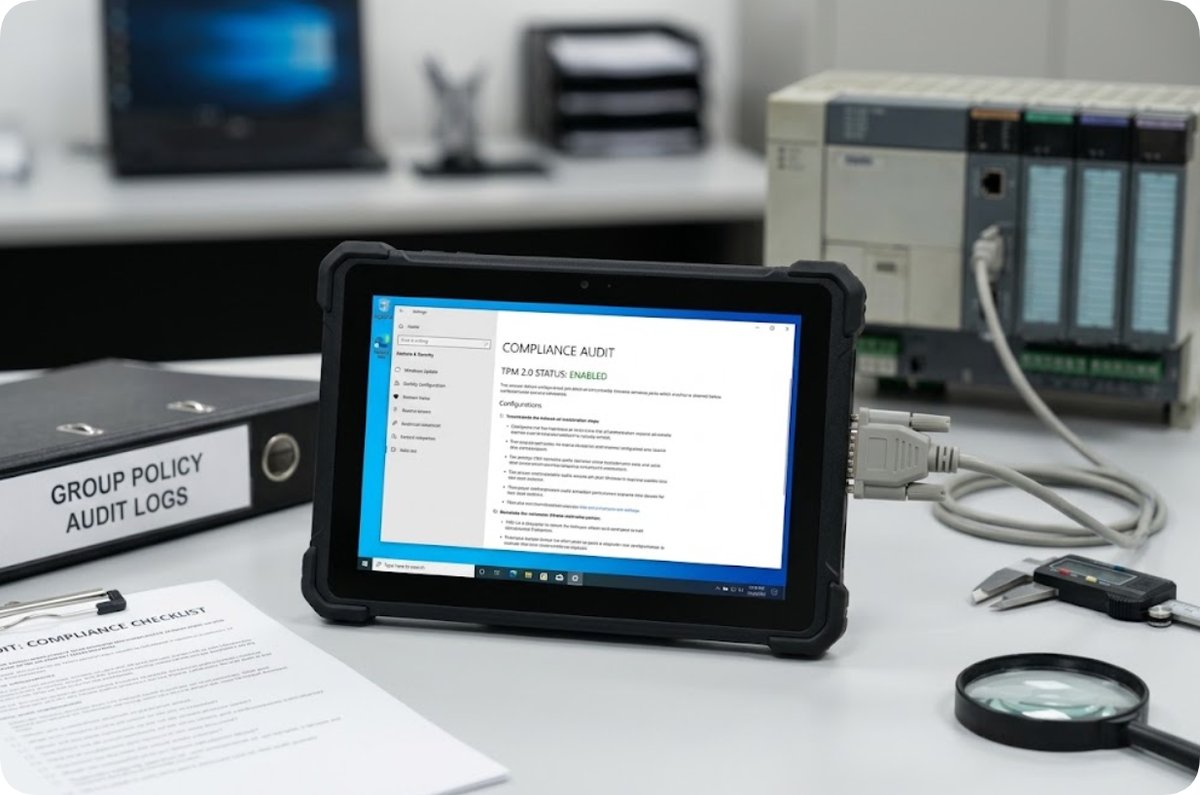
The ST11-M is the compliance-side unit, and the reason is the two features neither of the other two offers: TPM 2.0 and RS232. The TPM is what makes the session record defensible when someone asks whether the log was altered after the fact, and the RS232 is what lets this tablet sit inline with older equipment that has no network port at all. Its Windows 10 Pro base with Windows 11 Pro as an option is the reason it can run the same group policy as the office machines, which matters more than any processor choice when the argument is about who is allowed to close a record.
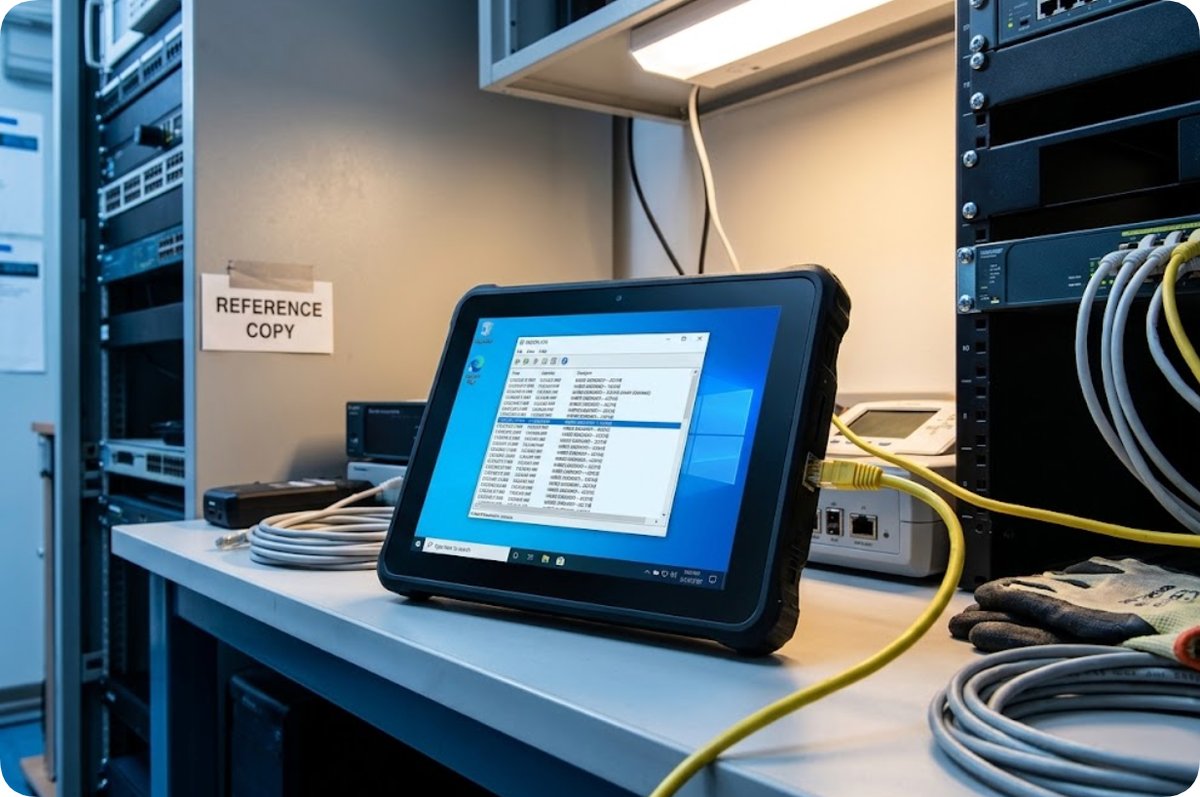
The closing rule they adopted is worth stating because it generalises. An agreed close is written by both sides and is only valid when both device clocks agree within the tolerance the site sets. A technical close is written automatically by the endpoint that held the wired link, because that endpoint is the one that did not lose the session. An imposed close requires the imposing person's identity in the record and is reviewed separately, because a session someone else ended is the one most likely to be challenged later.
The rule exposed an operational point that nobody had written down before. If an expert closes a session remotely while the technician's tablet is already out of range, the technician's copy will show a longer session than the expert's copy. Under this rule that is not a discrepancy to be resolved but a fact to be recorded, and it is recorded as a technical close rather than as a disagreement about timing.
The same three endings appear wherever a device is used to talk to someone who is not in the room. A plant maintenance team closing a session with a controls vendor at the end of a shutdown has the same problem, because the vendor's record and the technician's record stop at different moments when a network cabinet is between them. A hospital equipment support group closing a session with a biomedical engineer runs the imposed-close case constantly, because a clinical deadline frequently outranks the technician who is still holding the tablet. A field service contractor whose engineers close their own sessions before driving off has the agreed-close case as its normal working state, and the discipline there is simply that nobody signs off a job from the car park.
What transfers between all of these is the same requirement: the device that can prove the closure must be a device that stays powered after the closure. In a service van, a plant room, or a hospital ward, that is a battery and a screen rather than a policy.
Three things have to be settled before equipment is quoted, and none of them are specifications. Decide which side of every session is allowed to impose a close, and record that the person imposing it is identified. Decide the clock tolerance the site accepts between the two device timestamps, because without a number the rule is unenforceable. Decide what happens to the record when the holding device is lost or runs flat, because a session whose only copy was on a dropped tablet is not a record, it is a claim.
The three units that suit this work are the HTQ10A as the field endpoint that stays awake after the shift, the HTNJ08B as the wired endpoint that keeps the reference copy, and the ST11-M as the compliance-side machine with TPM 2.0 and the RS232 the older equipment needs. A team that has not yet decided which of the three endings it actually needs to prove can start from the remote assistance applications range, which sets the devices against the session rather than against the specification sheet.