- Select Language
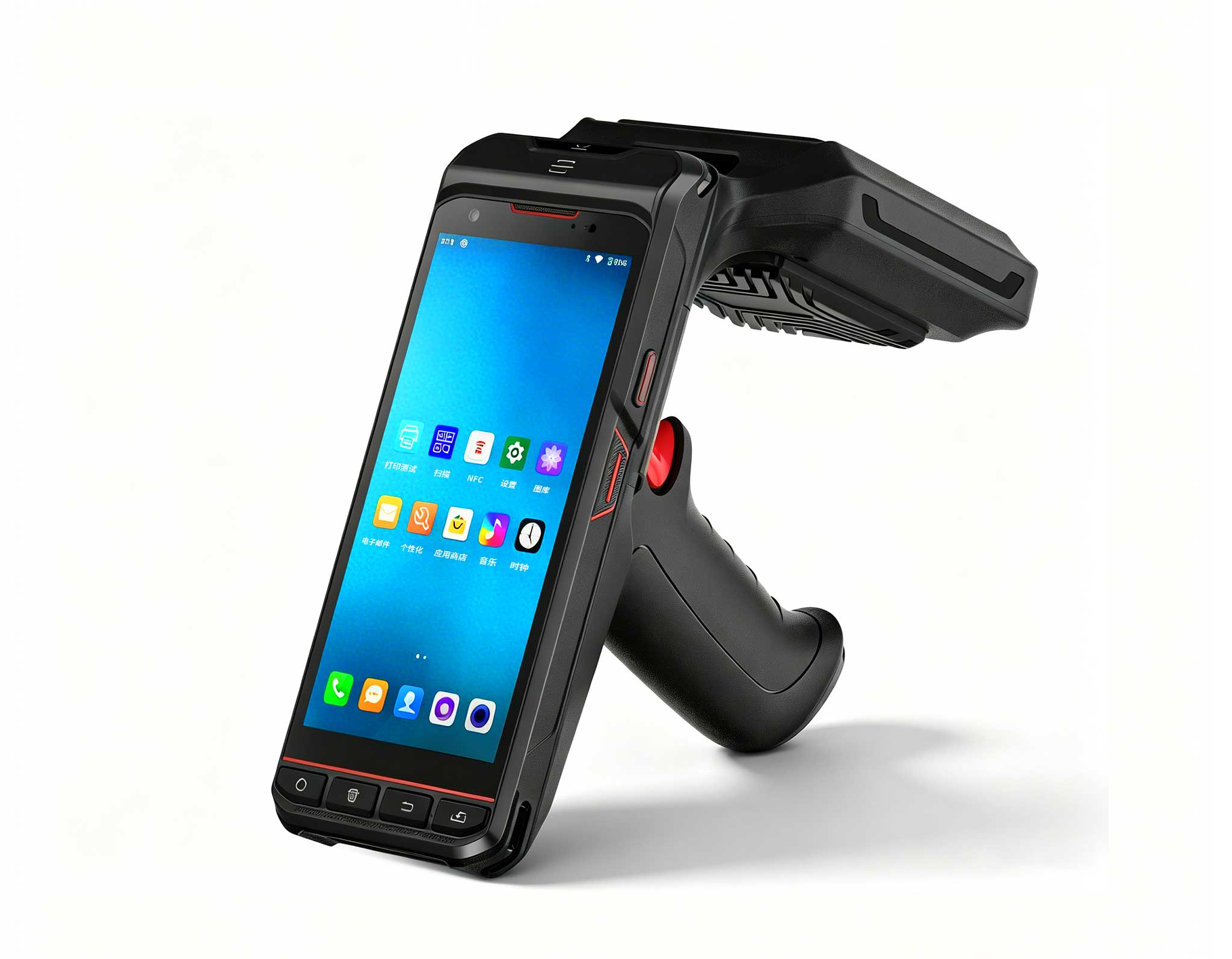
R366-S 5.5-inch Industrial PDA | Qualcomm Octa-cor...
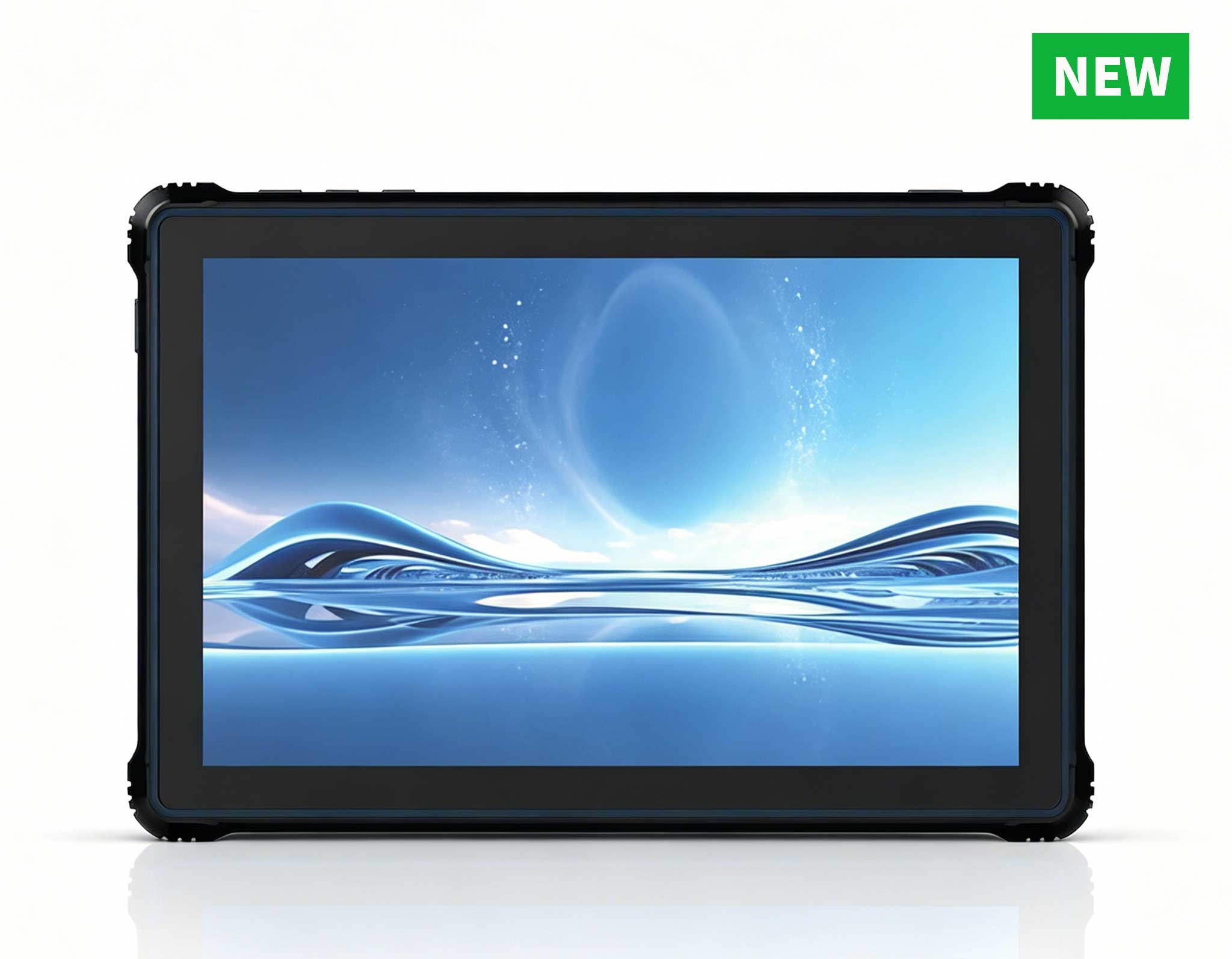
RT80 5G Rugged Tablet | 10.1" FHD 400nit | Un...
The PM156-1 is a 15.6-inch portable PC monitor fea...
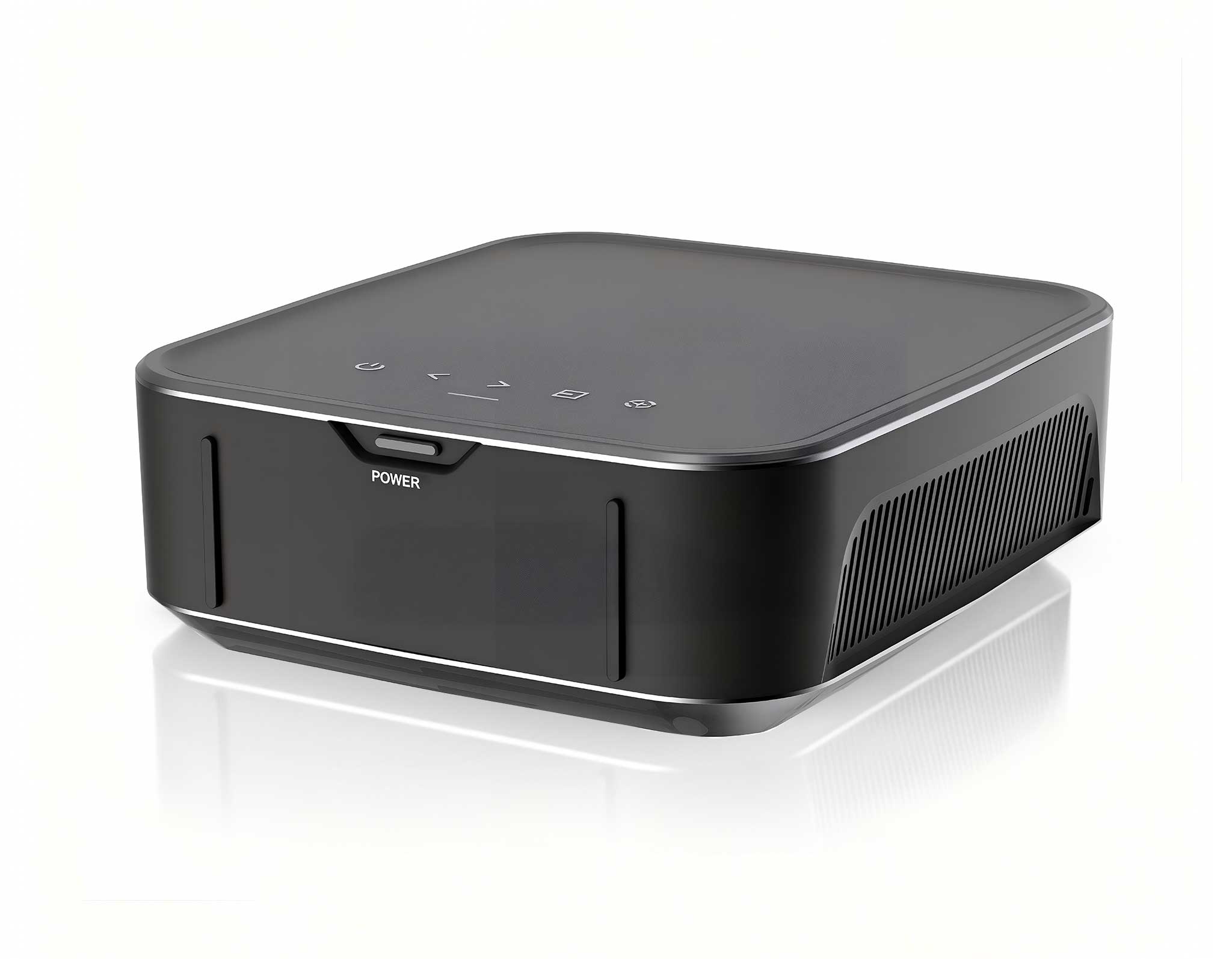
One Device, Dual Functions – A Projector and a Com...
The R501 PDA combines a powerful MT6762 Octa-Core ...
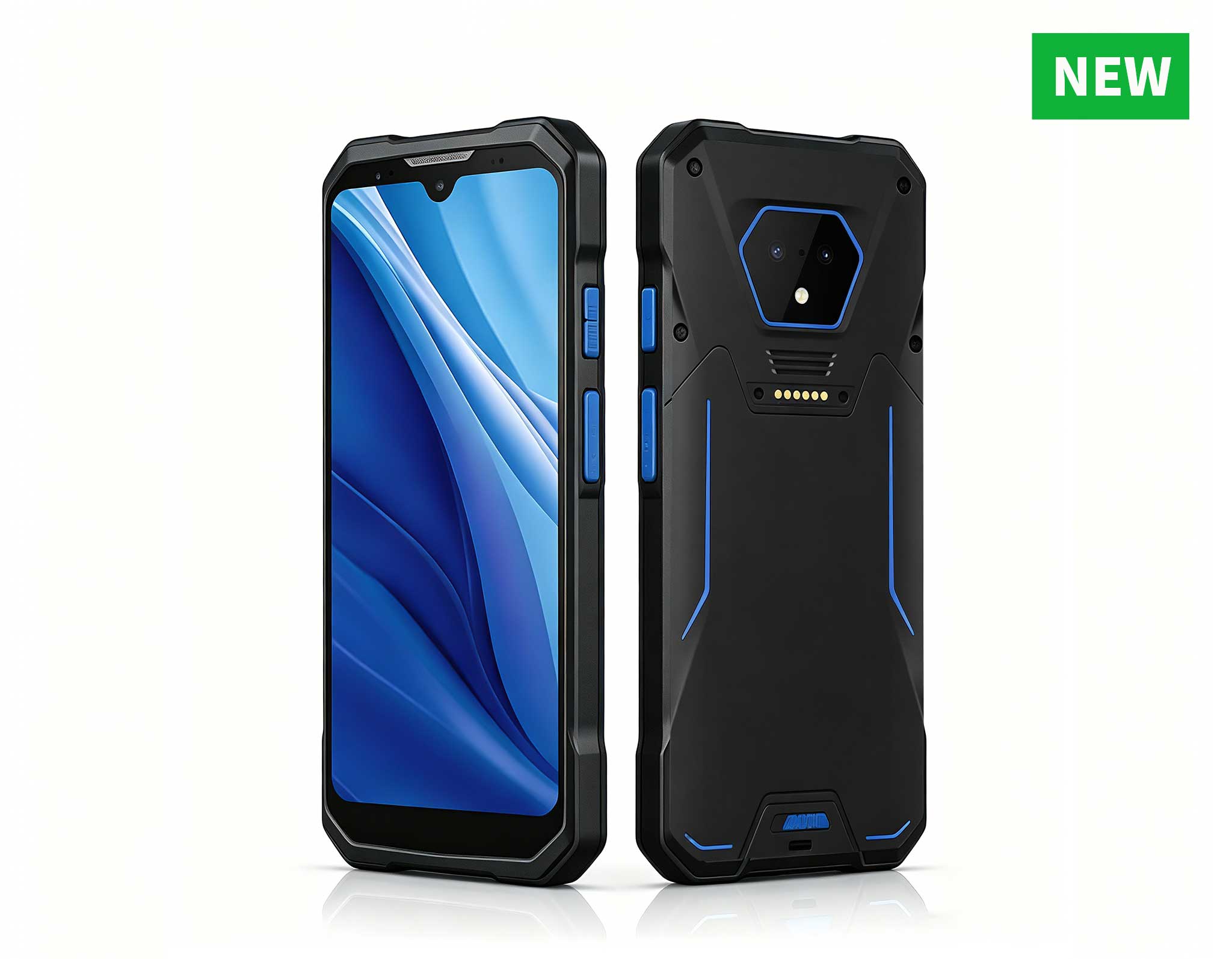
RS50 5G Rugged Handheld Terminal | 6.3" FHD+ ...
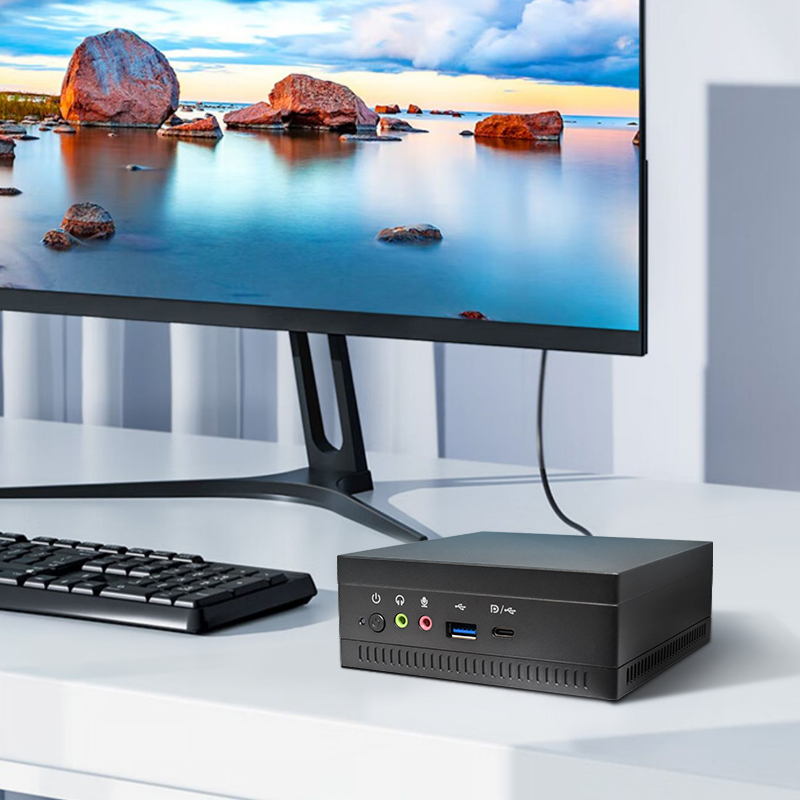
This ultra-compact mini PC offers powerful perform...
A dam monitoring sheet has three layers, and only one of them is a number the instrument gives you directly. The reading is the easy part. What the reading is measured from is the part that decides whether the sheet means anything six months later, and that part is written in words rather than digits. Most crews fill in the reading column because it is the only column with a box. The reference column gets abbreviated, the date column gets a shorthand, and eighteen months later a reviewer cannot reconstruct which mark the instrument was actually referenced to.
That is not a data-entry complaint. It is the reason two surveys of the same crest section can disagree by more than the deformation limit being watched for, while neither technician did anything wrong. Both read the staff, both wrote a figure, and both were honest. The disagreement lives one layer up, in a datum description that nobody standardised.
Read a real settlement sheet from top to bottom and it separates into three layers. The observation layer is what the instrument sees: staff reading, prism reading, inclinometer reading, the number written at the moment of looking. The reference layer is what the number is anchored to: the benchmark, the datum, the chainage and offset the reading was reduced to. The acceptance layer is the tolerance and the frequency written into the inspection plan.
Only the first layer is measured on the day. The second layer was fixed years earlier by someone who is no longer on the site, and the third layer is a decision made by a desk. When a survey sheet is reduced to a spreadsheet, the second and third layers usually disappear, because a spreadsheet has nowhere to put them. What survives is the observation, unattached to anything, and that unattached observation is what later gets treated as a trend.
The practical consequence is narrow and worth stating plainly: a deformation trend cannot be defended by the readings alone. It can only be defended by the readings plus an intact reference description. If the reference column cannot be reproduced by someone who was not on the crew, the trend is an assertion rather than a measurement.
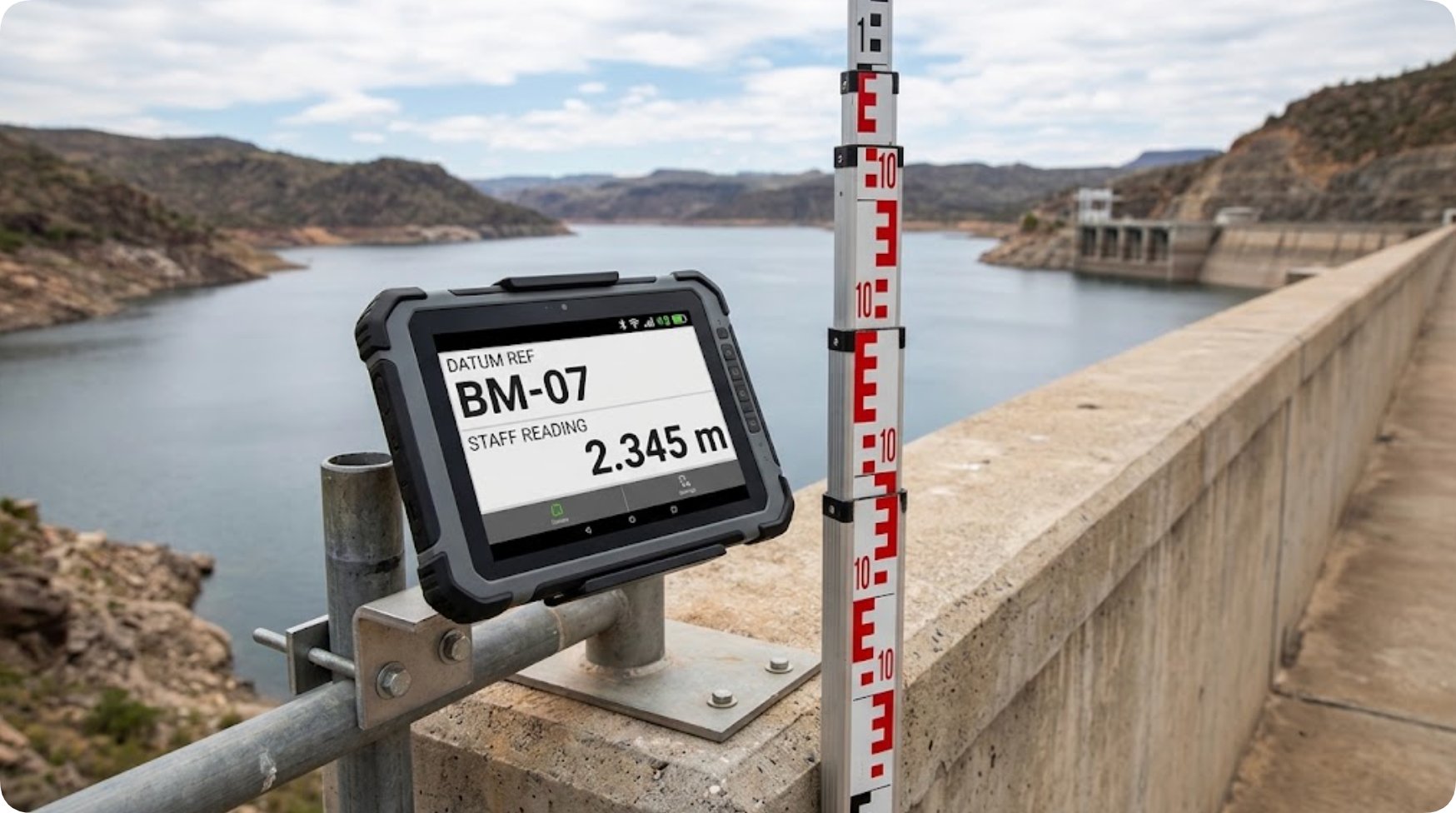
A benchmark reference is normally written as an identifier plus a location plus a founding description. The identifier is the easiest part and the most dangerous, because an identifier that looks like BM-07 suggests a permanent monument. In practice it may be a painted mark on a parapet that gets repainted every few winters, a bolt in a concrete gallery that shares a name with three other bolts, or a reference carried over from an older survey whose physical origin was never recorded.
The chainage reference has a parallel failure. Chainage is read off a centreline and is therefore only valid while the centreline is stable. If the alignment was revised after the datum was set, the chainage on the old sheet and the chainage on the new sheet point at different physical marks even though both numbers are four digits. The number survives; the meaning does not.
Vertical datum has its own version of the problem. A level run closed onto a published height gives a number that can be checked against an external source, which is why published heights are worth chasing when they exist. Where they do not exist, the honest statement is that the absolute height is unknown and only relative movement between monitoring points is known. Writing an absolute height that traces back to an unmarked local reference moves the uncertainty into the column header, where nobody will look at it.
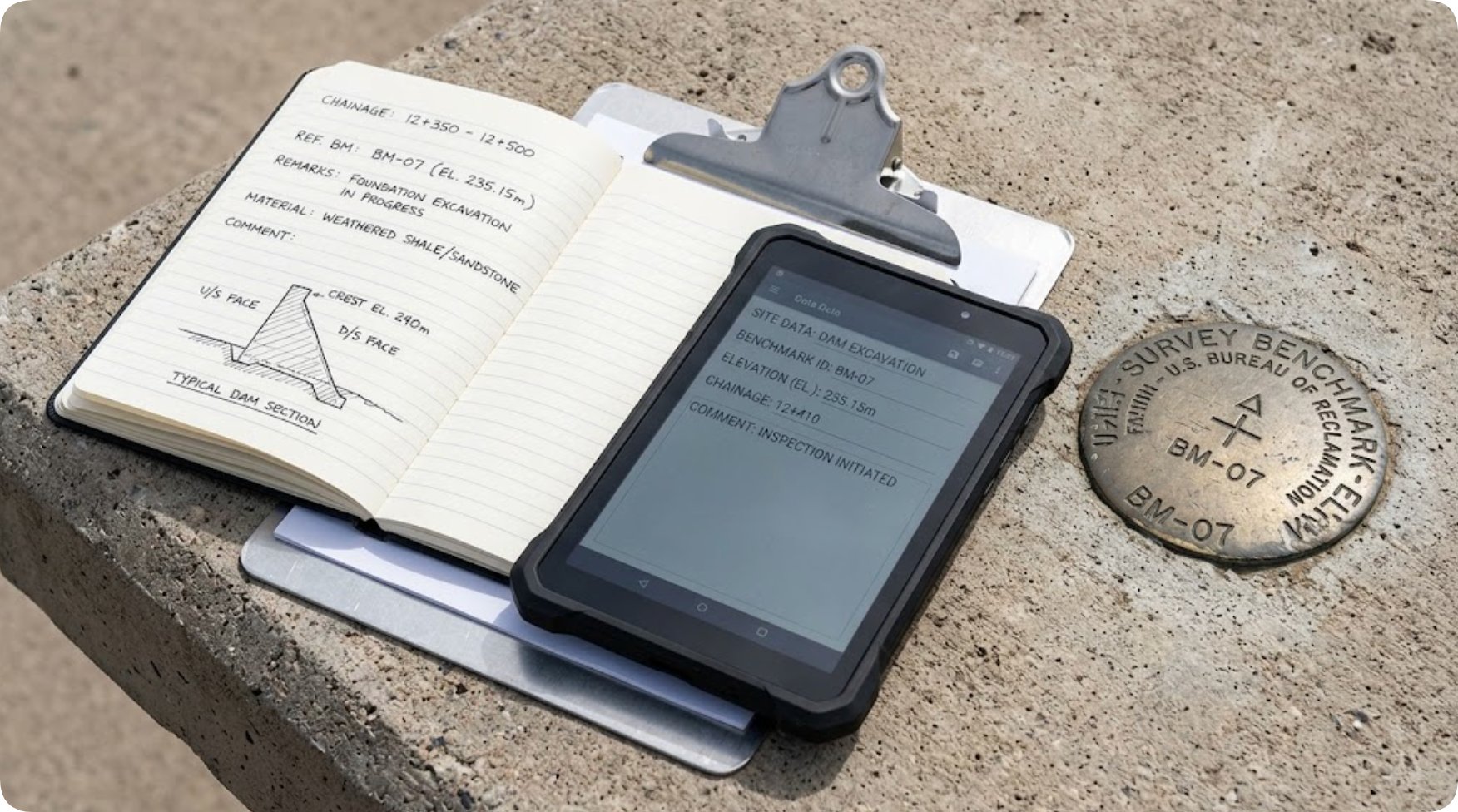
The three units in this comparison were not chosen for their screens. Two of them share a chassis closely enough that the spec tables are almost interchangeable, and the third belongs to a different family entirely. That combination is the point: a settlement round does not need three different devices, but it does need a device that can keep a fixed reference in storage without asking the field to re-establish it every session.
The HTNJ08C runs an Intel N100 of the 10th generation, four cores and four threads at 3.4GHz, behind an 8-inch 1200 by 1920 LCD rated at 560 nits. Storage and memory figures are not published for this unit. Protection is quoted as IP67 with a 1.22-metre drop figure, the battery is 3500mAh at 7.6V, and the chassis measures 238 by 160 by 25mm with a one gross weight of 1.8KG that includes the carton.
The HTYJ08A shares that 8-inch 1200 by 1920 panel at 560 nits, the same IP67 and 1.22-metre drop rating, the same 3500mAh battery at 7.6V, the same 238 by 160 by 25mm body and the same 1.8KG gross weight. The CPU is the only published difference: a 10th-generation Core i5-10210Y or i7-10510Y. RAM, storage, operating temperature and drop-test conditions are not published for this unit either. Both units carry the same interface list, including a pogo pin block and SIM, and both list 4G, NFC, scanning and fingerprint as optional functions rather than standard fit.
The ST11-M is the outlier in the group and the reason the group is worth a comparison at all. It runs Windows 10 Pro on an i5-8200Y at 1.30GHz turboing to 3.90GHz, with 8GB of RAM and 256GB of storage as standard and larger configurations optional. Its 10.1-inch IPS panel runs 1200 by 1920 at 430 nits typical with a 1000-nit panel offered as an option. Protection is quoted as IP65. Weight, dimensions, drop rating and operating temperature are not published, which is a real gap when the device is being specified for a wet gallery.
| Published field | HTNJ08C | HTYJ08A | ST11-M |
|---|---|---|---|
| Processor | Intel N100, 4 cores / 4 threads, 3.4GHz | Core i5-10210Y or i7-10510Y | Intel i5-8200Y dual core, 1.30GHz up to 3.90GHz |
| Published memory and storage | Not published | Not published | 8GB RAM, 256GB, both optional upwards |
| Display | 8in LCD 1200x1920, 560 nits | 8in LCD 1200x1920, 560 nits | 10.1in IPS 1200x1920, 430 nits typical, 1000-nit option |
| Protection | IP67, 1.22m drop | IP67, 1.22m drop | IP65 |
| Battery | 3500mAh at 7.6V | 3500mAh at 7.6V | 6000mAh at 7.6V, about 7h30 usage, about 4h charge |
| Positioning | Not published | Not published | BDS, GPS and GLONASS standard; high-precision GPS optional |
| Body and weight | 238 x 160 x 25mm, 1.8KG gross | 238 x 160 x 25mm, 1.8KG gross | Not published |
Read that table as a survey manager rather than a buyer and the gaps matter more than the numbers. The two 8-inch units give you nothing on positioning, which means a survey round on either of them depends on the instrument reading the mark, not the device knowing where it stands. The ST11-M is the only unit in this group that publishes multi-constellation positioning and offers a high-precision module by part number. That is the single field that changes how a round is planned, because it decides whether the crew walks the section with one device or two.
The weight column is a second trap. The 1.8KG figure on both 8-inch units is a gross weight that includes the carton, and the ST11-M publishes no weight at all. Those two numbers are not comparable, so a carry-battery calculation built on either of them is an estimate rather than a specification. The same applies to the dimensions: 238 by 160 by 25mm is a bare body measurement with no screen or keyboard allowance attached to it.

The most useful thing a field device can carry is not processing power. It is the text of the datum description, the benchmark identifier, the chainage and offset, and the acceptance tolerance, stored in a form that does not depend on a paper notebook surviving the season. When those four items sit on the device that is already at the mark, a replacement crew inherits the reference without inheriting a briefing.
This is a modest requirement and most hardware can meet it, which is why the failure is rarely hardware. It is usually that the reference description exists only in a season-opening meeting, in the speech of a supervisor who will be on a different contract by the second visit. Written down at the device level it becomes an artefact; left in the meeting it becomes a memory. Water and dust do not shorten the life of a stored text file, which is the entire reason to store it.
The field-view application libraries for this kind of round cover inspection and patrol work across similar environments, where the walk follows a crest or a gallery rather than a fixed plant floor.
The tolerance column is the one most often borrowed from an older plan without being re-derived. A millimetre figure on a sheet does not say which millimetre it is: vertical settlement on the crest, horizontal displacement of a gallery wall, rotation at an abutment, or the reading noise of the staff itself. Four different quantities, four different limits, and one column in a spreadsheet that holds a single number.
Frequency is written in the same place with the same ambiguity. Daily readings during a filling season and monthly readings outside it are both routine answers, and a sheet that records only a date leaves the reader to infer which regime applied. The honest version writes the regime in the row rather than in the plan file, because the plan file is the thing that gets superseded quietly.
What an auditor or a reviewer opens first is rarely the tolerance. It is the reference description, and it is opened first because without it nothing else in the sheet can be interpreted. That is why the settlement sheet that survives scrutiny is usually the one whose reference column was filled in on day one by whoever happened to be standing at the mark.
Before a settlement round starts, three questions decide whether the sheet will be readable later. Which benchmark is this section referenced to, and can that benchmark be located physically rather than by identifier alone. What absolute height does the reference carry, and is it a published height or a local one. Which tolerance applies to this specific quantity, and in which direction does it count.
None of the three requires the device to be clever. All three require the answer to be written down at the point of measurement. A device that can hold the reference text locally removes one failure mode entirely: the crew arriving in the second week of a season with a device that knows what it is measuring against, rather than a crew repeating a chainage from memory because the notebook is somewhere on a truck.
None of the three units in this group publishes operating temperature, and the two 8-inch units publish neither memory nor storage. Those omissions belong in the specification conversation rather than in the field conversation, and a procurement note that flags them before the order is placed costs nothing. After the units are in the gallery, the omissions cannot be closed at all.
The industrial three-proof range covers the ingress and drop ratings that the crest environment actually needs, and the rugged tablet line is where these three units sit relative to the rest of the range. Specifying against the field reference first and the catalogue second is the order that produces a defensible sheet.
Every one of the failures described here is a failure of the reference layer, and none of them required a wrong reading. A reading can be transcribed perfectly and still be unattributable. A tolerance can be correct and still be applied to the wrong quantity. A benchmark can be painted over and the identifier can still be written in the box every week with complete confidence.
The practical remedy is unglamorous. Write the reference description in full at the mark. Record whether the absolute height is published or local. Name the quantity the tolerance applies to. Store all three on the device that is already at the section, so that the next crew reads them rather than recalls them. None of this is instrument work, and all of it is the part that decides whether the trend survives review.
Two of the three units here are the same machine with a different processor, which means a choice between them is a choice about procurement rather than about the field. The third is the only one of the three that publishes positioning, and positioning is what decides whether a survey round is one walk or two. Neither observation depends on the device being the newest one available. Both depend on the reference being written down.