- Select Language
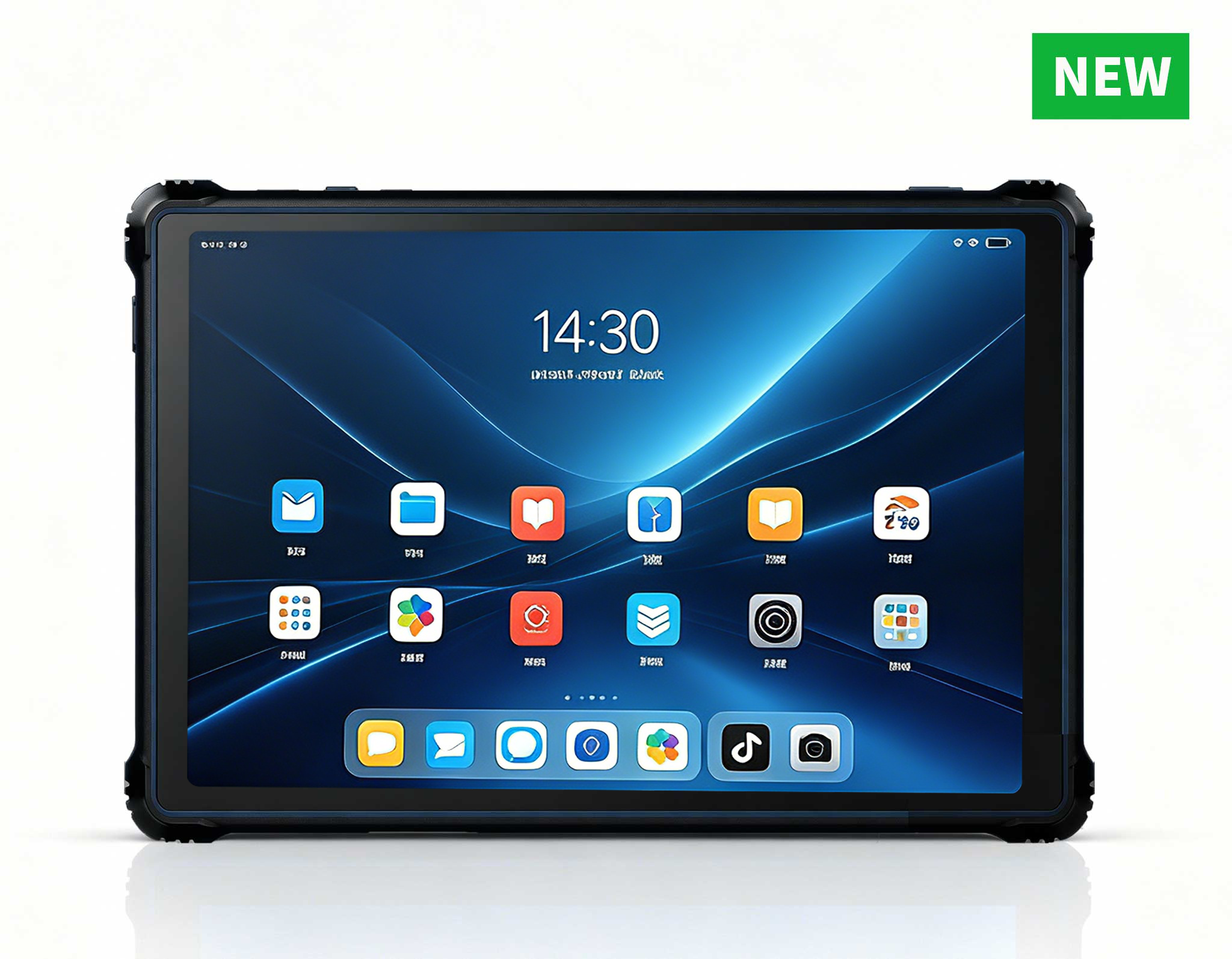
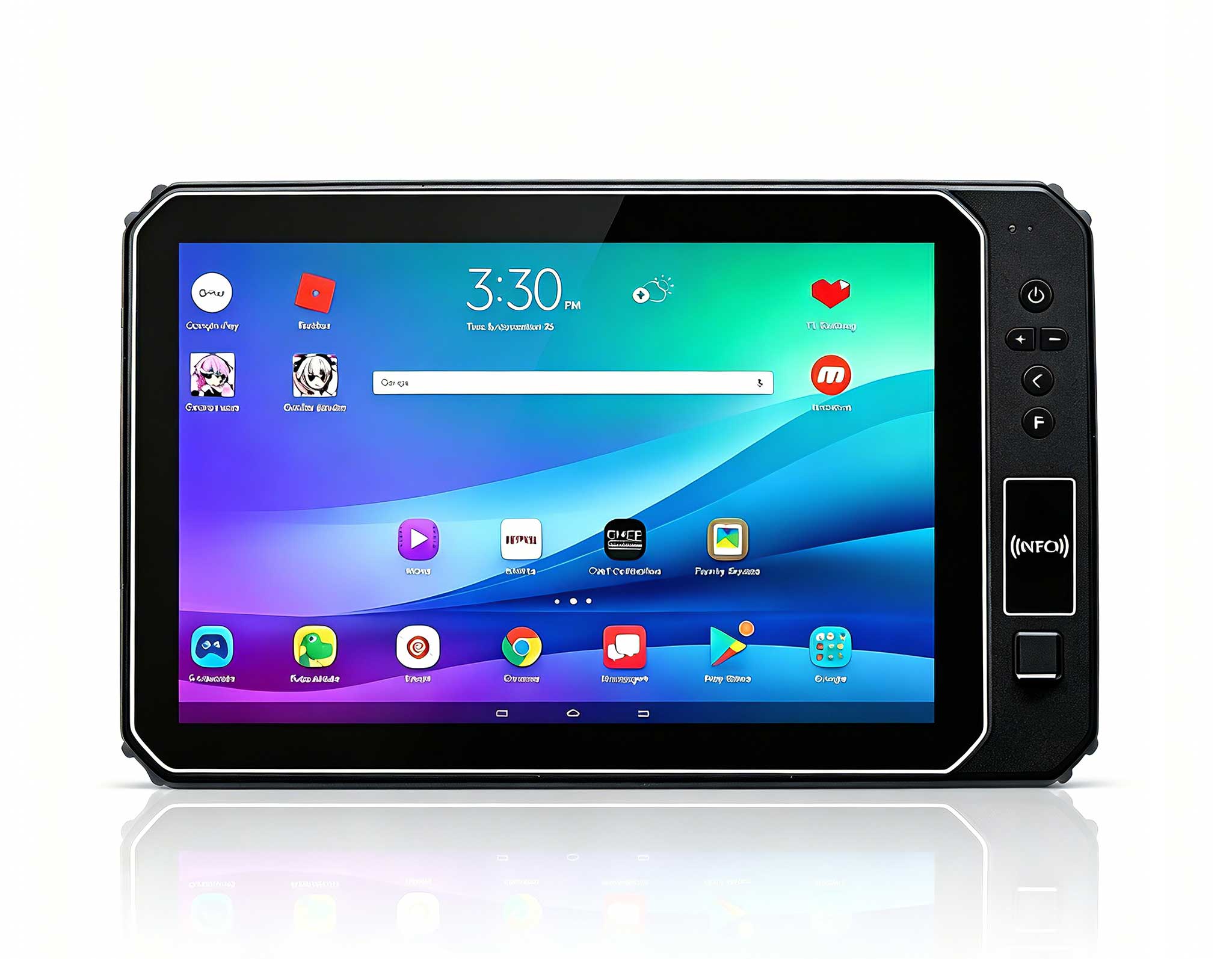
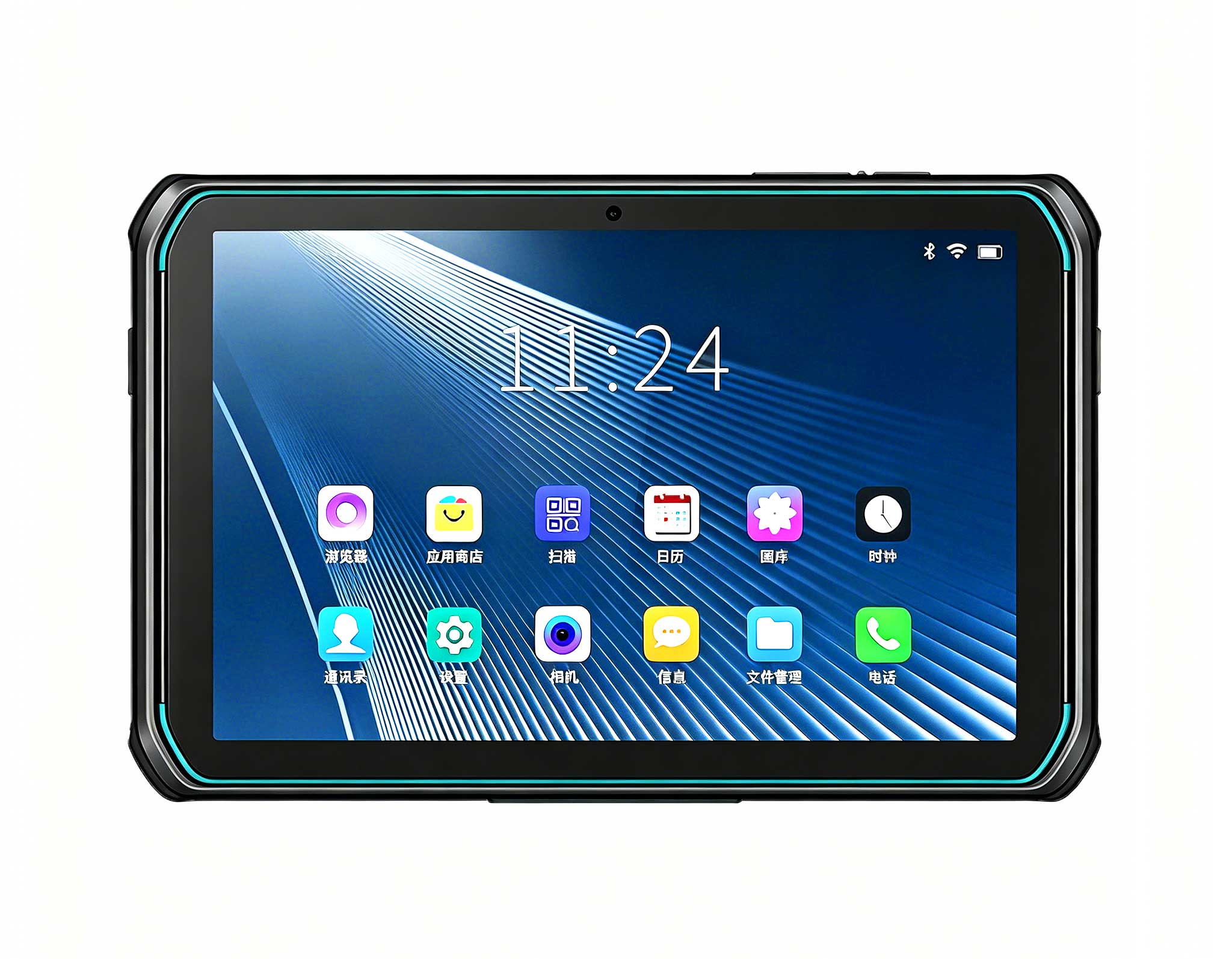
RT82 5G Rugged Tablet | 10.1" FHD 400nit | Qu...
This 10-inch Android rugged tablet is designed for...
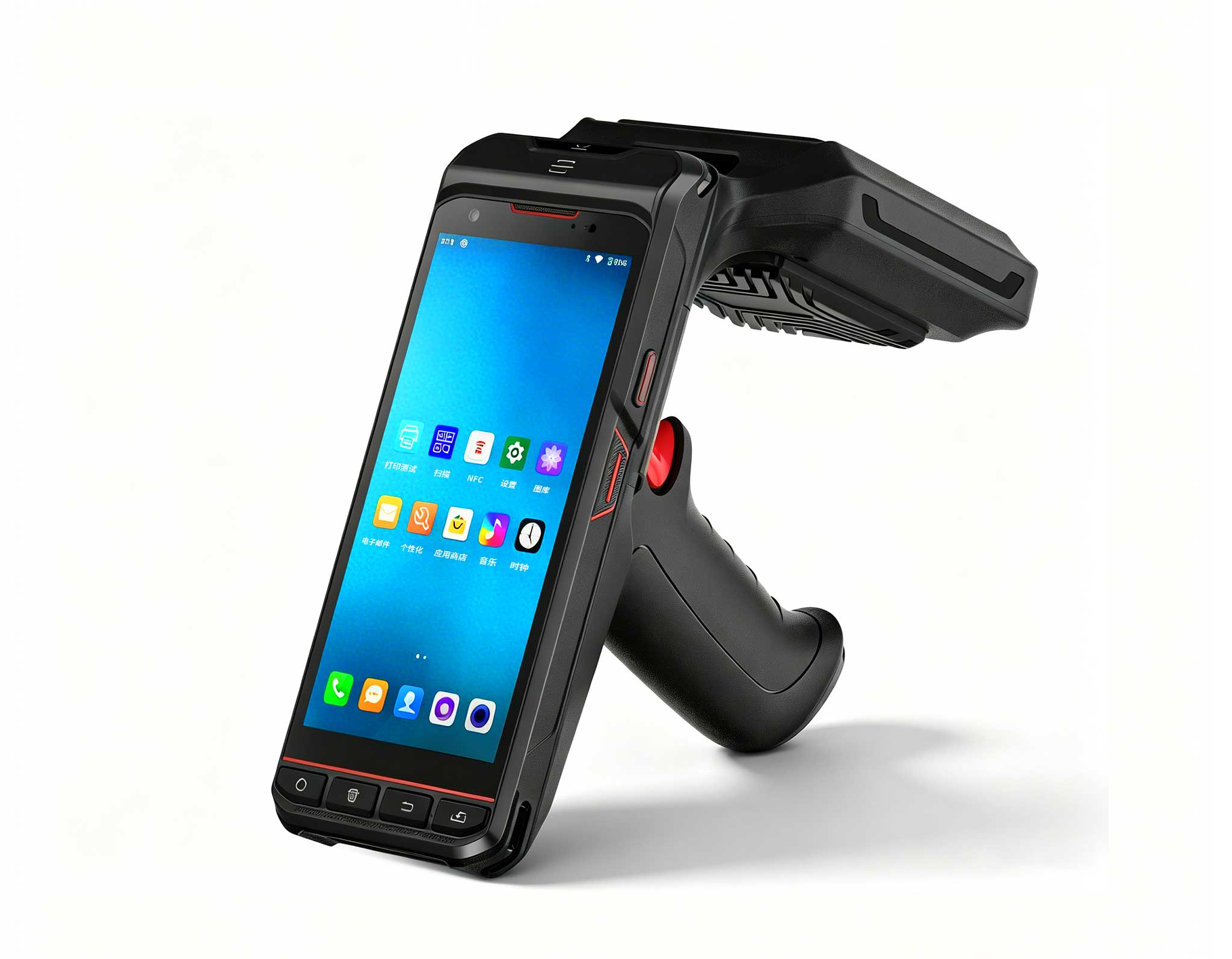
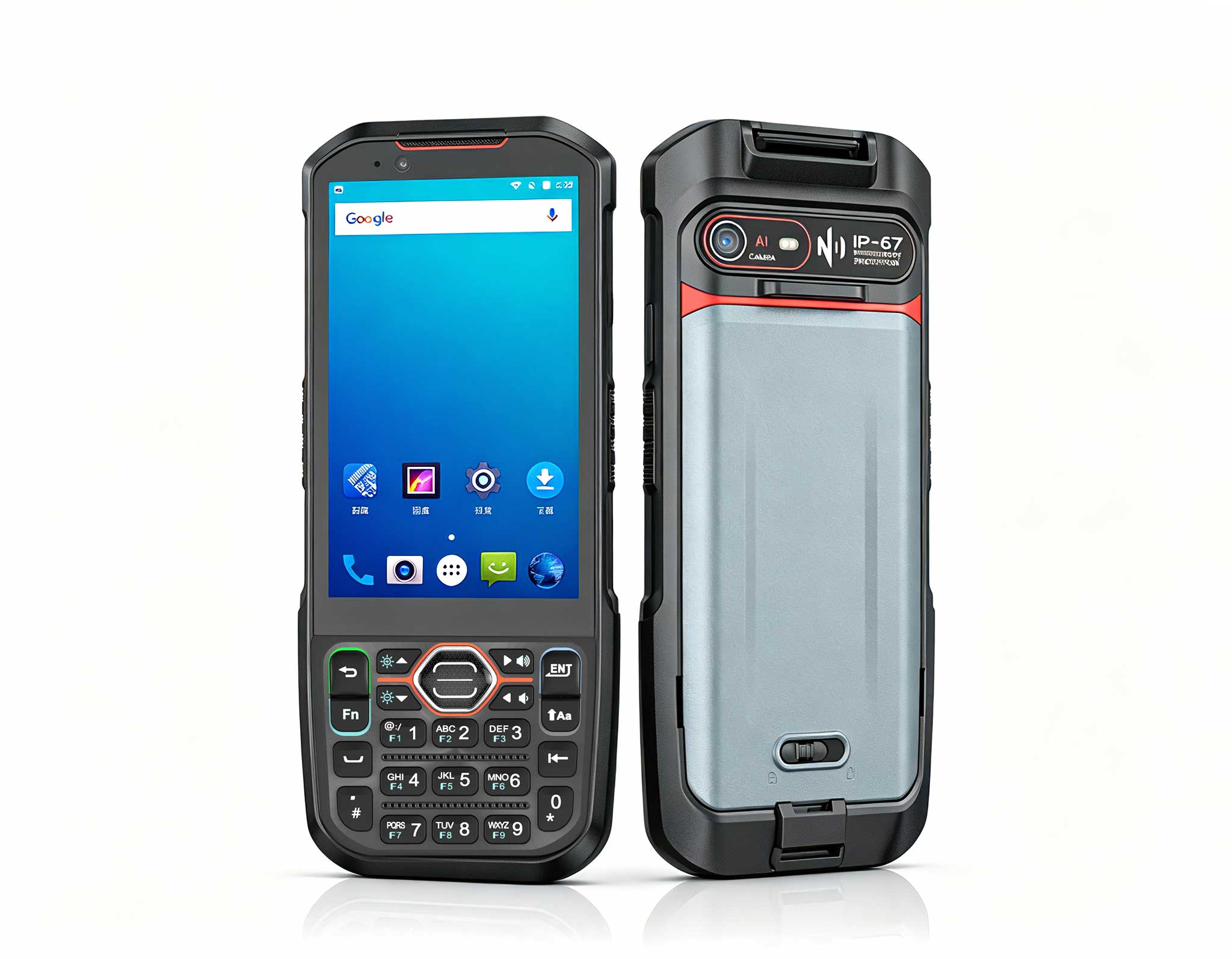
R366-S 5.5-inch Industrial PDA | Qualcomm Octa-cor...
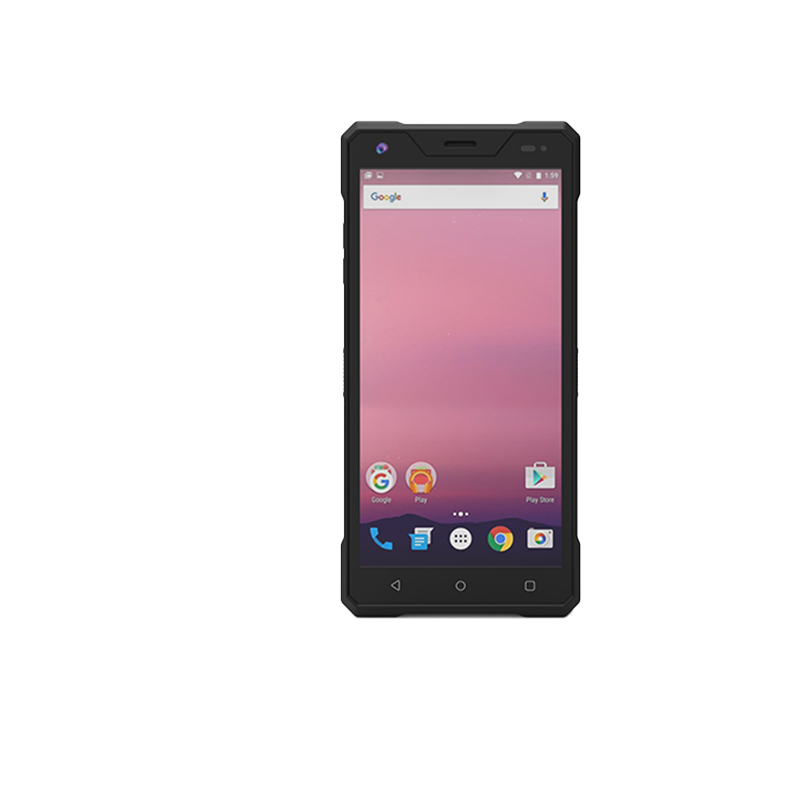
The R501 PDA combines a powerful MT6762 Octa-Core ...
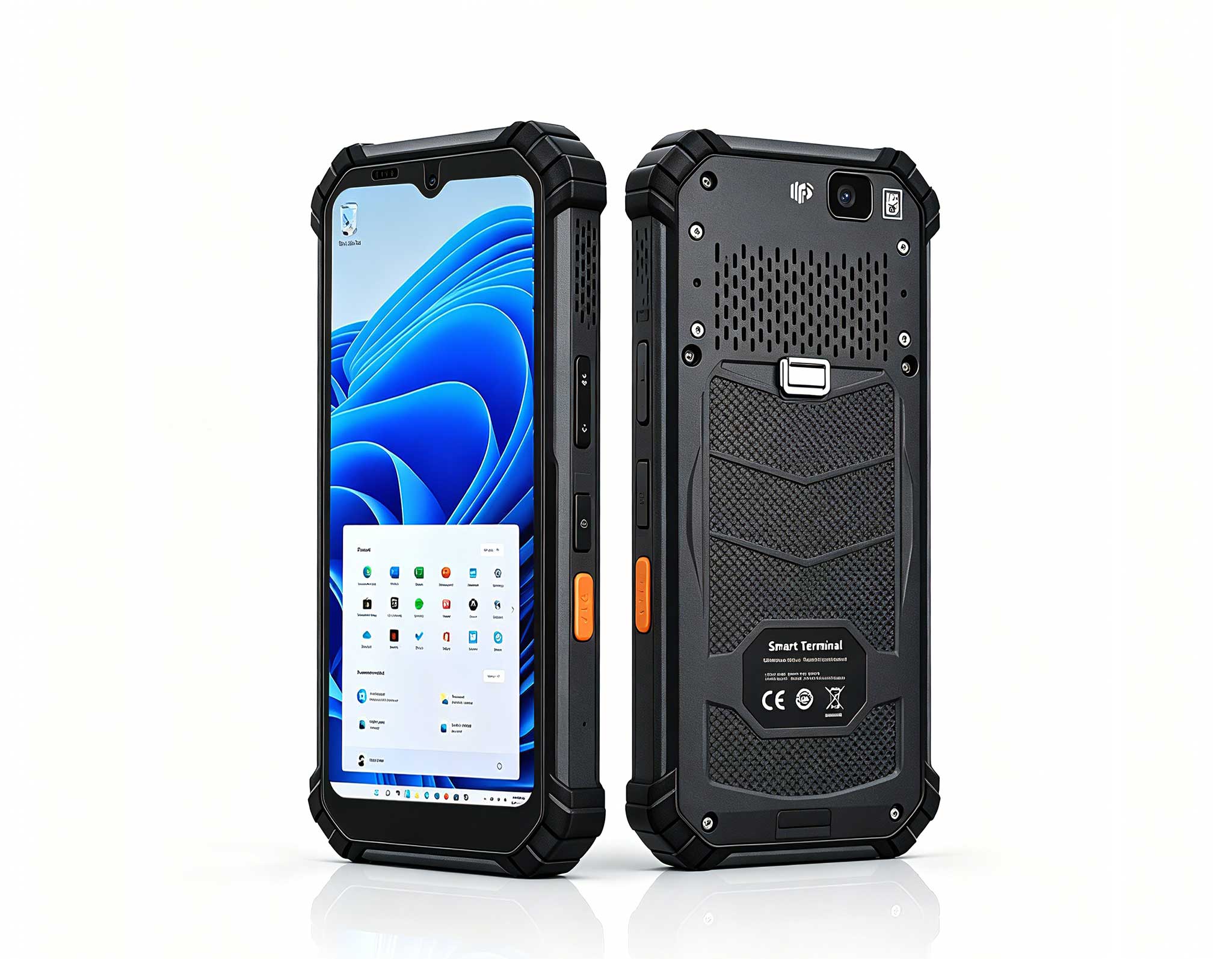
Enterprise Flagship SeriesEngineered for mission-c...
Explore an innovative Personal Digital Assistant f...
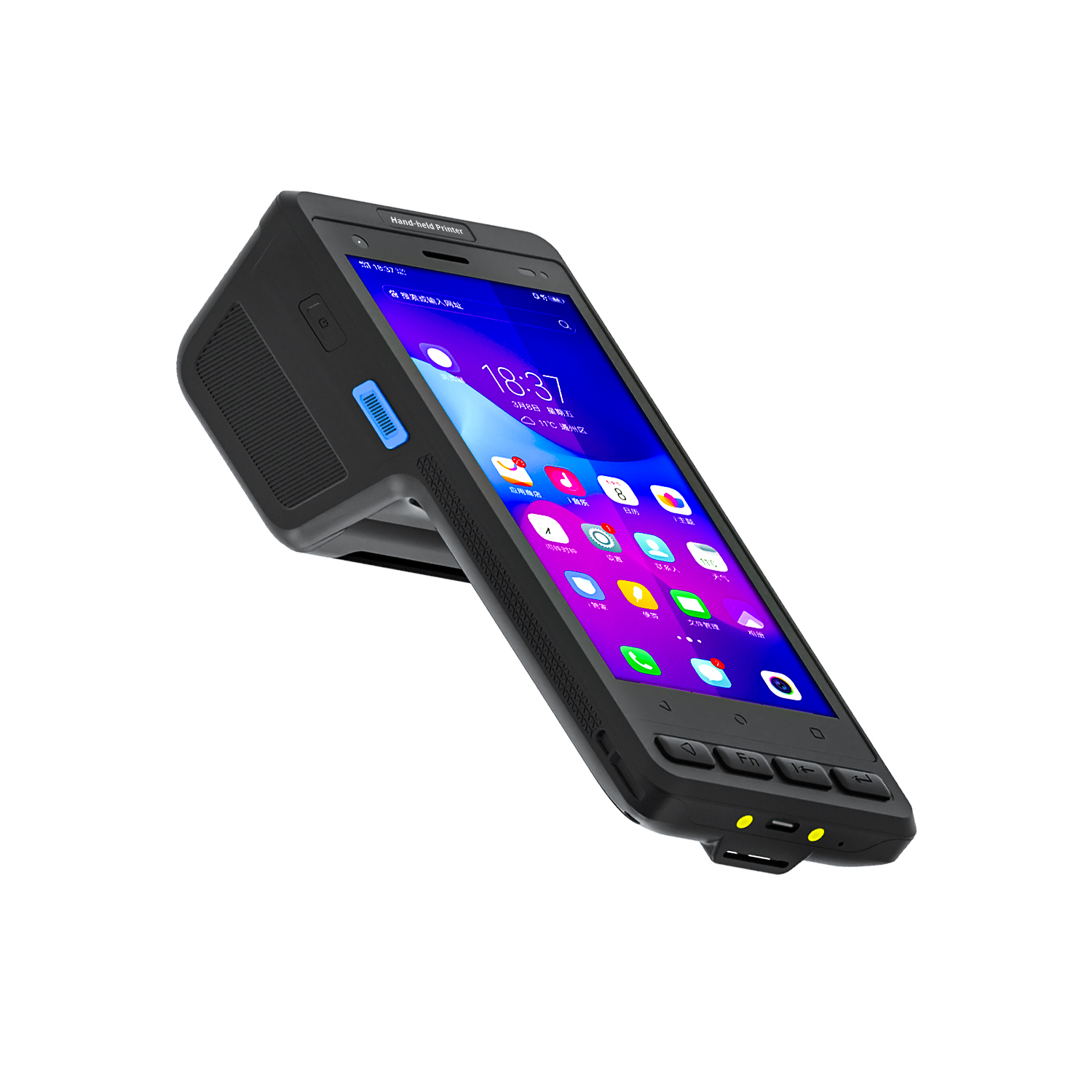
️ X8 Series Handheld Label & Thermal Printing ...
This 10-inch Android rugged tablet is designed for...
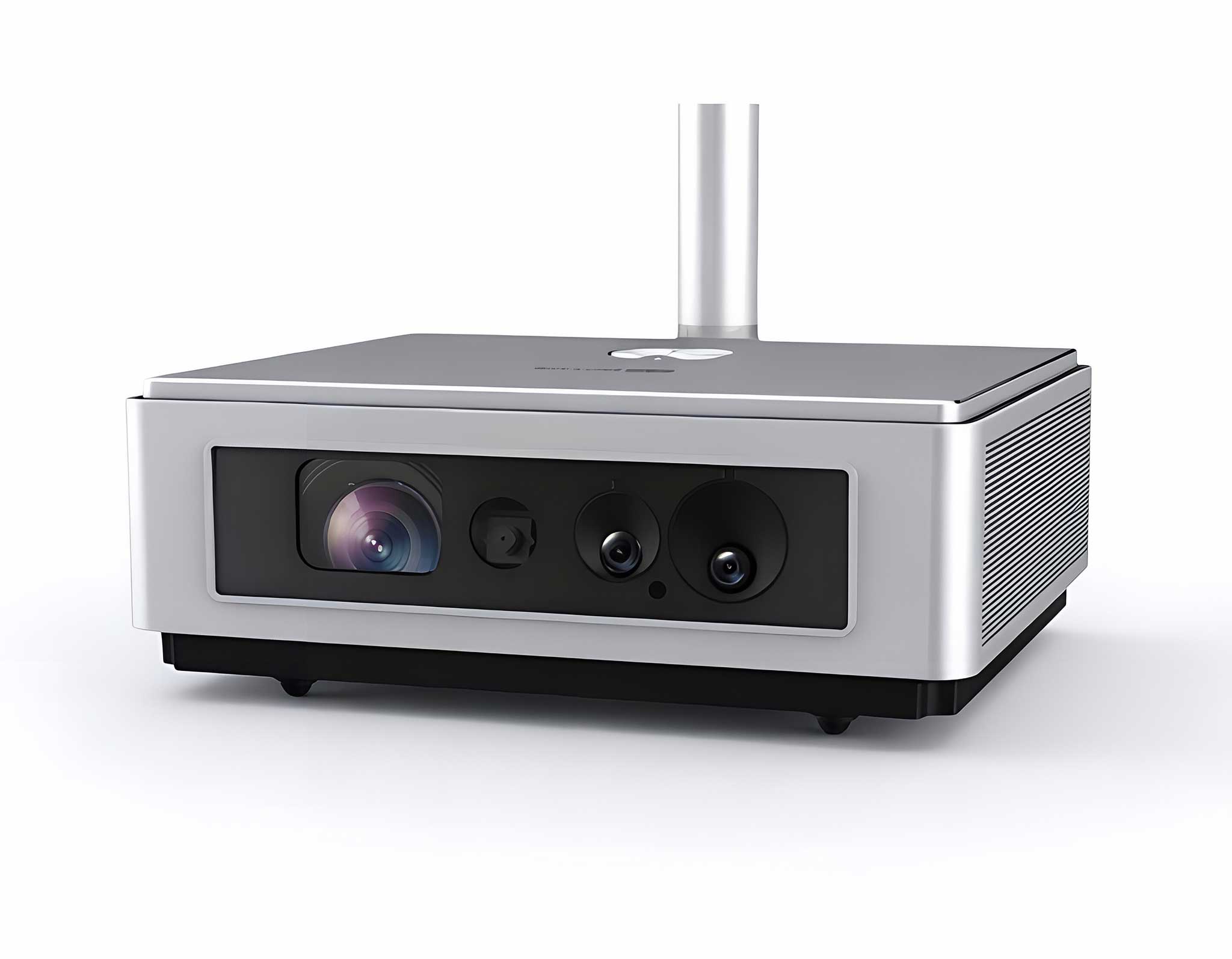
The PM133-2 is a 13.3-inch portable monitor featur...
Two scanners can each report a successful read on the same afternoon and still leave you unable to say which batch of material moved into which pallet. That gap is not a hardware failure. Both devices did exactly what they were specified to do. What breaks is the record between them, and in a peak week there are far more of those records to break than there are people available to notice.
This is why a traceability audit done after the season closes is almost worthless. The pallet has already moved, the intermediate tote has already been consolidated, and the person who loaded it has already moved to a different line. Tracing backward from a finished order at that point means asking people to remember, and people remember the shift they liked rather than the tote they carried.
Three handhelds on the same floor do not prevent that by themselves. They make the reads clean. What keeps a trace intact is a decision about which step is recorded, which step is assumed, and who signs the assumption. The equipment choice matters most at the moment where a record has to be written in a place with no desk, no keyboard and no time to wait for a network.
Consider a line where finished goods arrive on a labelled tote and leave on a pallet. The first scan is captured by a terminal at the dock. The second is captured at the palletiser. Between those two moments the tote is carried roughly twenty metres by one person who is not looking at either screen. If that person picks up two totes together and loads them in the order they grabbed them, the system holds two perfectly valid reads and no relationship between them.
Nothing in the data is wrong. Both records carry a timestamp, a device identifier and a user account. What is missing is the joining key, and once it is missing no amount of additional scanning downstream will put it back. Rebuilding it later requires either a witness or a convention, and witnesses are the resource that runs out first when volume rises.
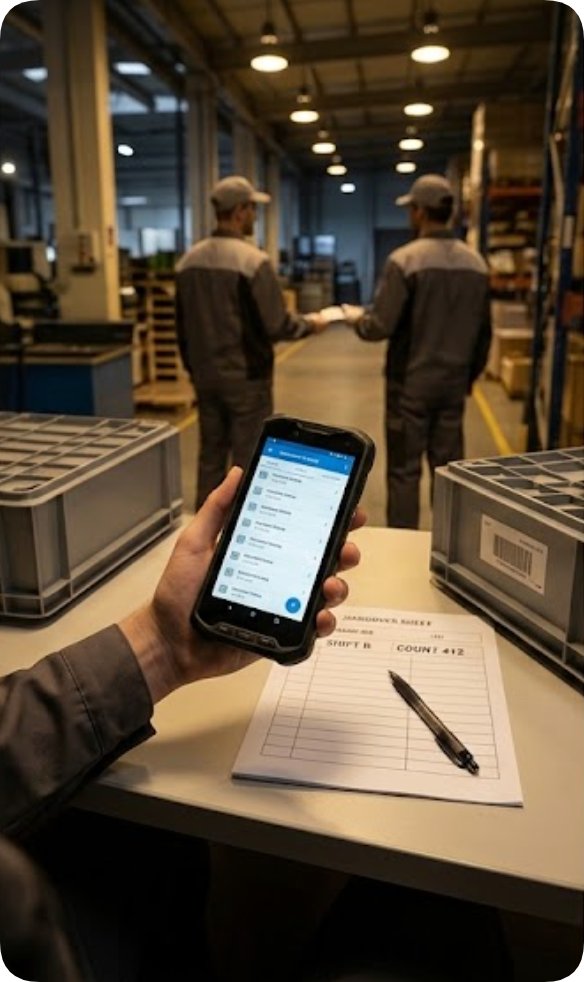
The second place a trace thins out is the shift boundary. An operator who has scanned four hundred movements in a shift knows exactly what they did, but they leave, and the person taking over sees a queue of tasks rather than a queue of scans. If the incoming operator re-validates a sample instead of confirming the full set, the record becomes a statistical claim rather than an event list.
Writing a signature at handover solves a surprising amount of this, not because it improves accuracy but because it makes the assumption visible. A handover that states which movements were confirmed and which were accepted on the outgoing operator's word can later be audited. A handover that only transfers the device does not, and the difference costs nothing to add on paper before the week starts.
Adding a bulk RFID unit alongside two terminals is a normal answer to a slow count, and it is the right one for throughput. It is not an answer for a missing join. A passive tag read tells you what is present in a volume of space at an instant. It does not tell you who moved the last item, in which order, or from which earlier container. Those facts only exist if somebody recorded them while they were true.
This distinction matters when the same reader is used for two different purposes in the same week. Counting a pallet to confirm a receipt and locating a specific carton inside a mixed stack are separate questions. The first can be answered by presence alone. The second needs a prior record of which cartons should be there, and if that prior record was never created, a faster read produces a faster confirmation of a situation nobody can interpret.
The three units differ more than their form factors suggest. The T80 handheld PDA runs a Cortex-A53 quad-core at 2.0GHz on Android 9.0, carries a 4.5-inch IPS panel at 480 by 854 under Corning Gorilla Glass, and takes a 4200mAh removable battery rated for twelve hours or more with a charge time under four hours. Its dimensions are 166 by 77.5 by 22mm. Its scanning options are a 1D linear engine or a 2D imager, with NFC reading at 2 to 5cm where the module is fitted.
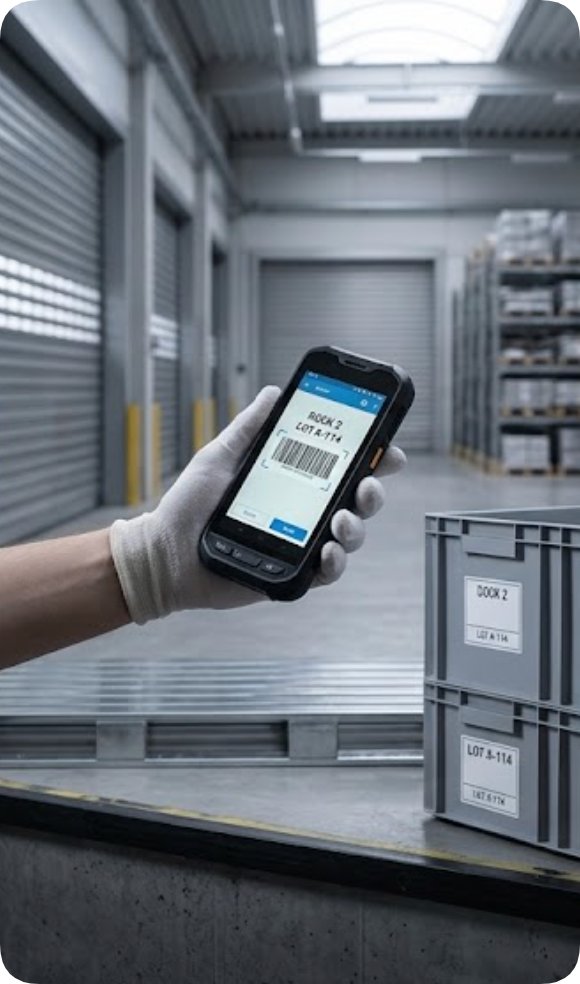
The RS51 handheld terminal is the more recent platform in this group. It runs a Qualcomm SM6225 octa-core at 2.4GHz on Android 13 with 4GB of RAM and 64GB of storage expandable to 256GB. Its screen is a 6.3-inch IPS FHD+ panel at 1080 by 2340. The battery is 5000mAh and detachable, the body measures 172 by 76.6 by 16.5mm under 500g, and the published environmental figures are IP67, a 1.2m drop, and operation between -10 and 50 degrees Celsius.
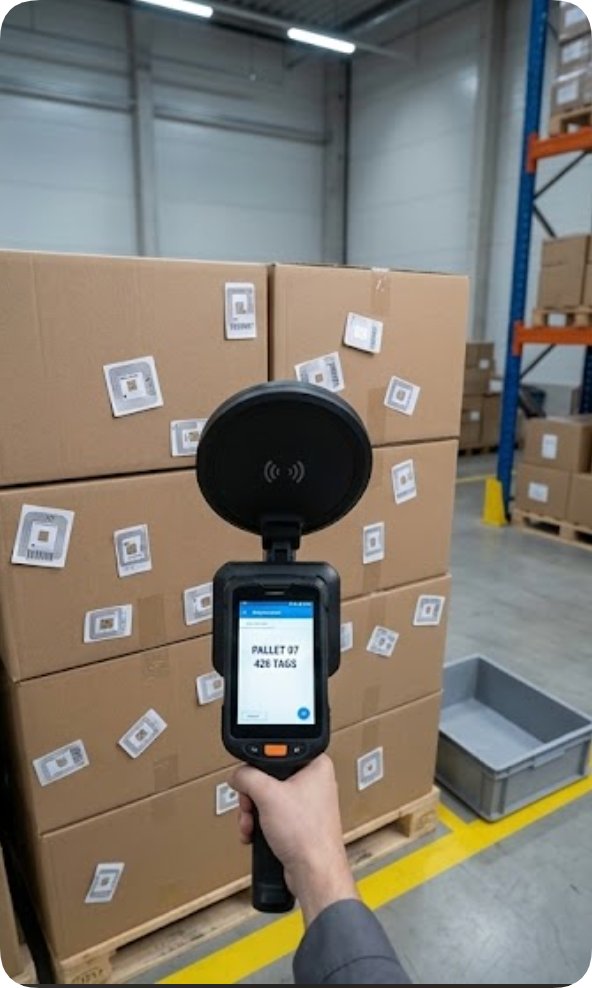
The R366C-S UHF reader is built around an Impinj E710 module and is the only one of the three with a published bulk-read figure: 900 tags per second or better, at 10 to 20 metres with the 4dBi circularly polarised antenna. It shares the SM6225 platform and Android 13 with the RS51, but carries a 10000mAh detachable battery and a 5.5-inch HD+ panel at 720 by 1440. Its body is 170 by 79 by 22.6mm and it weighs under 700g.
| Published figure | T80 | RS51 | R366C-S |
|---|---|---|---|
| Processor and OS | Cortex-A53 quad-core 2.0GHz, Android 9.0 | SM6225 octa-core 2.4GHz, Android 13 | SM6225 octa-core 2.4GHz, Android 13 |
| Display | 4.5in IPS, 480 x 854 | 6.3in IPS FHD+, 1080 x 2340 | 5.5in IPS HD+, 720 x 1440 |
| Battery | 4200mAh removable, 12h or more | 5000mAh detachable | 10000mAh detachable, 10 to 12h |
| Protection | Not published to IP rating | IP67, 1.2m drop | Not published to IP rating |
| Bulk reading | Not applicable | Not applicable | 900+ tags/s, 10 to 20m |
| Body dimensions | 166 x 77.5 x 22mm | 172 x 76.6 x 16.5mm | 170 x 79 x 22.6mm |
Two rows deserve a note rather than a comparison. The T80 and the R366C-S carry no published IP rating on their product pages, so a water-and-dust column cannot be completed across all three without inventing a figure. Their batteries are also quoted differently, with the T80 given in hours of operation and the R366C-S given in hours for continuous inventory work, which are not the same workload.
The practical reading of the table is narrower than it looks. If the task is a written record made at a single point, the display size and the glove-capable touch matter more than the bulk-read figure. If the task is confirming what is physically present in a stack, only the R366C-S figure applies, and it does not apply to the other two because they are not specified for it.
Printing a label at the point of issue is the cheapest fix available, and it fixes more than people expect, because the label travels with the material. A label issued at the dock and scanned at the palletiser carries the joining key without depending on anyone remembering anything. It also creates a physical artefact that can be counted after the fact, which a database row cannot.
What it does not fix is the case where the material was issued before the label existed. Reprinting a label onto a container that has already moved leaves the original issue point unknown. The remedy is procedural rather than technical: decide which containers must carry a label before the week begins, and treat an unlabelled container as a stop rather than a quick fix.
Seasonal planning usually starts from capacity, and this problem does not. The exposure comes from the number of times a record changes hands, which is set by the roster and the shift pattern well before any device is picked. A week with three handovers per day creates three times as many opportunities for an unconfirmed movement as a week with one, even at identical volume.
That makes the handover note a planning document rather than a piece of paperwork. It should state which movements were confirmed, which were accepted on the previous operator's word, and which containers were moved without a scan at all. Written before the week starts, that list gives the audit a starting point. Written afterwards, it is an exercise in guessing.
Before committing to a plan, pick one pallet that moved during the last week and try to answer three questions from the system alone: which tote it came from, who loaded it, and whether anyone confirmed that load. If two of the three answers require a person to be asked, the plan is not ready regardless of how many units are on the floor.
Run the same test on one handover rather than a whole shift. The result tells you whether the failure is in the capture step or in the confirmation step, and those two need different remedies. More readers help the first. A written handover helps the second. Buying for the wrong one is the expensive way to learn which one you had.
Ask what is recorded at the moment material leaves the dock, and confirm that it is not only a scan. Ask who signs the handover, and whether that person can be identified in the data afterwards rather than only by name. Ask which containers must carry a printed label, and what happens when one is found without it. Ask which movements during the week were accepted on someone else's word, and whether that list is written down.
Then ask the harder question, which is what you will do when the answer is that you do not know. A traceability system that fails quietly during the busiest week of the year is harder to fix than one that stops, because a stop is visible. The three units on this floor can each record a movement accurately. Keeping them connected is a decision made in a planning meeting, and the meeting is the only part that cannot be retrofitted mid-week.
For the wider range of units available for a site like this, the handheld terminal line covers the models that suit a dock, and rugged mobile computing solutions covers the tablets used for the jobs that need more screen than a terminal offers. Reading how similar units are compared in practice is covered in our product comparisons and competitor analysis.