- Select Language
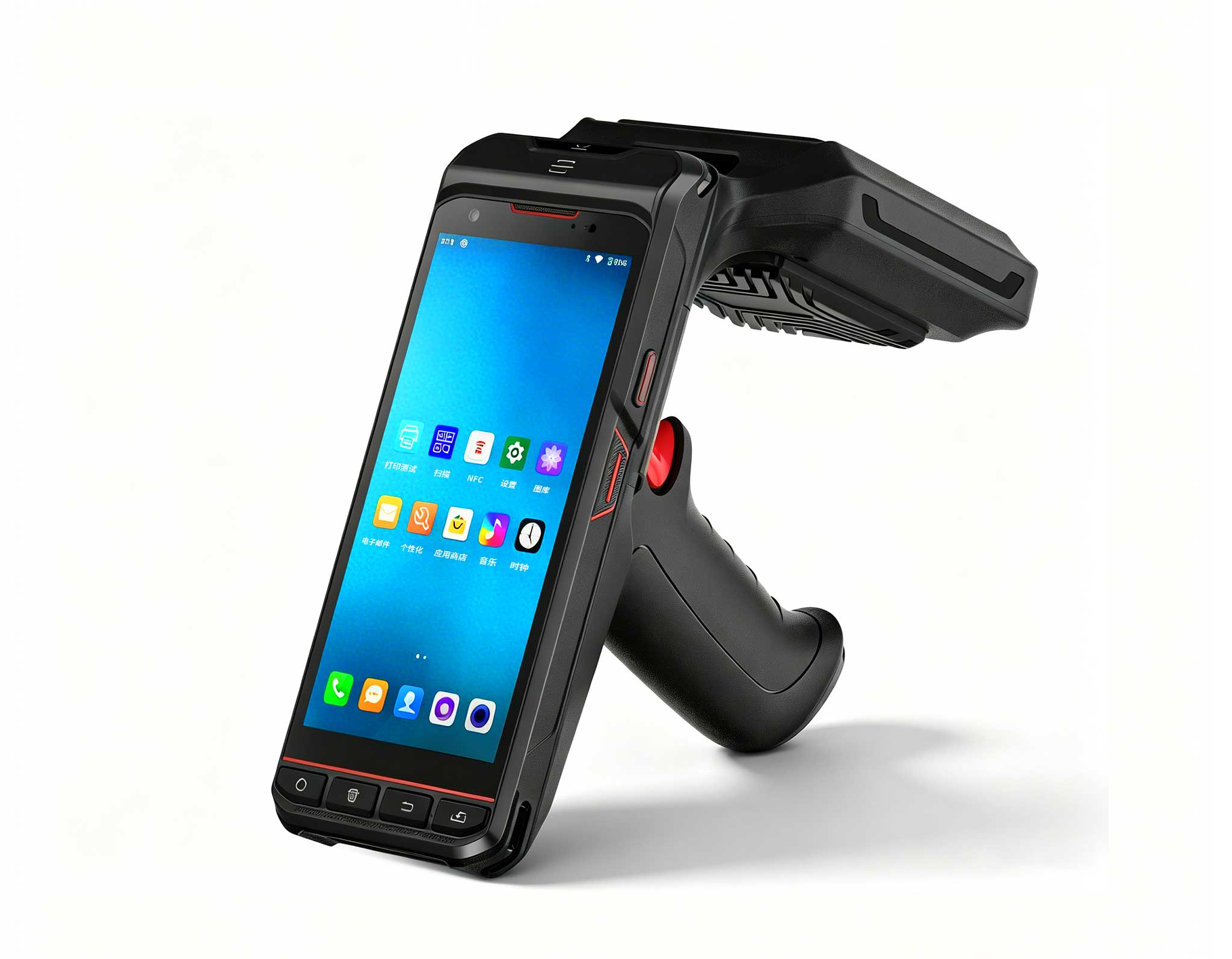
The R501 PDA combines a powerful MT6762 Octa-Core ...
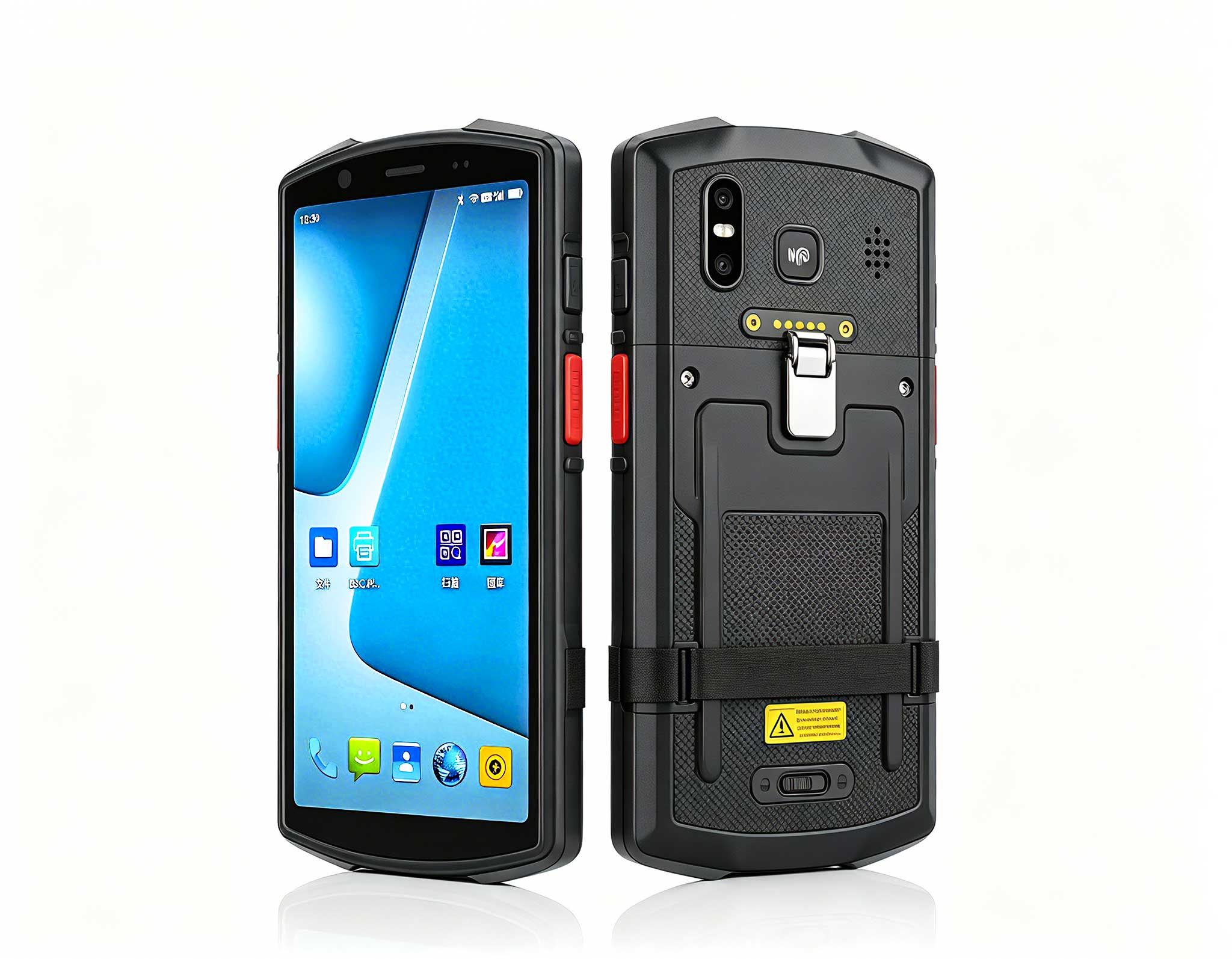
The N60 PDA is a cutting-edge device for inventory...
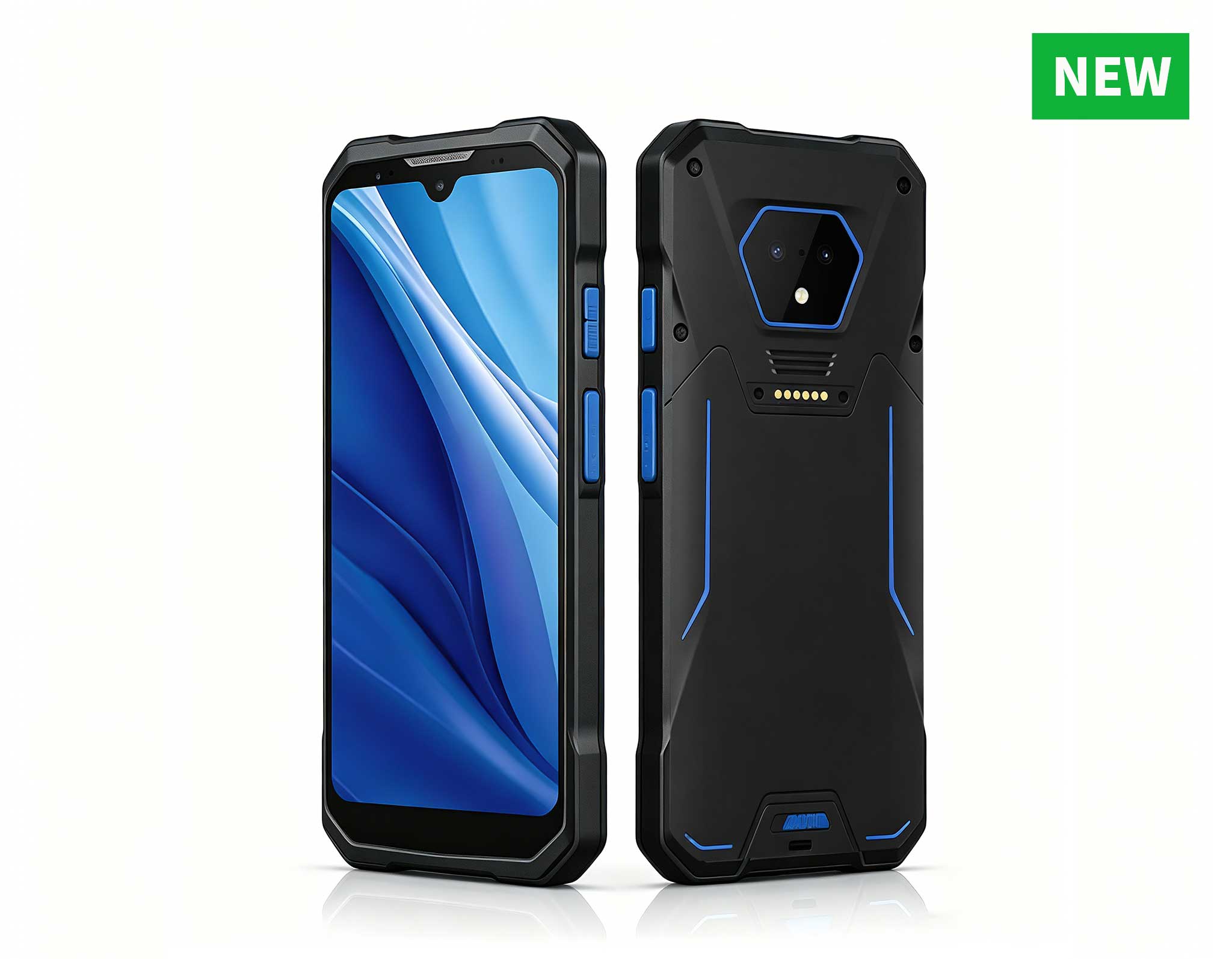
RS50 5G Rugged Handheld Terminal | 6.3" FHD+ ...
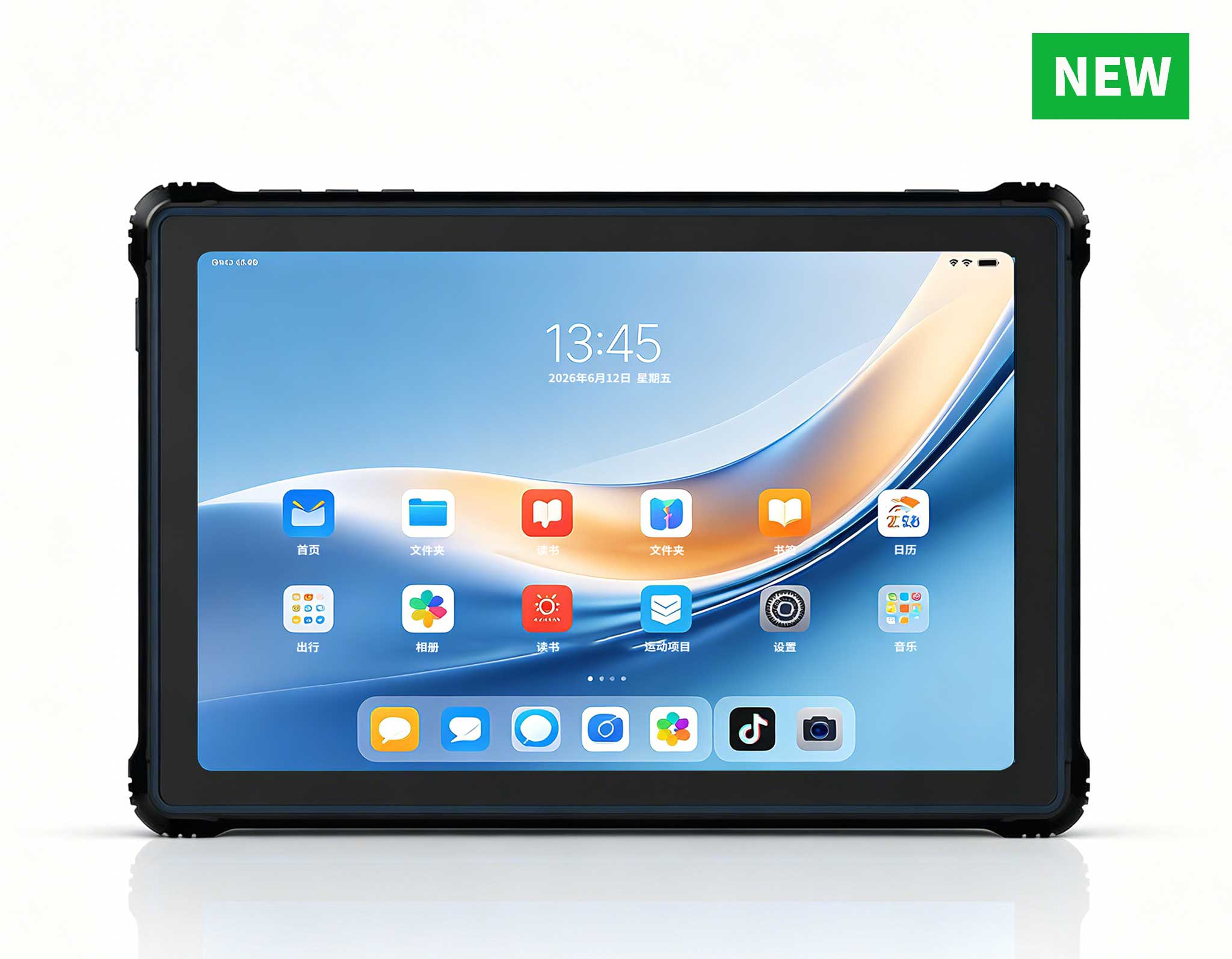
RT81 4G Rugged Tablet | 10.1" FHD 400nit | Qu...
Full SpecificationsModelHotus ST9‑MOSWindows 10/11...
RT82 5G Rugged Tablet | 10.1" FHD 400nit | Qu...
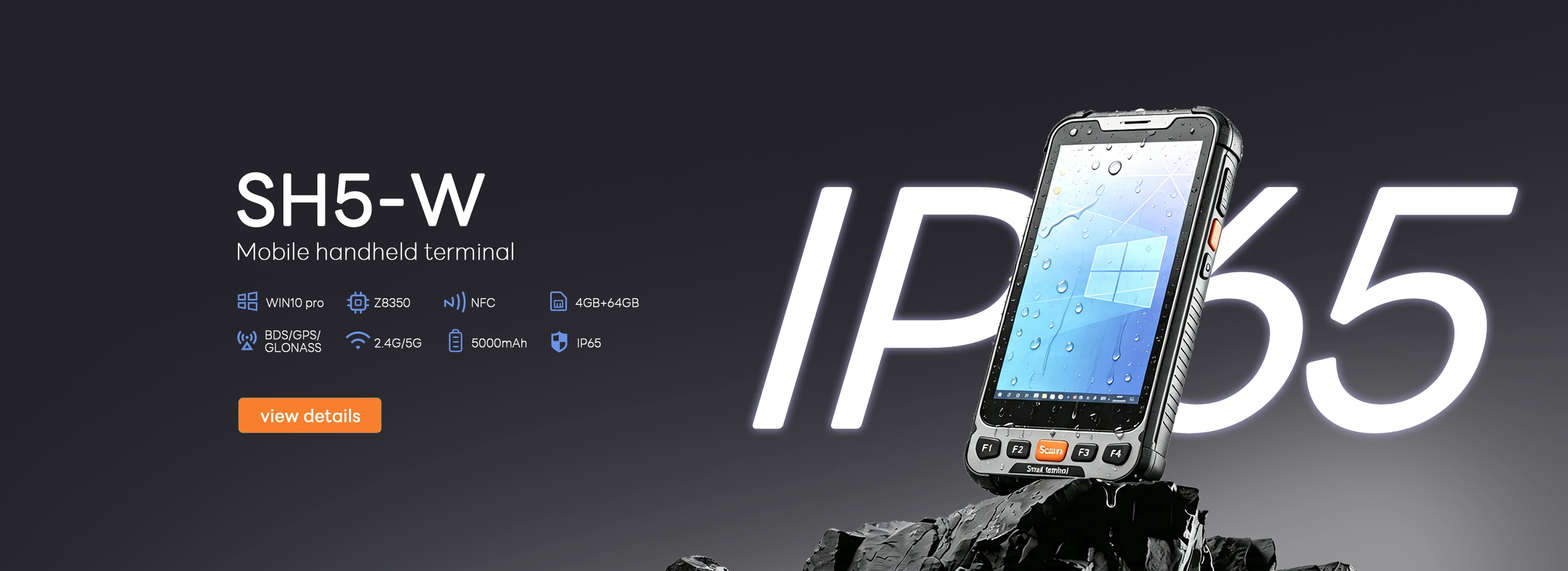
Full SpecificationsModel Hotus SH5‑WOperating ...
Hotus ST11-J – mobile command for intelligent building energy management
By HOTUS Technology | April 2026
Global energy prices have risen dramatically – industrial electricity rates are up 30‑40% in many regions since 2024, natural gas even more. Meanwhile, commercial buildings account for 18% of total US energy consumption, with HVAC and lighting the largest loads. Yet most building management systems (BMS) are still running on 1990s logic: fixed schedules, static setpoints, and no automated fault detection.
Here is my strong opinion: smart building technology is not a luxury – it is the single fastest payback investment a facility owner can make right now. The AI in smart buildings market will grow from $35.78 billion in 2025 to $43.48 billion in 2026 (21.5% CAGR), and digital twins for buildings will reach $5.76 billion by 2030 (27.5% CAGR). Companies that deploy these technologies routinely cut energy costs by 20‑40%.
But the technology alone is not enough. The biggest failure I see is that the BMS dashboard is locked in a control room, while the facility manager spends 80% of their day walking the property. They cannot see real‑time chiller performance, identify a stuck VAV box, or respond to a temperature complaint until they return to their desk. That gap is where operational waste lives.
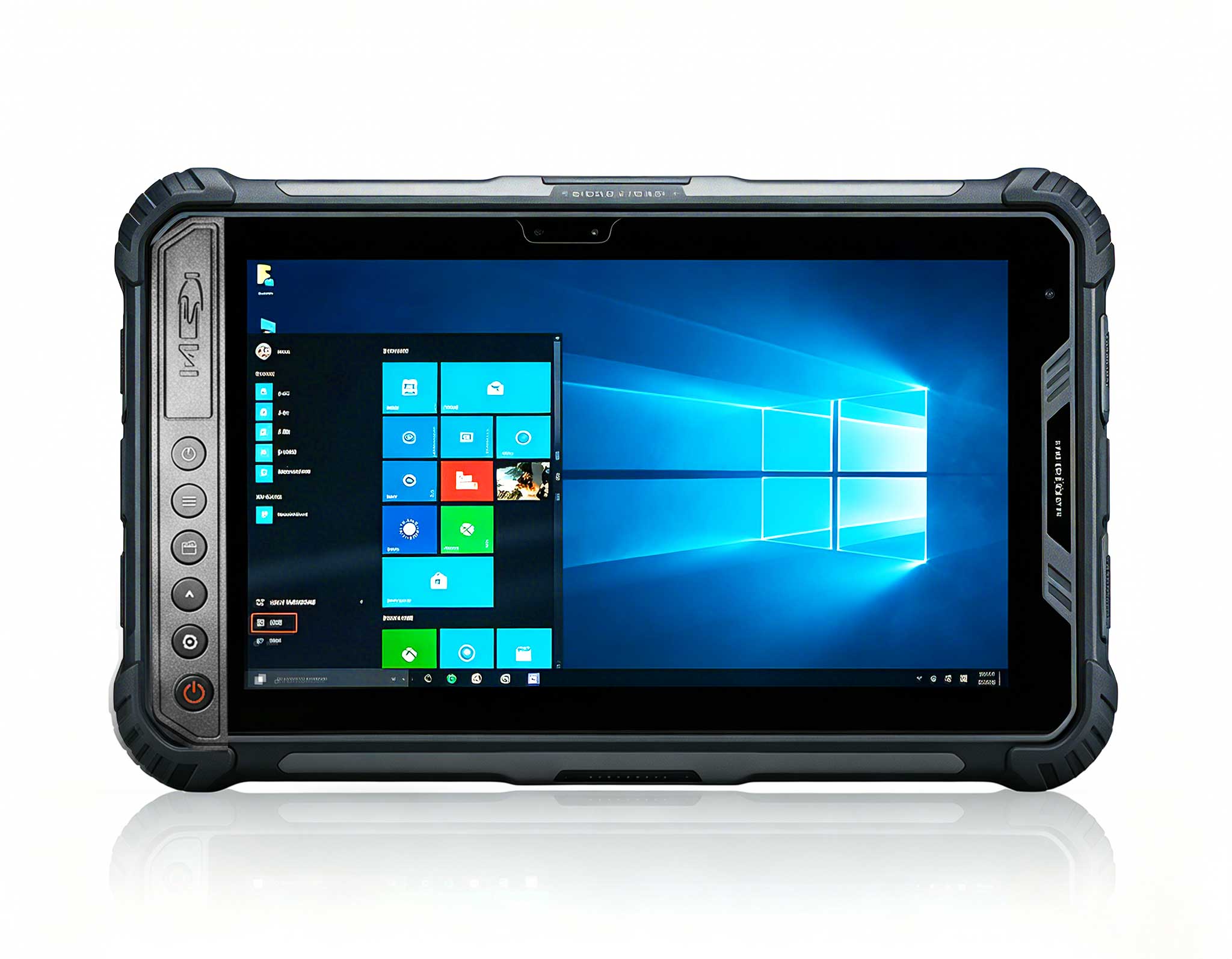
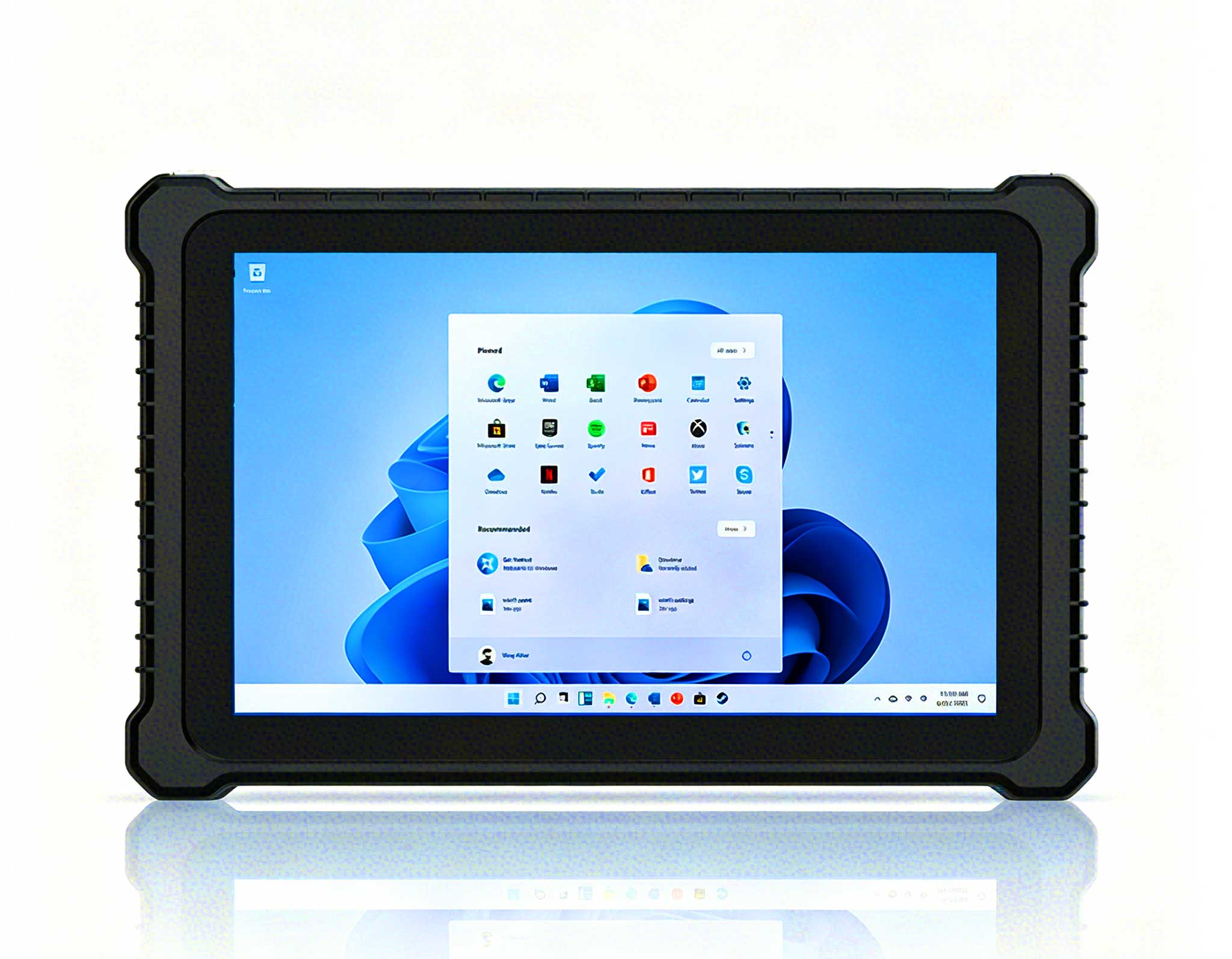
The solution is a mobile‑first BMS interface built on rugged hardware like the Hotus ST11‑J 10.1″ Windows rugged tablet. With its 1000+ nit high‑brightness display, IP67 protection, and Windows 11 Pro OS, the ST11‑J runs native BMS platforms (Siemens Desigo, Honeywell Forge, Johnson Controls Metasys) anywhere – from mechanical rooms to rooftop units to tenant spaces. A facility manager can spot a stuck cooling valve from the parking lot, adjust setpoints while walking to the tenant’s office, and close the work order before they even sit down.
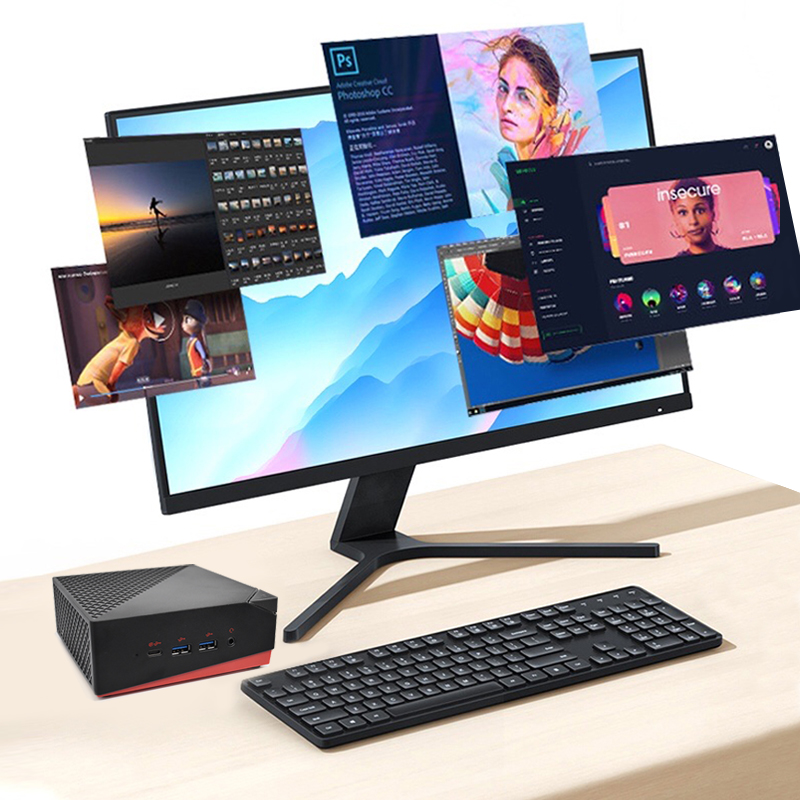
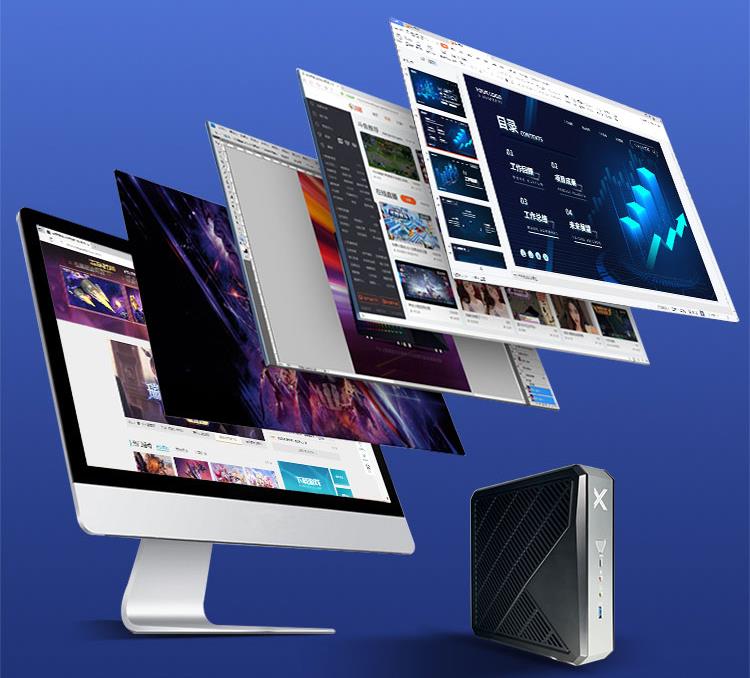
Feeding the digital twin requires edge data collection from legacy sensors – and that is where the Hotus palm‑sized Mini PC comes in. Mounted in a control cabinet or chiller room, it aggregates data from Modbus, BACnet, or proprietary controllers, runs local AI models to detect anomalies (e.g., a drifting temperature sensor), and sends only alerts to the cloud. It continues operating even when the network is down – because your building should not stop optimizing just because your internet provider has a problem.
We worked with a corporate campus of 2.5 million square feet. They deployed 50 ST11‑J tablets, 100 F505 PDAs for equipment scanning, and 25 Mini PC edge gateways. Energy consumption dropped 31% – thanks to AI‑driven HVAC scheduling and demand‑based ventilation. Maintenance work order completion time fell 48%. Equipment uptime climbed from 92% to 98%. Annual operating cost savings: $2.1 million. ROI came in just 14 months.
Energy prices are not going back down. The smart building market is projected to reach $1.5 trillion by 2035 (25.5% CAGR). The question is not whether you will modernize your BMS – it is how soon. Make sure your facility managers have the mobile tools they need to act on real‑time data, not just look at it from a desk.
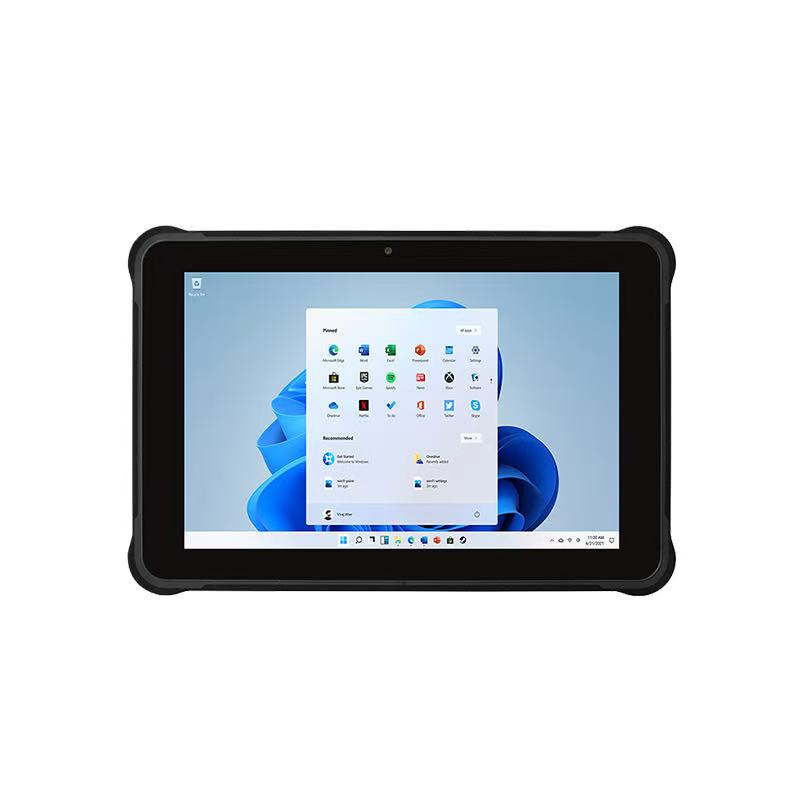
Hotus ST11-U – Windows tablet for real‑time BMS dashboards
Contact HOTUS Technology to discuss your smart building and energy management needs, request pilot units, or explore custom Windows tablet and edge Mini PC solutions for building digitization.