- Select Language
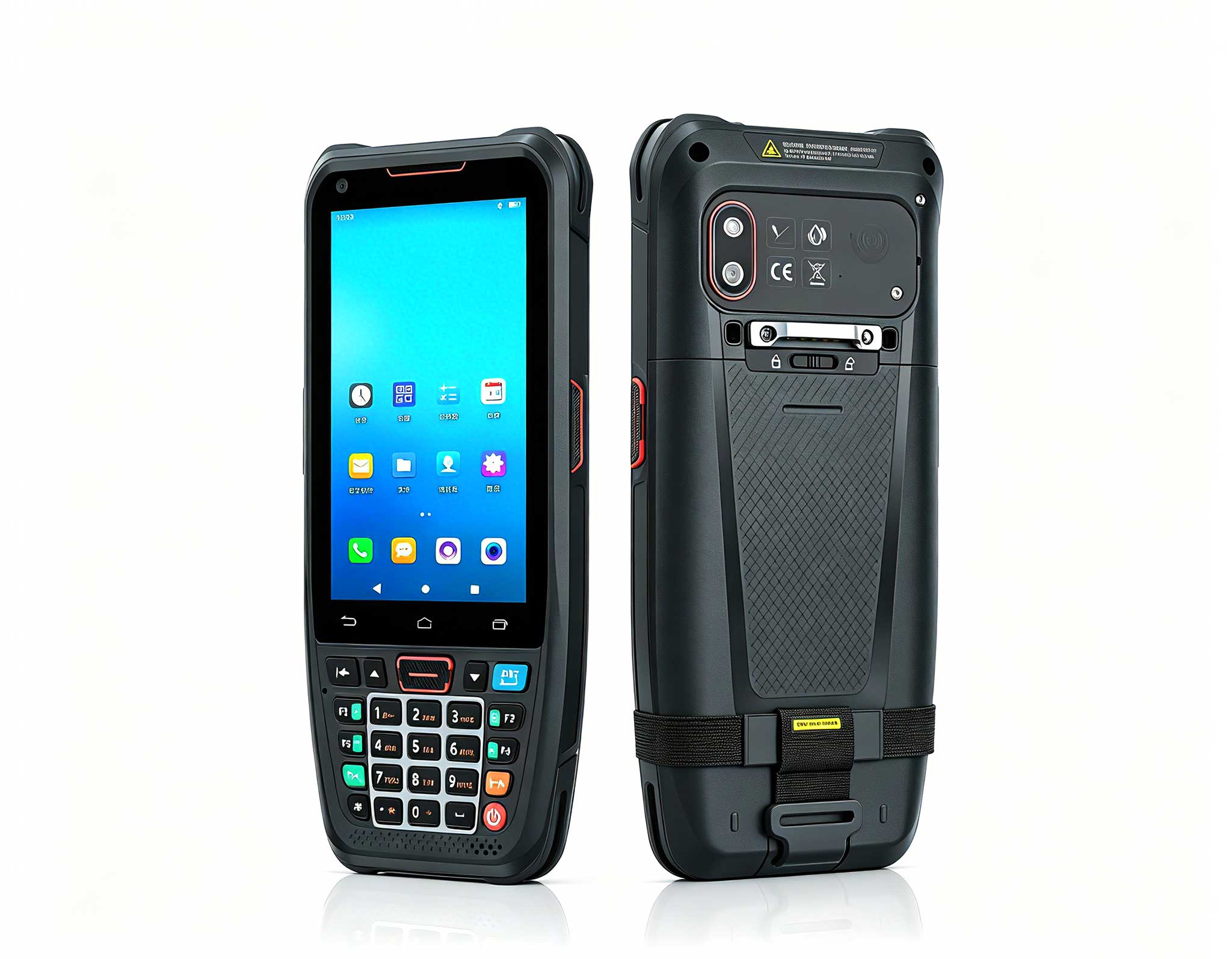
RS51 4G Rugged Handheld Terminal | 6.3" FHD+ ...
The N40 Android smart PDA features a Cortex-A53 qu...
P11 Series Next-Gen Enterprise Rugged Industrial ...
R366C-S 5.5-inch Industrial UHF RFID Reader | Qual...
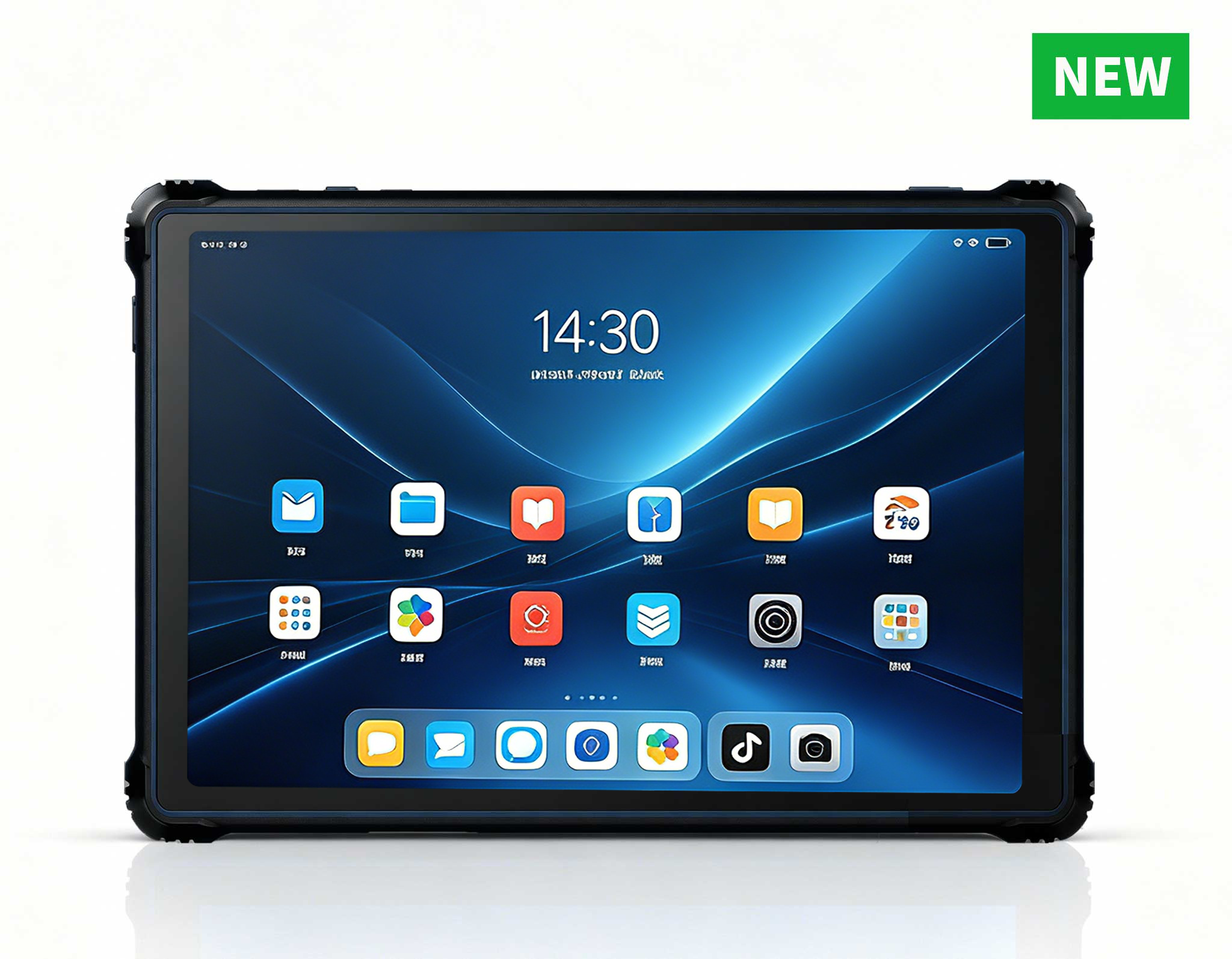
RT82 5G Rugged Tablet | 10.1" FHD 400nit | Qu...
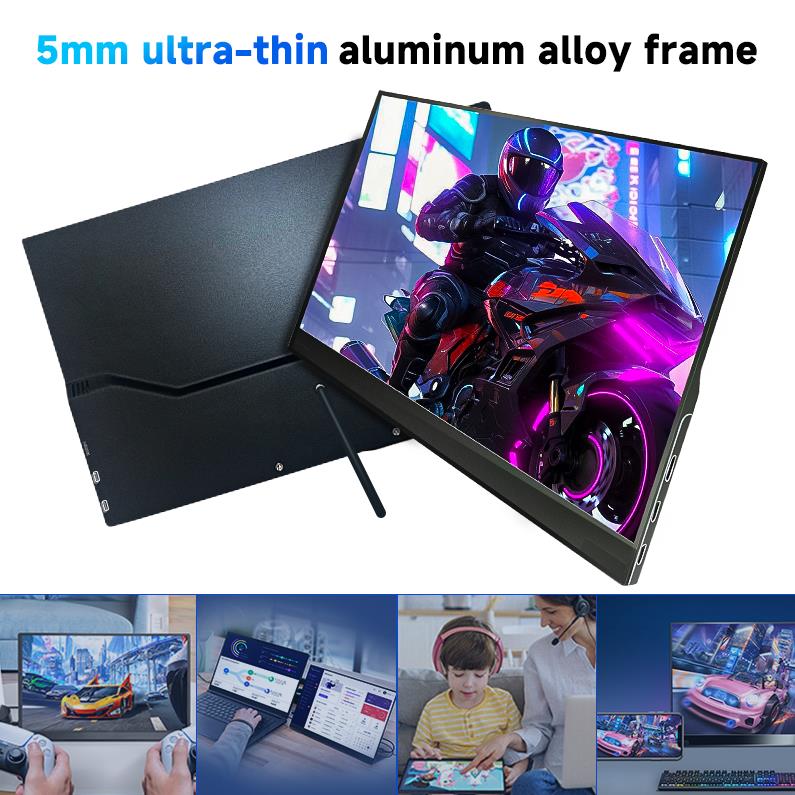
The PM133-2 is a 13.3-inch portable monitor featur...
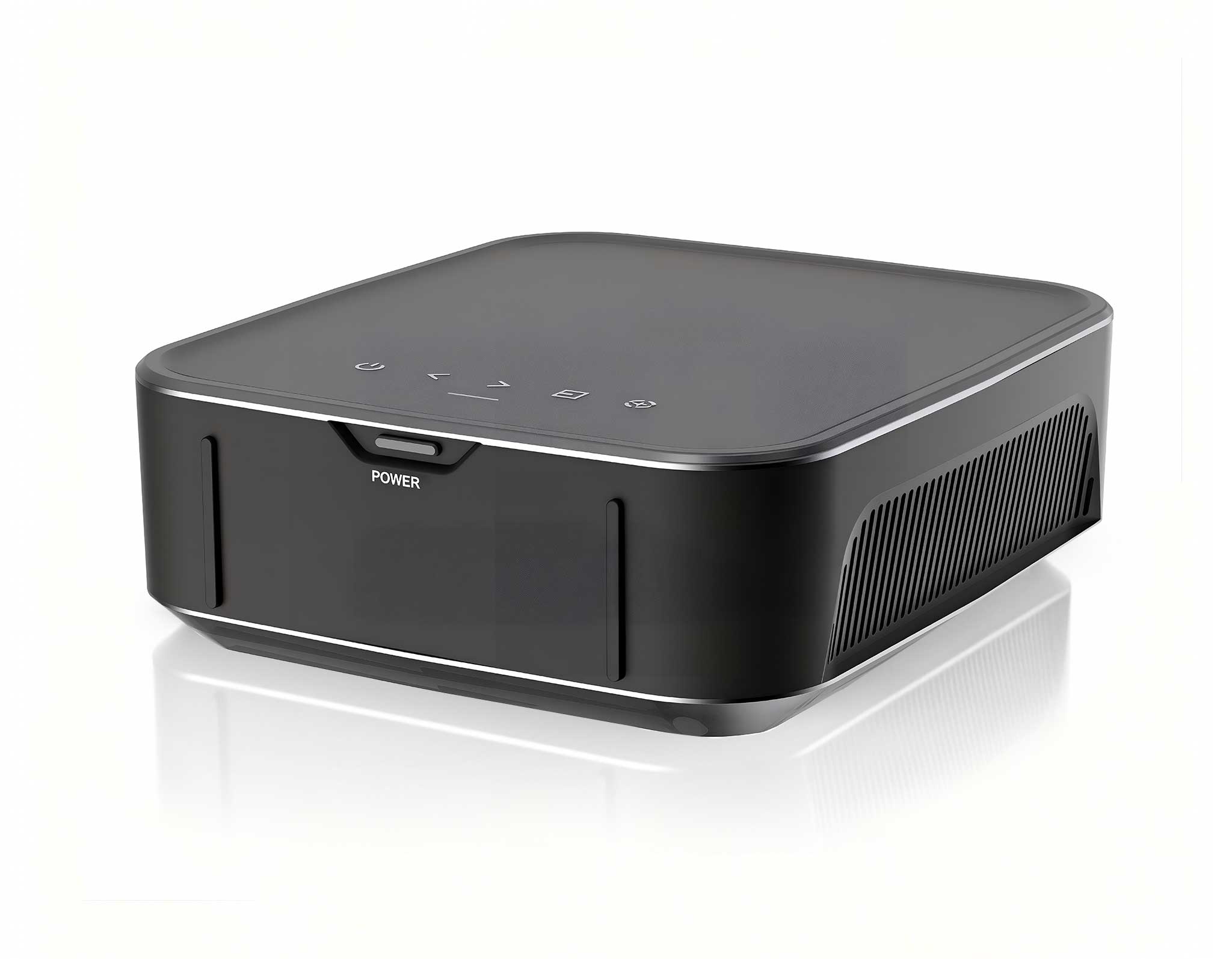
One Device, Dual Functions – A Projector and a Com...
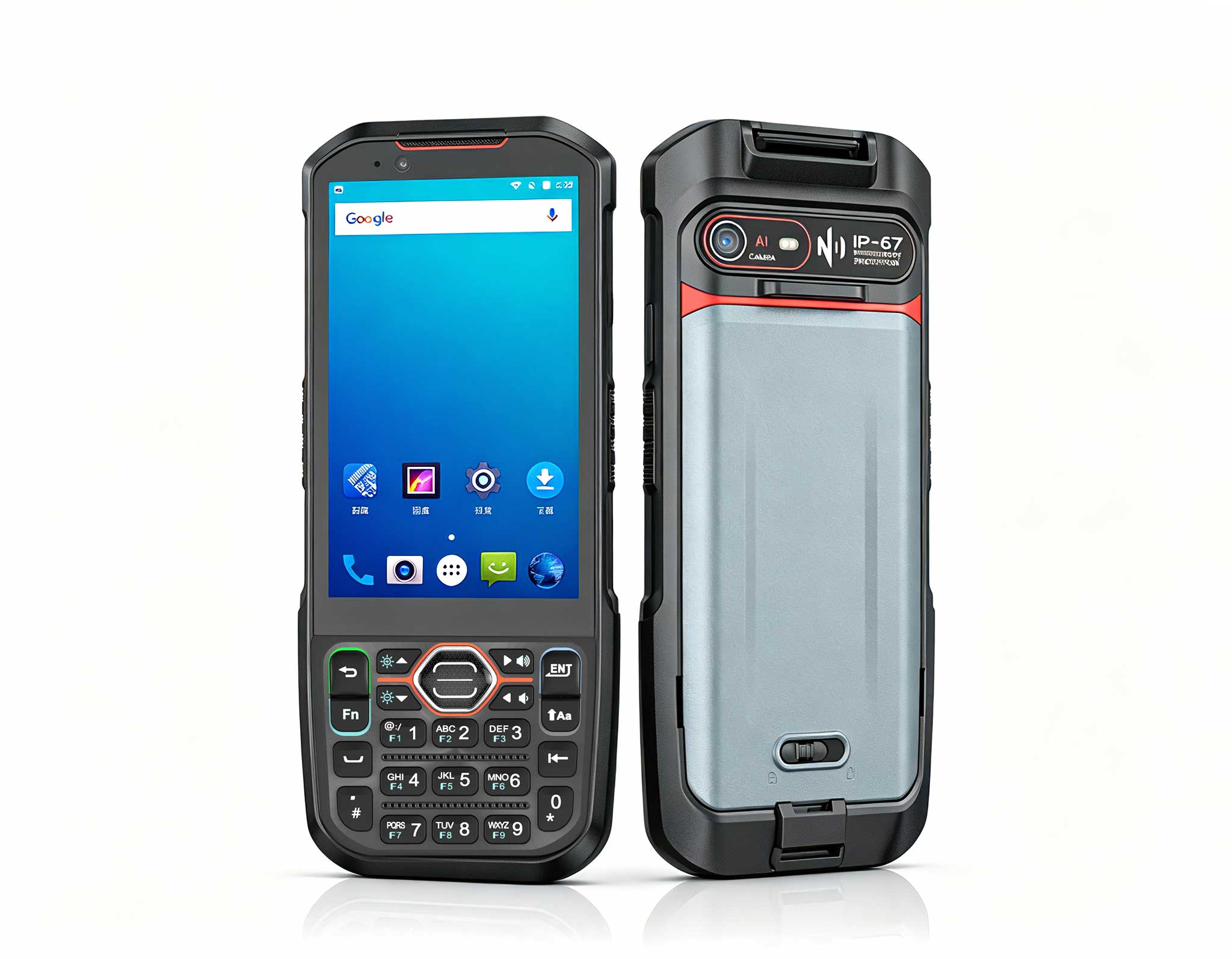
Explore an innovative Personal Digital Assistant f...
Most conference rooms are built for the call that happens live, and forget the one that happens afterwards. Sales teams replay client negotiations, engineering reviews every change request, and compliance officers in finance and healthcare keep meeting archives for years. A room that cannot record its own meetings loses that value the moment everyone leaves. This comparison assembles a recording-capable room from three Hotus devices — the Hotus HCAR5000 MI, HT2500 Pro Ultra and ST13-U — and tests the plan against two established mini PCs: the HP Pro Mini 400 G9, the managed standard in corporate meeting spaces, and the Minisforum UM790 Pro, a performance favourite among enthusiasts.
Every recording pipeline has three stages: capture, display and storage. The capture stage belongs to the conferencing bar or camera on the table, whichever platform a team prefers, and it is deliberately left out of this comparison. The other two stages are where hardware choices diverge, because recorded video is heavy and displays decide whether remote participants see a whiteboard or a smear. The five machines below are compared strictly on published figures, with unpublished fields left blank rather than estimated.
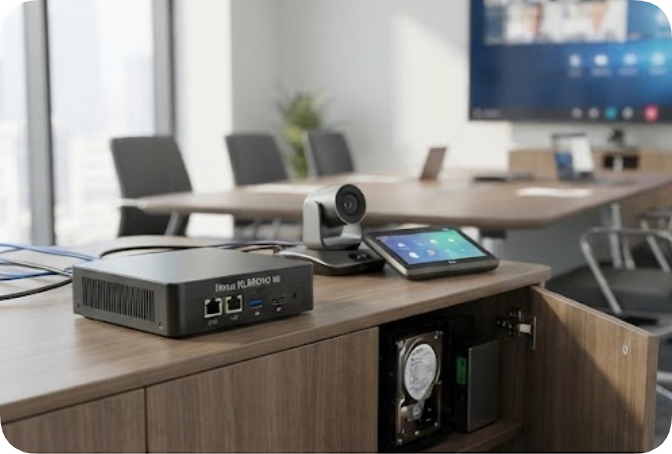
The HCAR5000 MI is the only room computer in this comparison that treats storage as a first-class citizen. It runs AMD Ryzen 5000H series processors — 5900HX, 5800H or 5600H — with up to 64GB of DDR4 3200MHz memory, and beyond 128GB to 1TB SSD options it also accepts 500GB or 1TB 7200rpm hard drives. That distinction matters once the arithmetic of meeting archives becomes real: an hour of compressed 1080p video occupies roughly two to four gigabytes, so a room recording twice a day fills a 512GB boot drive within months, while a terabyte of spinning storage stretches into years. Connectivity covers RJ45, three USB 3.0 and two USB 2.0 ports for camera and touch-controller duties, DP 2.0b and a Type-C output, plus dual 3.5mm audio jacks that feed a mixer without adapters. The 202mm x 212mm x 65mm metal body weighs 2455g and runs Windows 10/11 or Linux.
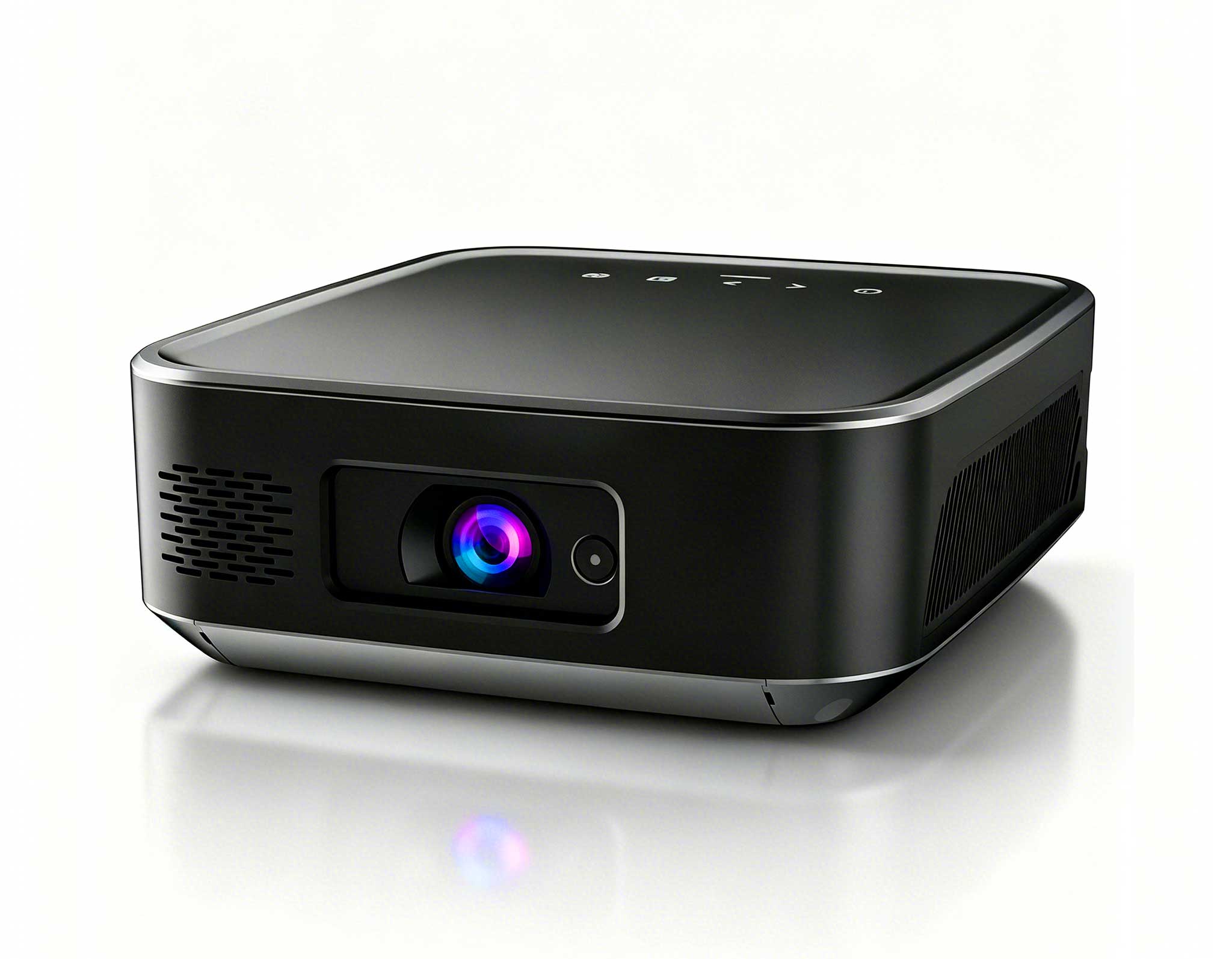
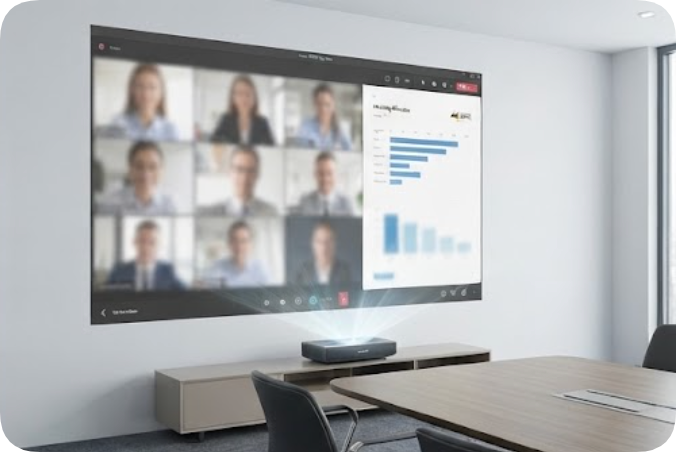
The HT2500 Pro Ultra removes the display cable problem entirely. Its 0.233 ultra-short-throw lens casts a 100-inch image from 7.2 inches off the wall, so nobody blocks the beam mid-presentation and the furniture can sit flush against the wall, and output is HDR10 4K from a laser light source rated at 25,000 hours — roughly seventeen years of four-hour working days before the source needs attention. Brightness is 3000 ANSI lumens with an adjustable 80 to 120-inch picture. More importantly for this scenario, the integrated Harman Kardon soundbar delivers 60W with DTS-HD and Dolby decoding, which means the room's audio system is already inside the display: remote voices come through it during playback and the far end hears the room without a separate amplifier or sound contractor.
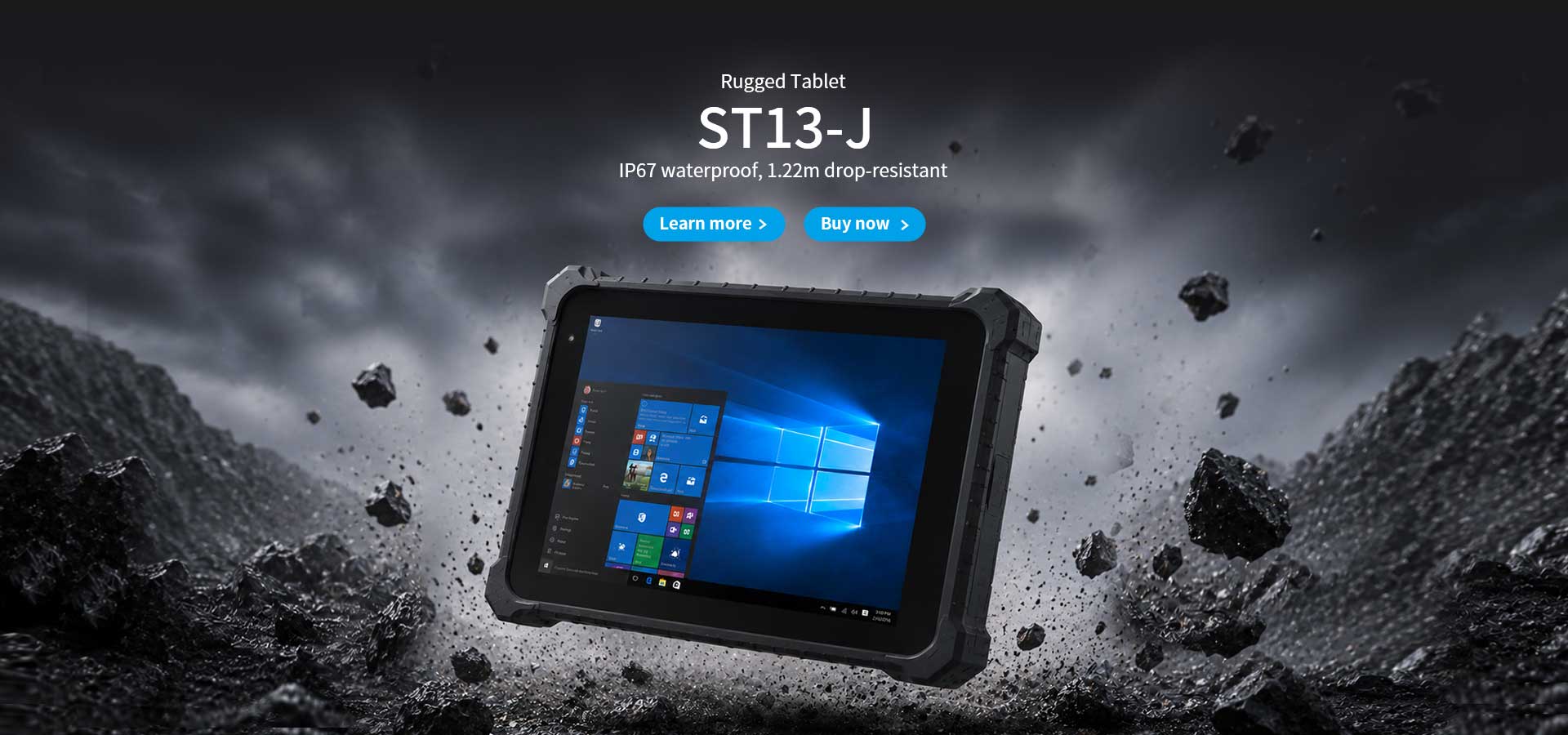
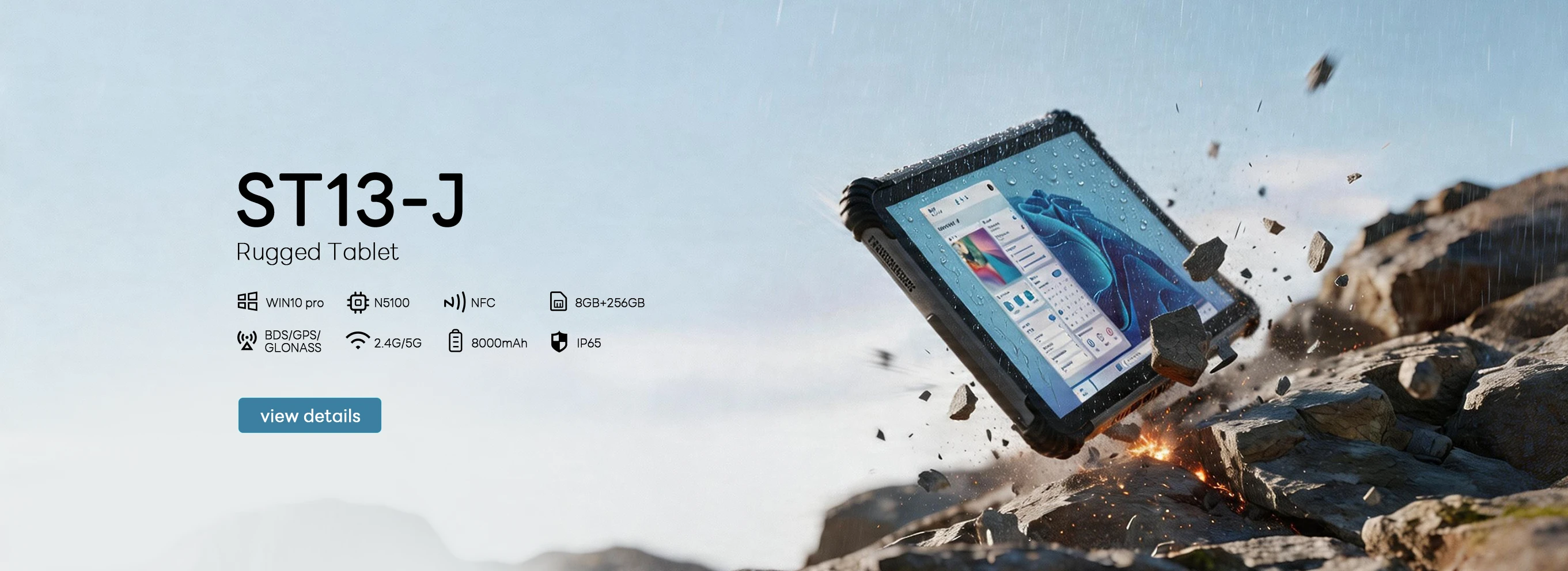
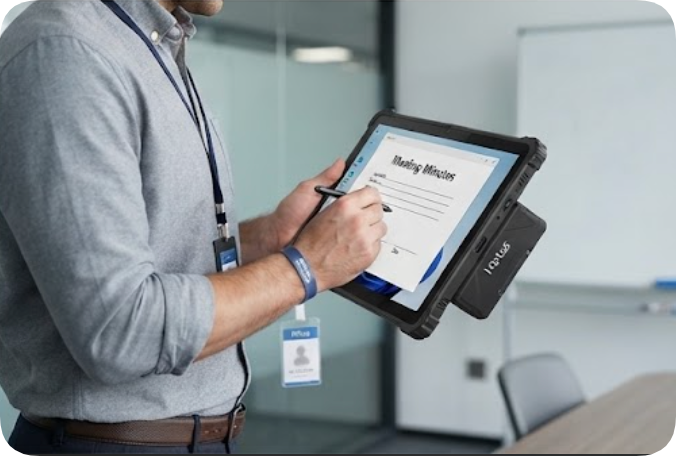
The ST13-U plays the mobile role. It is a 13.3-inch Windows 11 Pro tablet on an Intel Core i5-1235U or i7-1255U with up to 64GB of memory, a 1920x1080 IPS panel at 400 or 450 nits, and 10-point touch with stylus and wet-hand support. A front 5MP and rear 8MP camera, WiFi 6, Bluetooth 5.2, 4G LTE and NFC cover sign-off duty — a visitor badge tap, a maintenance photo, a signed change request — and the 8000mAh battery at 7.6V survives a full day away from the desk. Positioning adds GPS, BDS and GLONASS for field-linked teams. Protection is IP65 with 1.2m drop resistance and MIL-STD-810G certification, so the unit survives the floor walk; it weighs 1450g and operates from -20 to 55 degrees Celsius.
| Model | Compute | Memory | Storage | Role in the room |
|---|---|---|---|---|
| HCAR5000 MI | Ryzen 5900HX/5800H/5600H | Up to 64GB DDR4 3200 | SSD plus 500GB/1TB 7200rpm HDD | Room PC and recording vault |
| HT2500 Pro Ultra | 4K HDR10 laser UST | — | — | 100-inch display with 60W audio |
| ST13-U | Core i5-1235U/i7-1255U | Up to 64GB | 128GB to 512GB | Mobile companion tablet |
| HP Pro Mini 400 G9 | Core i5-13500T/i3-13100T | 16GB to 32GB DDR4/DDR5 | 256GB to 512GB NVMe | Managed room PC |
| Minisforum UM790 Pro | Ryzen 9 7940HS to 5.2GHz | 32GB to 64GB DDR5-5600 | 1TB PCIe 4.0 NVMe | Performance room PC |
The HP Pro Mini 400 G9 is the safe corporate pick: an Intel Core i5-13500T or i3-13100T, 16 to 32GB of DDR4/DDR5, dual display outputs and Windows 11 Pro with HP's fleet-management tooling, which is why it fills so many bookable rooms. What it cannot do is hold a recording archive — storage tops out at a 512GB NVMe drive with no bay for anything larger. The Minisforum UM790 Pro is faster, with a Ryzen 9 7940HS boosting to 5.2GHz, 32 to 64GB of DDR5-5600, USB4 and liquid-metal cooling in 0.8 litres, backed by a three-year warranty. Its storage ceiling is the same single NVMe slot. Both are competent room computers; neither can be the vault, and both push the archive onto network storage with its monthly fees.
Honesty requires the gaps. Hotus publishes no WiFi or Bluetooth figures for the HCAR5000 MI, so treat it as a wired room computer and plan the cable run accordingly; buyers who need wireless links will add a dedicated access point rather than assume one. The HT2500 Pro Ultra page quotes no input latency, which gamers care about and presenters occasionally notice, and 3000 ANSI lumens favours dimmed rooms over sunlit glass walls, so blinds belong in the room budget. The ST13-U carries IP65 rather than a higher ingress rating and no hazardous-location certification, so it is an office-floor tablet, not a plant-floor one, and its 1450g weight is heavier than consumer slates for a reason. On the challenger side, HP and Minisforum publish no hard-drive expansion either — that is the shared gap this comparison exploits — and the Hotus devices ship without the enterprise management depth HP bundles into its fleet tools.
Start from how much meeting video the organisation must keep and for how long, because that number decides the storage tier before anything else. Rooms that archive locally will find the HCAR5000 MI's drive bay decisive, while rooms that stream everything to the cloud may prefer the polish of the managed HP. If the plan spans several rooms, the related rugged tablet lineup covers the mobile end of the estate, and the comparison guides hub documents how the same published-figures discipline applies across scenarios.