- Select Language
R366-S Thin 5.5-inch Industrial PDA | Qualcomm Oct...
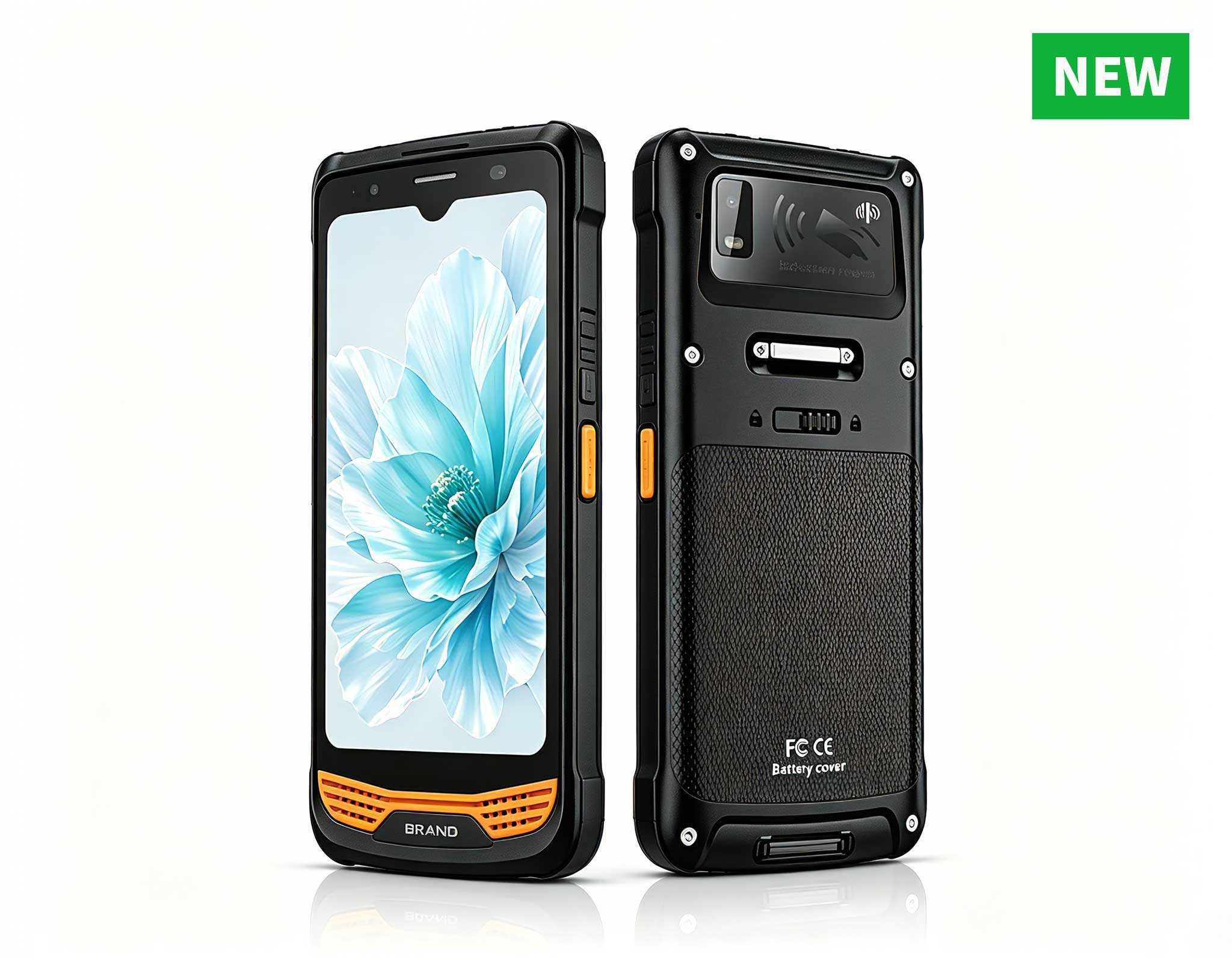
R530C 6.0-inch Industrial PDA | Qualcomm Octa-core...
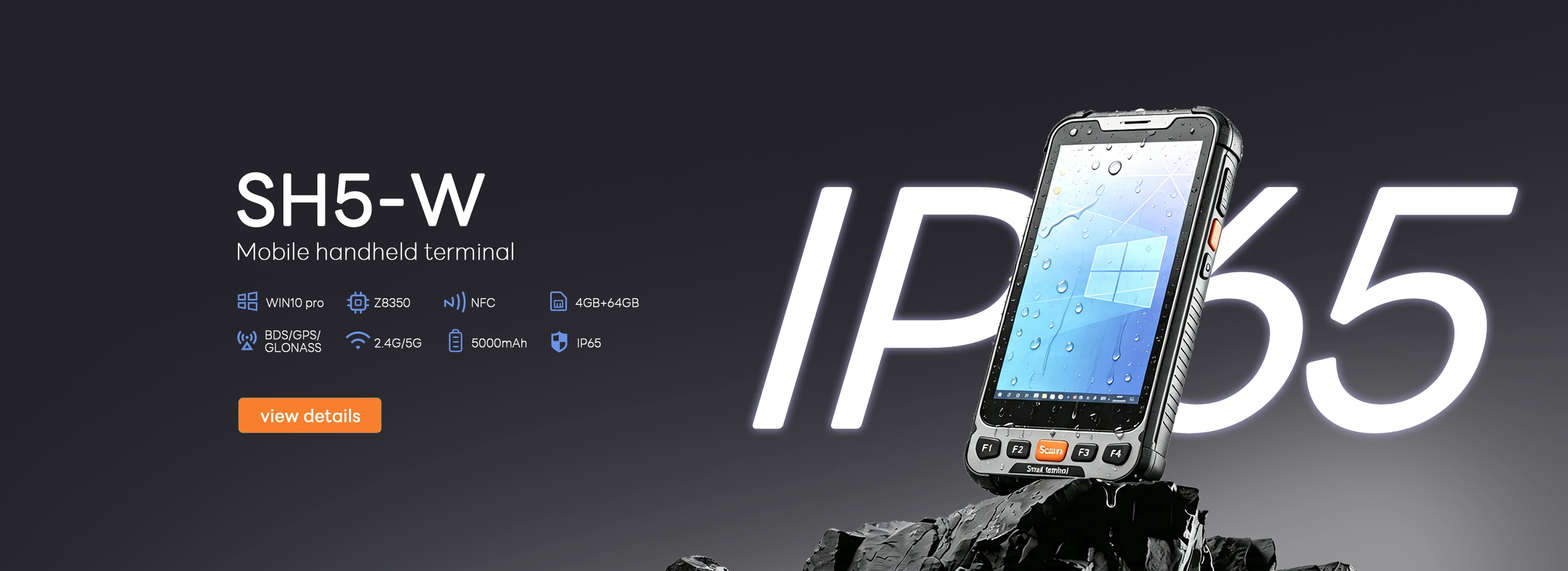
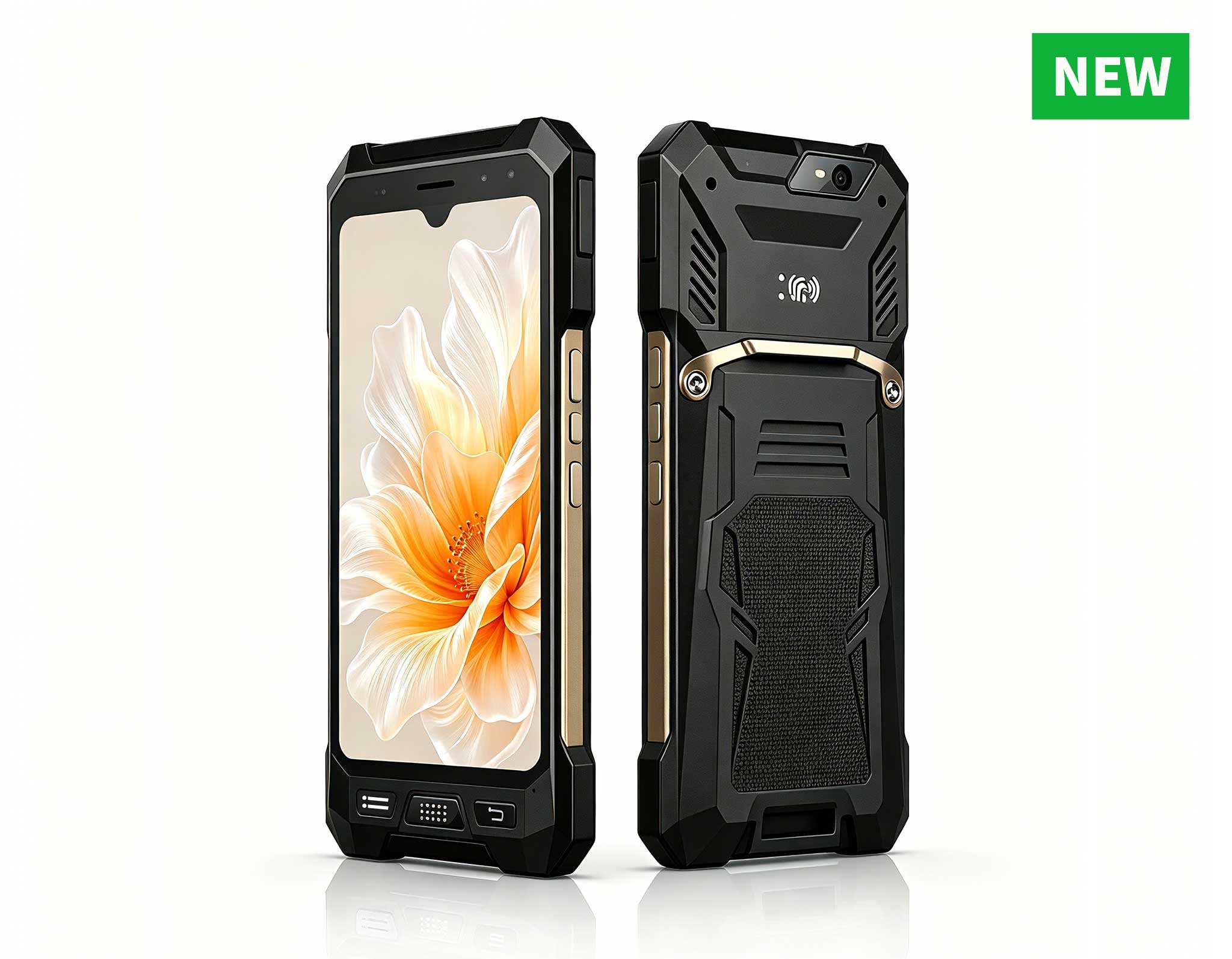
Full SpecificationsModel Hotus SH5‑WOperating ...
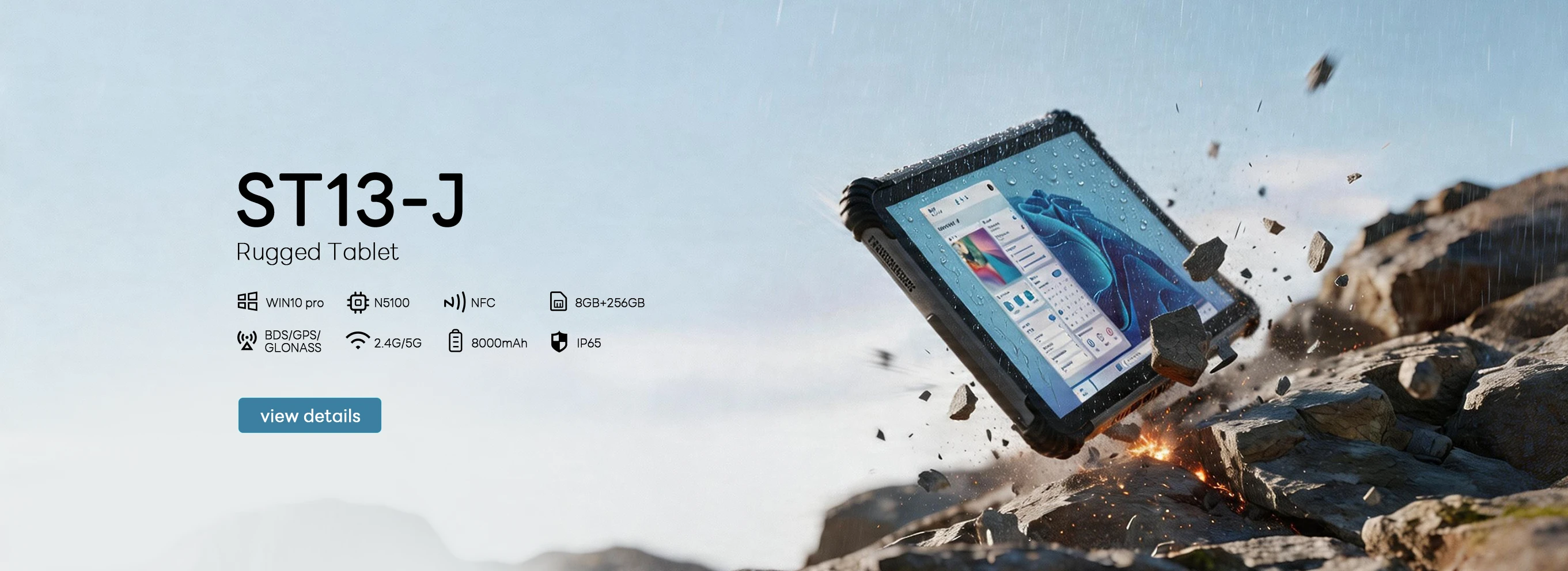
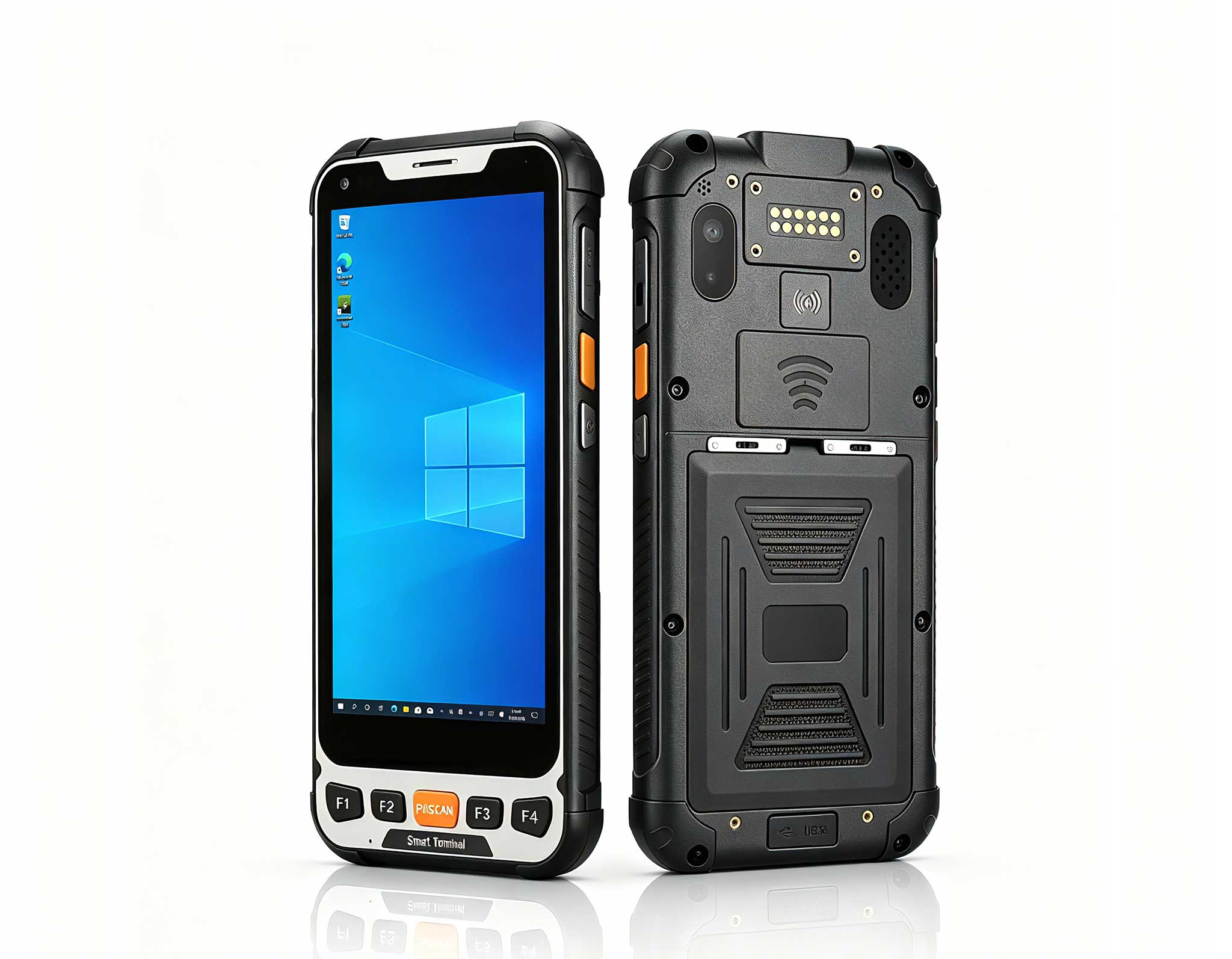
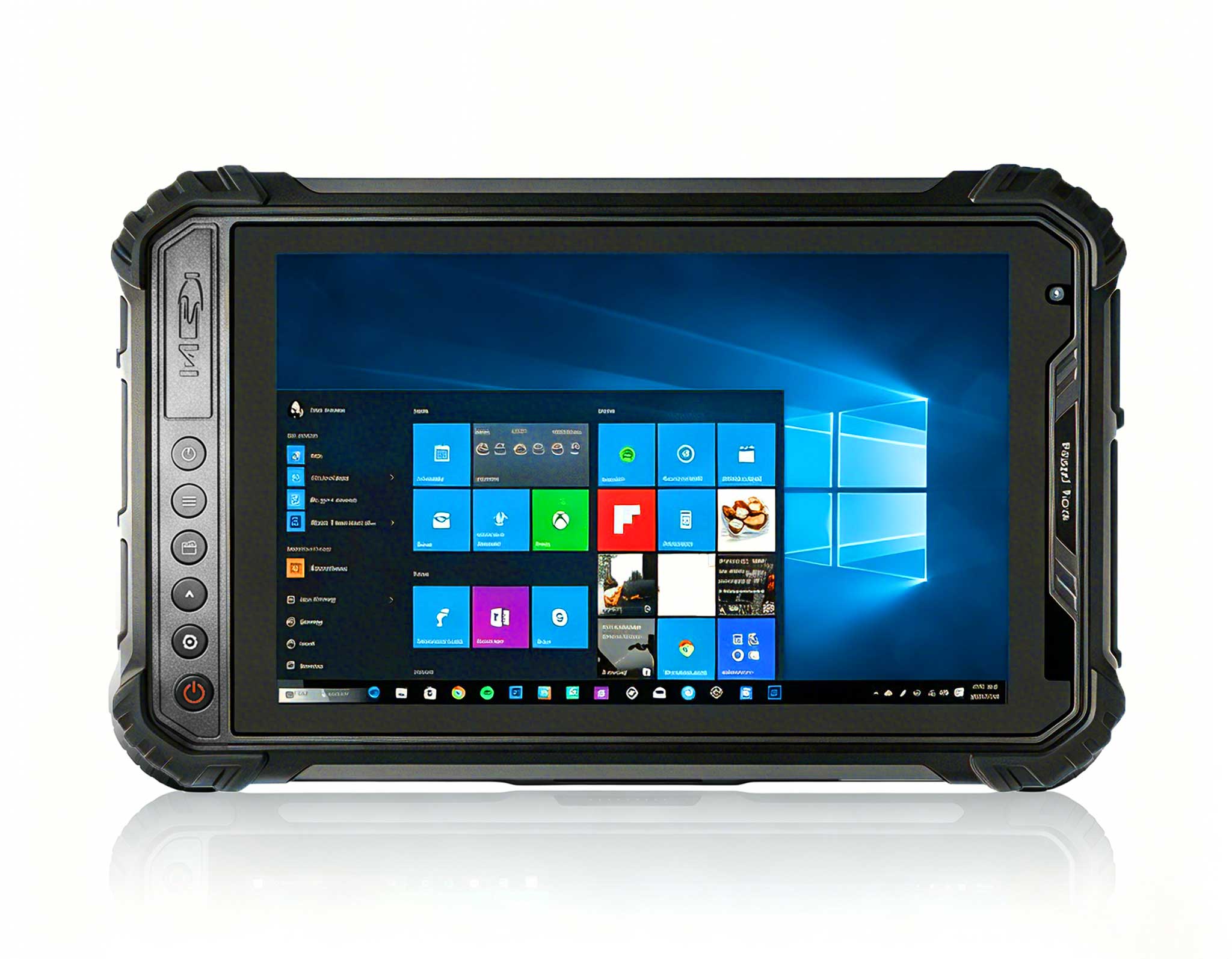
Full SpecificationsModelHotus ST9‑JOSWindows 10 Pr...
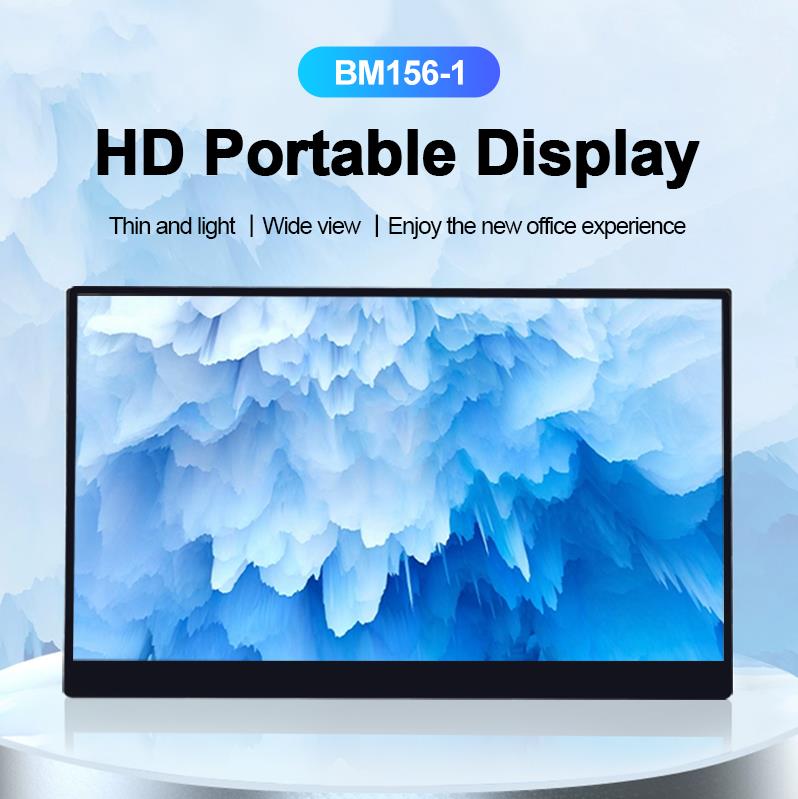
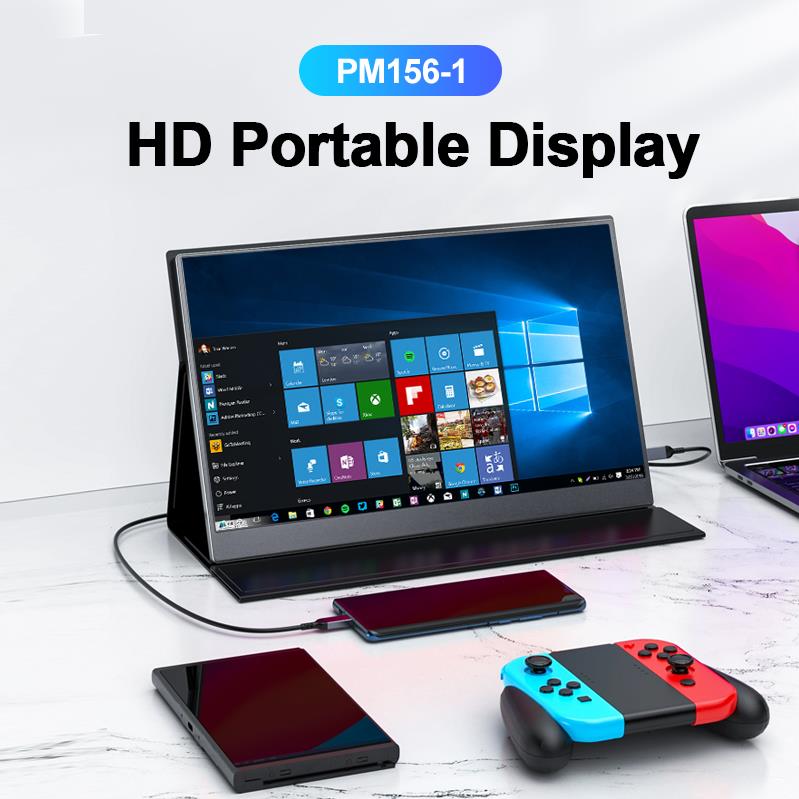
The PM156-1 is a 15.6-inch portable PC monitor fea...
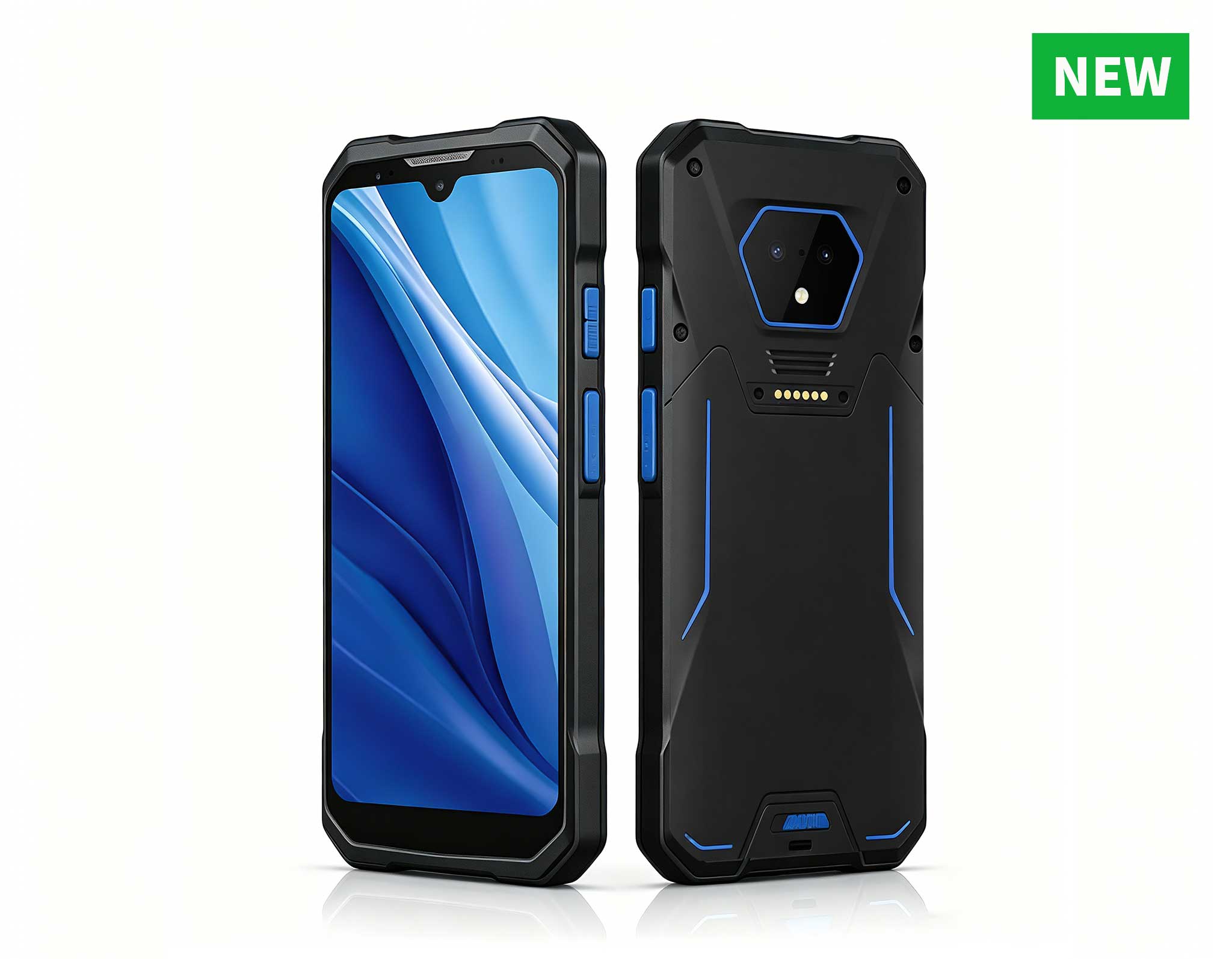
RS50 5G Rugged Handheld Terminal | 6.3" FHD+ ...
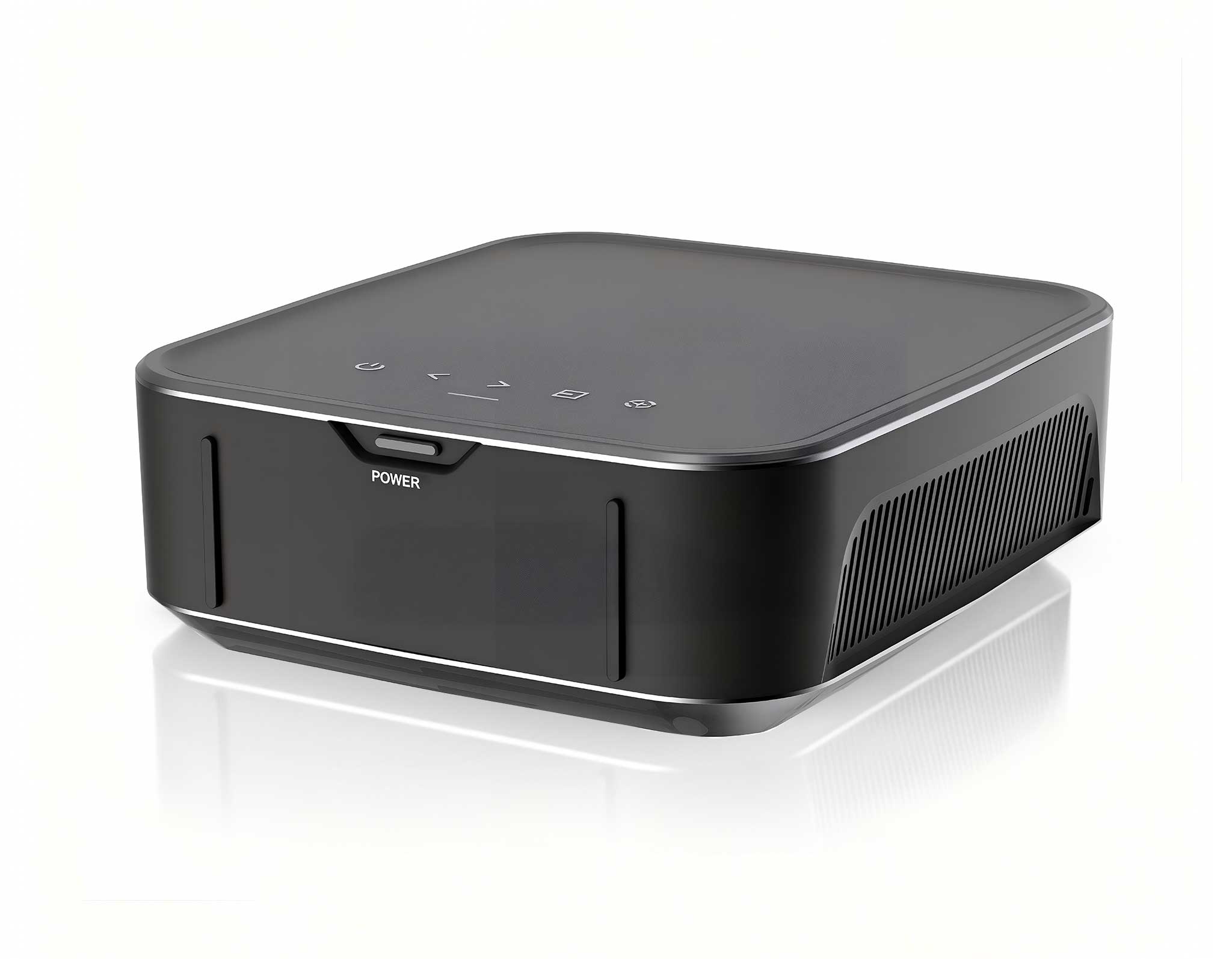
One Device, Dual Functions – A Projector and a Com...
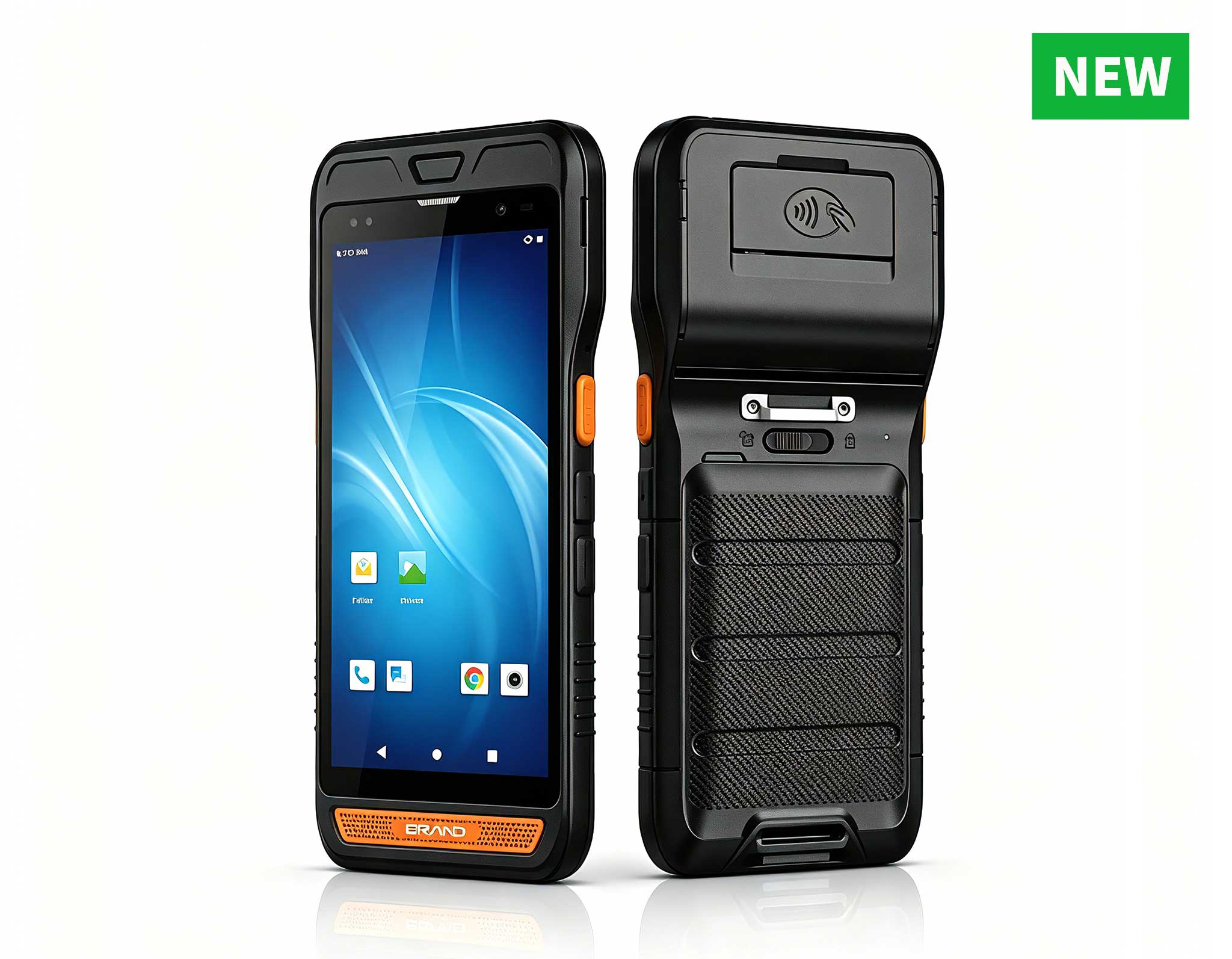
R860-S 5.5-inch Industrial PDA with Thermal Printe...
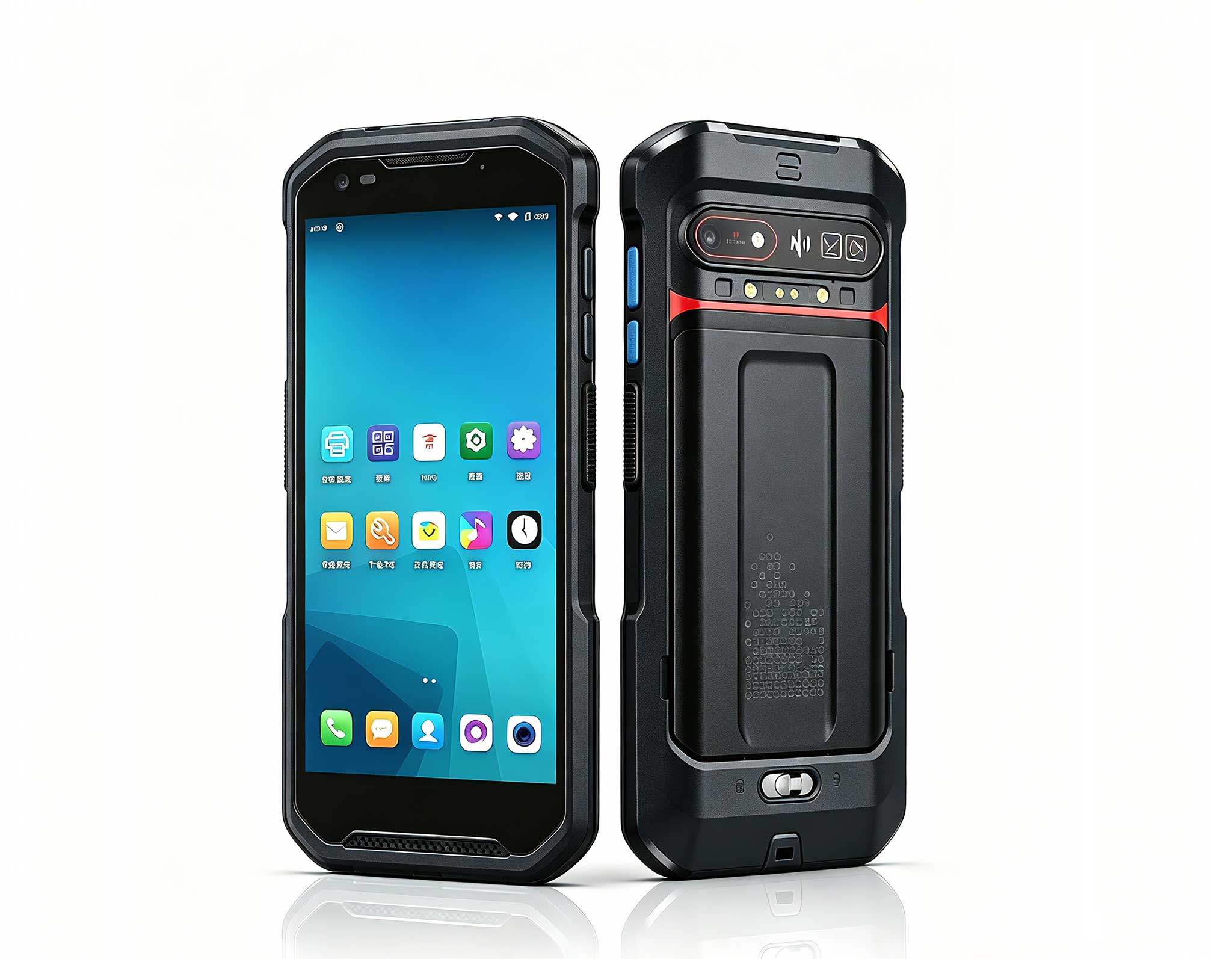
The F505 Handheld PDA is a compact, high-performan...
The N60 PDA is a cutting-edge device for inventory...
A home server rack has stopped being a single tower humming in a closet. Most self-hosted setups now split into three distinct duties: a storage pool that swallows terabytes of media and backups, a service layer that runs containers and virtual machines around the clock, and a network edge that routes traffic between the house and the internet. Matching one chassis to all three jobs is how builds end up overpowered and loud, or starved for drive bays.
This comparison lines up three Hotus mini PCs against two established outsiders: the Zotac ZBOX CI343 nano, a fanless 0.5-liter unit built for quiet always-on duty, and the Advantech ARK-3530, a sealed industrial controller rated for wide temperatures. All figures come from the published product pages, and unpublished fields are marked as such rather than guessed.
Read as a team rather than as rivals, the three Hotus boxes cover the rack almost naturally. One carries the spinning-storage duty, one takes the big-drive backup relay, and one handles the fast all-flash service layer. The two competitors mark the boundaries of the exercise: Zotac shows what a minimal silent node offers, Advantech what industrial certification adds and costs.
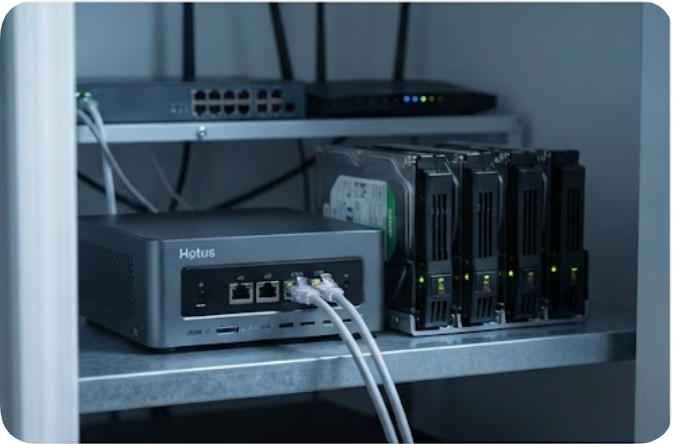
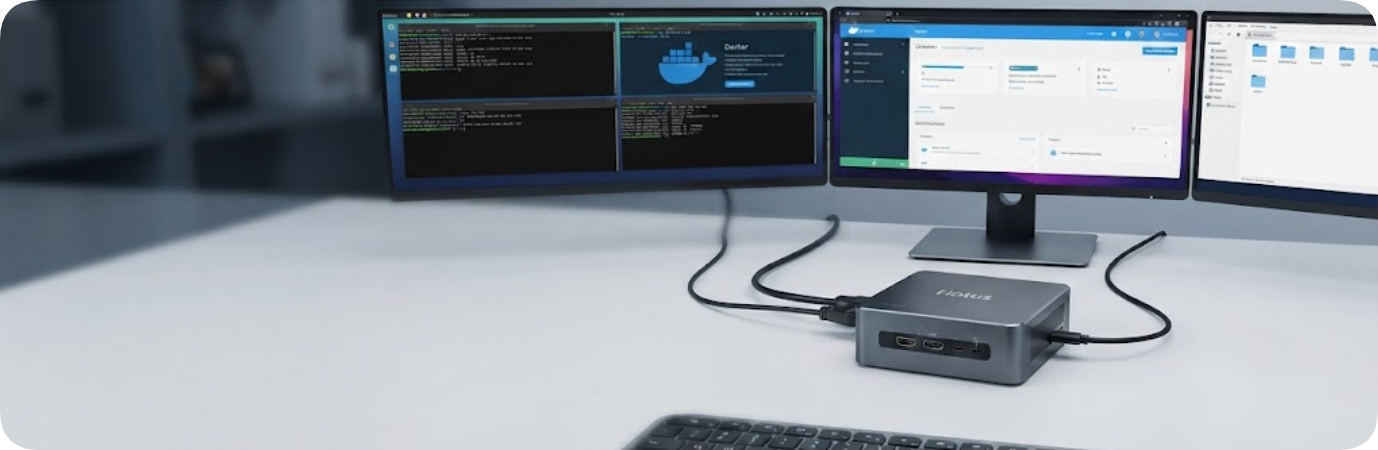
The WTR PRO AMD is the clearest storage-first proposition of the five machines. Its 4-SATA version supports up to four SATA drives, which the product page positions explicitly for a high-speed NAS or a local media server. Two 2.5G Ethernet ports open the routing options the page itself names, including pfSense and OpenWRT, and give a builder link aggregation for file transfers or physical isolation between the LAN and a lab network. A metal chassis handles the heat that four spinning drives generate, and HDMI, DisplayPort and USB Type-C outputs drive up to three 4K monitors for local management. Hotus has not published CPU or memory specifics for this unit, so treat the drive capacity and the dual ports as the features that define it.
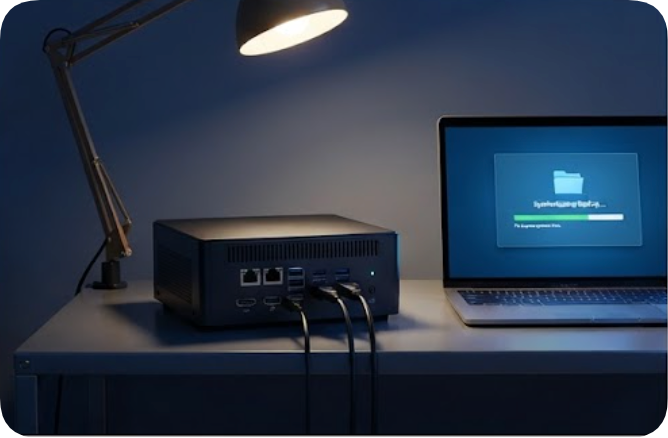
The HCAR5000 MI takes the role of the large-drive workhorse. It runs AMD Ryzen 5000H series processors, with 5900HX, 5800H and 5600H options, and accepts up to 64GB of DDR4 3200MHz memory. Storage flexibility is its real argument: beyond 128GB to 1TB SSD choices, it also takes 500GB or 1TB 7200rpm HDDs, where nightly backup targets and bulk media archives live cheaply. Connectivity covers RJ45, three USB 3.0 ports, two USB 2.0 ports, DP 2.0b, a Type-C port with video support and dual audio jacks. At 202mm x 212mm x 65mm and 2455g it is the heaviest of the three, a metal-brick profile for a shelf rather than a VESA plate, and both Windows 10/11 and Linux soft-router systems are listed as compatible.
The Palm-sized miniPC is the throughput option. Processor choices run from an i3-1215U up to an i9-12900HK with 12 cores and turbo clocks near 5.0GHz, paired with dual-channel DDR4 3200MT/s or DDR5 5200MT/s memory up to 64GB. Its four drive positions, two M.2 2280 NVMe slots plus two SATA bays, support up to 4TB of NVMe and 8TB of SATA expansion in one 800g chassis. Networking combines 2.5G Ethernet with Wi-Fi 6 and Bluetooth 5.2, while two HDMI 2.1 ports and a Type-C output handle triple 8K displays. Windows 11 and Linux are supported, and the PC+ABS case keeps weight down, though it trades away the metal build of its siblings.
The Zotac ZBOX CI343 nano represents the quiet minimalists. An Intel Core i3-N305 with eight efficiency cores, 16GB of DDR4 and a 512GB SSD sit inside a 0.5L fanless housing with VESA mounting and dual display outputs. As a silent always-on node it is genuinely good, backed by a three-year warranty. The limitation in a storage discussion is expansion: a single SSD and no drive bays mean it can serve data but holds little of it.
The Advantech ARK-3530 plays in a different league entirely. Its Core i7-13700TE runs 16 cores at a 35W envelope, memory stretches to 64GB of DDR5-4800, and storage pairs dual M.2 slots with one SATA bay. The sealed fanless body carries a -20°C to 60°C rating, vibration tolerance and DIN-rail mounting, which is why it appears on factory floors and in traffic cabinets. In a home rack those traits are rarely exercised, and the single SATA position limits the archive role.
| Model | CPU | Memory | Storage layout | Network | Chassis |
|---|---|---|---|---|---|
| WTR PRO AMD | Not published | Not published | Up to 4x SATA drives | Dual 2.5G Ethernet | Metal body, triple 4K output |
| HCAR5000 MI | Ryzen 5900HX/5800H/5600H | Up to 64GB DDR4 3200MHz | 128GB-1TB SSD or 500GB/1TB 7200rpm HDD | RJ45, DP 2.0b, Type-C video | 202x212x65mm, 2455g |
| Palm-sized miniPC | Intel 12th Gen up to i9-12900HK | Up to 64GB DDR4/DDR5 | 2x M.2 NVMe + 2x SATA, up to 12TB | 2.5G LAN, Wi-Fi 6, BT 5.2 | PC+ABS, 800g, triple 8K out |
| Zotac ZBOX CI343 nano | Intel Core i3-N305 (8 cores) | 16GB DDR4 | 512GB SSD, no bays | Gigabit LAN, Wi-Fi 6 | 0.5L fanless, VESA, 3-year warranty |
| Advantech ARK-3530 | Intel Core i7-13700TE, 35W | Up to 64GB DDR5-4800 | Dual M.2 slots plus a SATA bay | Dual 2.5GbE, Wi-Fi 6 | Fanless sealed, -20°C to 60°C, DIN rail |
Figures reflect each published page; the two Not published cells are explained above.
Honesty requires the gaps. Hotus publishes no CPU, memory, power draw or noise figures for the WTR PRO AMD, so buyers commit to its bays and ports on faith in the platform. The other two quote no acoustic numbers either, which matters when a rack lives in a living room; the 2455g HCAR body is shelf hardware, not wall hardware. The Palm-sized miniPC gives no ingress or drop protection and no wide-temperature rating, so it belongs indoors, and its PC+ABS shell will not sink heat like metal under sustained loads. None of the five quotes power consumption, so size the rack around measured readings rather than datasheet promises.
| Requirement | Best fit | Why |
|---|---|---|
| Bulk media and backup archive | WTR PRO AMD | Four SATA positions plus dual 2.5G ports for fast transfer and network isolation |
| Cold storage on spinning disks | HCAR5000 MI | Takes 500GB/1TB 7200rpm HDDs with Ryzen-class processing behind them |
| Containers, VMs and fast caches | Palm-sized miniPC | Dual NVMe slots, 64GB memory ceiling and 12-core Intel options |
| Silent single-purpose node | Zotac ZBOX CI343 nano | Fanless 0.5L body, but expansion stops at one SSD |
| Garage, attic or industrial corner | Advantech ARK-3530 | Sealed wide-temperature design built for conditions a study never sees |
Roles can be mixed; two Hotus boxes plus one silent node is a common starting shape.
A practical build starts with the storage pool, because drive bays are the hardest feature to add later. Once the archive is settled, size the service layer to the workload and hand routing to whichever box has spare ports. If you want to explore our mini pc lineup before committing, the three models above sit in the wider catalog, and the related rugged tablet lineup covers the mobile end of the same story.
Whether the plan is one quiet node or a three-role rack, compare the WTR PRO AMD, HCAR5000 MI and Palm-sized miniPC against the table above and shortlist the chassis that matches the duty. More comparisons live at the comparison guides hub, where each breakdown follows the same published-specs-only discipline.