- Select Language
Enterprise Flagship SeriesEngineered for mission-c...
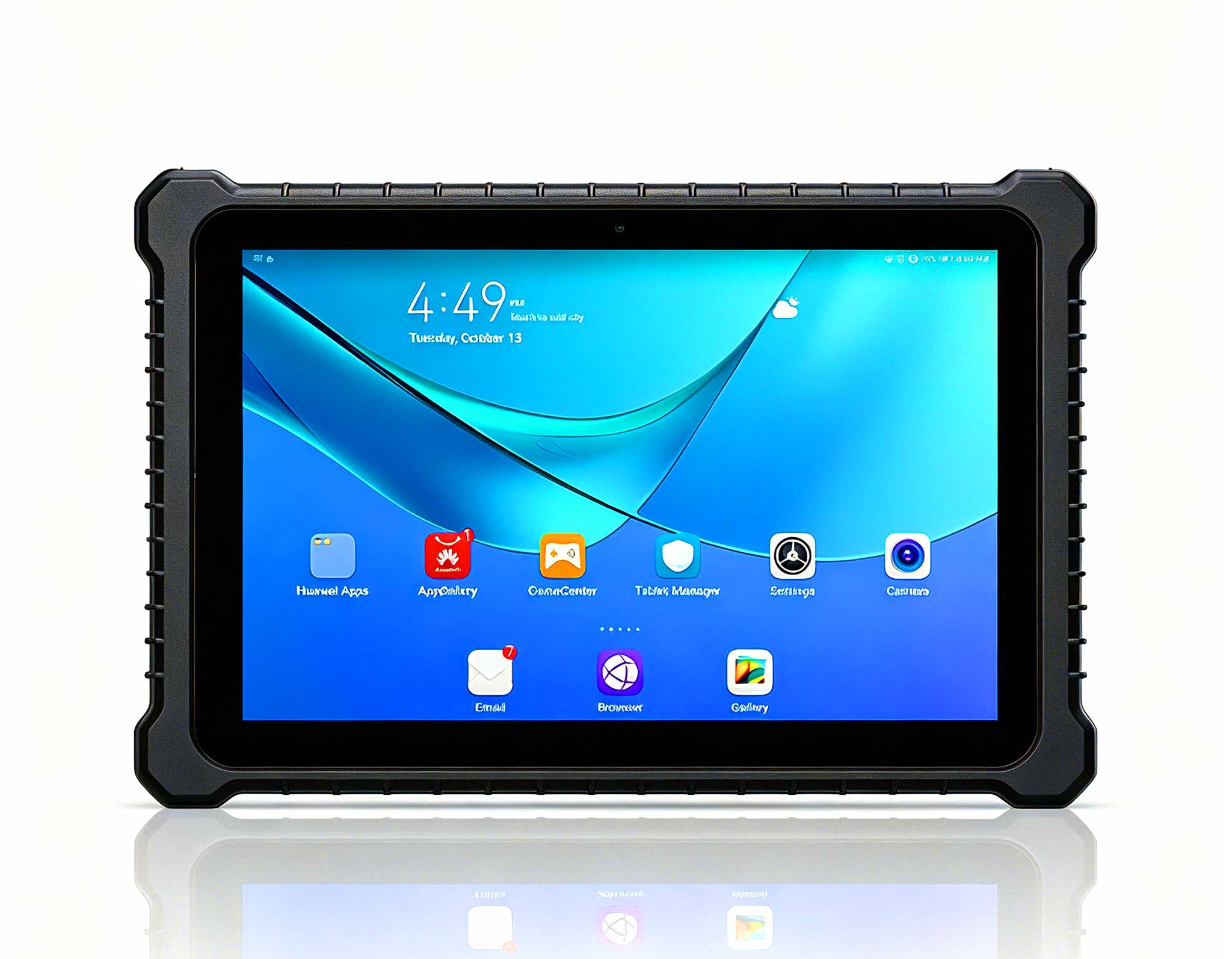
RT81 4G Rugged Tablet | 10.1" FHD 400nit | Qu...
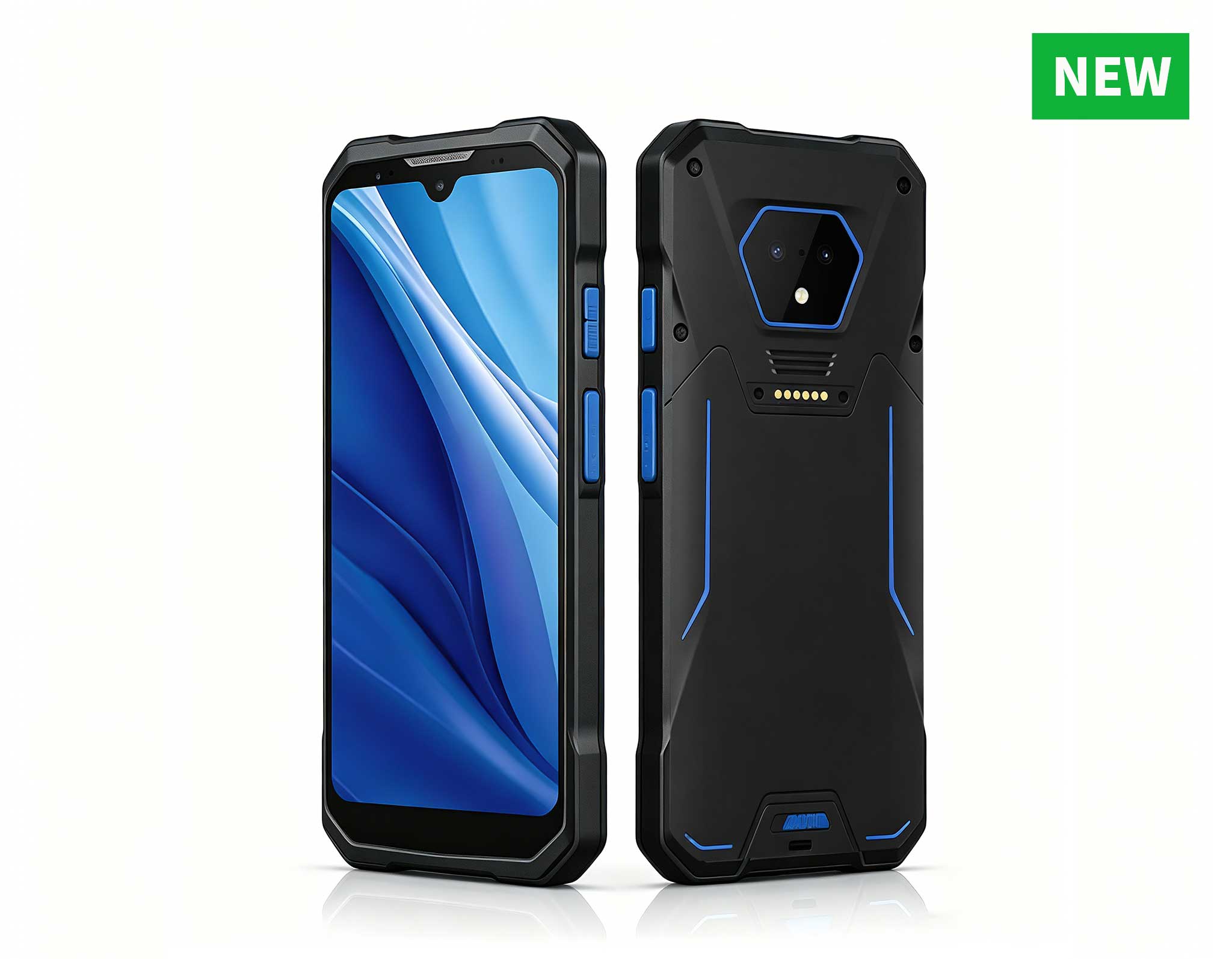
RS50 5G Rugged Handheld Terminal | 6.3" FHD+ ...
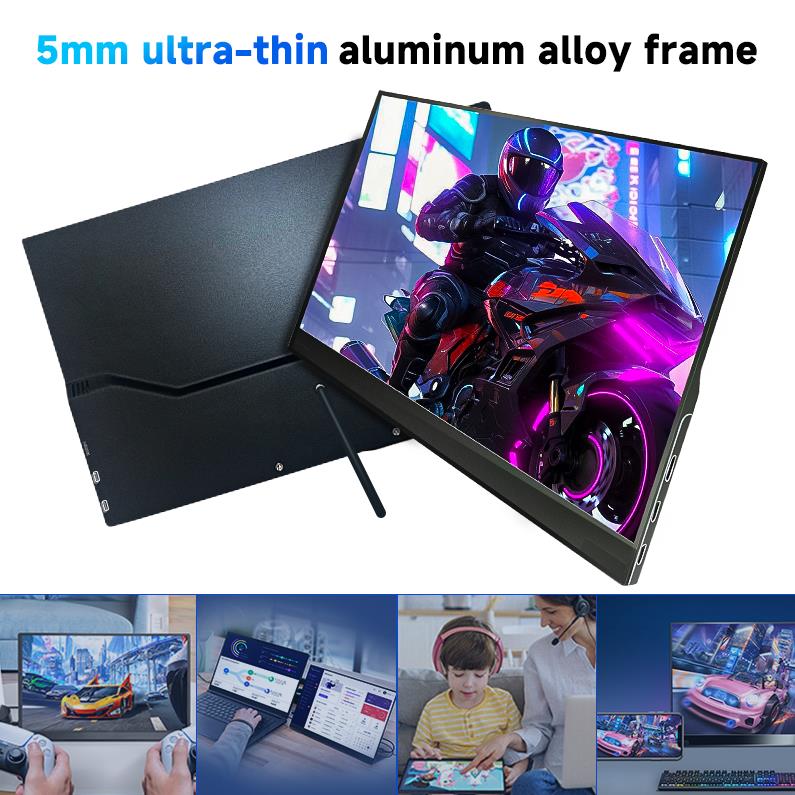
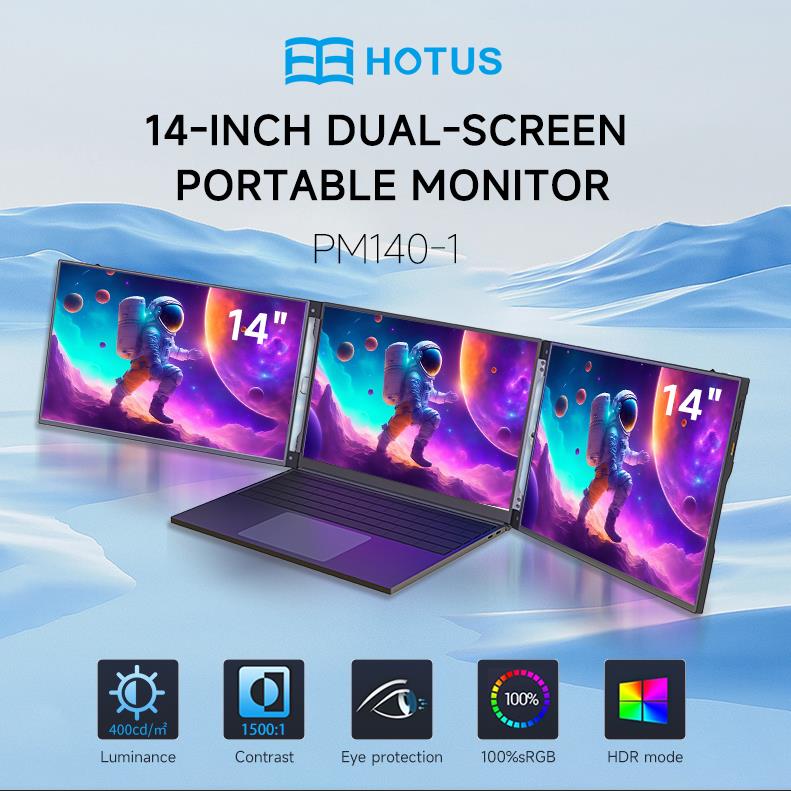
The PM133-2 is a 13.3-inch portable monitor featur...
The F505 Handheld PDA is a compact, high-performan...
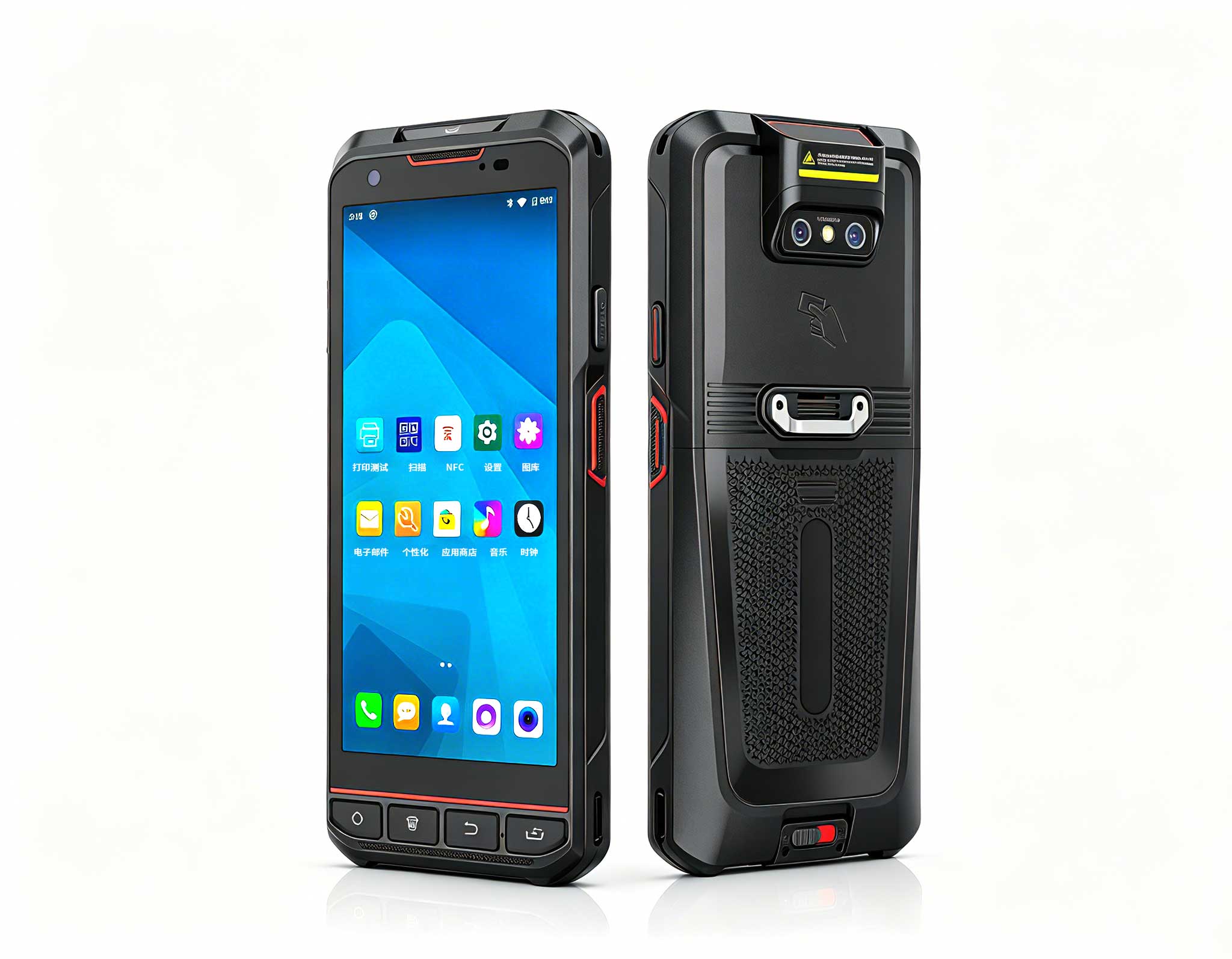
The X501 Handheld PDA combines advanced barcode sc...
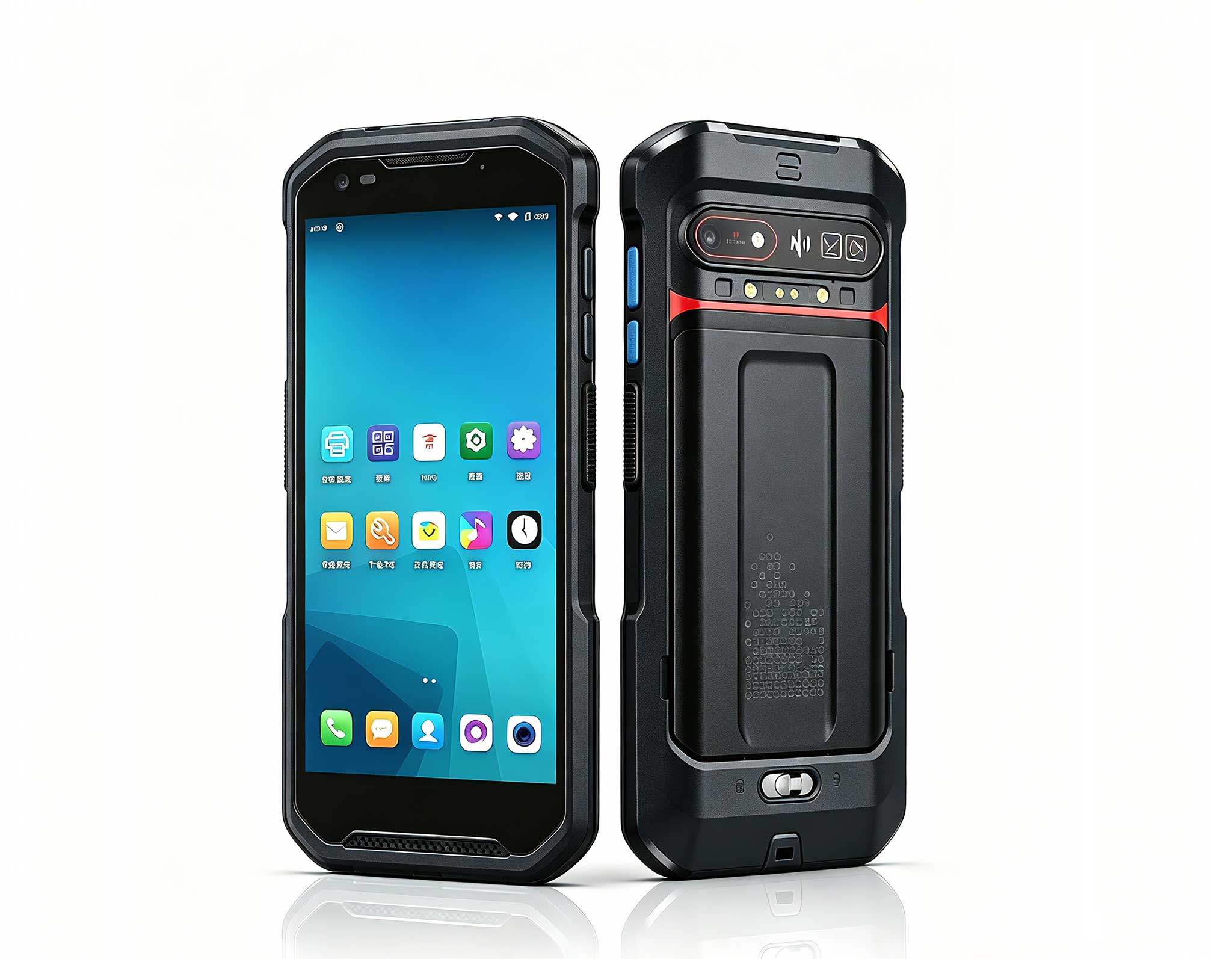
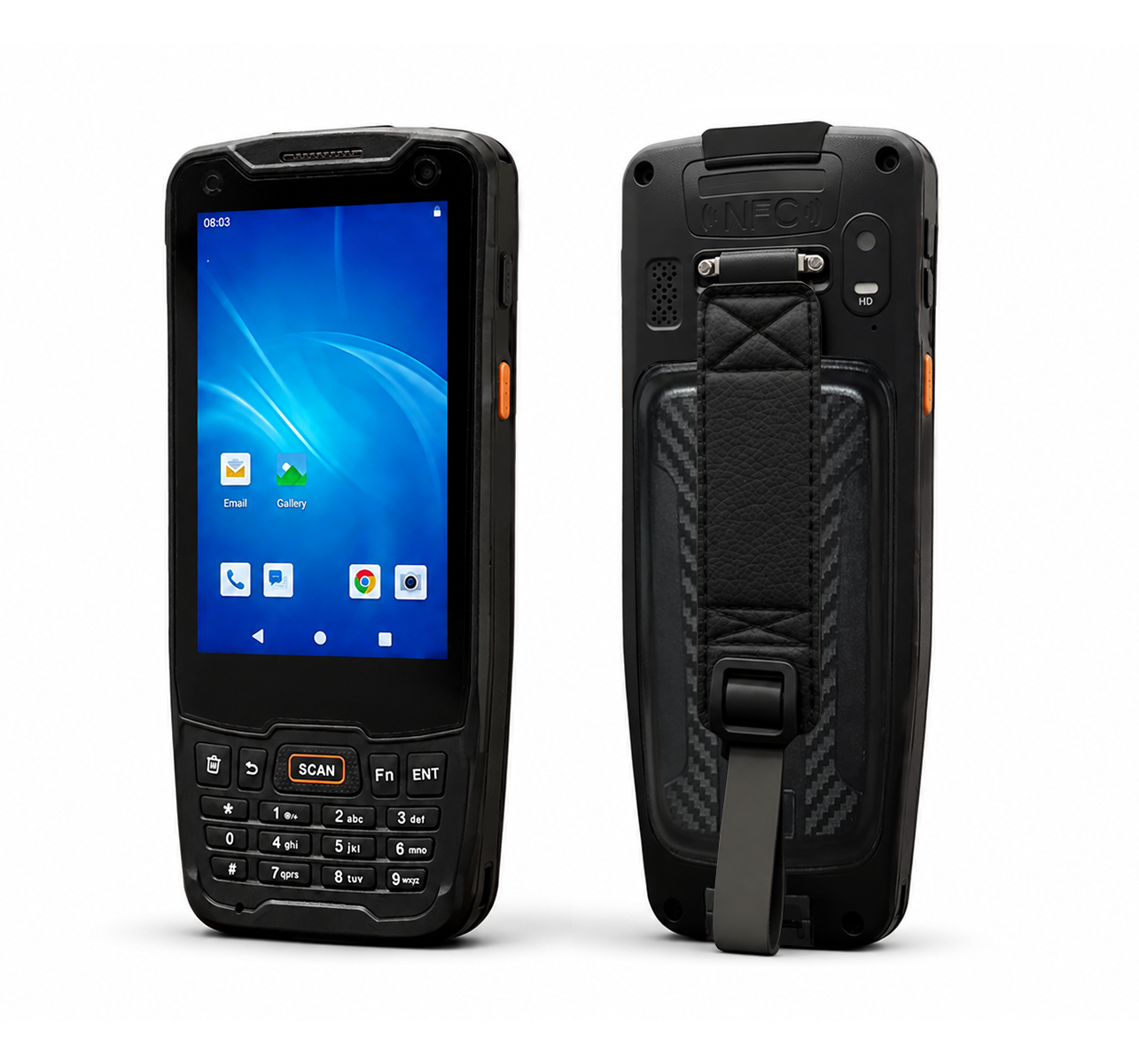
R350C 4-inch Industrial Handheld PDA | Qualcom...
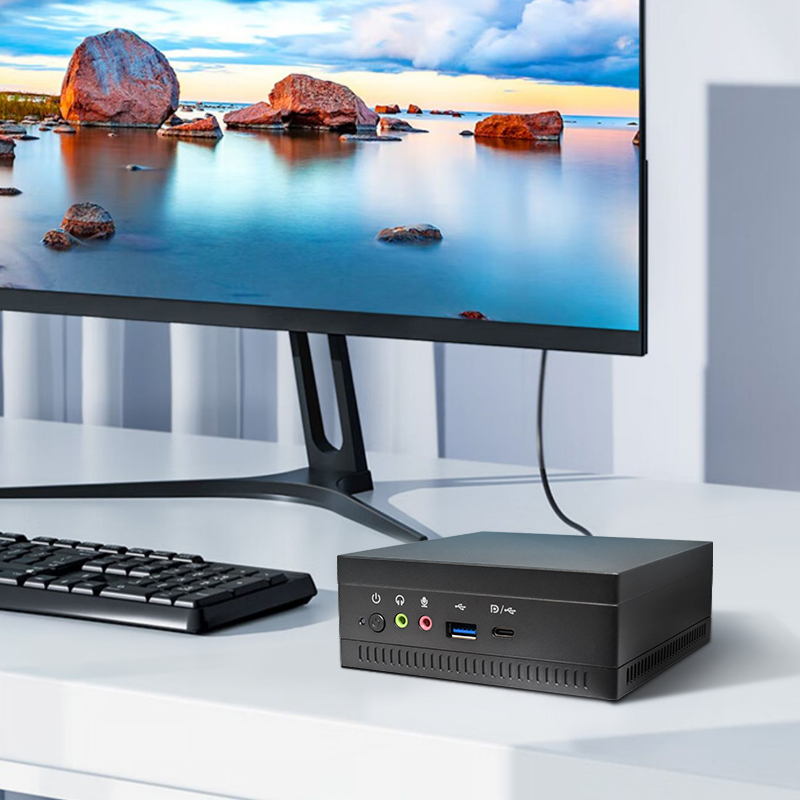
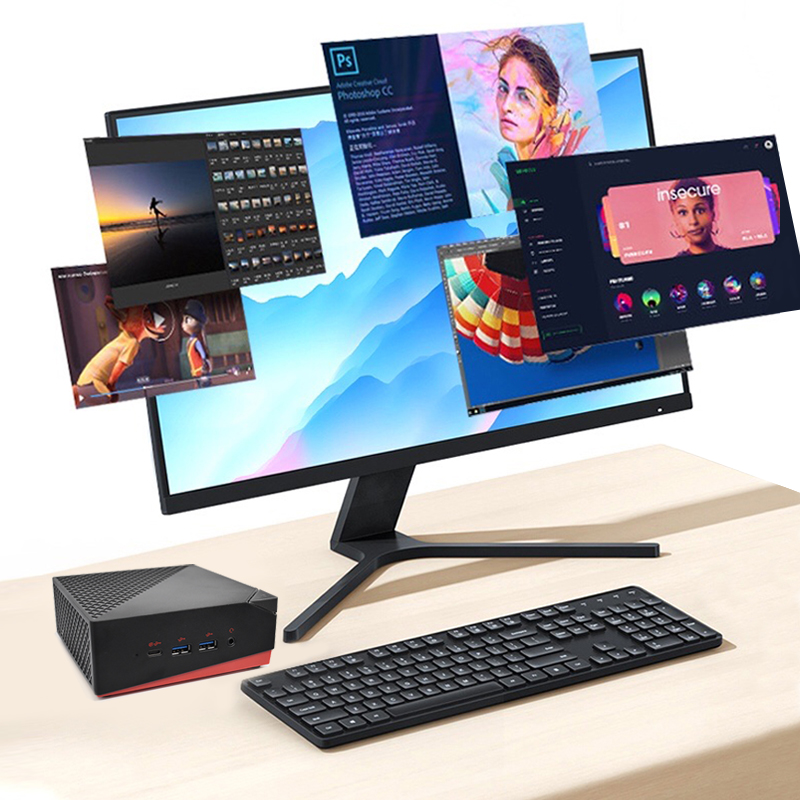
The AMD Mini PC Windows 10 Pro is a compact yet po...
This dual touchscreen gaming laptop combines cutti...
An emergency response team rarely works in one place. A crew stages a command vehicle on the perimeter, walks the site, photographs damage, logs readings and hands the record to whoever takes over the next shift. That chain breaks at a specific point: the moment somebody walks inside a line that is depressurised but not yet certified gas-free. The tablet either carries a valid hazardous-area certificate and goes in, or it stays outside with the vehicle.
That single distinction is why this comparison is organised around certification rather than processor speed. Three Hotus panels and two European explosion-proof tablets appear below, and the honest core of the piece is that they are not substitutes for one another. Two of them can enter a classified area and the three Hotus units cannot. What follows is an account of where each one belongs.
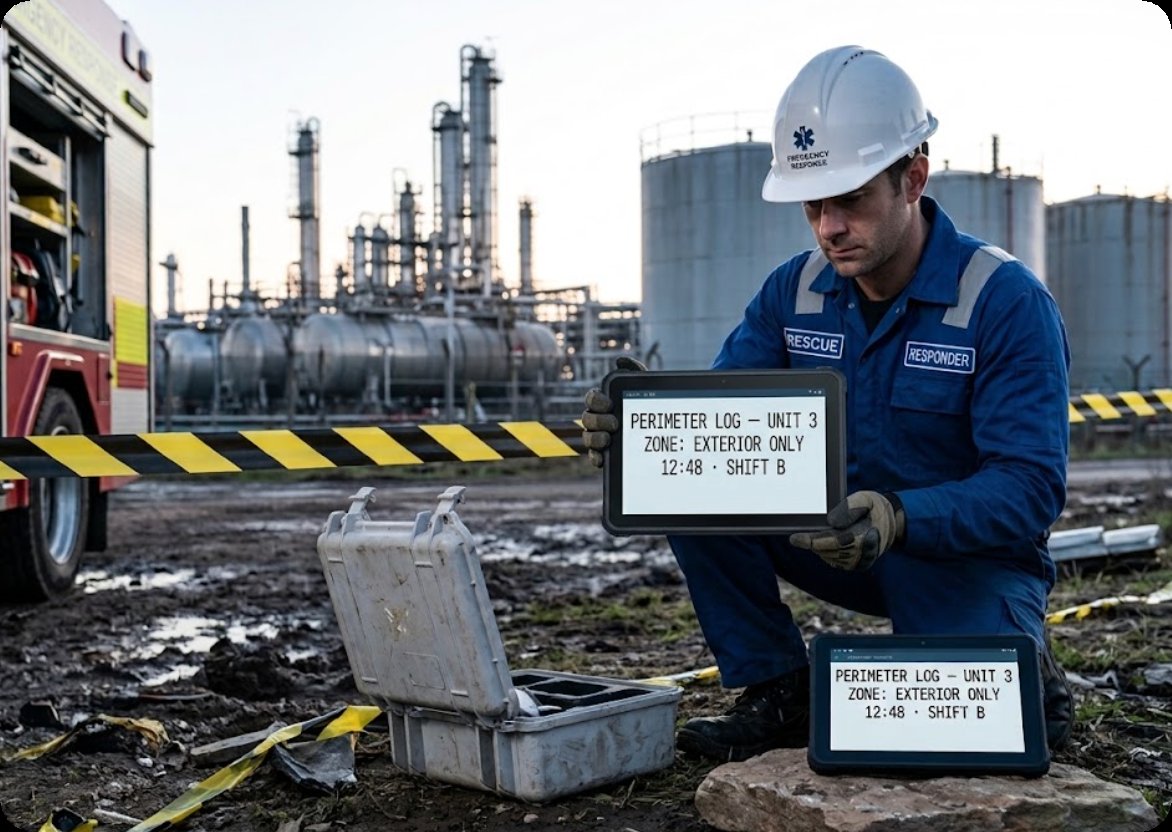
The HTYJ10A Rugged Tablet is the strongest of the three Hotus panels. It runs a 10th-generation Intel Core i5-10210Y or i7-10510Y, carries a 10-inch 1200x1920 LCD at 560 nits behind 7H glass, and lists IP67 waterproofing with a 1.22-metre drop figure. The interface set is unusually dense for the class: one RJ45, mini HDMI, USB-A, USB-C, DC in, TF, SIM and a 12-pin pogo connector, with 4G, NFC, scanning and fingerprint modules listed as options.
For a command vehicle or a staging tent that is the useful half of the answer. The RJ45 port lets a crew sync photographs and logs over a depot network rather than depend on cellular coverage, which is exactly where it tends to fail. The 560-nit panel is readable in direct daylight. What it will not do is go past the boundary line.
The HTNJ10C Rugged Tablet shares the 10-inch 1200x1920 560-nit panel, the 7H cover glass and the same IP67 and 1.22-metre drop rating. The processor is an Intel N100, four cores on four threads at 3.4GHz, and the rest of the specification reads identically: Wi-Fi 6 with Bluetooth 5, the same port array including RJ45, the same optional 4G, NFC, scan, fingerprint and charging-dock modules, and the same 7.6V 3500mAh battery.
The choice between the two is a processing decision, not a ruggedness one. The N100 sits at the bottom of the N series and suits fleets running a fixed application set, vehicle-mounted telemetry or a forms-and-photos workflow where the processor is rarely the bottleneck. Both panels share a quoted gross weight of 2.1KG with carton and a 28.4 by 19 by 2.5cm body.
The HTYJ08A Rugged Tablet keeps the same i5-10210Y and i7-10510Y options and the same 560-nit panel, but drops it to 8 inches at the same 1200x1920 resolution. The body shrinks to 23.8 by 16 by 2.5cm and the quoted gross weight falls to 1.8KG against 2.1KG for the 10-inch units. IP67 and the 1.22-metre drop figure are unchanged, and the port array, including the RJ45, carries over intact.
That size difference is the whole reason to choose it. A member who is already carrying a thermal camera or a gas detector needs a panel that stays in one hand, and the same specification sheet otherwise applies.
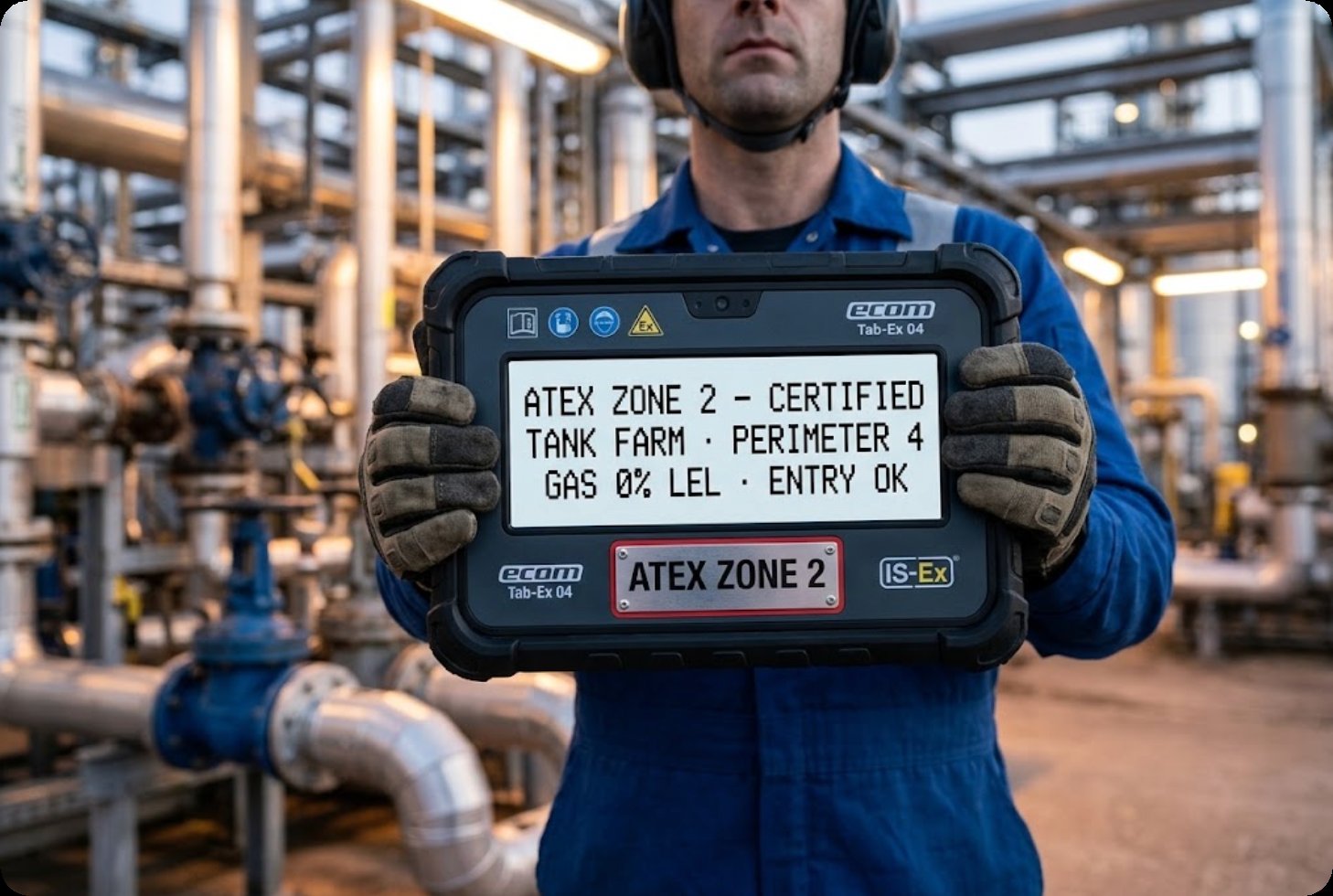
The Ecom Tab-Ex 04 is a different class of device rather than a faster version of the same one. The database lists it as an explosion-proof rugged tablet, 10-inch class, Android, natively explosion-protected, carrying ATEX Zone 2 and IP68, with 5G connectivity and integrated scanning, priced at $2,500 to $4,000. Its stated applications are oil and gas, chemical, pharmaceutical and hazardous-area work.
Zone 2 is the classification for an area where a flammable gas concentration is unlikely to occur in normal operation and, if it does, only briefly. A Zone 2 certificate is what allows the unit to be carried into a tank farm perimeter, a chemical transfer point or a refinery walkway where a non-certified panel has to stay at the fence line. IP68 is also a genuine step up from IP67, and integrated scanning removes a peripheral that a rescue logistics team would otherwise carry separately.
The i.safe IS940.1 sits one classification higher. It is listed as a 10-inch-class explosion-proof Android tablet with ATEX Zone 1, IP68, 5G, native explosion protection and a hot-swappable battery, at $3,500 to $5,500. Its stated applications are oil and gas, chemical and mining.
Zone 1 covers an area where a flammable gas concentration is likely to occur in normal operation. A response team that works a gas release, a confined-space incident or a chemical spill inside the process boundary needs this class of certificate, and neither a Zone 2 unit nor a Hotus panel substitutes for it. The hot-swappable battery matters more than the headline number suggests: in an incident that runs across a full shift, a swappable pack keeps the unit in service while a second battery charges.
Read across the certification column and the structure of the market becomes obvious. The European pair is not competing on screen size or port count; it is selling permission to enter. The Hotus triple is not competing on that at all, because none of the three carries an ATEX or IECEx certificate. Their published rating is IP67 with a 1.22-metre drop figure, and IP67 is a water and dust ingress rating, not a hazardous-area approval.
There is a second gap worth stating plainly. All three Hotus panels are quoted with a 7.6V 3500mAh battery. The i.safe IS940.1 is built around a hot-swappable battery, and that is a different answer to an eight-hour shift than any capacity figure. For crews who work the perimeter rather than the interior, the Hotus configuration is comfortable. For crews who need uninterrupted interior access, it is the weakest part of the specification.
| HTYJ10A Rugged Tablet | Intel Core i5-10210Y or i7-10510Y, 10th generation | 10-inch LCD, 1200x1920, 560 nits, 7H glass | Wi-Fi 6, Bluetooth 5, RJ45, SIM, optional 4G | IP67, 1.22m drop. No ATEX or IECEx listed | 7.6V 3500mAh, DC 19V/3.42A | Not published on the product page |
| HTNJ10C Rugged Tablet | Intel N100, 4 cores and 4 threads at 3.4GHz | 10-inch LCD, 1200x1920, 560 nits, 7H glass | Wi-Fi 6, Bluetooth 5, RJ45, SIM, optional 4G | IP67, 1.22m drop. No ATEX or IECEx listed | 7.6V 3500mAh, DC 19V/3.42A | Not published on the product page |
| HTYJ08A Rugged Tablet | Intel Core i5-10210Y or i7-10510Y, 10th generation | 8-inch LCD, 1200x1920, 560 nits, 7H glass | Wi-Fi 6, Bluetooth 5, RJ45, SIM, optional 4G | IP67, 1.22m drop. No ATEX or IECEx listed | 7.6V 3500mAh, DC 19V/3.42A | Not published on the product page |
| Ecom Tab-Ex 04 | Not published in the source database | 10-inch class | 5G, 4G, Wi-Fi, Bluetooth, integrated scanning | ATEX Zone 2, IP68, native explosion protection | Not published in the source database | $2,500 to $4,000 |
| i.safe IS940.1 | Not published in the source database | 10-inch class | 5G, 4G, Wi-Fi, Bluetooth | ATEX Zone 1, IP68, native explosion protection | Hot-swappable battery | $3,500 to $5,500 |
| Command vehicle, staging and photo logging outside the site boundary | HTYJ10A Rugged Tablet | 560-nit 10-inch panel for daylight use, RJ45 for depot-network sync, i5 or i7 headroom for multi-shift work |
| Large fleet running a fixed application on a tight budget | HTNJ10C Rugged Tablet | Same chassis, IP67 rating and 560-nit panel on an Intel N100, which suits forms-and-photos rather than heavy compute |
| One-handed work while already carrying a gas detector or thermal camera | HTYJ08A Rugged Tablet | 8-inch body at 1.8KG gross weight with the same IP67 rating and identical ports |
| Entry into a Zone 2 area such as a tank farm perimeter or transfer point | Ecom Tab-Ex 04 | ATEX Zone 2 with IP68 and integrated scanning; the Hotus units have no equivalent certificate |
| Entry into a Zone 1 area during a gas release or confined-space incident | i.safe IS940.1 | ATEX Zone 1 with IP68 and a hot-swappable battery for an uninterrupted shift |
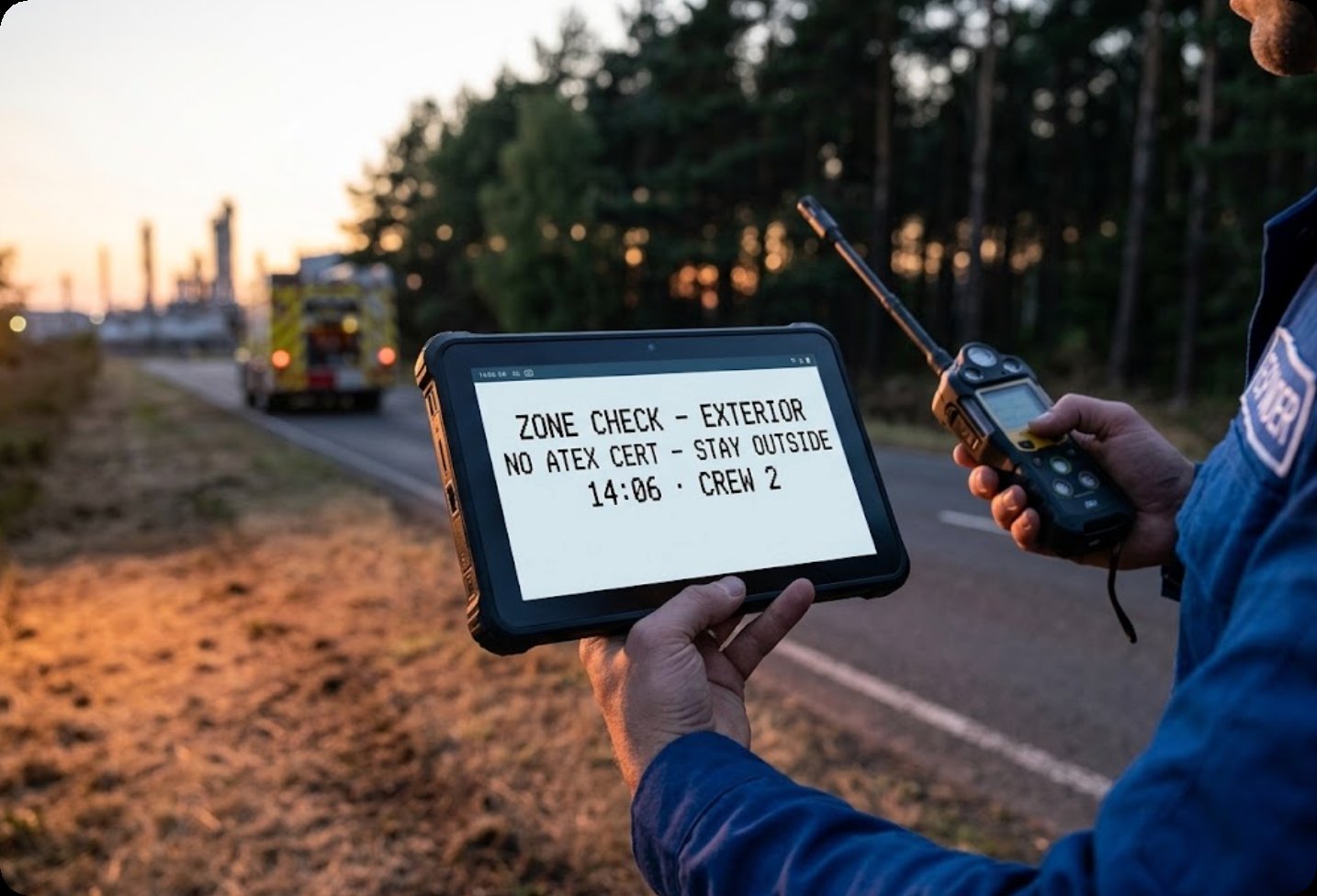
A sensible specification process starts with the boundary, not the panel. Identify the highest gas classification any responder will physically cross, write down whether that is Zone 1, Zone 2 or no zone at all, and only then choose hardware. If the answer is Zone 1 or Zone 2, the certificate narrows the field to certified units and no amount of processor specification changes that. If responders stay outside the line, the comparison becomes about screen brightness, port layout, weight and cost, and that is where the three Hotus panels compete directly with each other and with any mainstream rugged tablet.
Two practical details settle most of the remaining decisions. The first is who carries the unit. A device that changes hands at every shift boundary needs a pogo connector and a charging dock in the vehicle rather than a captive cable, and all three Hotus panels list both a 12-pin pogo connector and an optional charging dock, so a pooled fleet can be charged overnight without any of them leaving the case. The second is the optional module list. 4G, NFC, scanning and fingerprint modules are all offered as options on the HTYJ10A, HTNJ10C and HTYJ08A, which means a rescue logistics team can specify an asset-check function without a separate handheld, and a site requiring NFC access control at the perimeter can add it at order time rather than after delivery.
The rugged tablet lineup covers the full range of screen sizes and processors for perimeter and general field work, and readers who also need a fixed terminal in the command vehicle can look at the related mini PC lineup. Teams still comparing certification classes across a wider set of industrial form factors will find further running comparisons in the device comparison archive.