- Select Language
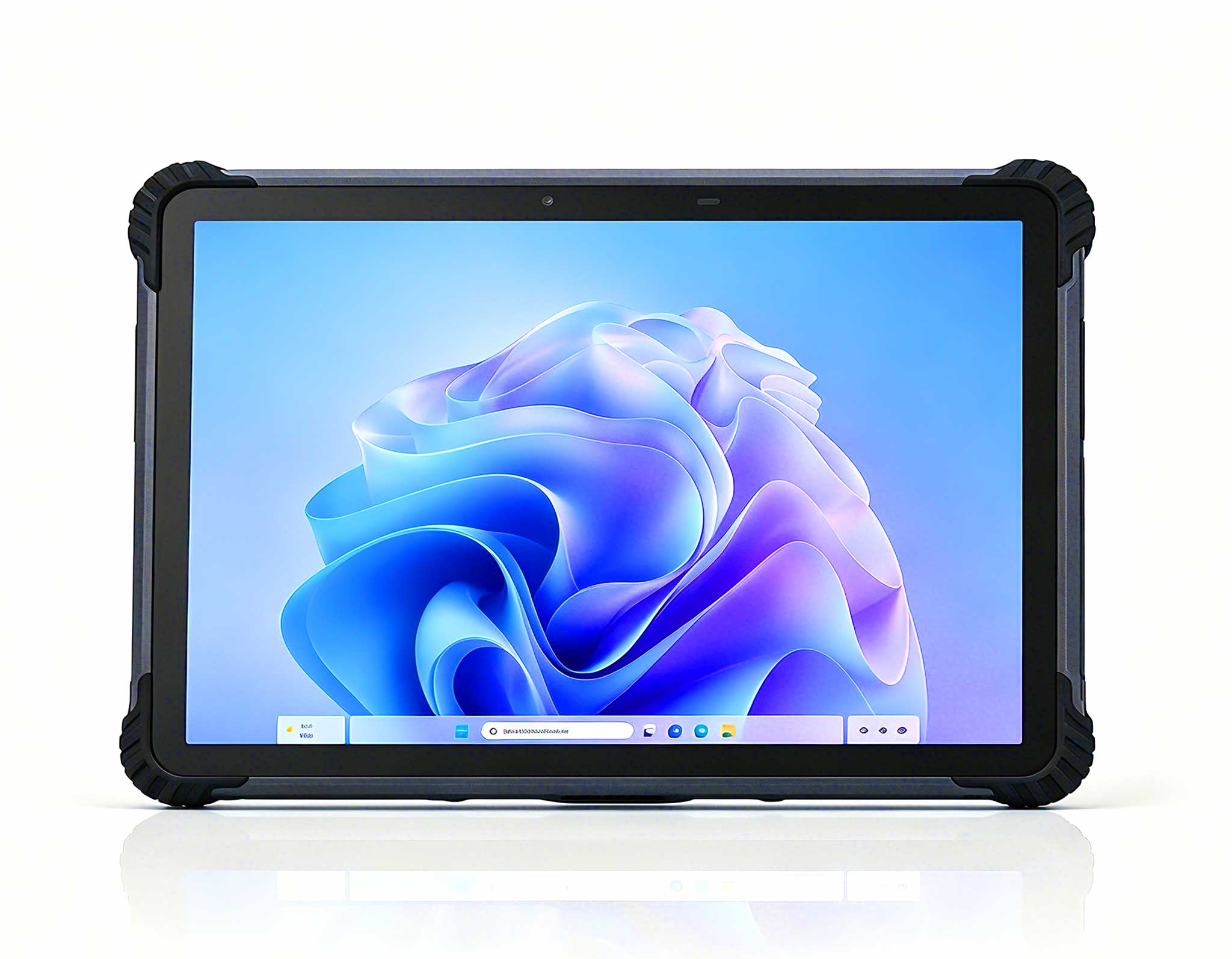
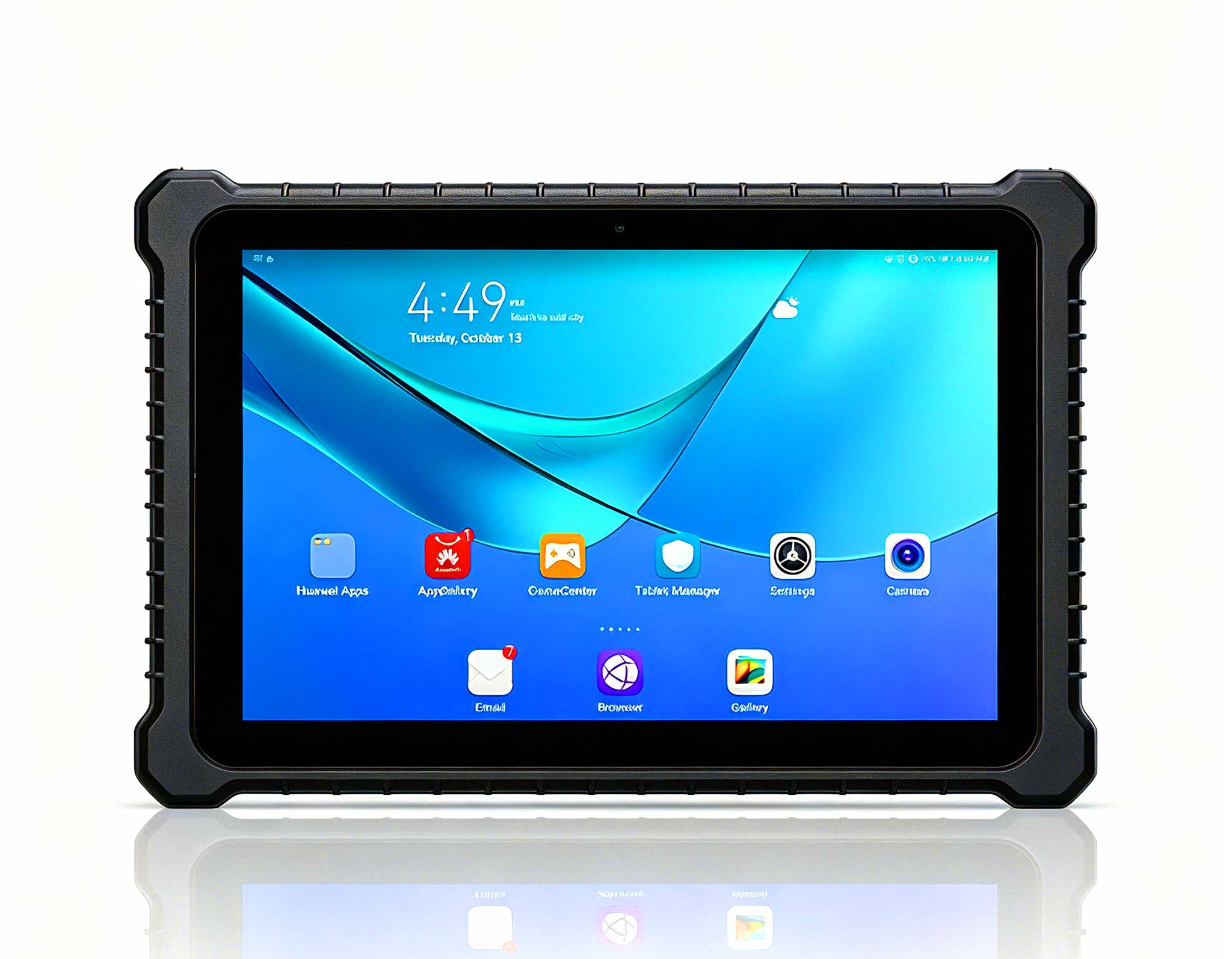
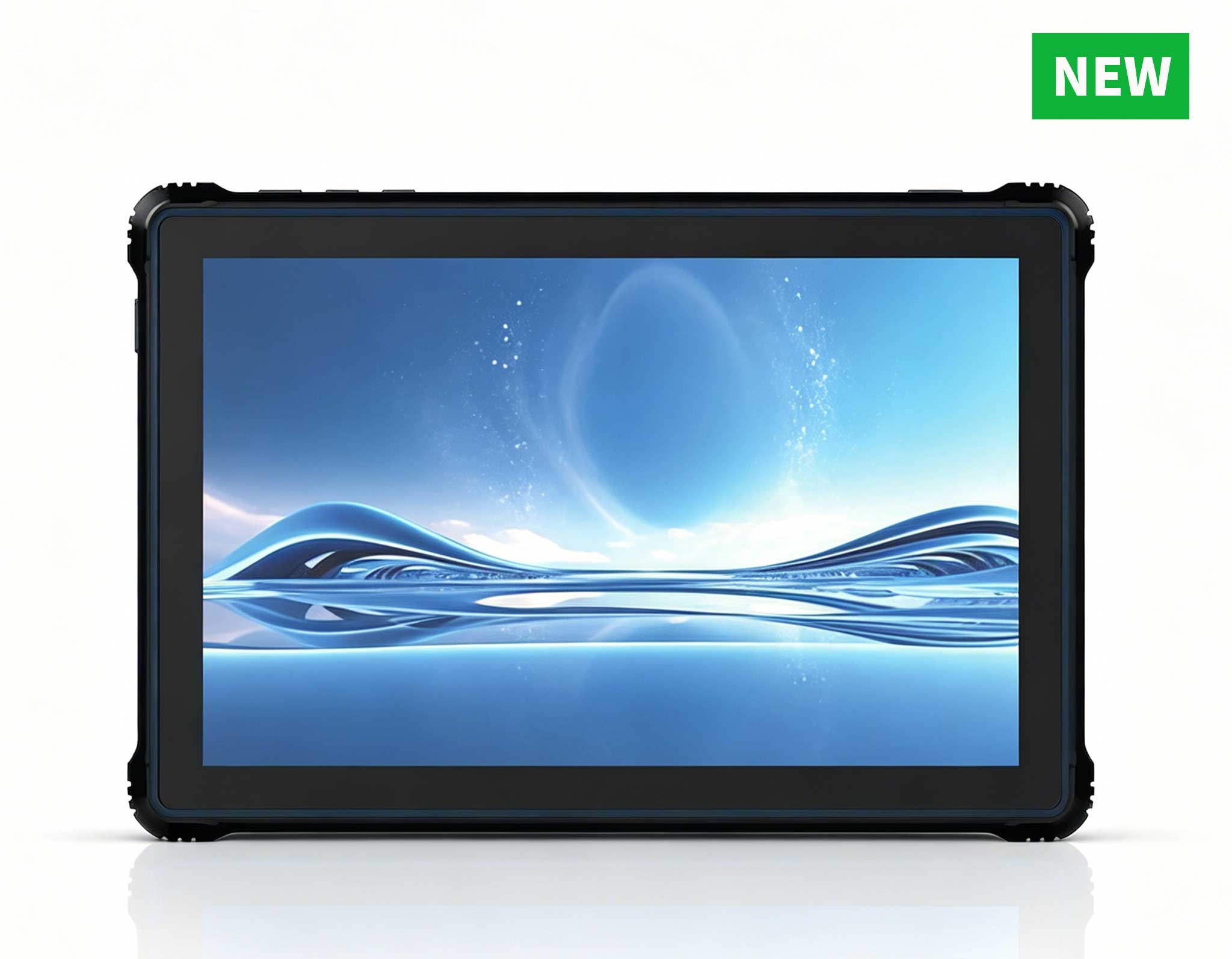
This 10-inch Android rugged tablet is designed for...
The F505 Handheld PDA is a compact, high-performan...
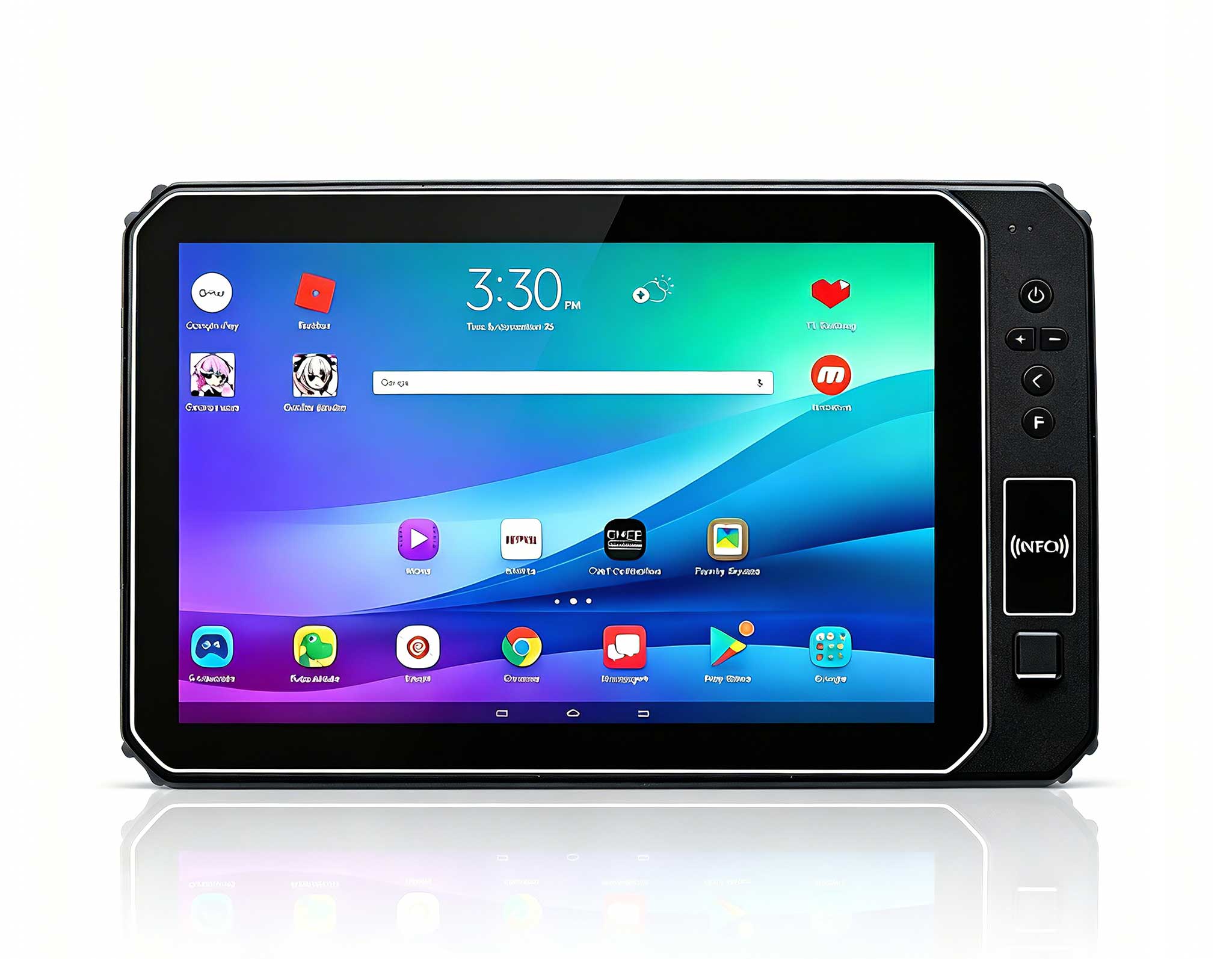
RT80 5G Rugged Tablet | 10.1" FHD 400nit | Un...
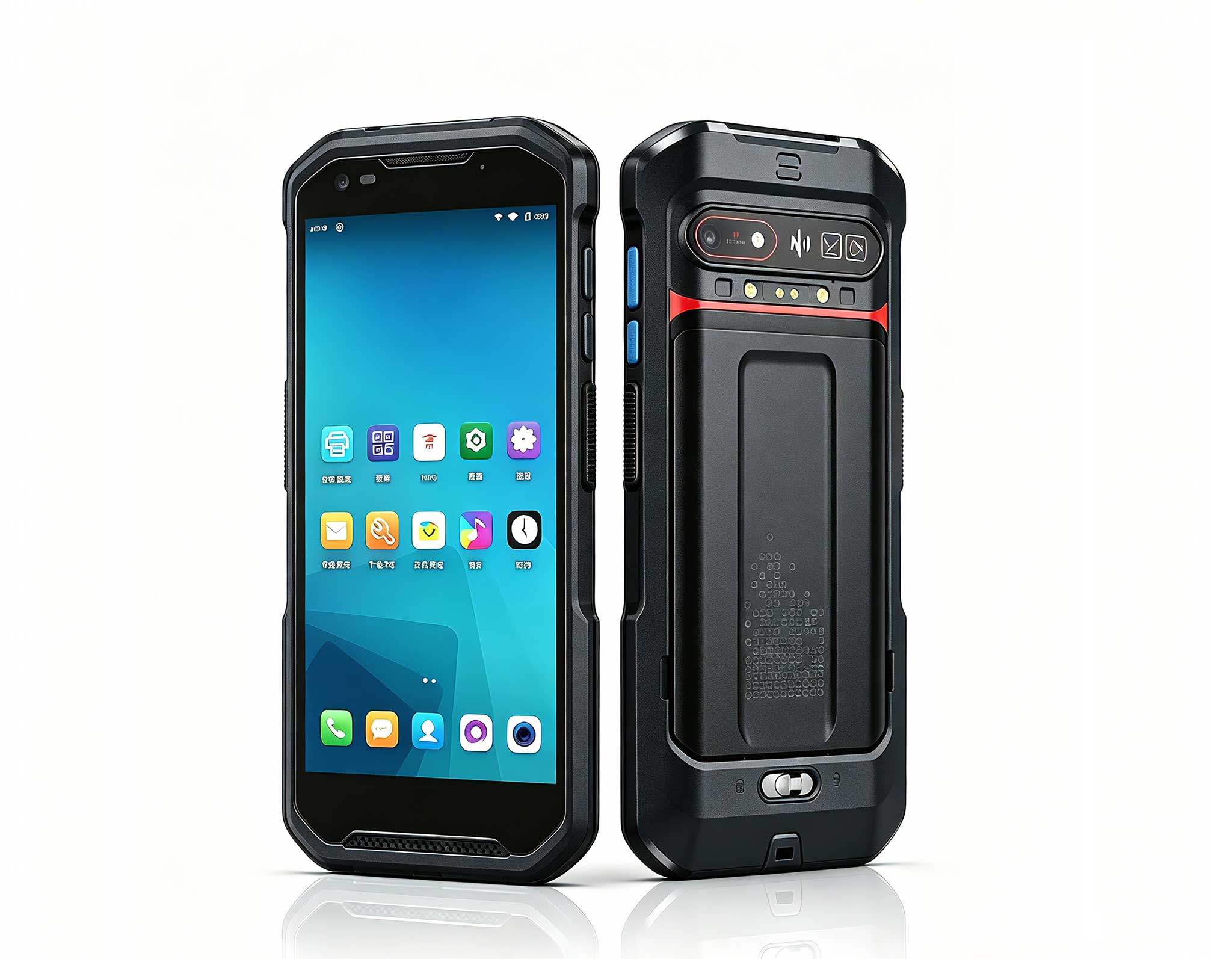
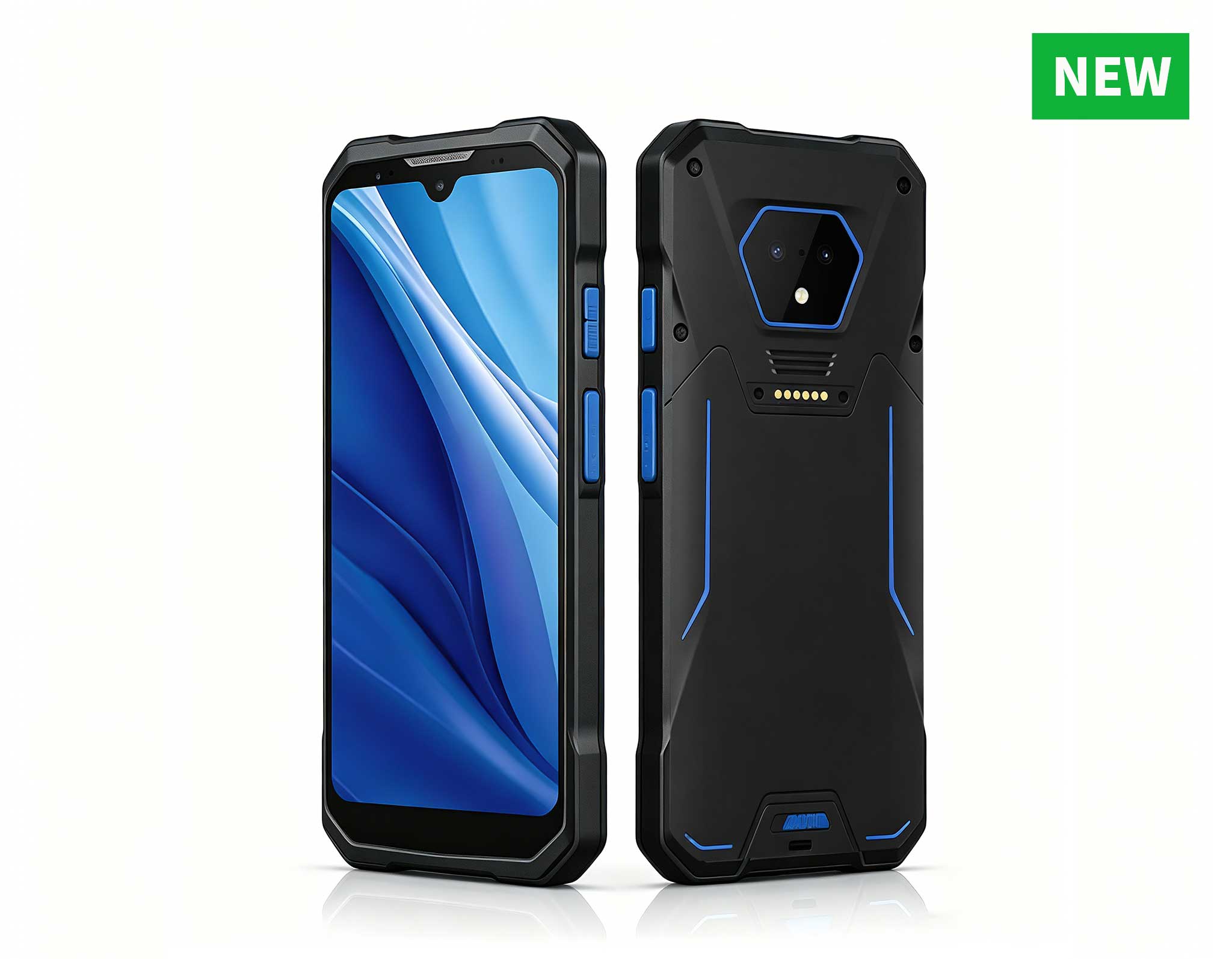
RS50 5G Rugged Handheld Terminal | 6.3" FHD+ ...
Technical SpecificationsModel: Palm-sized miniPCTy...
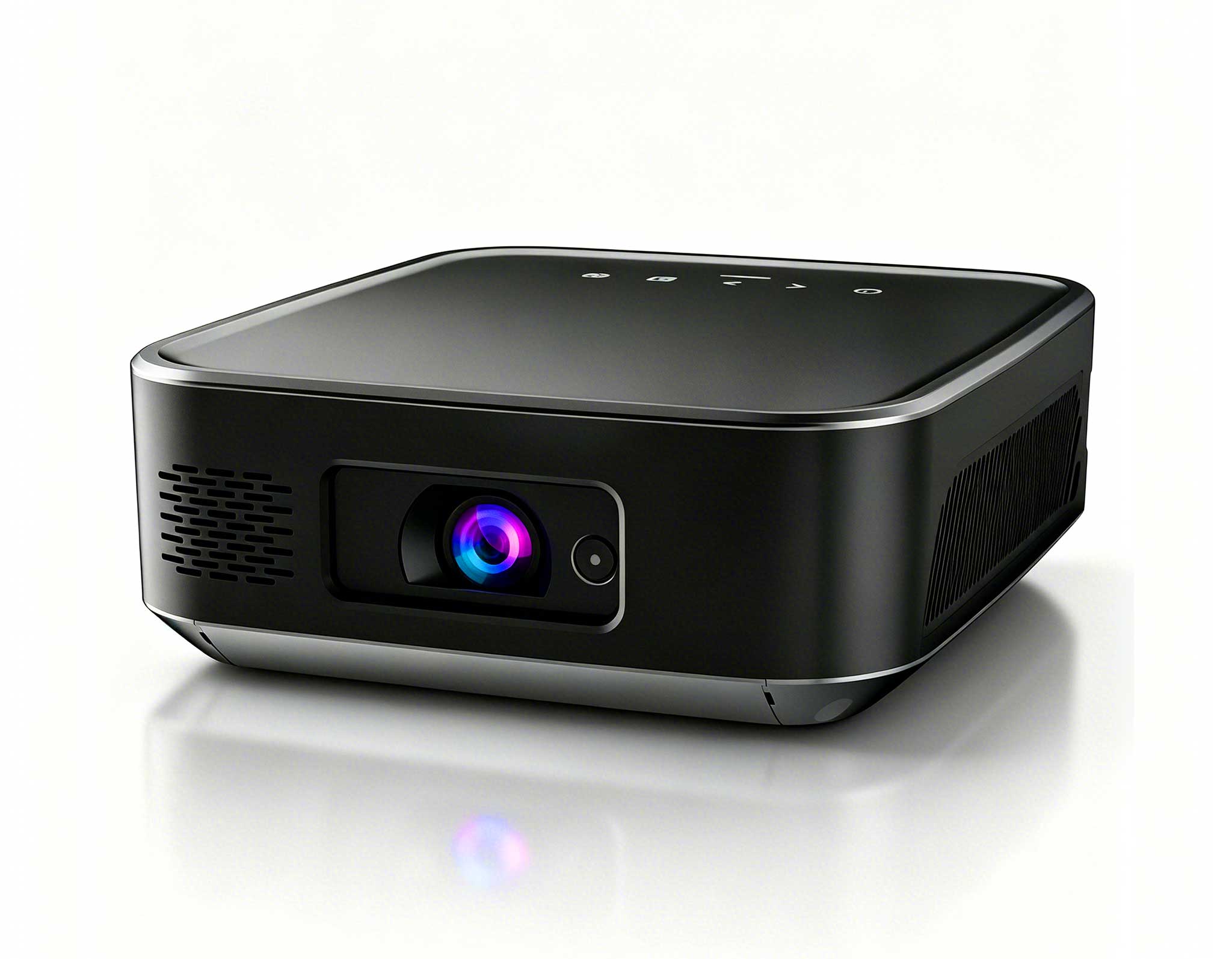
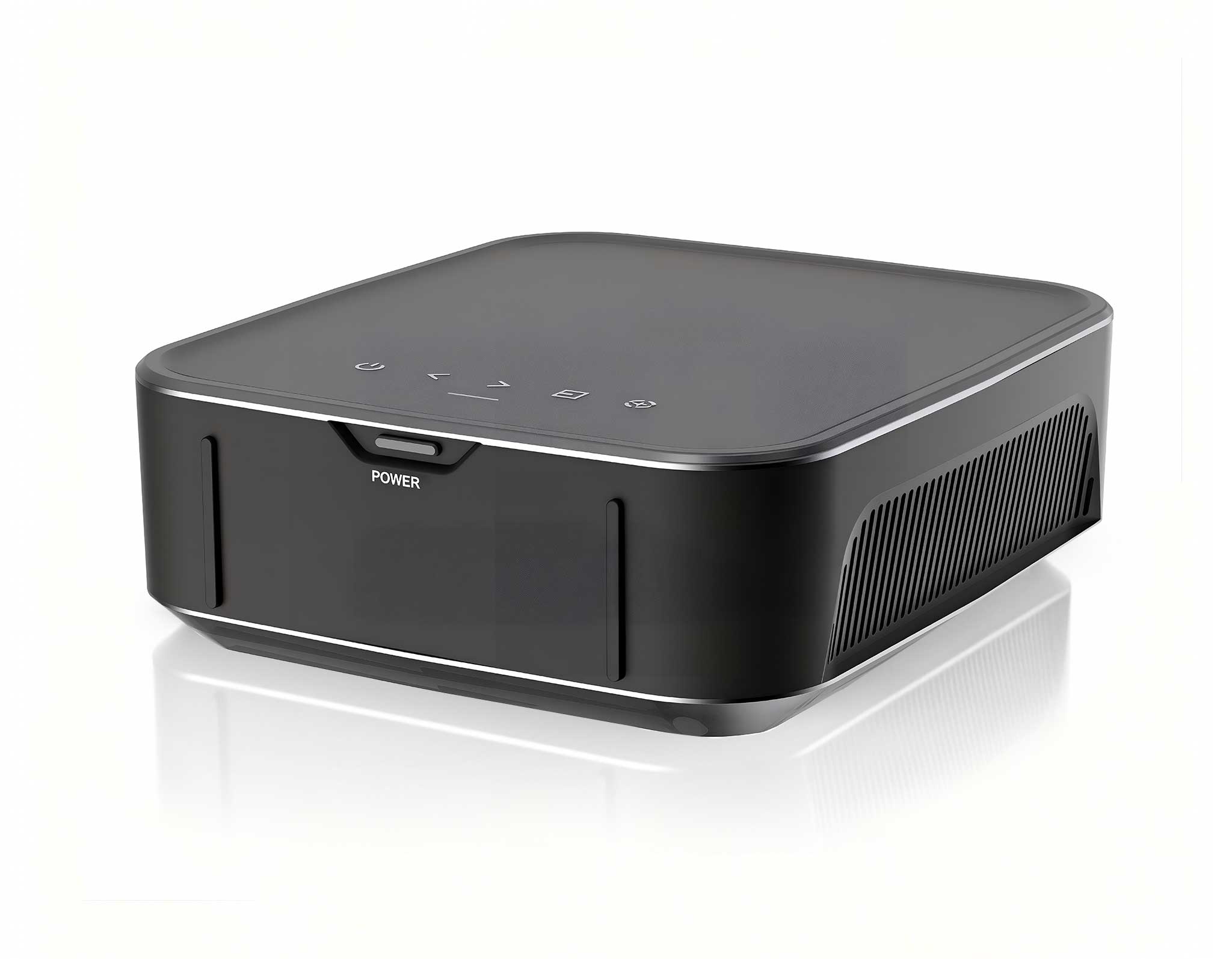
One Device, Dual Functions – A Projector and a Com...
From the unknown so simpleUsed for mobile phones, ...
In the fast-paced world of high-volume logistics and warehousing, operational efficiency hinges on how well devices work together. A fragmented system—where barcode scanners, RFID readers, tablets, and laptops operate in silos—can turn a routine workflow into a costly nightmare. This case study explores how a mid-size distribution company transformed its chaotic multi-device setup into a streamlined, real-time operation by leveraging the T80 Handheld PDA from Hotus, a leading manufacturer of rugged industrial devices. Rather than focusing solely on problem-solving, we compare the T80’s integrated capabilities against traditional multi-device approaches, highlighting its role as a central hub in a coordinated network. The analysis covers pain points, technical comparisons, and performance metrics, with an emphasis on barcode scanning, UHF RFID read/write, and cross-platform compatibility.

Our client, a regional logistics provider managing over 50,000 SKUs across three warehouses, had long relied on a conventional multi-device workflow. For a single receiving operation, operators used three separate tools: a dedicated barcode scanner for inbound pallet labels, a UHF RFID reader for bulk container identification, and a ruggedized Windows laptop on a cart for system entry and dispatch scheduling. This setup created what warehouse supervisor John called a “data gap” between devices. “We were constantly switching tools, re-entering information, and waiting for syncs. It felt like we were herding cats,” he said.
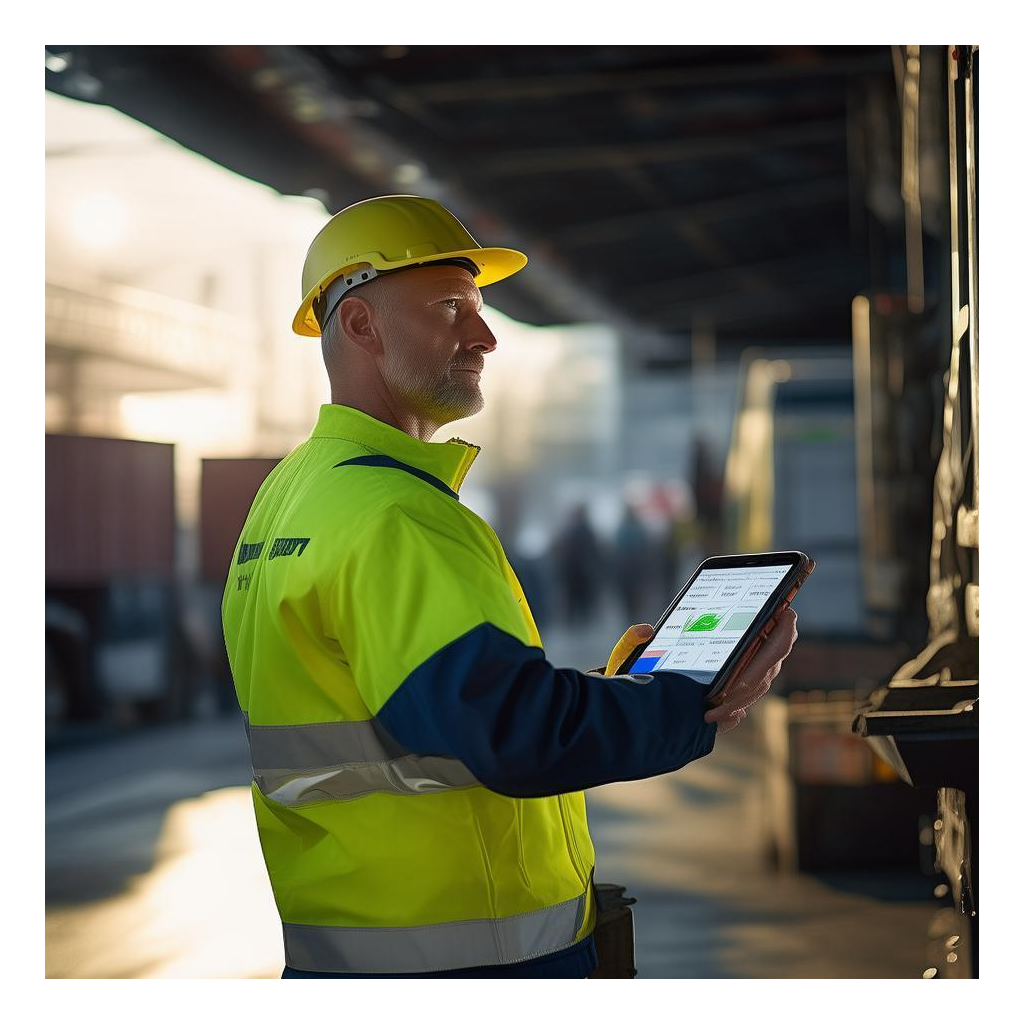
In contrast, the T80 Handheld PDA offered an all-in-one solution. Its integrated barcode scanner and UHF RFID read/write capabilities allowed operators to scan labels and read tags simultaneously, eliminating the need for separate devices. The T80’s Android-based operating system also bridged the gap between the Windows ERP system and the Android dispatch app, enabling seamless data flow without manual intervention. This comparison reveals a fundamental shift: from a multi-device bottleneck to a synchronized, single-device hub.

To quantify the differences, we evaluated the T80 against the client’s legacy workflow across three key metrics:
These comparisons highlight the T80’s advantage: it consolidates multiple devices into one rugged platform, reducing complexity while improving performance.
The client implemented the T80 in a pilot program across one warehouse, with plans to scale to all three facilities. The results were immediate and transformative. Error rates in inventory recording dropped from 14% to 3%, as data was captured and synced automatically without manual re-entry. Dock-to-stock turnaround time decreased by 30%, with operators processing pallets at a rate of 50 per hour compared to the previous 35. John noted, “The team now walks 5–6 miles per shift instead of 8–10, and they’re not juggling devices. It’s a night-and-day difference.”
Additionally, the T80’s role as a device hub reduced the need for redundant hardware, cutting equipment costs by 20% over the first year. Maintenance downtime also fell, as the rugged design required fewer repairs than the legacy consumer devices. For logistics managers exploring similar transformations, a recent PDA 仓储管理案例 provides additional insights into deployment strategies, while another T80 PDA 零售收银案例 demonstrates its versatility beyond warehousing. This case study demonstrates how a single, integrated device can not only solve fragmentation but also drive measurable efficiency gains in modern logistics.