- Select Language
Enterprise Flagship SeriesEngineered for mission-c...
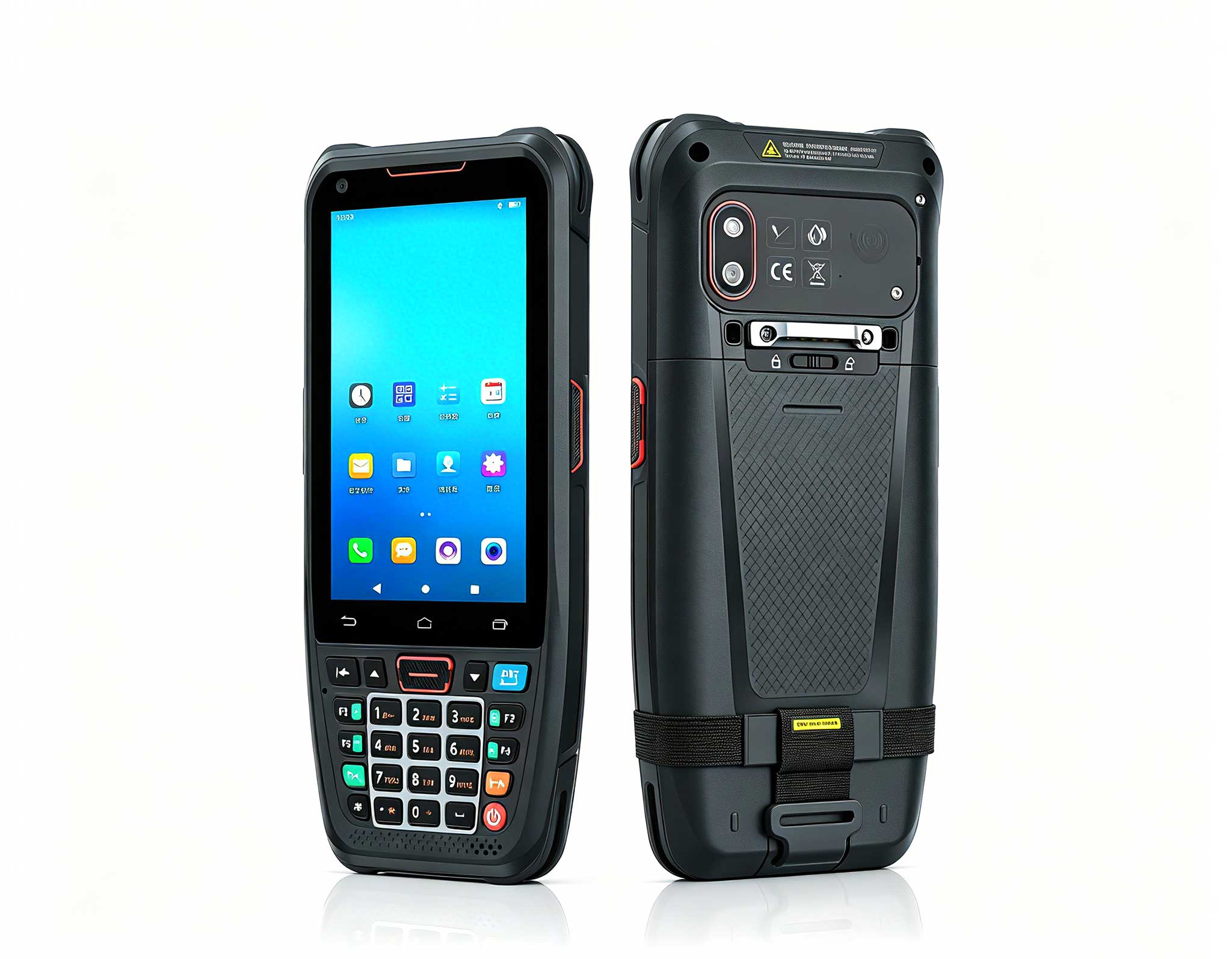
The T80 handheld PDA combines advanced barcode sca...
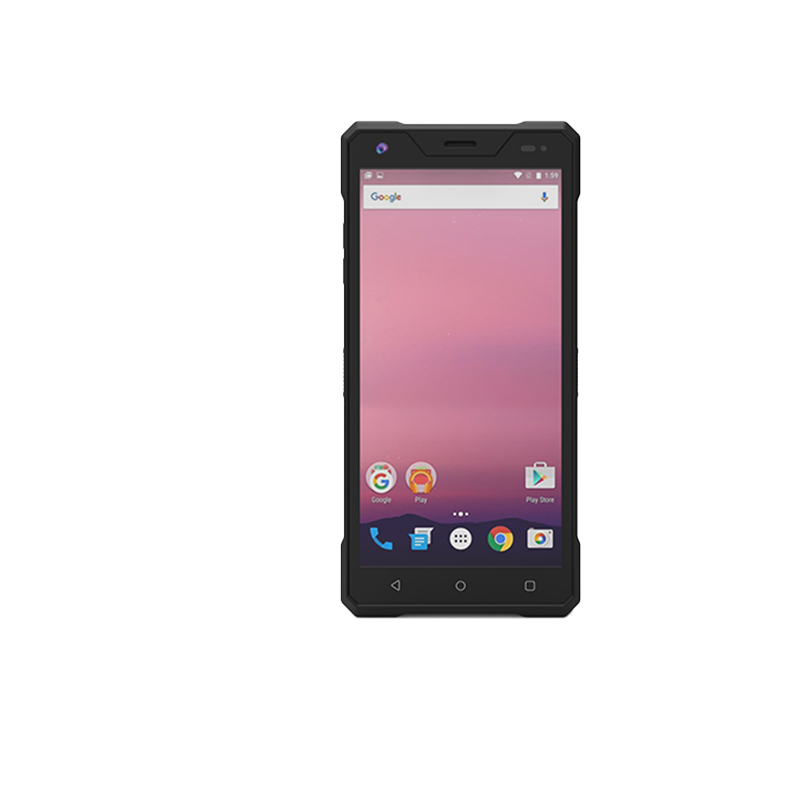
The N40 Android smart PDA features a Cortex-A53 qu...
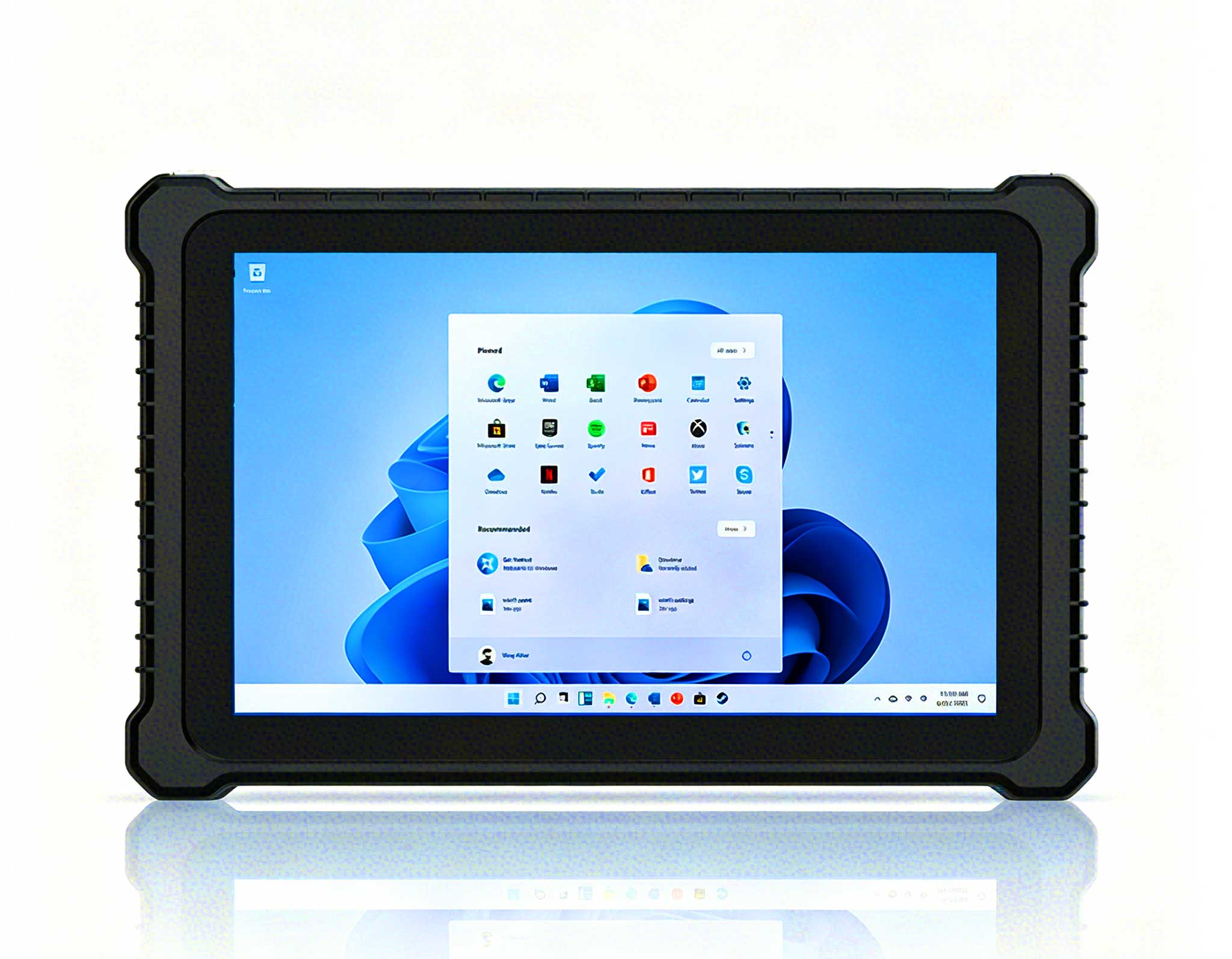
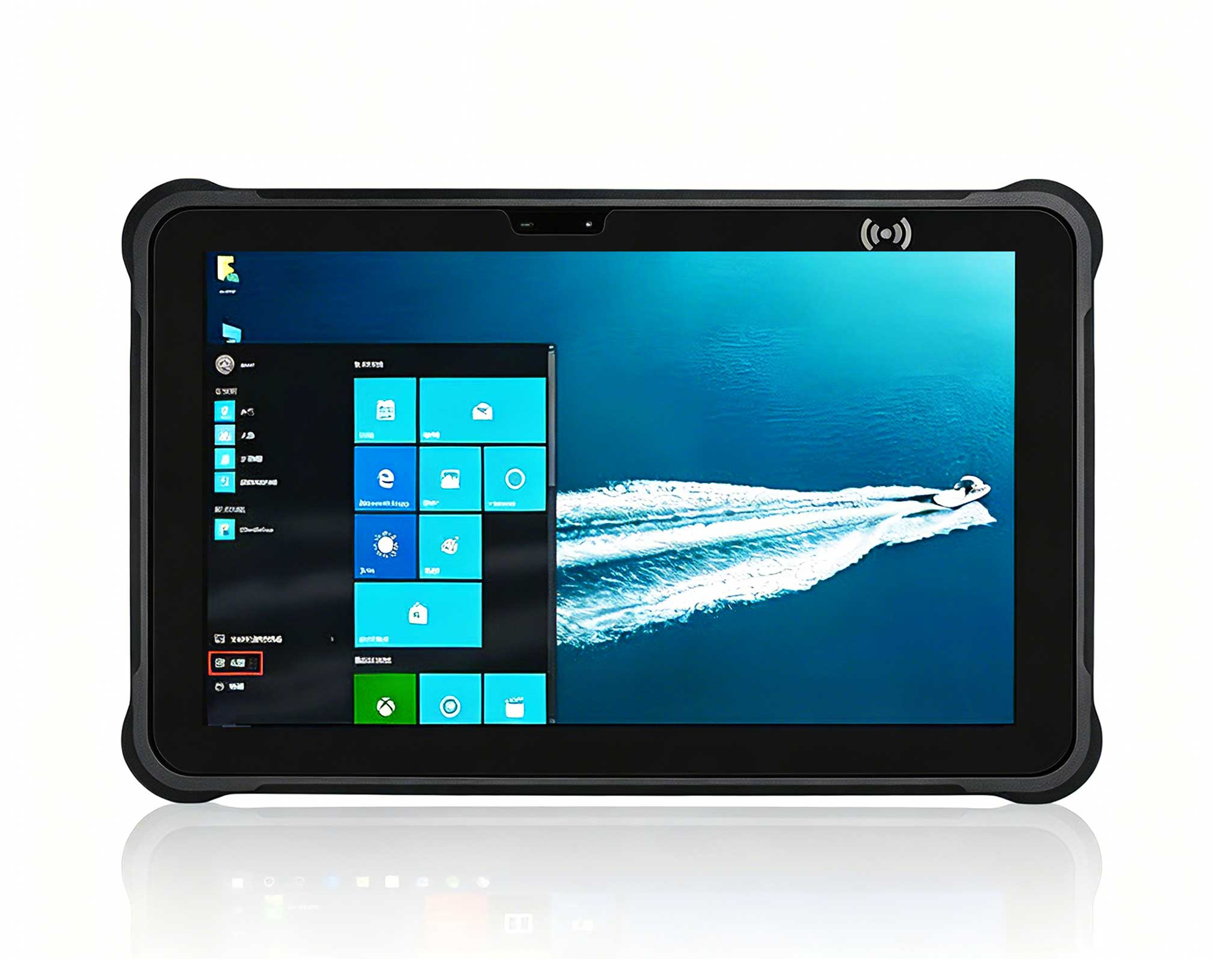
Full SpecificationsModelHotus ST11‑JOSWindows 10 P...
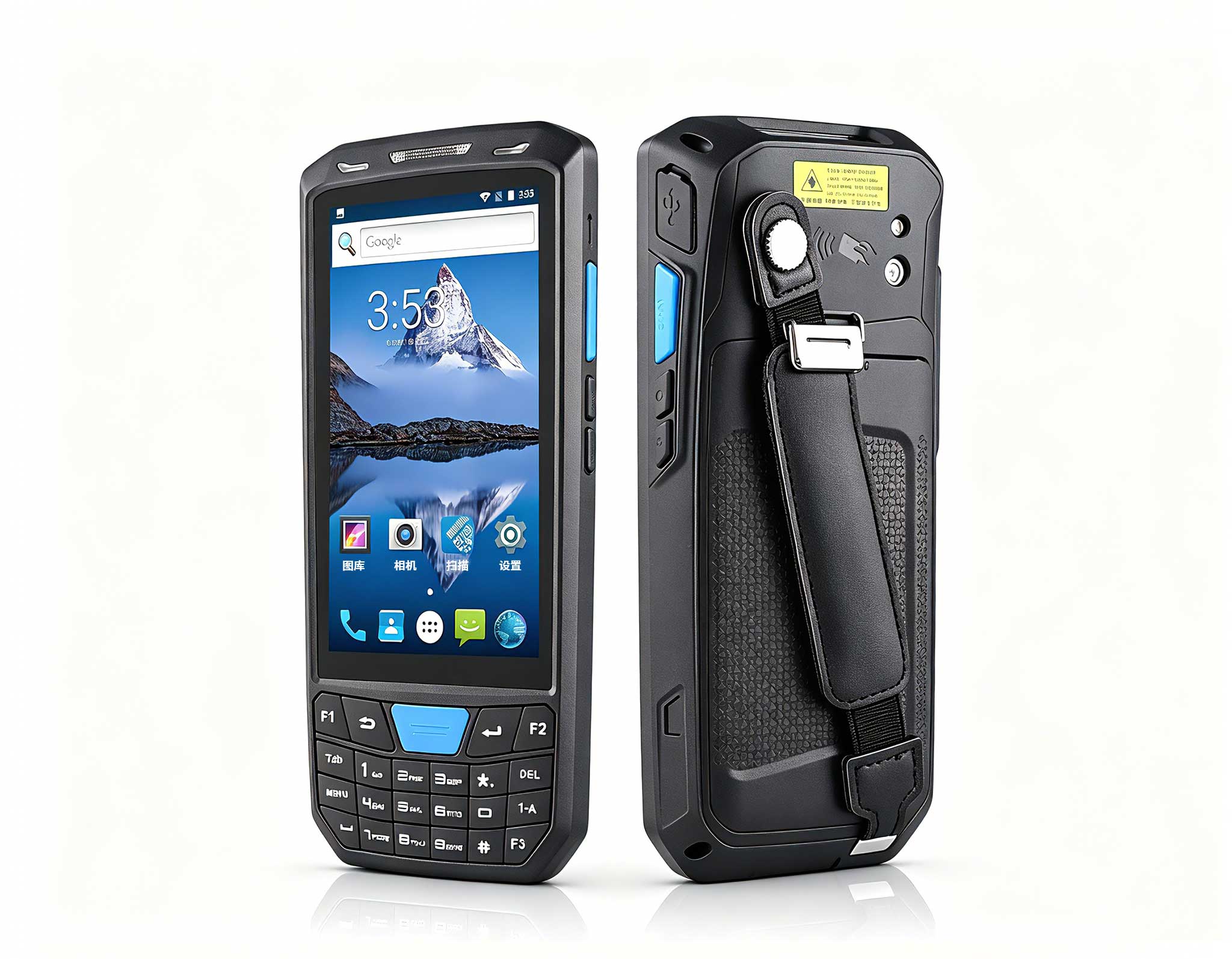
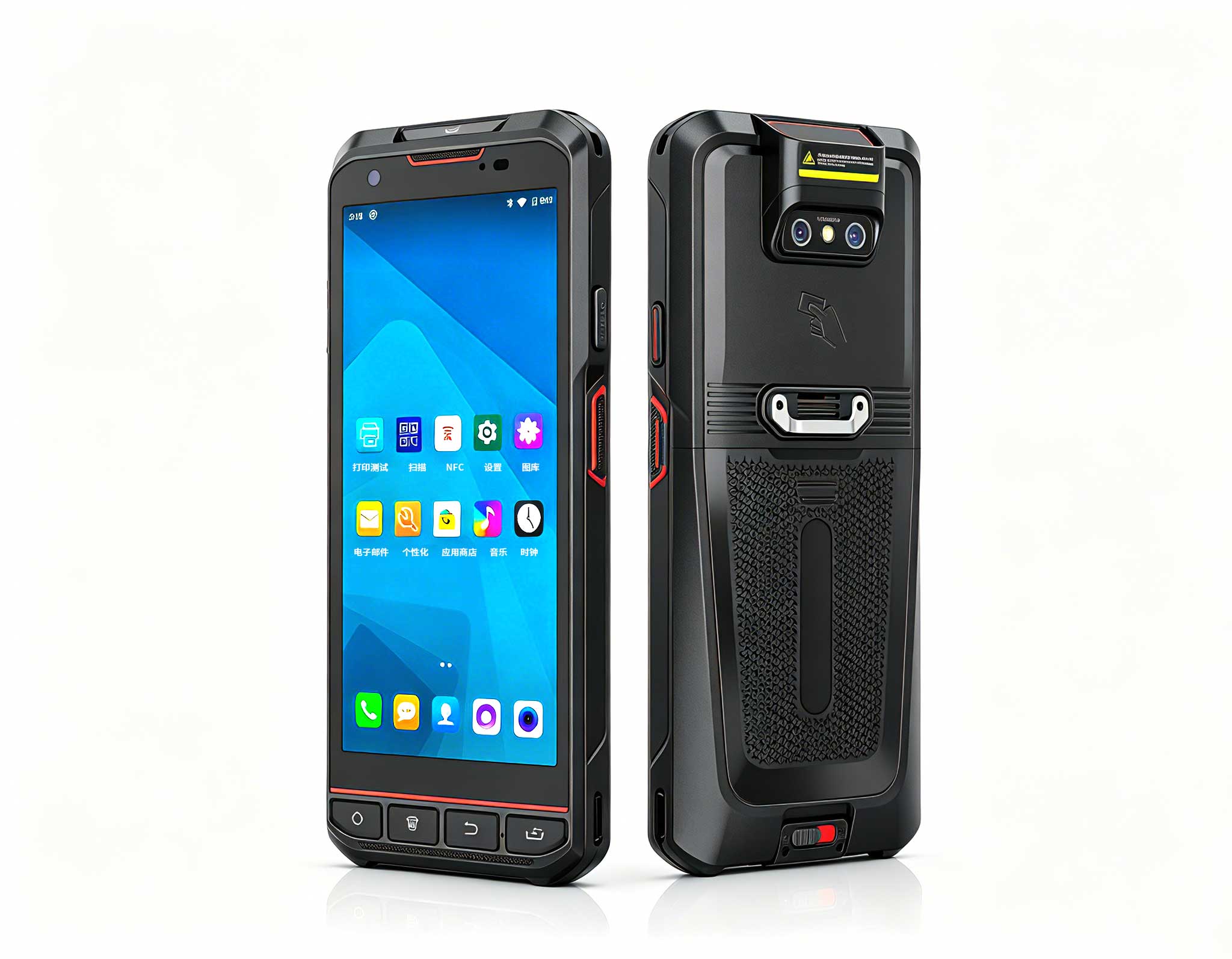
The X501 Handheld PDA combines advanced barcode sc...
In my years consulting on IT infrastructure for distributed workforces, I have seen too many organizations overspend on bulky desktop towers for a single purpose: connecting to a virtual desktop. The reality is that a virtual desktop cloud terminal does not need a powerful local GPU or a massive hard drive. It needs to be reliable, energy-efficient, and cost-effective. That is where the Mini PC changes the game. When you shift your deployment ROI analysis from upfront hardware cost to total cost of ownership over three years, this tiny device delivers a return that traditional desktops simply cannot match. For any business deploying remote workstations or VDI environments, switching to dedicated thin client vdi solutions like this miniPC is not just a cost-saving measure—it is a strategic move toward long-term operational efficiency.
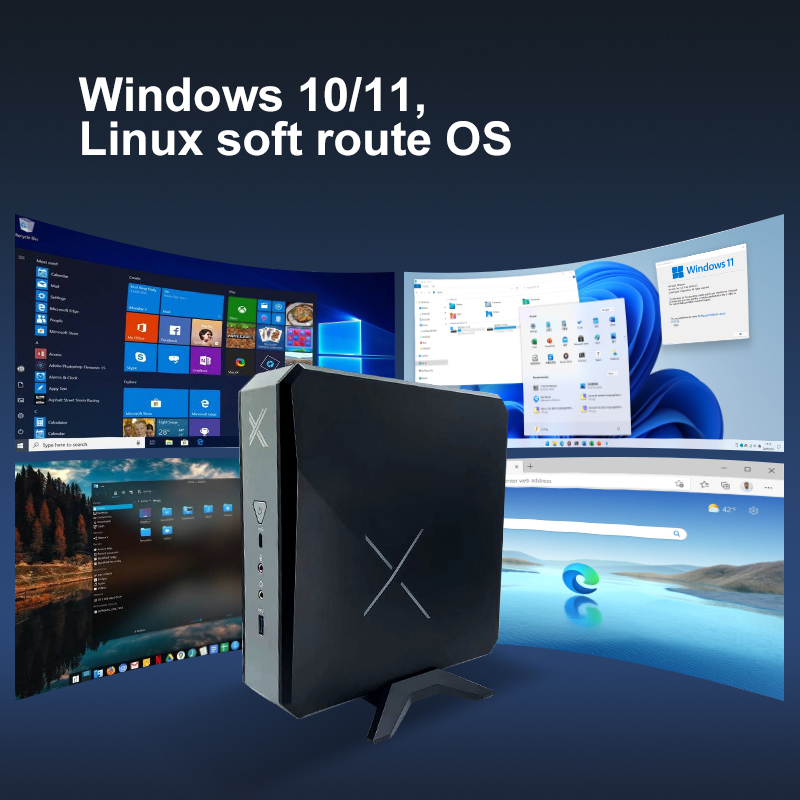
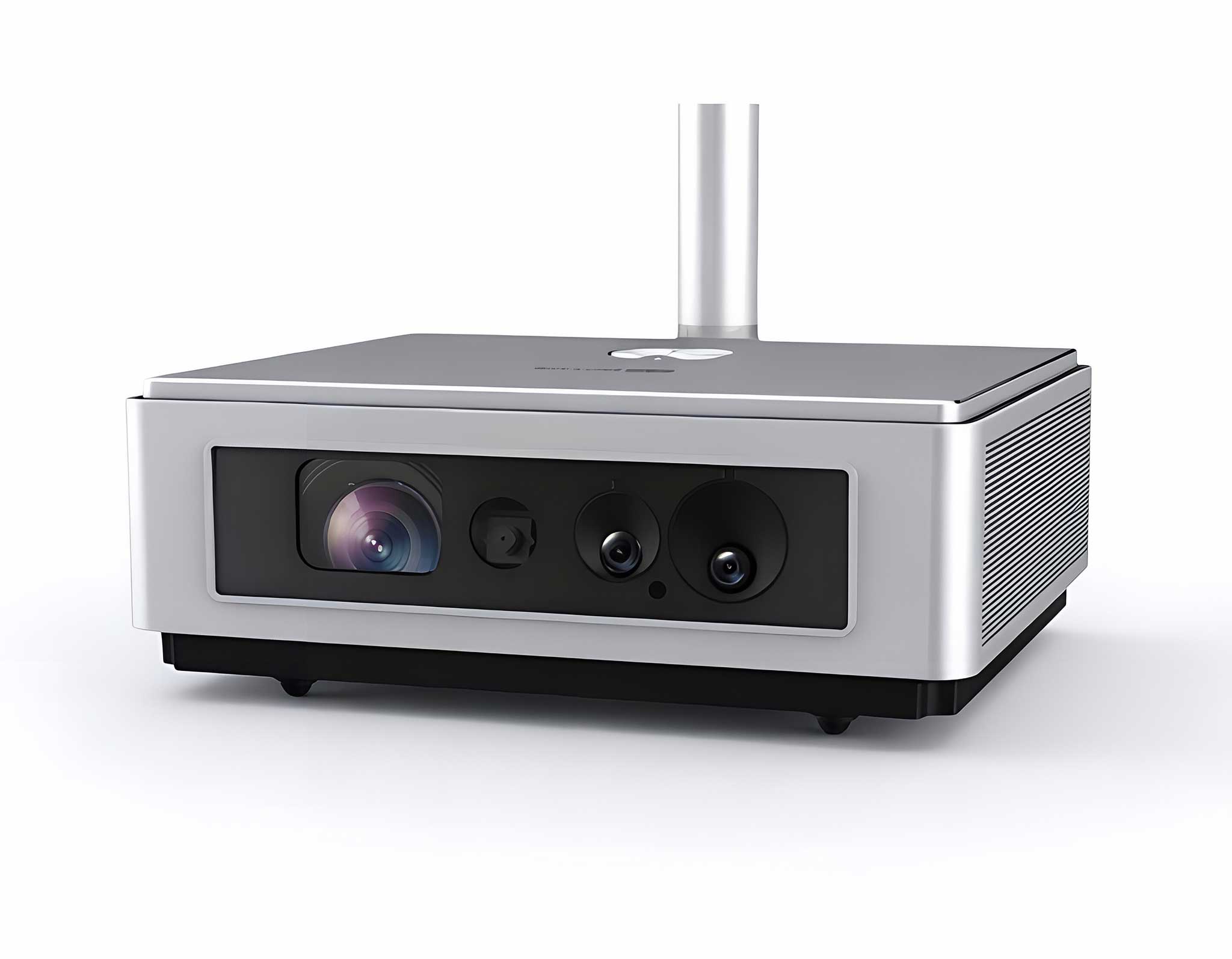
Let me introduce the star of this analysis. The Hotus Palm-sized miniPC is engineered specifically for the virtual desktop cloud terminal scenario. Its core positioning is simple: deliver a seamless, secure, and silent connection to your centralized virtual machines while consuming a fraction of the power and space of a standard PC. Weighing less than a pound and fitting comfortably in the palm of your hand, this device eliminates the need for a dedicated computer room at each desk. Its fanless design ensures zero noise and a longer lifespan, making it ideal for 24/7 operation in offices, hospitals, or call centers. The key technical specifications include a low-power but capable processor, support for up to 8GB of DDR4 RAM, and multiple display outputs for a multi-monitor workflow. The best scenario for this product is any organization with more than 50 seats that is migrating to a cloud-based or on-premise VDI environment.
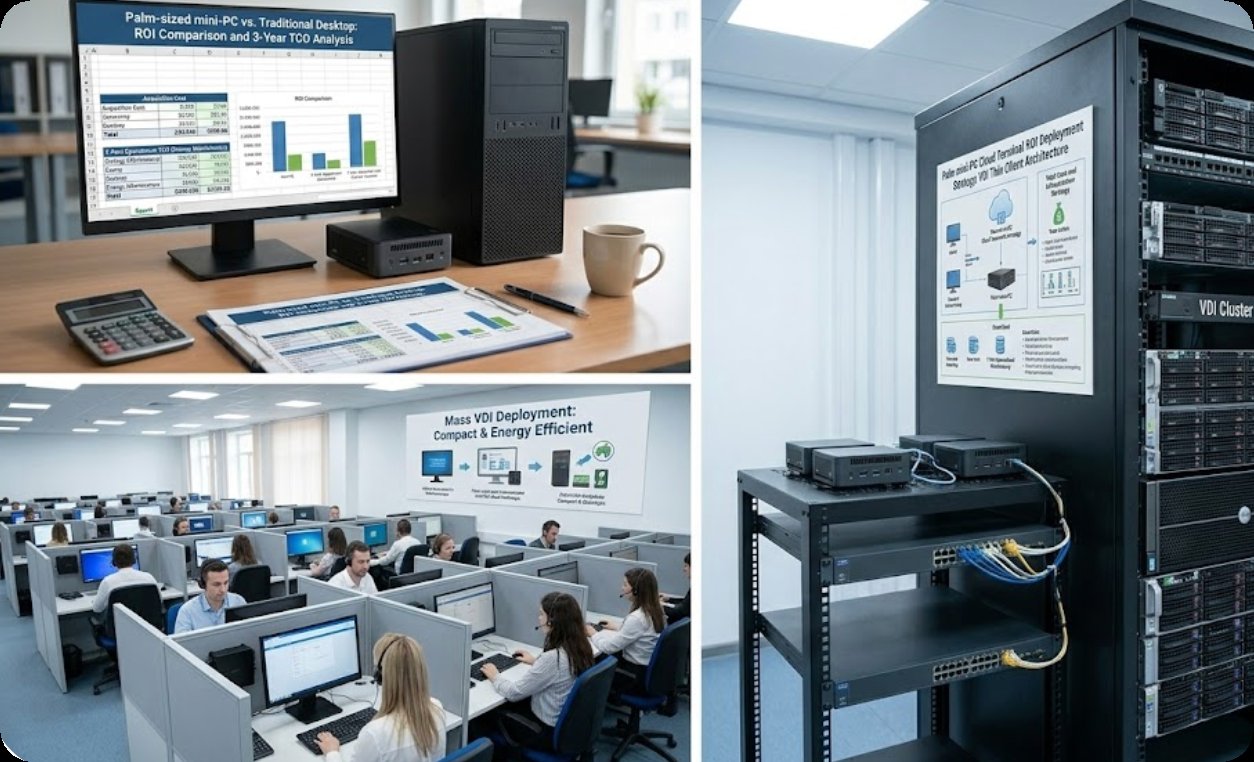
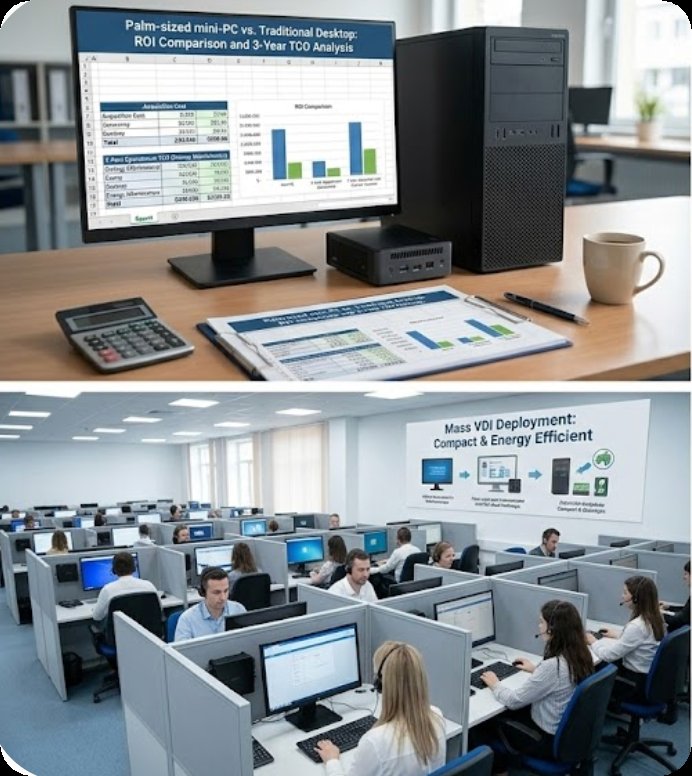
From a cost perspective, the Palm-sized miniPC typically reduces hardware acquisition costs by 40% compared to a standard business desktop. But the real savings come from energy consumption: at just 6 to 15 watts under load, it can save hundreds of dollars per device per year in electricity bills. Furthermore, its passive cooling means no moving parts to fail, drastically lowering maintenance and replacement costs. When you calculate your deployment ROI, factor in the five-year lifespan of this device versus the three-year typical lifespan of a fan-cooled desktop, and you will see why this Palm-sized miniPC is the ultimate productivity powerhouse for cloud terminal deployments.
To help you visualize the advantages, here is a direct comparison between the Palm-sized miniPC and a traditional business desktop in a virtual desktop cloud terminal context:
| Parameter | Palm-sized MiniPC | Traditional Business Desktop |
|---|---|---|
| Processor | Quad-core, 2.0 GHz (low power) | Quad-core, 3.0 GHz (high power) |
| Memory | 4GB – 8GB DDR4 | 8GB – 16GB DDR4 |
| Storage | 32GB – 128GB eMMC or SSD | 256GB – 1TB HDD or SSD |
| Power Consumption | 6 – 15 Watts | 65 – 150 Watts |
| Cooling System | Fanless (passive) | Fan-based (active) |
| Operating Noise | 0 dB | 20 – 35 dB |
| Physical Size | Palm-sized (approx. 12 x 8 x 3 cm) | Full tower (approx. 45 x 20 x 45 cm) |
| Weight | Under 0.5 kg | 8 – 12 kg |
| Typical Lifespan | 5 – 7 years | 3 – 4 years |
| Best Use Case | VDI / Cloud terminal | Local computing / Gaming |
Deciding between a traditional desktop and a Palm-sized miniPC for your virtual desktop cloud terminal deployment comes down to three key considerations: user workload, physical environment, and budget horizon. If your users rely entirely on cloud-based applications, web browsers, and virtualized software, the miniPC is the clear winner. It provides a secure, managed endpoint without the risk of local data storage. For environments with limited desk space, such as hospital nursing stations, bank teller counters, or open-plan call centers, the tiny footprint and fanless operation are invaluable. On the other hand, if your users need to run heavy local applications like video editing suites or CAD software without a virtual desktop, a traditional desktop remains necessary. However, for 90% of office and enterprise tasks, the Palm-sized miniPC series offers a superior ROI. Consider also the management overhead: thin clients are easier to deploy and update centrally, reducing IT support costs significantly over the lifecycle.
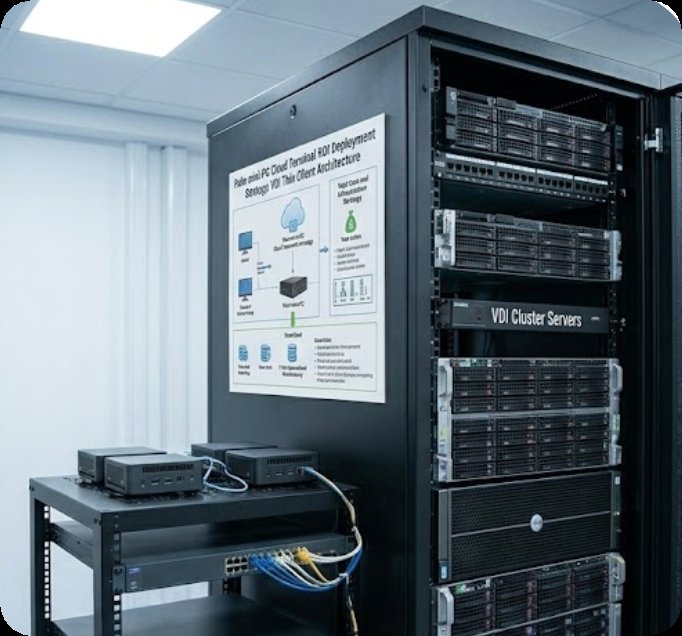
In my professional opinion, the Palm-sized miniPC is not a niche product—it is the future of enterprise endpoint computing for virtual desktop environments. The numbers speak for themselves: lower acquisition cost, drastically reduced energy bills, minimal maintenance, and a longer operational life. If you are planning a new VDI rollout or upgrading an existing one, I strongly recommend running a pilot program with this device. You will likely find that it exceeds your performance expectations while dramatically improving your bottom line. To dive deeper into how this hardware fits into your specific architecture, explore our mini PC solutions and discover the total cost of ownership savings for yourself. Contact the Hotus Technology team today for a personalized ROI consultation and a free sample unit for testing.