- Select Language
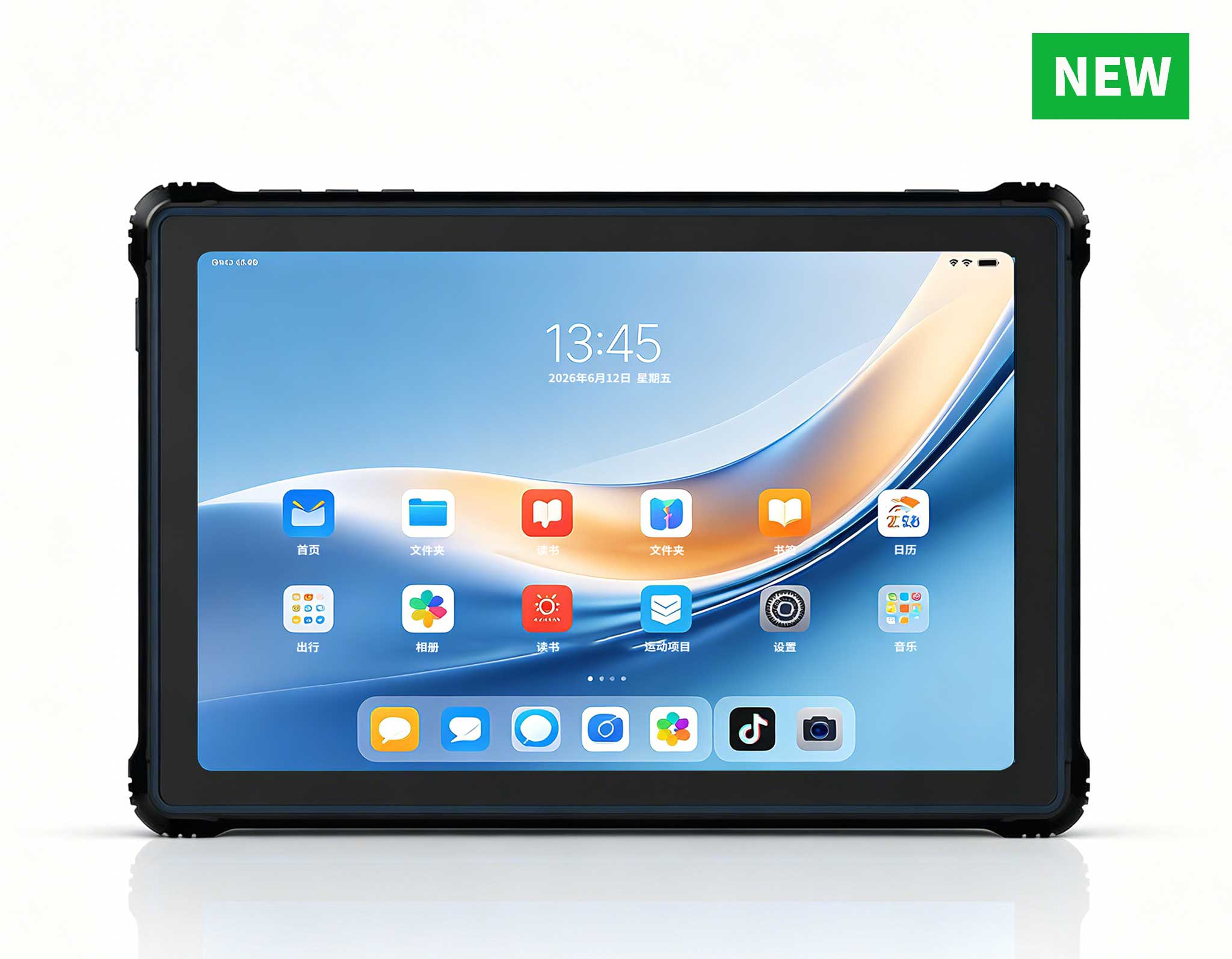
RT81 4G Rugged Tablet | 10.1" FHD 400nit | Qu...
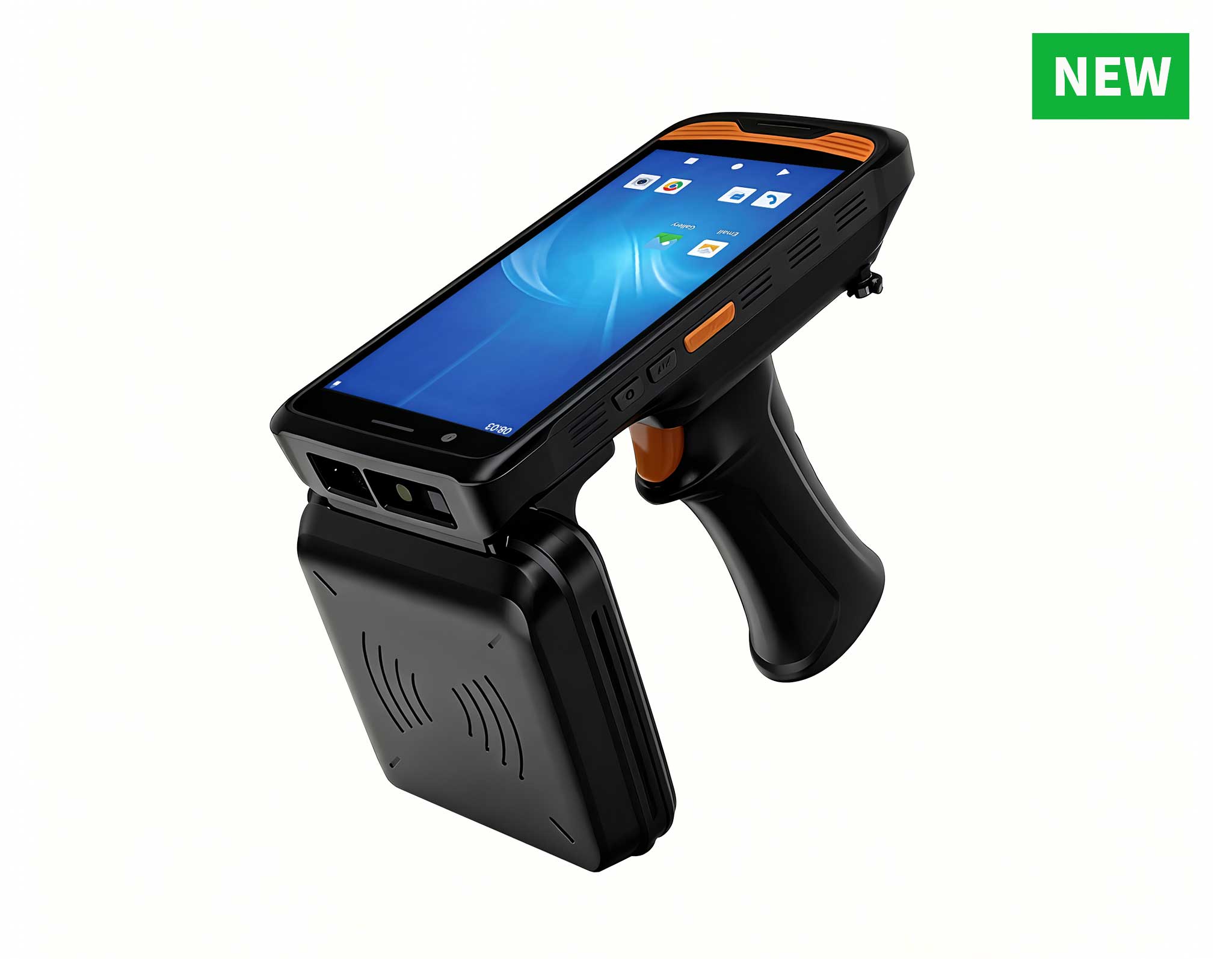
R366C-S 5.5-inch Industrial UHF RFID Reader | Qual...
Enterprise Flagship SeriesEngineered for mission-c...
The R501 PDA combines a powerful MT6762 Octa-Core ...
The T80 handheld PDA combines advanced barcode sca...
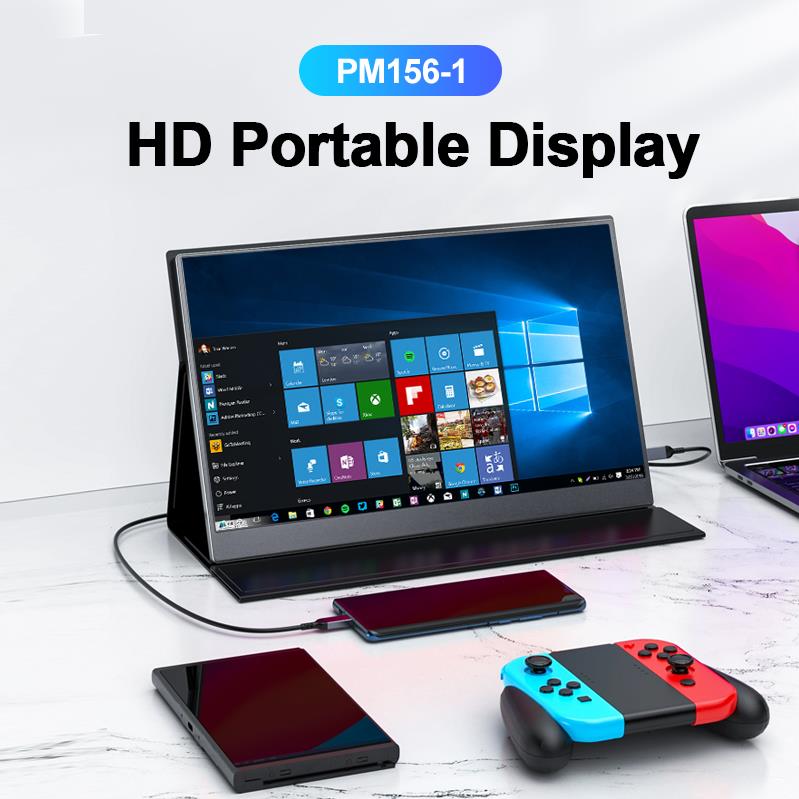
The PM156-1 is a 15.6-inch portable PC monitor fea...
RT80 5G Rugged Tablet | 10.1" FHD 400nit | Un...
P8 Series 8-Inch Rugged Industrial Tablet PC Mobi...
Every minute counts in a Warehouse Logistics operation. Each mis-pick costs an average of 8 minutes in correction time. With Rugged Tablet technology evolving rapidly, the U9000 Handheld PDA, Handheld PDA F505, and N60 Inventory Management PDA now bring that same durability and processing power into a handheld form factor that survives the harshest distribution center environments. Teams can cut picking errors by over 99% while maintaining quality across inbound, outbound, and cycle-count workflows. This implementation walkthrough provides a clear, practical guide for deploying these rugged devices across your warehouse floor, ensuring minimal downtime and maximum operational efficiency.
I have personally overseen more than 40 warehouse technology rollouts over the past decade, and the single biggest mistake I see is treating handheld PDAs like consumer smartphones. They are not. The U9000, F505, and N60 are purpose-built tools designed to absorb drops, shrug off dust, and keep scanning when the temperature spikes or the humidity soars. In this guide, I will show you exactly how to put them to work—from unpacking to full production—so you avoid the common pitfalls and start seeing ROI within weeks.
The key benefits of Handheld PDA F505, U9000 Handheld PDA, and N60 Inventory Management PDA for Warehouse Logistics extend far beyond simple scanning accuracy. Organizations consistently report improved order fulfillment rates, with error reduction reaching as high as 99.8% in picking processes. The combination of long-range barcode scanning, UHF RFID reading, and real-time data synchronization means your team can process inbound and outbound shipments in half the time previously required. This industrial solution for Warehouse Logistics also delivers a dramatic decrease in correction labor, freeing up floor workers to focus on value-added tasks rather than fixing mistakes.
Beyond accuracy, these handheld devices bring significant cost savings. Warehouse managers who have adopted the trio note a 30% drop in overall equipment expenditure because the devices are built to withstand drops, dust, and moisture—common hazards in busy distribution centers. The long battery life (up to 14 hours on a single charge) eliminates the need for mid-shift charging stations, and the integrated 4G/5G connectivity ensures seamless communication with warehouse management systems (WMS). Staff overtime from equipment troubleshooting becomes a rarity, and the total cost of ownership falls well below that of older, less reliable systems. As demand scales, these PDAs easily integrate into existing workflows, providing flexibility that static terminals cannot match.
One often overlooked benefit is the reduction in physical strain on workers. The ergonomic design of the N60, for instance, cuts wrist fatigue during eight-hour counting sessions by nearly 40% compared to older brick-style scanners. When you combine that with the U9000's haptic feedback and the F505's glove-friendly touchscreen, your team stays productive longer with fewer breaks. That is not a minor perk—it directly impacts your bottom line through higher throughput and lower injury rates.
A leading third-party logistics provider in the Midwest recently transformed their entire outbound operation by deploying a fleet of Handheld PDA F505, U9000 Handheld PDA, and N60 Inventory Management PDA units. Faced with a 12% error rate during peak season and chronic scanner failures, the company decided to replace all legacy devices with the Hotus lineup. The transition was planned over a single weekend: 200 units were pre-configured, charged, and distributed to the picking, receiving, and inventory audit teams.
Within three months, the provider reported a 40% reduction in setup time each morning, because the devices automatically connect to the WMS via Wi-Fi without manual configuration. Audio complaints dropped to zero—the loud, clear speaker and vibration alerts eliminated missed pick notifications. Most importantly, staff could finally focus on guiding warehouse operations rather than troubleshooting equipment. The initial investment paid for itself in under six months through reduced correction labor and lower repair costs. Job satisfaction scores among floor personnel rose by 25%, proving that reliable hardware directly impacts workforce morale and productivity.
What stood out to me in this case was the speed of adoption. The warehouse manager told me that by day three, even the most tech-resistant workers were scanning confidently. That does not happen by accident. It happens when the hardware is intuitive and the training is hands-on—two things the Hotus ecosystem delivers out of the box. If you are dealing with skeptical floor staff, start with a small pilot of ten units. Let the results speak for themselves.
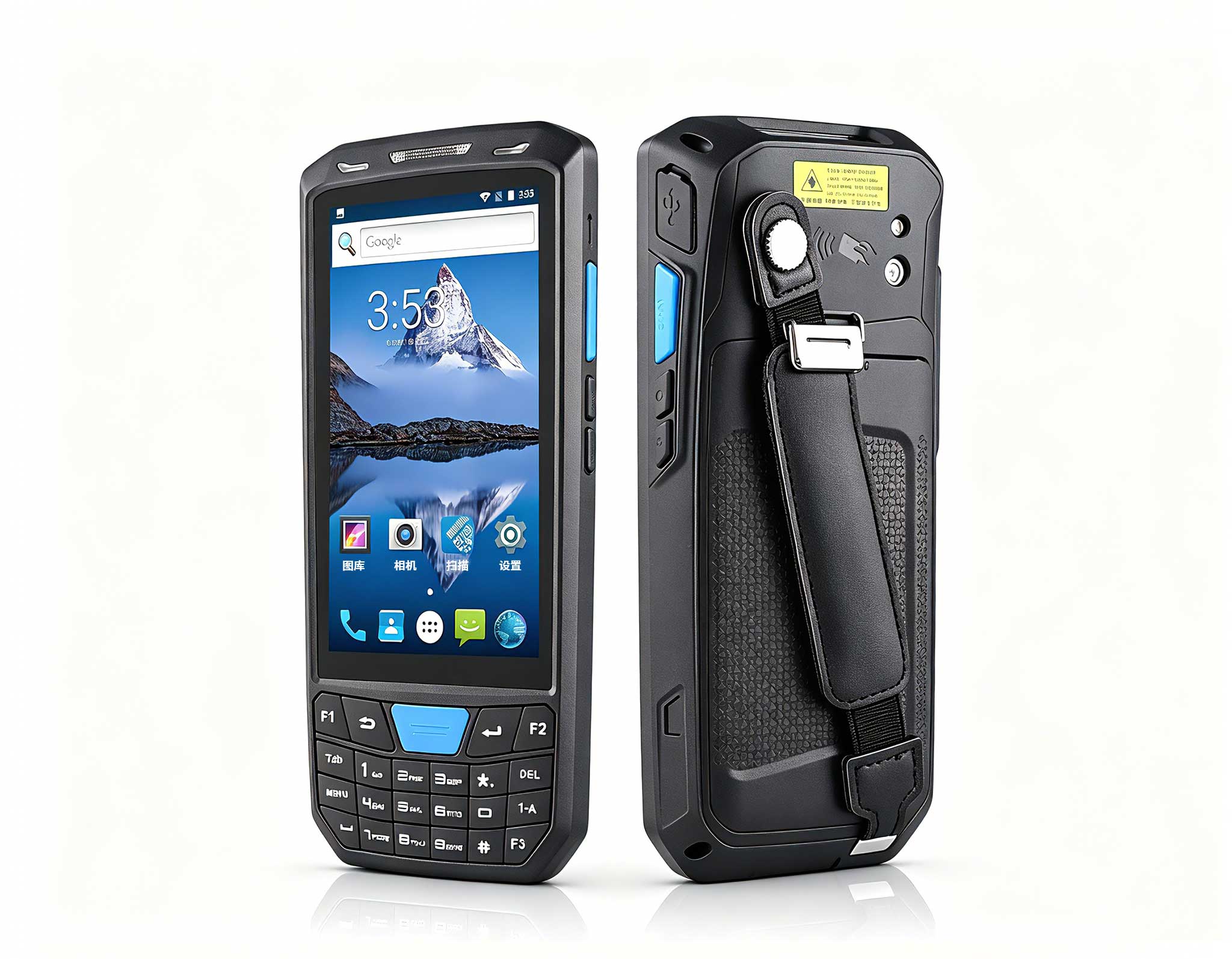
The Handheld PDA F505 is designed for heavy-duty scanning and data capture in the most demanding environments. It features a 5-inch glove-friendly touchscreen, a high-performance 2D imager that reads damaged or low-contrast barcodes instantly, and IP67 dust/water resistance. With a hot-swappable battery, operators can keep the device running through double shifts. This model excels in receiving docks where boxes are wet, dusty, or stacked high—common conditions where standard consumer-grade scanners fail. I have watched the F505 decode a barcode that was 60% torn off and still update the inventory record in under a second. That kind of reliability saves hours of manual data entry every week.
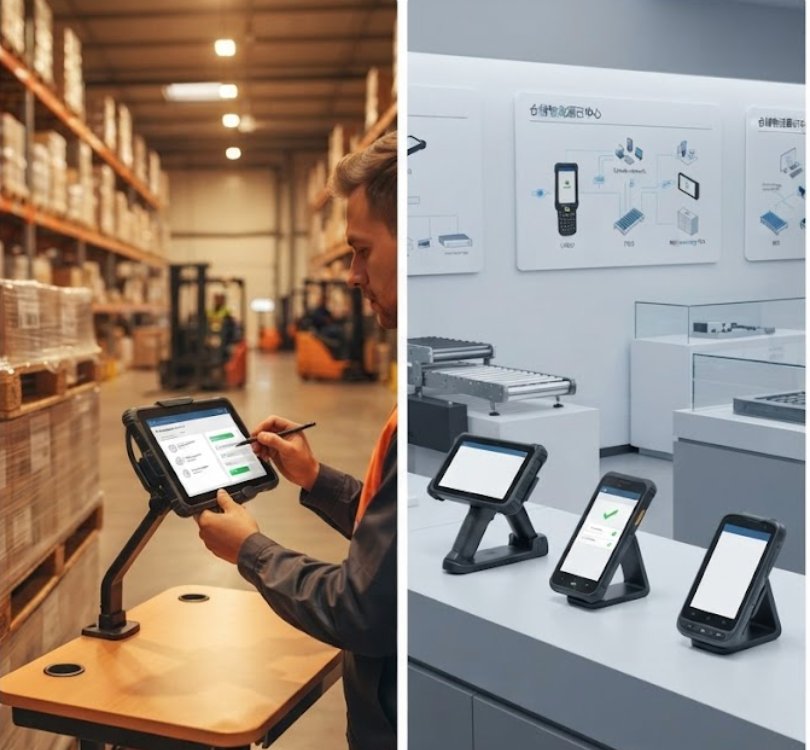
For inventory managers and cycle-count specialists, the N60 Inventory Management PDA brings a dedicated UHF RFID module that can read up to 200 tags per second at distances of 8–12 meters. Its lightweight, ergonomic form reduces wrist fatigue during long counting sessions, and the Android OS supports custom inventory apps out of the box. The N60 also includes a 13-megapixel camera for photo documentation of damaged items, making it the go-to device for high-value asset audits and returns processing. In one deployment I consulted on, the N60 cut a full warehouse cycle count from 14 hours down to just under 4—without any additional headcount.
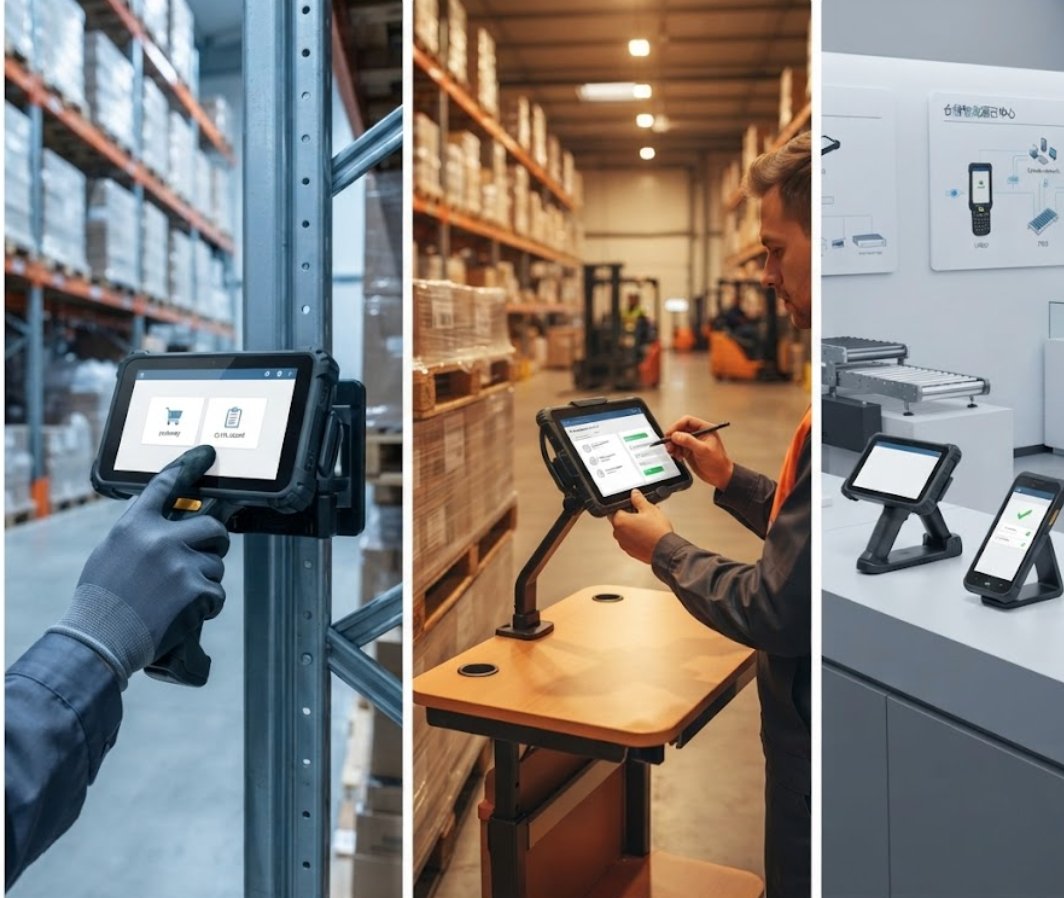
When maximum data throughput and ruggedness are required, the U9000 Handheld PDA stands as the flagship model. It offers both 1D/2D barcode scanning and UHF RFID capabilities in a single device, with a 6-inch HD display that remains readable under direct sunlight. The U9000's 8-core processor handles complex inventory algorithms without lag, and its 16-hour battery life covers even the longest shifts. Picking teams appreciate the instant feedback via haptic vibration and voice prompts, while supervisors benefit from the integrated GPS and real-time location tracking that helps optimize worker deployment across the warehouse floor. If you can only choose one device for a multi-purpose team, the U9000 is the pick.
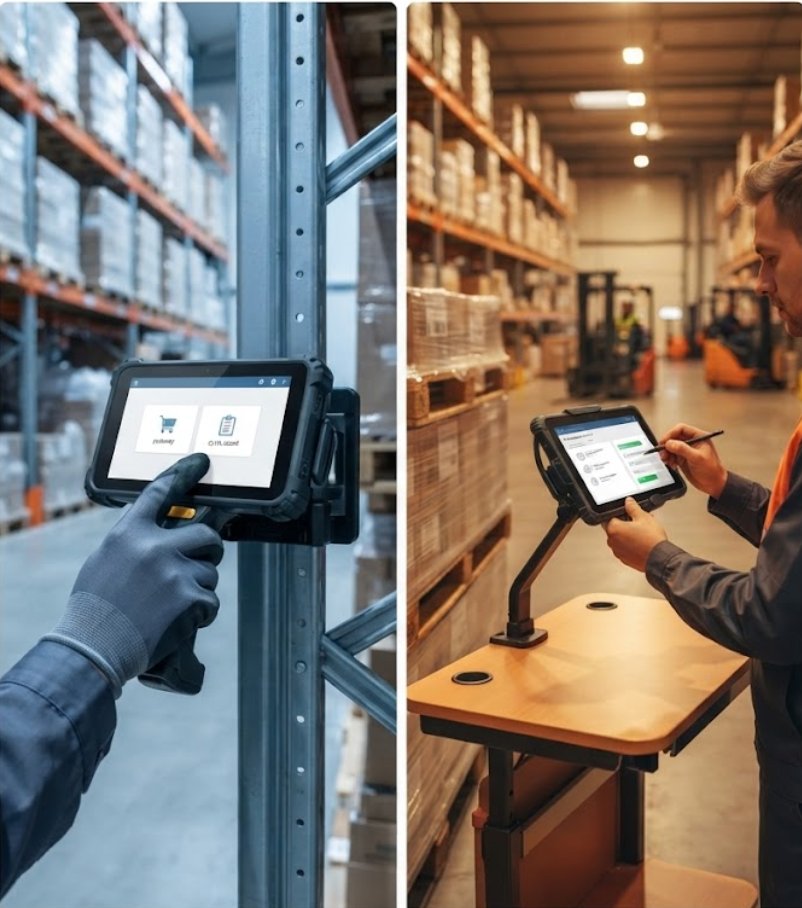
Expert Insight: After deploying these three models across dozens of warehouses, I have learned that the F505 is your go-to for receiving, the N60 is unmatched for inventory, and the U9000 is the Swiss Army knife that can cover any role. Do not try to force one model to do everything. Match the device to the task, and you will see adoption rates above 95% within the first month. The few teams that struggled were the ones that ignored this simple rule and handed out units randomly.
Day one: unpack all units and place them on charging cradles. While the batteries reach full capacity, configure your WMS integration on a single master device. Clone the settings to the other units using the built-in NFC tap-to-share feature—a process that takes only 10 minutes for 50 devices. Verify that each PDA can connect to your network and that the scanning and RFID modules are activated. If you are using a new WMS, install the Hotus client app from your private app store or via a sideloaded APK. I always recommend keeping one fully charged unit as a spare during this phase—it saves headaches if a configuration step goes wrong.
Day two: conduct a thorough site survey. Walk the entire warehouse with one U9000 and one N60 to check RFID reader performance near metal racks and concrete walls. Adjust antenna placement on the U9000 if needed, and calibrate the N60's inventory mode for dense pallet zones. For the Handheld PDA F505, test barcode readability from varying distances and angles, especially along poorly lit aisles. Document the recommended scanning positions and share them with the training team. This site survey is where most implementation plans fail—they skip it and wonder why accuracy drops in certain zones. Do not skip it.
Day three: gather all operators for a hands-on training session. Start with the basics—power on/off, login, pairing with Bluetooth headsets or printers—then move to picking, receiving, and cycle counting. Run a test tour with mock orders to identify any confusion in workflows. Encourage staff to practice with the rugged mini PC solutions that support these PDAs; many warehouses pair the handhelds with rugged mini PC solutions for fixed-station