- Select Language
P11 Series Next-Gen Enterprise Rugged Industrial ...
RT82 5G Rugged Tablet | 10.1" FHD 400nit | Qu...
The X501 Handheld PDA combines advanced barcode sc...
RS50 5G Rugged Handheld Terminal | 6.3" FHD+ ...
Over a decade of consulting for retail chains, from regional grocers to big-box electronics outlets, has taught me one immutable truth: the checkout counter is where customer loyalty is won or lost. A slow, unreliable POS system doesn't just test patience; it directly impacts your bottom line through abandoned carts and lost repeat visits. In my experience, the most critical bottleneck isn't the cashier's keystrokes but the hardware's resilience and adaptability. That's why I've shifted my recommendations away from monolithic, single-purpose terminals toward modular, mobile, and space-efficient computing. When you pair a rugged handheld device with a powerful, compact host system, you're not just upgrading a transaction point—you're re-architecting your entire floor operation for speed and flexibility. Today, I'm breaking down three specific Hotus products that have consistently resolved real-world POS headaches for our clients, and I'll show you exactly how they fit into a cohesive strategy.
Let's look at a typical case from last quarter. A twelve-store grocery chain was hemorrhaging customers due to long queues during peak hours. Their fixed POS terminals handled cash transactions adequately, but inventory checks and line-busting were impossible without leaving the register. The solution wasn't a complete system overhaul but a strategic deployment of dedicated Mini PC and handheld technology. By integrating a rugged mobile scanner for queue management and a palm-sized PC to power secondary registers, they slashed average wait times by nearly forty percent within two weeks. This is the kind of tangible, measurable result that occurs when you align the right tool with the specific workflow challenge. It's precisely why I'm focusing on these three devices today—they represent the building blocks of a modern, responsive retail environment.
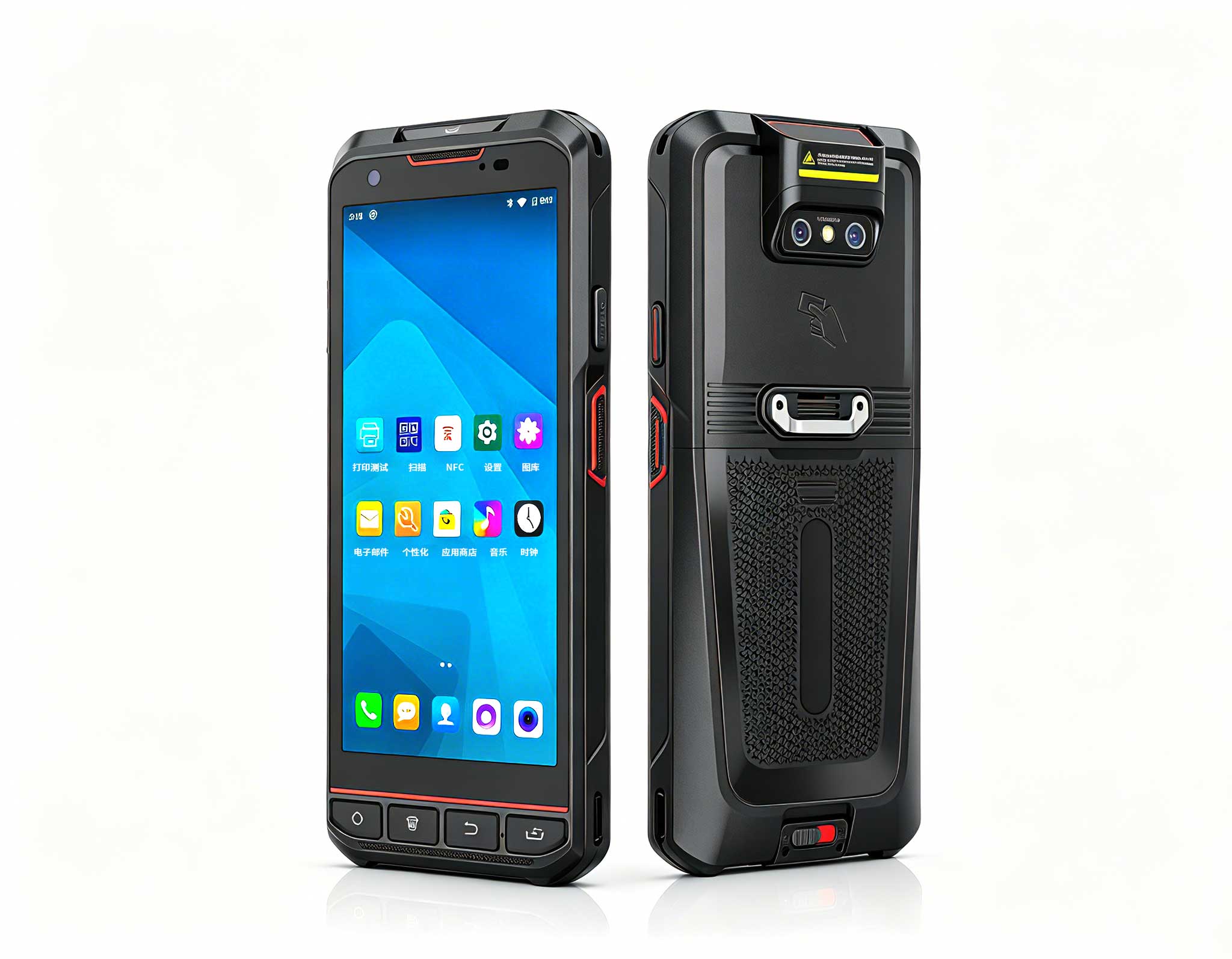
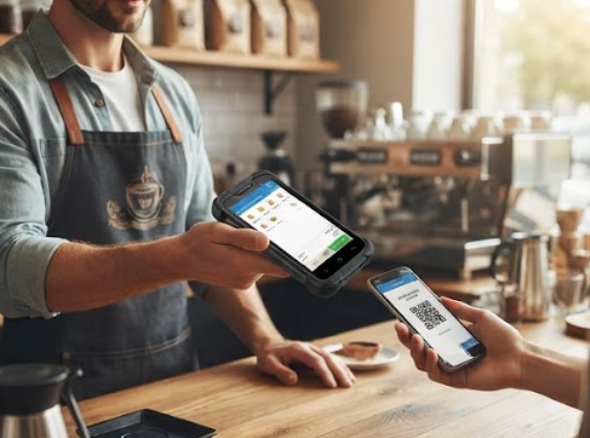
The first device in our lineup is the Smart PDA N40, which I consider the Swiss Army knife of retail operations. In the grocery chain case, this device was deployed primarily for price verification and stock replenishment on the sales floor. Its Android operating system allowed our team to deploy a custom inventory app that synced in real-time with the back-office server, eliminating the need for manual data entry. But the N40 is more than just a scanner; it's a full-fledged handheld computer. It handles RFID reads, barcode scans, and even data logging without breaking a sweat. For a floor manager who needs to check stock levels, print a label, or process a return without walking back to a fixed terminal, this device is a game-changer.
What truly sets the N40 apart in a POS ecosystem is its adaptability. It can function as a mobile POS terminal for pop-up counters during seasonal sales, or it can serve as a dedicated line-busting tool where a cashier walks the queue with a portable printer. The device's robust build, typically IP65 or higher, means it survives accidental drops on concrete floors—a daily occurrence in busy retail. From a technical standpoint, you're looking at a powerful octa-core processor and long battery life that easily handles a full shift. If you need a device that does everything except brew coffee, this is it. Its versatility alone makes it a cornerstone of any modern retail operation looking to empower its staff.
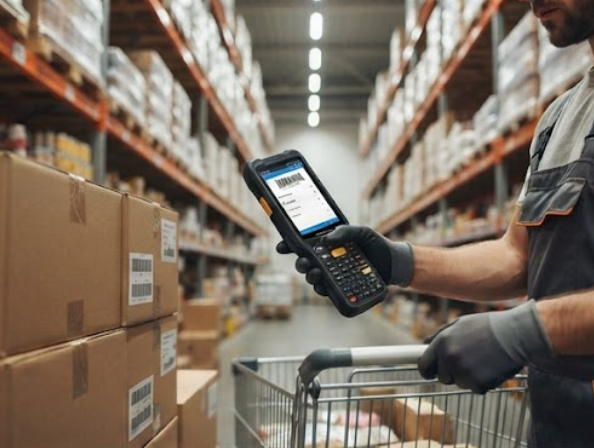
Next up is the T80 Handheld PDA, a device I specifically recommend for high-volume scanning environments like warehouse outlets or large department stores. While the N40 is a generalist, the T80 is a specialist engineered for speed and durability. In one of our client cases—a big-box electronics retailer—the T80 was deployed for cycle counting and receiving. The trigger-style design allows for rapid, repetitive scanning without hand fatigue, which is crucial when you are processing hundreds of items per hour. The screen is highly readable even under direct sunlight, a feature that might seem minor until you try to read a standard phone screen by the loading dock. This ergonomic focus directly translates into fewer errors and higher throughput.
The T80's real strength lies in its data capture capabilities. It reads damaged or poorly printed barcodes that other scanners fail on, which significantly reduces manual entry errors at the POS receiving desk. When paired with a Bluetooth thermal printer, it becomes a fully mobile invoicing station. For retail managers, this means the back office is no longer chained to a desk. They can process deliveries, update inventory, and even handle customer pickups right on the spot. If your operation demands relentless scanning endurance, the T80 is the tool I would arm my team with. Its rugged design, often rated IP67, ensures it can handle the harshest environments without skipping a beat.
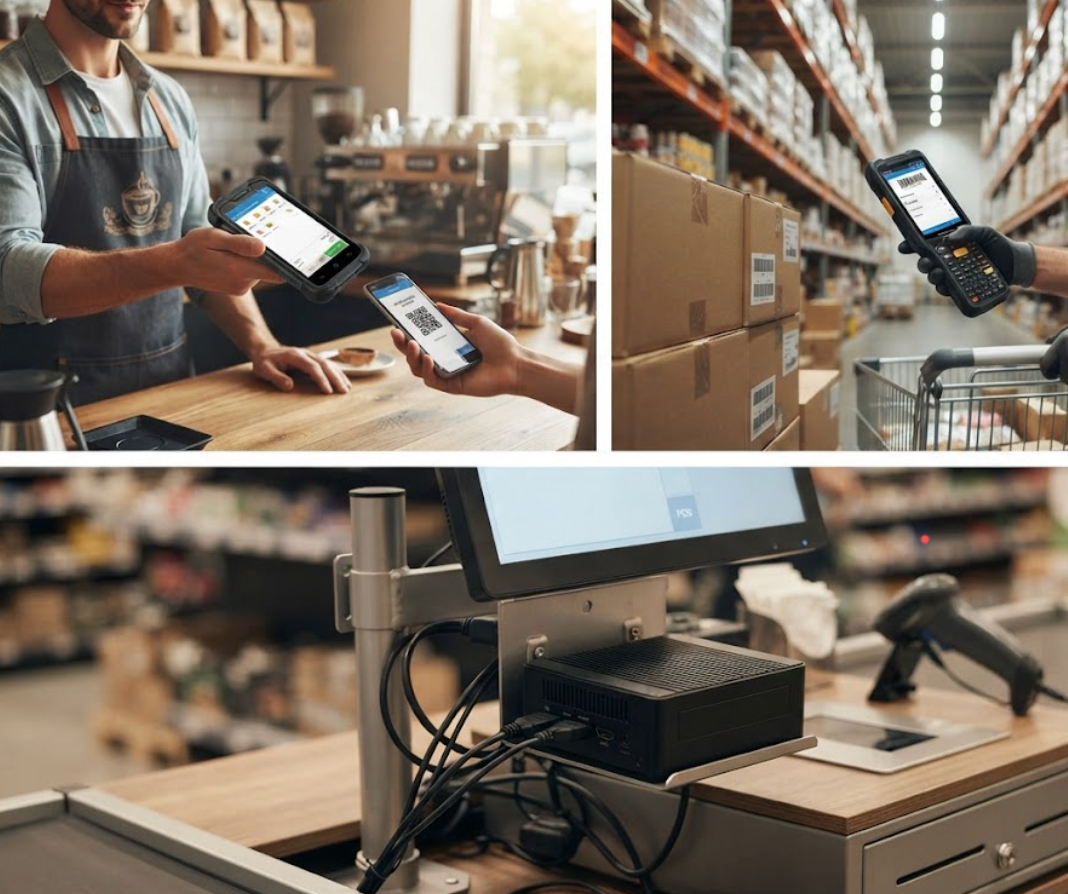
Finally, let me introduce the Palm-sized miniPC. This little box is the unsung hero of the modern POS setup. In our customer case studies, we have used this to replace bulky tower PCs that were eating up valuable counter space. Despite its diminutive size, it packs enough processing power to run a full Windows-based POS system, support dual monitors, and handle payment integrations simultaneously. One of our clients, a boutique clothing chain, used this mini PC to transform fitting rooms into point-of-sale stations. Because the device is so small, it was easily mounted behind a mirror, with only a touchscreen and card reader visible to the customer. This not only saved space but also created a more intimate, personalized shopping experience.
From a technical perspective, the Palm-sized miniPC offers the flexibility of a desktop with the footprint of a smartphone. It supports multiple USB ports, HDMI output, and robust Wi-Fi connectivity, making it perfect for cloud-based POS software. For retailers looking to modernize without the cost of a full hardware overhaul, this device offers a seamless transition. You simply plug it into your existing peripherals, and you are live. It is quiet, energy-efficient, and—most importantly—reliable. In the world of retail, where every second of downtime is lost revenue, this reliability is priceless. It acts as the silent anchor for your entire POS ecosystem, ensuring stability and speed at the point of sale.
| Feature | Smart PDA N40 | T80 Handheld PDA | Palm-sized miniPC |
|---|---|---|---|
| Primary Role | Mobile POS & Inventory | High-volume Scanning | Fixed POS Host System |
| Operating System | Android | Android | Windows/Linux |
| Key Input Method | Touchscreen + RFID | Trigger Scanner + Keypad | Peripheral Connection |
| Durability Rating | IP65 (water/dust resistant) | IP67 (fully submersible) | N/A (indoor use) |
| Ideal Deployment | Sales floor & line-busting | Warehouse & receiving dock | Checkout counter & kiosks |
| Battery Life | Full shift (8-10 hrs) | Extended shift (12+ hrs) | Continuous (AC powered) |
| Connectivity | Wi-Fi, Bluetooth, 4G | Wi-Fi, Bluetooth, 4G | Wi-Fi, Ethernet, USB 3.0 |
Choosing between these three devices does not have to be complicated if you focus on the workflow. If your primary pain point is long queues at the front counter, the Smart PDA N40 is your best ally for enabling mobile checkout and price checks. It allows your staff to move freely and serve customers where they stand, reducing congestion and improving the overall shopping experience. On the other hand, if you are dealing with a high volume of incoming stock or frequent inventory counts, the T80 Handheld PDA offers the ergonomic design and scanning speed necessary to keep the back-of-house running smoothly. It is about matching the tool to the physical demands of the task, not just the software requirements.
For the central hub of your POS system, the Palm-sized miniPC is the logical choice. It provides the stability and computing power needed to run complex retail management software, and its compact size allows for creative store layouts that maximize customer engagement space. In my professional opinion, the most successful retail operations use a combination of all three: the mini PC as the anchor, the N40 for floor mobility, and the T80 for logistics. This integrated approach ensures that every link in the retail chain—from the stockroom to the checkout—is operating at peak efficiency. To see how these devices fit into a broader ecosystem, you can browse the Smart PDA N40 series for more insights.
When making your final decision, consider your staff's technical comfort level and your store's physical layout. A cramped boutique will benefit more from the mini PC and N40 combo, while a sprawling hypermarket will need the ruggedness of the T80. I always advise clients to run a pilot test with one device in a live environment before committing to a full rollout. This hands-on approach reveals workflow integration issues that spec sheets cannot. And if you are looking to standardize your hardware across multiple locations, I recommend you explore our Mini PC solutions to see how a standardized backbone can simplify IT management and reduce operational complexity.
In conclusion, the right hardware is the silent engine of a successful retail operation. Whether you are a single-store startup or a growing regional chain, investing in the correct tools will pay dividends in customer satisfaction and operational efficiency. I have seen firsthand how these Hotus devices transform chaotic checkouts into streamlined experiences. If you are ready to discuss which combination fits your specific needs, do not hesitate to reach out. Let us build a POS system that works as hard as you do.