- Select Language
The F505 Handheld PDA is a compact, high-performan...
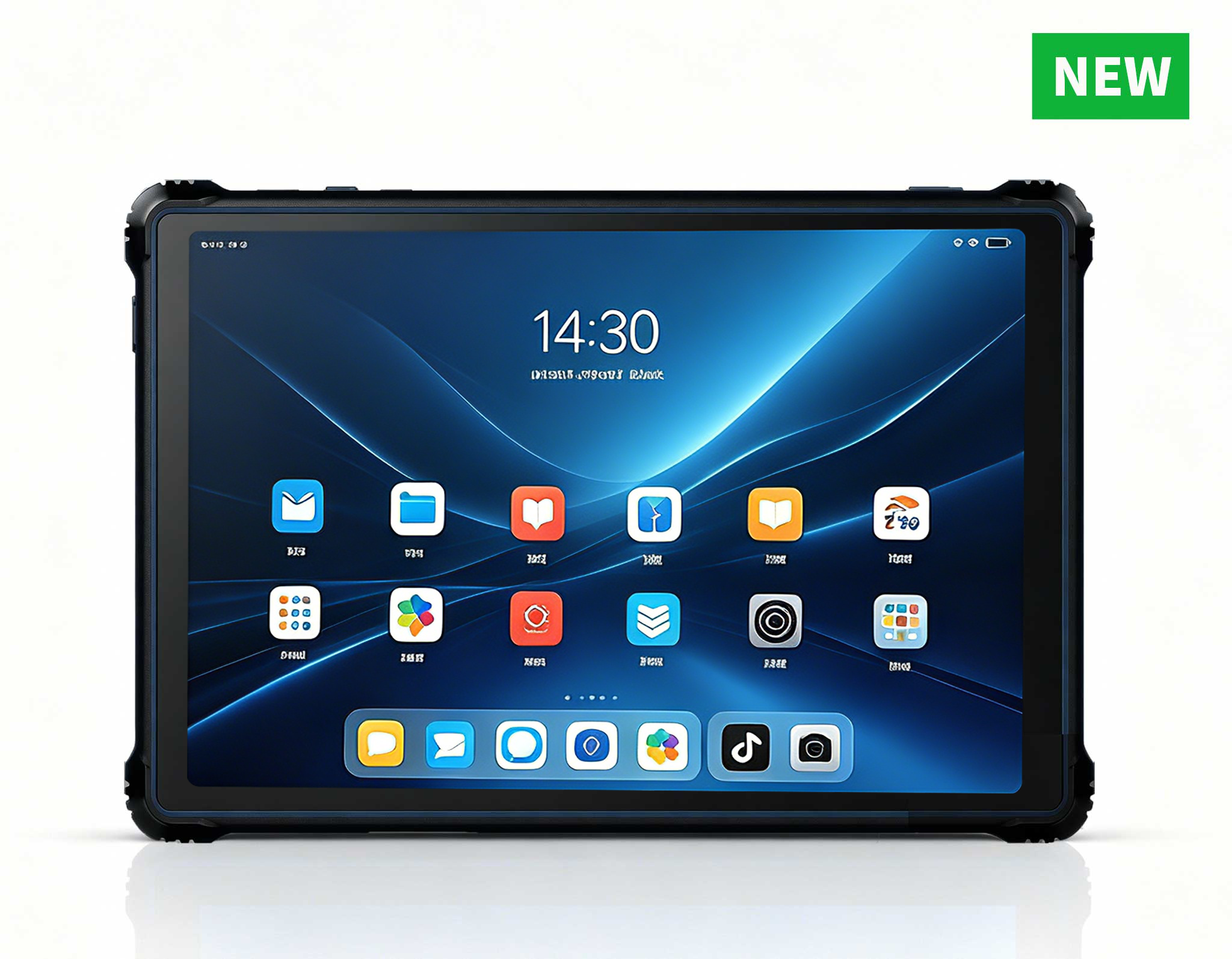
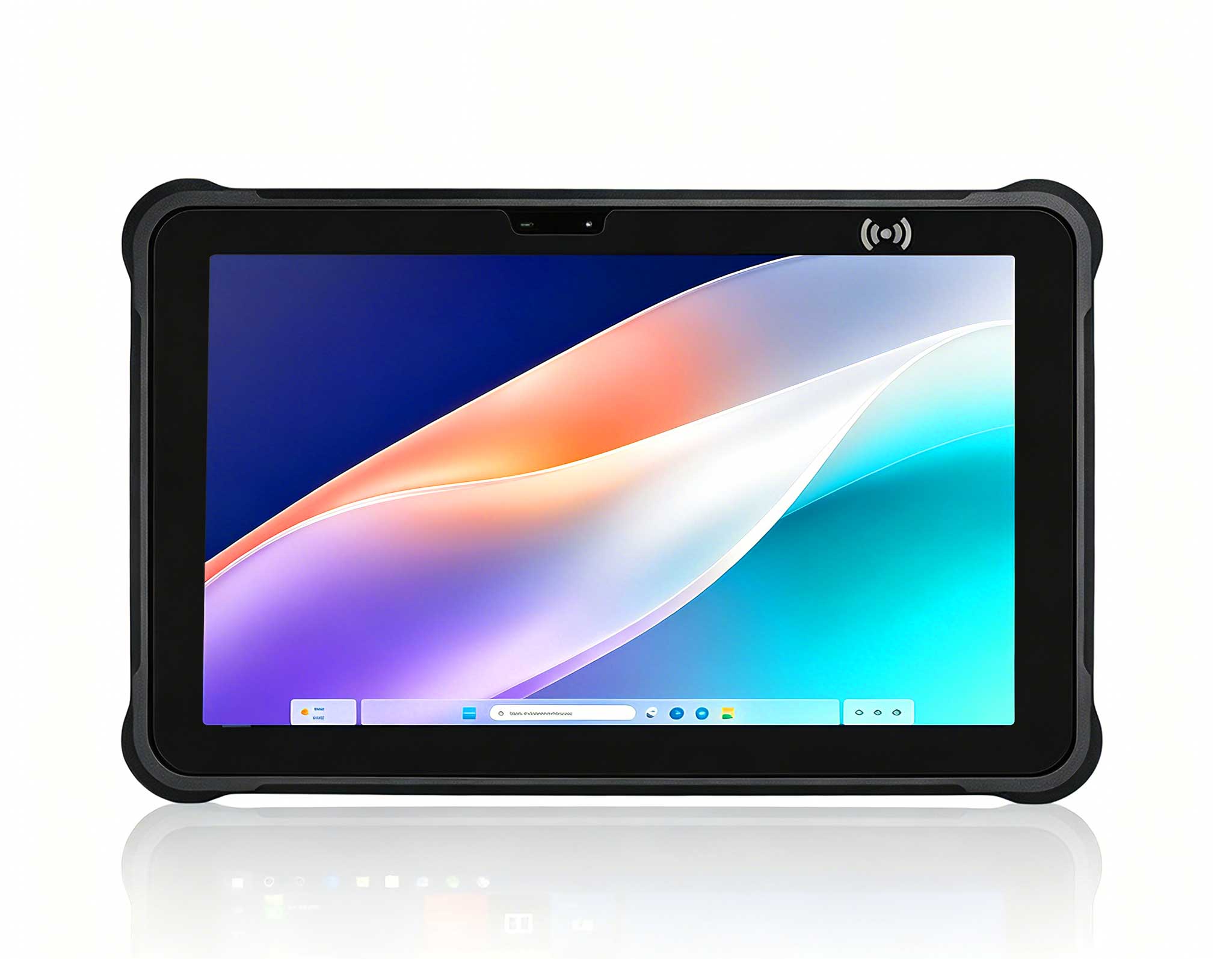
RT82 5G Rugged Tablet | 10.1" FHD 400nit | Qu...
The F505 Handheld PDA is a compact, high-performan...
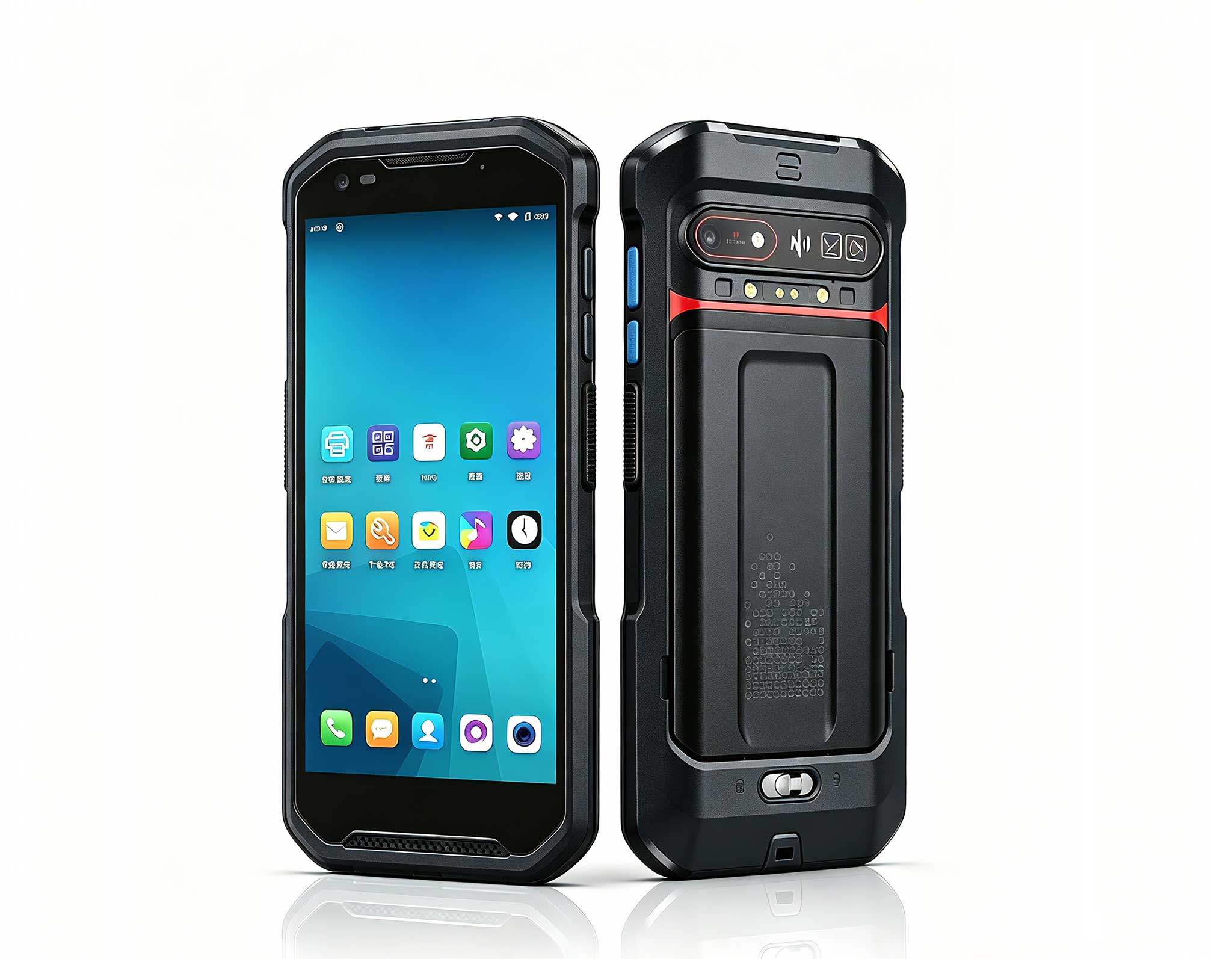
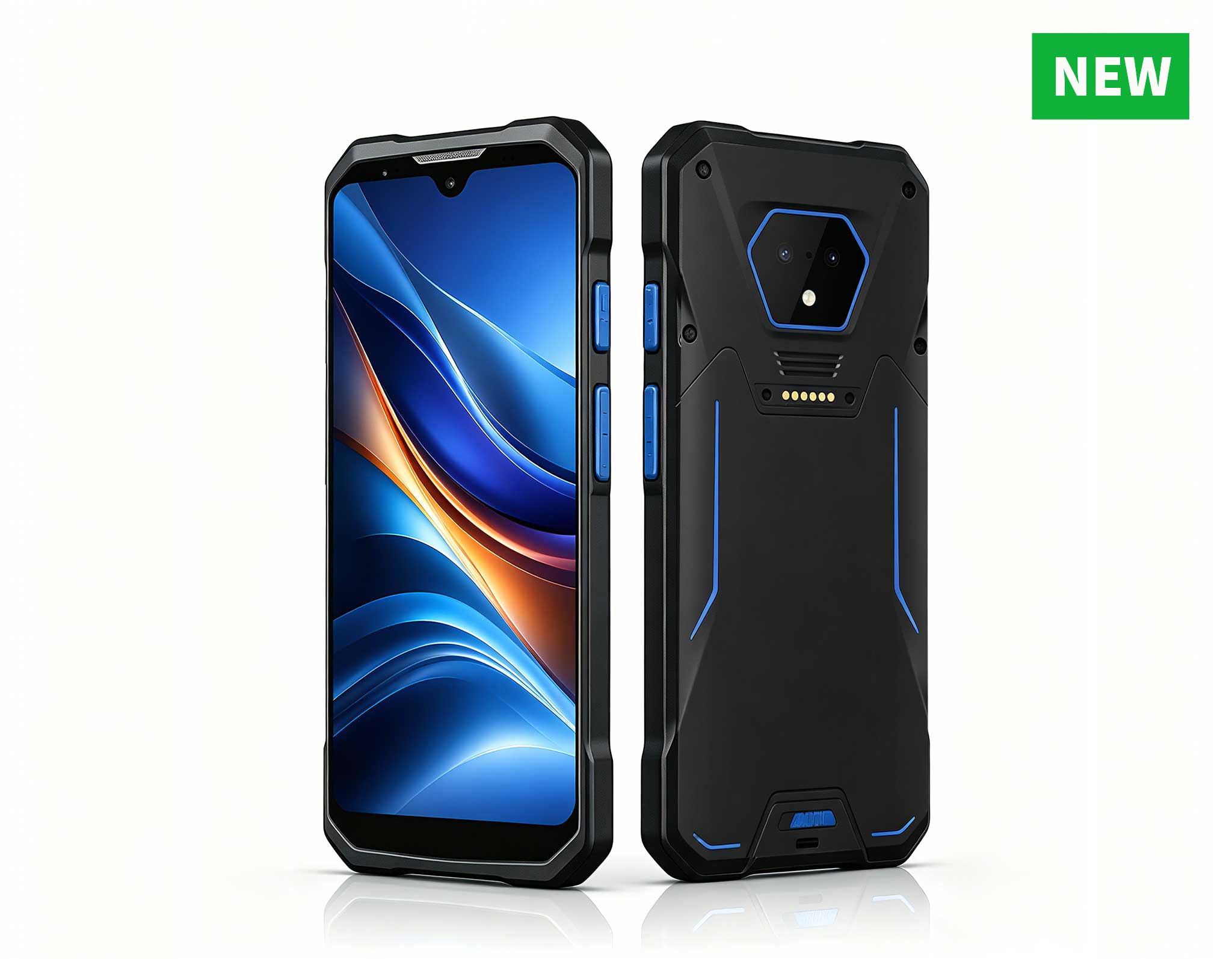
RS51 4G Rugged Handheld Terminal | 6.3" FHD+ ...
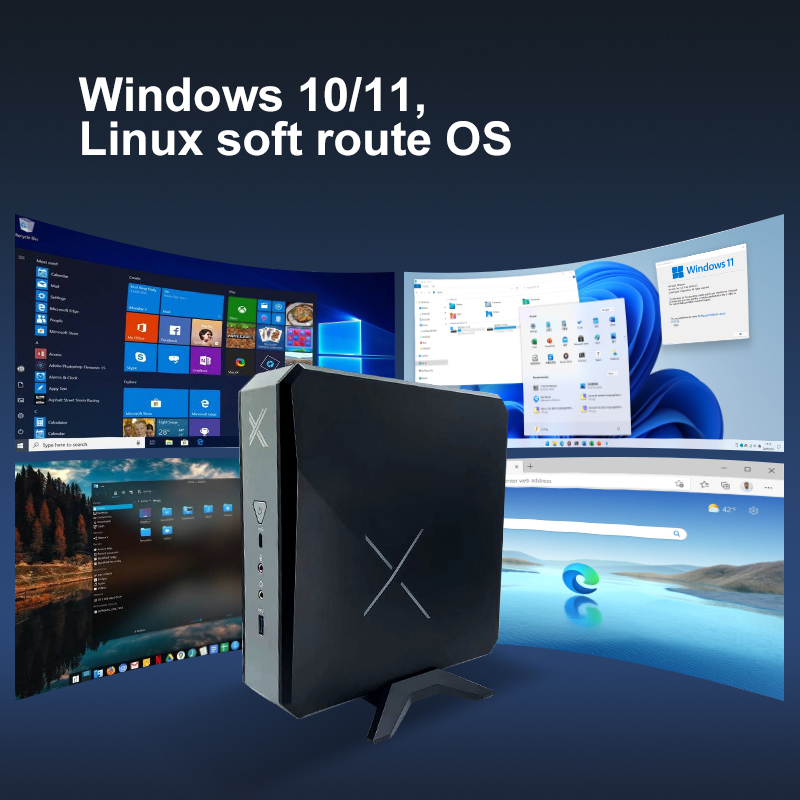
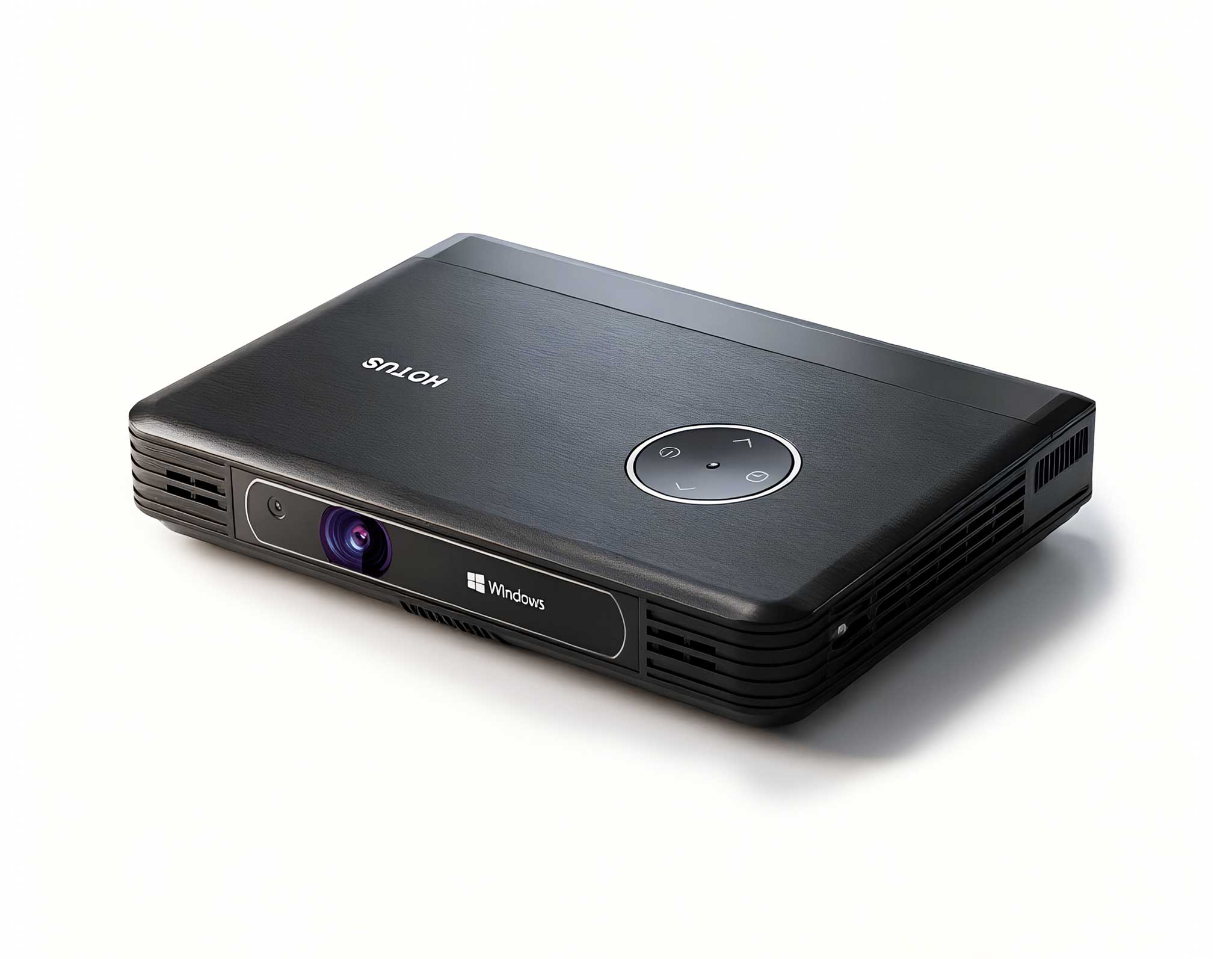
Full SpecificationsModelHotus ST11‑MOSWindows 10/1...
After a decade spent consulting with distribution centers and third-party logistics providers, I’ve noticed a recurring blind spot in how return on investment is calculated for new technology. Most ROI models focus on the obvious metrics: labor hours saved, error rates reduced, and throughput increased. But the real cost driver in warehouse logistics isn’t the speed of a single scan—it’s the fragmentation of the workflow. When a worker has to juggle a handheld scanner, a paper list, and a desktop terminal just to process an inbound pallet, you’re paying for that friction in every single transaction. The answer isn’t a single device that does everything poorly; it’s a coordinated ecosystem of specialized tools, each handling its part of the process optimally.
That’s why I’ve increasingly recommended a three-device approach for mid-sized warehouses: a dedicated UHF reader for bulk inventory counts, a rugged tablet for dock management and forklift-mounted operations, and a handheld PDA for item-level picking. This combination delivers a faster payback period than any single "universal" device because each unit is deployed where it performs best. If you’re evaluating a similar setup, I’d suggest starting with a review of dedicated warehouse logistics solutions that are designed around this exact workflow separation.
The R366C-S UHF Reader is the device I recommend when a warehouse needs to conduct cycle counts or locate misplaced pallets across a large footprint. This isn’t a general-purpose PDA; it’s a specialized reader that leverages the Impinj E710 chipset, which is the industry benchmark for sensitivity and anti-collision performance. In practical terms, this means the R366C-S can read over 200 tags per second from a distance of up to 12 meters, even when tags are stacked on shrink-wrapped pallets. The Qualcomm SM6225 octa-core processor ensures that the Android 13 operating system runs smoothly, but the real ROI driver is the read speed.
A single worker walking an aisle with this device can complete a full inventory cycle in a fraction of the time it would take with a barcode scanner requiring line-of-sight. I’ve seen warehouses reduce their monthly inventory count from two days to four hours with this single change. The 5.5-inch screen is bright enough for dock doors, and the IP65 rating means dust and rain from an open bay door won’t kill the device. For operations that don’t need a full forklift-mounted system but still have high pallet volume, this is the highest-ROI purchase you can make. The R366C-S UHF Reader is best deployed in receiving areas and for monthly cycle counts, not for individual item picking.
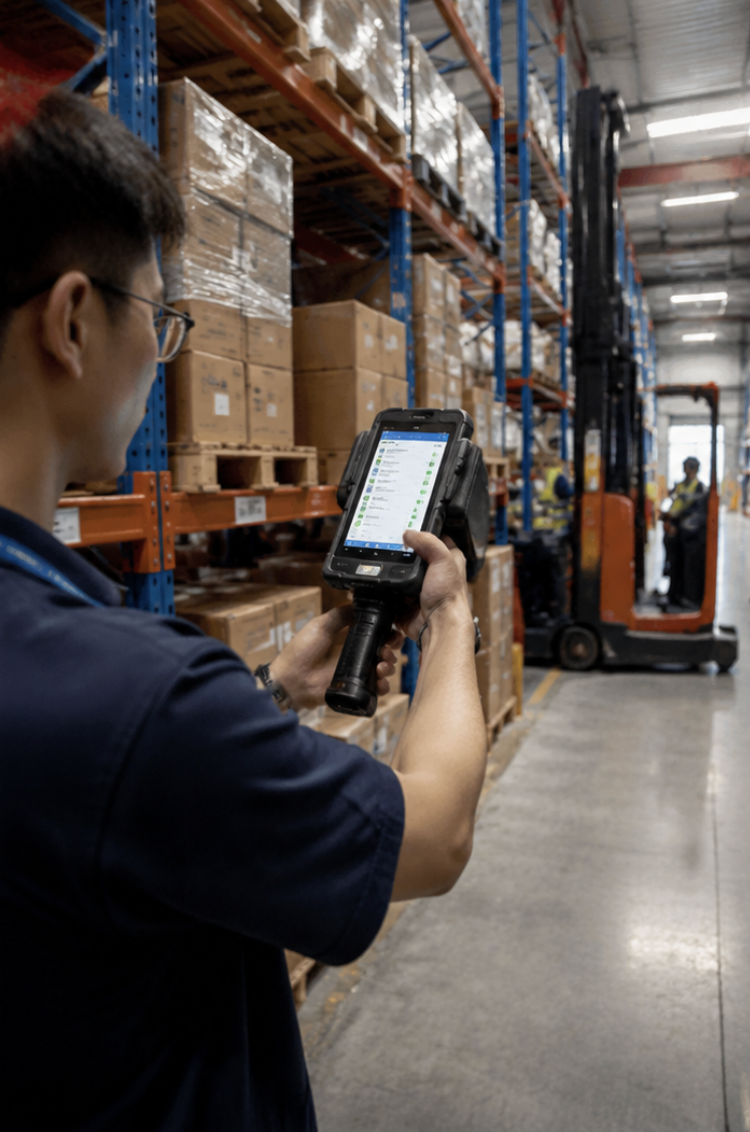
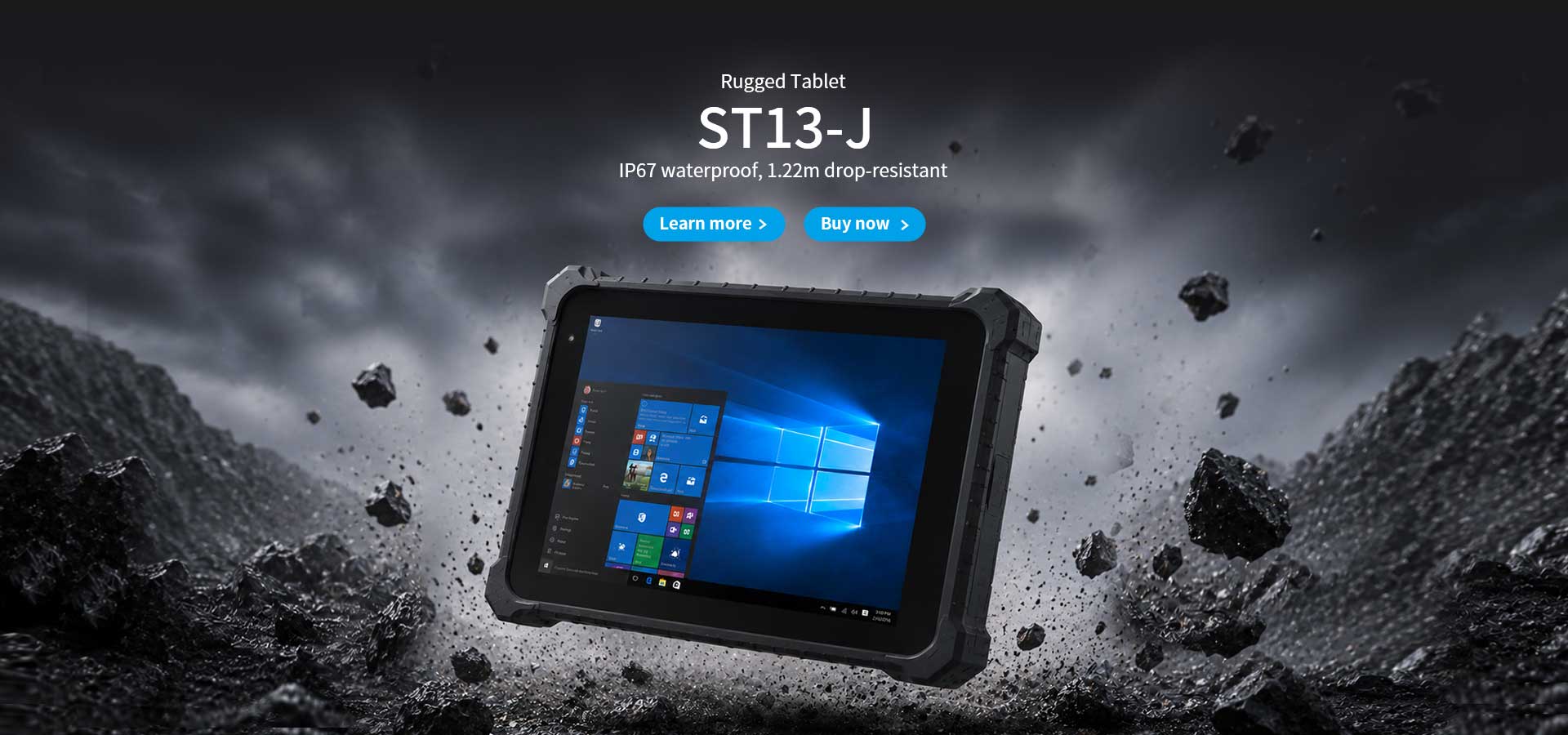
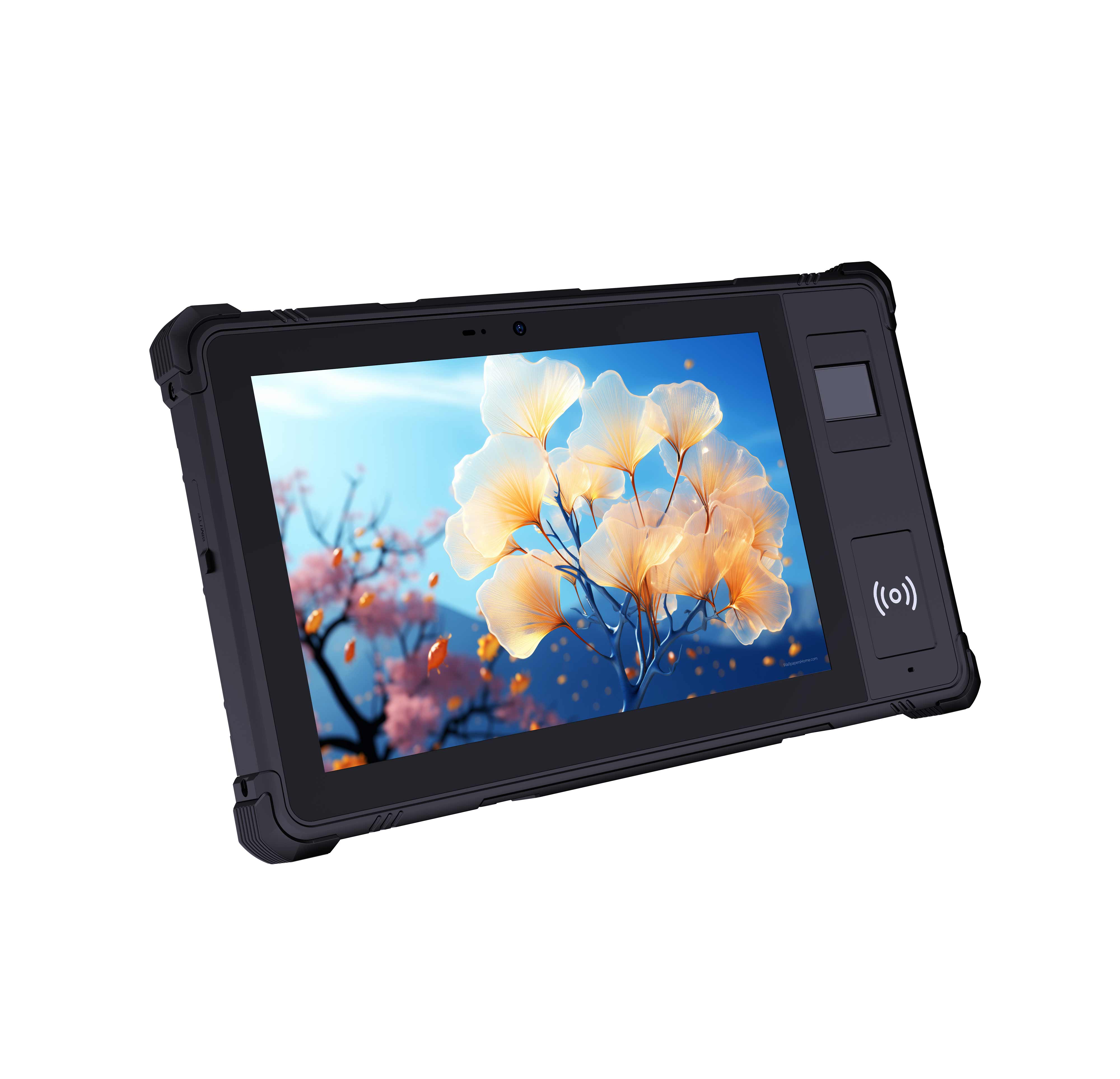
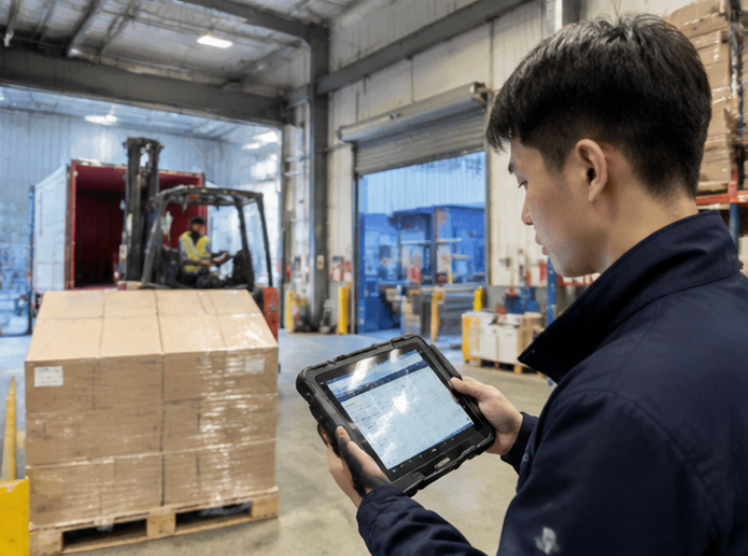
While the R366C-S handles the heavy lifting of tag reading, the RT80 Rugged Tablet serves as the visual command center for dock supervisors and forklift operators. The 10.1-inch FHD display at 400 nits is readable in direct sunlight on a loading dock—something most consumer tablets simply can’t claim. The Unisoc octa-core processor clocked at 2.7GHz provides enough power to run warehouse management system dashboards, yard management software, and video streaming for training, all without the lag you get from budget tablets.
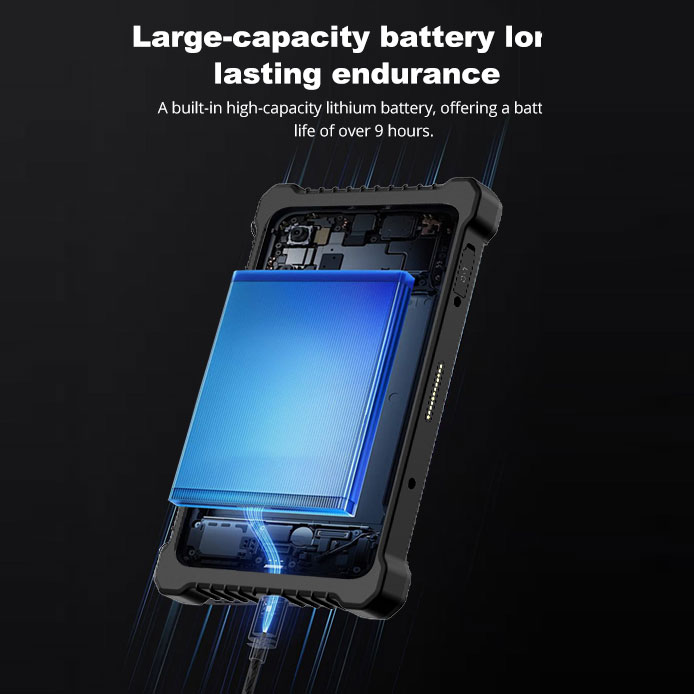
The dual OS support for Harmony OS and Android 13 gives IT departments flexibility, but the real ROI story is the battery life and mounting options. The RT80 can be docked on a forklift arm, and with the hot-swappable battery, it never needs to be taken out of service for charging. I’ve seen operations where a single RT80 on a forklift eliminated the need for two fixed terminals at the dock office because the operator can now process receipts and put-away tasks without leaving the vehicle. This reduces the time per pallet by about 40 seconds, which adds up to significant savings over a 10-hour shift.
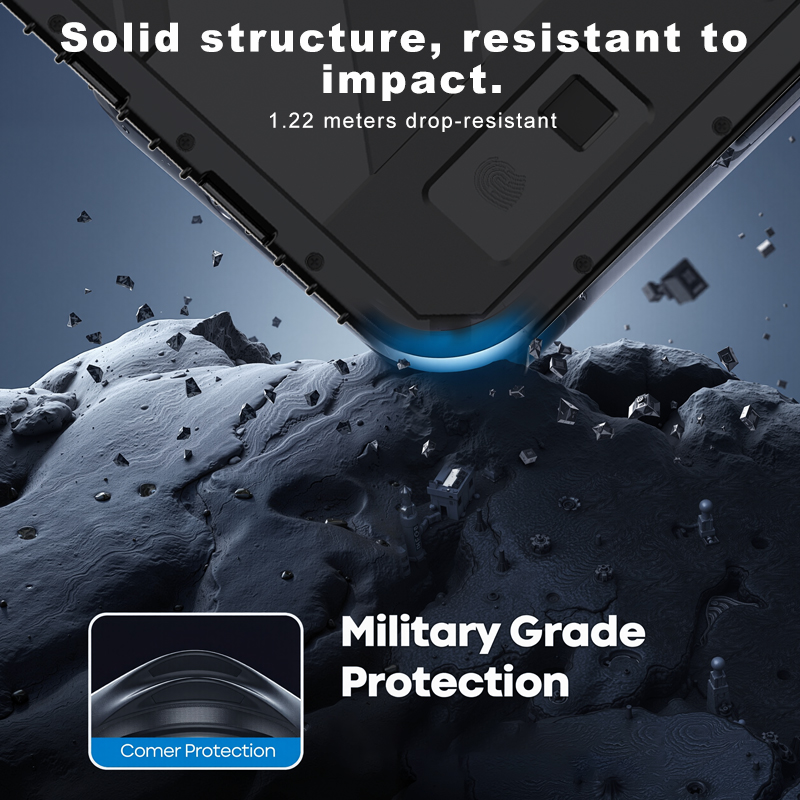
The IP67 rating and 1.2-meter drop resistance mean it survives the inevitable bumps and scrapes of a busy warehouse floor. If your operation has more than five forklifts, the <a href="https://www.hotusprojector.com/products/rugget-tablet/1169.html" title="RT80 5G Rugged Tablet | 10.1" FHD 400nit | Unisoc Octa-core 2.7GHz | Harmony OS / Android 13">RT80 Rugged Tablet will pay for itself in less than six months just by reducing forklift idle time.
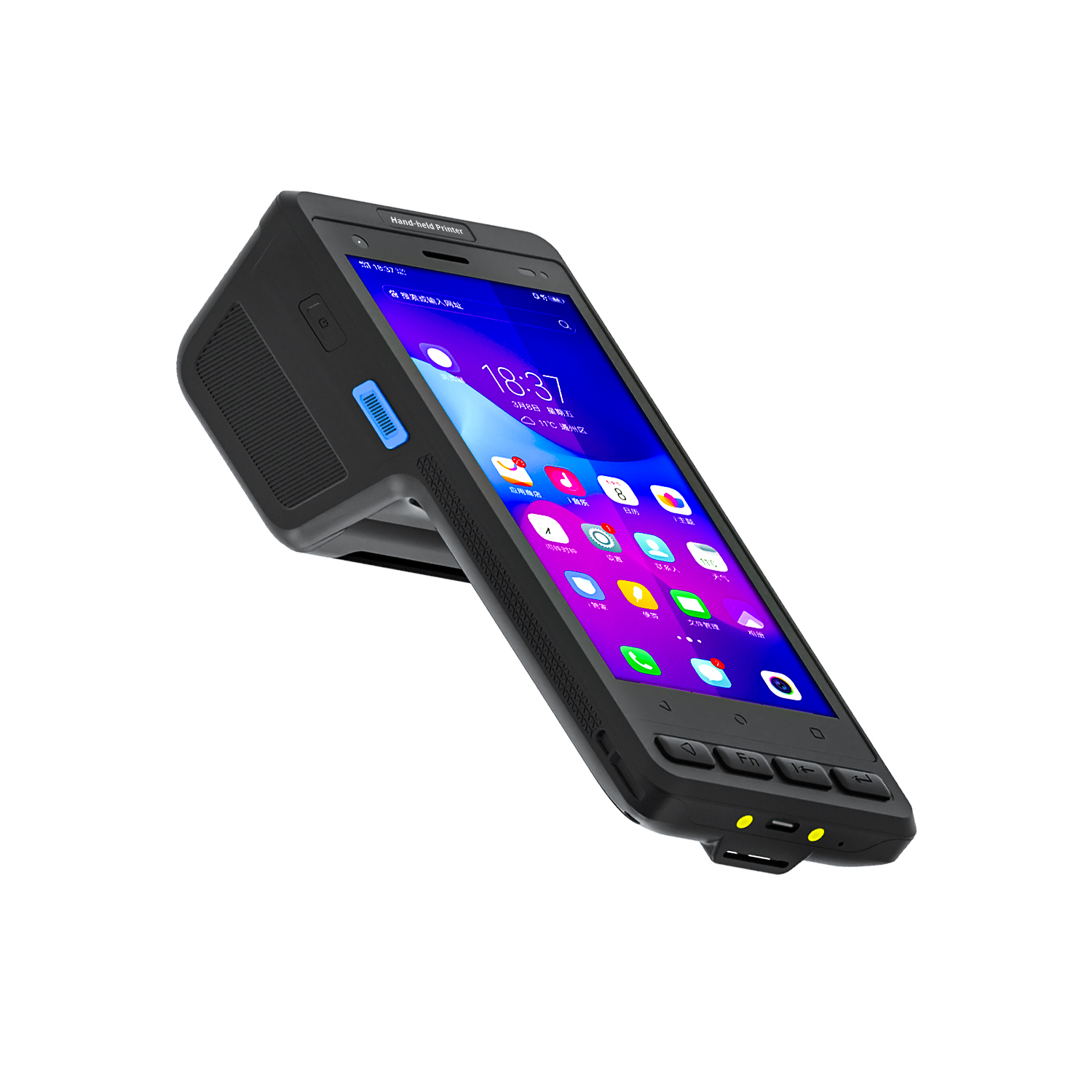
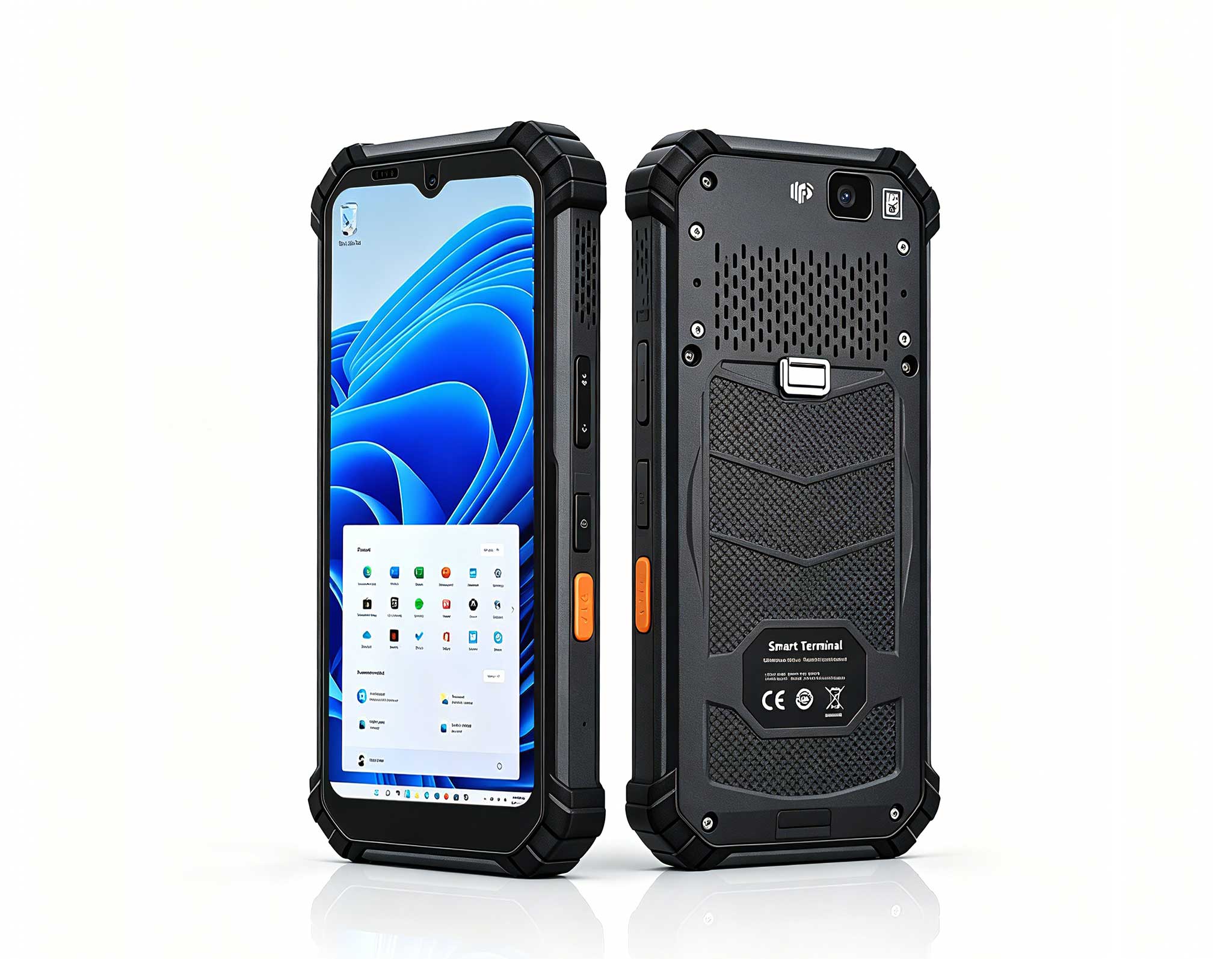
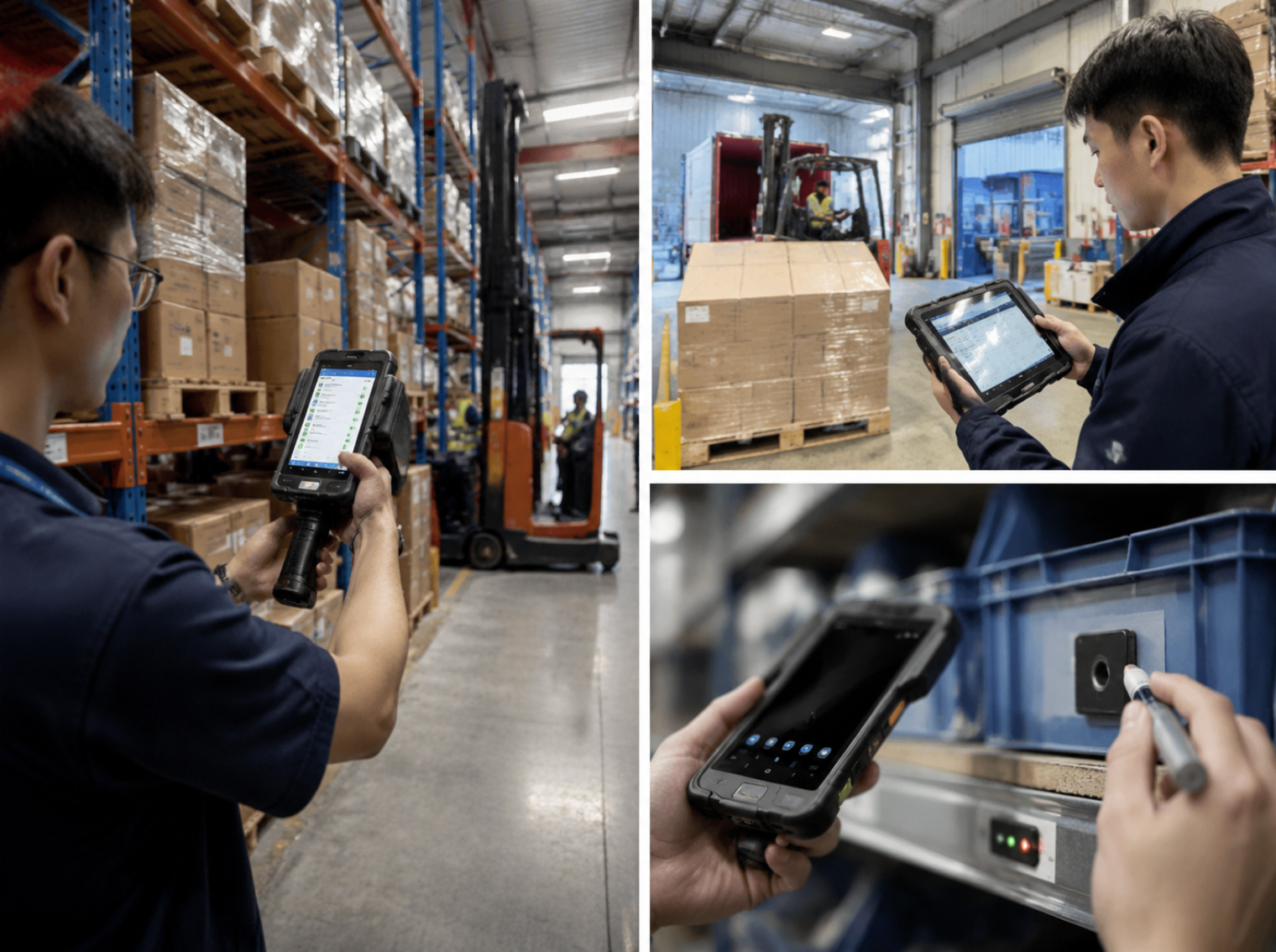
The third piece of the puzzle is the R501 Tag RFID, which I position as the precision tool for item-level and case-level operations. Unlike the R366C-S which is optimized for bulk reads, the R501 is a handheld PDA that combines a barcode scanner with UHF RFID reading in a compact, rugged form factor. This is the device you hand to a picker who is working through a pick list of 500 individual SKUs.
The R501 reads both barcodes and RFID tags, so it works seamlessly in environments that are still transitioning from legacy barcode systems to full RFID adoption. The Android operating system and rugged construction (IP67 rating) mean it survives drops onto concrete floors—the number one cause of device failure in picking operations. From an ROI perspective, the R501 shines in reducing mis-picks. When a worker scans a shelf location and the R501 confirms the RFID tag matches the expected SKU, you eliminate the "I picked the wrong box" error that costs an average of $15 per incident in restocking labor and customer returns.
For a warehouse processing 2,000 picks per day with a 1% error rate, that’s $300 per day in avoidable costs—which means the R501 Tag RFID pays for itself in under three months. The device also handles cycle counts in high-rack areas where a full reader like the R366C-S is overkill.
| Parameter | R366C-S UHF Reader | RT80 Rugged Tablet | R501 Tag RFID |
|---|---|---|---|
| Primary Function | Bulk UHF tag reading | Dock/forklift command center | Item-level picking & scanning |
| Processor | Qualcomm SM6225 Octa-core | Unisoc Octa-core 2.7GHz | Android-based octa-core |
| RFID Engine | Impinj E710 (long range) | N/A (relies on companion reader) | Integrated UHF RFID + barcode |
| Display | 5.5-inch | 10.1-inch FHD 400nit | Compact handheld screen |
| Protection Rating | IP65 | IP67 | IP67 |
| OS | Android 13 | Harmony OS / Android 13 | Android |
| Best Use Case | Cycle counts, dock receiving | Forklift mount, yard management | Pick lists, verification |
| Read Range | Up to 12 meters | N/A | 1-3 meters (item level) |
When I advise clients on which of these devices to deploy, I ask three questions. First, what is your average order size? If you are picking single items for e-commerce fulfillment, the R501 is your primary tool, and you may only need one R366C-S for monthly counts. If you are shipping full pallets to retail stores, the R366C-S becomes the workhorse, and the RT80 handles the dock coordination.
Second, how many forklifts do you operate? If the answer is more than three, the RT80 is a mandatory investment because the time savings from not walking back and forth to a fixed terminal will dominate your ROI calculation. Third, what is your error rate today? If mis-picks are below 0.5%, you can defer the R501 purchase. If they are above 1%, the R501 should be your first purchase because it attacks the highest-cost problem directly.
For most mid-sized warehouses, I recommend starting with the R366C-S and RT80 combo, then adding the R501 in the second phase. This spreads the capital expenditure while delivering immediate savings in the first month.
I’ve seen too many warehouse managers get paralyzed by analysis, waiting for the perfect all-in-one device that never arrives. The reality is that a heterogeneous approach—using specialized tools for specialized tasks—delivers the fastest payback. The R366C-S, RT80, and R501 each address a distinct bottleneck in the warehouse workflow, and together they form a system that reduces labor hours, cuts errors, and improves visibility.
I recommend you do a simple calculation: take your current monthly labor cost for inventory counts and pick verification, multiply it by 12, and compare that to the cost of this three-device system. In most cases, the payback period is under nine months. If you want to see the full range of options, including the newer models in the R366C-S UHF Reader series, I encourage you to review the specifications side by side. And if you are also considering upgrading your warehouse office infrastructure, I suggest you explore our mini PC solutions for a complete hardware overhaul. The sooner you deploy, the sooner the savings start compounding.
Personal Take: In my experience, the hesitation to adopt a multi-device strategy often stems from a fear of complexity. But the operational data doesn't lie—workflow fragmentation is the silent killer of warehouse efficiency. A specialized tool for each task isn't just about speed; it's about eliminating the cognitive load that leads to errors. Start with the device that addresses your most painful bottleneck, and build from there.