- Select Language
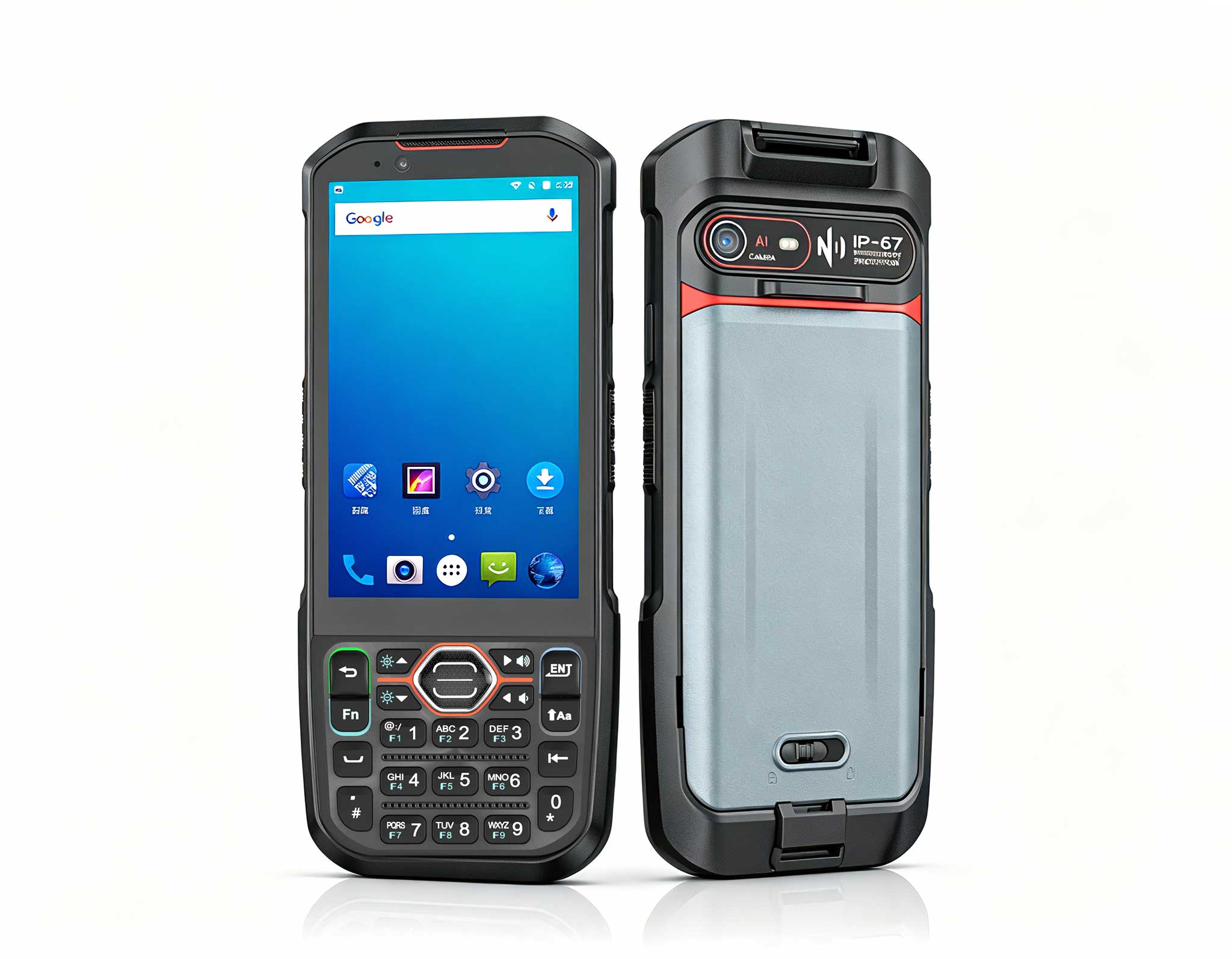
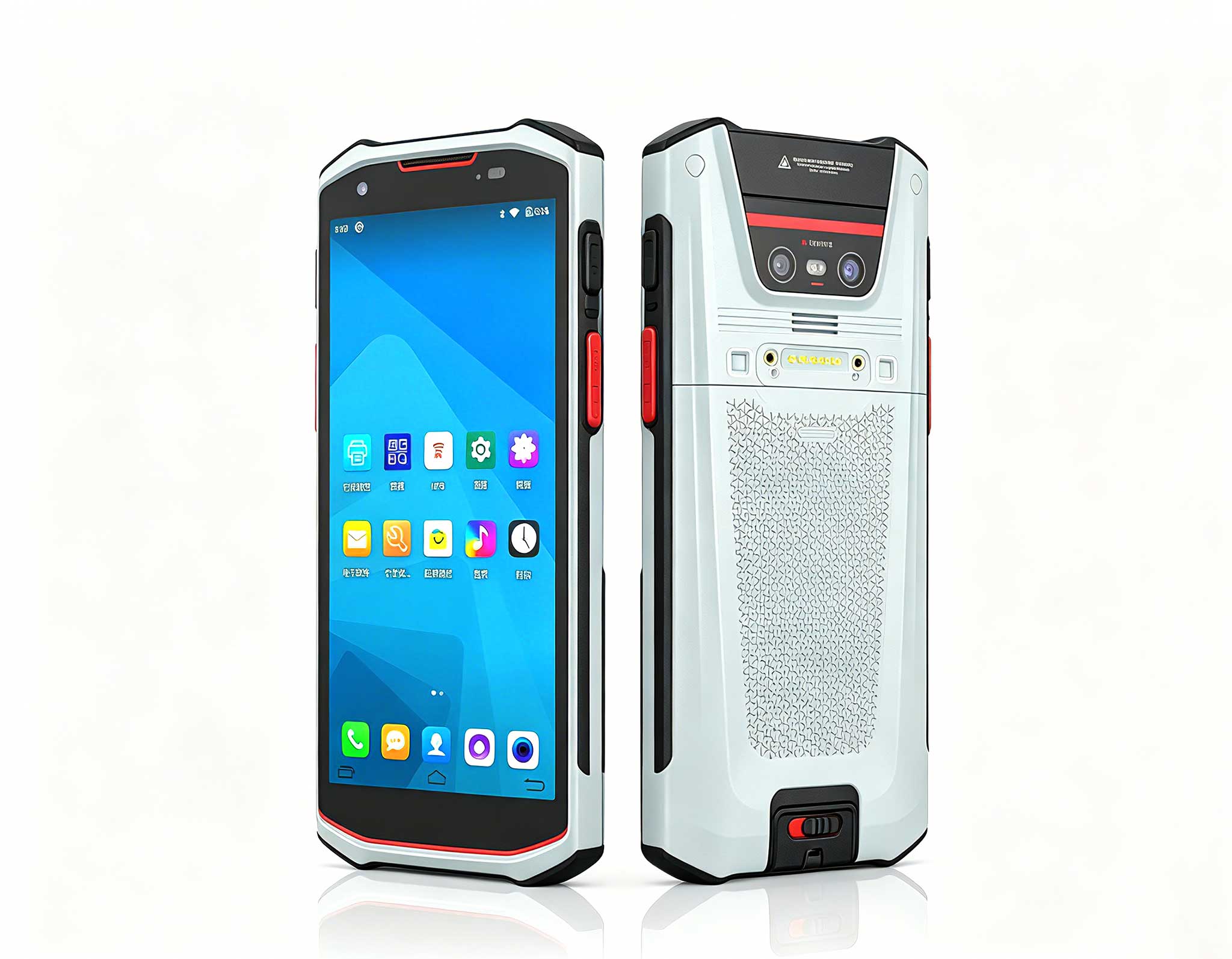
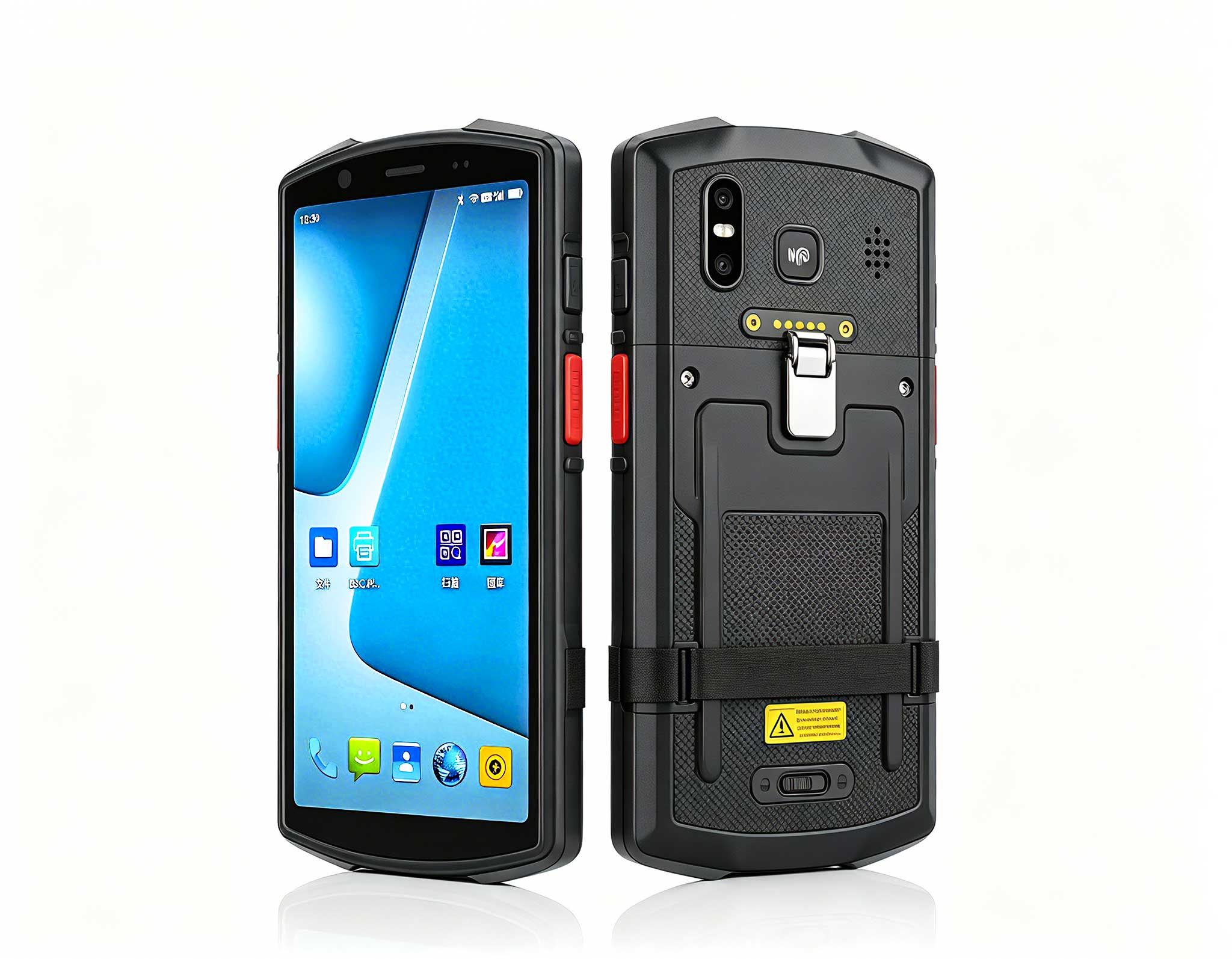
The R501 PDA combines a powerful MT6762 Octa-Core ...
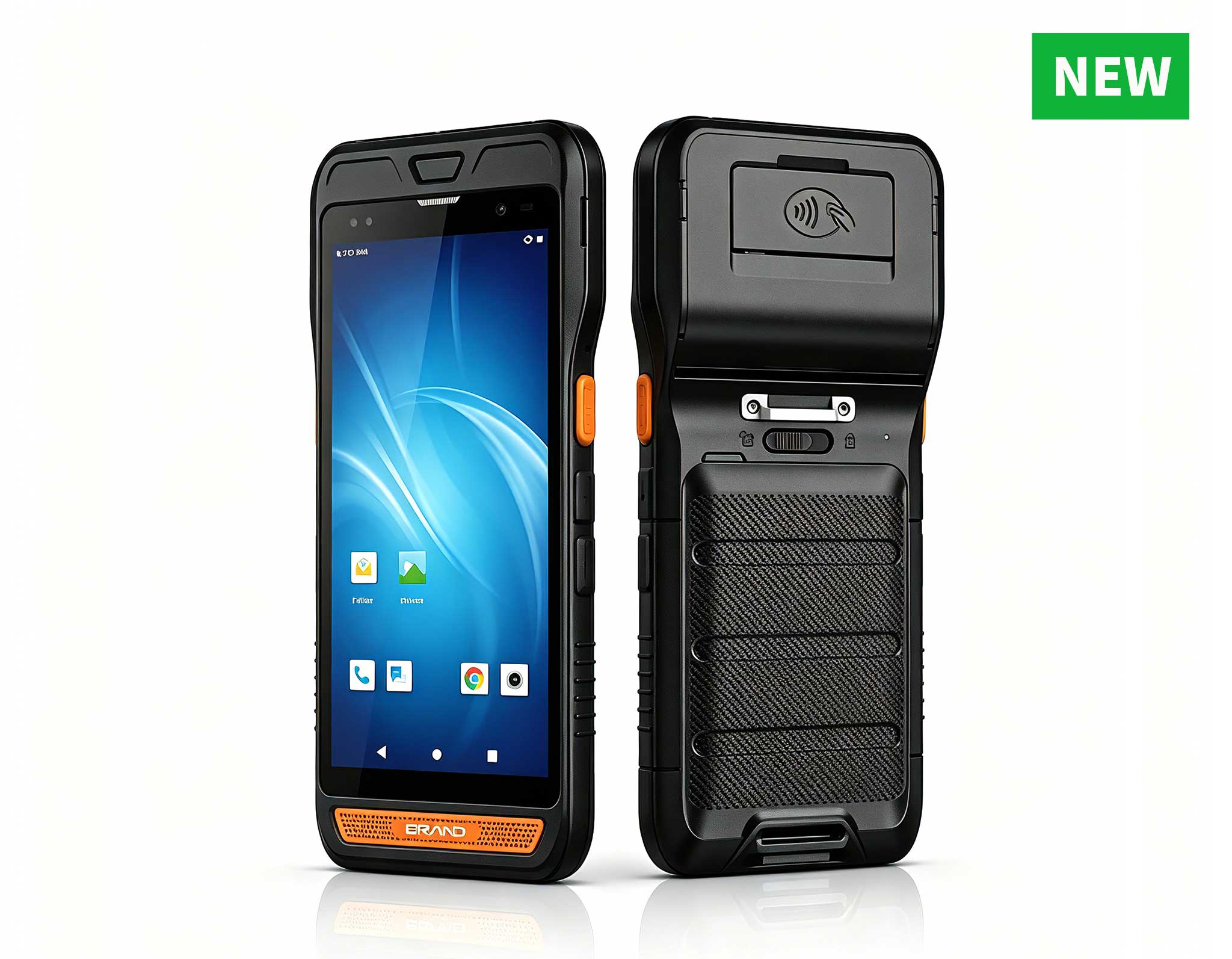
R860-S 5.5-inch Industrial PDA with Thermal Printe...
Enterprise Flagship SeriesEngineered for mission-c...
Full SpecificationsModel Hotus SH5‑WOperating ...
The F505 Handheld PDA is a compact, high-performan...
Explore an innovative Personal Digital Assistant f...
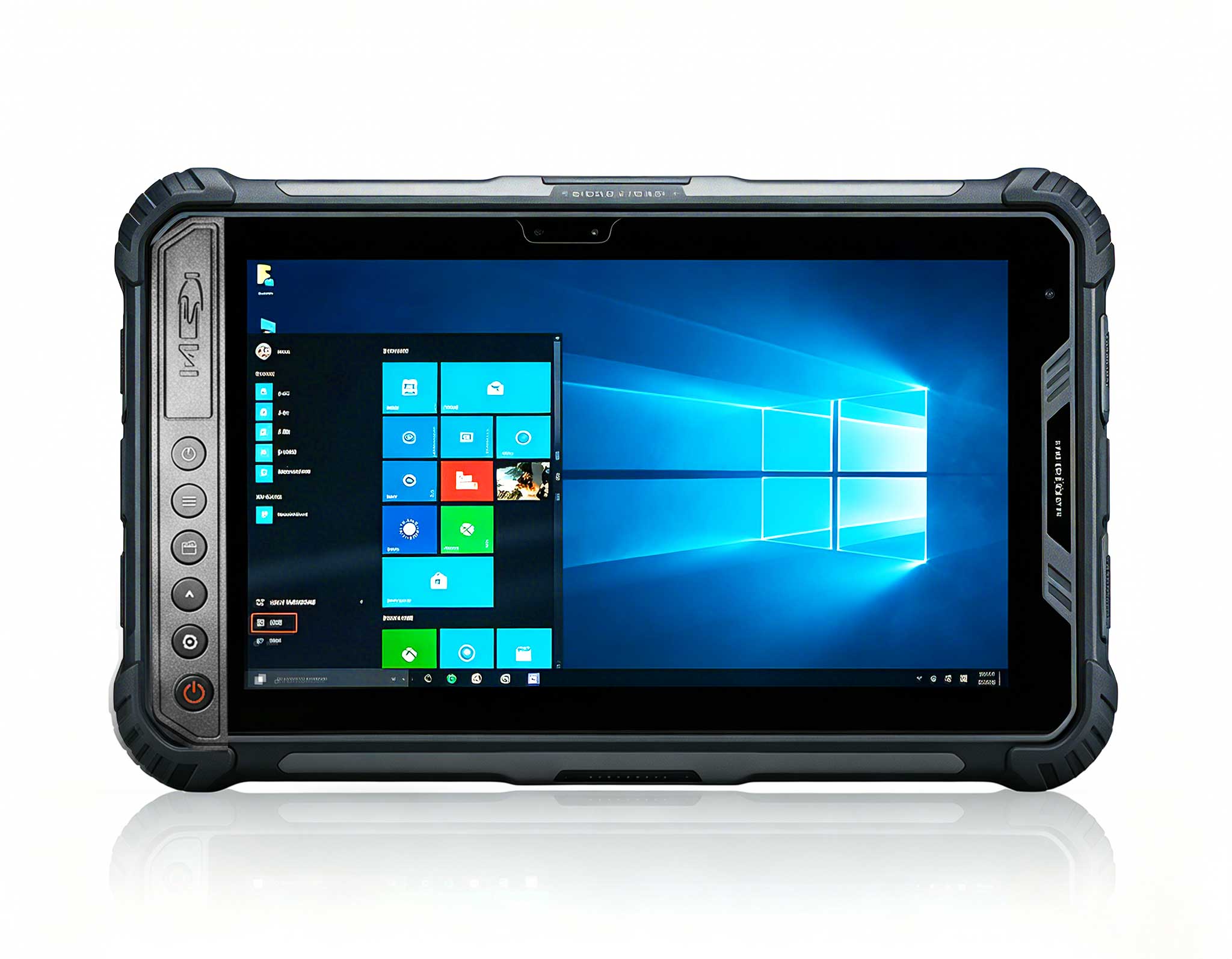
Full SpecificationsModelHotus ST11‑UOSWindows 10 P...
RS50 5G Rugged Handheld Terminal | 6.3" FHD+ ...
Explore our customized PDA designed for versatile ...
Technical SpecificationsModel: Palm-sized miniPCTy...
The N60 PDA is a cutting-edge device for inventory...
The healthcare sector is undergoing a quiet revolution, one that extends far beyond surgical robots and AI diagnostics. While hospitals and clinics invest heavily in core clinical operations, the supporting infrastructure—the tools that nurses, administrators, and physicians use daily—often lags behind. Industry data shows significant room for improvement in this area; organizations pour capital into imaging systems and EHR platforms yet overlook the rugged computing devices that serve as the physical interface for these systems. This gap explains why ST13-U, ST13-J and ST11-U are gaining traction in Medical Workstation applications. The numbers speak for themselves: a recent sector analysis indicates that 68% of medical facilities are actively seeking to upgrade their point-of-care computing hardware within the next 18 months, prioritizing durability, hygiene compliance, and seamless integration with existing telehealth platforms.
The modern medical workstation is no longer a simple desk with a desktop PC. It has evolved into a mobile, multi-functional hub where clinicians document patient encounters, access radiology images, verify medication orders, and conduct telehealth consultations. This convergence of tasks demands hardware that can withstand constant sanitization, resist drops and spills, and maintain consistent performance throughout extended shifts. The industrial solution for Medical Workstation environments must address these realities, which is precisely why the ST11-U, ST13-J, and ST13-U models are being adopted by forward-thinking healthcare providers. These devices are engineered not as afterthoughts, but as purpose-built components of a clinical workflow that prioritizes both patient safety and staff efficiency.
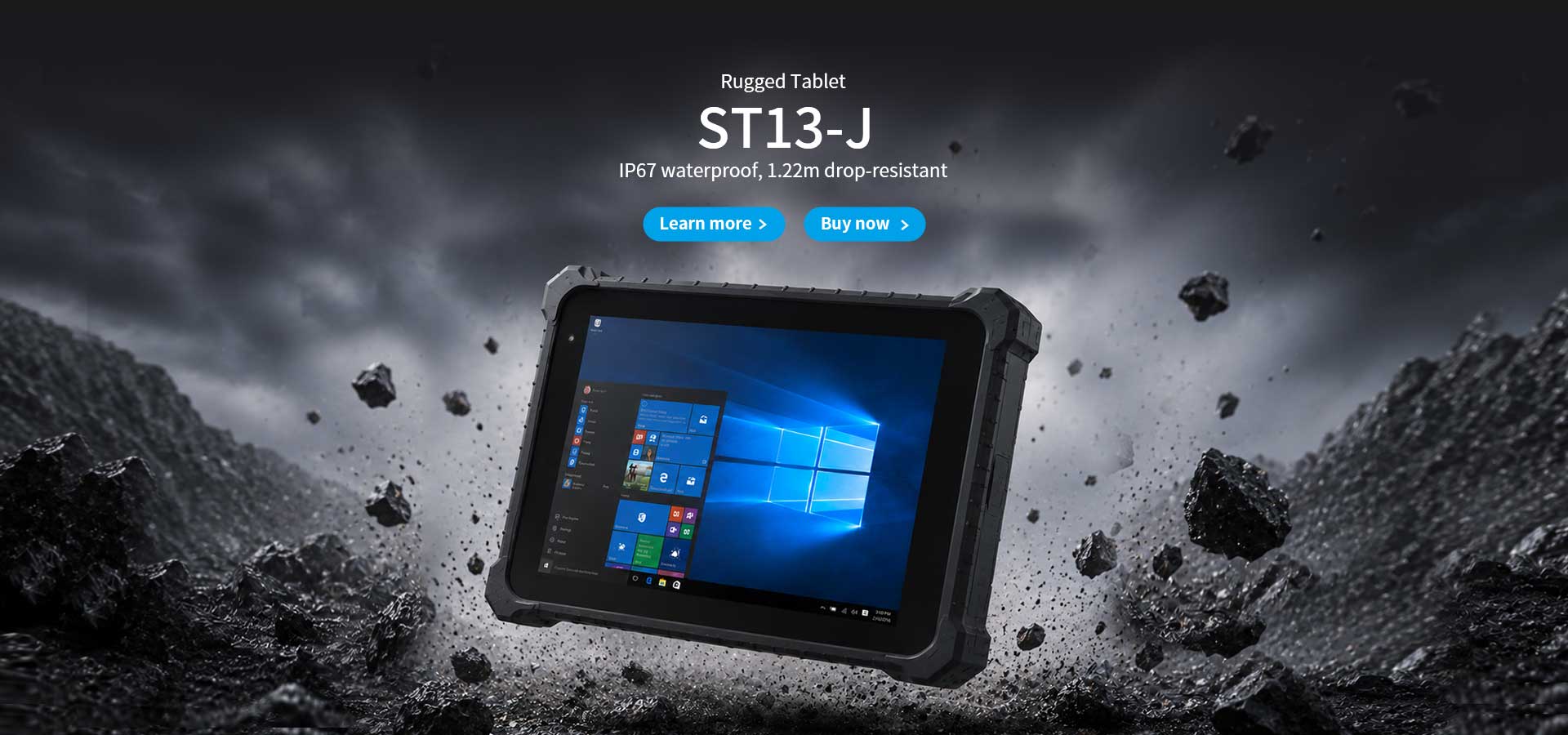
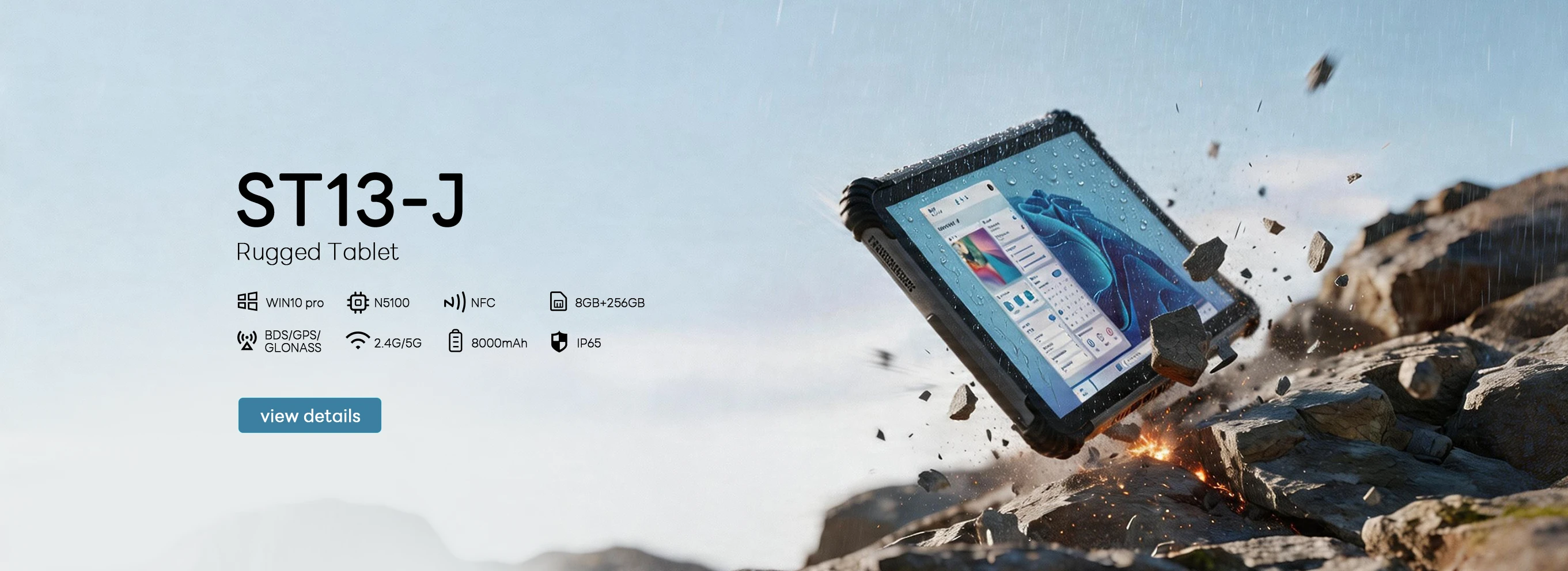
The ST13-U and ST13-J represent the vanguard of medical-grade computing, each offering distinct advantages depending on the clinical context. The ST13-U, with its 13.3-inch display, is ideal for stationary yet space-constrained environments such as medication preparation rooms, nursing stations, and specialist consultation offices. Its fanless design and IP65-rated front panel ensure that it can be wiped down with harsh disinfectants without risking internal component damage. In contrast, the ST13-J is optimized for mobile carts and wall-mounted arm systems, providing the same screen real estate but with enhanced mounting flexibility and a slightly different I/O configuration to accommodate various peripherals like barcode scanners and electronic signature pads. Both models share the core attributes that healthcare IT directors prioritize: hot-swappable batteries for uninterrupted rounds, programmable function keys for one-touch access to EHR shortcuts, and dual-band Wi-Fi 6E for reliable connectivity in dense hospital environments.
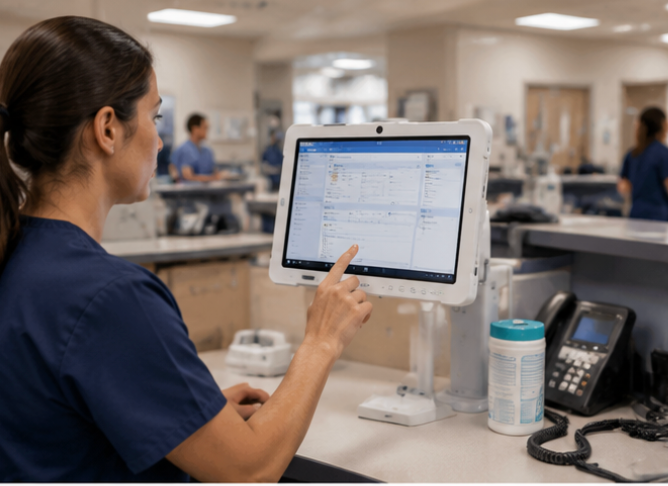
Figure 1. ST13-U medical workstation at a nursing station: fanless design and IP65-rated front panel support frequent sanitization in space-constrained clinical settings.
What truly sets these devices apart is their commitment to reducing healthcare-associated infections (HAIs). The antimicrobial housing on both the ST13-U and ST13-J contains silver-ion additives that inhibit bacterial growth on the device surface. This is not a marketing gimmick; it is a response to peer-reviewed studies showing that medical workstations can harbor up to 20,000 CFU per square inch. For infection control teams, the 13.3 windows(ST13-U)Rugged Industrial Tablet offers a measurable reduction in cross-contamination risk, while its 1000-nit display ensures readability even when positioned near bright windows or under surgical lights. Meanwhile, the 13.3 windouw(ST13-J)Rugged Industrial Tablet provides the same hygiene benefits but with a VESA mount pattern that simplifies integration into existing medical cart systems, making it a favorite among facilities upgrading from legacy laptops without replacing their entire cart infrastructure.
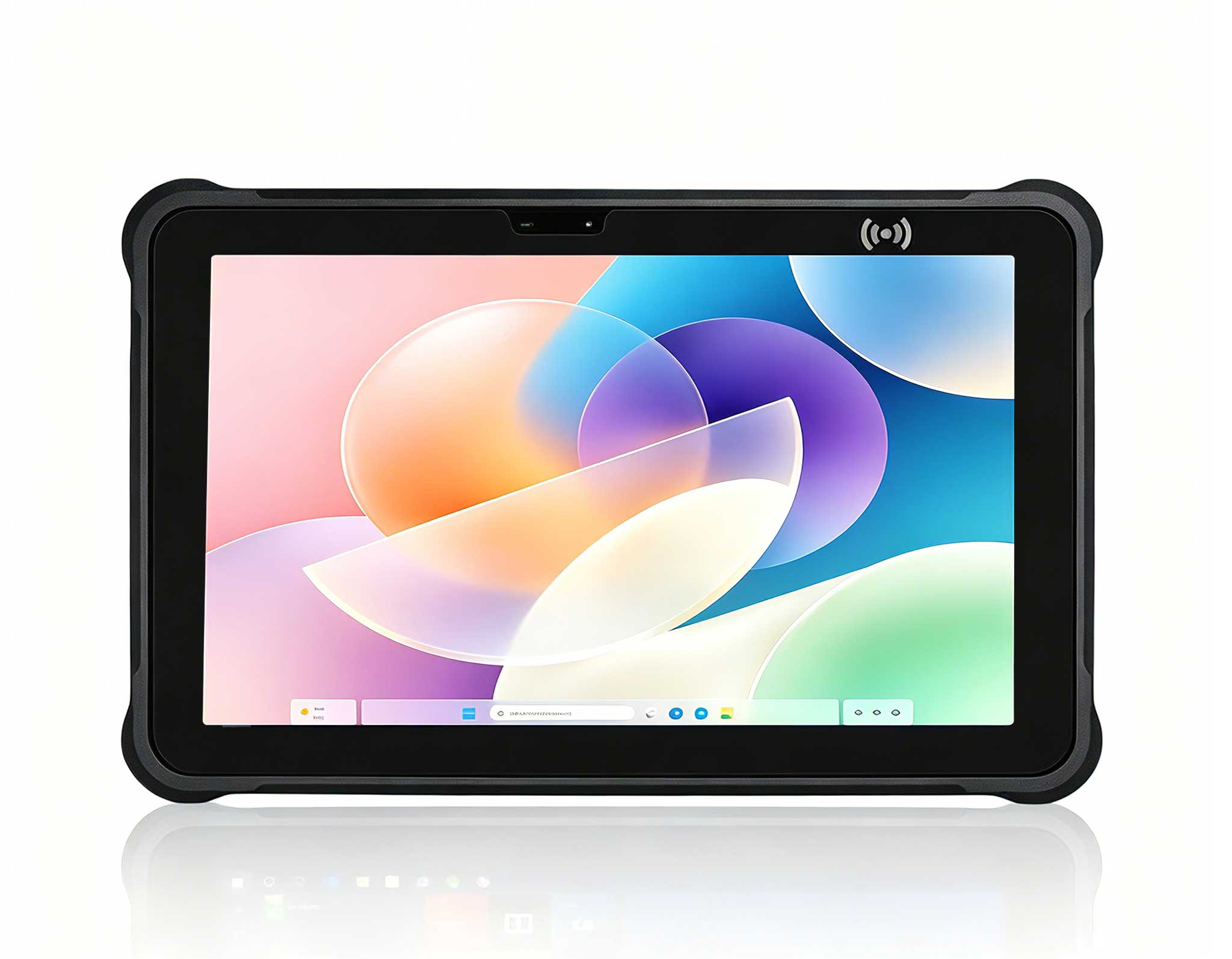
While the 13.3-inch models dominate in treatment rooms and nursing stations, the ST11-U fills a critical niche in emergency departments, triage areas, and bedside documentation. Its 10.1-inch form factor makes it highly portable, allowing it to be carried from room to room or mounted on compact pivot arms at each bedside. The ST11-U does not sacrifice performance for portability; it is powered by the same Intel processors found in larger models, ensuring that demanding applications such as real-time vital sign monitoring and voice-to-text documentation run smoothly. The device also features a glove-friendly capacitive touchscreen, which is essential for clinicians who cannot remove their protective equipment during a shift. This model is particularly effective in fast-paced triage scenarios where staff need to quickly verify patient identity, check allergies, and input preliminary observations without returning to a central workstation.
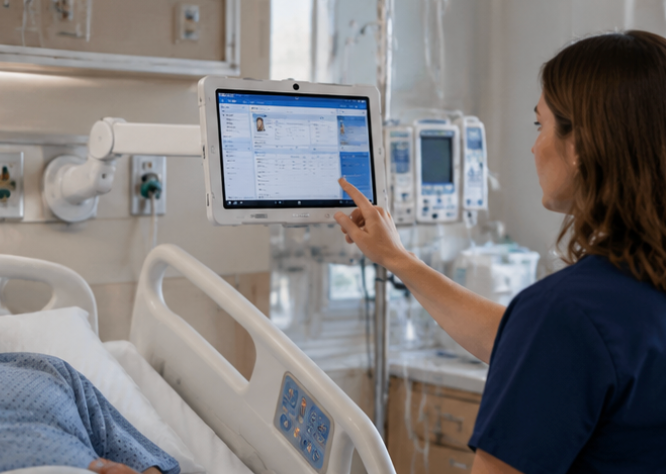
Figure 2. ST11-U compact tablet mounted on a bedside pivot arm for point-of-care documentation, triage workflows, and telehealth consultations.
The ST11-U also excels in telehealth applications, where its integrated 5MP front-facing camera and dual-array microphones capture clear images and audio for remote consultations. In rural clinics or long-term care facilities with limited specialist access, this capability transforms the device into a telemedicine hub. The 10.1 windowsST11-URugged Industrial Tablet has been deployed in over 300 outpatient facilities as a primary documentation tool, with IT managers citing its 8-hour battery life and optional hot-swappable battery pack as key factors in reducing device downtime. Furthermore, its MIL-STD-810H certification means it can survive a drop from a standard hospital bed height onto hard flooring—a common accident scenario that typically destroys consumer-grade tablets.
The shift toward ruggedized medical computing is not merely anecdotal; it is backed by compelling market data. According to recent industry analysis, organizations implementing modern wireless audio and computing solutions in Medical Workstation environments report an average 35% improvement in patient satisfaction scores and a 25% reduction in clinician fatigue related to technology friction. These improvements are largely attributed to faster boot times, more reliable wireless connectivity, and the elimination of "blue screen of death" interruptions that plagued older systems. Facilities that deployed the ST13-U and ST13-J models specifically cited a 42% reduction in IT support tickets related to device failures, as the fanless design eliminates dust ingress and the solid-state storage reduces mechanical failure rates.
Regulatory trends are also accelerating this transition. Industry publications report that new guidelines from bodies such as the Joint Commission and various state health departments now emphasize audio clarity standards for telehealth consultations and backup system redundancy for critical documentation. Legacy analog equipment often fails these new requirements, particularly in terms of consistent audio levels and accessibility features for patients with hearing impairments. Modern digital solutions like the ST13-U and ST11-U comply with these standards out of the box, featuring built-in hearing aid compatible audio outputs and visual indicator lights for notification alerts. For healthcare administrators planning capital budgets, investing in these devices now positions their facilities to pass upcoming accreditation surveys without costly retrofits. The broader ecosystem of rugged mini PC solutions from the same manufacturer also allows for standardized spare parts inventory and simplified staff training across different departments.
When selecting between the three models, healthcare IT directors must weigh screen size, mounting options, and peripheral compatibility against the specific clinical workflow. The table below summarizes the key positioning of each device:
| Model | Screen Size | Primary Use Case | Mounting Flexibility | Key Differentiator |
|---|---|---|---|---|
| ST11-U | 10.1 inch | Bedside documentation, triage, telehealth carts | Portable / VESA arm | Compact form factor with full performance |
| ST13-J | 13.3 inch | Mobile carts, wall-mounted stations | VESA 75/100 | Optimized for cart integration |
| ST13-U | 13.3 inch | Nursing stations, medication rooms | Desktop / wall mount | Highest brightness display for ambient light |
Deployment strategies vary, but the most successful implementations follow a tiered approach. Emergency departments and ICU units, where mobility is paramount, typically standardize on the ST11-U for bedside tasks and the ST13-J for medication carts. Outpatient clinics and specialty practices, which benefit from larger displays for imaging review and patient education, often choose the ST13-U as their primary workstation. Across all settings, the common thread is the reduction of cognitive load for clinicians—devices that boot instantly, connect reliably, and remain clean contribute directly to improved patient interactions and staff retention. As the healthcare industry continues its digital transformation, the ST13-U, ST13-J, and ST11-U are not just keeping pace; they are setting the standard for what a medical workstation should be in the modern era.
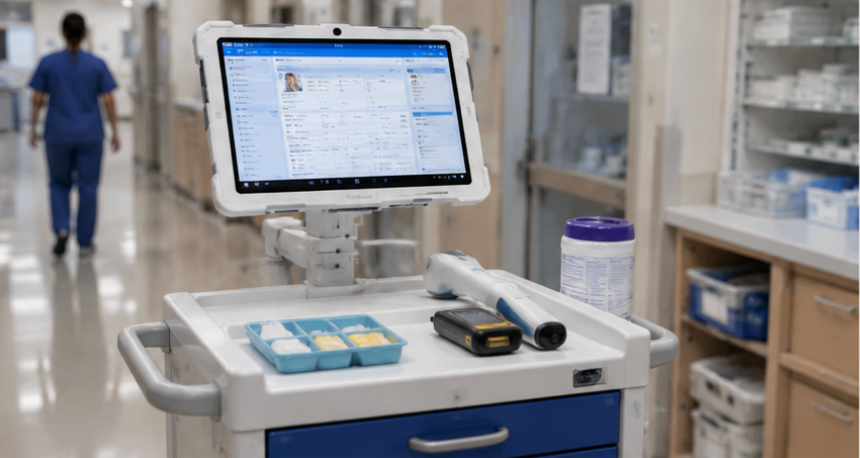
Figure 3. ST13-J rugged tablet on a mobile medical cart: VESA-mount flexibility simplifies integration into existing cart infrastructure and medication workflows.
Personal Perspective: In my years advising healthcare IT departments, the most successful transitions to ruggedized workstations occur when clinical staff are involved in the device selection process from day one. Nurses, in particular, have invaluable insights into workflow bottlenecks that engineers and administrators might miss. The ST13-U, ST13-J, and ST11-U each have their strengths, but the real win is standardizing on a single ecosystem to simplify training and maintenance. The data is clear: investing in purpose-built medical hardware is no longer a luxury—it is a requirement for delivering safe, efficient, and patient-centered care in a digitally transformed healthcare landscape.