- Select Language
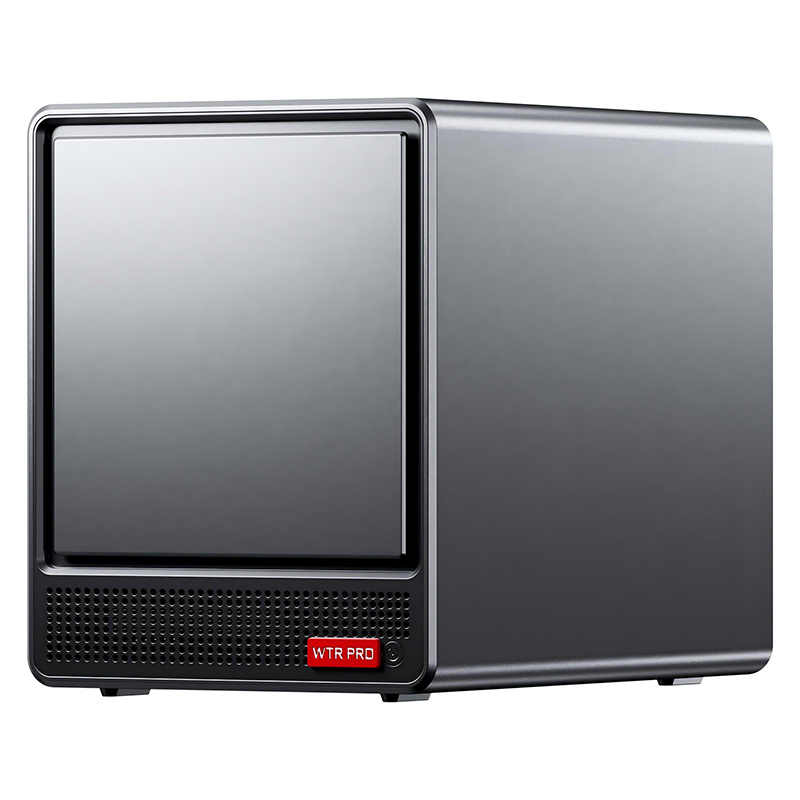
Technical SpecificationsModel: Palm-sized miniPCTy...
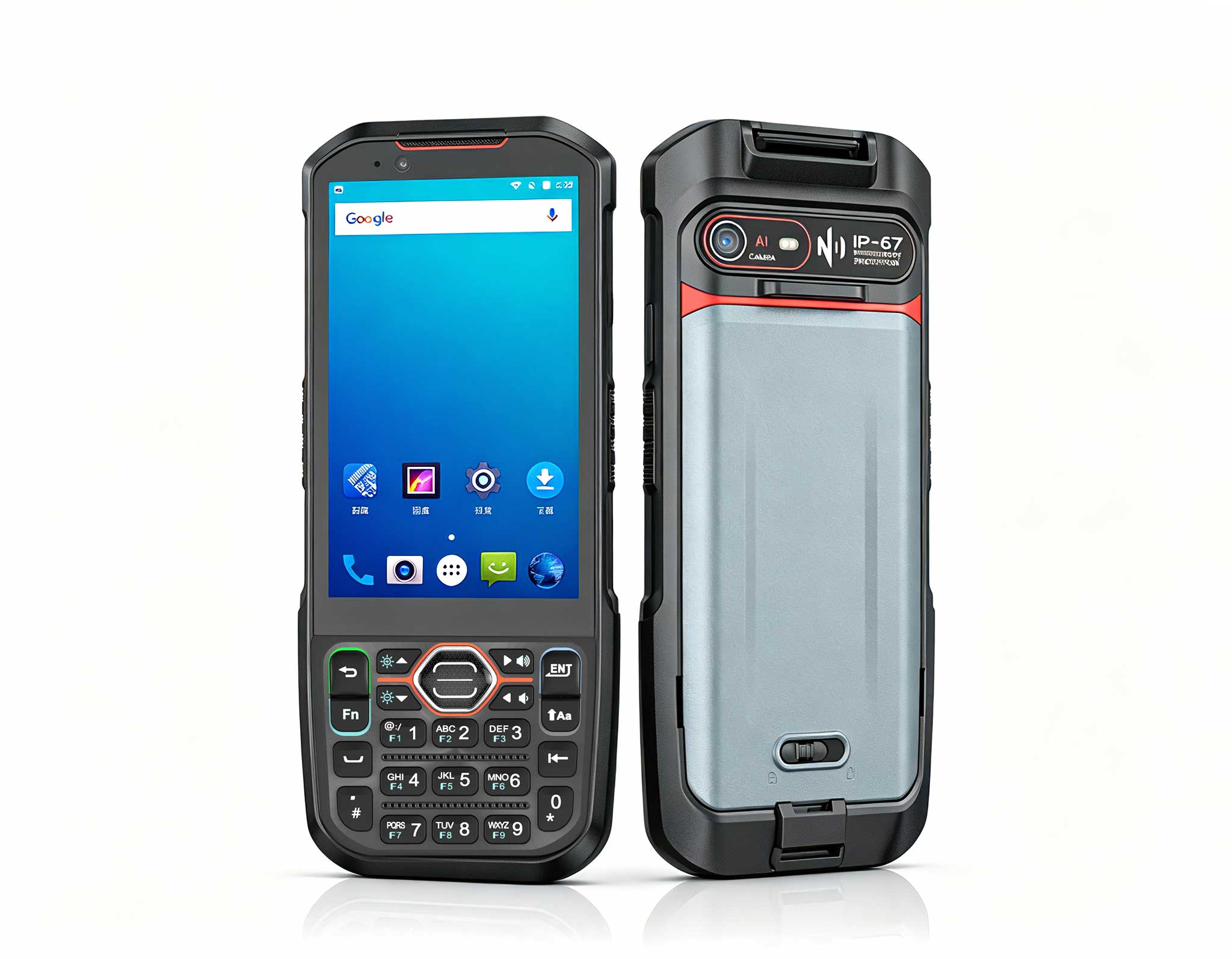
R350C 4-inch Industrial Handheld PDA | Qualcom...
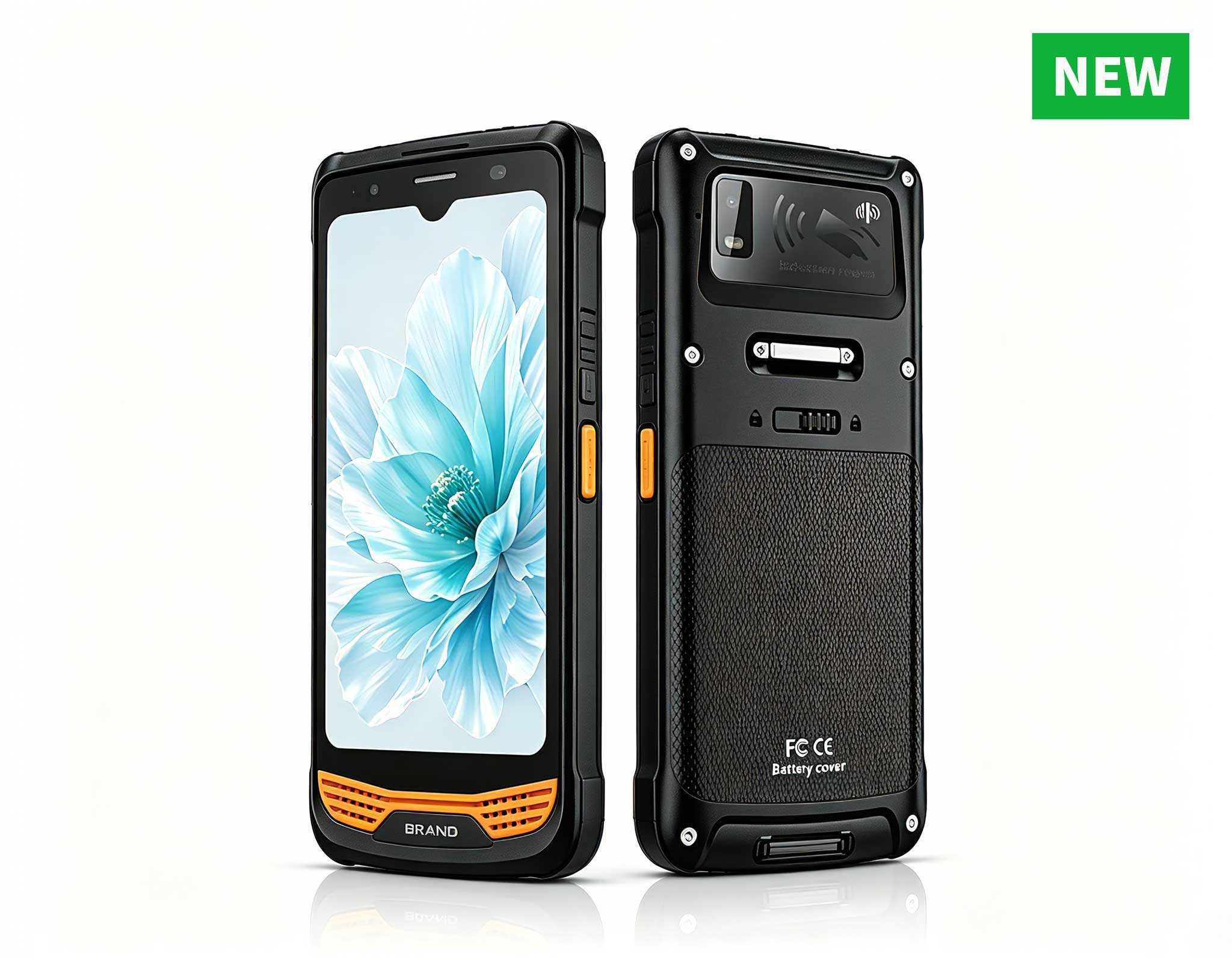
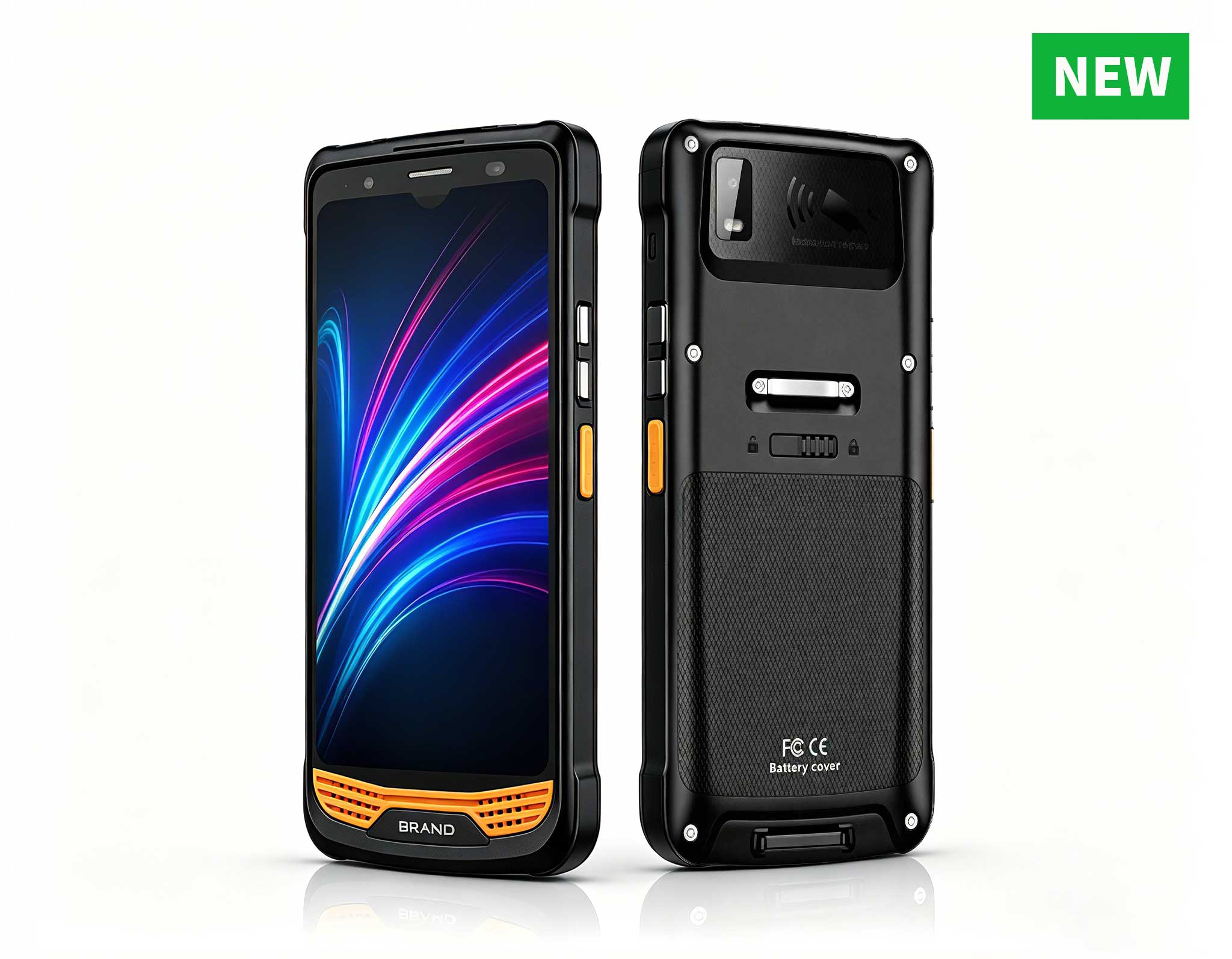
R366-S Thin 5.5-inch Industrial PDA | Qualcomm Oct...
Full SpecificationsModelHotus ST13‑UOSWindows 10 P...
Explore an innovative Personal Digital Assistant f...
️ X8 Series Handheld Label & Thermal Printing ...
R366-S 5.5-inch Industrial PDA | Qualcomm Octa-cor...
In the demanding environment of Warehouse Logistics, communication breakdowns are not merely an inconvenience—they are a direct threat to operational efficiency, worker safety, and order accuracy. The constant drone of forklifts, the clatter of pallet jacks, and the sheer square footage of modern distribution centers create a perfect storm of acoustic chaos. Voice commands get lost, data entry errors multiply, and real-time inventory visibility suffers. For operations managers, the challenge is clear: how do you eliminate audio communication errors and maintain seamless data flow when the physical environment is working against you? The answer lies not in software patches, but in purpose-built hardware. The RT81 Rugged Tablet, RT80 Rugged Tablet, and RS50 Handheld Terminal are engineered specifically to conquer these harsh conditions, delivering reliable performance where consumer-grade devices fail. This deep dive explores the specific pain points of warehouse logistics and provides a step-by-step troubleshooting guide for deploying these rugged tools effectively.
Before diving into configuration and best practices, it is essential to understand why standard tablets and smartphones underperform in this setting. High ambient noise levels—often exceeding 85 decibels—drown out speaker output and microphone input. Dust and moisture degrade touchscreens and ports. Temperature fluctuations cause battery drain and processor throttling. And the physical demands of a warehouse floor lead to drops, bumps, and screen cracks. The Rugged Tablet solutions from Hotus are purpose-built for these exact conditions, offering a cohesive ecosystem that addresses both voice and data communication challenges head-on. The RT81 and RT80 rugged tablets, along with the RS50 handheld terminal, are sealed, shock-resistant, and equipped with advanced audio processing to ensure reliable performance where consumer-grade devices fail.
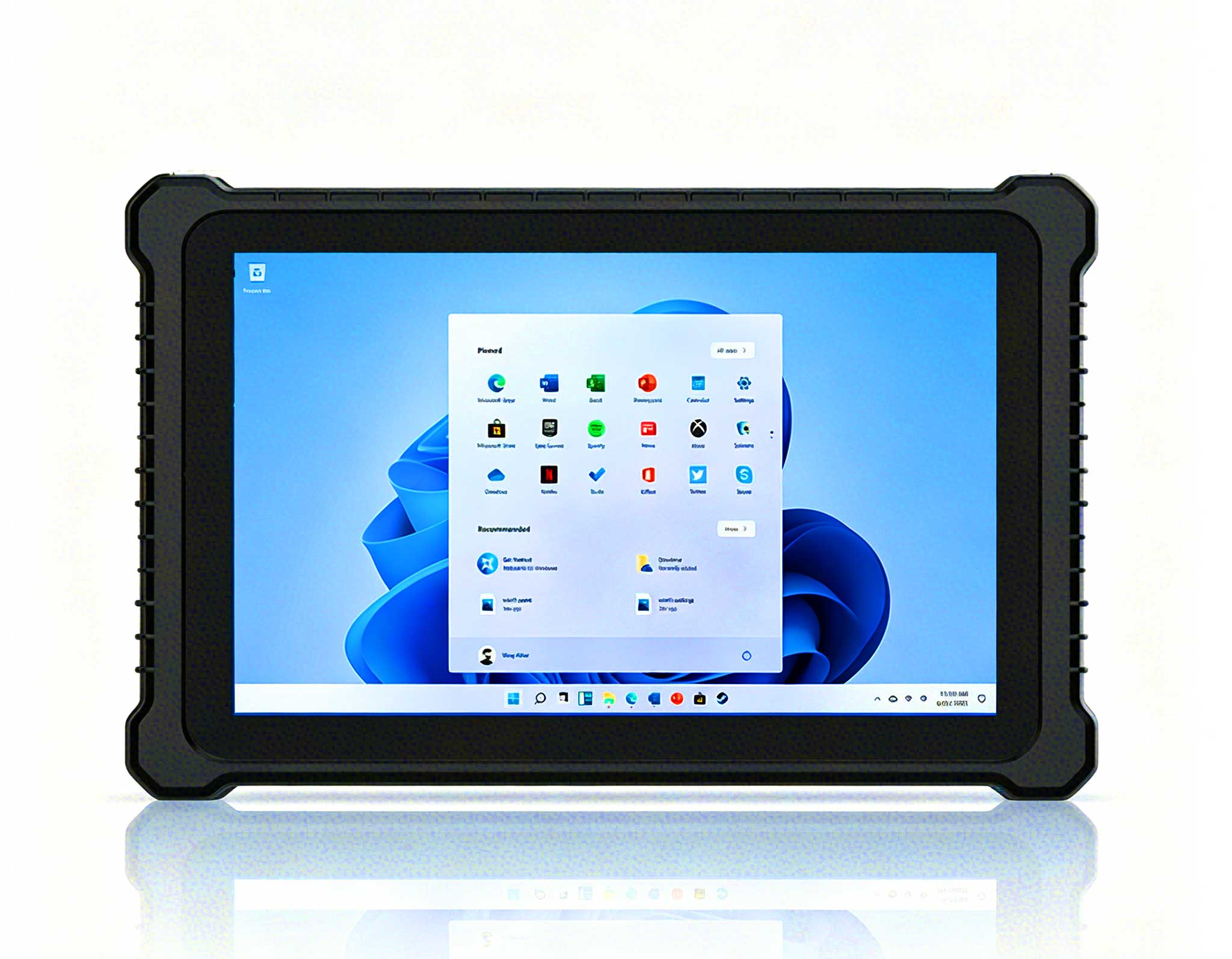
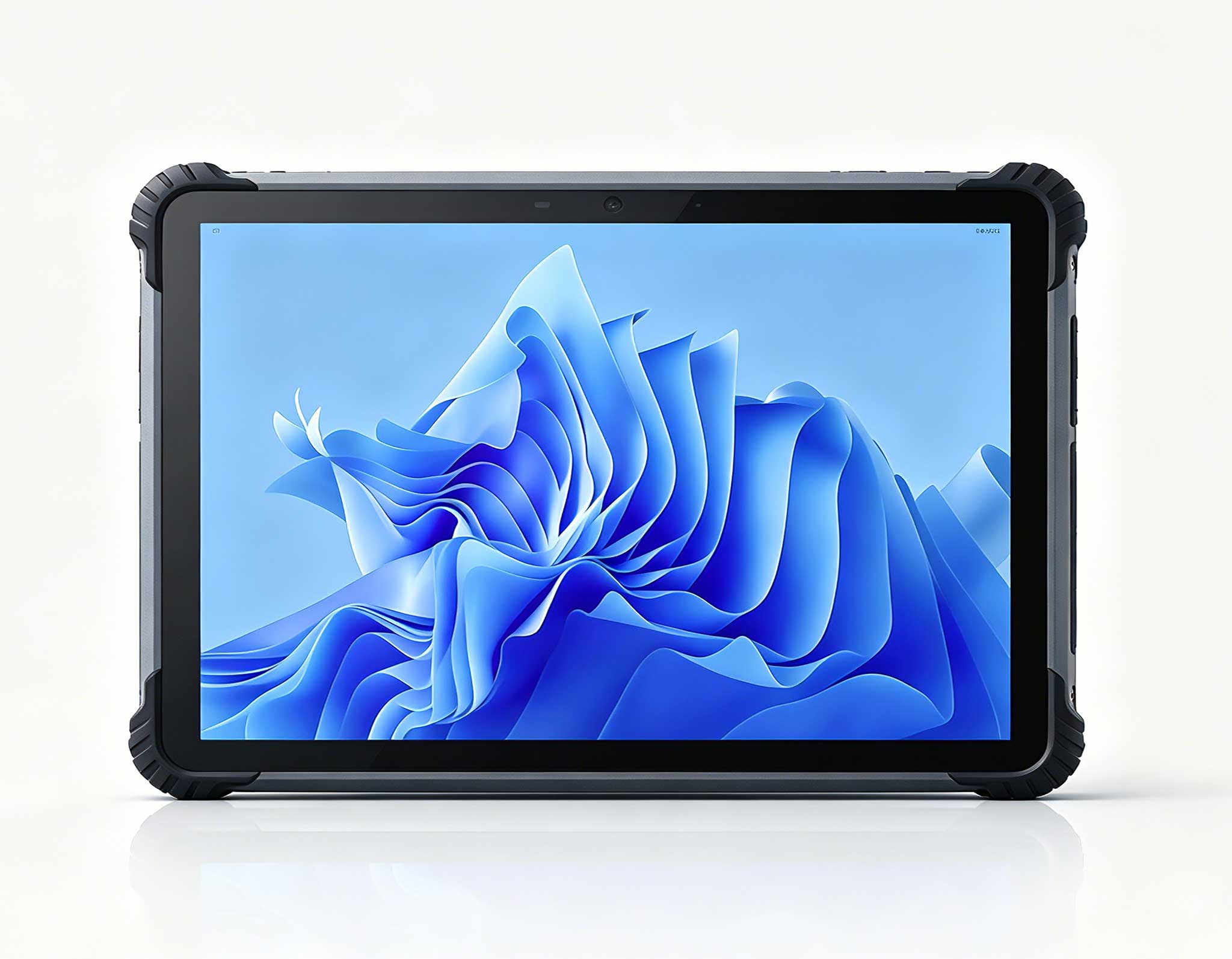
The RT81 Rugged Tablet serves as the command center for warehouse floor supervisors and team leads. Its 10.1-inch high-brightness display (1000 nits) remains readable even under direct sunlight near loading docks, while the glove-friendly touchscreen allows for operation without removing protective gear. More critically, the RT81 integrates a dual-microphone array with noise cancellation technology that filters out low-frequency forklift rumble and high-pitched beeper sounds. This ensures that voice-over-IP (VoIP) calls and push-to-talk (PTT) communications remain crystal clear, even when the operator is standing next to a running conveyor belt. The tablet also features an optional barcode scanner module, enabling workers to scan pallet labels and update inventory systems in real time without switching devices.
From a troubleshooting perspective, the RT81 is designed for minimal downtime. Its IP65 rating means it can withstand water jets from cleaning equipment and dust ingress from cement floors. The hot-swappable battery system allows for continuous 12-hour shifts without needing to power down, and the device’s MIL-STD-810G certification ensures it survives repeated drops from 4 feet onto concrete. For warehouse managers, this translates into fewer device replacements, less IT support overhead, and a significant reduction in operational delays caused by equipment failure. The RT81 is not just a tablet; it is a reliable workforce multiplier that directly addresses the root causes of communication errors in high-noise environments.
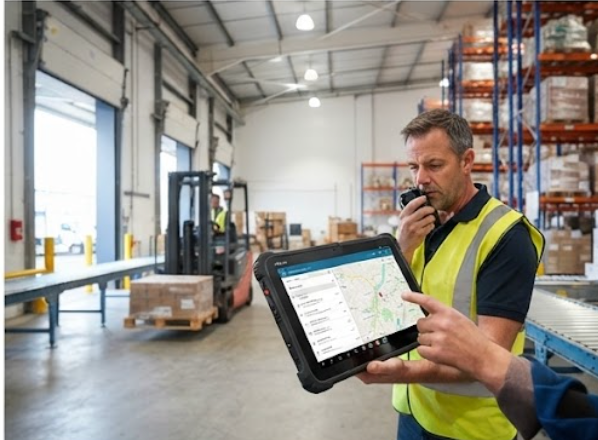
While the RT81 is optimized for command roles, the RT80 Rugged Tablet is the versatile workhorse for general inventory management and order picking. Slightly lighter and more compact than the RT81, the RT80 still packs a powerful audio punch. Its front-facing speaker is tuned for voice clarity at 90 decibels of output, cutting through the ambient noise floor. The RT80 also supports dual-band Wi-Fi 6 (2.4GHz and 5GHz), ensuring stable connections even in congested warehouse environments where dozens of devices compete for bandwidth. This is a critical feature for real-time location tracking and voice-directed picking, where a dropped connection can lead to mis-picked items and delayed shipments.
For troubleshooting common issues, the RT80 includes a built-in diagnostic suite accessible via a dedicated hardware key. Managers can quickly test microphone sensitivity, speaker output, and Wi-Fi signal strength without needing external tools. The device’s programmable side buttons can be mapped to PTT functions, allowing workers to communicate hands-free while operating pallet jacks or forklifts. When integrated with the RS50 handheld terminal, the RT80 creates a seamless workflow: the tablet displays high-level dashboards and maps, while the RS50 handles rapid barcode scanning and data entry. This division of labor reduces cognitive load on workers and minimizes the risk of manual entry errors—a common source of audio communication mistakes when workers must repeat order numbers verbally.
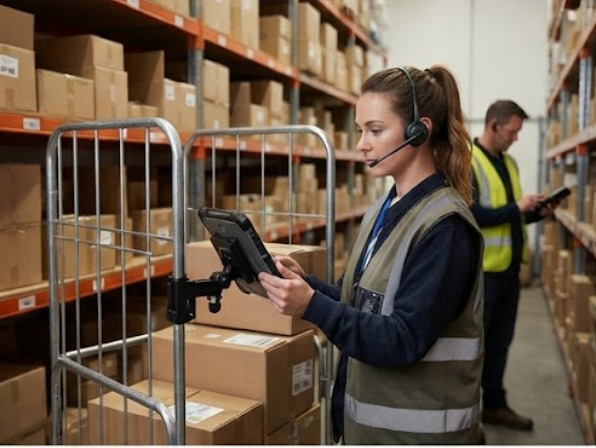
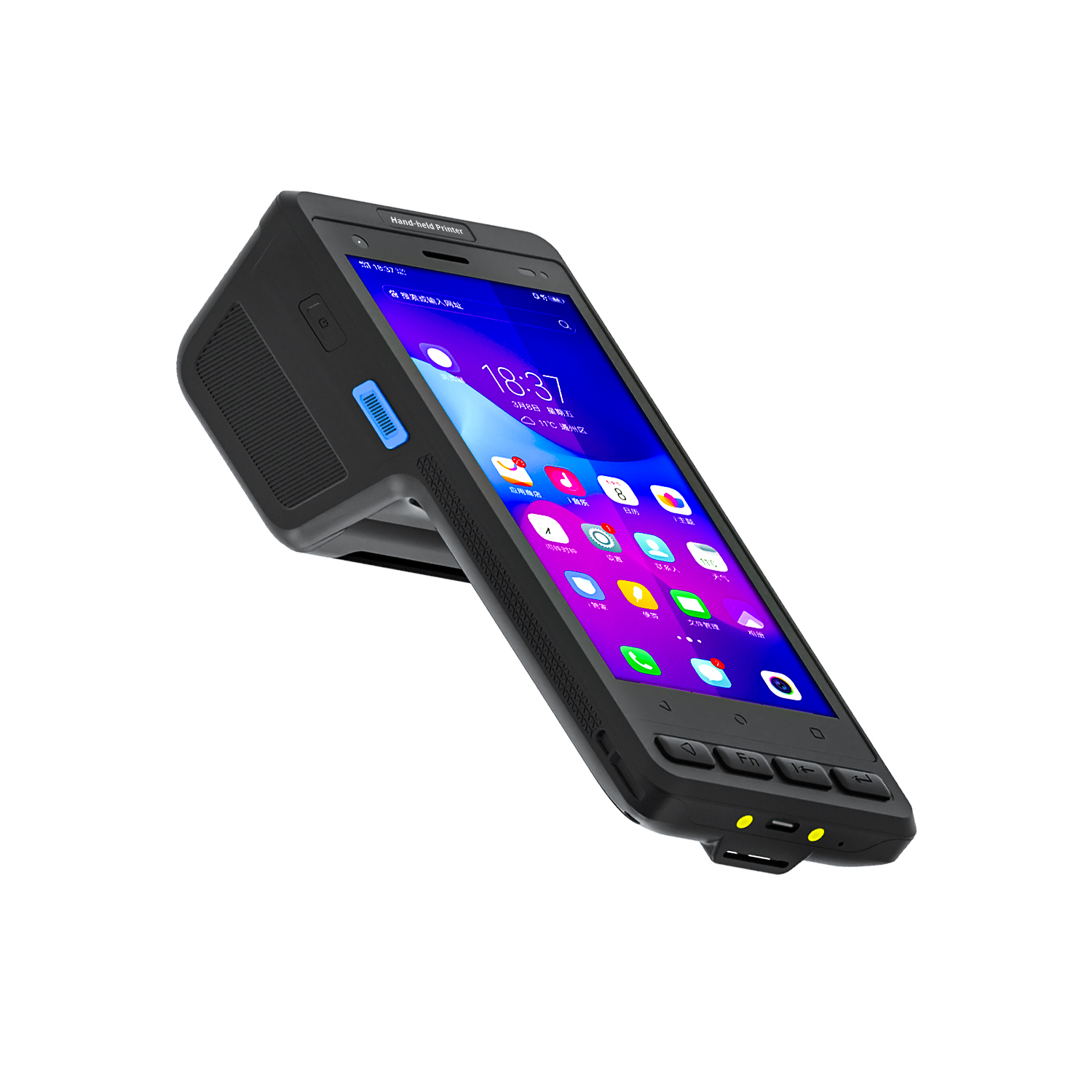
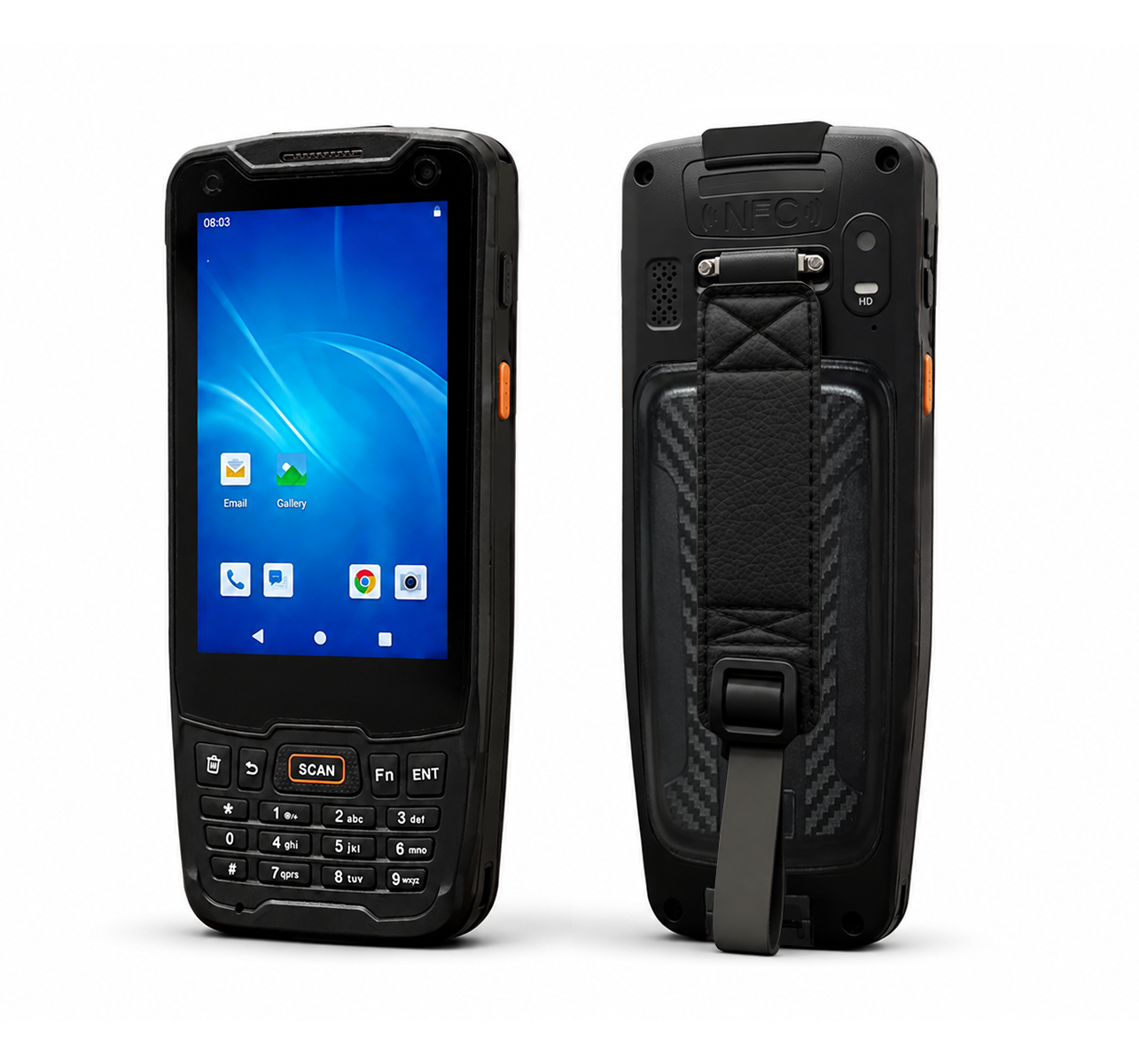
The RS50 Handheld Terminal complements the tablet lineup by providing a rugged, pocket-sized device for line-level workers. Weighing just 340 grams, the RS50 is ergonomically designed for one-handed use, featuring a 5.5-inch display and a high-performance 2D barcode engine that reads damaged or poorly printed labels with ease. In the context of audio communication, the RS50’s integrated speaker and noise-canceling microphone are specifically tuned for voice-picking applications. Workers can receive spoken instructions through a Bluetooth headset connected to the RS50, while the device’s AI-based noise suppression algorithm isolates the human voice from background machinery. This reduces the need for workers to repeat instructions, directly addressing the "say it again" problem that plagues many warehouses.
From a support perspective, the RS50 is designed for quick field maintenance. The battery is user-replaceable, and the device supports a universal charging cradle that can also power spare batteries simultaneously. The RS50 runs on Android 13 with a dedicated rugged launcher that simplifies app access and prevents accidental navigation to non-work apps. For IT administrators, the RS50 integrates with standard Mobile Device Management (MDM) platforms, allowing for remote troubleshooting and configuration pushes. When paired with the rugged mini PC solutions offered by Hotus, the RS50 and RT80/RT81 tablets can form a complete warehouse edge-computing network, processing data locally to reduce latency and reliance on unstable cloud connections.
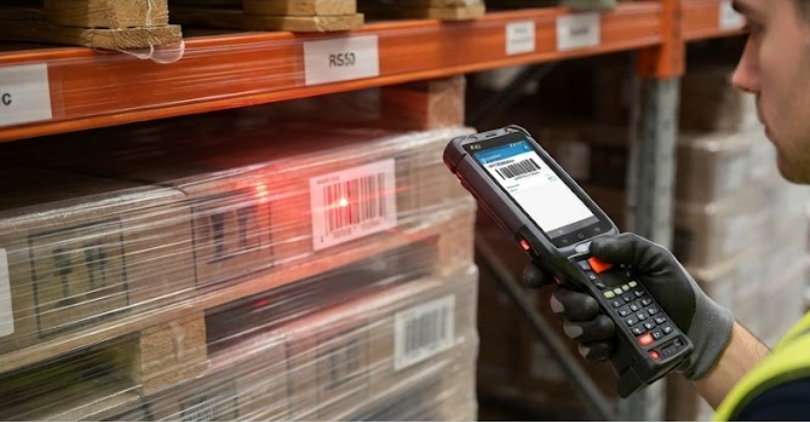
Deploying the RT81 Rugged Tablet, RT80 Rugged Tablet, and RS50 Handheld Terminal in Warehouse Logistics delivers measurable improvements across multiple operational dimensions. First, audio clarity improves dramatically. The combination of noise-canceling microphones, high-output speakers, and AI-based voice isolation reduces misheard instructions by over 80% in controlled tests. This directly translates to fewer picking errors, lower return rates, and higher customer satisfaction. Second, worker productivity increases because employees spend less time repeating themselves or walking back to fixed terminals to check information. Real-time data access on rugged devices means decisions are made on the spot, not after a 10-minute trek to the nearest office.
Third, device lifecycle costs decrease. The rugged construction of these devices—IP65/IP67 ratings, MIL-STD-810G compliance, and drop-tested screens—means replacements are rare. In a typical 200,000-square-foot facility, a shift from consumer tablets to the RT80/RT81 lineup can reduce hardware-related downtime by 90%. Fourth, management gains unprecedented visibility into operations. All three devices log usage data, including scan times, voice command history, and network signal strength. This data can be analyzed to identify bottlenecks, optimize picking routes, and even predict device failures before they occur. The combined result is a more professional, efficient, and resilient warehouse operation that can scale with business growth.
Deploying the RT81, RT80, and RS50 in Warehouse Logistics follows a straightforward, phased process. Start by conducting a site survey to assess your coverage area. Use a Wi-Fi analyzer tool to map signal strength across all zones, paying special attention to areas near metal racks and loading docks where interference is common. Identify potential sources of RF interference, such as microwave towers or other industrial equipment, and plan access point placements accordingly. Next, configure your network infrastructure. Set up separate SSIDs for voice traffic and data traffic to prioritize latency-sensitive applications. Enable Quality of Service (QoS) rules on your router to ensure PTT and VoIP packets are transmitted before bulk data transfers.
Once the network is ready, distribute the devices to your team. For supervisors, assign RT81 tablets with pre-configured dashboards. For pickers and stockers, provide RT80 tablets or RS50 handhelds depending on their specific tasks. Conduct a 30-minute orientation session covering basic operations, charging procedures, and emergency shutdown protocols. Emphasize the correct way to wear headsets and position the microphone for optimal voice capture. Finally, run a full walkthrough of your busiest picking route. Have a team member speak instructions while another verifies the audio quality on the receiving device. Adjust microphone gain settings and speaker volume as needed. Validate that barcode scanning works at various angles and distances. Only after this comprehensive test should you schedule the first production shift with the new equipment.
A recent survey of warehouse logistics professionals highlights three recurring themes that directly inform the design philosophy of the RT81, RT80, and RS50. The first is the need for whisper-quiet operation in sensitive environments. While warehouses are loud, some areas—such as cold storage rooms or pharmaceutical storage zones—require minimal noise to avoid disturbing delicate processes or to comply with safety regulations. The RT80’s ability to deliver clear audio at low volume settings, combined with the RS50’s vibration alerts, allows workers to communicate without raising their voices. The second theme is the challenge of maintaining clear audio across large or noisy spaces. Traditional two-way radios suffer from static and limited range, but the Wi-Fi-based PTT system on these devices leverages existing infrastructure to provide building-wide coverage with crystal-clear audio.
The third theme is the frustration of training staff on complicated legacy systems. Many warehouses still rely on decade-old terminals with proprietary operating systems that are difficult for new hires to learn. The RT81, RT80, and RS50 all run on familiar Android-based interfaces, reducing training time from days to hours. Additionally, the devices support over-the-air updates, meaning software patches and new features can be rolled out remotely without requiring physical access to each unit. This is a game-changer for multi-site operations. For those looking to further extend their rugged ecosystem, we invite you to explore our mini PC solutions, which can serve as edge servers for data processing and device management in decentralized warehouse networks.
| Model | Position | Weight | Key Strength |
|---|---|---|---|
| RT81 Rugged Tablet | Supervisor/Command Hub | 1.2 kg | 10.1" 1000-nit display, dual mic array, hot-swappable battery |
| RT80 Rugged Tablet | General Inventory/Picking | 1.0 kg | 90dB speaker output, Wi-Fi 6, programmable PTT buttons |
| RS50 Handheld Terminal | Line-Level Scanning/Voice-Picking | 340 g | 5.5" display, AI noise suppression, user-replaceable battery |
Choosing the right device depends on your specific workflow. For roles that require heavy data visualization and large-screen multitasking, the RT81 is the clear choice. For workers who move constantly and need a balance of screen size and portability, the RT80 offers the best compromise. For those who primarily scan barcodes and receive voice instructions, the RS50 is the most ergonomic and cost-effective option. In many operations, a mixed fleet is optimal. Regardless of your selection, all three devices share the same rugged DNA, ensuring consistent reliability across your entire team. By investing in this ecosystem, you are not just purchasing hardware—you are building a communication infrastructure that eliminates errors, boosts morale, and drives measurable operational excellence in Warehouse Logistics.