- Select Language
R860-S 5.5-inch Industrial PDA with Thermal Printe...
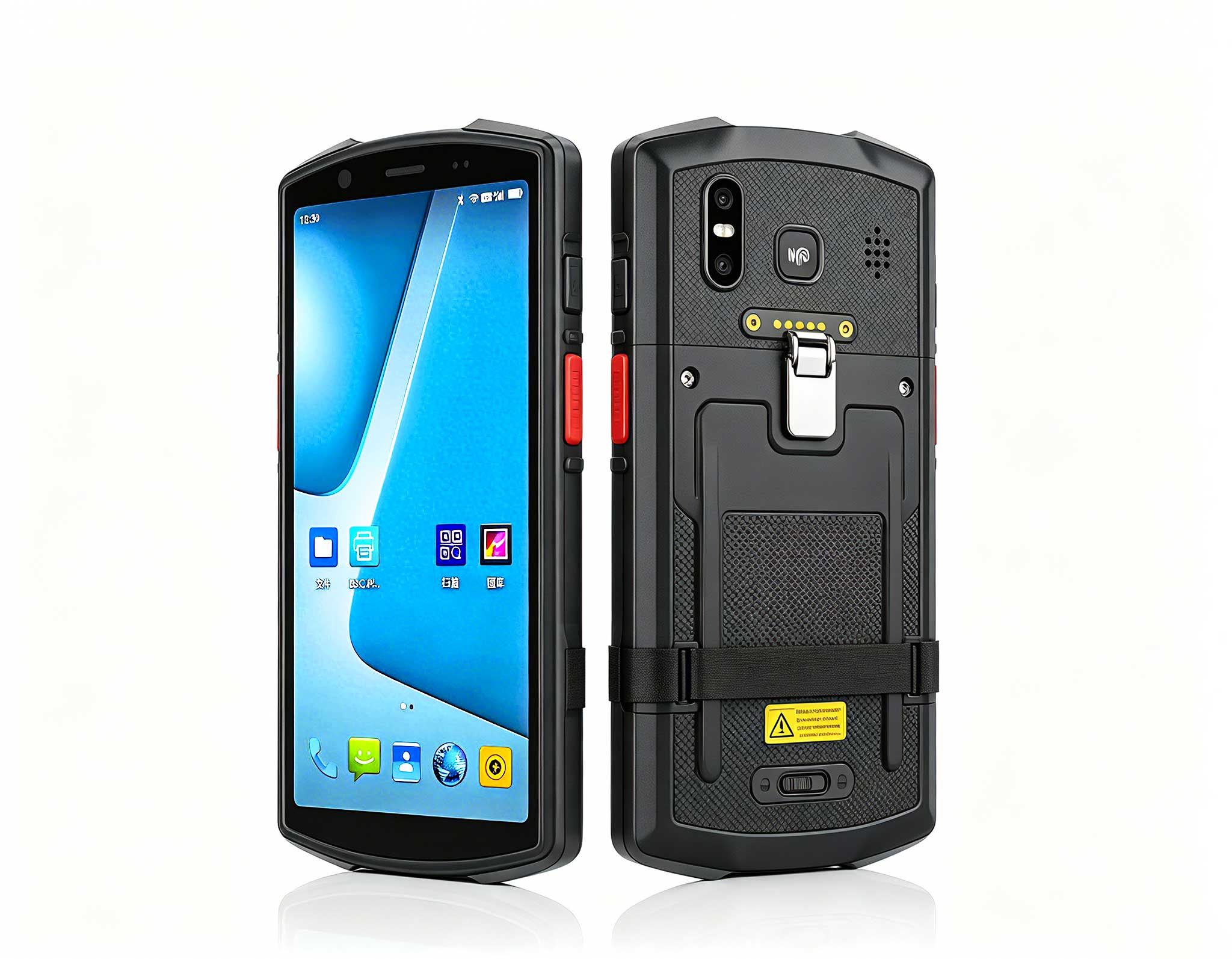
RS50 5G Rugged Handheld Terminal | 6.3" FHD+ ...
P11 Series Next-Gen Enterprise Rugged Industrial ...
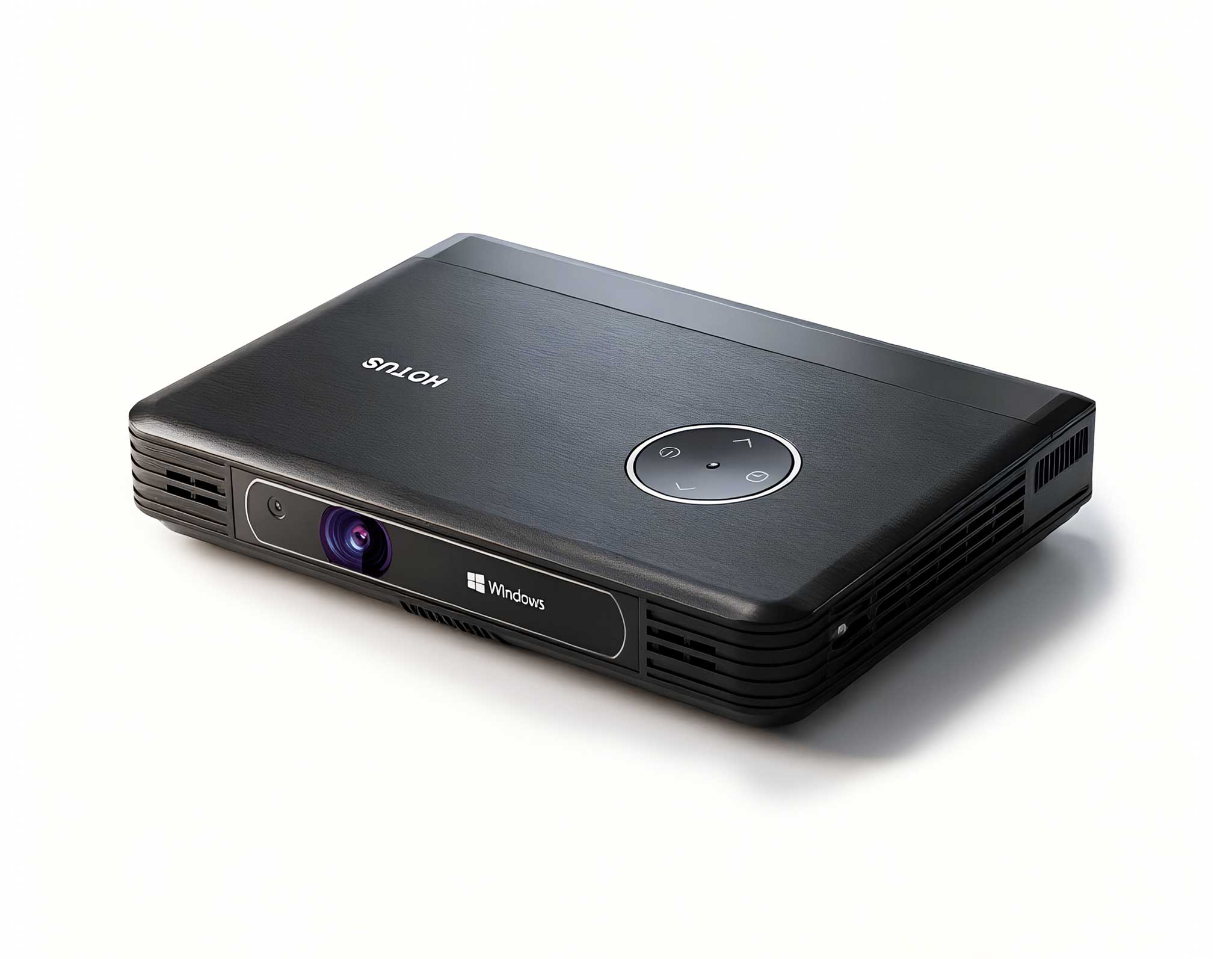
The AMD Mini PC Windows 10 Pro is a compact yet po...
R530C 6.0-inch Industrial PDA | Qualcomm Octa-core...
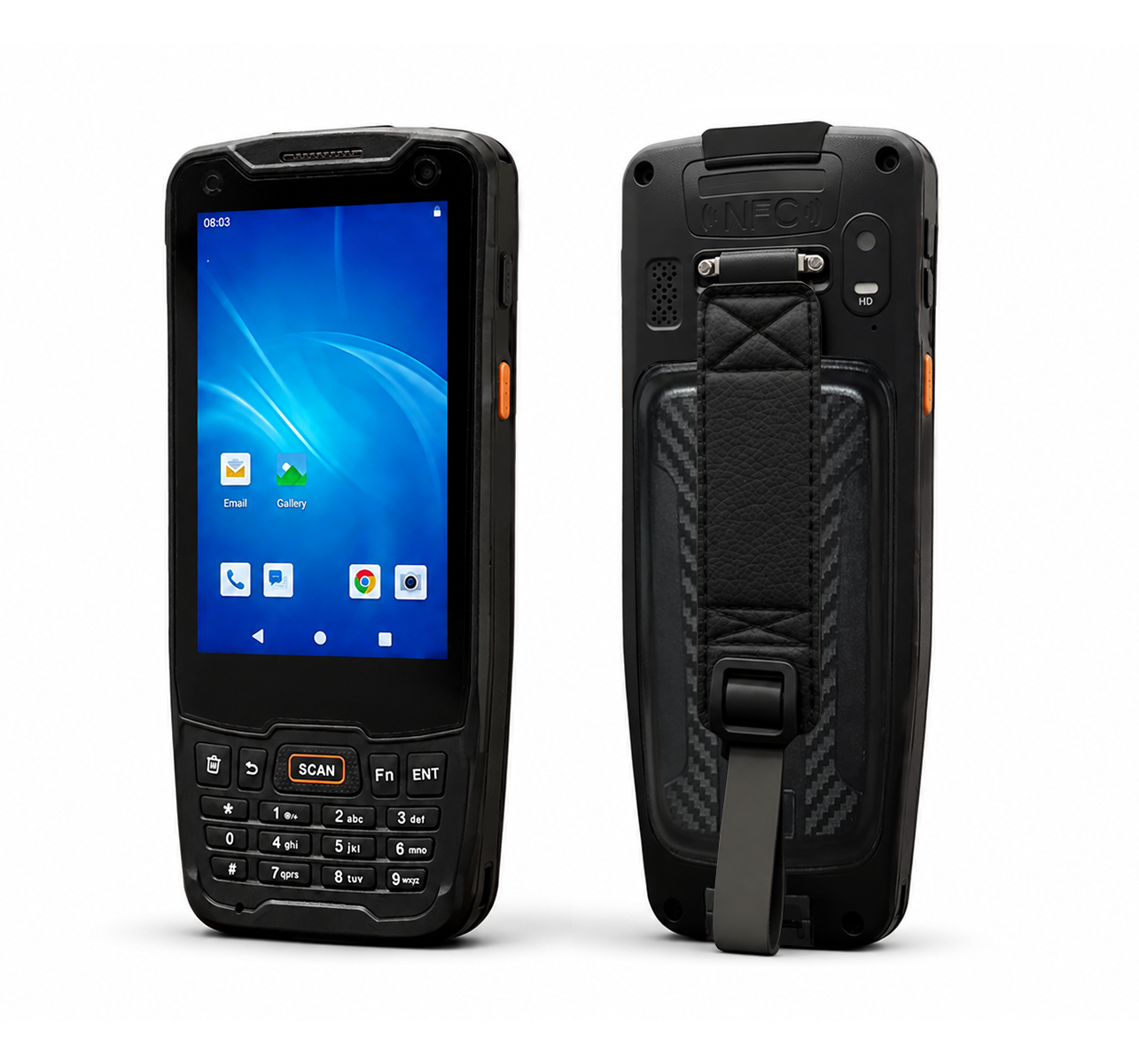
R350C 4-inch Industrial Handheld PDA | Qualcom...
The N60 PDA is a cutting-edge device for inventory...
The EGPU Graphics Card Expansion Dock is a high-pe...
From my years helping retailers roll out point-of-sale systems, I have learned one lesson that never changes: compliance is not a checkbox you tick at the end, it is the frame the whole deployment is built on. A modern store runs payments, loyalty data, and inventory across devices that sit in front of customers and behind the counter at the same time. Payment card rules, data privacy law, and even food-safety hygiene all push different requirements onto the same hardware. When a retailer asks me to design a POS stack, I start from the standards and work backward to the devices. If you are planning a refresh, it helps to look at dedicated retail pos solutions before locking in any single model.
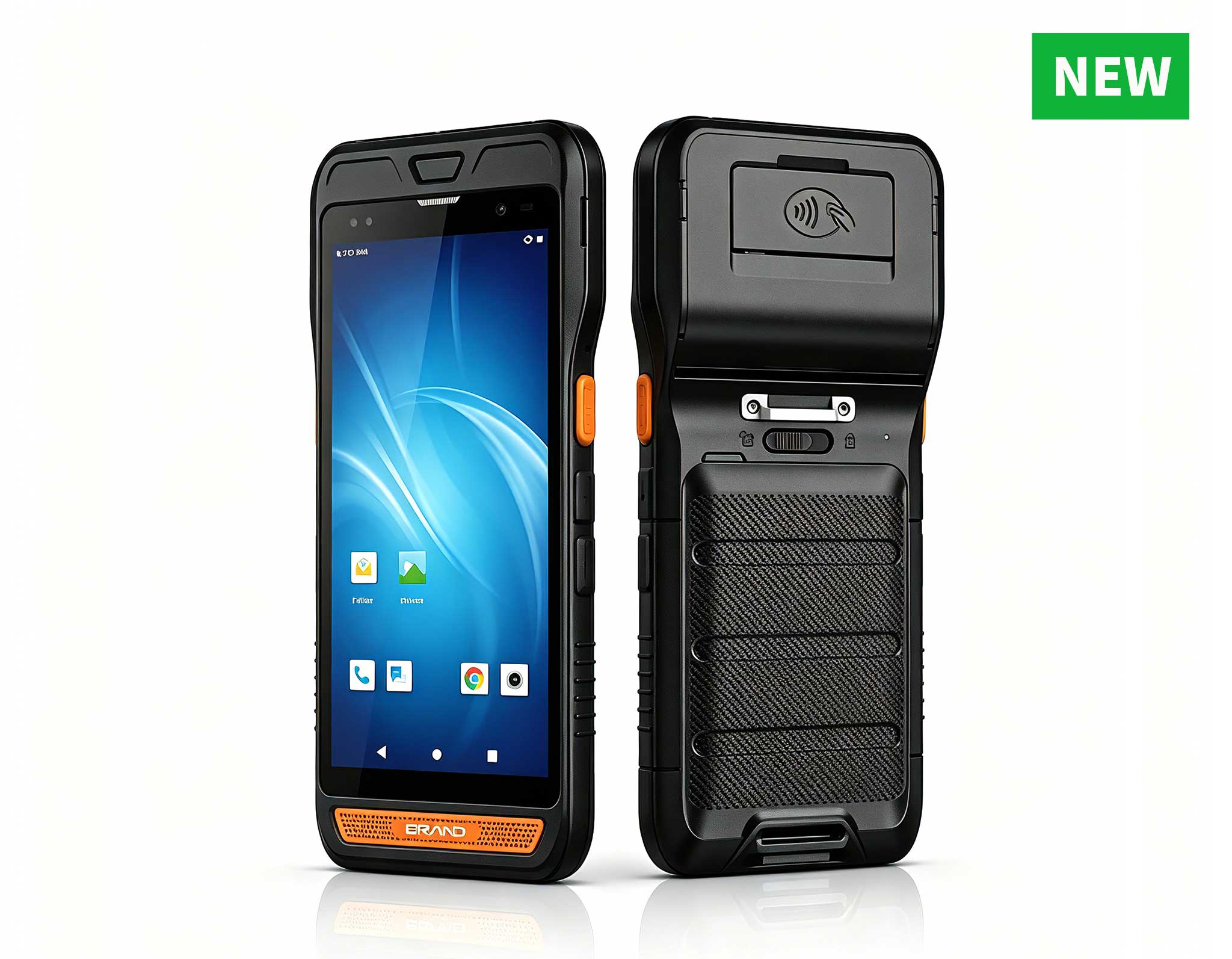
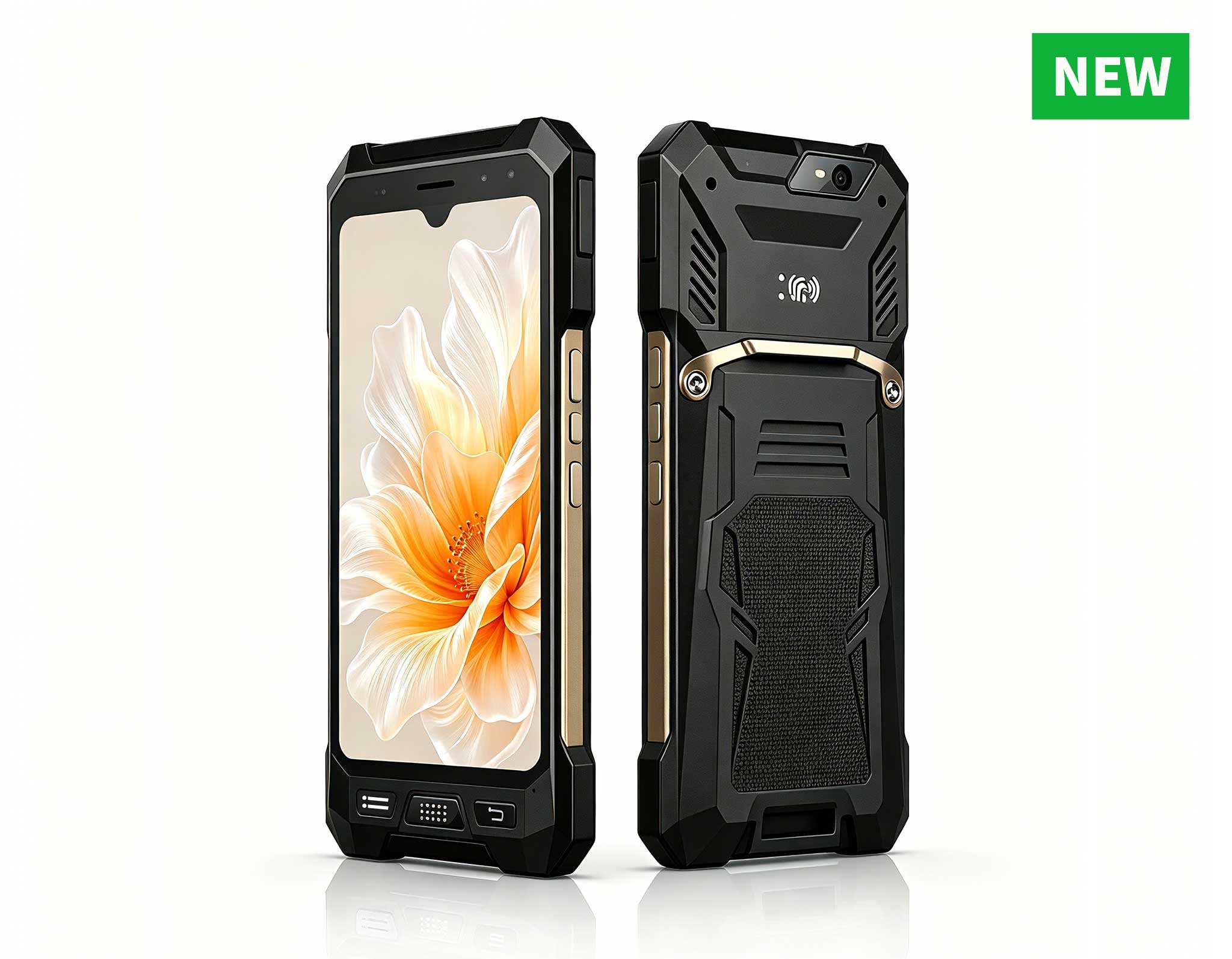
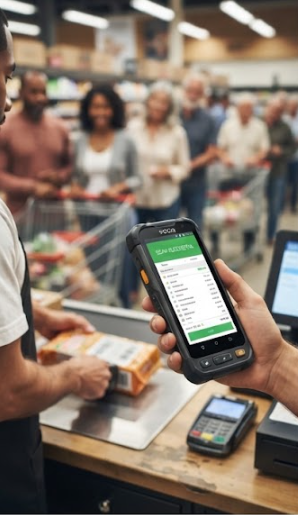
The X501 Handheld PDA is the device I reach for when a checkout needs to move. It runs an octa-core ARM processor on Android 10 or 13, with 4GB RAM and 64GB storage in the common configuration, and it weighs under 500 grams so a cashier can carry it through a queue for an entire shift. The part that matters for compliance is the build: an IP66-rated shell shrugs off dust and the occasional spill, which keeps a food-retail or pharmacy counter within hygiene expectations without a separate rugged case. Integrated 1D or 2D barcode scanning plus 13.5MHz RFID capture means customer tags, shelf labels, and payment tokens are read in one pass, reducing the manual keying that drives data-entry errors. For line-busting during peak hours, a clerk scans the basket at the shelf and prints or emails the receipt on the spot, so the fixed terminal stays free for card-present transactions that need stricter handling.
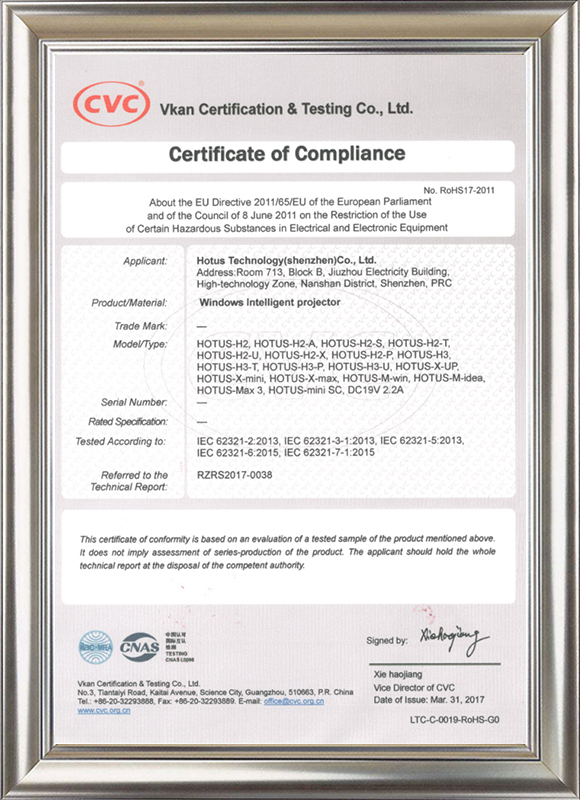
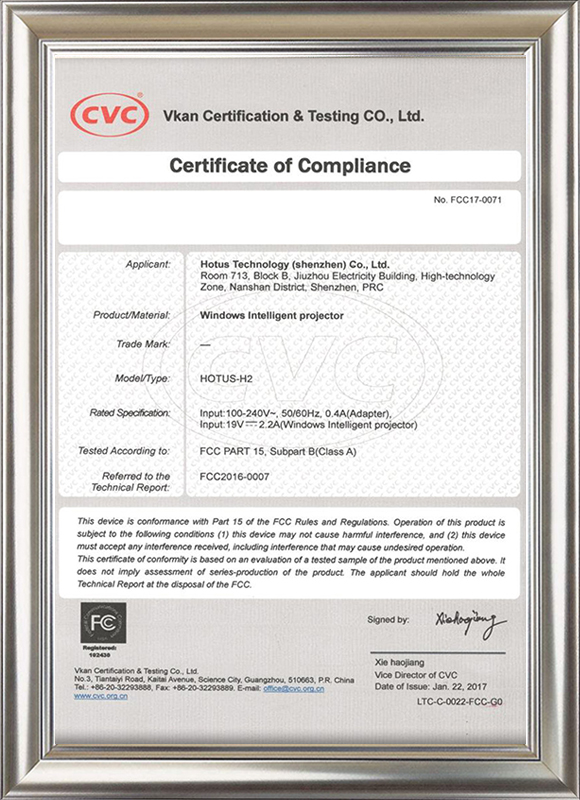
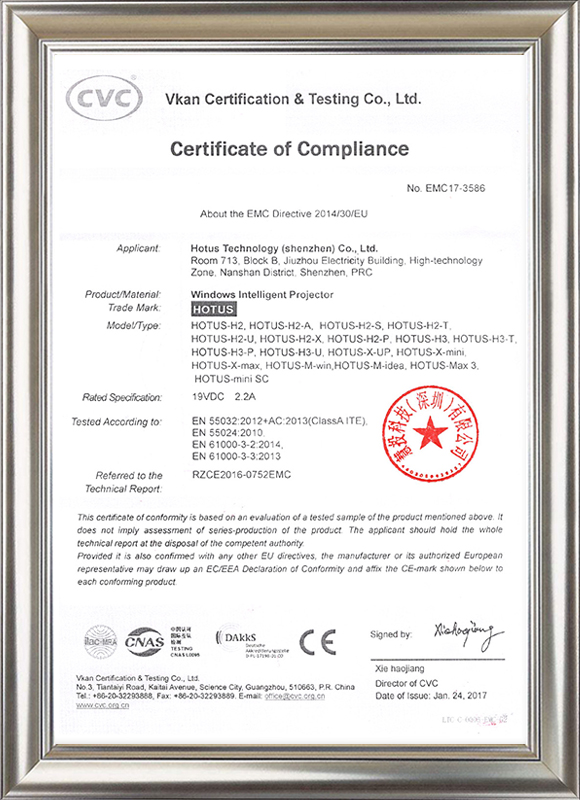
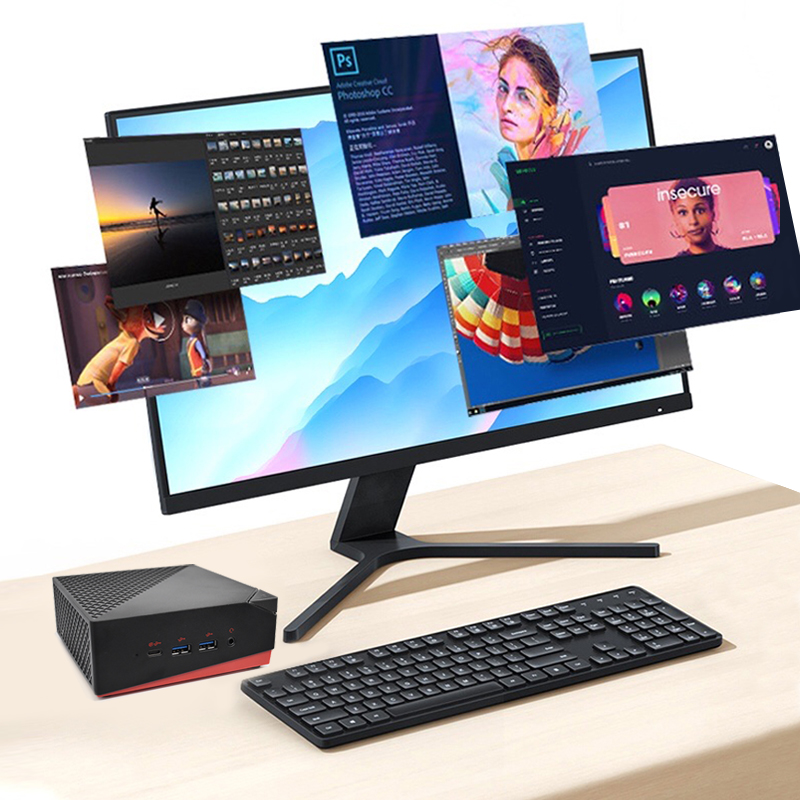
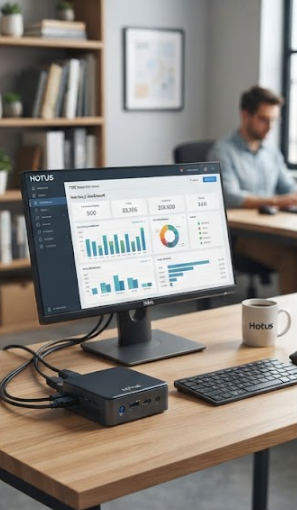
Behind the counter, the Palm-sized miniPC does the heavy lifting that a handheld was never meant to do. It packs Intel 12th Gen Core silicon, scalable from an i3-1215U up to an i9-12900HK, with dual-channel memory up to 64GB and a storage layout that is unusual for the size: two M.2 NVMe slots plus two 2.5-inch SATA bays, reaching roughly 12TB in total. That capacity lets a single unit host the POS database, the back-office suite, and a local cache for offline resilience, which is exactly what auditors want to see when a network link drops mid-transaction. Triple 8K display output drives a manager dashboard, a surveillance preview, and a signage screen from one silent, 800-gram chassis. With CE, FCC, and RoHS markings, it slots into a procurement list without raising flags during vendor review.
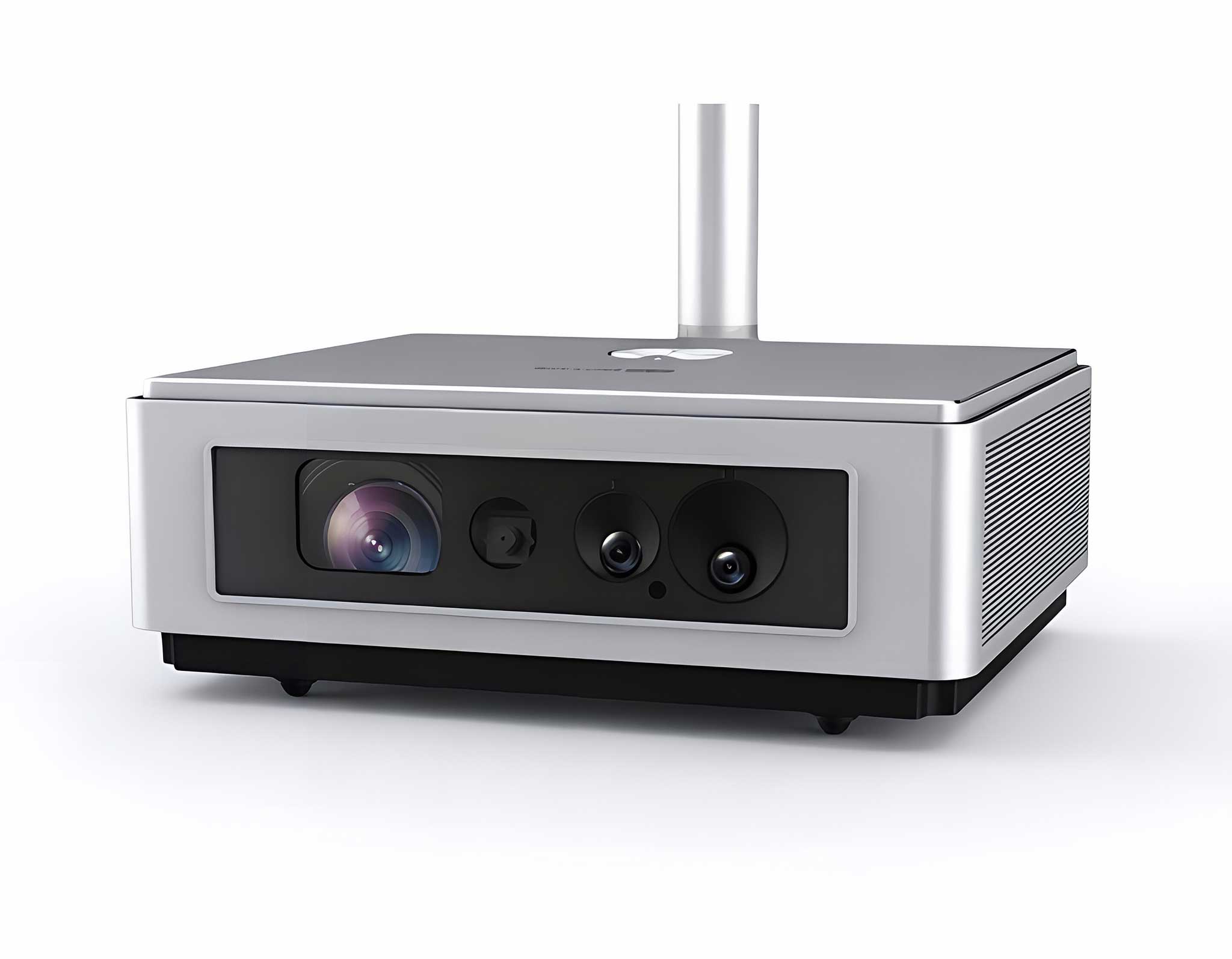
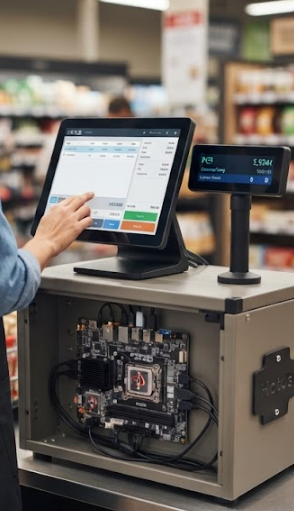
When the store needs a true terminal host rather than a pocket device, the HCAR5000 MI earns its place. It is built on the AMD Ryzen 5000H series, with the 5900HX, 5800H, or 5600H as options, paired with Radeon graphics and up to 64GB of DDR4 memory. A DisplayPort 2.0b output alongside multiple USB ports makes it easy to drive a customer-facing display and a clerk display at once, while a 202 by 212 by 65 millimeter body tucks under a counter or into a kiosk enclosure. For retailers running analytics, loyalty engines, or video wall controllers, the multi-core Ryzen throughput keeps the POS front end responsive even when a nightly report is crunching in the background. It runs Windows 10 or 11 and Linux soft-router builds, so the compliance team can pick the OS image that matches their patch and logging policy.
The three units solve different parts of the same compliant store, so the choice is rarely one-or-the-other. The table below maps each device to the role it fits best.
| Device | Core Platform | Memory | Compliance Edge | Best Retail Role |
|---|---|---|---|---|
| X501 Handheld PDA | Octa-core ARM, Android 10 or 13 | 4GB plus 64GB | IP66 sealing, integrated scan and RFID | Mobile checkout and line-busting |
| Palm-sized miniPC | Intel 12th Gen Core, up to i9 | Up to 64GB DDR5 | CE, FCC, RoHS; 12TB local cache | Back-office server and signage |
| HCAR5000 MI | AMD Ryzen 5000H series | Up to 64GB DDR4 | Dual-display DP 2.0b, flexible OS | POS terminal host and analytics |
My rule of thumb is to map each standard to a device feature, not to a brand. Payment card data should never rest on a handheld longer than the transaction needs, so the X501 is a reader and forwarder, while the Palm-sized miniPC holds the encrypted store of record with its large local cache and certified build. In a grocery or pharmacy setting, the IP66 rating on the handheld addresses the hygiene and spill rules that a bare tablet would fail. For audit and privacy, pick the OS image and logging stack first, then confirm the hardware supports it, which is why the flexible Windows and Linux options on the HCAR5000 MI matter. If you want to standardize across sites, the full mini PC lineup gives you one procurement path for the counter and the back office alike.
Compliance is easier when the hardware is chosen with the rules in mind from day one. Whether you need a spill-resistant scanner for a busy queue, a silent server for the back office, or a Ryzen terminal host for analytics, the three devices above cover the typical retail stack without forcing a vendor lock-in. Reach out and we can map a configuration to your payment, privacy, and hygiene obligations, then ship evaluation units so your team can validate the workflow before a store-wide rollout. To see how other stores have deployed the same approach, explore our mini PC solutions and start a conversation with our specialists today.