




I have watched too many warehouse operators buy a pallet of rugged scanners, celebrate the discount, and then eat the cost back through training time, device swaps, and a help desk ticket for every dropped unit. The purchase price is the easy number. The real return shows up in the hours saved at the dock, the mispicks avoided on the floor, and the devices that survive a winter in an unheated depot. When the brief is "improve the warehouse," the question is never which PDA is cheapest — it is which combination of devices turns the rollout into a number the finance team will sign off on. That is the lens I use before recommending any dedicated warehouse logistics solution, because the hardware only pays back if it fits the actual workflow.
Where the Hidden Costs Actually Show Up
Most warehouses underestimate three line items. First, the labor cost of a device that is too heavy: a 650g unit carried eight hours a day becomes a wrist complaint and a slow picker. Second, the opportunity cost of a device that only does one job: a separate RFID gun plus a barcode scanner plus a phone means three batteries, three chargers, and three failure points. Third, the rework cost of a location that is off by a meter, sending a forklift to the wrong bay. A rollout that ignores these quietly burns the savings the discount created. The fix is to pick devices that are light, converged, and accurate enough to trust, then let the spec sheet tell the story.
R366-S Keeps the Aisle Worker Light
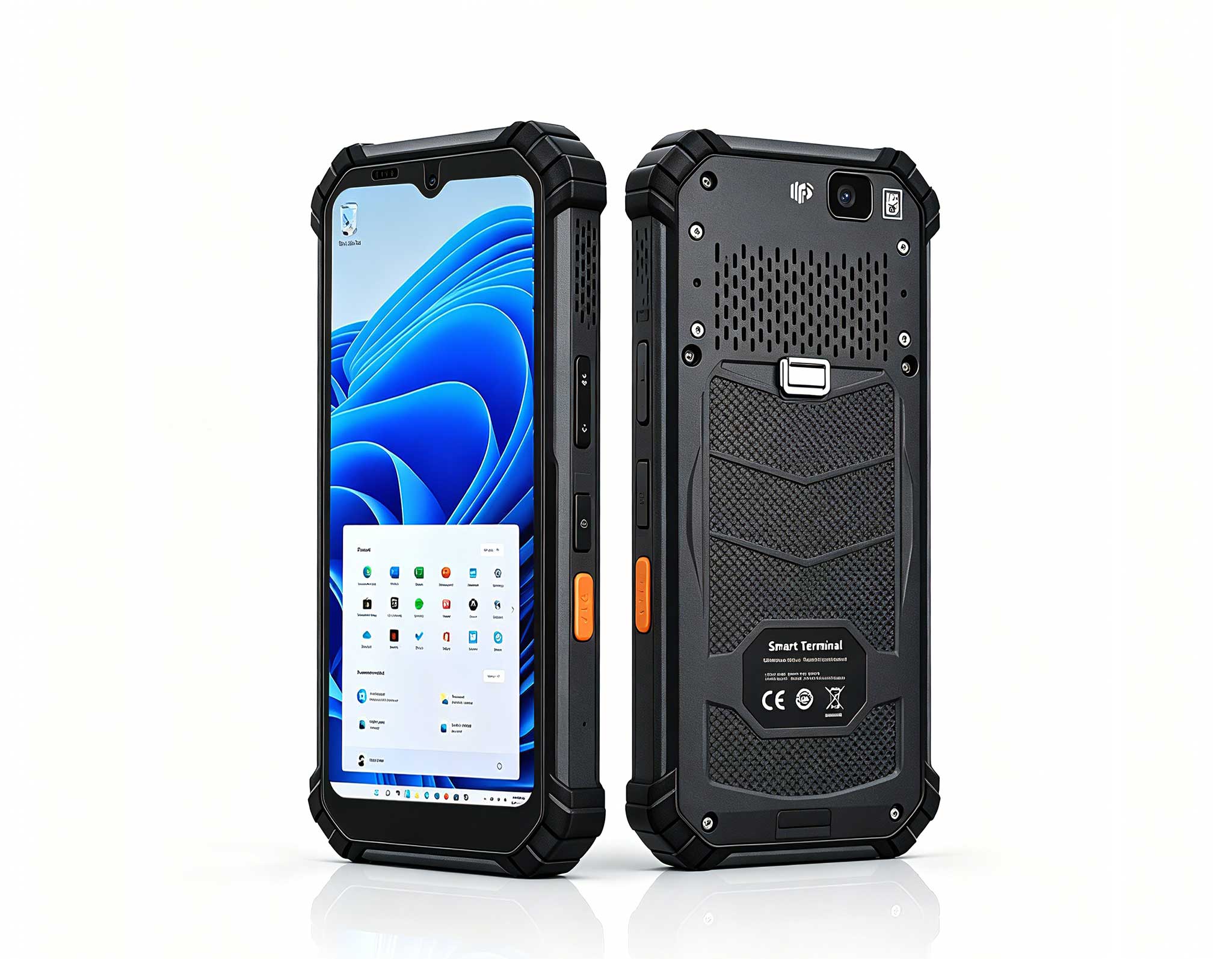
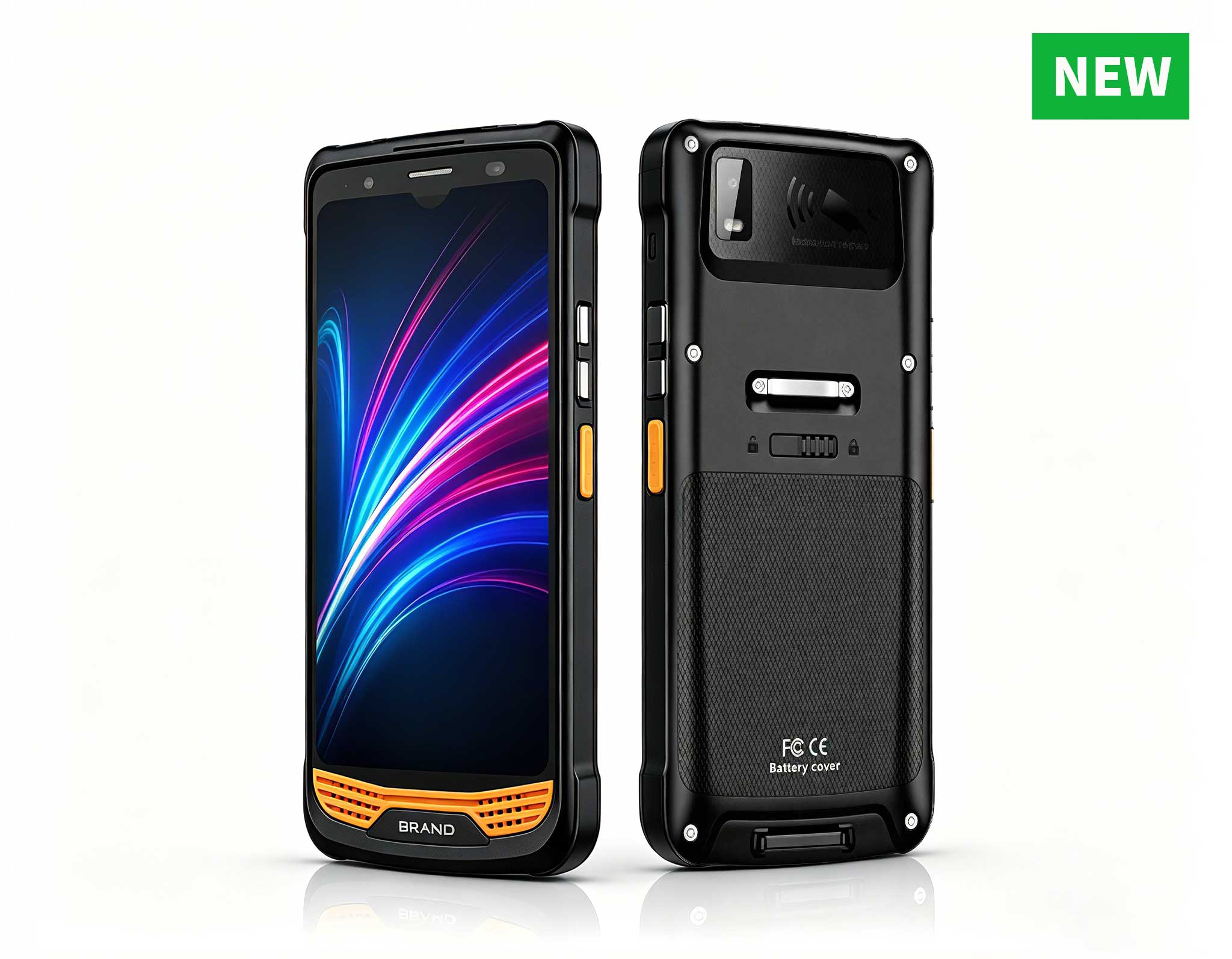
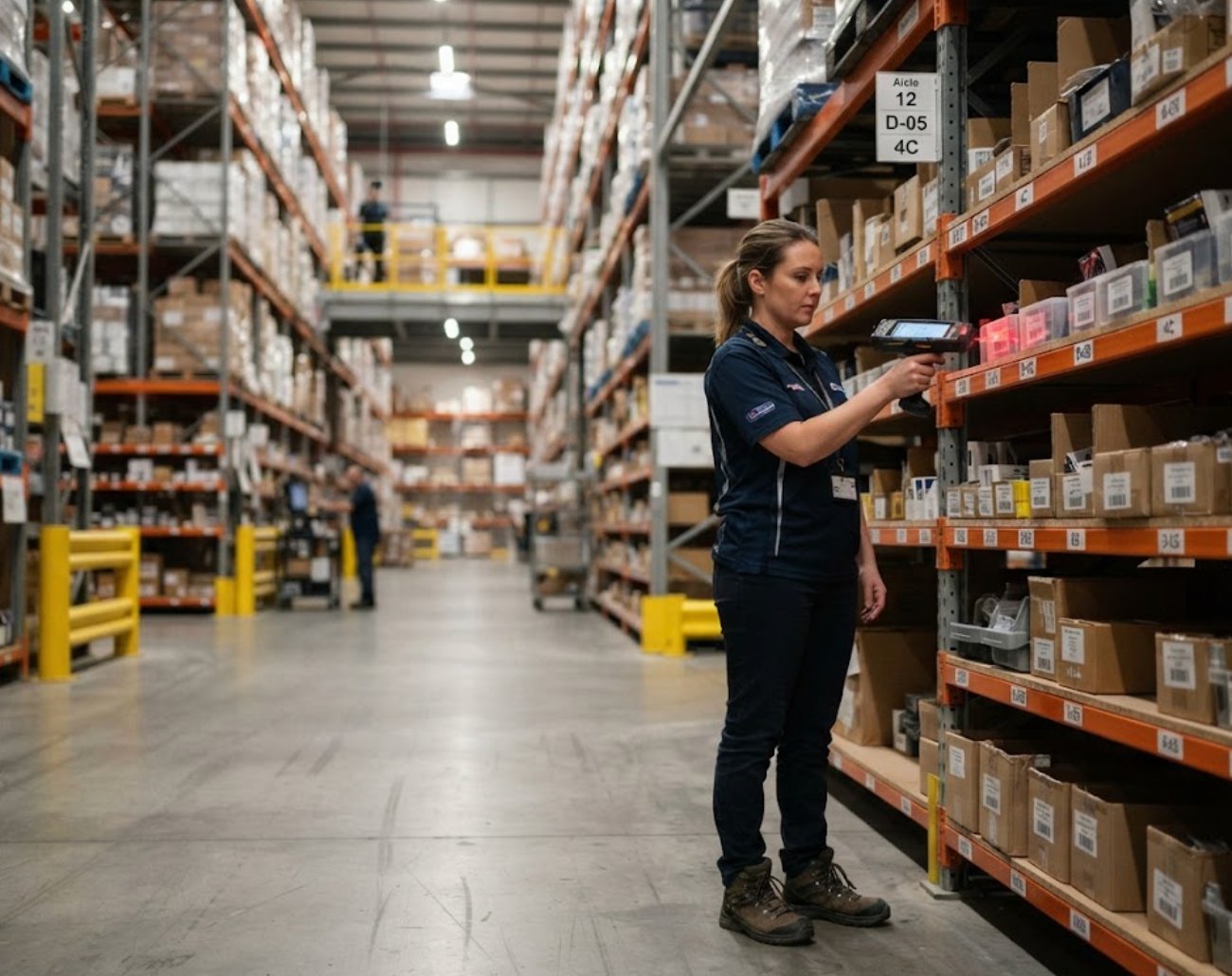
The R366-S PDA is the unit I put in the hands of someone who walks ten miles a shift. It runs a Qualcomm octa-core processor at 2.4GHz on Android 13, carries 4GB of RAM and 64GB of storage, and presents a 5.5-inch IPS HD+ panel at 720×1440. The body stays under 300 grams and 11.6 millimeters thick, with a 4600mAh detachable battery that hot-swaps so a dying unit never ends a pick run. Optional 2D barcode, NFC, and PSAM modules let a site add only what it needs. For a picker who lives in the aisle, the weight alone justifies the swap: teams that moved from a 650g handheld to the 300g R366-S reported less fatigue and fewer mid-shift slowdowns.
D802 Collapses RFID and Barcode Into One Device
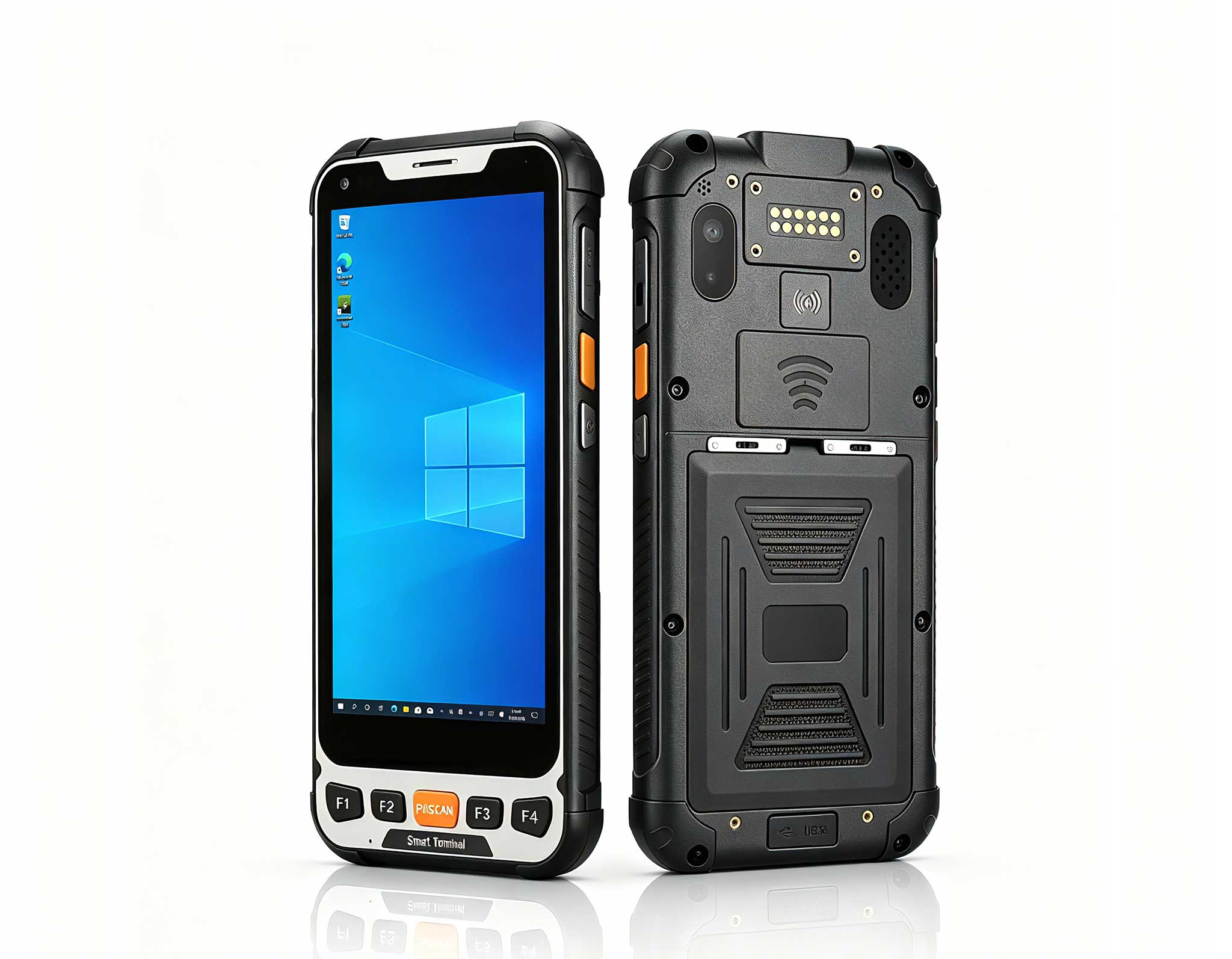
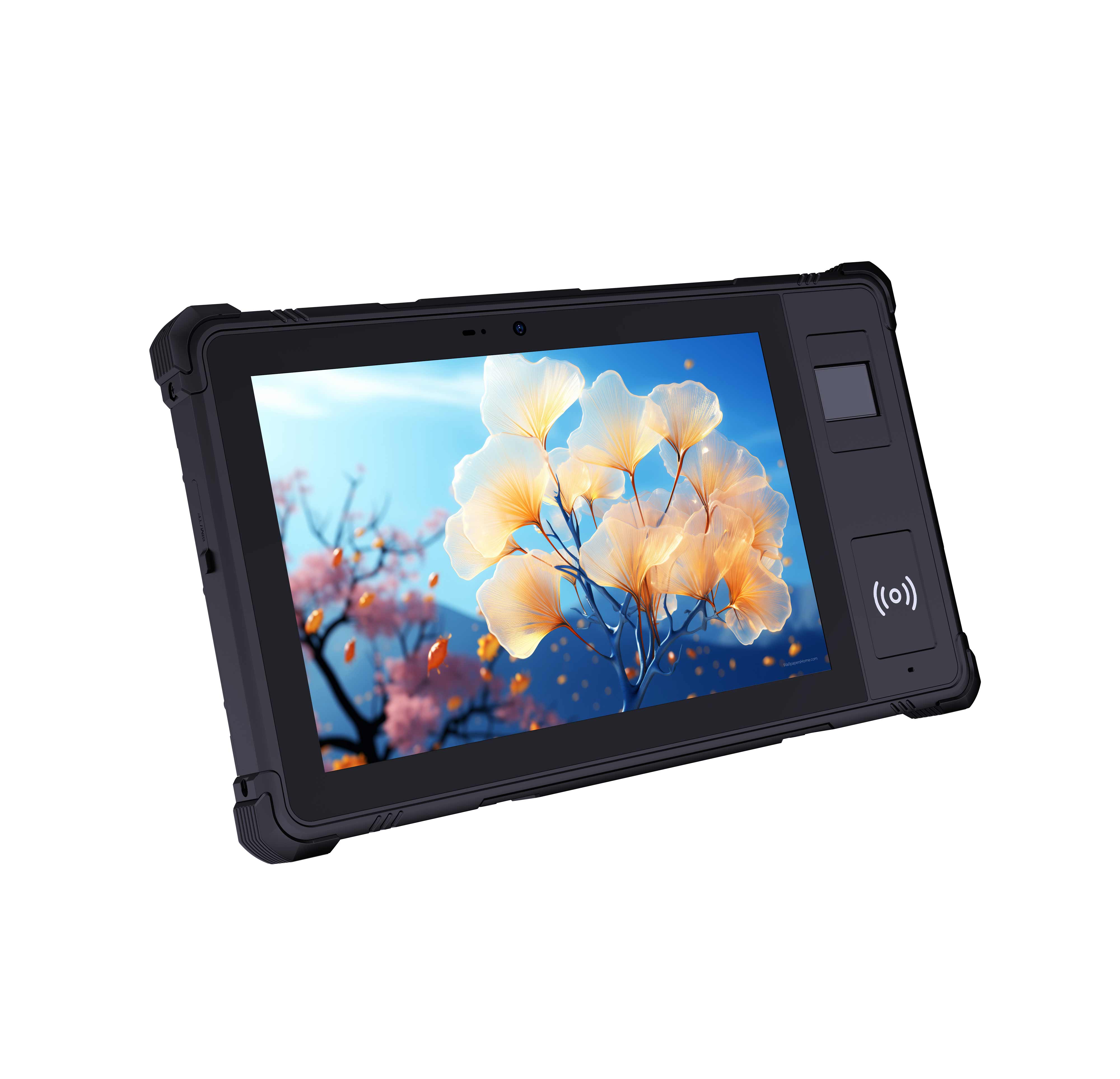
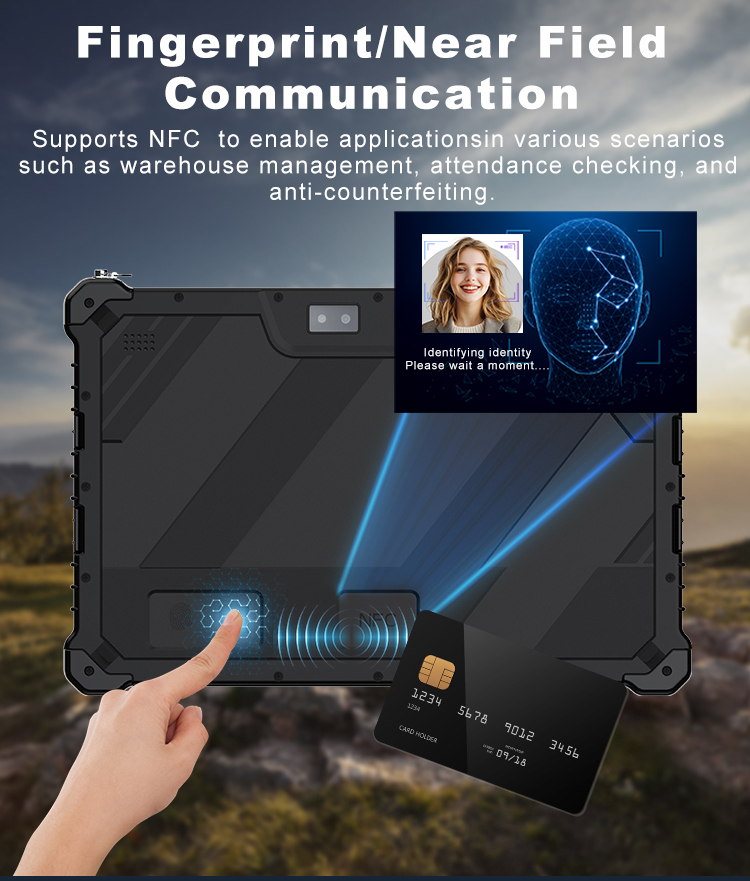
The RFID Industrial PDA D802 is the answer to the "too many devices" problem. Built on a Qualcomm SM6225 octa-core platform with Android 13 and a bright FHD panel rated at 400 nits, it integrates UHF, LF, and HF RFID alongside a 2D barcode imager in a single rugged shell. That convergence matters more than any spec line: one device replaces the RFID gun, the barcode scanner, and the clipboard, which means one battery, one charger, and one training session instead of three. For a receiving dock that handles both tagged totes and printed labels, the D802 removes the daily dance of swapping tools between reads.
RS51 Adds Centimeter-Grade Positioning
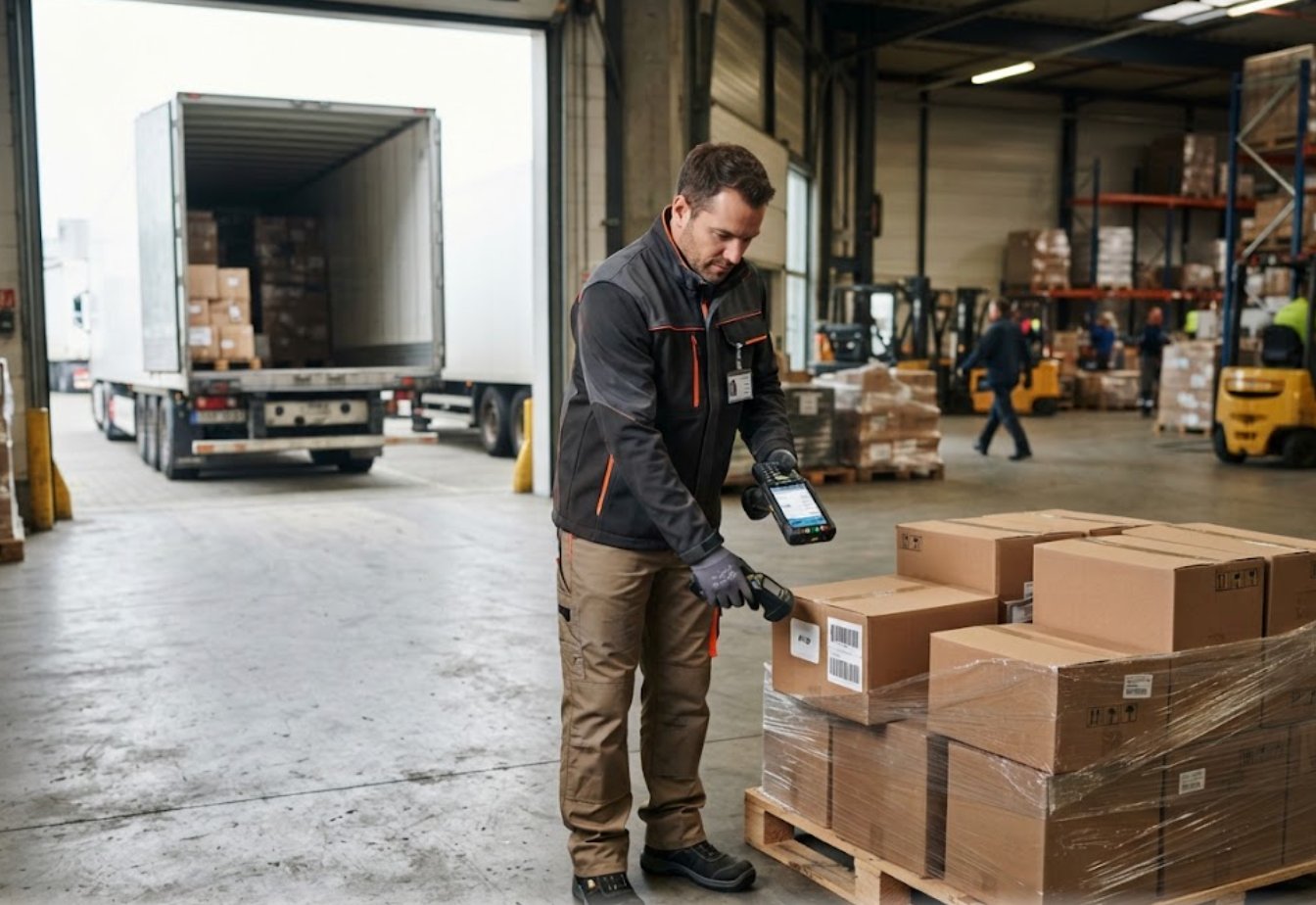
The RS51 Handheld Terminal is what I specify when the site is large and the margin for error is small. It pairs the same SM6225 octa-core 2.4GHz platform and Android 13 with a 6.3-inch FHD+ display at 1080×2340, 4GB of RAM and 64GB of storage, and a rugged envelope sealed to IP67 with a 1.2-meter drop rating. The differentiator is positioning: an optional RTK module delivers horizontal accuracy in the two-to-five-centimeter range, so a pallet's recorded location matches its physical bay. On a yard or a distribution center where a mislocated unit costs a search party, that precision is the line item that pays for the device.

Reading the Return From the Spec Sheet
The table below turns the three devices into a buying decision instead of a feature list, mapping each one to the cost it removes from the workflow.
| Model | Processor | Display | Memory | Data Capture | Rugged | Best For |
|---|---|---|---|---|---|---|
| R366-S | Qualcomm octa-core 2.4GHz | 5.5" HD+ 720×1440 | 4GB + 64GB | 2D + NFC + PSAM (opt) | 300g, 11.6mm thin | Light aisle scanning |
| D802 | Qualcomm SM6225 octa-core | FHD 400 nits | 4GB + 64GB | RFID (UHF/LF/HF) + 2D all-in-one | Converged single device | One-device RFID + barcode |
| RS51 | Qualcomm SM6225 2.4GHz | 6.3" FHD+ 1080×2340 | 4GB + 64GB | 2D + NFC + PSAM + RTK | IP67, 1.2m drop | Large-site positioning |
If fatigue is the hidden cost, the sub-300g R366-S is the lever. If tool sprawl is the drain, the all-in-one D802 removes it. If location error drives rework, the RTK-equipped RS51 closes the gap. None of these is "the best PDA" in the abstract — each is the best answer to a specific line item on the warehouse's balance sheet.
🏟️ Match the Device to the Workflow, Not the Brochure
Pick the R366-S for high-step-count pickers who need the lightest reliable tool. Pick the D802 for docks and replenishment points where RFID totes and printed labels arrive together and one device has to read both. Pick the RS51 for yards, cross-docks, and large footprints where centimeter-grade location turns inventory accuracy from a hope into a report. The full rugged handheld terminal line lets a single site mix all three on one network, and our industry news on rugged devices covers how teams sized these rollouts in the field.
If your warehouse still carries three tools where one would do, or still loses an item to a bad location, send us your layout, SKU count, and daily scan volume. We will model whether the R366-S, the D802, or the RS51 turns your next PDA order into a return you can actually measure, with no guesswork about where the savings land.