- Select Language
Enterprise Flagship SeriesEngineered for mission-c...
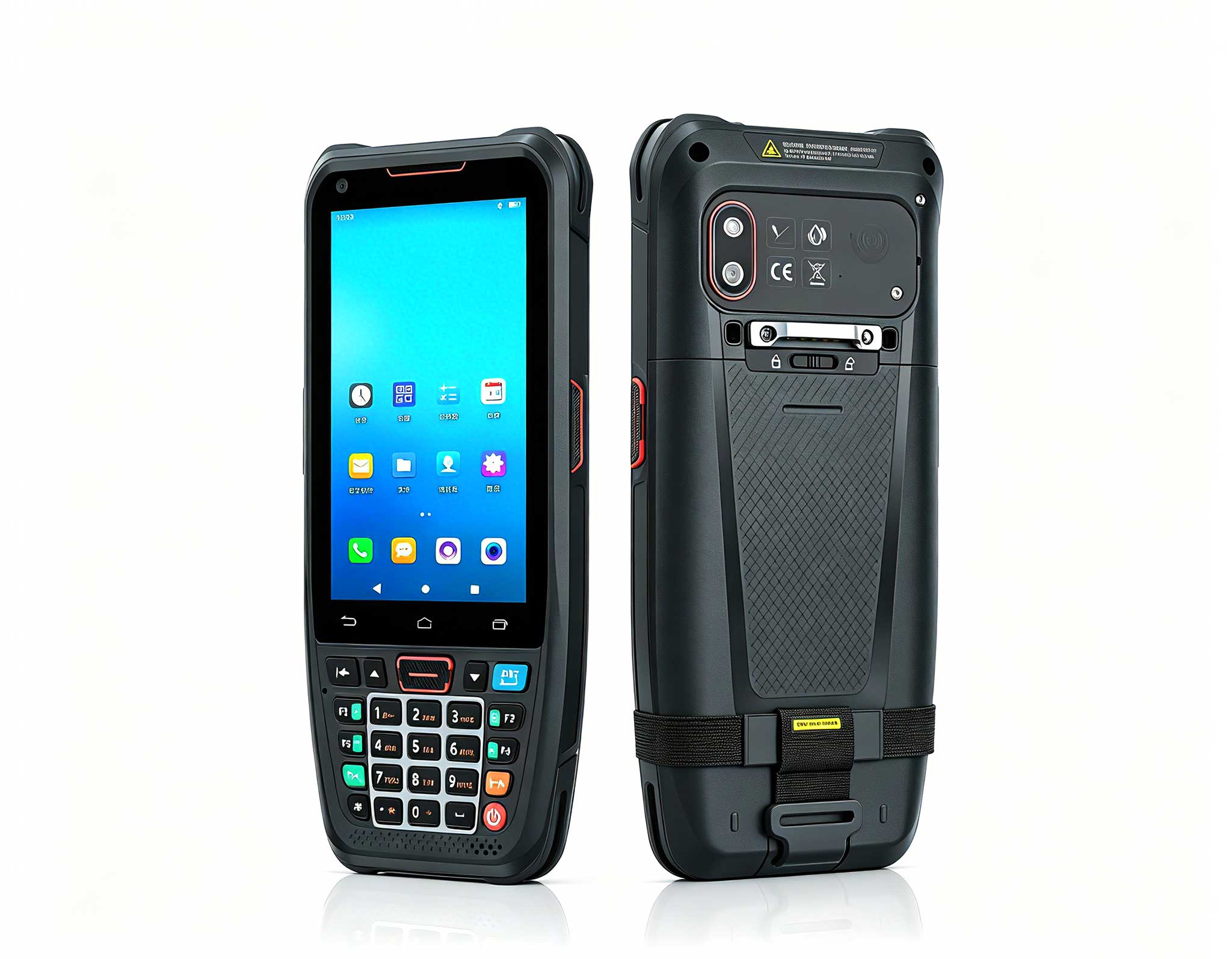
R530C 6.0-inch Industrial PDA | Qualcomm Octa-core...
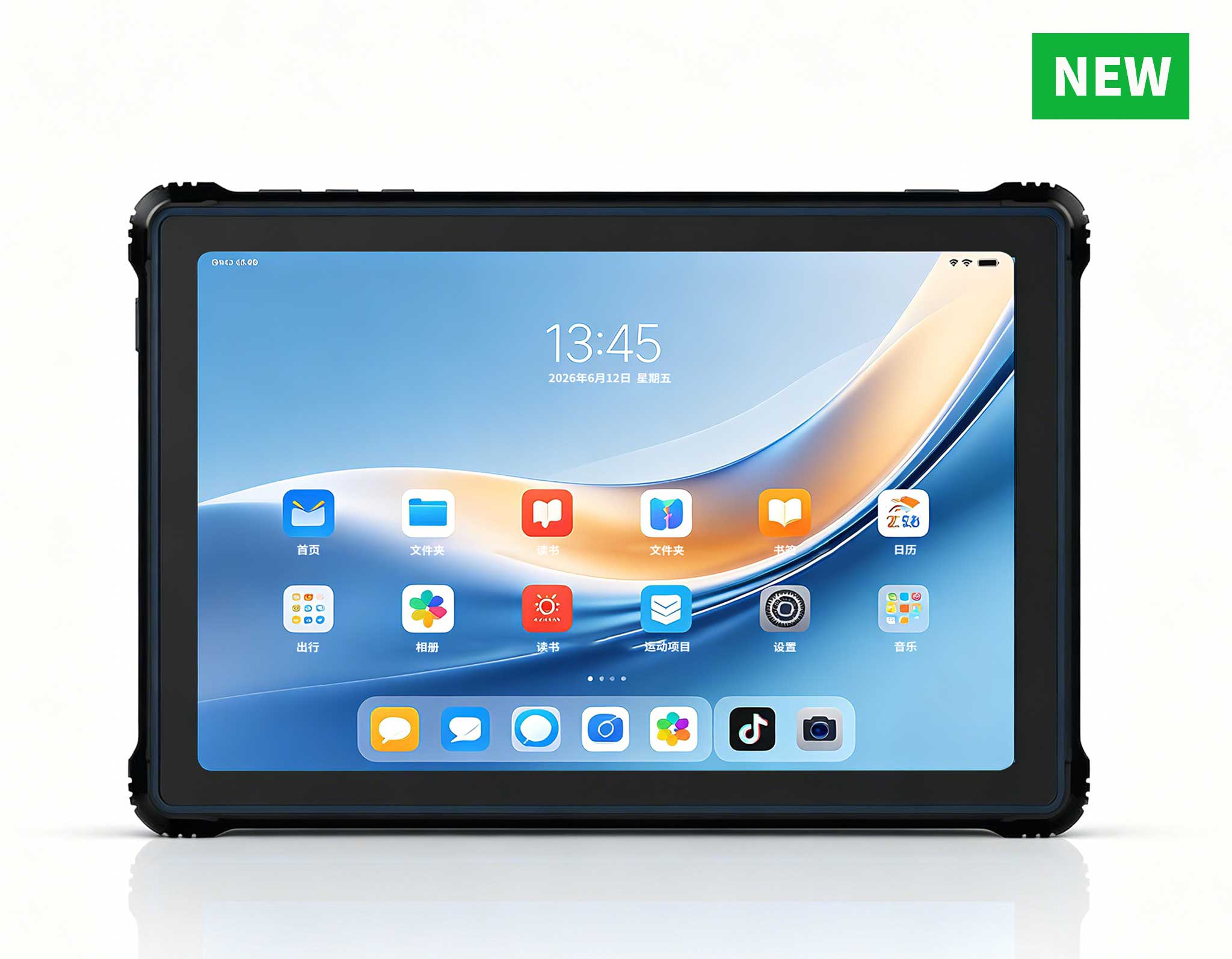
RT81 4G Rugged Tablet | 10.1" FHD 400nit | Qu...
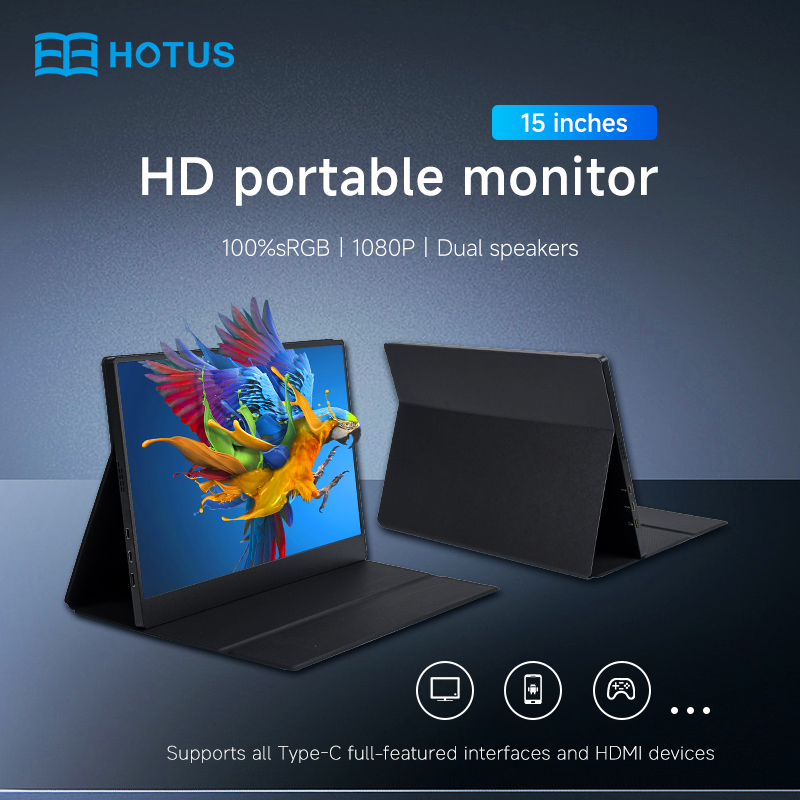
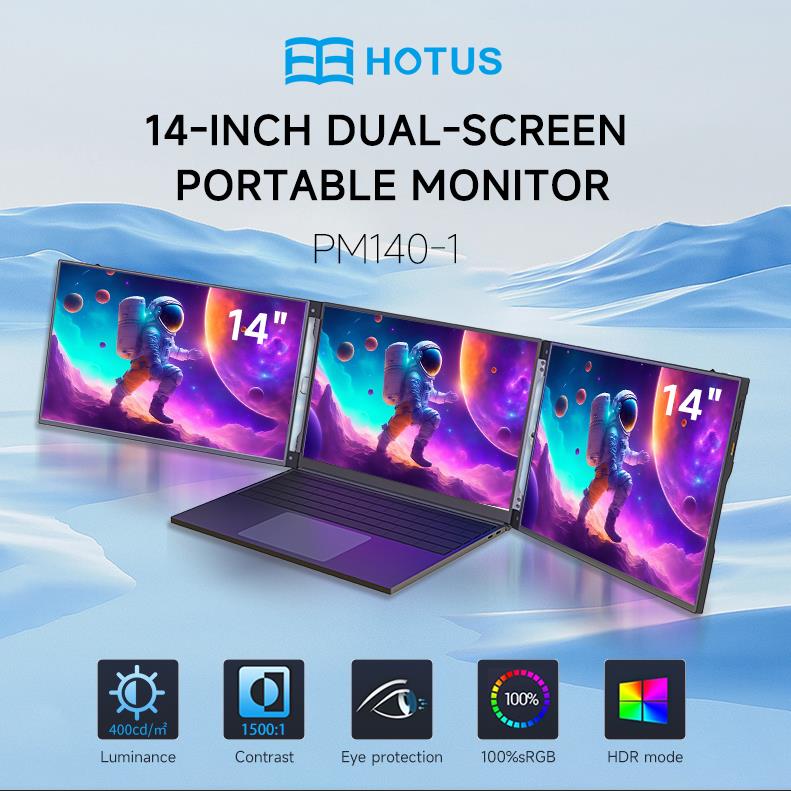
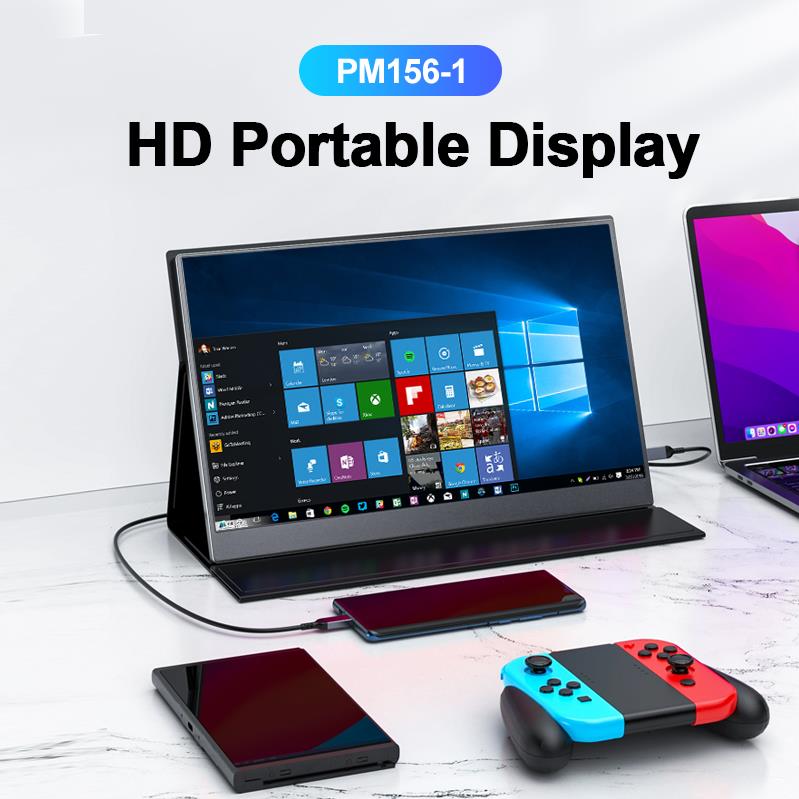
The PM156-1 is a 15.6-inch portable PC monitor fea...
The N40 Android smart PDA features a Cortex-A53 qu...
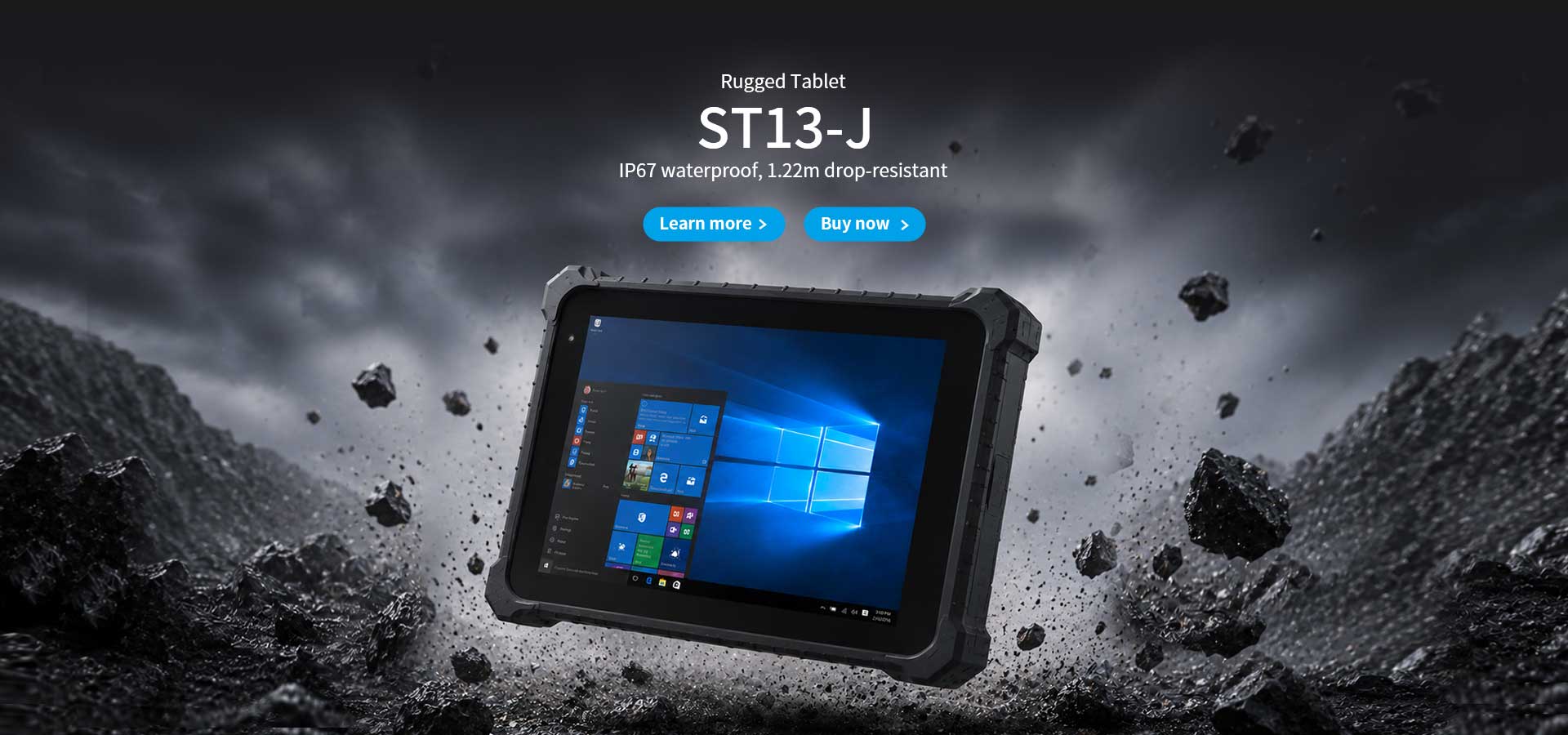
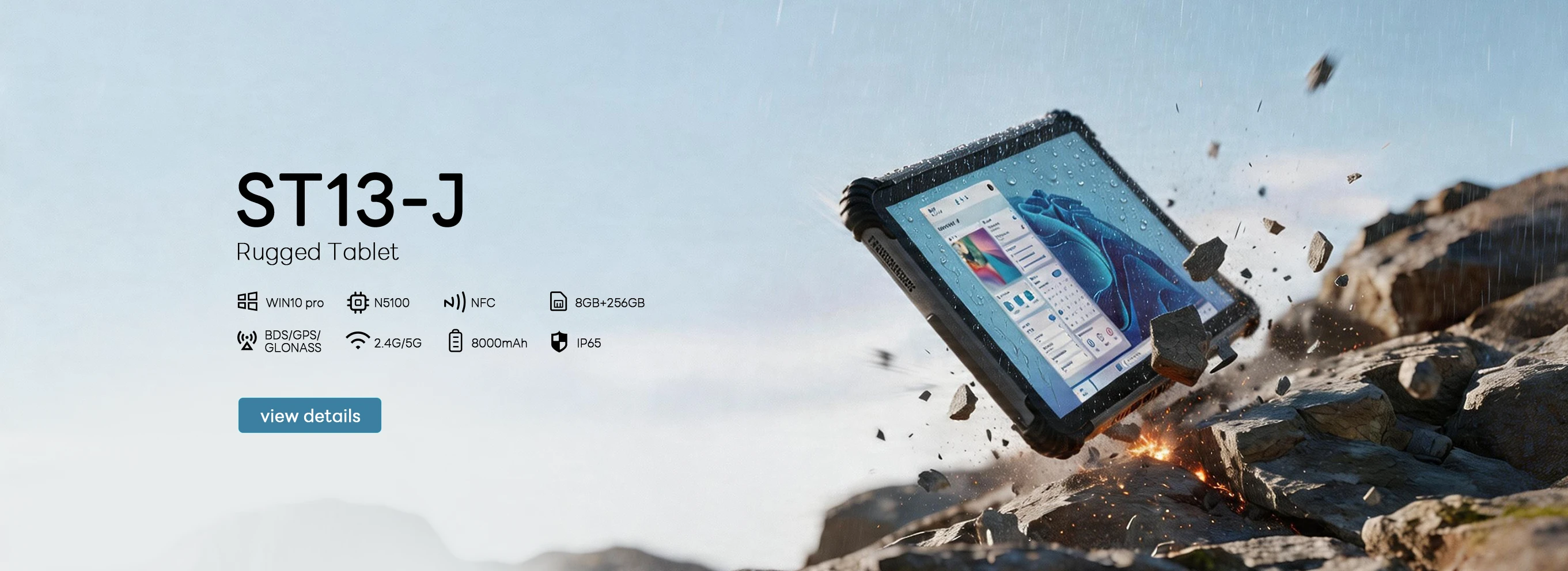
Full SpecificationsModelHotus ST13‑JOSWindows 10 P...
Every meeting room in a company carries two different prices, and only one of them appears on the purchase order. The first is the price of the hardware on the wall and the tablet on the table. The second is the cost the room burns every time someone taps a calendar invite and books it. Finance teams are used to amortizing the first number over three years. Almost nobody measures the second one, which is strange, because the second number repeats hundreds of times a year and quietly decides whether the first number was ever worth spending. This article takes one booked session as the unit of account and walks through what it costs, what it replaces, and where the HT2500 Pro Ultra, the SH5-W and the 4K Home Projector each earn their keep.
Treat the conference room the way an accountant treats a delivery van. The van has a purchase price, but nobody judges the van by that price; they judge it by the cost per delivery. A room deserves the same discipline. Rent, fit-out, hardware and cabling are the standing costs. The variable costs accumulate session by session: the facilitator who sets up, the ten minutes of fumbling with cables, the external kit that gets ordered when the built-in gear disappoints, the taxi for the client who could have joined on screen. When these are spread across the sessions actually held, the resulting figure is the truest number the room produces, and it is the number this article keeps returning to.
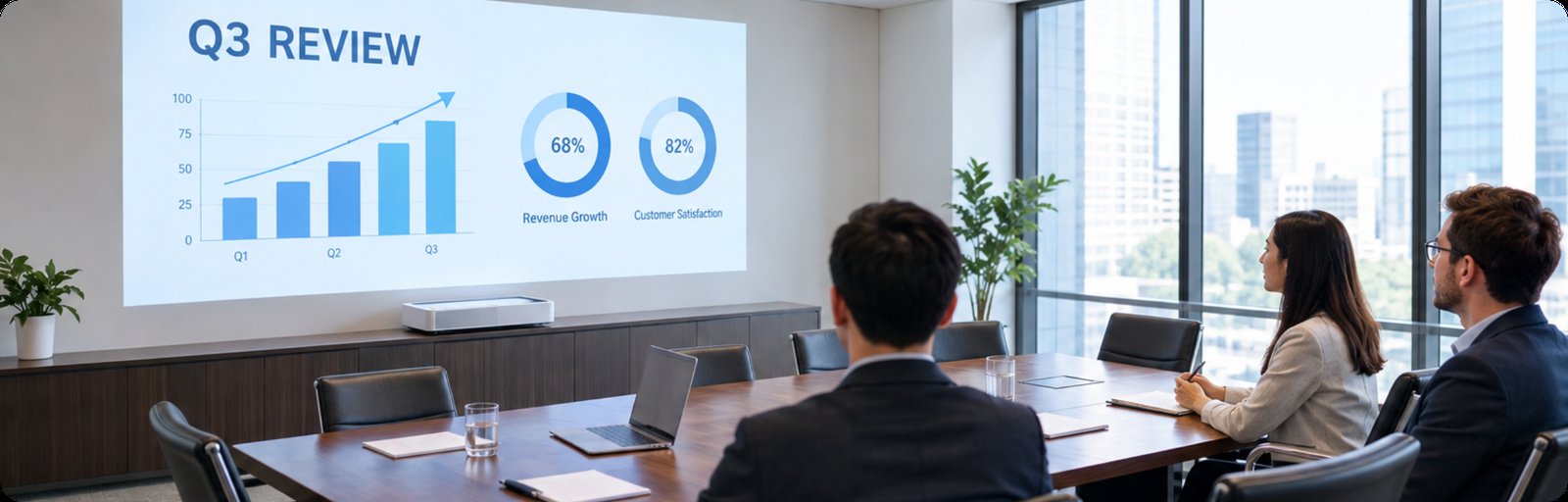
Take a mid-sized meeting room that hosts roughly twenty booked sessions a week. The standing hardware cost, once the room is equipped properly, is nearly fixed. The variable part is where the money leaks. A session that starts eight minutes late because the presenter cannot get the image to mirror wastes eight minutes of eight salaries. A session that aborts because the bulb lamp chose that morning to fail costs the whole hour plus a scramble for a spare room. These are not dramatic failures; they are small denominators that multiply. Cost per session is simply the sum of all this friction divided by the number of sessions, and rooms with old or mismatched hardware carry a startlingly high figure without anyone noticing, because the cost never appears on a single invoice.
Utilization data tells the other half of the story. A room that is booked forty hours a week but actually used twenty-two is paying standing costs on twice the work it does. Some of that gap is calendar culture, but a surprising share is hardware distrust: people stop booking rooms they expect to fight with. When the gear works on the first tap, bookings start matching attendance again. The practical consequence for the ledger is that improving reliability does not just cut the friction cost per session; it raises the denominator by pulling no-shows and ghost bookings back into real use. Both halves of the fraction move in the right direction at once, which is why reliability upgrades routinely outperform superficially cheaper alternatives.
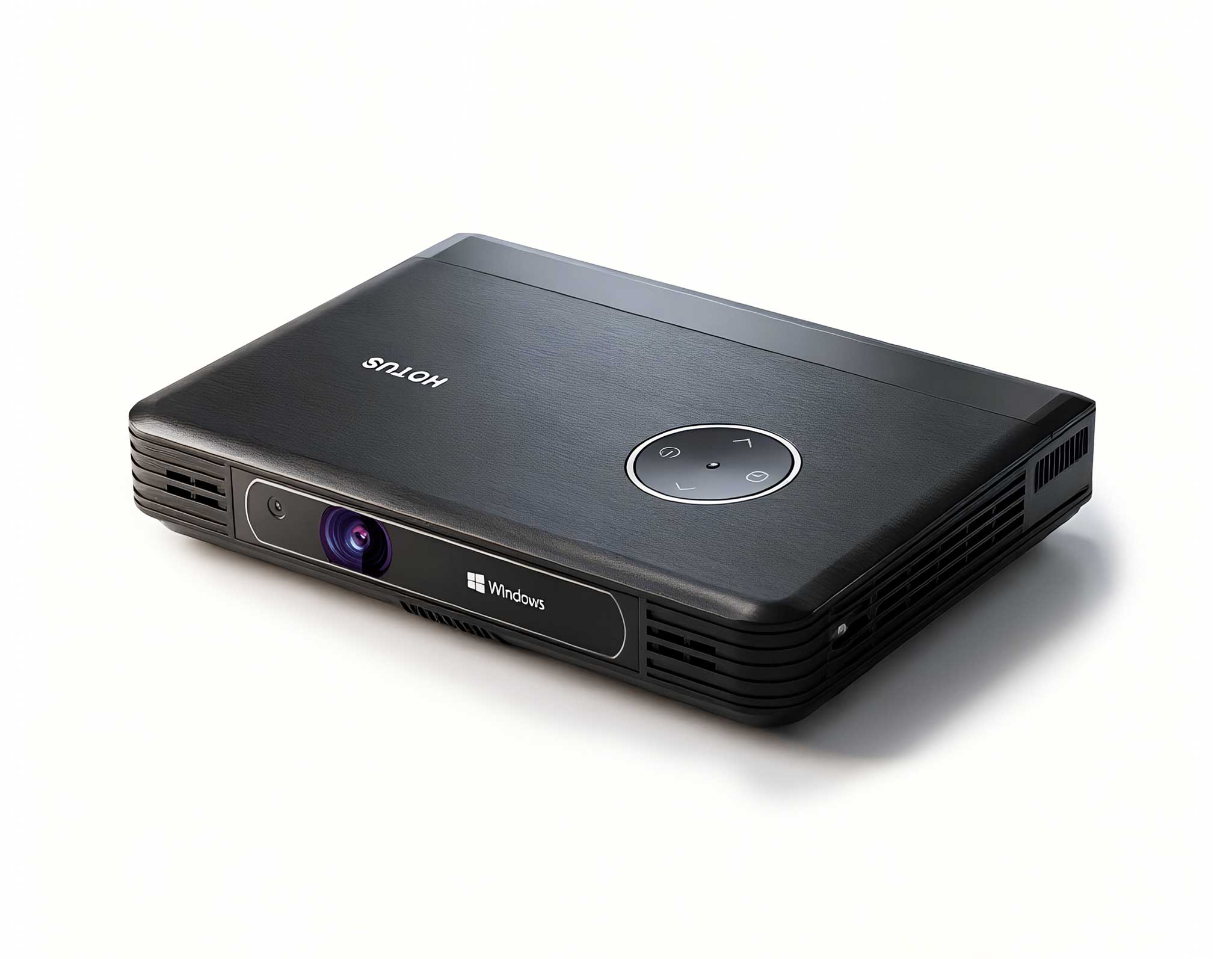
The clearest replaced spend sits in the AV rental line. Companies that run important client sessions in rooms with inadequate displays habitually rent supplementary screens, switchers or soundbars, at day rates that dwarf the amortized cost of owning capable hardware. A room anchored by the HT2500 Pro Ultra, with its ultra-short-throw laser engine throwing a large, bright image from centimeters off the wall, absorbs most of those rentals into the building. The laser light source also removes the lamp-change line: no consumable bulb, no scheduled downtime for a technician with a ladder. Over a year, the rentals that quietly disappear from the expense reports frequently exceed what the projector itself cost, and unlike most cost cuts, nobody in the meeting notices anything was removed.
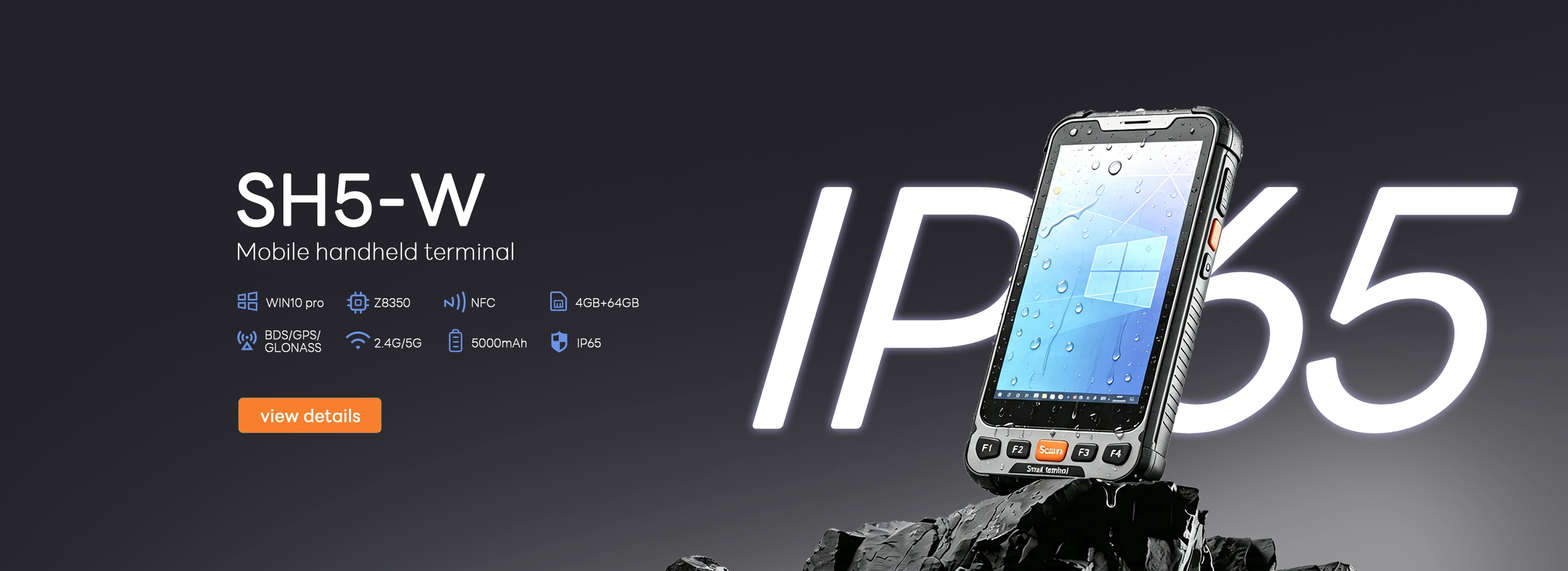
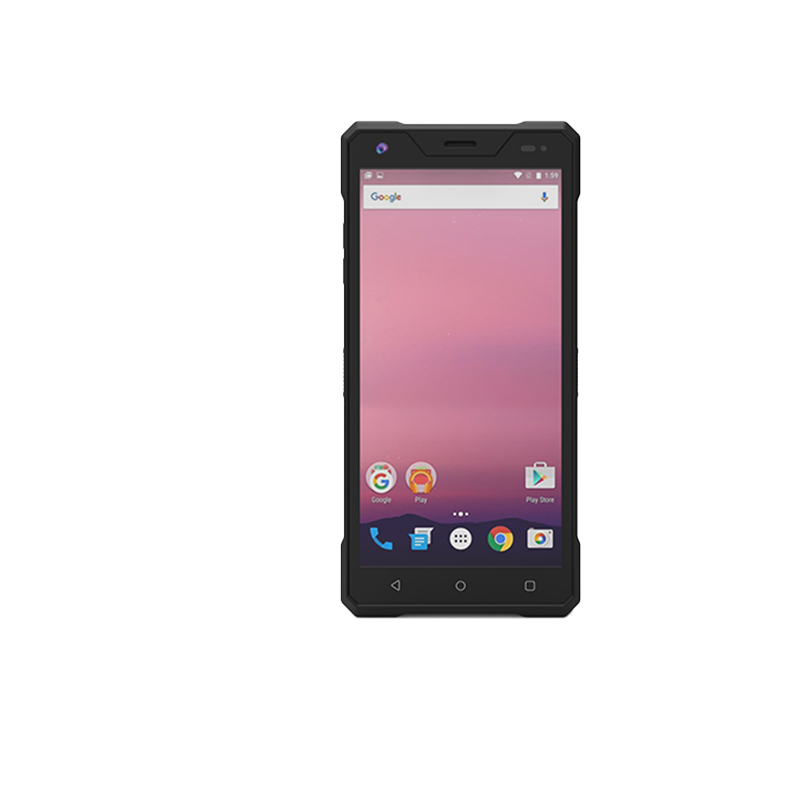
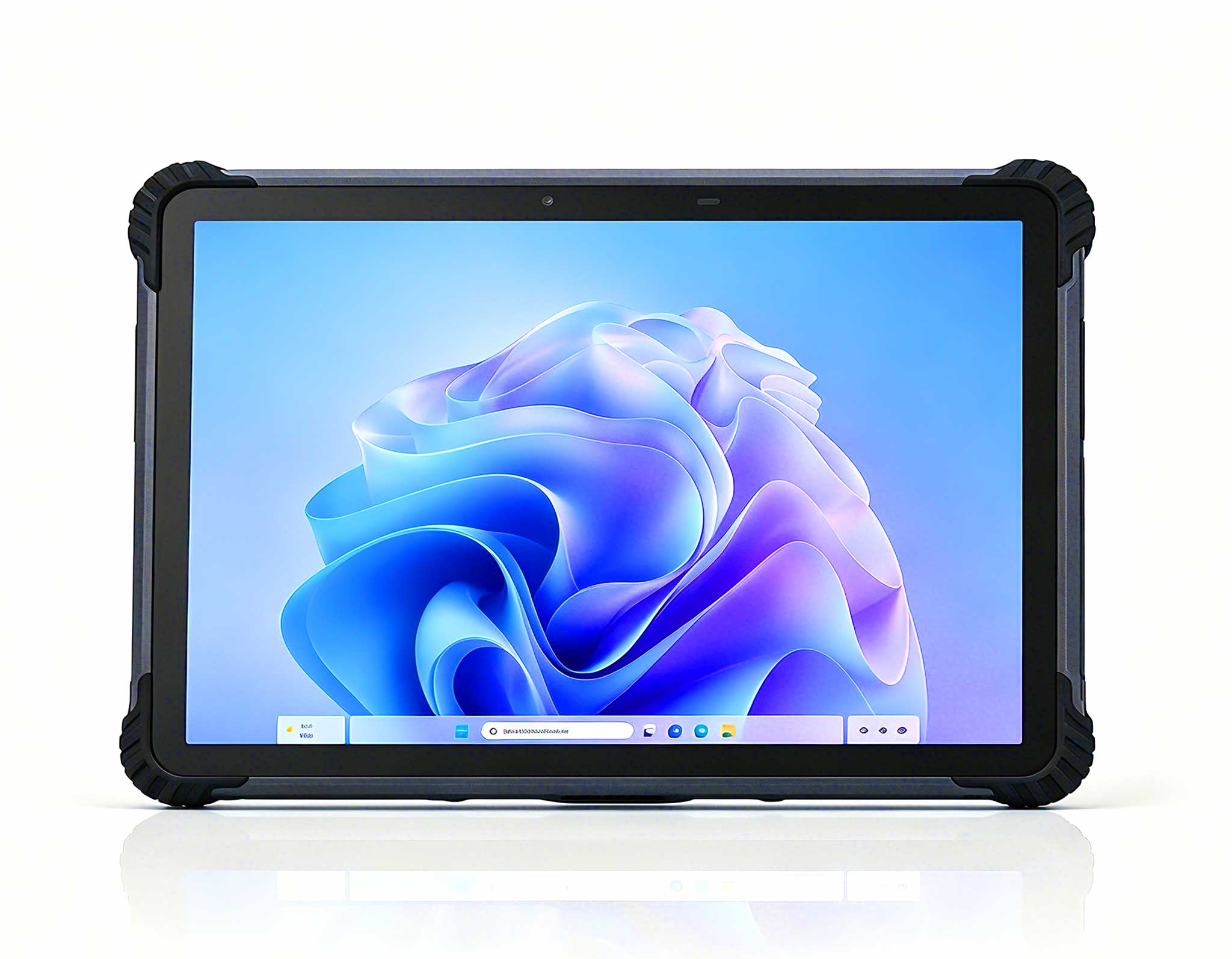
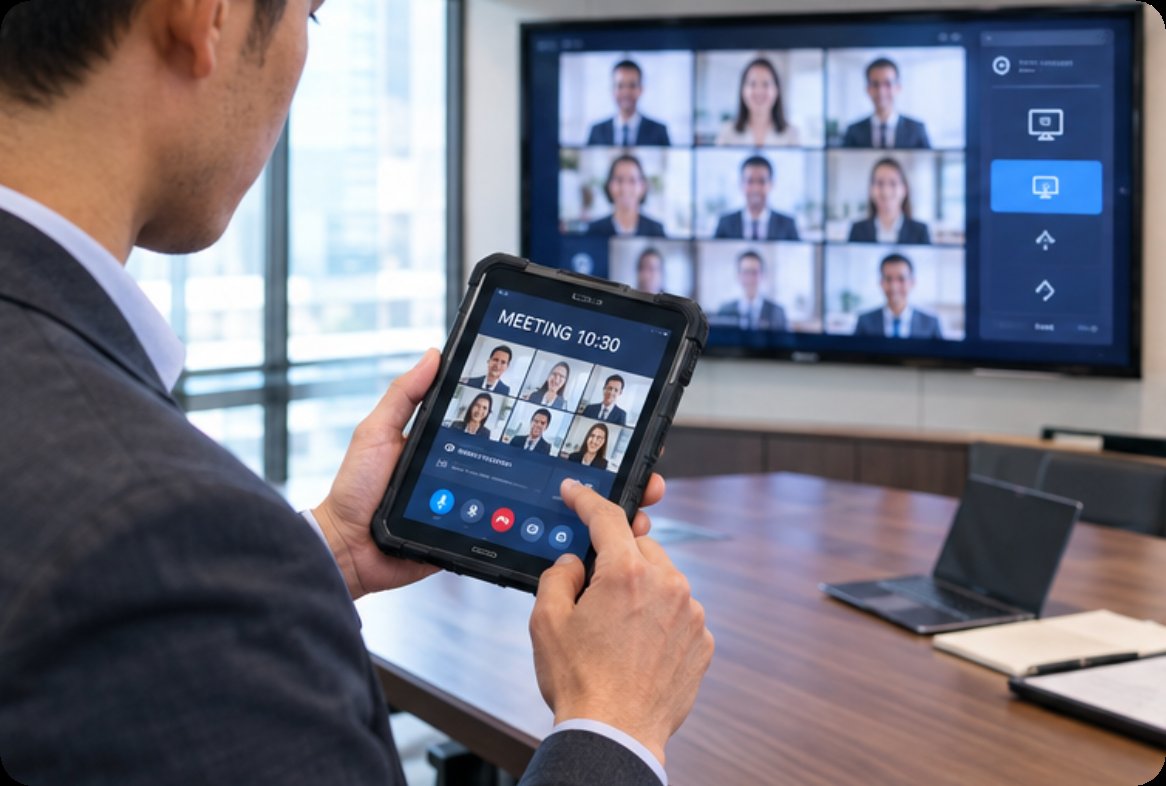
The second block of replaced spend is travel. A board member who flies to another city for a two-hour review, because the remote setup could not be trusted to show detailed spreadsheets, carries a cost that makes any hardware upgrade look trivial. This is where the room's controller matters as much as the display. The SH5-W, a 5.5-inch Windows rugged tablet, works as the walking console of the room: the facilitator picks it up, joins the call, drives the shared screen and walks the remote client through the numbers without a laptop ceremony. When remote participants can read the room clearly and the local presenter can drive the session without IT standing by, the honest question in the travel approval workflow starts answering itself, and the finance review sees the difference in the following period's bookings.
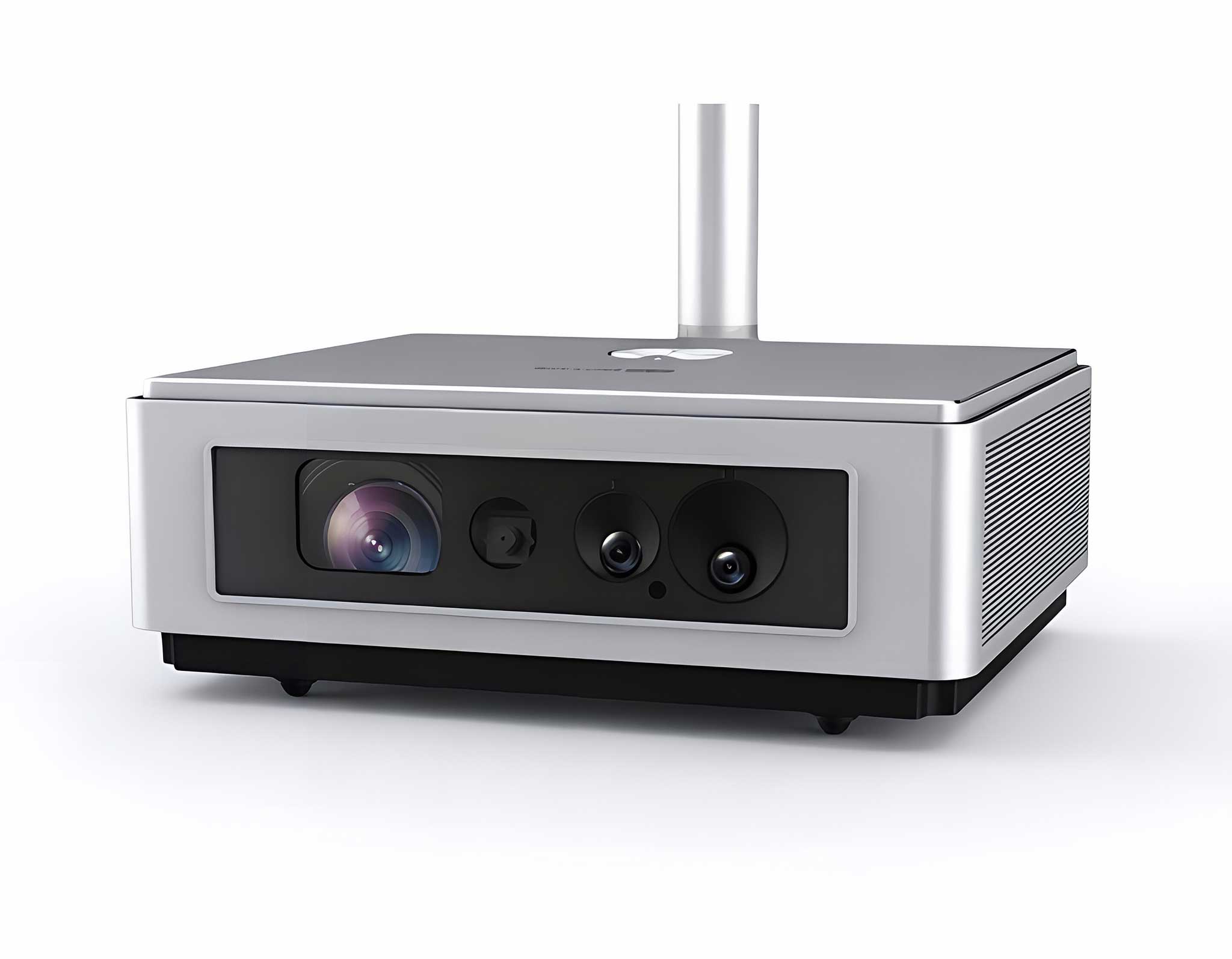
Not every space justifies an ultra-short-throw flagship. Huddle rooms and overflow spaces host short, informal sessions where the economics only work if the hardware is cheap and the friction is near zero. The 4K Home Projector occupies exactly this slot in a corporate fleet: 4K resolution for document readability, a small footprint, and a price that amortizes to a rounding error across the sessions it hosts. Pairing one flagship room with several modestly equipped satellites mirrors how companies actually meet, and it stops the common failure of over-specifying every room while under-serving the ones people use most.
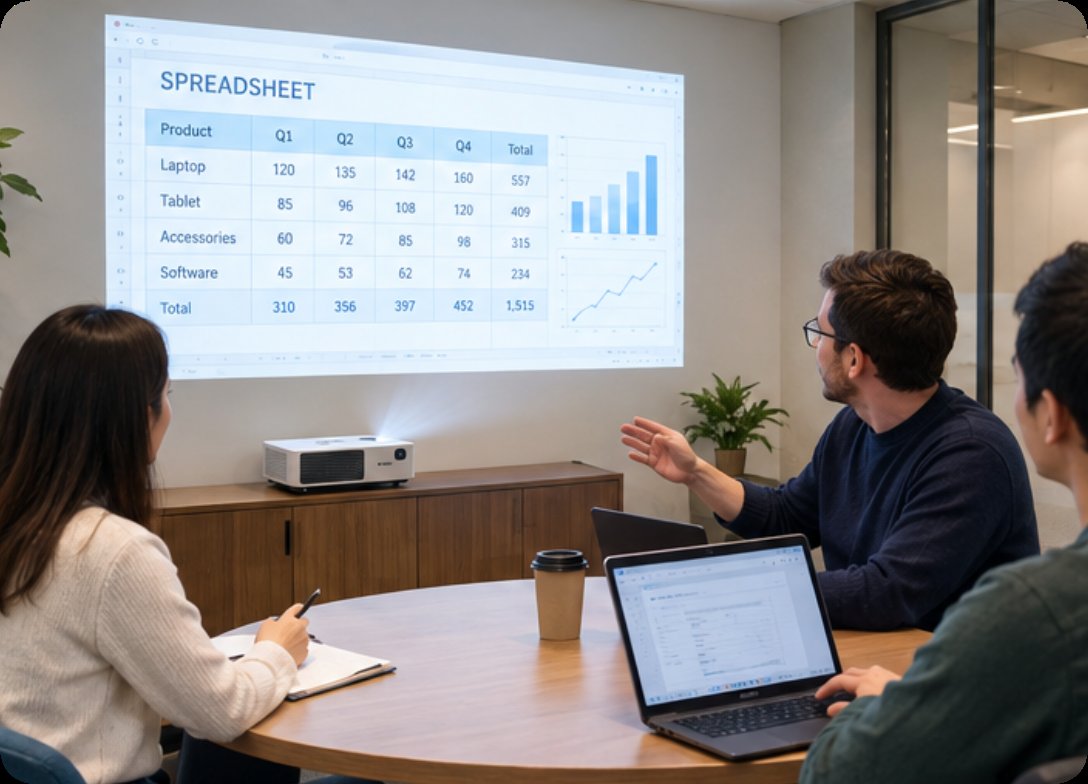
Once the equipment settles in, the room's ongoing figure collapses to a short list: electricity, occasional firmware updates, and the labor of the person who taps the tablet to start. A laser engine is rated for tens of thousands of hours, so unlike the lamp era there is no consumable countdown running in the background of every session. The tablet controller draws trivial power and, being a ruggedized Windows device, doubles as a staging unit for software updates on the room's other gear. The run rate becomes so low and so predictable that it stops being a discussion item, which is precisely the goal: the room should be boring in the ledger and excellent in the session.
The discipline this article proposes fits on one sheet. For each room, record sessions booked, sessions actually held, average start delay, rentals ordered, and trips approved where a remote session was a plausible alternative. Divide the friction by the sessions, add the standing costs, and you have the room's number. Compare it against the replaced spend that capable hardware removes, and the upgrade decision stops being an argument about specifications and becomes arithmetic. Buyers who want to see how these three devices price out in their own mix can browse our projector range and the wider hardware catalogue at business conference solutions, and more worked examples sit in our product comparisons and competitor analysis. The rooms that win are not the ones with the most impressive brochure; they are the ones whose cost per session, measured honestly, keeps falling quarter after quarter.
| Cost Block | Old Room Baseline | Equipped Room | Where It Lands |
|---|---|---|---|
| Setup friction per session | 8-12 min lost | Under 1 min | SH5-W as walking console |
| Display consumables | Lamp changes yearly | None scheduled | HT2500 Pro Ultra laser engine |
| AV rentals | Per client session | Near zero | Brightness and throw of the main room |
| Satellite rooms | Under-served or over-specced | Right-sized | 4K Home Projector in huddles |