- Select Language
R366-S 5.5-inch Industrial PDA | Qualcomm Octa-cor...
RS50 5G Rugged Handheld Terminal | 6.3" FHD+ ...
Technical SpecificationsModel: Palm-sized miniPCTy...
The X501 Handheld PDA combines advanced barcode sc...
The F505 Handheld PDA is a compact, high-performan...
Full SpecificationsModelHotus ST13‑UOSWindows 10 P...
Explore an innovative Personal Digital Assistant f...
Enterprise Flagship SeriesEngineered for mission-c...
R530C 6.0-inch Industrial PDA | Qualcomm Octa-core...
P8 Series 8-Inch Rugged Industrial Tablet PC Mobi...
Maintenance instructions: Store at room temperatur...
An engine room does not lose money because a repair is expensive. It loses money because a repair that genuinely happened never reaches the invoice, while a repair that was merely suspected reaches it three times. The log sheet is where both failures live, and the gap is measured in hours a vessel spends waiting rather than working. Owners who treat that sheet as clerical argue about totals they can no longer reconstruct.
The better approach is to treat the sheet as three separate moments rather than one document. A reading becomes a cost when it is taken. A finding becomes a cost when somebody else signs for it. Only at invoice time does a figure become something an owner can dispute or approve. Devices drawn from our rugged tablet range are chosen here for what they let a crew capture and re-read at each moment, not headline specifications.
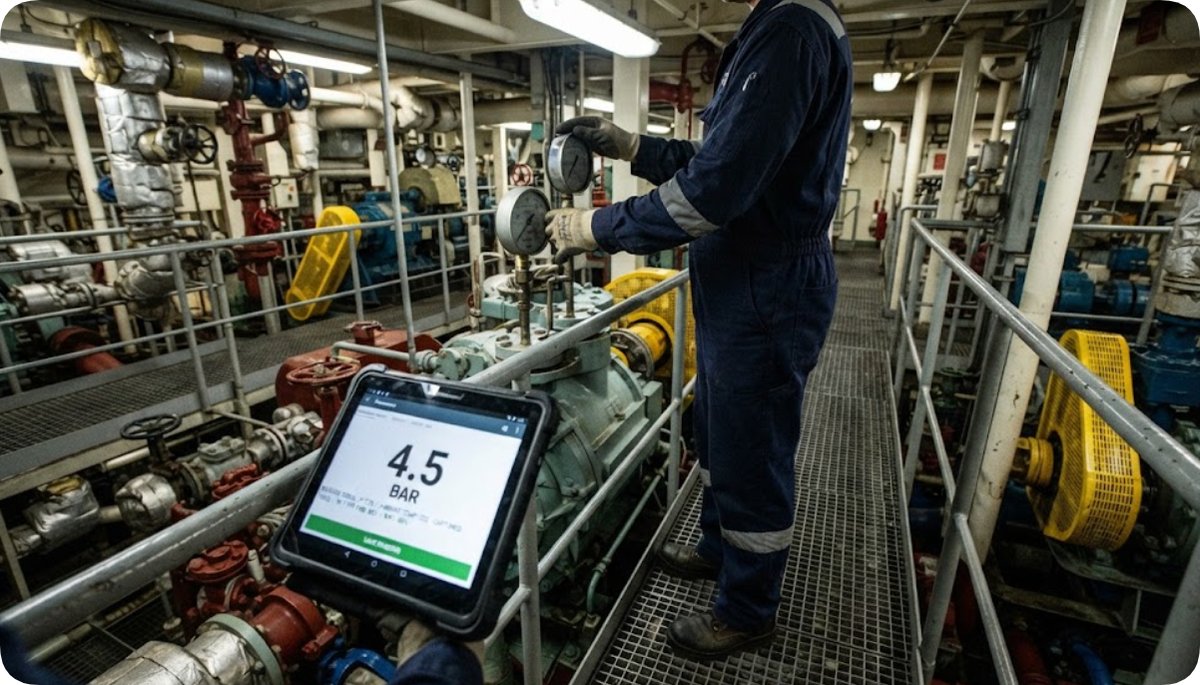
The first row on any sheet is a measurement, and a measurement carries no authority. A pressure reading taken at the top of a watch looks identical whether the gauge was verified last month or last year. What separates an invoiceable row from one that is not is the attachment: the serial of the instrument, the ambient condition, the name of whoever held it. Without those, the figure is real but not yet payable, and a shore office receiving only the number cannot price the labour behind it.
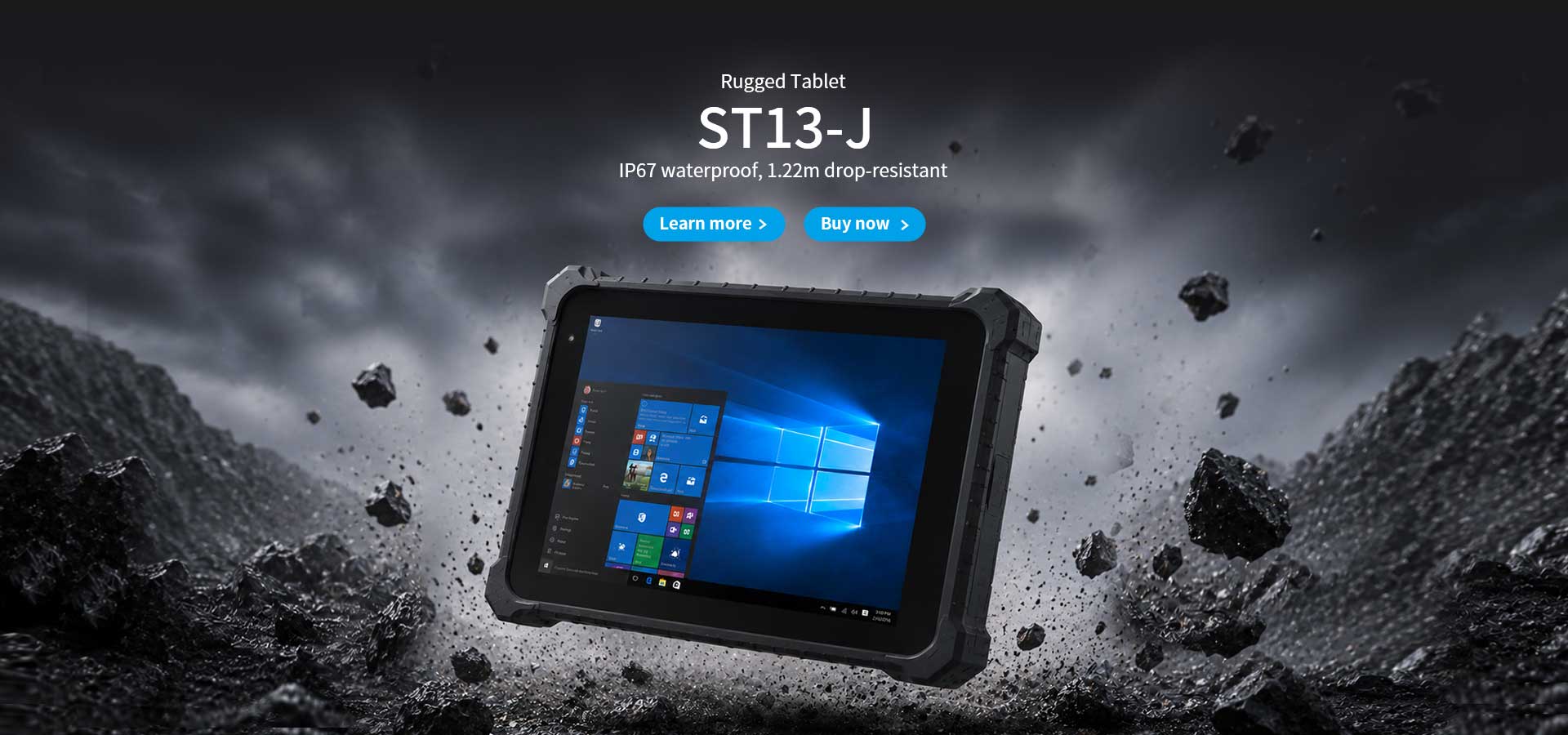
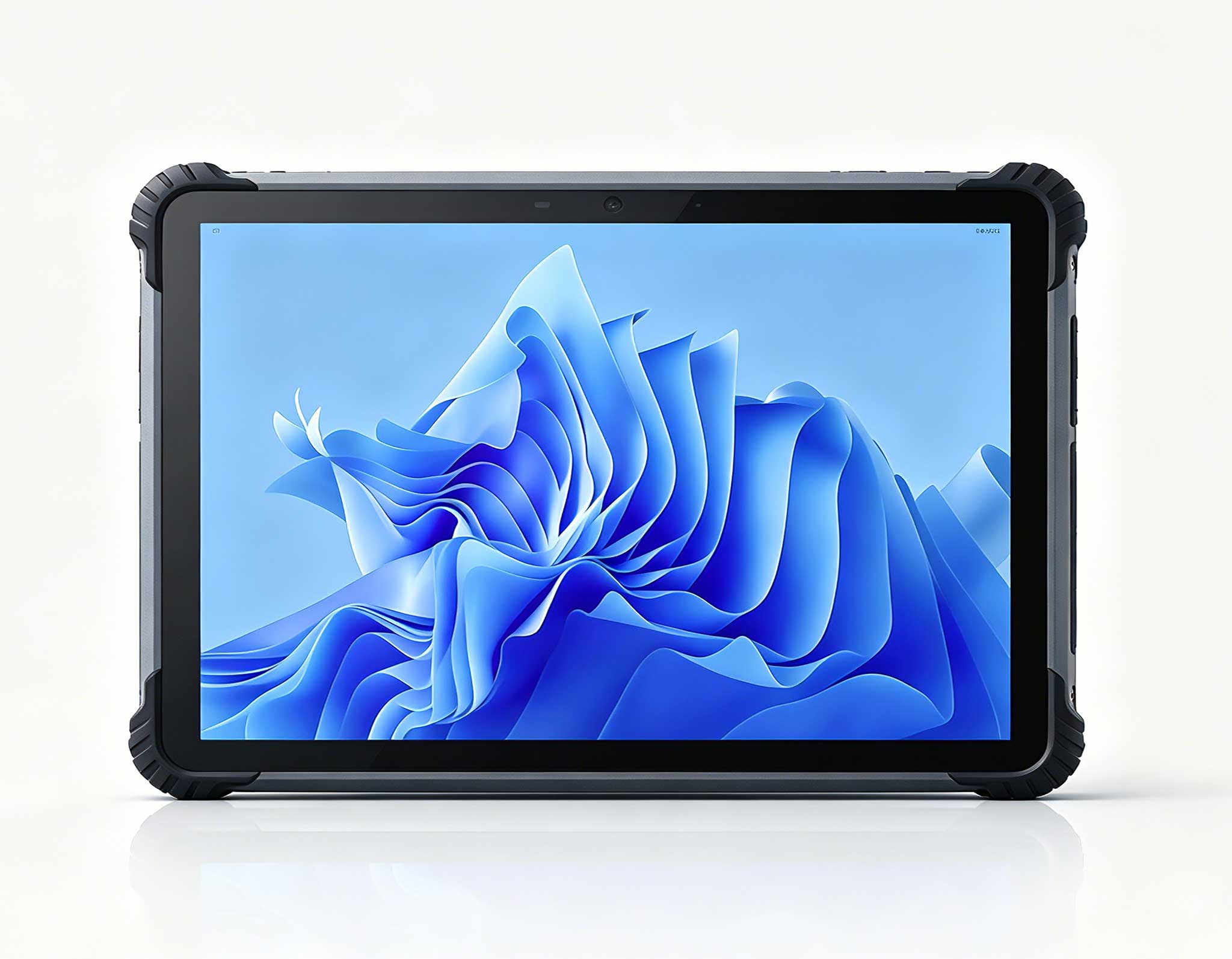
This is where the RT81 Rugged Tablet earns its place on a moving inspection round rather than at a fixed desk. Its 10.1in IPS FHD panel at 400 nits stays readable under engine-room lighting that washes out a smaller panel, so a reading is captured and photographed at the point of work instead of typed from memory. The 10000mAh battery removes the charging pause that usually interrupts a round, and the sealed IP67 chassis with 1.2m drop resistance survives grating and ladder.
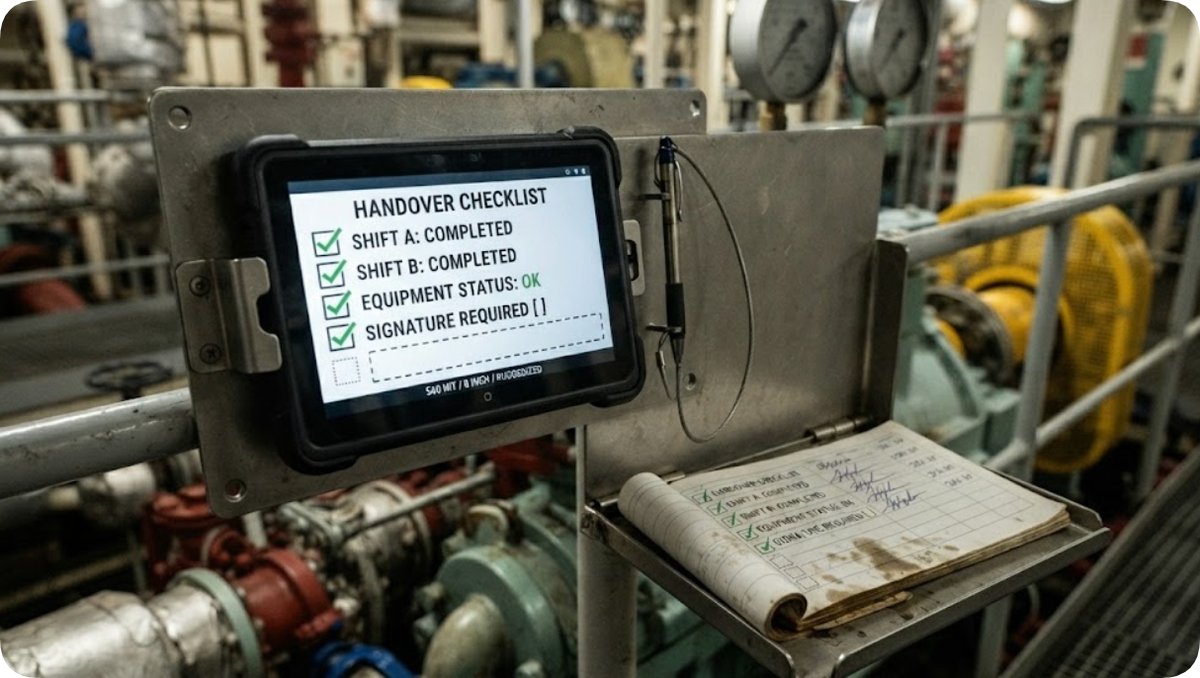
The second moment is handover, and it is where most cost disputes are settled. A fault found on one watch is handed to the next crew with a note, and the note carries a name but rarely a signature. When the following crew cannot confirm what the previous crew saw, the finding drifts: it is either re-investigated from scratch, wasting hours nobody billed, or quietly closed and reappearing months later as an unexplained failure. The row sits on the sheet longer than expected.
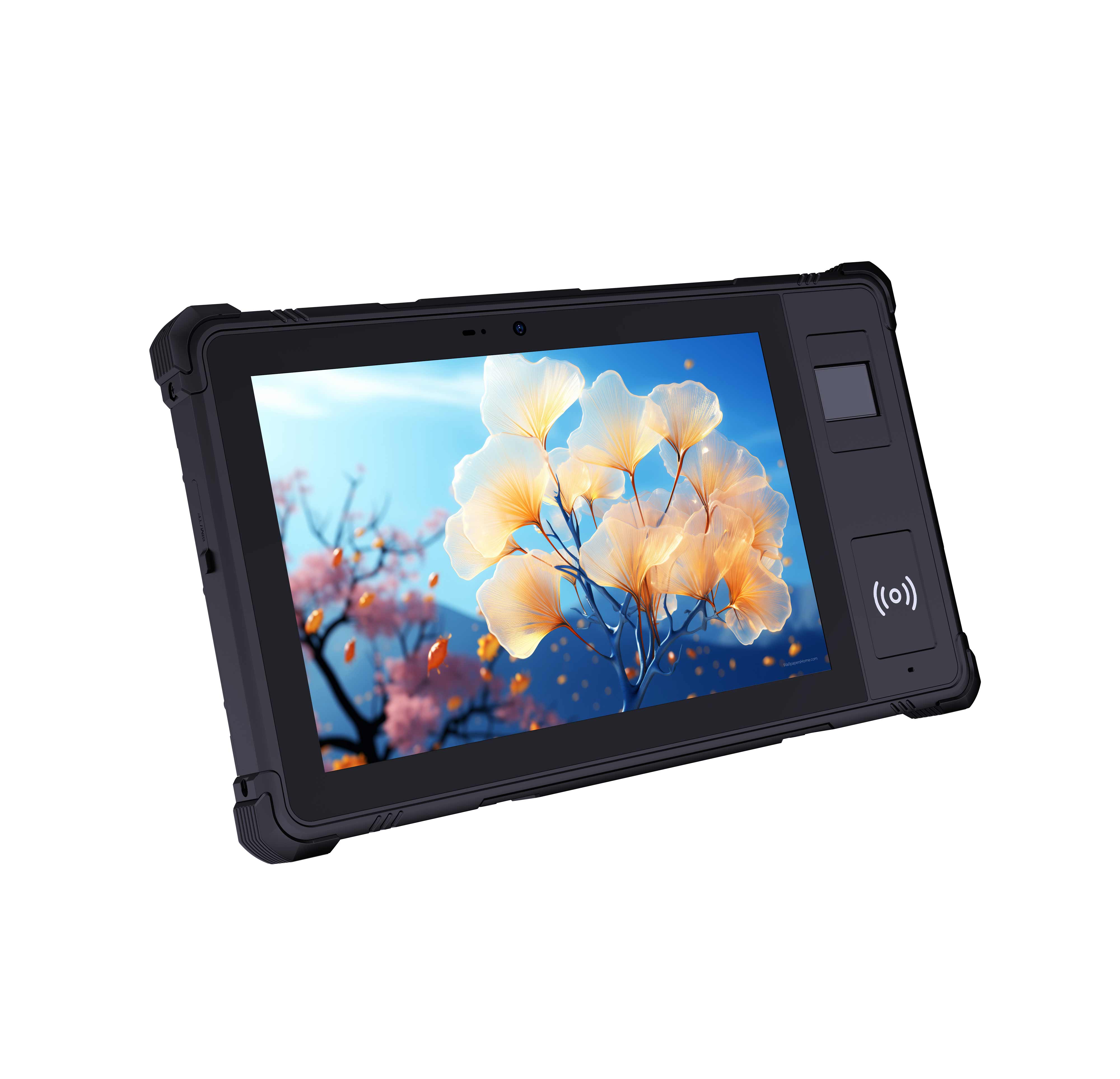
The HTNJ08A Rugged Tablet is sized for that handover moment, because the space at a small inspection point will not accept a large panel and the transfer happens whether the reading is legible or not. Its 8in LCD at 560 nits is brighter than the larger panel it replaces, which is the point: a small screen read at arm length is more useful at a threshold than a large one tilted into the light. The wired interfaces, including RJ45, HDMI and USB, let it dock to a fixed terminal for archive work at the end of a watch.
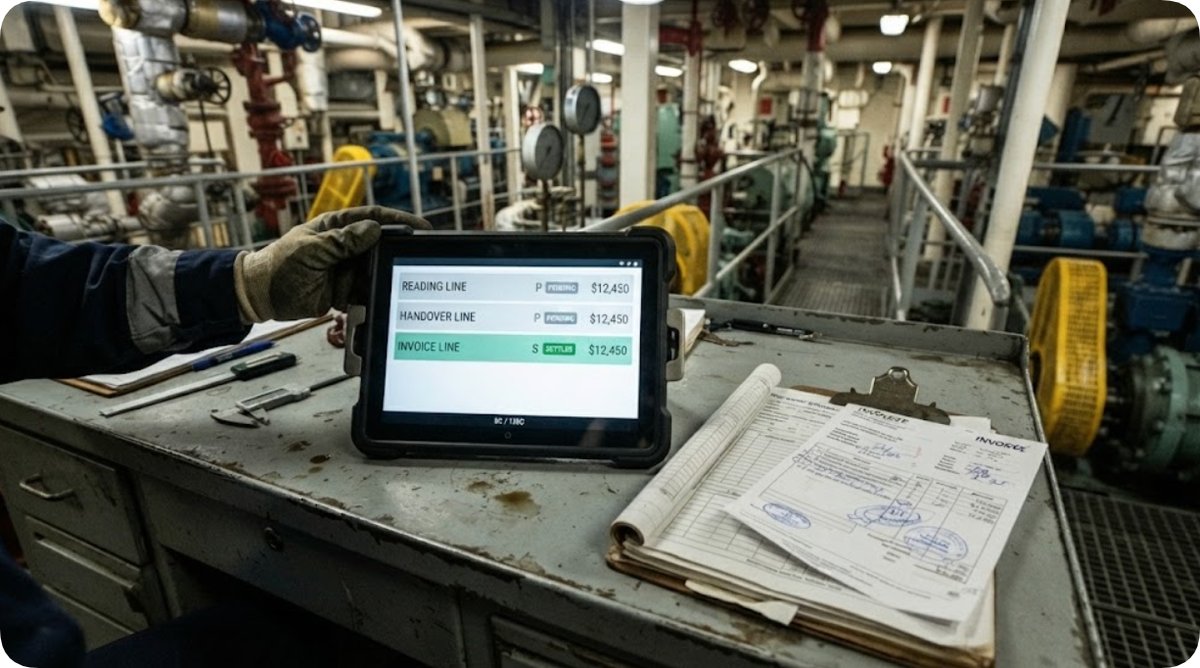
The third moment is the invoice, and everything before it exists only to support what is written here. By the time a statement reaches an owner, the crew that gathered the evidence has often moved to another vessel, so the figures must be self-explanatory. A line requiring someone to recall why a part was fitted, or which of three similar alarms was replaced, is reduced to a lump sum or challenged entirely. What survives review is rarely the most detailed record but the one needing no memory to interpret.
The HTQ10A Android Rugged Tablet serves that final stage with archive capacity rather than raw power. It lists 8GB of memory with 128GB of storage as standard, expandable through the card slot to 256GB, meaning a season of photographic evidence from one machine rather than a handover chain of partial files. Its 10in LCD at 560 nits and its published -20C to 60C operating range cover the two ends of a working day a vessel rarely controls.
| Line on the sheet | When it becomes a cost | What the row must carry |
|---|---|---|
| Reading row | At the moment it is taken | Instrument serial, ambient condition, name of the reader |
| Handover row | When the next watch confirms it | A signature from the receiving crew, not a note from the leaving one |
| Invoice row | At statement time | Which of several similar parts was replaced, and why |
Duplication is rarely deliberate. It appears when a fault is described in words on one sheet and again in a different vocabulary on a second, and neither record references the other. The owner sees two entries for a single event and pays for one, while the crew that resolved it gets questioned about the other. Nothing was fabricated, which is why the duplication survives every review until somebody adds the lines up chronologically.
The cheapest defence is structural rather than procedural. If a second entry is required, it must name the first, and the naming has to survive being retyped by a different hand on a different watch. A photograph attached at the time of the reading does more than any rule written later, because it carries a timestamp nobody editing the text can move. Rows only add up when each can be placed on one timeline.
There is a second gap running in the opposite direction, and it is more expensive. Work performed but never recorded generates no cost, so it can never be invoiced, and an owner reviewing a statement cannot tell anything is missing. A few well-supported rows are often worth less than a longer list of vague ones, because vague ones cannot be challenged and therefore cannot be reduced.
Protection specifications show where this gap opens. A sealed device rated IP67 with drop resistance around 1.2m keeps working after a fall that used to end a round early, so the round finishes and the reading gets taken at all. Without that margin, missing rows are not a paperwork problem but a direct loss: the finding never captured is a failure that returns later, at the worst possible moment.
Reading a sheet properly takes three passes, each asking a different question. The first is descriptive: what was observed, by whom, with what instrument. The second confirmatory: who else checked it, and when. The third financial: which rows became billable labour, which became stock consumption, which became neither. Most disputes happen because a reader does all three at once and records none separately.
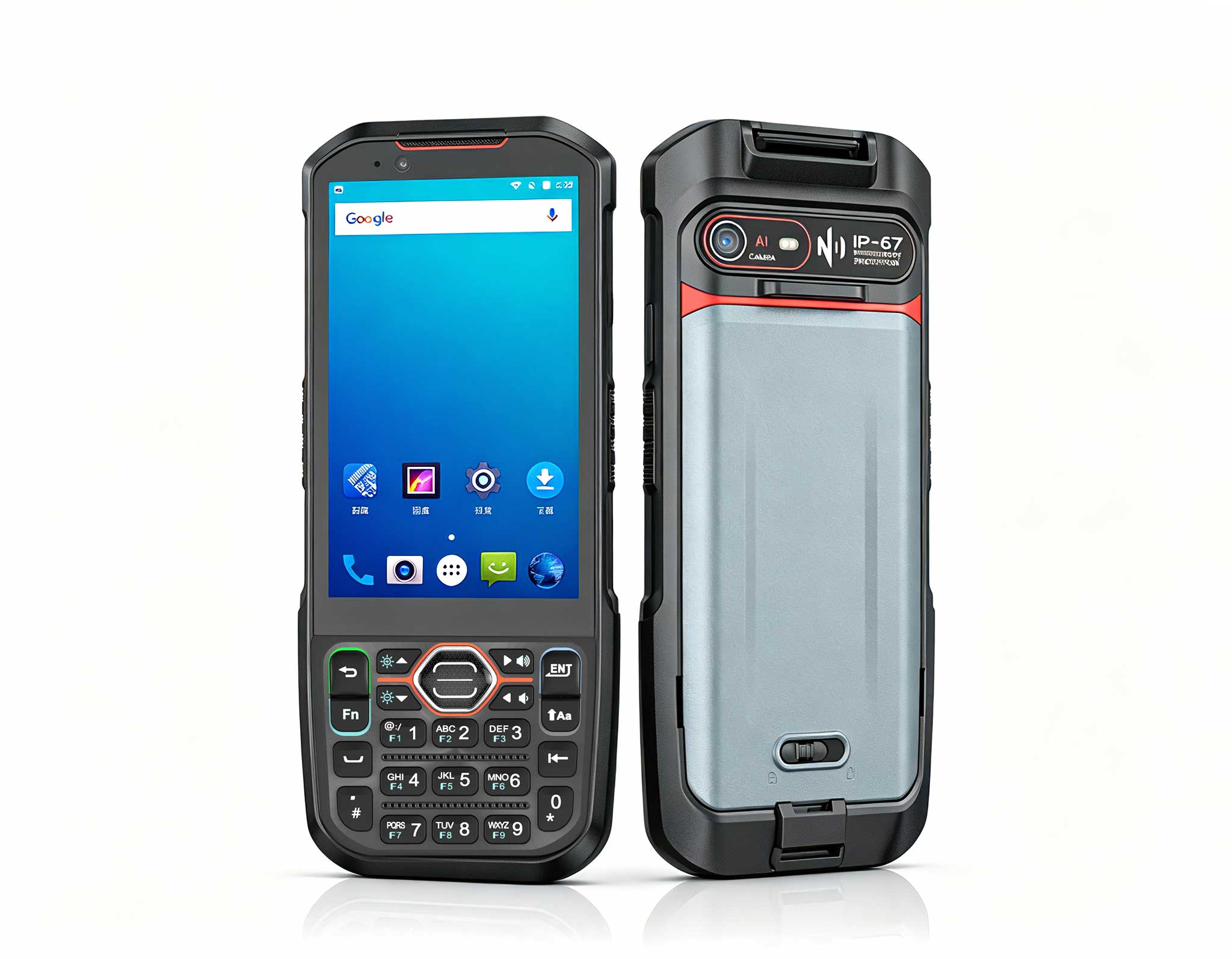
Devices help only where they remove a manual step previously done badly. Barcode capture turns a hand-written part number into something a system can match. A camera with autofocus and flash turns a claim about a damaged component into an image attached to that row. A network that stays up through a damp space turns a reading into a synchronised record instead of a local copy nobody else sees. None replaces the second pass, which is a human act.
Laying the three rows side by side produces something more useful than any alone. A reading row without a handover row is an unfinished observation. A handover row without an invoice row is an unresolved obligation. An invoice row without a reading row is an assertion. Only when all three appear in sequence does the sheet become evidence rather than commentary, and that sequence is what an owner, a surveyor and an insurer can verify without trusting anyone's memory.
The practical benefit is that disputes get smaller and rarer. A shore office receiving a complete timeline does not open an investigation; a surveyor seeing a dated sequence signs in minutes instead of requesting paperwork taking weeks. The crew pays a few seconds per row, easy to justify against a single query that delays a statement by a month.
The test of a log sheet is not how complete it looks but how readily the next desk accepts it. A figure defended from a handwritten note, a memory or a verbal briefing is negotiated every time; one arriving with its instrument, timestamp and confirming signature is discussed once. Building a sheet around that test changes what equipment is bought, rewarding capture at the point of work rather than storage capacity back at the office.
For any operation running this record across several vessels, the sensible starting point is to fix the three moments first and choose devices second. Once they are fixed, the requirements fall out: legibility where the work happens, connectivity where the space is wet, and archive capacity where crew memory is the shortest link. Specifications are easy to compare; the moments a sheet must survive are easy to overlook. Buyers comparing platforms can work through rugged mobile computing solutions against those moments rather than a sheet that answers none of them.
It also helps to know where the wider product comparisons and competitor analysis place these devices, because the moment a record must survive is usually when a crew is tempted to accept the nearest substitute rather than wait for the correct part. A vessel that plans for that pays once; a vessel that decides during a round pays in duplicated rows, re-opened findings and statements that take a month longer to settle.