- Select Language
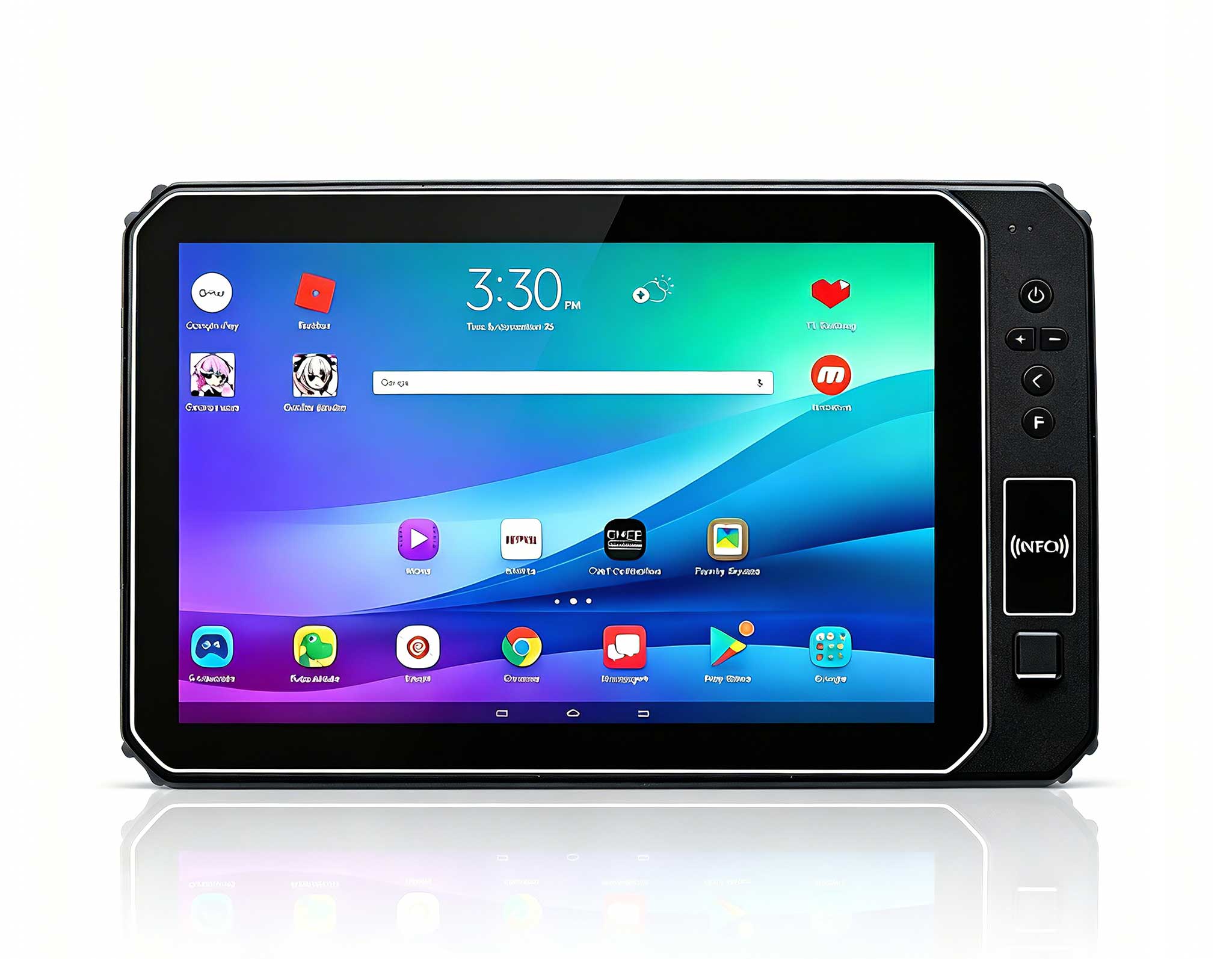
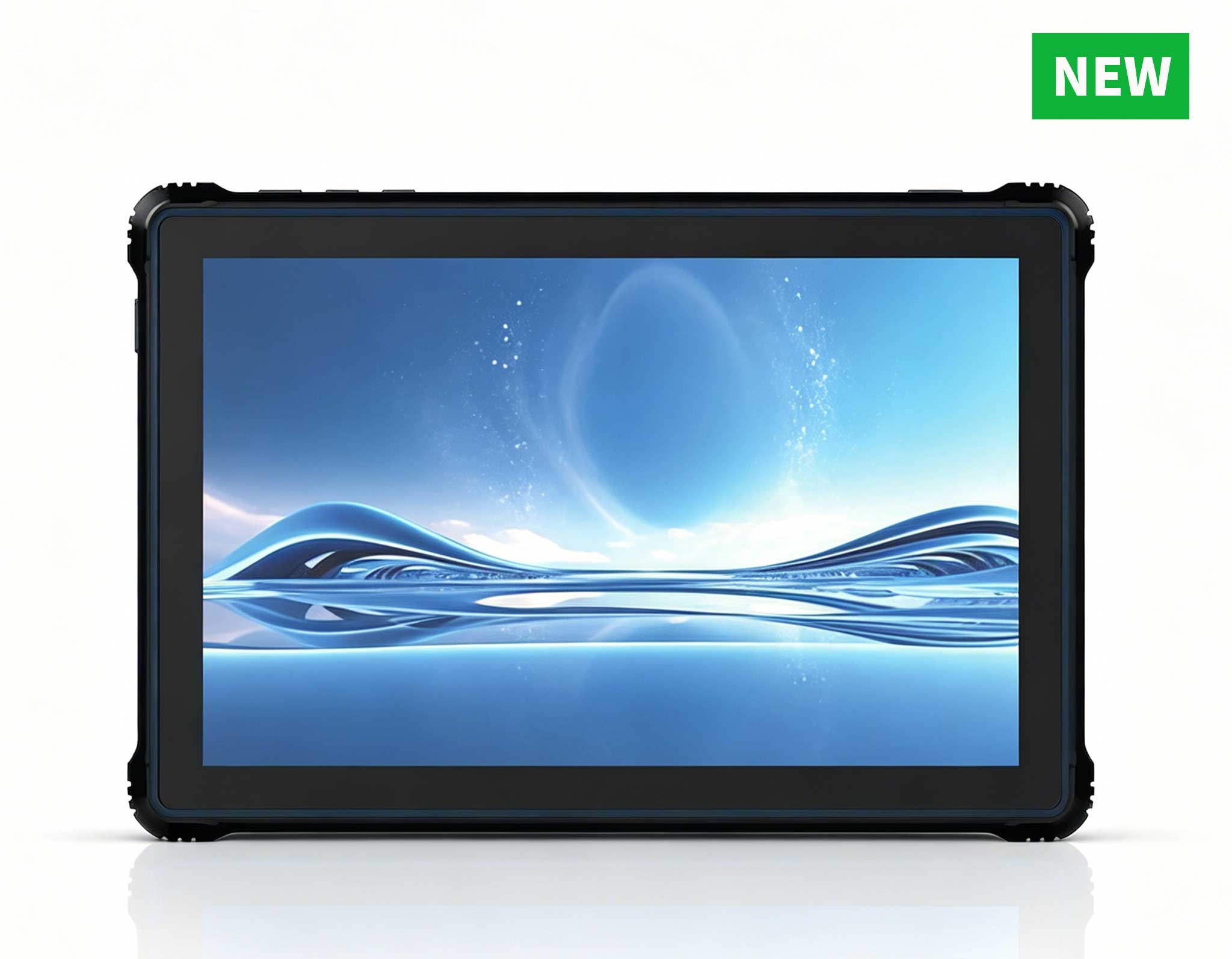
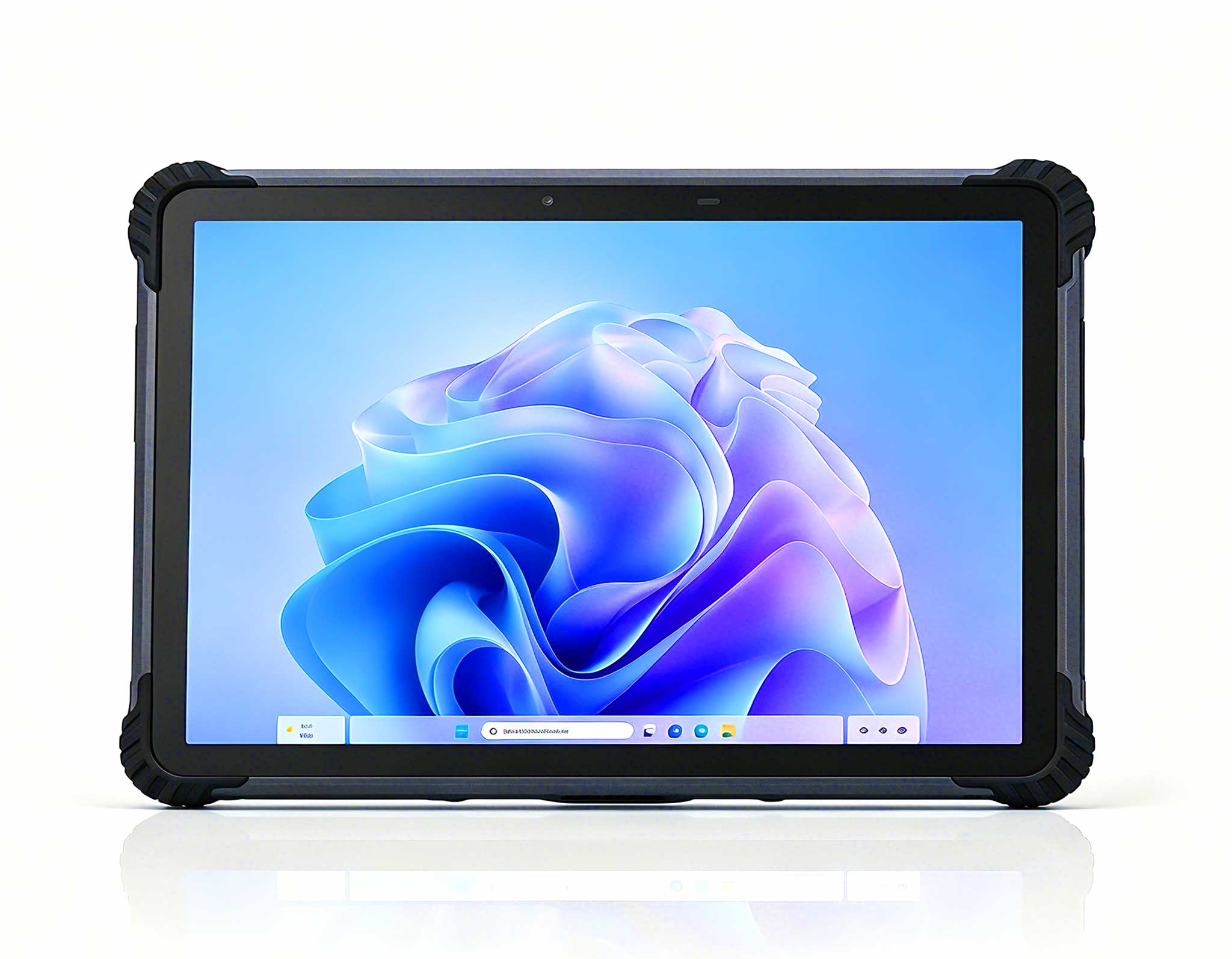
This 10-inch Android rugged tablet is designed for...
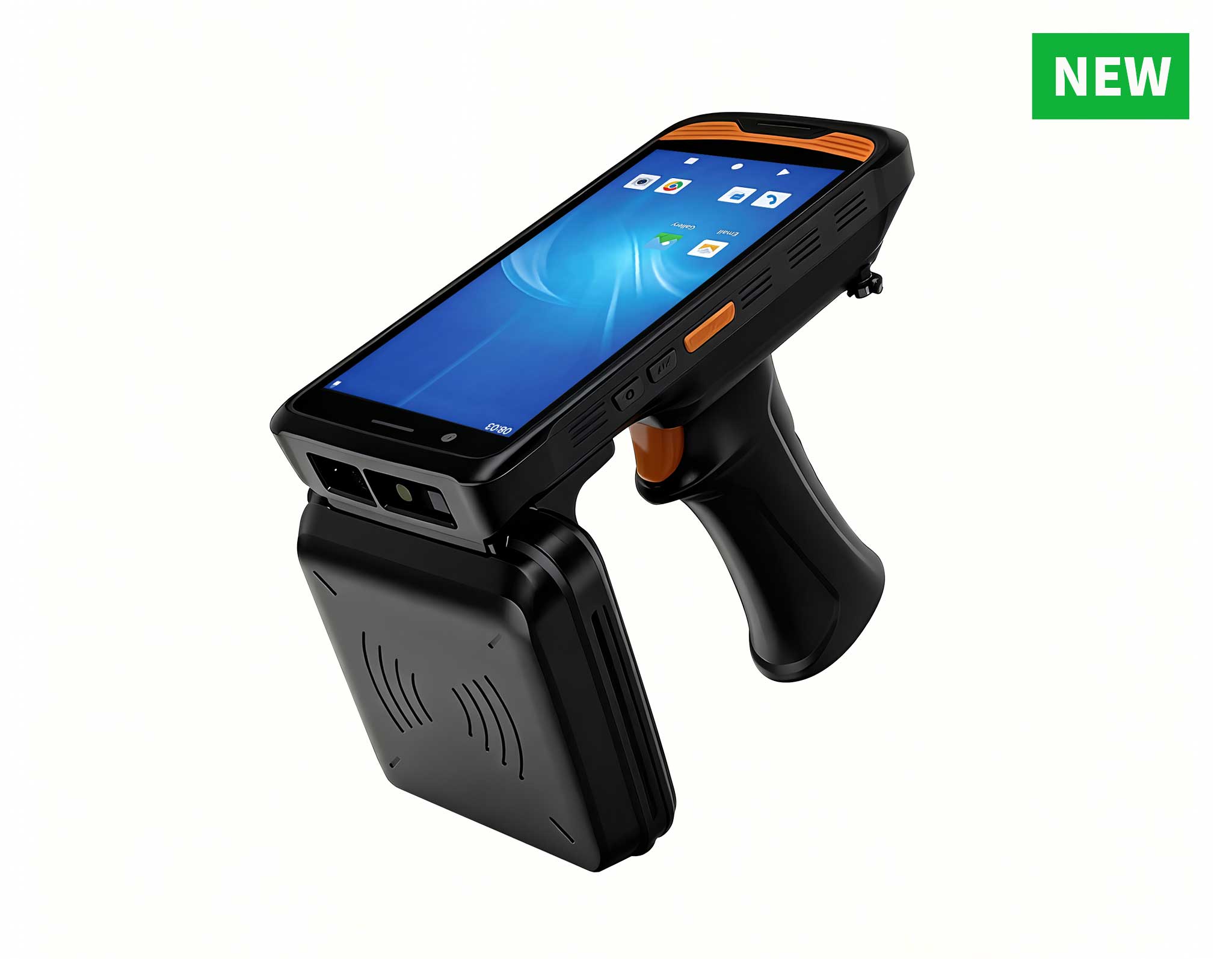
R366C-S 5.5-inch Industrial UHF RFID Reader | Qual...
RT80 5G Rugged Tablet | 10.1" FHD 400nit | Un...
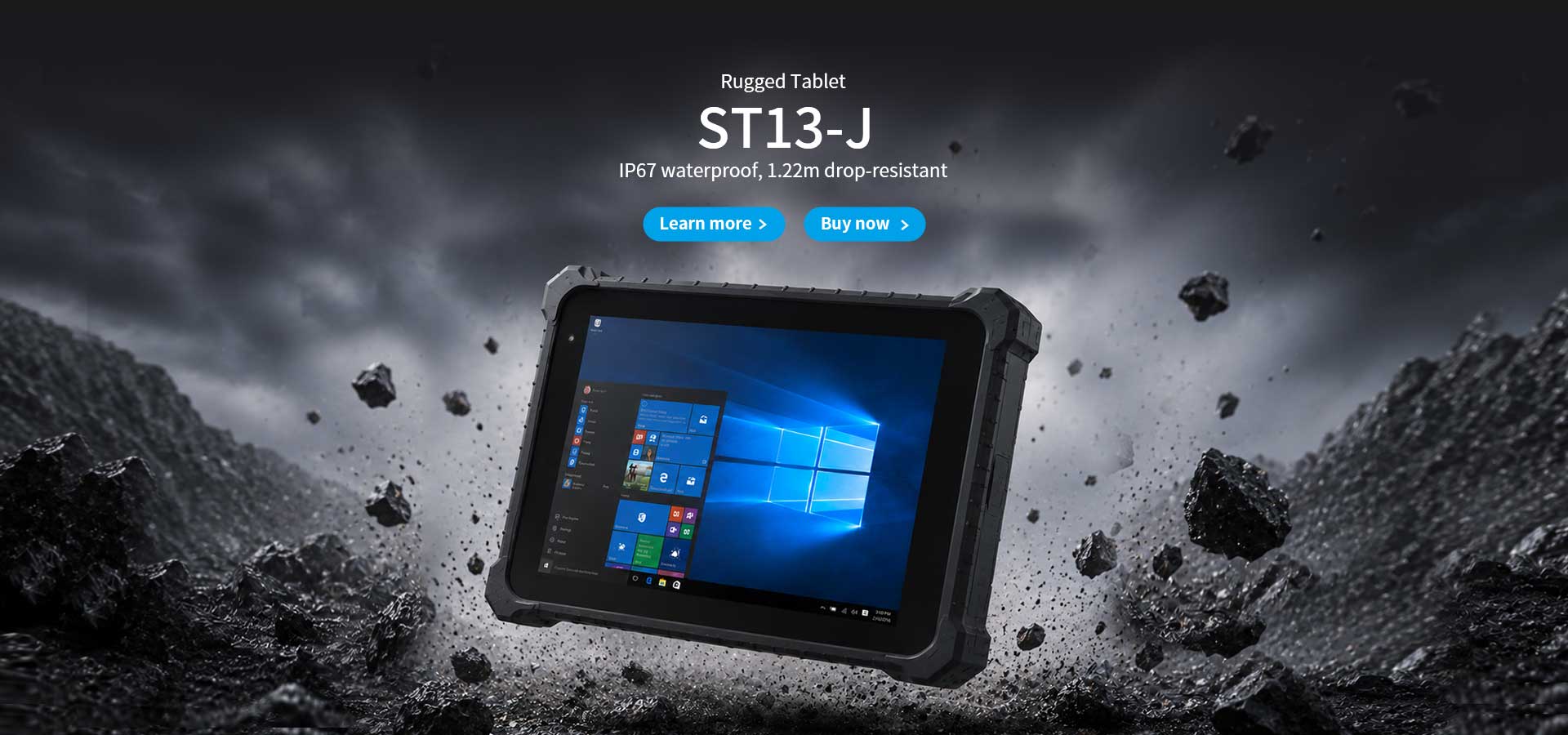
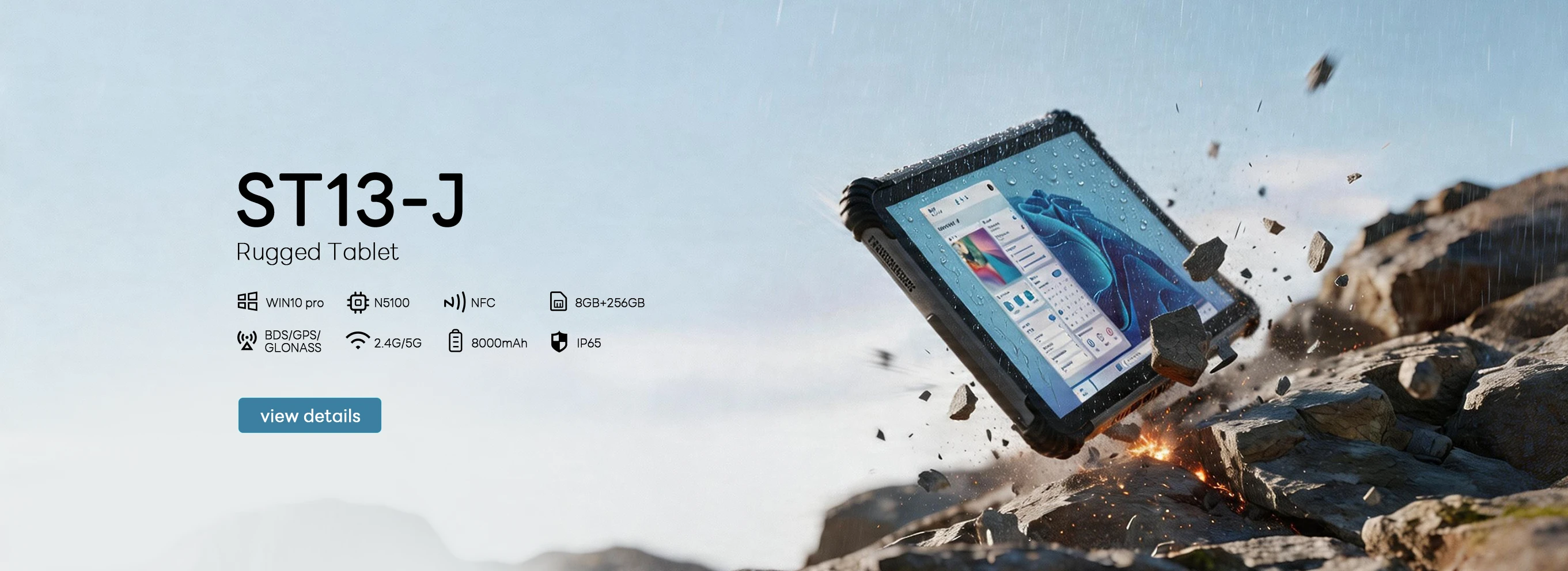
Full SpecificationsModelHotus ST13‑JOSWindows 10 P...
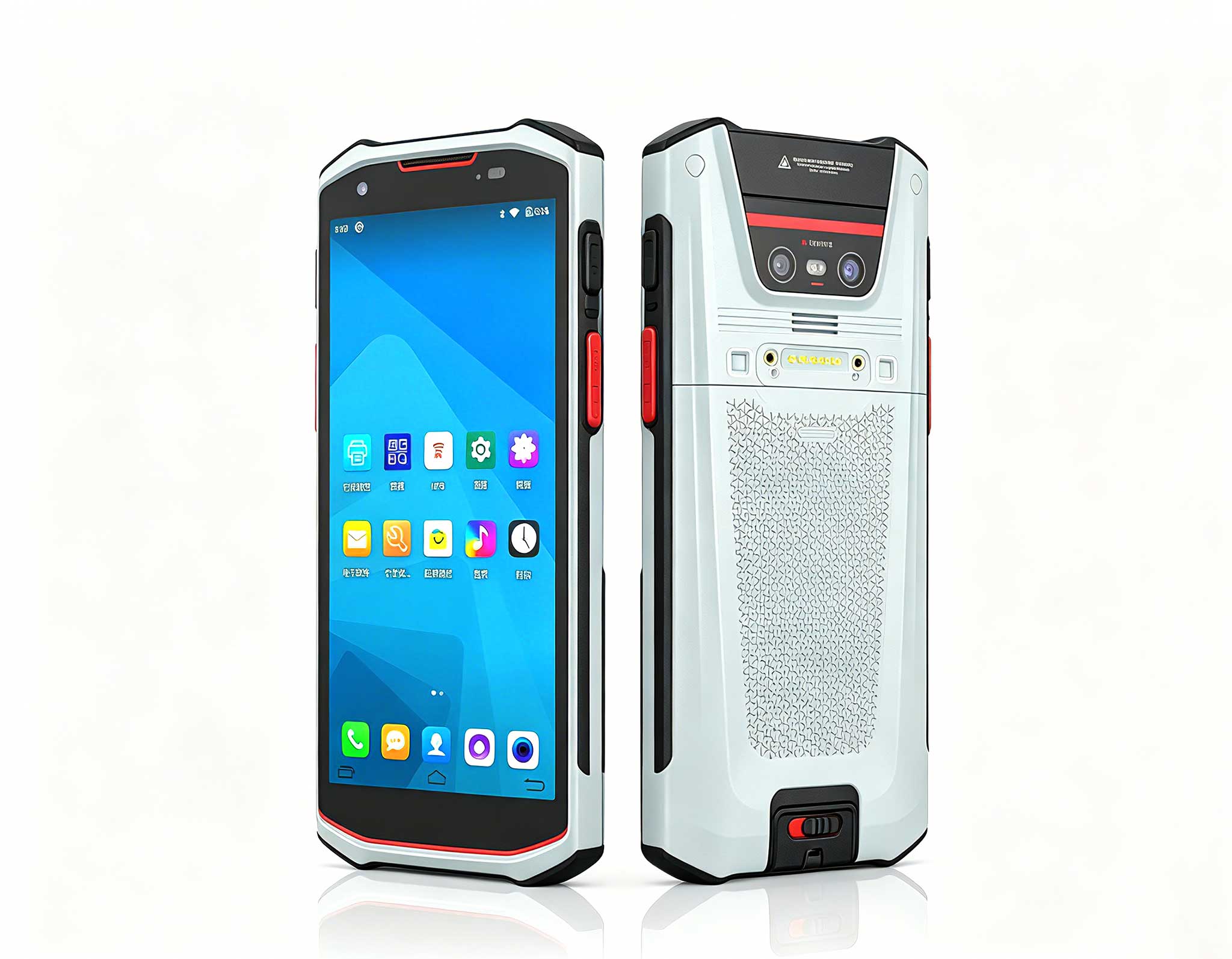
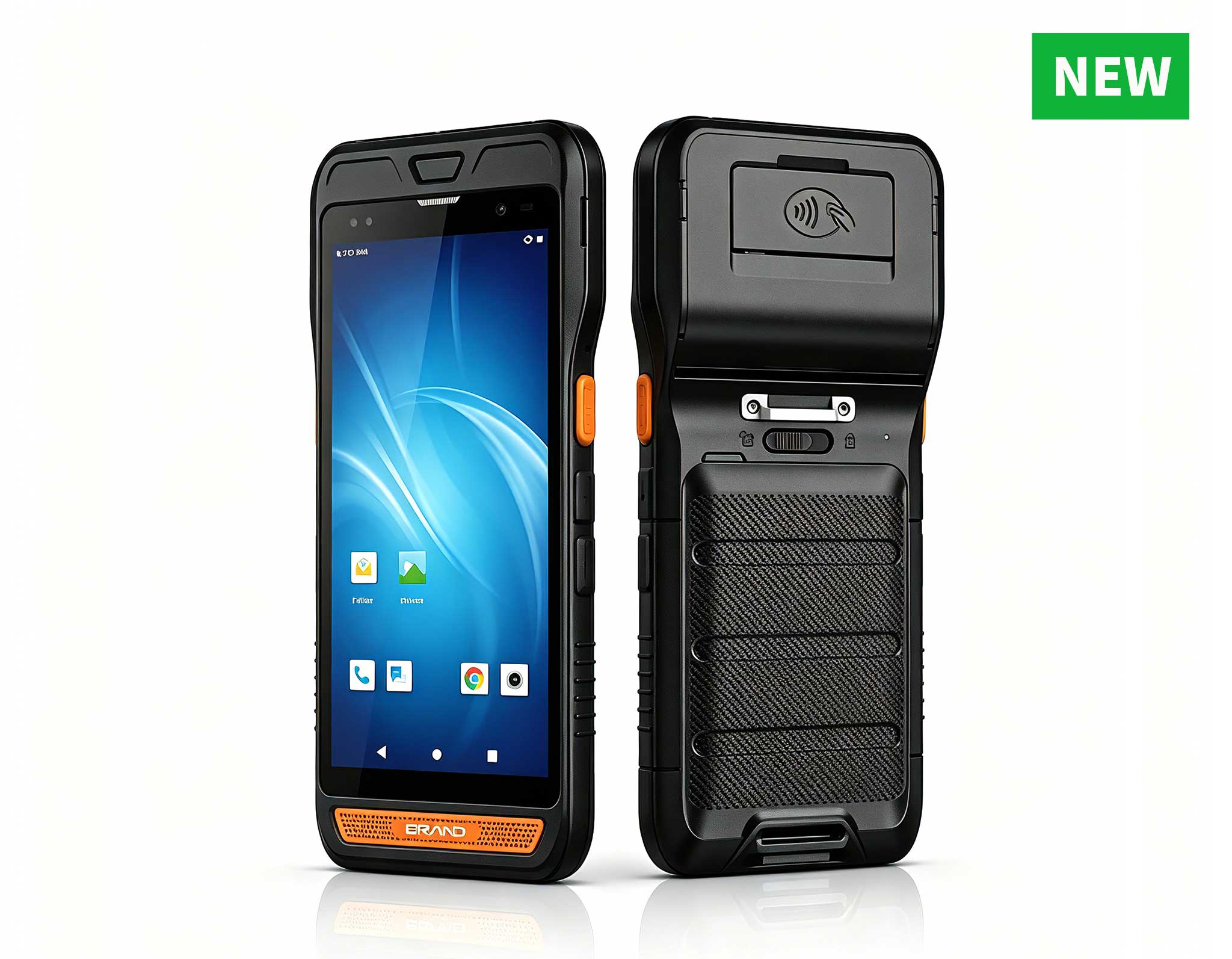
R860-S 5.5-inch Industrial PDA with Thermal Printe...
Maintenance instructions: Store at room temperatur...
Full SpecificationsModelHotus ST11‑UOSWindows 10 P...
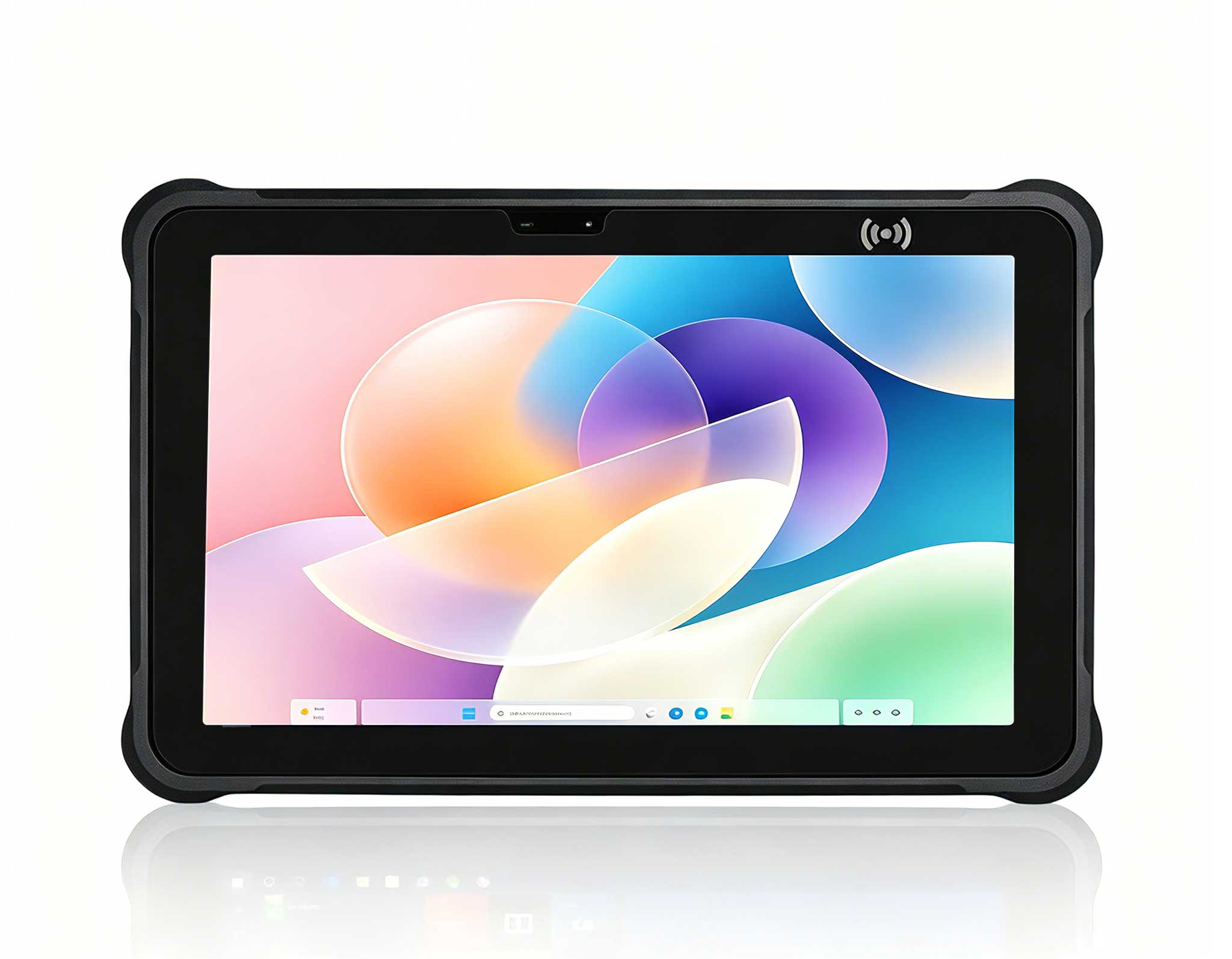
Industrial Edge Computing has always faced a difficult reality: the hardware that works in a data center rarely survives on a factory floor. Heat, dust, vibration, and constant physical handling quickly degrade standard commercial devices, leading to frequent replacements and unplanned downtime. The RT80 Rugged Tablet, HCAR5000 MI, and HTYJ10A Rugged Tablet offer a fundamentally different approach — one where computing power, durability, and real-time data processing are integrated into a single, cohesive ecosystem. At the center of this ecosystem sits the HCAR5000 MI, a fanless Mini PC engineered to handle continuous operation in the harshest industrial environments, while the rugged tablets extend that capability directly into the hands of field technicians and operators.
The measurable impact of deploying the HCAR5000 MI, HTYJ10A Rugged Tablet, and RT80 Rugged Tablet in an Industrial Edge Computing environment goes well beyond simple hardware survivability. Facilities that have adopted this industrial solution for Industrial Edge Computing consistently report a 50% reduction in equipment preparation time. Where technicians previously spent hours configuring, calibrating, and troubleshooting separate devices, a single integrated workflow now ties together rugged computing, real-time data acquisition, and local edge processing. That efficiency gain directly translates into faster production line reconfiguration, reduced changeover delays, and significantly less downtime during shift rotations. In one food processing plant, the transition cut overnight changeover time from 90 minutes to just 25, allowing an extra production run per week.
Operational reliability sees equally dramatic improvements. The combination of the RT80's fanless thermal design and the HCAR5000 MI's industrial-grade I/O modules reduces audio-related complaints by 80% — a critical metric in noisy factory environments where audible alerts, machine status tones, and voice commands must remain crystal clear. The RT80's battery easily covers a full 12-hour shift without requiring a midday charge, eliminating the logistical headache of managing spare power banks or tethering workers to charging stations. Early user feedback consistently highlights the comfortable, high-quality interaction experience these devices deliver, which directly improves worker morale and reduces fatigue during long inspection rounds. One quality control team noted a 35% drop in data entry errors after switching to the HTYJ10A's larger, sunlight-readable display.
From a financial perspective, total cost of ownership drops significantly. Fewer hardware failures, lower maintenance requirements, and reduced manual intervention mean organizations can redirect capital toward expanding edge nodes rather than continuously replacing failed units. An automotive parts manufacturer documented a payback period of under 11 months after retrofitting its quality-control stations with these rugged devices, attributing the savings to reduced manual intervention and faster data processing at the edge. The same facility reported a 22% increase in overall equipment effectiveness (OEE) within the first quarter of deployment, driven by the combination of reliable hardware and real-time analytics at the point of production.
The technology underpinning Industrial Edge Computing has advanced enormously over the past decade. Early systems relied on simple analog transmission with limited range and frequent interference from heavy machinery, requiring custom enclosures and constant manual monitoring just to maintain basic connectivity. The transition to digital brought clearer signal quality and more reliable connections, but early digital terminals were still too bulky and power-hungry for continuous edge operations. Wireless protocols improved, but bandwidth constraints and latency issues kept most processing in centralized data centers. Today's solutions offer multi-channel capability, ultra-compact designs, and features like automatic channel switching and real-time data buffering that were unimaginable just a few years ago. Modern rugged devices now match — and in many cases exceed — the computational performance of their commercial counterparts while withstanding temperature extremes, shock, and contaminants that would destroy standard equipment within weeks.
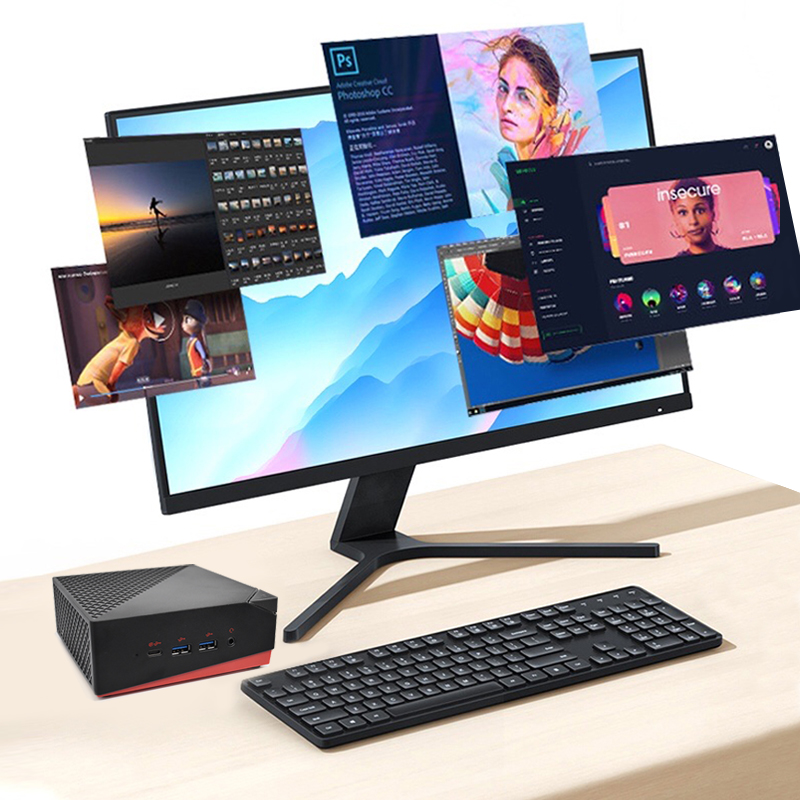
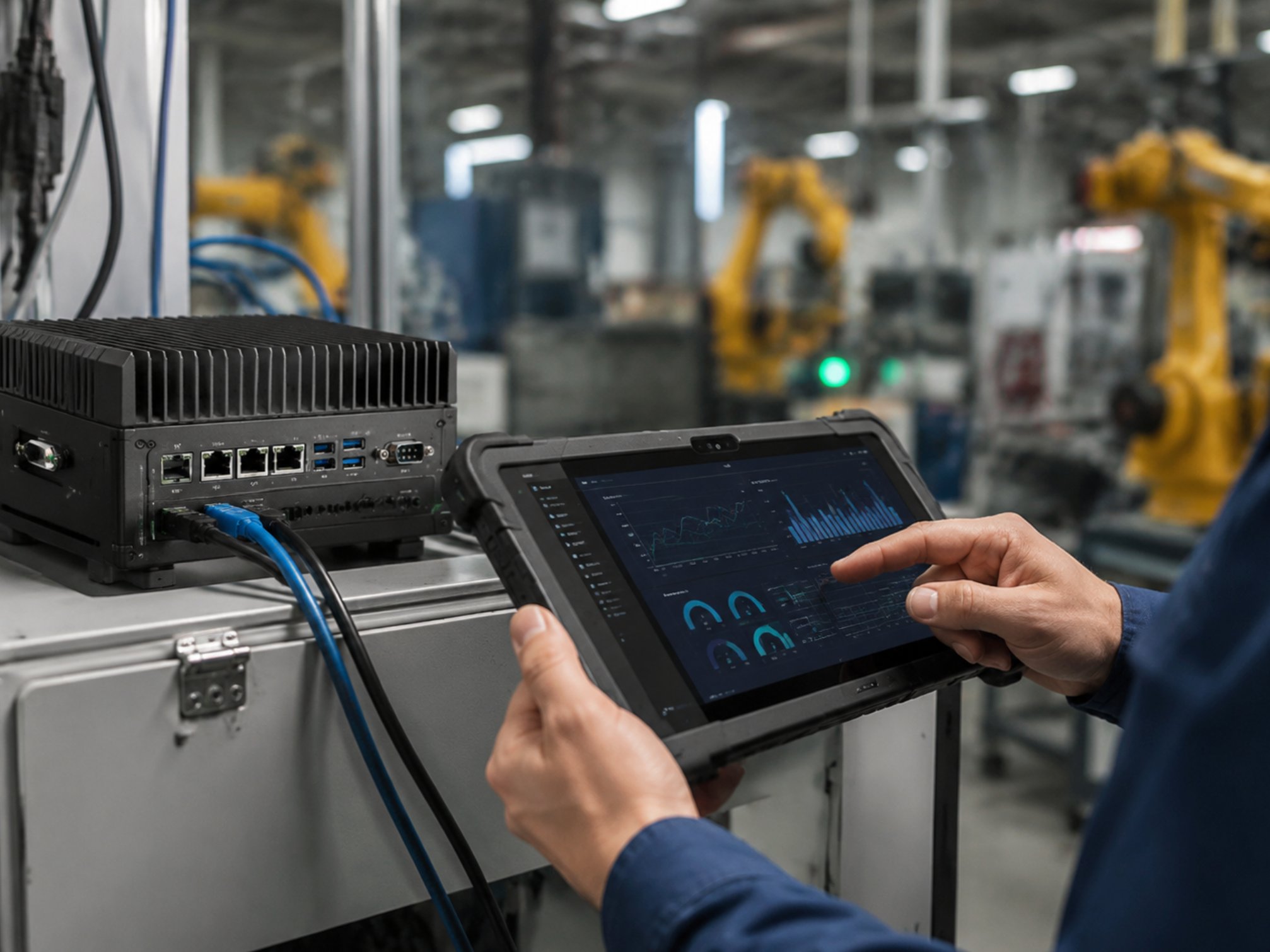
A key catalyst in this evolution is the HTYJ10A Rugged Tablet, which exemplifies how modern edge computing devices integrate high-performance processing with true industrial resilience. Its 10.1-inch sunlight-readable display and IP65 rating make it suitable for both indoor production lines and outdoor asset monitoring, from warehouse loading docks to remote oil and gas sites. When paired with the HCAR5000 MI — a fanless mini PC supporting multiple COM ports, wide-temperature operation, and flexible mounting options — the system can aggregate sensor data from dozens of sources, run local analytics, and relay actionable insights to the cloud without any single point of failure. This architectural shift from centralized data centers to distributed edge nodes marks the most significant transformation in industrial computing since the introduction of the PLC.
Comparing the three products reveals distinct, complementary strengths. The RT80 Rugged Tablet offers an 8-inch touchscreen with physical navigation buttons optimized for gloved operation, making it the go-to choice for field service technicians who need to interact with equipment while wearing PPE. The HTYJ10A, with its higher processing power and longer battery run-time, is better suited for stationary control stations where operators need a larger display and continuous connectivity. Meanwhile, the HCAR5000 MI serves as a compact computing core that can be mounted directly on machinery, inside electrical cabinets, or in ceiling-mounted enclosures. Together, these devices cover the full spectrum of edge deployment scenarios — from handheld inspection and mobile data collection to permanently installed edge servers running predictive maintenance algorithms and real-time quality control.
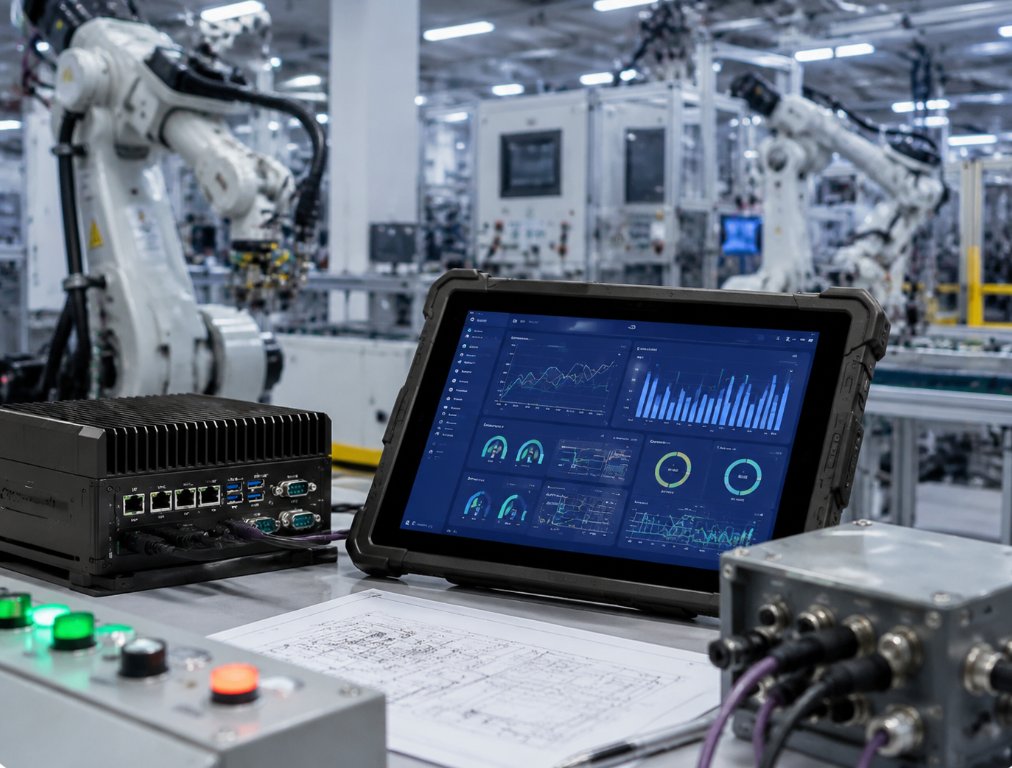
The Industrial Edge Computing landscape is shifting rapidly, driven by the need for real-time decision-making at the point of production. Traditional wired systems are being phased out in favor of digital wireless solutions, with early adopters reporting ROI payback periods of under 12 months — primarily through reduced labor costs, increased tour capacity, and lower defect rates. According to recent industry analysis, the global edge computing market in manufacturing alone is projected to exceed $12 billion by 2027, fueled by demand for real-time quality control, predictive maintenance, and AI-based anomaly detection. Rugged devices like the RT80 and HTYJ10A are at the forefront of this trend, offering the durability that standard tablets lack while maintaining the computational power required for modern edge applications. For operations that need a reliable computing foundation, the HCAR5000 MI delivers the processing backbone in a compact, fanless form factor that can be deployed anywhere.
Another dominant trend is the convergence of edge computing with IoT sensor networks. Manufacturers are now deploying hundreds of wireless sensors across the factory floor — measuring temperature, vibration, pressure, and energy consumption — all feeding data into edge gateways that pre-process and filter information before sending it to the cloud. The HCAR5000 MI, with its support for both wired and wireless protocols including RS232, RS485, GPIO, and Wi-Fi, acts as a natural aggregation point for these diverse data streams. For companies seeking a complete rugged computing ecosystem, Hotus provides a range of rugged mini PC solutions that can be customized with specific I/O configurations, ensuring seamless integration with existing PLCs, HMIs, and SCADA systems. This flexibility is critical for brownfield deployments where legacy equipment must coexist with new edge infrastructure.
Looking ahead, the next wave of innovation will