- Select Language
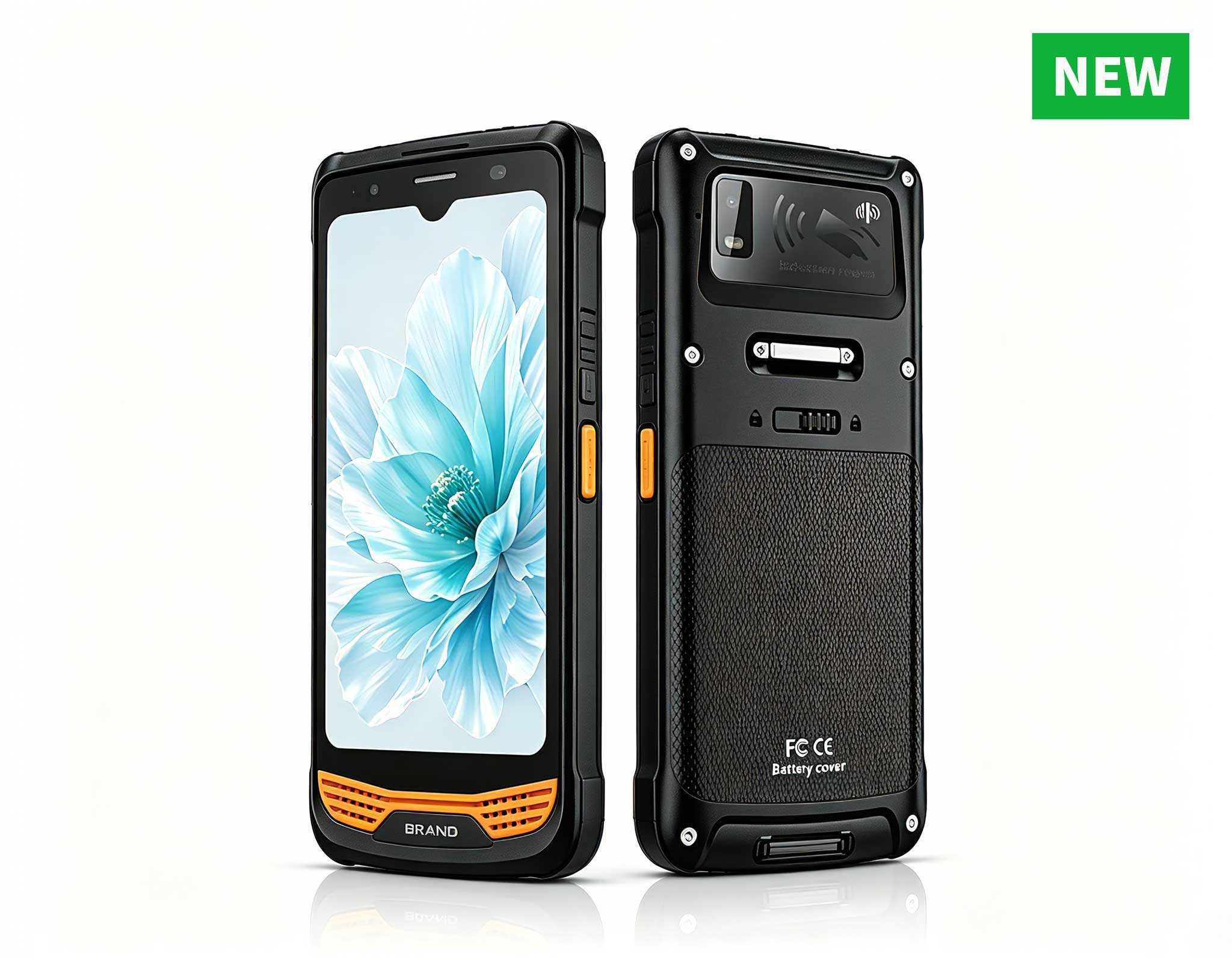
Explore an innovative Personal Digital Assistant f...
The N60 PDA is a cutting-edge device for inventory...
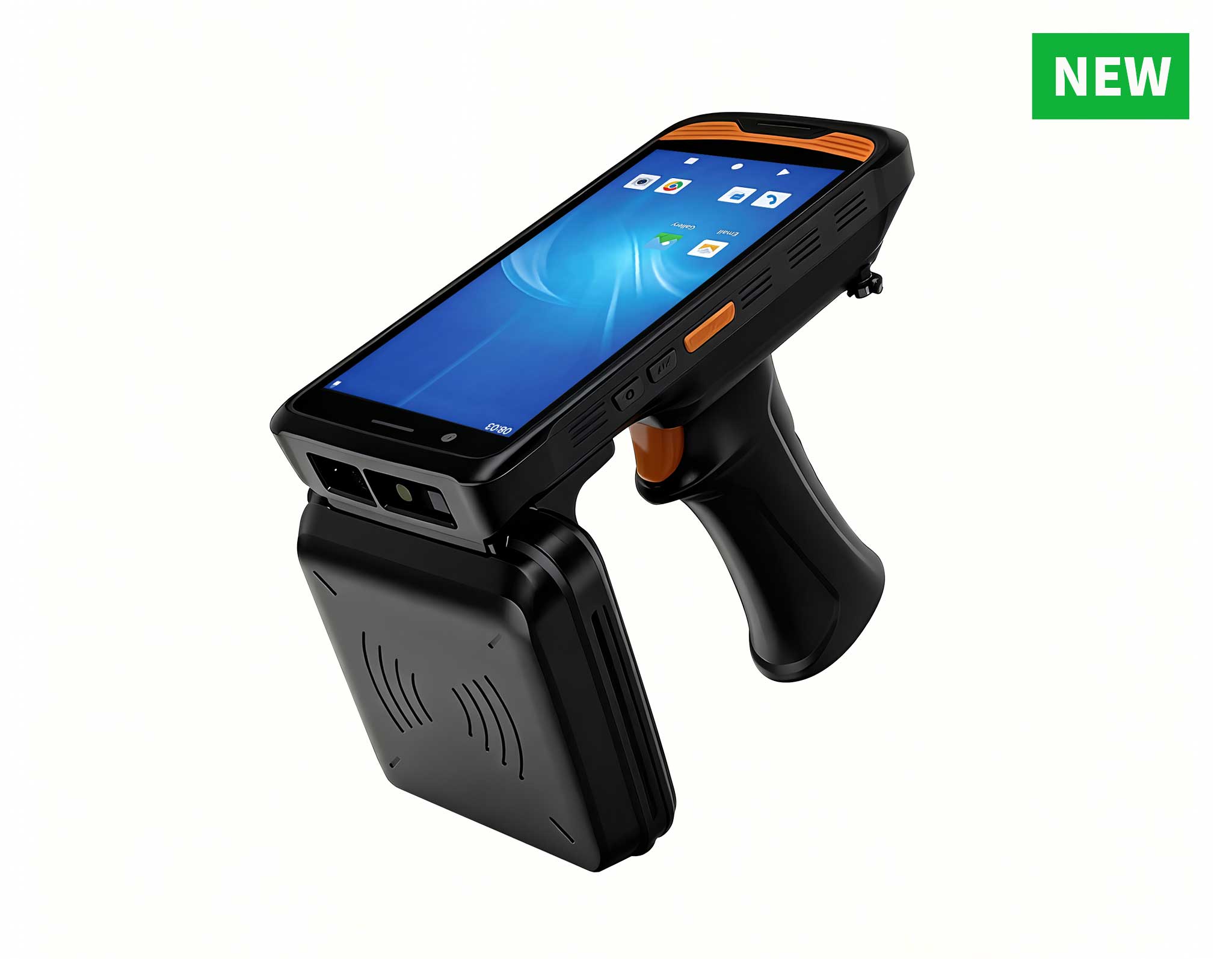
R366C-S 5.5-inch Industrial UHF RFID Reader | Qual...
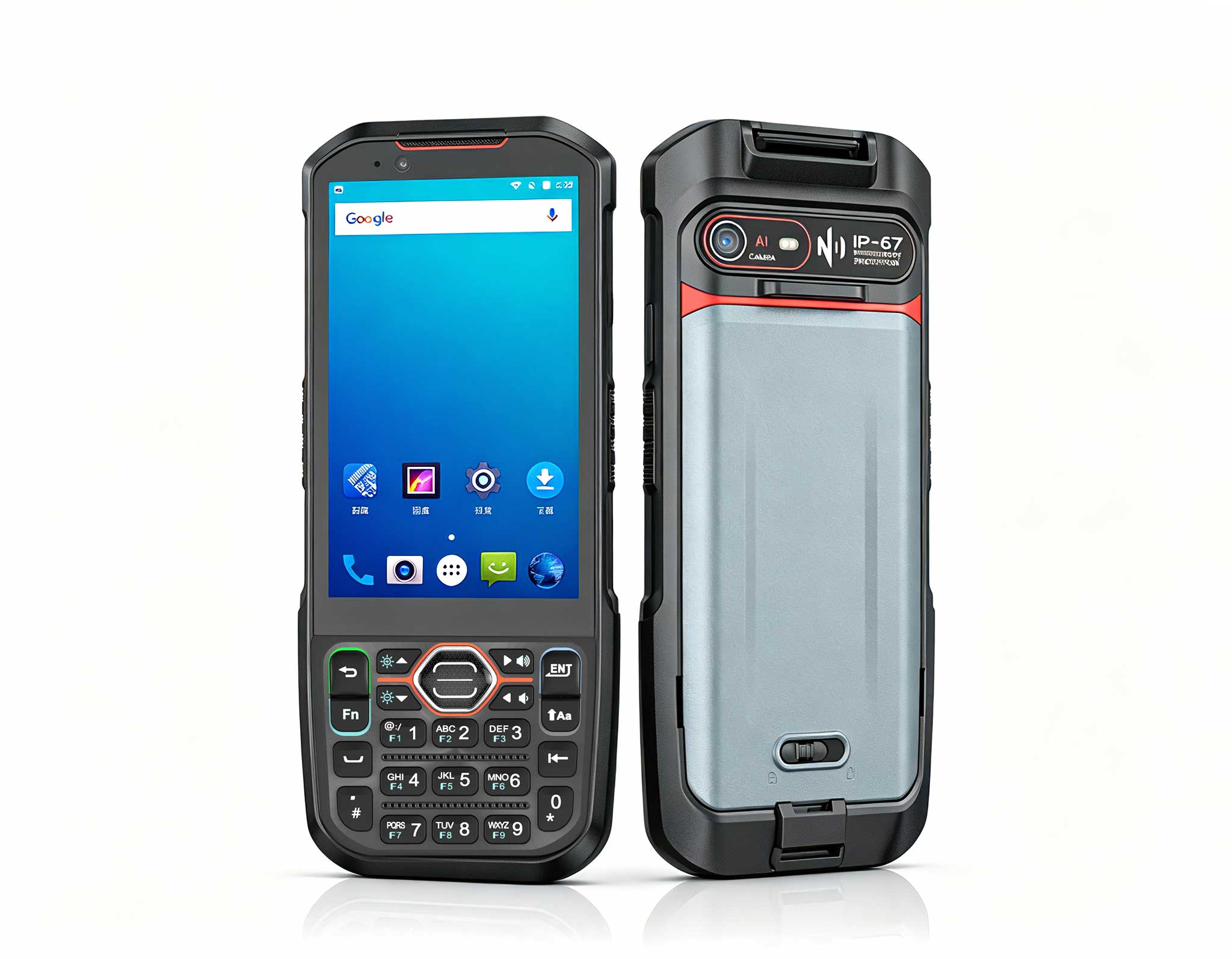
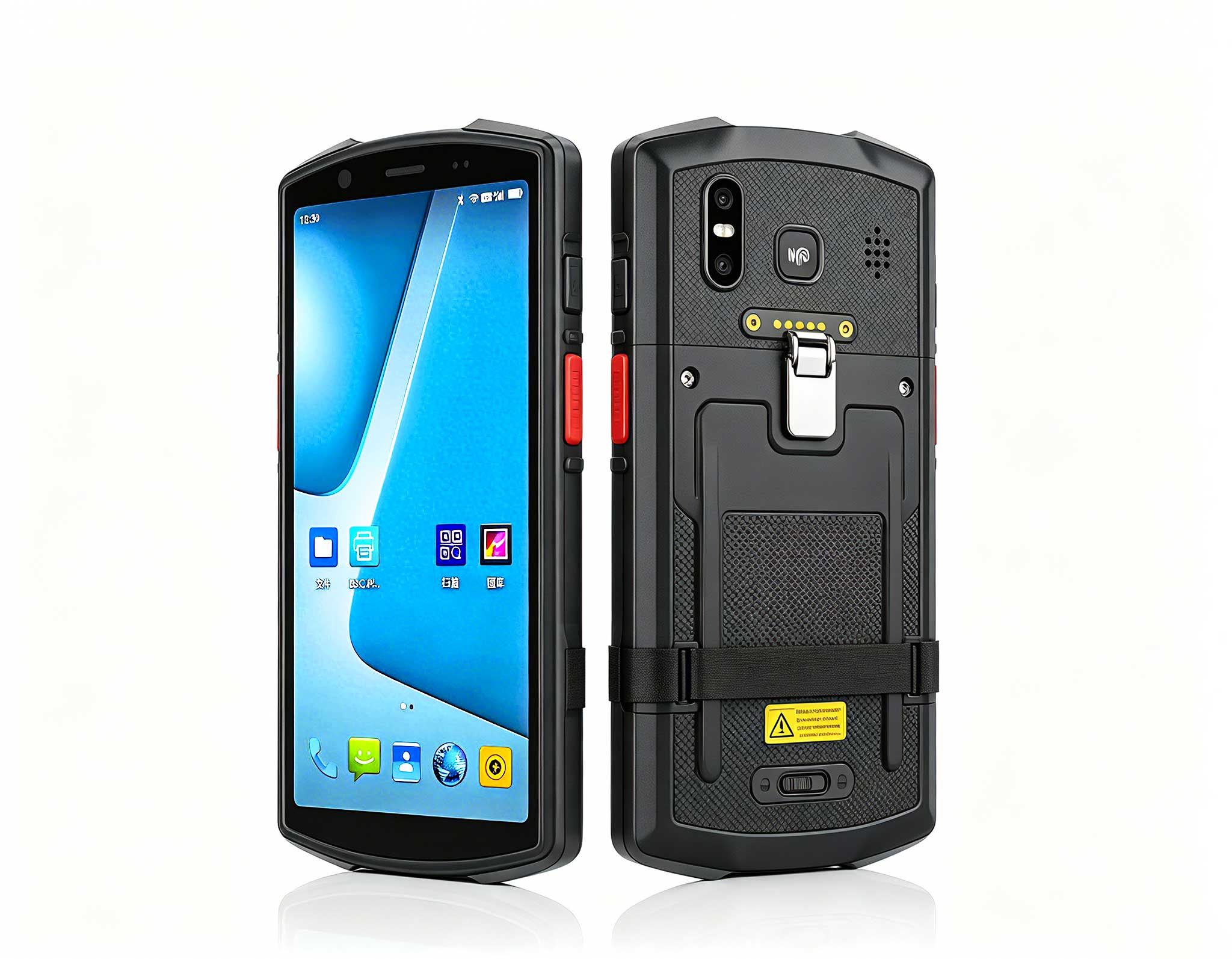
R366-S Thin 5.5-inch Industrial PDA | Qualcomm Oct...
R366-S Thin 5.5-inch Industrial PDA | Qualcomm Oct...
Explore an innovative Personal Digital Assistant f...
Technical SpecificationsModel: Palm-sized miniPCTy...
Maintenance instructions: Store at room temperatur...
The PM156-1 is a 15.6-inch portable PC monitor fea...
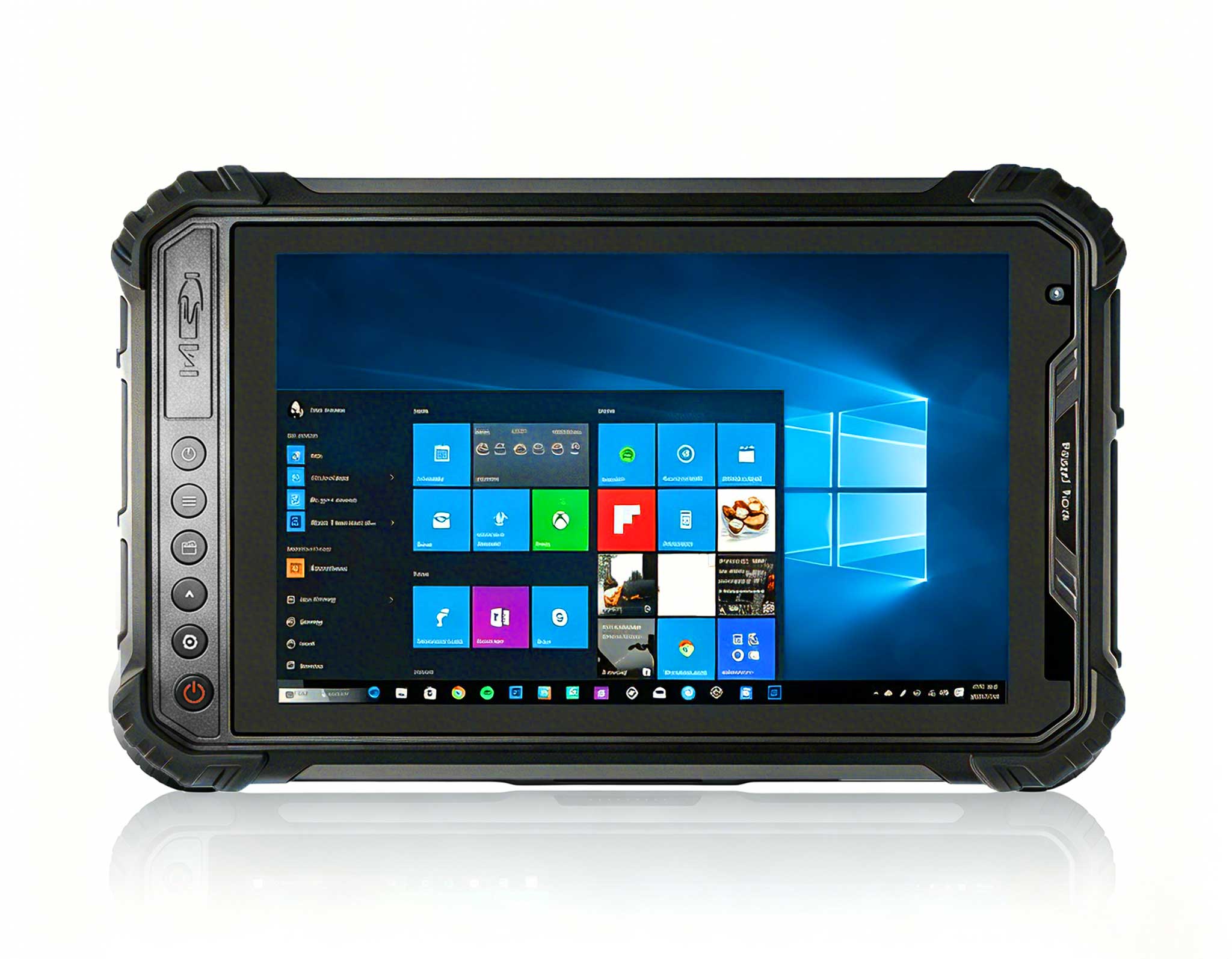
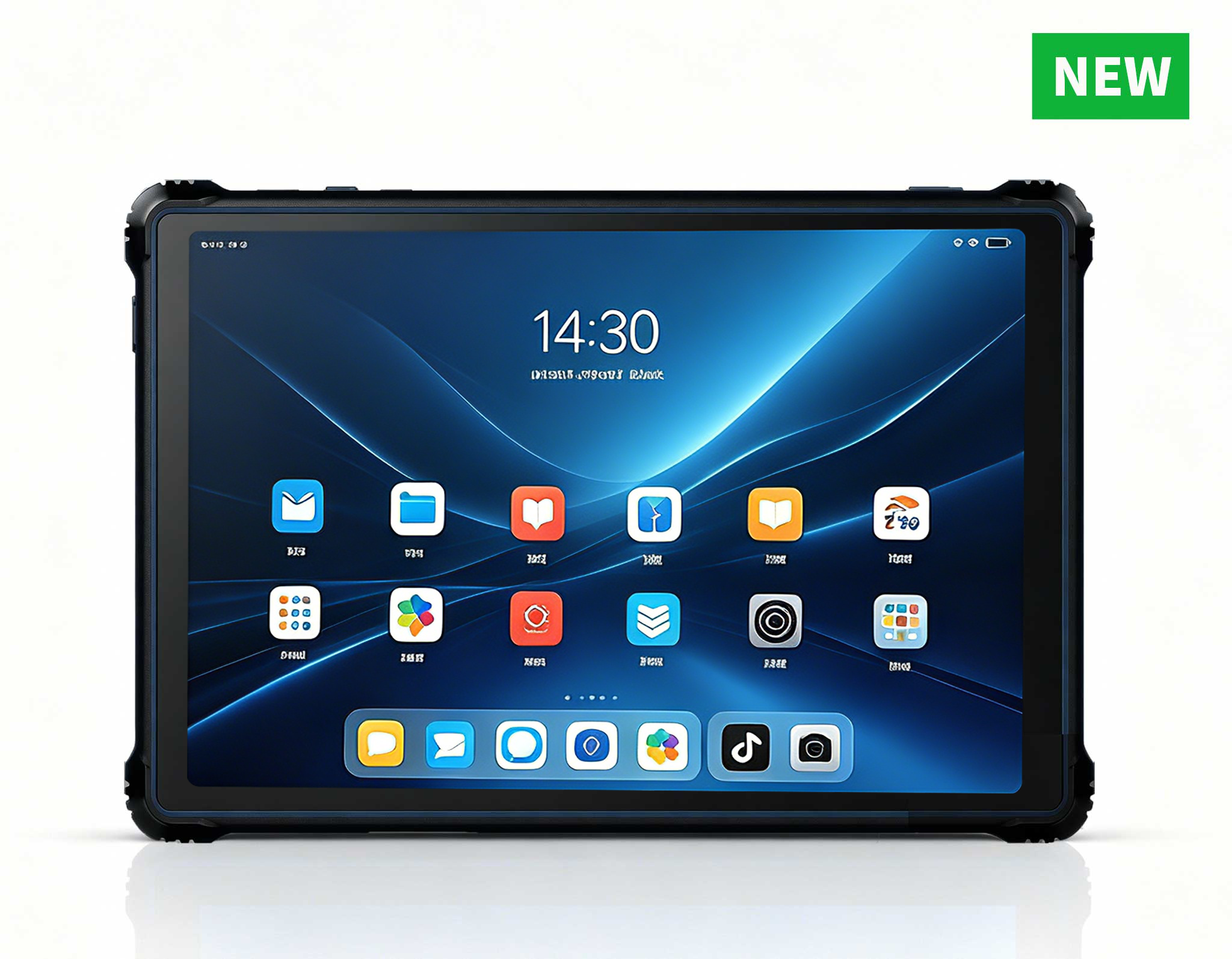
RT82 5G Rugged Tablet | 10.1" FHD 400nit | Qu...
In the high-stakes world of petrochemical refining, gas extraction, and underground mining, the margin for error is razor-thin. One spark from a standard electronic device can ignite volatile gases or combustible dust, triggering a catastrophic explosion. According to OSHA and industry reports, a significant percentage of industrial fires originate from electrical equipment acting as an ignition source. This reality makes explosion-proof computing not a luxury—it is a mandatory safety requirement.
For safety managers, procurement officers, and operations directors working in these high-risk sectors, selecting the right certified device is critical. There is a common misconception that any "rugged" device is safe for hazardous areas. This is false. A device introduced for general industrial use lacks the intrinsic safety engineering required to prevent ignition.
This guide provides a comprehensive overview of the ST11-J rugged tablet, focusing on its applicable certifications: ATEX, IECEx, CCRI, and MA/KA. We explain what these certifications mean, which countries they cover, and how the ST11-J meets the rigorous demands of Zone 1, Zone 2, and Class I/II Division environments.
Understanding these standards is essential for legal compliance and operational safety. By the end of this article, you will have the knowledge to evaluate certification requirements and make an informed decision for your hazardous area computing needs.
!ST11-J ATEX explosion proof rugged tablet hazardous area
---
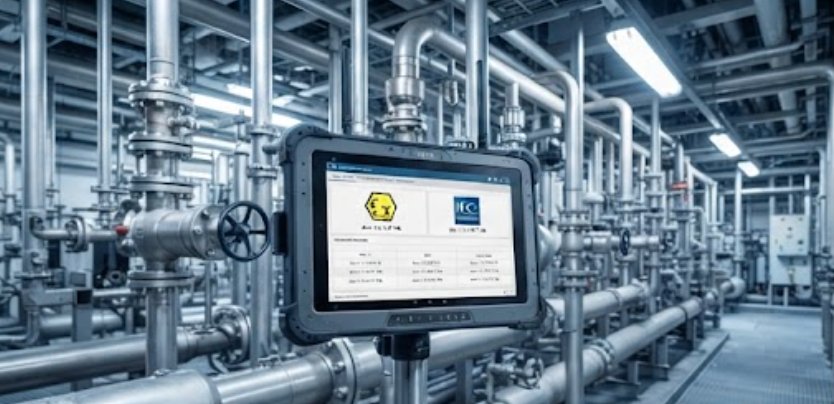
ATEX is an acronym derived from the French *"Atmosphères Explosibles"*. It is a mandatory European union directive (Directive 2014/34/EU for equipment, and 1999/92/EC for workplace safety) that governs equipment intended for use in potentially explosive environments.
To understand ATEX, one must understand the classification of hazardous areas. The directive defines Zones based on the frequency and duration of the presence of an explosive atmosphere.
Browse our Hotus rugged device lineup.
Standard laptops, smartphones, and tablets are not designed for explosive environments. They contain potential ignition sources that must be controlled. The ATEX directive identifies several key ignition sources that standard devices possess:
The ST11-J is engineered to mitigate these risks. It utilizes intrinsic safety barriers, low-power circuitry, and specialized thermal management to ensure no part of the device reaches a temperature high enough to ignite the surrounding atmosphere. The casing is made of antistatic materials to prevent static buildup.
ATEX certification is not a single sticker. It is a series of tests and documentation confirming that the device is safe for a specific Gas Group (e.g., IIC for Hydrogen) and Temperature Class (e.g., T4 for 135°C surface temperature limit). For the ST11-J, the certification covers the typical groups found in oil and gas (Group IIA, IIB, IIC) and mining (Group I).
!ST11-J IECEx certified mining oil gas hazardous environment
---
While ATEX is the legal requirement for the European union, IECEx (International Electrotechnical Commission System for Certification to Standards Relating to Equipment for Use in Explosive Atmospheres) is the international equivalent.
The IECEx system is recognized in over 60 countries, including Australia, Brazil, Canada, China, India, Japan, South Korea, Russia, the USA (via OSHA recognition of NRTLs), and many Middle Eastern nations. For companies operating across multiple borders (e.g., a Dutch engineering firm building a plant in Qatar, or a Canadian mining company operating in Chile), IECEx certification simplifies compliance.
1. Global Acceptance: A single IECEx certificate is accepted by most of the world’s major industrial economies. This eliminates the need for separate national re-testing.
Check our Hotus industrial tablet solutions.
2. Online Database: All valid IECEx Certificates of Conformity (CoC) are publicly searchable in the IECEx online database. This allows end-users and inspectors to instantly verify the certification status of the ST11-J.
3. Reduced Time to Market: For manufacturers like Hotus, obtaining an IECEx certification through a recognized ExCB (Examination Certification Body) streamlines the process for global distribution.
The ST11-J is designed to meet the stringent requirements of the IEC 60079 series of standards (the technical backbone of IECEx). This covers:
Intrinsic Safety (Ex ia or Ex ib): This is the primary protection concept for the ST11-J. It ensures that the electrical energy stored and generated within the device is kept below the level required to ignite a specific gas or dust atmosphere. The "ia" rating provides the highest level of safety, permitting the device to operate in Zone 0 and Zone 20 areas (for specific gas groups and temperature classes).
For a global oil trader or a diversified mining conglomerate, choosing the ST11-J with IECEx certification provides a single hardware platform that can be deployed across multiple regulatory jurisdictions, reducing inventory complexity and training costs.
---
While ATEX and IECEx are the most widely recognized, specific regional and industry standards are equally vital for legal operation in certain markets. Understanding the distinction between these certifications is crucial for global deployment.
See our full Hotus explosion-ready product catalog.
CCRI is the China Certification for Explosion Protection. It is mandatory for equipment used in explosive gas atmospheres and combustible dust environments within China, which is the world's largest energy consumer. The ST11-J is often configured to meet the requirements of the GB 3836 series (the Chinese national standard that mirrors much of IEC 60079).
Why is this important? If you are sourcing equipment for a petrochemical complex in the Bohai Bay region or a chemical plant in Shanghai, the equipment must bear the CCRI Ex mark. The ST11-J can be customized to carry this specific mark for Chinese project tenders.
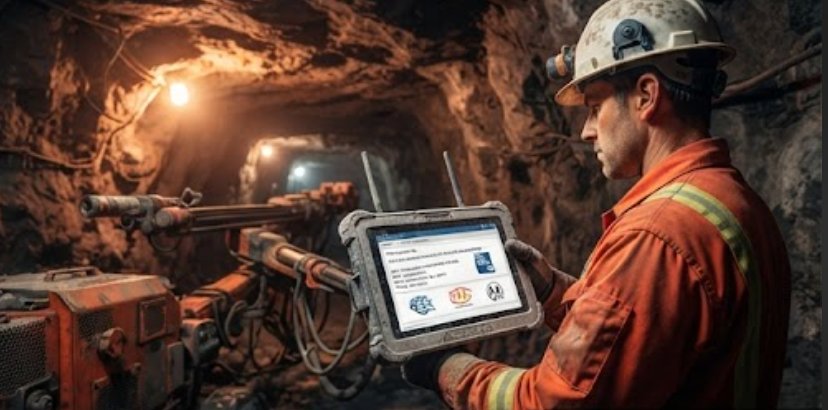
Mining environments present a unique set of hazards, dominated by methane gas (firedamp) in coal mines and explosive dust in metal/non-metal mines.
Important Note: The MA and KA certifications are distinct. A device certified for MA (coal) is not automatically certified for KA (metal/non-metal) due to the different explosion parameters of methane versus specific dusts. The ST11-J platform can be configured for the specific project needs, whether that is MA for a Chinese coal mine or KA for a copper mine.
This level of granularity is why the ST11-J is not sold as a single "off-the-shelf" SKU. The certification configuration is matched to the specific project's gas/dust group and Zone requirements.
---
The ST11-J is not just a tablet that happens to be safe; it is a purpose-built computing tool for the most demanding environments. Its technical specifications are directly driven by the requirements of ATEX, IECEx, and other certifications.
For the ST11-J to function in Zone 2 and Zone 22 environments, it must be sealed against the ingress of dust, water, and gases.
For more information, visit Hotus ATEX-compatible devices.
Hazardous area workers need more than just a screen. The ST11-J integrates essential features:
The device is designed to run Windows 10/11 IoT Enterprise or Android, allowing deployment with standard SCADA software, work order management systems, and inspection applications.
---
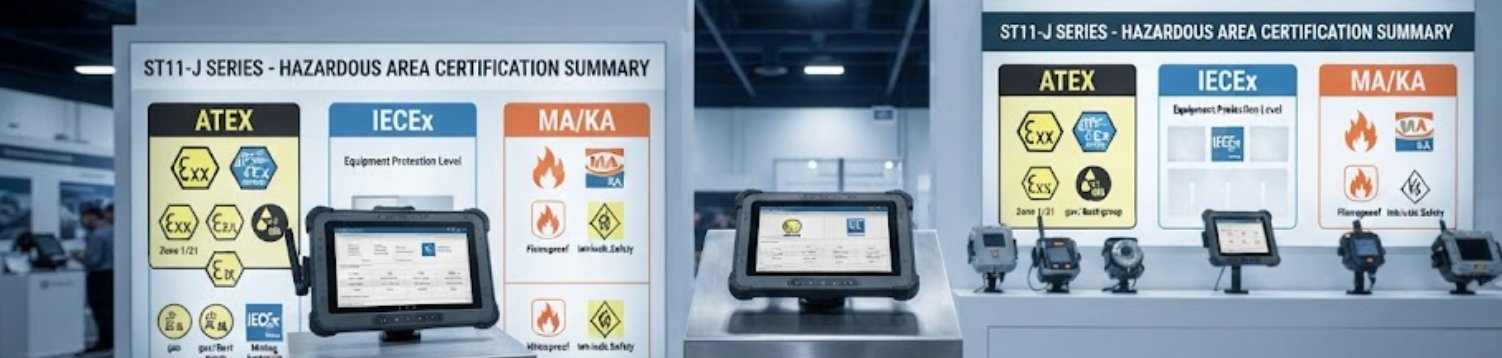
The following table provides a quick reference for the primary certifications associated with the ST11-J. Please note that the specific certificate number and exact gas groups/dust zones covered will depend on the final project-specific configuration.
Key Takeaway: The ST11-J platform is a certified base. The final certification variant (ATEX, IECEx, CCRI, MA, or KA) is selected and verified based on the specific location, gas/dust group, and temperature class required by the project. Do not assume one certification covers all applications.
!ST11-J hazardous area certification summary
---
Explore our Hotus certified product range.
This section addresses the most common questions we receive from safety professionals and procurement teams.
A: ATEX is a legal requirement for the European union. It is a directive (law) that must be followed to place equipment on the market in the EU. IECEx is an international certification system. While not a law itself, it is recognized by the majority of the world's industrial nations. A product with IECEx certification is generally accepted where ATEX is accepted (with some specific national differences, like in the UK post-Brexit). IECEx offers a more streamlined global approval process. The ST11-J can be ordered with either certification path.
A: Absolutely not. Standard consumer electronics are not designed to meet any explosion protection standard. They are not inherently safe. They can generate sparks, have high surface temperatures, and are not sealed against gas ingress. Using a non-certified device in a hazardous area is a severe safety violation and can lead to catastrophic explosions, fatalities, and heavy fines. You must use a device like the ST11-J that has an ATEX or IECEx certificate for the specific zone.
A: Yes. The screen is specifically designed for glove touch capabilities. It uses a capacitive touch controller with high sensitivity that can register touches through standard work gloves (leather, nitrile, cotton). This is a critical feature for workers who cannot remove their gloves in a hazardous environment.
A: This depends on the type of mine.
If you are unsure, you should consult the site’s safety documentation or a certified Ex consultant. We can help you determine the correct configuration for your ST11-J.
A: The **ST11