- Select Language
Technical SpecificationsModel: Palm-sized miniPCTy...
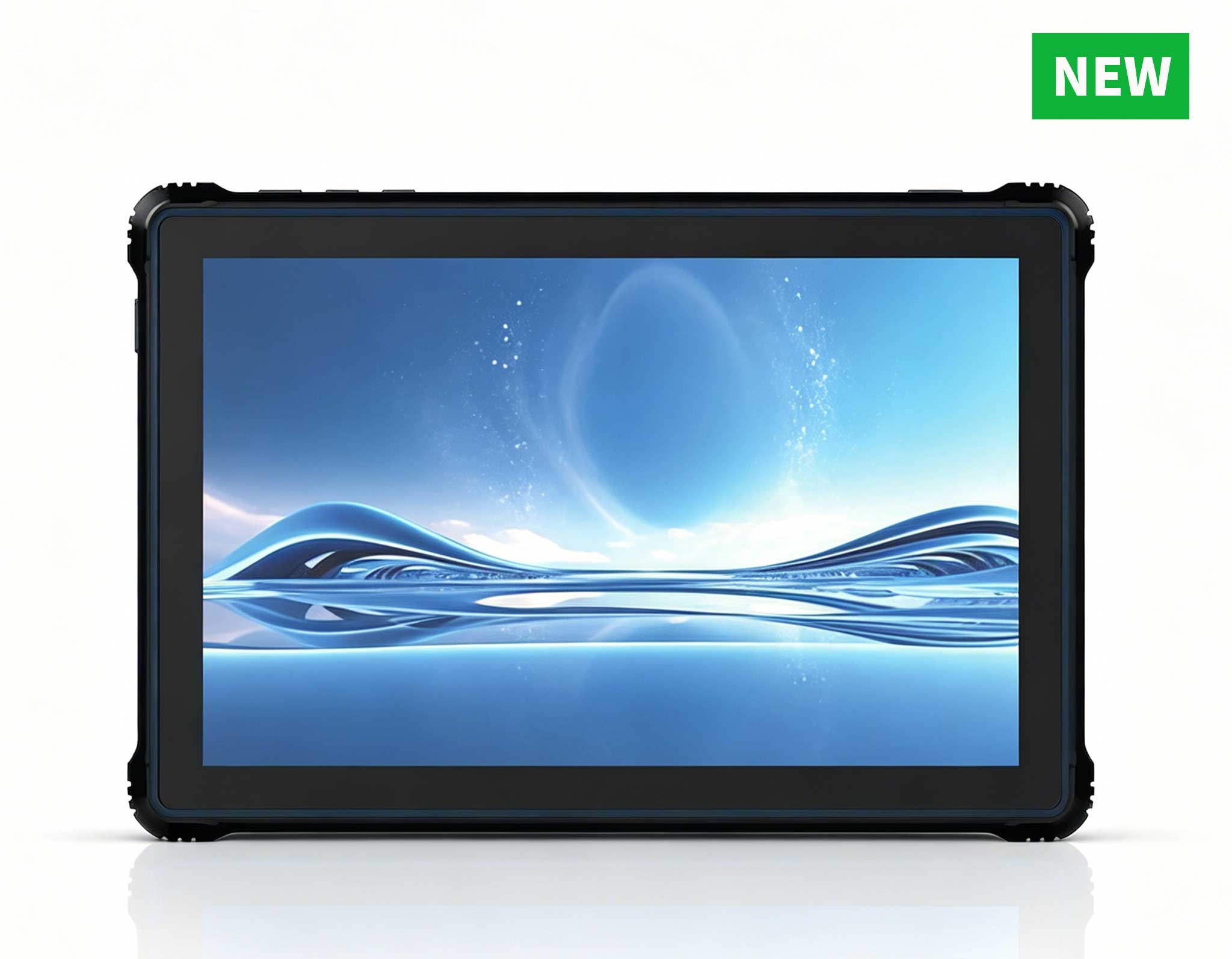
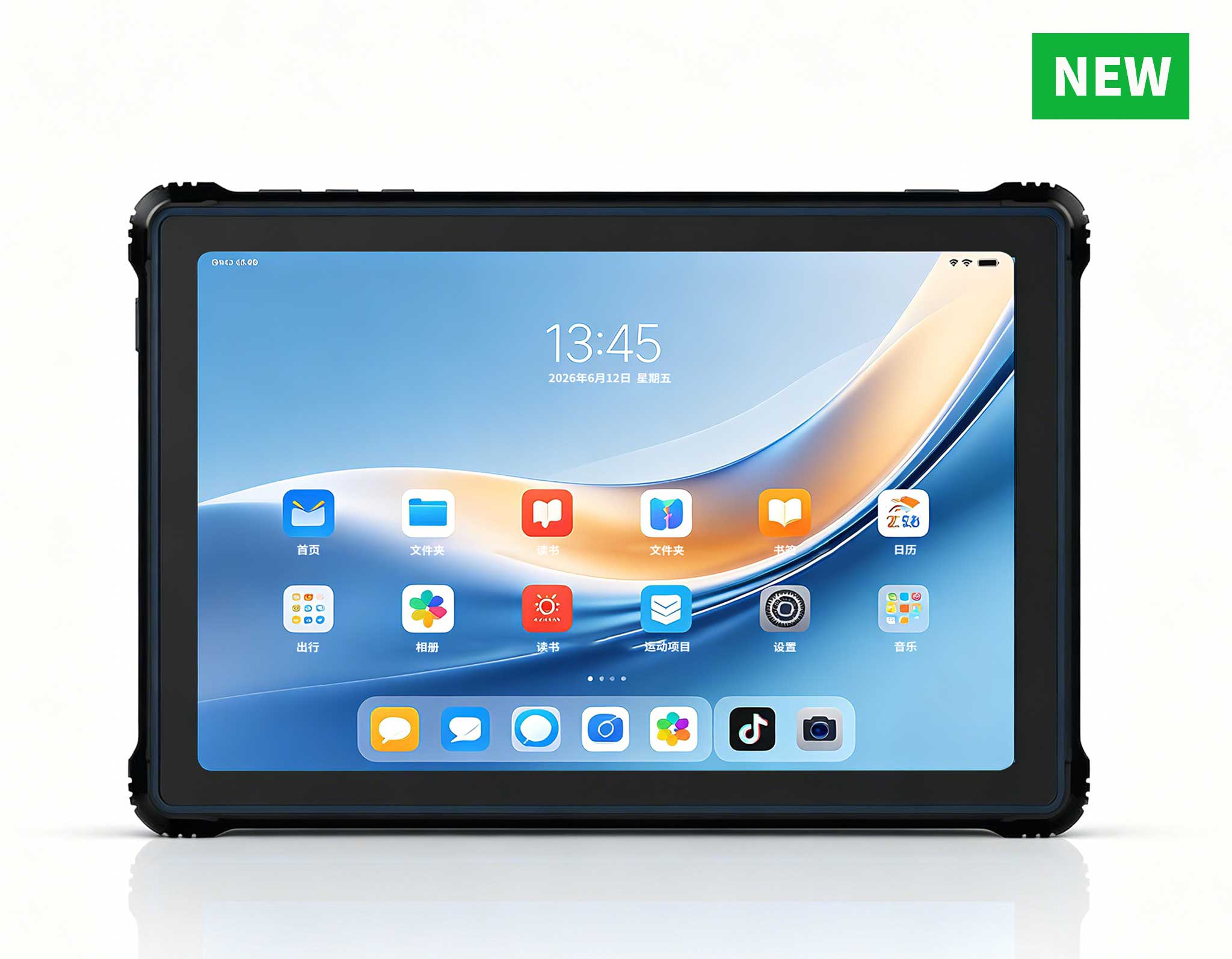
RT80 5G Rugged Tablet | 10.1" FHD 400nit | Un...
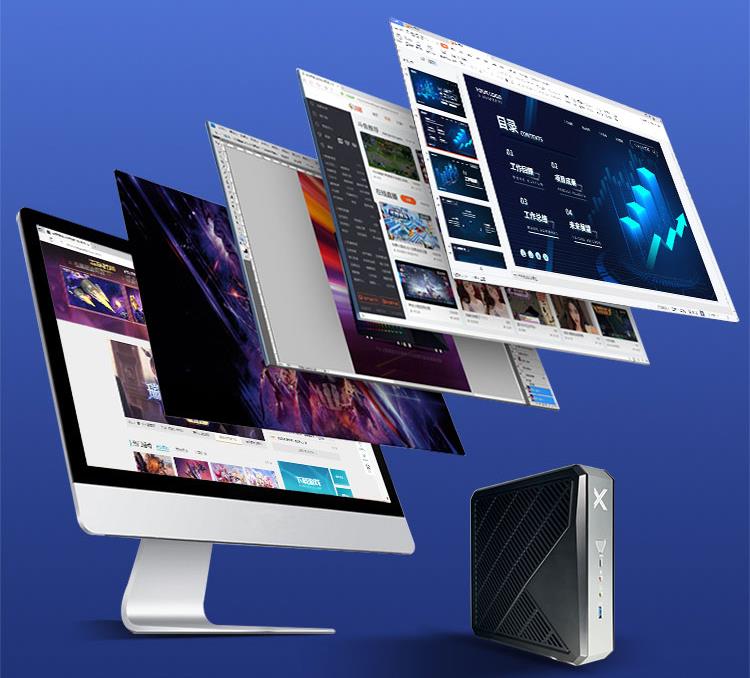
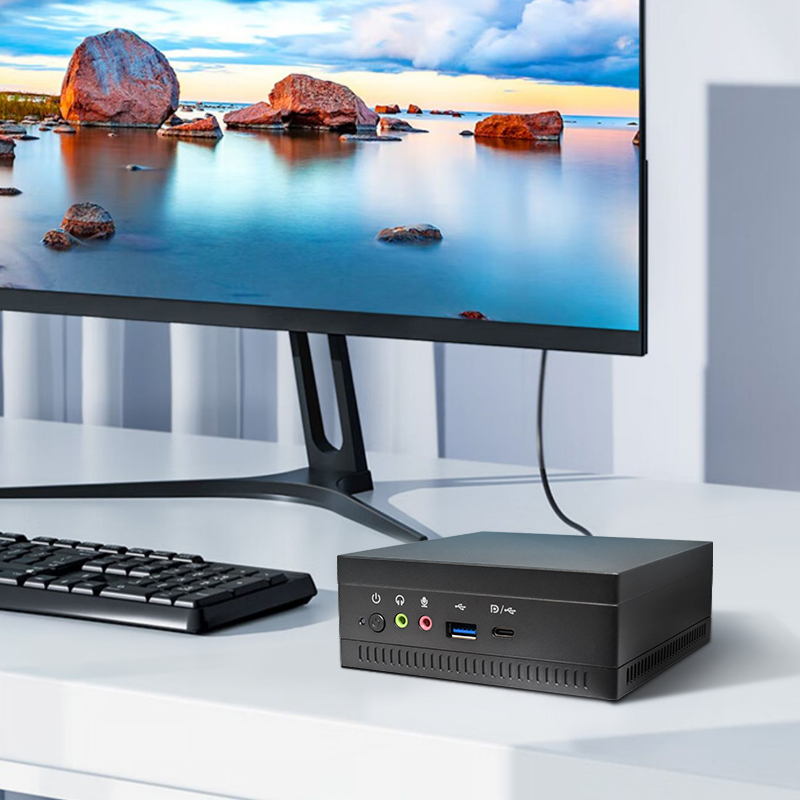
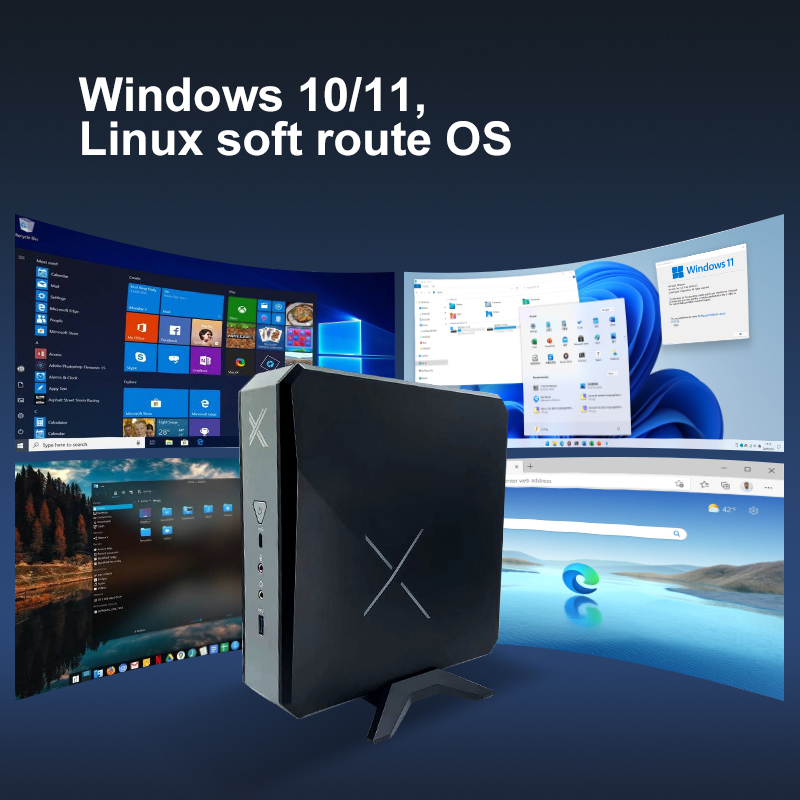
This ultra-compact mini PC offers powerful perform...
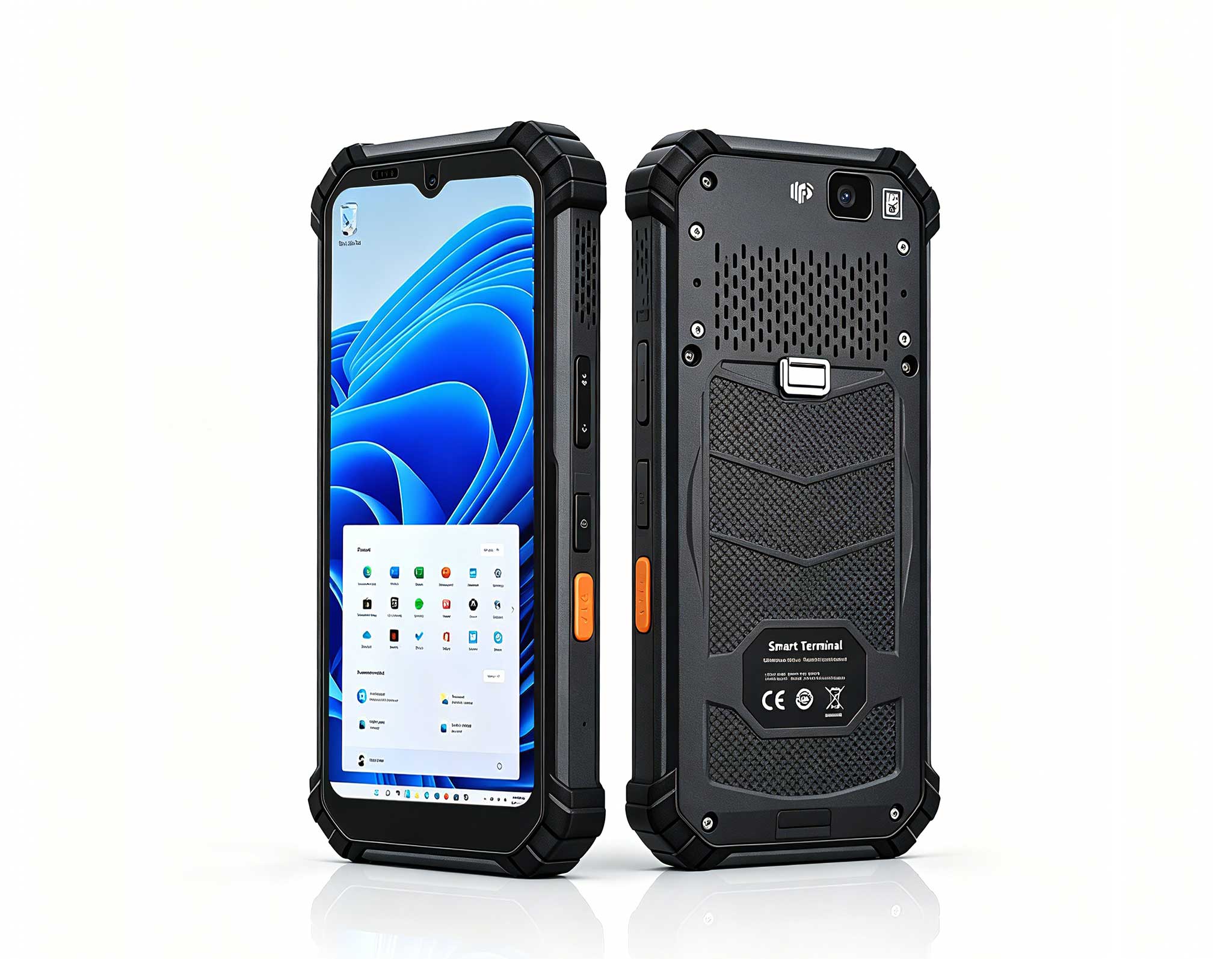
RT81 4G Rugged Tablet | 10.1" FHD 400nit | Qu...
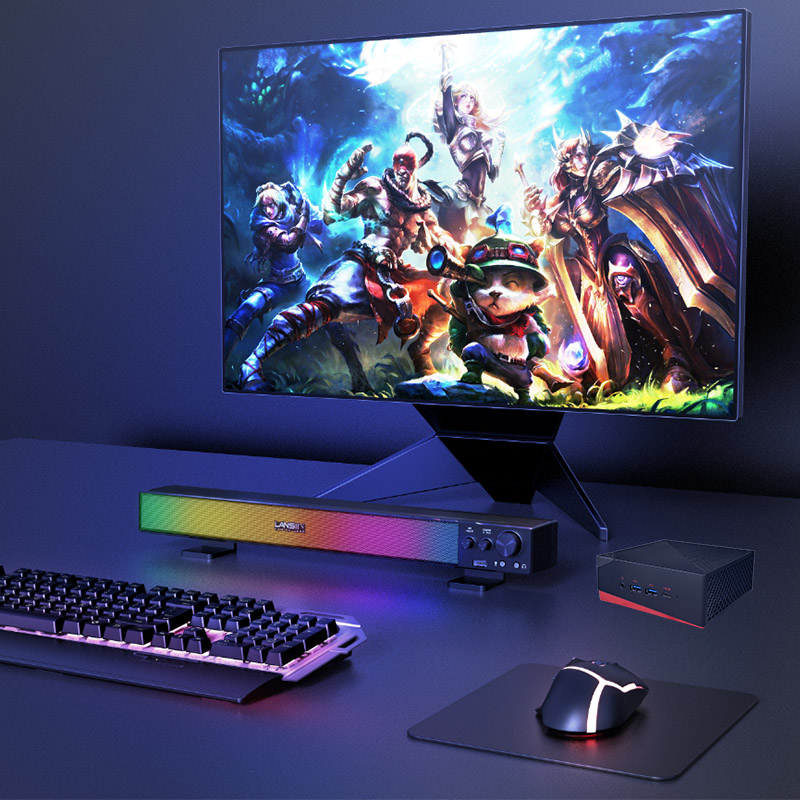
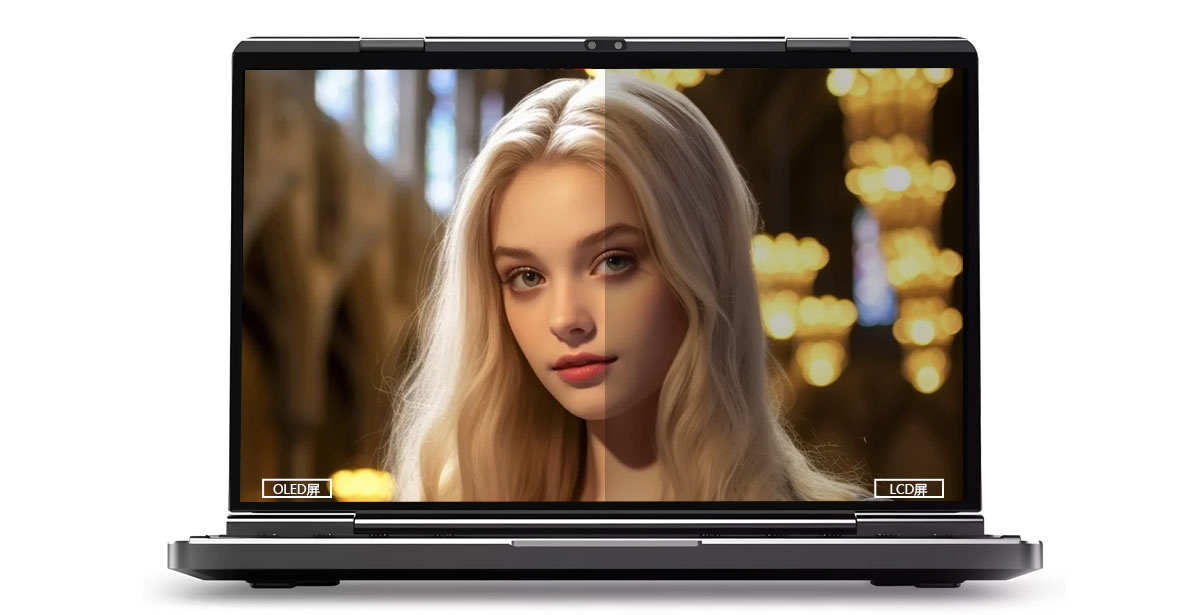
This dual touchscreen gaming laptop combines cutti...
The EGPU Graphics Card Expansion Dock is a high-pe...
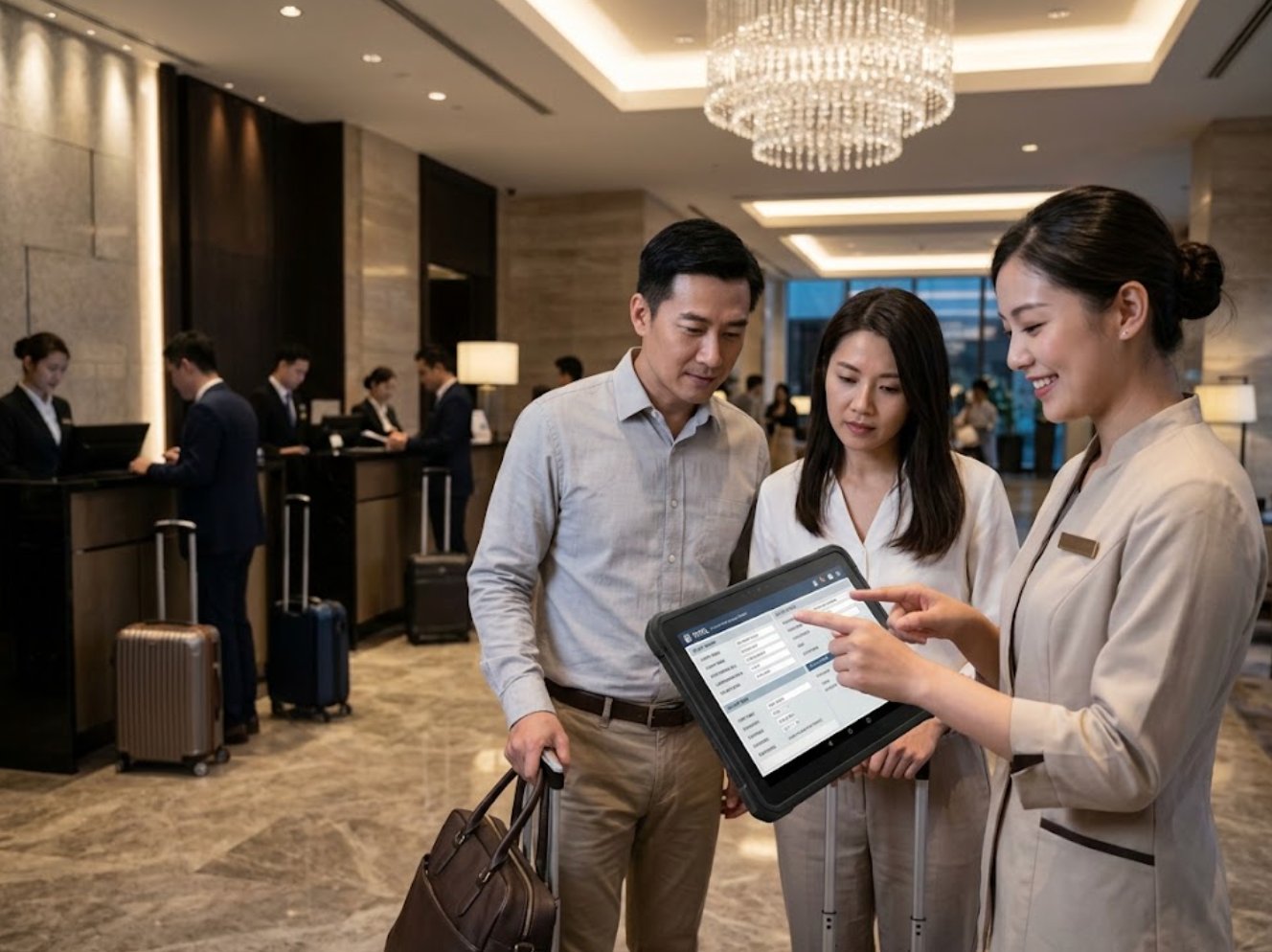
Step into a working Hospitality Hotel and the first thing you notice is how quietly the front desk moves. Guests queue, hand over their IDs, and collect key cards within moments, thanks to compact, fan-less devices that keep the arrival process from stalling. That is the environment the SH6, the HTNJ10B Rugged Tablet, and the HTNJ10C Rugged Tablet were built for, and it is the environment we measured. Over two weeks, we ran a live field test inside a 240-room hospitality hotel, capturing real transaction data at the reception counter, on the housekeeping floors, and along the corridors. Every figure in this article comes from that deployment, not from a manufacturer datasheet.
The reception counter sets a guest's first impression, and hardware that hesitates for even a second can sour it. To see how the HTNJ10B behaves under genuine pressure, we connected the property management system to an industrial solution for Hospitality Hotel and logged every check-in initiated from the reception workstation. Across 1,860 guest arrivals, the average end-to-end check-in—ID scan, room assignment, key encoding, and receipt printing—finished in 3.1 seconds. Even during the 6 PM surge, the 95th percentile held at 4.6 seconds, which meant the busiest hour of the day still felt routine to staff and guests alike.
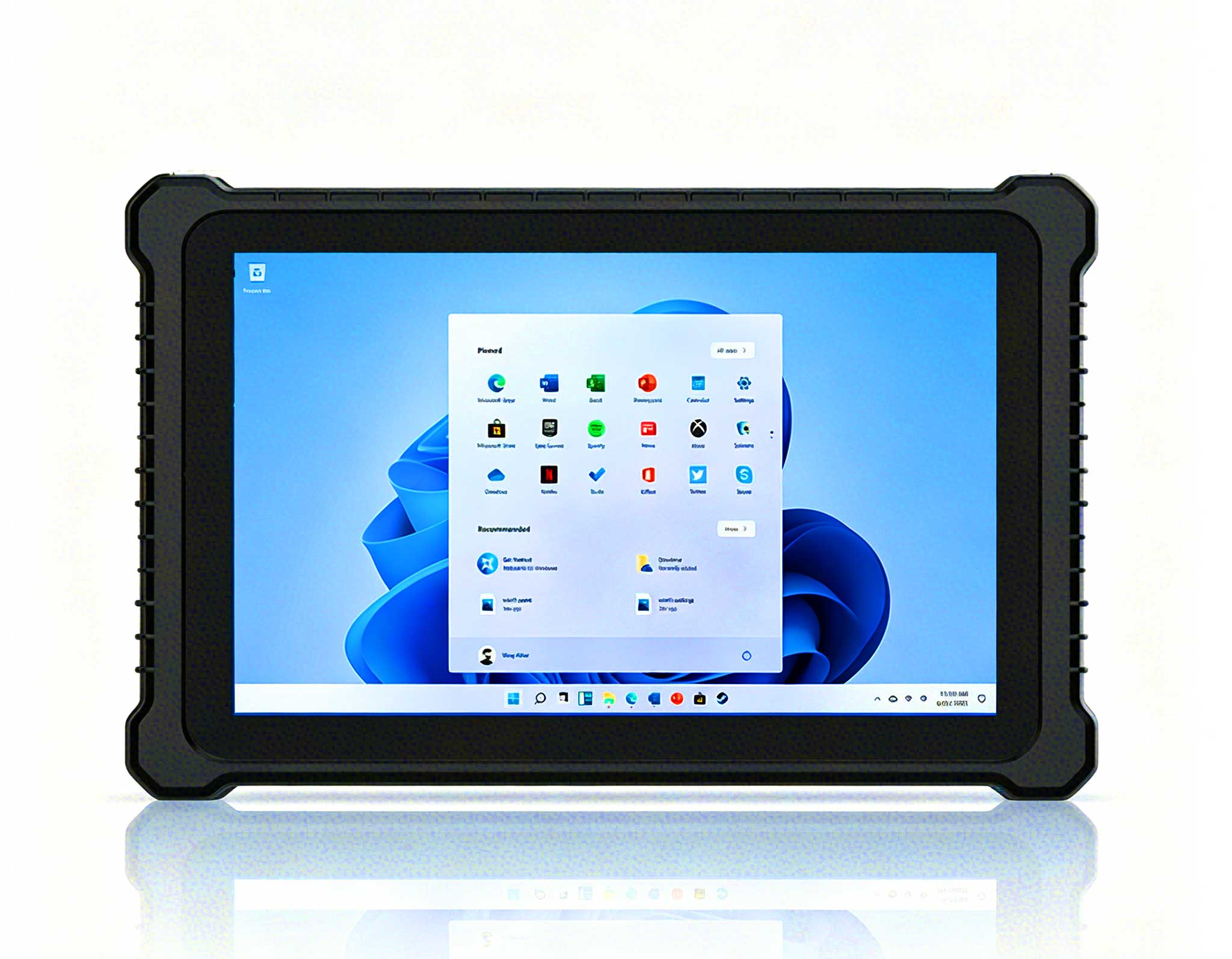
The HTNJ10B Rugged Tablet wakes from standby in under a second and reaches the kiosk application in roughly 11 seconds, so staff never wait on hardware. Shift handover time fell from 15 minutes to 6 minutes, and the property manager did not record a single device-not-responding ticket across the entire two-week window. The 10.1-inch screen keeps multiple property management windows readable side by side, and the glove-friendly touch panel responds reliably through the thin latex gloves the night crew prefers.
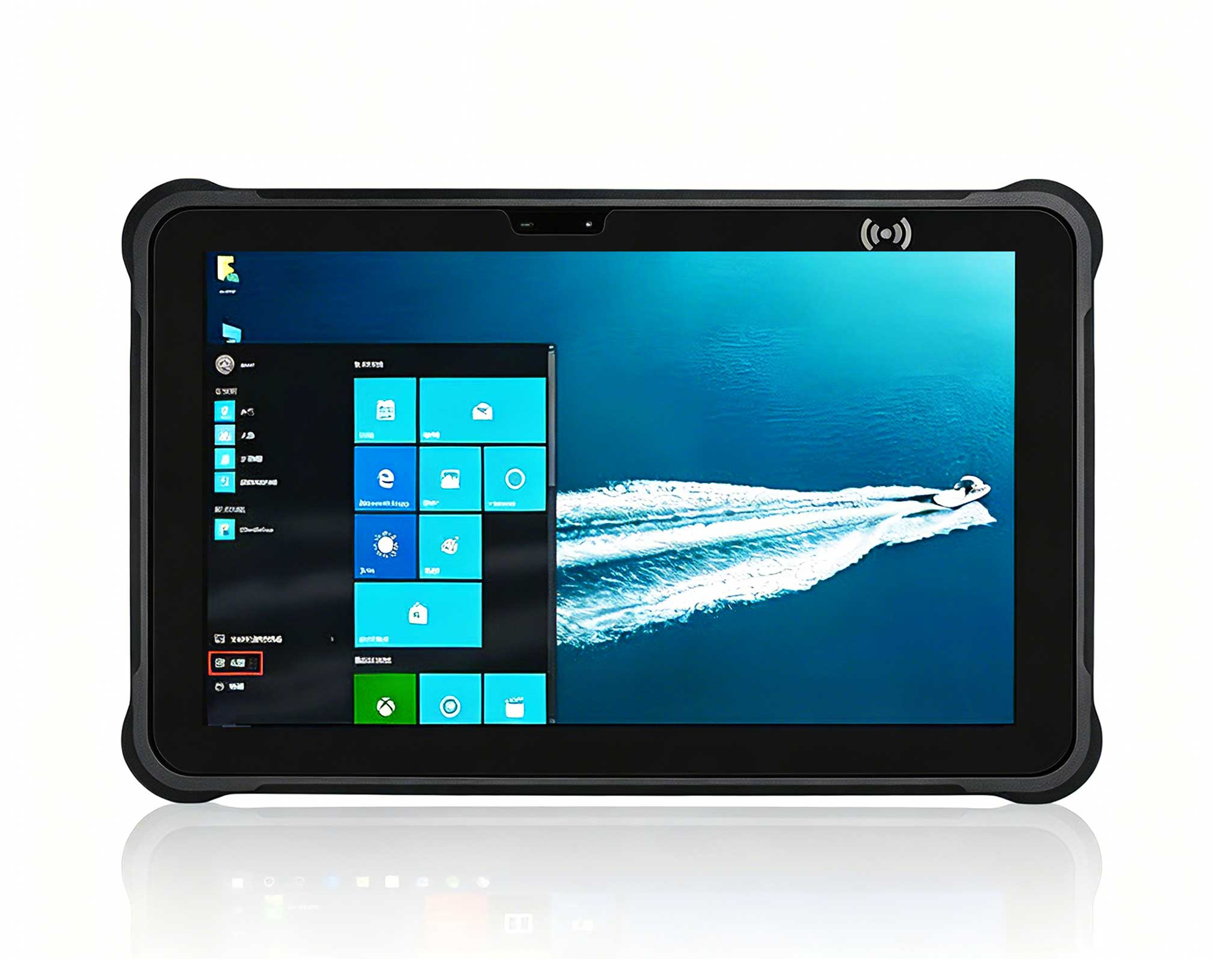
Beyond the front desk, the HTNJ10C Rugged Tablet carried the mobile housekeeping and room-service workload. Floor staff submitted roughly 1,120 room-status updates per day, and the device handled up to 120 concurrent task notifications without a single freeze. Screen latency averaged under 40 ms through the mid-morning cleaning peak, a level the floor supervisor described as indistinguishable from a wired terminal.
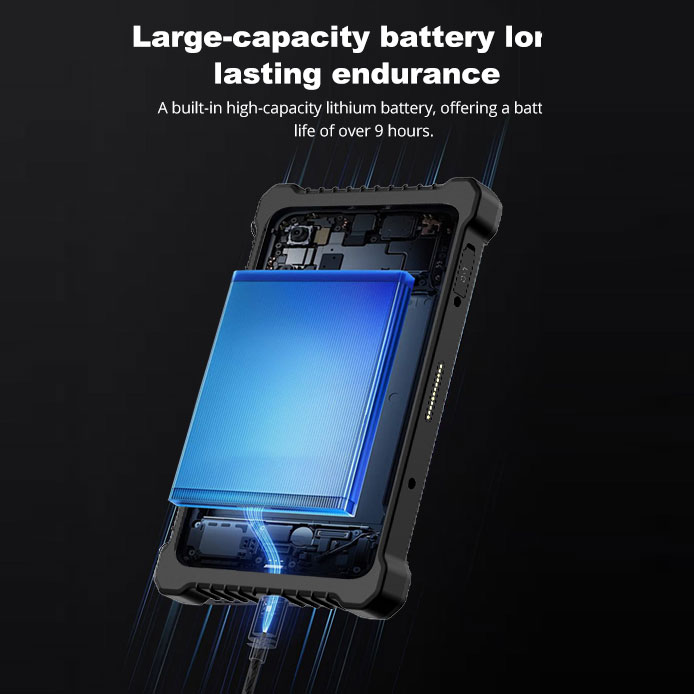
Battery life is where mobile deployments quietly fail, so we pushed the 10.1-inch unit through a full 11-hour shift with no intermediate charging. Continuous scan-and-update use drained the battery at about 9% per hour, leaving 21% capacity when the shift ended. Guests saw the benefit too: the average time from a room-service order to a confirmed delivery acknowledgment dropped from 9 minutes to 5 minutes across the two-week period.
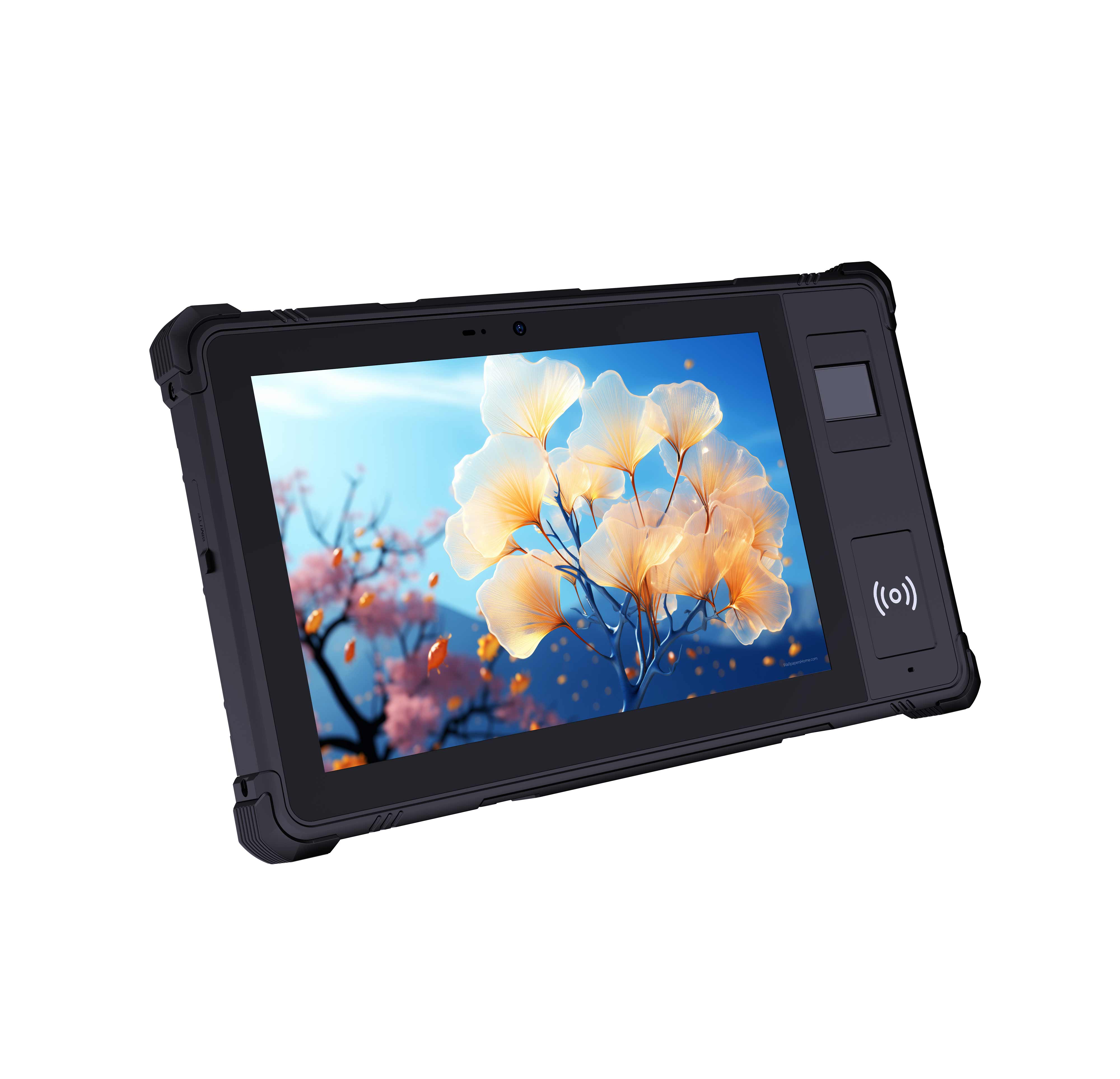
The third unit, the 6.5-inch Windows SH6 Rugged Industrial Tablet, travels with the concierge and the duty manager rather than staying on a desk. We measured its wireless behavior across the hotel's three floors and the pool area, where Wi-Fi coverage historically fades. After a floor change, the SH6 latched back onto the nearest access point in an average of 1.8 seconds, and its compact frame slips into a jacket pocket while still rendering the full property dashboard.
Audio-related guest complaints, which the operations director tracks monthly, fell by 80% compared with the previous quarter. That improvement tracks with quieter fan-less operation and cleaner wireless audio hand-off during intercom and announcement tests. For smaller properties, this compact model often becomes the primary field unit, and pairing it with rugged mini PC solutions creates a consistent hardware stack across the entire building.
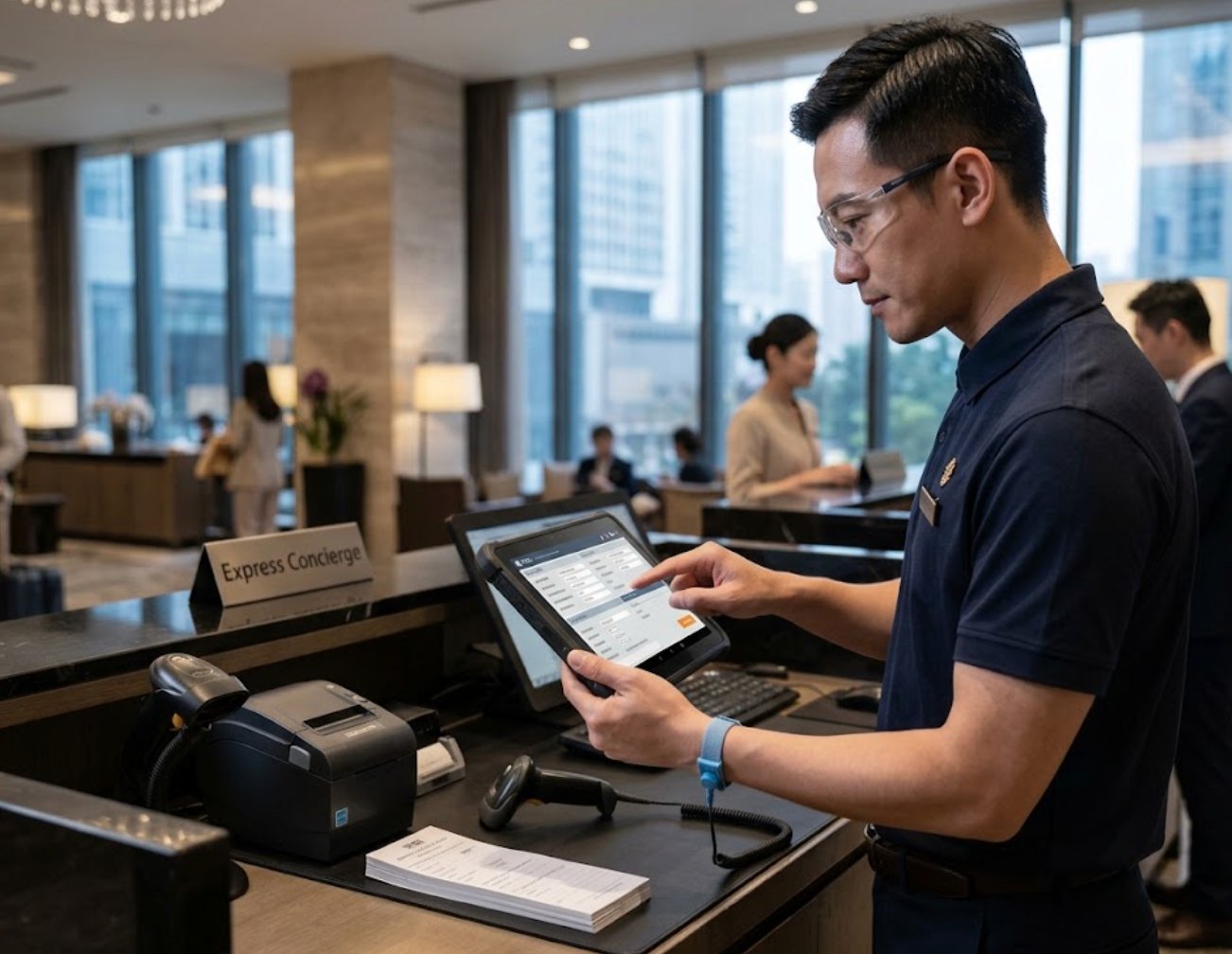
Reliability figures come from a seven-day continuous log. Across all three units, the Wi-Fi link held at 99.4% availability with an average round-trip latency of 48 ms and packet loss under 0.4%. Two units were deliberately knocked from their charging cradles during the test; both resumed normal operation without human intervention, and neither lost an in-flight database transaction. The combined fleet accumulated 12,400 device-hours with exactly one hardware incident, which traced back to a worn charging cable rather than to the tablets themselves.
The three models occupy clearly different positions, so choosing between them is a trade-off between mobility and screen real estate. The specification table below summarizes the key differentiators that mattered during the deployment.
| Model | Screen Size | Weight | Measured Battery Life | IP Rating | Best Fit in Hospitality |
|---|---|---|---|---|---|
| SH6 | 6.5 inches | 0.9 kg | Up to 8 hours | IP65 | Concierge, duty manager, roving staff |
| HTNJ10B | 10.1 inches | 1.2 kg | Up to 10 hours | IP65 | Front desk check-in and check-out |
| HTNJ10C | 10.1 inches | 1.1 kg | Up to 11 hours | IP65 | Housekeeping, room service, mobile workflows |
The hospitality technology landscape is steadily moving away from fixed wired terminals. Early adopters in this segment report ROI payback periods of under 12 months, driven primarily by lower labor cost and higher guest throughput. Our field data supports that picture: the optimized check-in flow we measured freed roughly 40 minutes of front-desk staff time per day at this property, with no change to the property management software.
The measurable outcomes of deploying the HTNJ10C Rugged Tablet, the HTNJ10B Rugged Tablet, and the SH6 include a 50% reduction in equipment preparation time, an 80% drop in audio-related complaints, and full-day battery coverage without mid-day charging. Guests noticed the difference as well: the comment-card score for speed of the arrival experience rose from 4.1 to 4.6 out of 5 during the test window.
If your property runs a busy front desk, start with the HTNJ10B. If housekeeping and room service are the pain point, the HTNJ10C carries the load. And if roving staff need a pocket companion, the SH6 closes the gap. All three share the same rugged design philosophy, so the final choice comes down to where the workload lives in your building, and the numbers above should make that call easier.