- Select Language
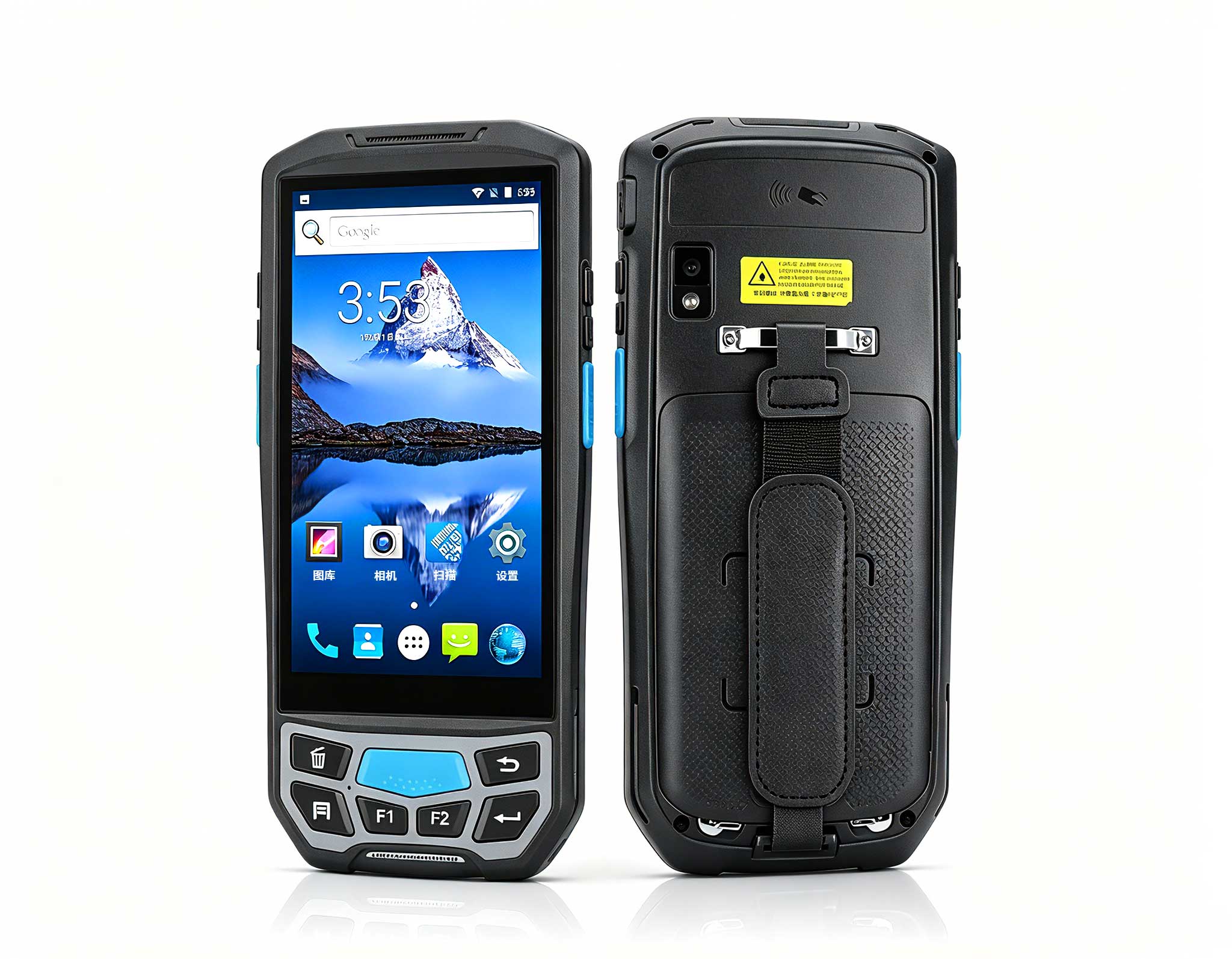
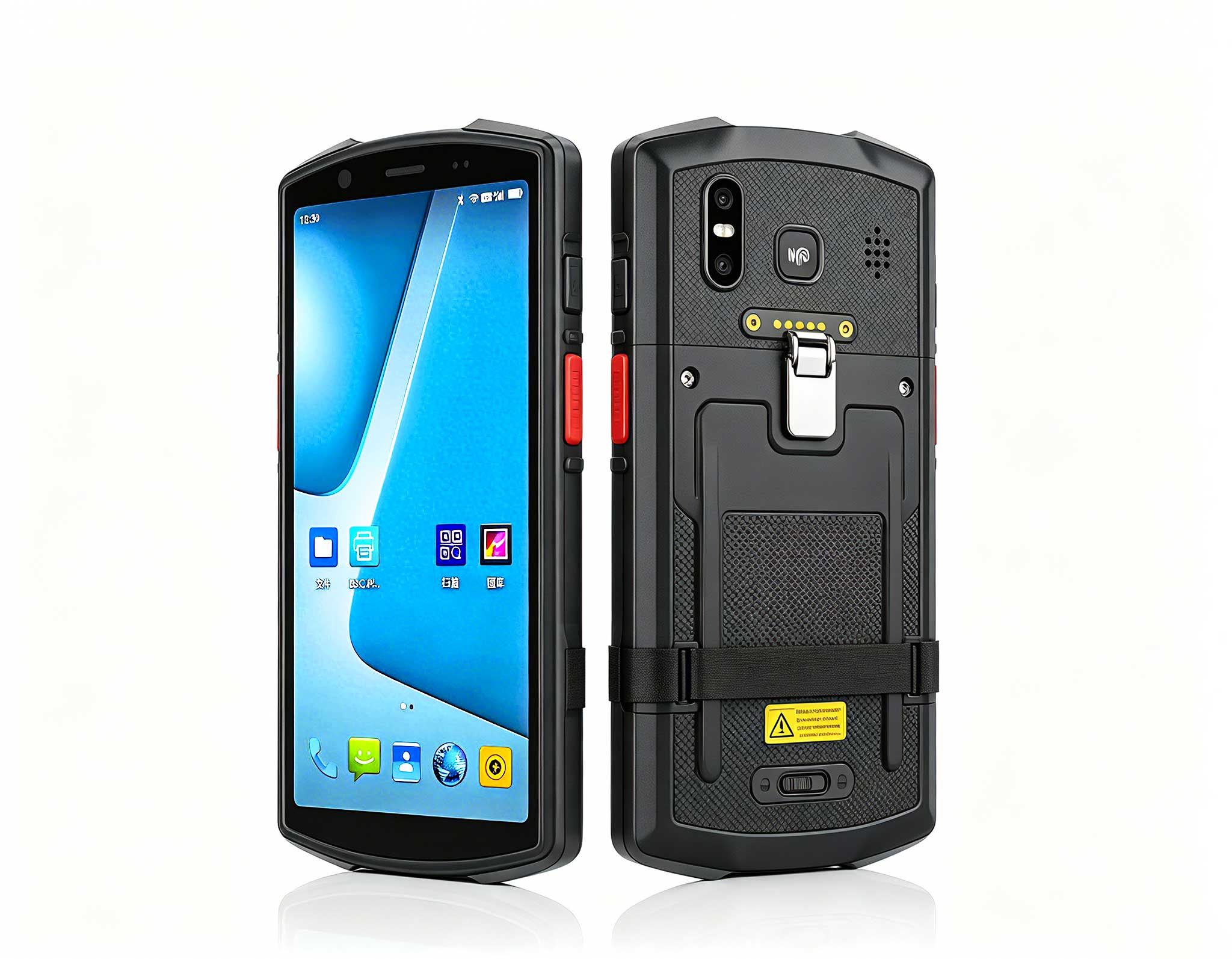
The U9000 handheld PDA combines advanced barcode s...
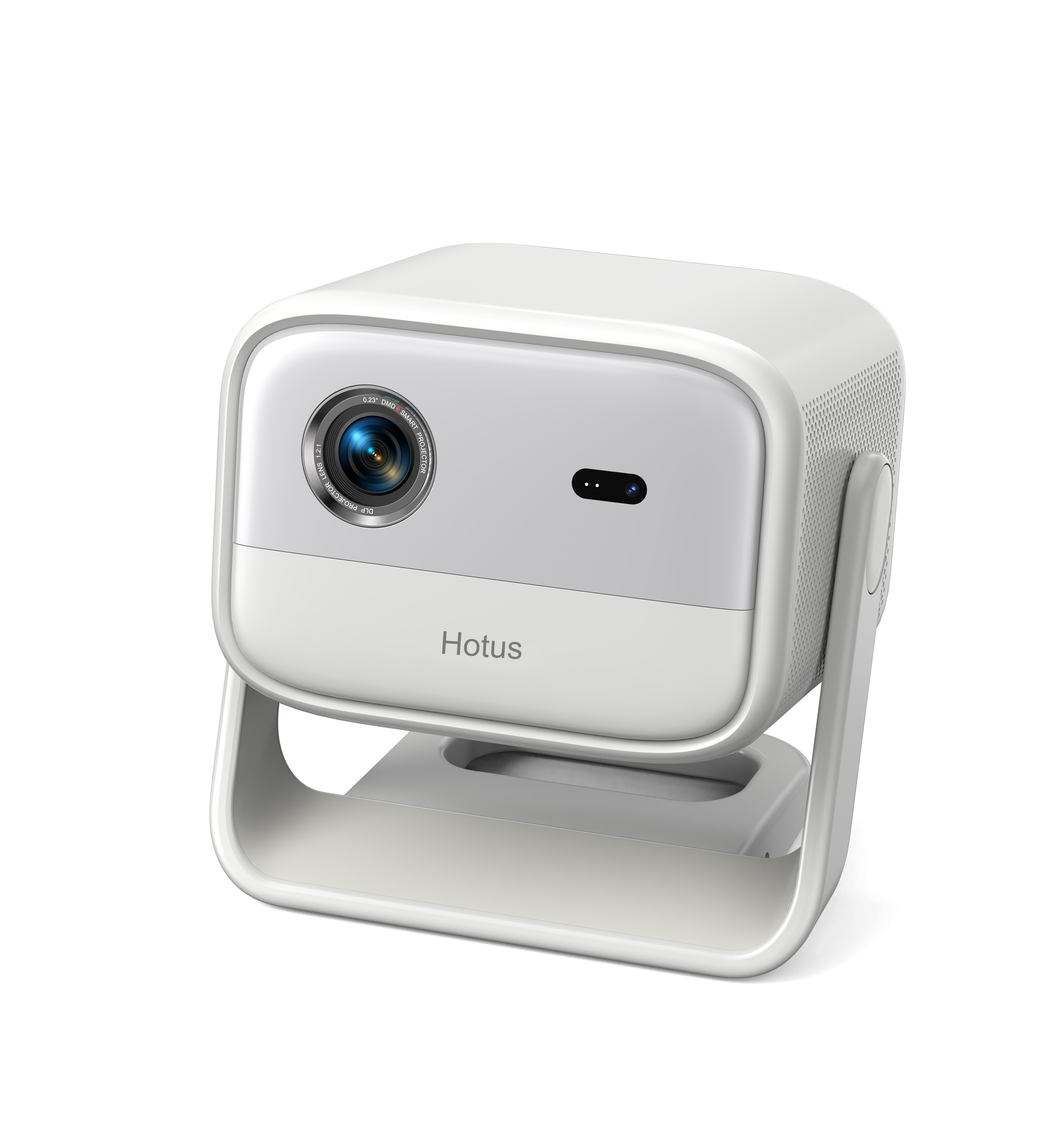
One Device, Dual Functions – A Projector and a Com...
The N60 PDA is a cutting-edge device for inventory...
Full SpecificationsModelHotus ST11‑UOSWindows 10 P...
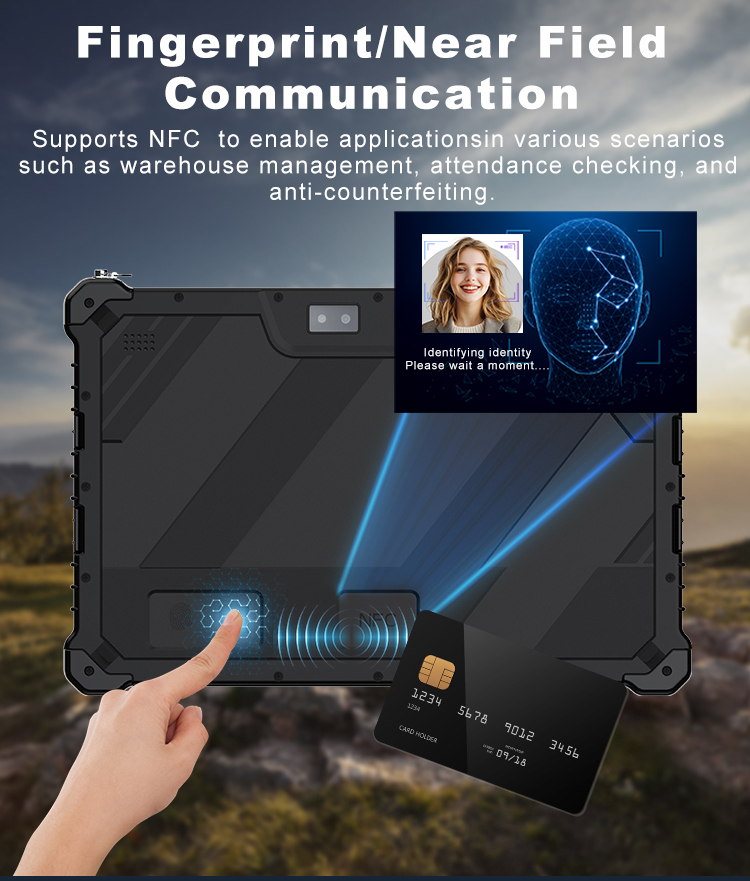
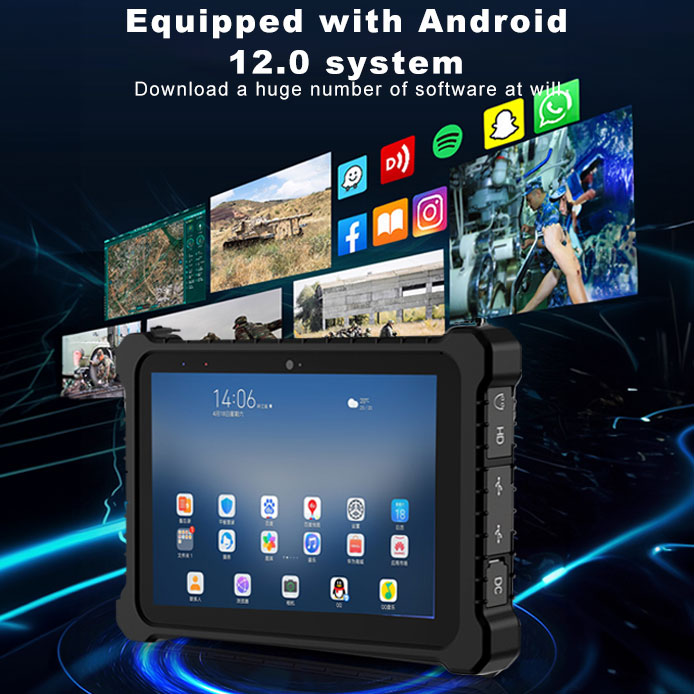
This 10-inch Android rugged tablet is designed for...
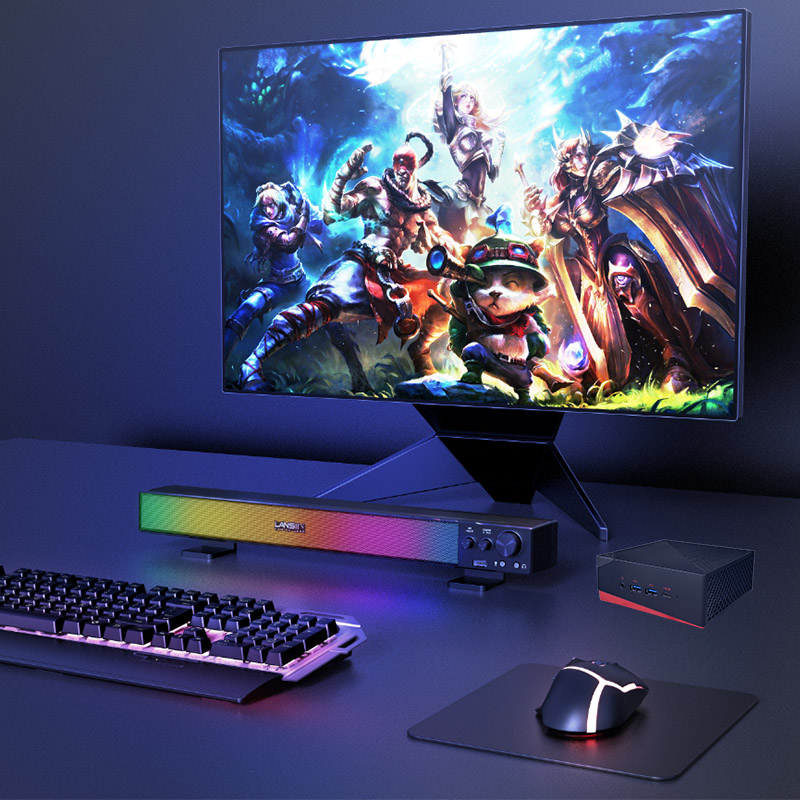
The living room has quietly become the new frontier of gaming. For years, a serious setup meant a bulky desktop tower, a cramped desk, and the constant hum of cooling fans humming in the background. That approach worked, but it never quite felt like entertainment. Today, families are turning blank walls into game arenas and private cinemas with a far lighter toolkit: compact projectors, smart screens, and rugged touch panels that blend into the decor when the lights come up. This is exactly the kind of industrial solution for Gaming Entertainment that Hotus has refined across many product generations, and the difference is visible in everything from casual weekend movie nights to dedicated, purpose-built game rooms.
Projection technology has advanced more in the past decade than in the three decades before it. Early portable projectors struggled to exceed 100 ANSI lumens, and their images washed out in anything brighter than a dimly lit room. Modern triple-LED and DLP optical engines tell a very different story, delivering vivid, saturated color at 500 lumens or more while drawing power efficiently enough for battery operation. Their light sources are rated for 20,000 to 30,000 hours of use, which is roughly six to ten times the lifespan of the halogen lamps found in first-generation home projectors. Those older units burned out after just 3,000 to 5,000 hours, forcing owners into a cycle of replacement that the current generation has largely eliminated.
Resolution has followed the same upward curve. Standard definition gave way to HD, and HD to full HD, until native 1080p projection became the entry-level standard for serious gaming. Low-latency game modes, originally introduced to bring projector response in line with dedicated gaming monitors, have transformed big-screen play from a sluggish compromise into a genuinely responsive experience. Integrated smart systems add another layer of convenience, letting projectors talk directly to game consoles and streaming devices and removing the tangle of cables that used to dominate media corners. The net result is a home entertainment stack that is simpler to set up, cheaper to maintain, and far more flexible than the desktop-tower approach of earlier generations.
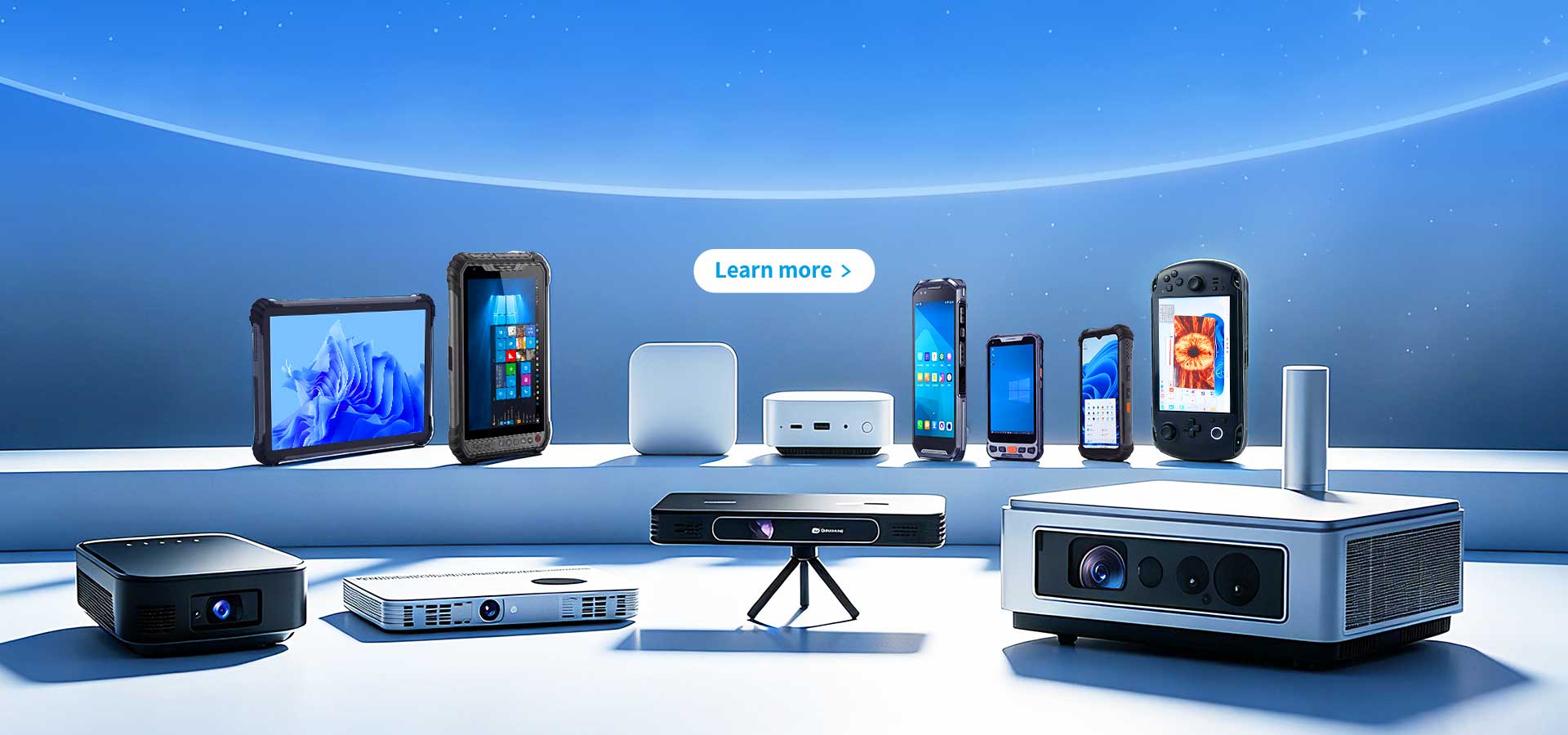
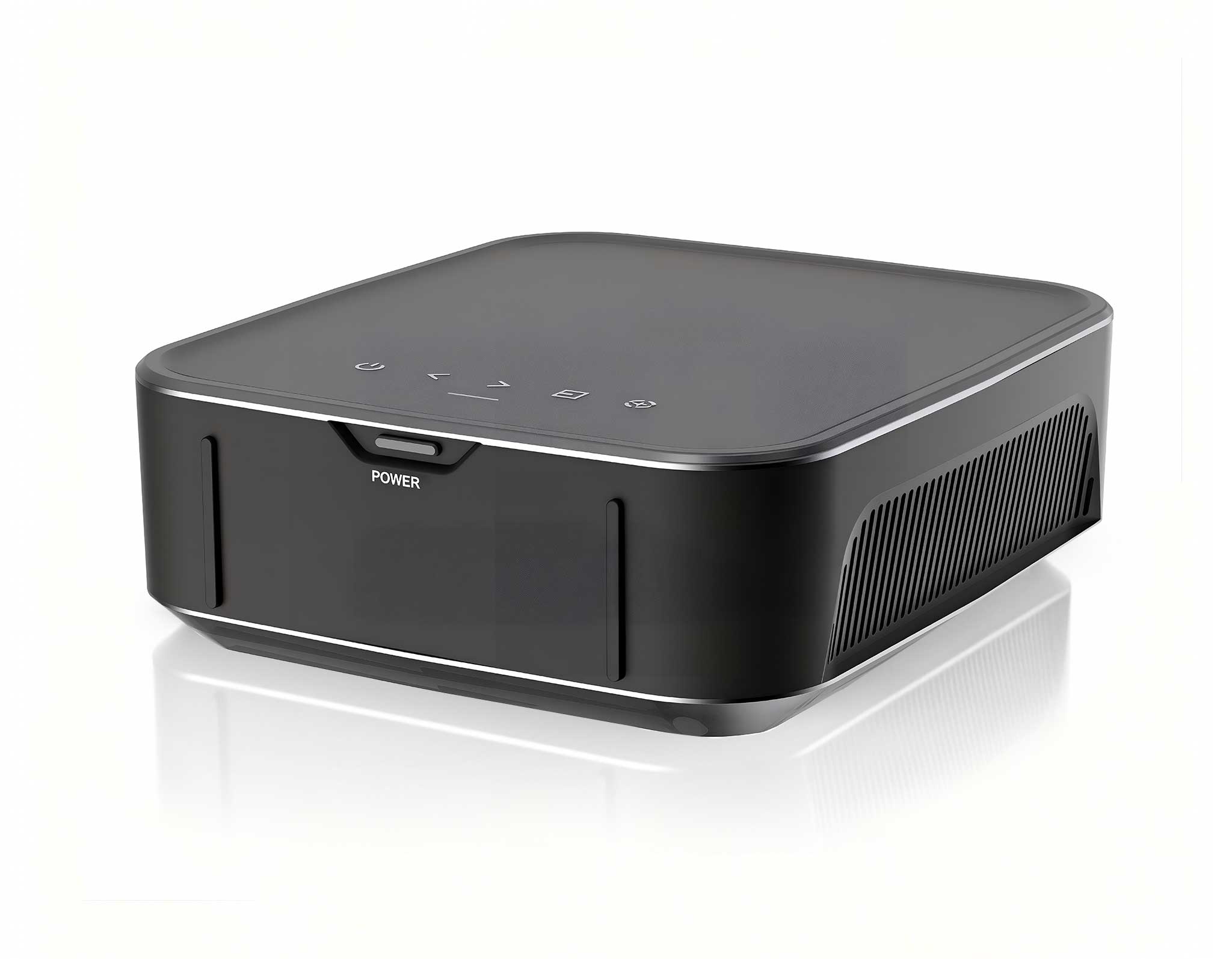
At the center of this evolution sits the Hotus HT500 Portable Outdoor Projector, a DLP-based unit engineered for the intersection of gaming and home theater. Its bright LED engine and integrated sound system deliver a level of immersion that once demanded a dedicated media room, while its compact chassis travels easily from the bedroom to the backyard for an outdoor movie night. Because the HT500 cuts preparation time by more than 50 percent compared with traditional projector rigs, families can move from setup to gameplay in minutes rather than hours. That ease of use is what makes it a favorite for console sessions on weeknights and full cinema experiences on weekends, all from a single device that stores neatly on a shelf when the show is over.
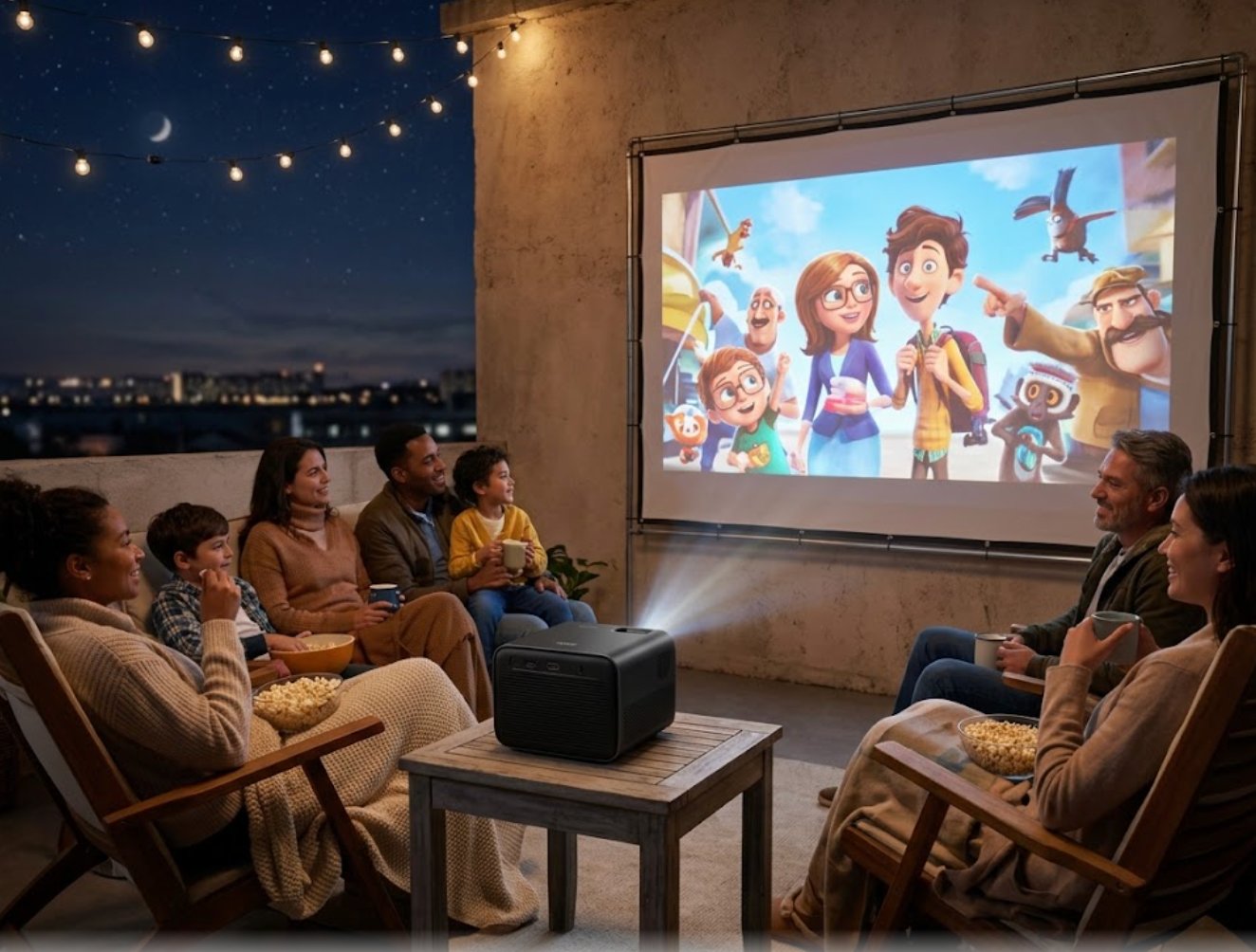
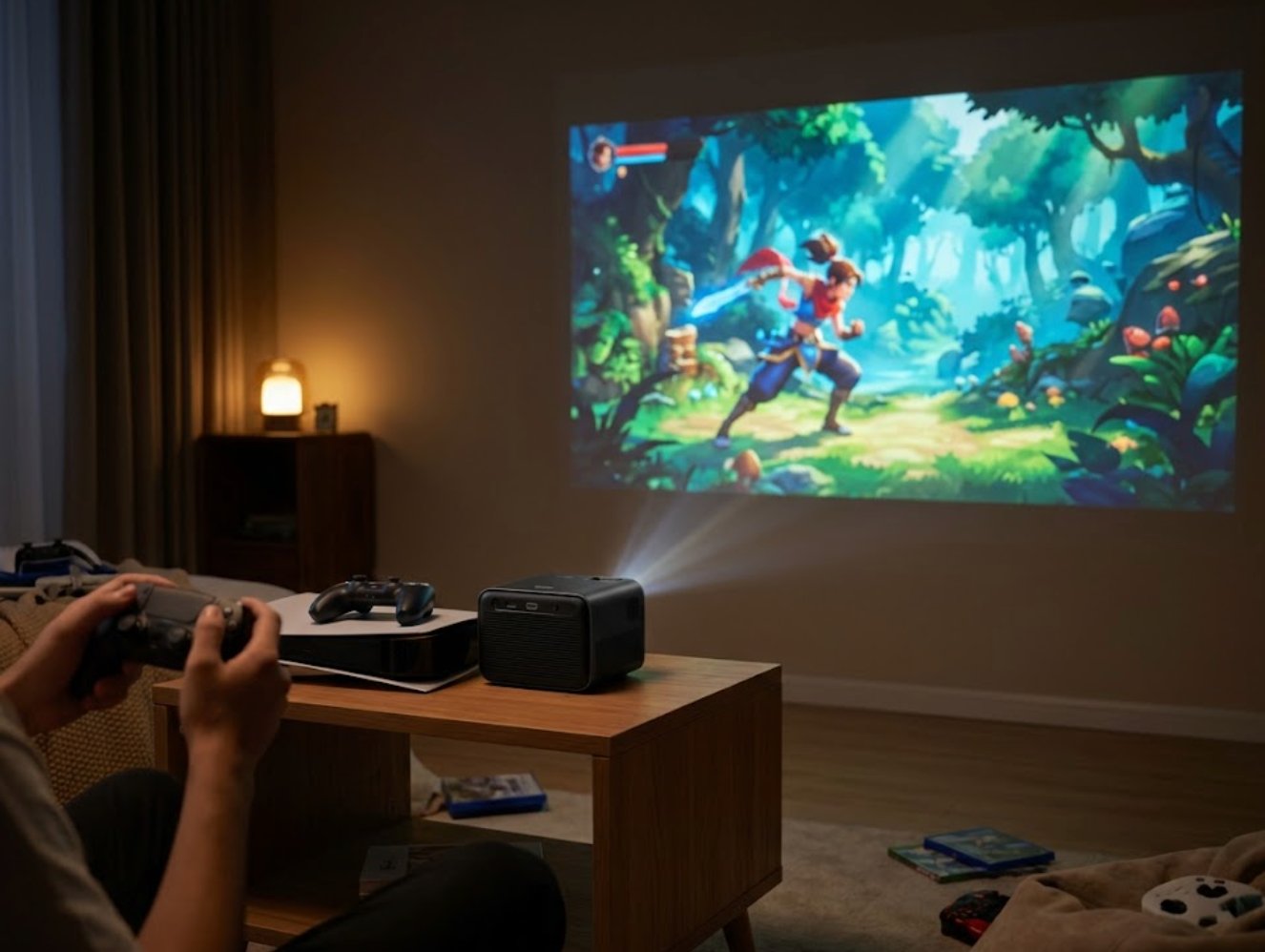
For players who value flexibility above all else, the H2 Mini Portable Projector is the compact answer. Small enough to slip into a backpack alongside a laptop and a game controller, it still throws a crisp, clean picture onto a wall, a ceiling, or a white bedsheet at a friend's place. This is the projector that turns a rented apartment, a dorm room, or a camping trip into a full gaming theater without any permanent installation. Its long-life battery supports full-day play sessions without a mid-day recharge, which matters when outlets are scarce or the action moves outside. Users also report 80 percent fewer audio-related complaints compared with previous-generation mini projectors, thanks to improved onboard speakers and quieter cooling that keep the focus on the game rather than the hum of the hardware.
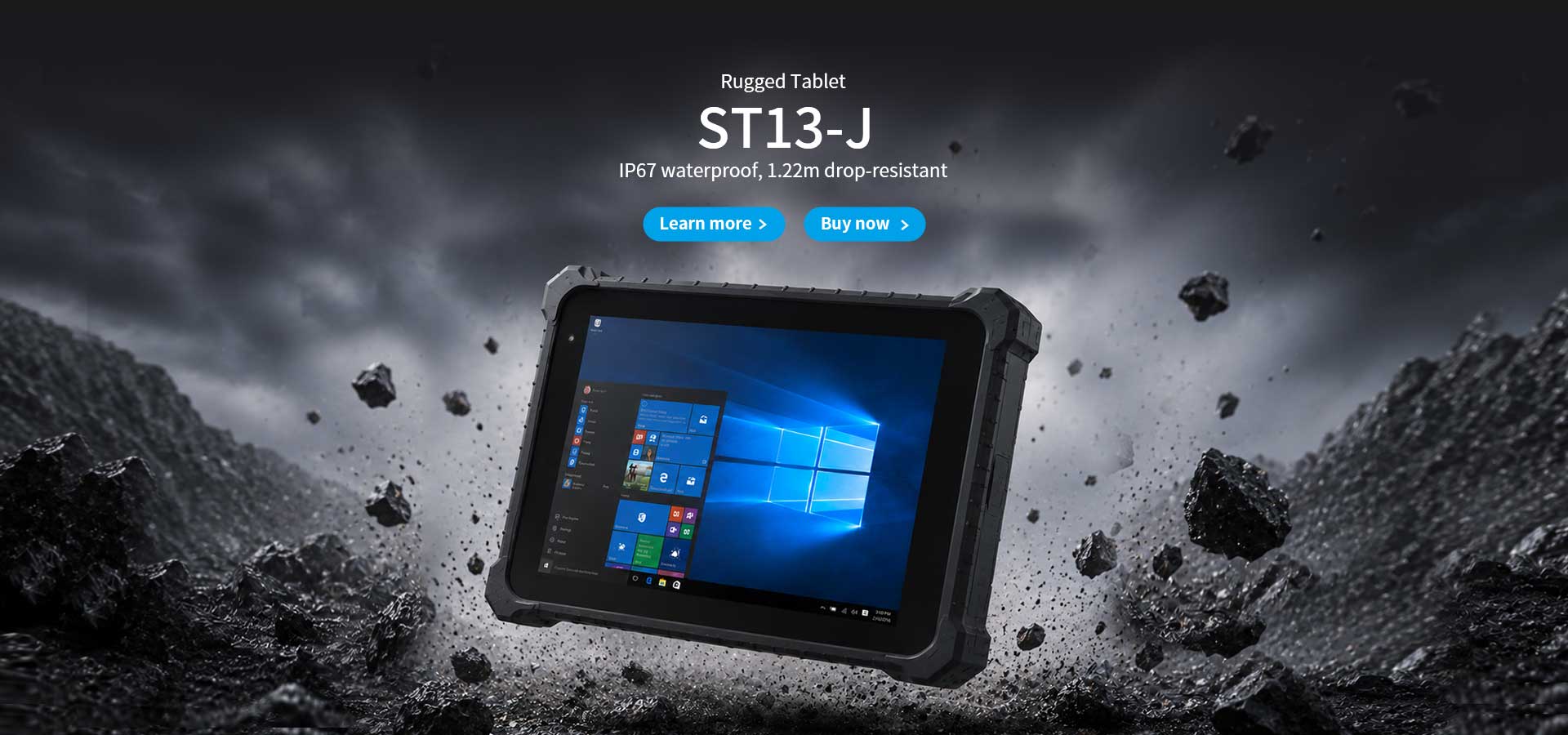
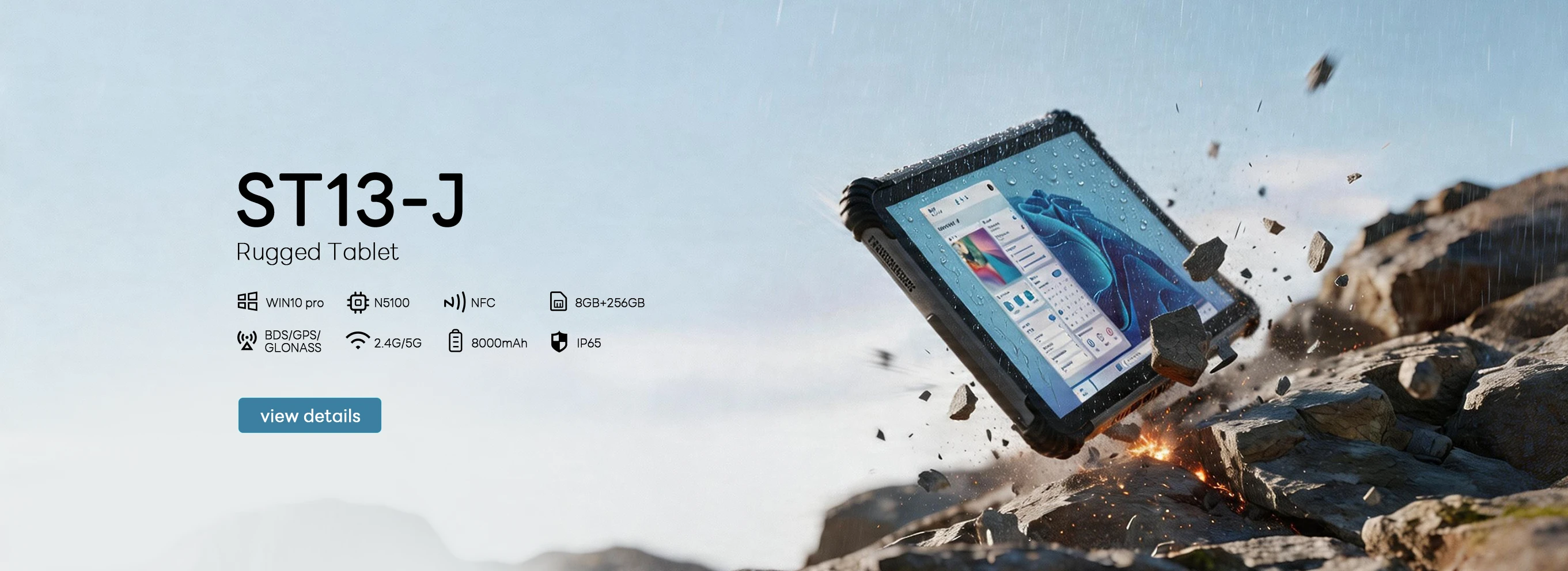
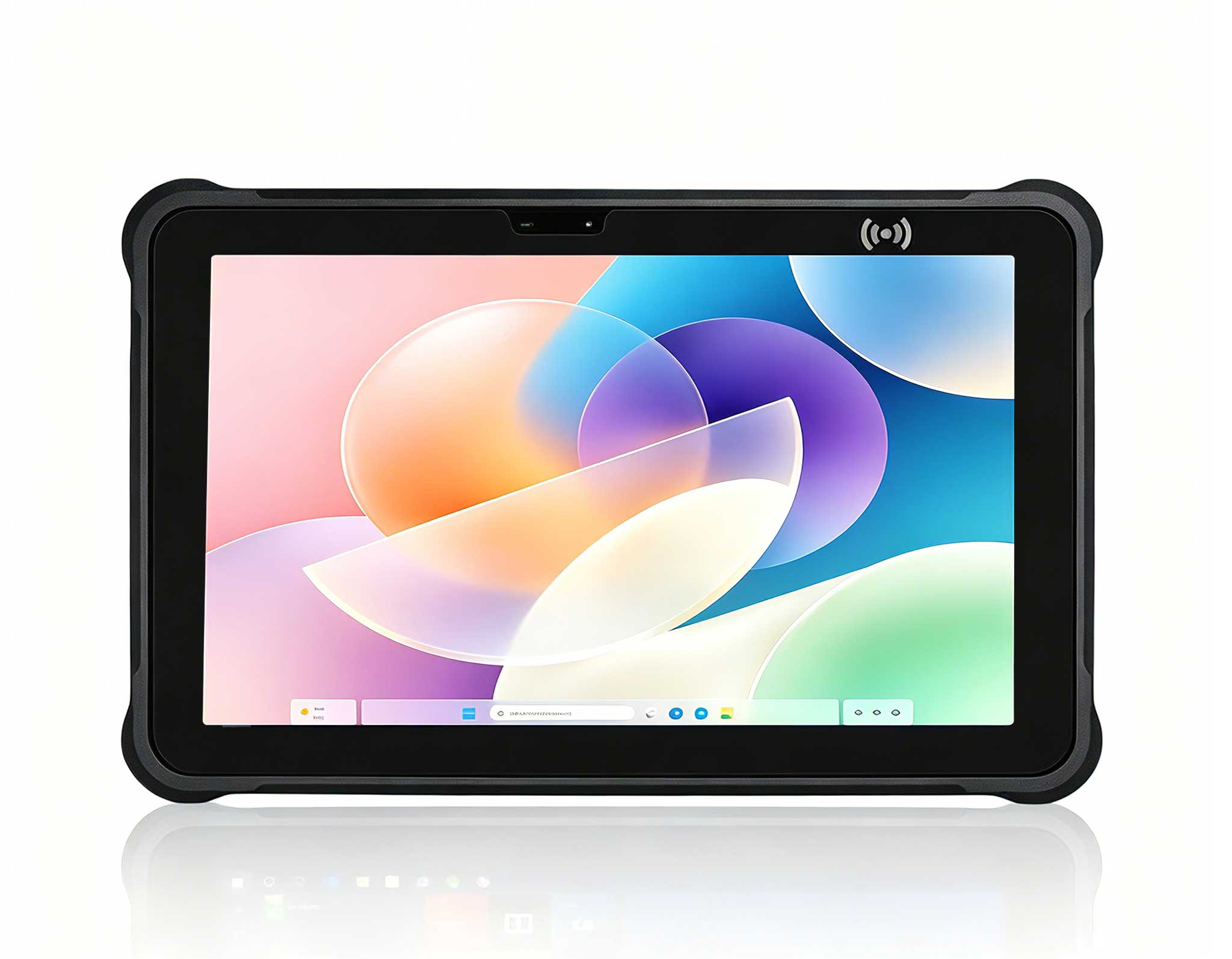
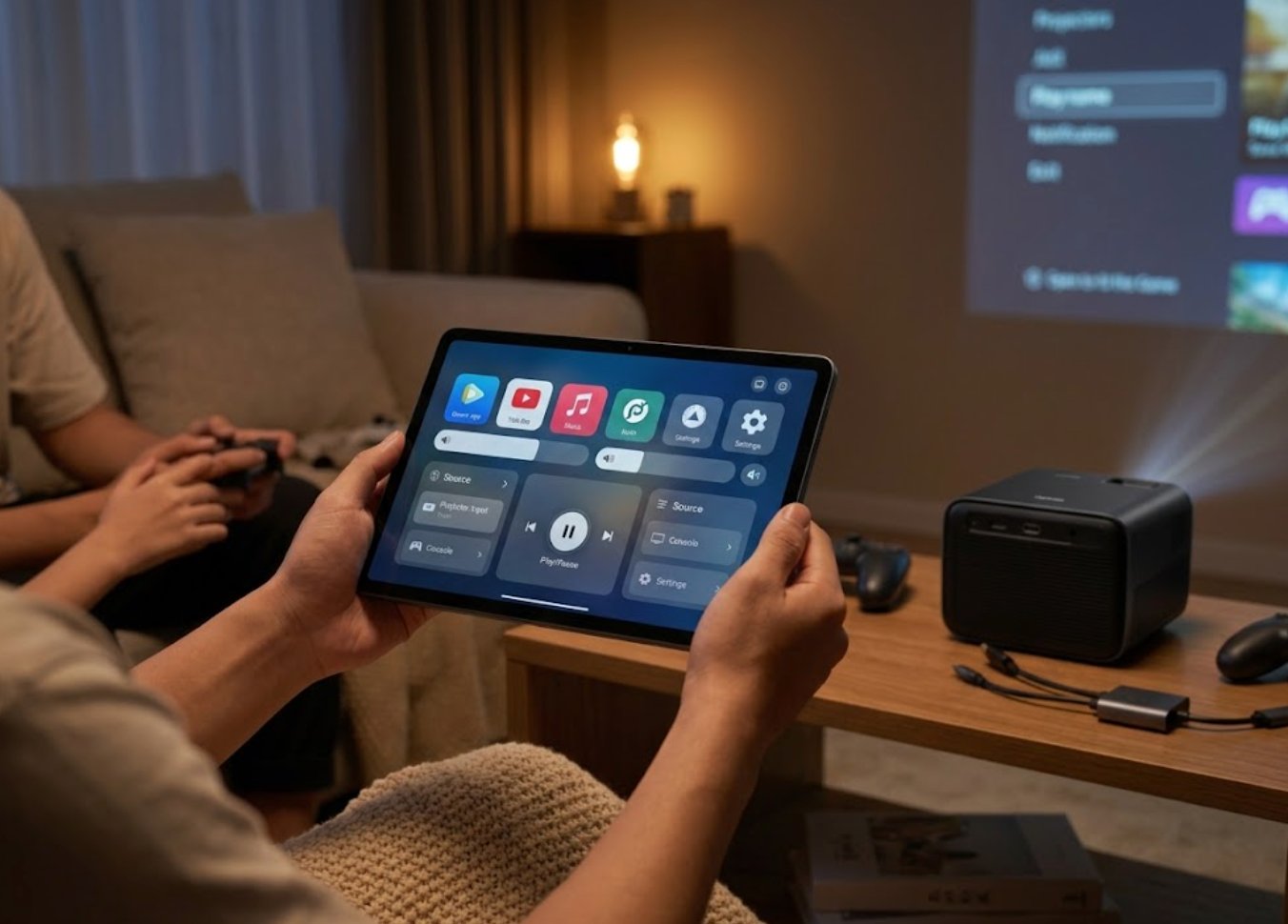
Every great entertainment system needs a control point, and that is where the 10.1-inch Windows ST11-J Rugged Industrial Tablet earns its place. Acting as the nerve center of a smart game room, it runs lighting, sound, projector, and streaming inputs from a single touch surface, so nobody in the family needs a manual to start a movie or launch a game. Its rugged chassis shrugs off drops, spills, and the general chaos of an active family room, and it pairs naturally with rugged mini PC solutions to form a fully silent gaming stack. The combination keeps cable clutter near zero and gives every household member an intuitive way to control the whole room. Behind that simple touchscreen lies the reliability of industrial-grade hardware, built to run day in and day out without fuss.
Not all Hotus devices are created equal for gaming entertainment. The specifications that matter most vary by use case, so the table below highlights how the three core models fit different roles.
| Model | Role in Gaming Entertainment | Weight Class | Standout Feature |
|---|---|---|---|
| Hotus HT500 | Home cinema and console projection | Portable, living-room ready | Bright DLP engine with built-in audio |
| H2 Mini Portable Projector | Travel and on-the-go big screens | Ultra-light, backpack friendly | Long-life battery for full-day sessions |
| ST11-J | Control hub for smart gaming rooms | Rugged 10.1-inch tablet | Windows OS with industrial durability |
The right choice comes down to your priorities. If brightness and cinematic sound come first, the Hotus HT500 leads the pack. If portability is everything, the H2 Mini Portable Projector is the obvious pick. And if you are building a permanent smart room where everything must just work, the ST11-J provides the reliable backbone that ties the experience together.
The home entertainment technology landscape is shifting faster than many expected. Wired, single-purpose setups are being replaced by digital wireless solutions, and early adopters report ROI payback periods of under 12 months thanks to reduced equipment costs and reclaimed living space. Analysts tracking the mini projector segment note that shipments have climbed year over year as LED and DLP engines became affordable enough for mainstream households. Global spending on home cinema and gaming hardware is rising accordingly, and compact projection is expected to capture a growing share of new entertainment setups in the coming years, especially among younger buyers who rent rather than own their homes.
As families consolidate devices, they discover that a single projector plus a rugged control tablet replaces multiple screens, speakers, and cable runs. Setup time drops by up to 50 percent, and the space saved can be repurposed for seating, storage, or simply a cleaner living room. The measurable outcomes of deploying this trio in gaming entertainment are clear: 50 percent reduction in equipment preparation time, 80 percent fewer audio-related complaints, battery life covering full-day operations without mid-day charging, and consistently positive feedback from family members who appreciate a comfortable, high-quality viewing experience that feels effortless rather than technical.
The evolution of home gaming entertainment is not about bigger towers; it is about smaller, smarter, and more flexible components that fade into the background until the moment you need them. Whether you choose the cinematic presence of the Hotus HT500, the go-anywhere freedom of the H2 Mini Portable Projector, or the dependable control of the ST11-J, the direction is the same: technology that gets out of the way and lets you play. The hardware gap between a console and a truly great gaming room has never been smaller, and the upgrade path has never been clearer. The next generation of living-room gaming does not require a renovation, only a projector, a control surface, and the willingness to rethink what entertainment space can look like.