- Select Language
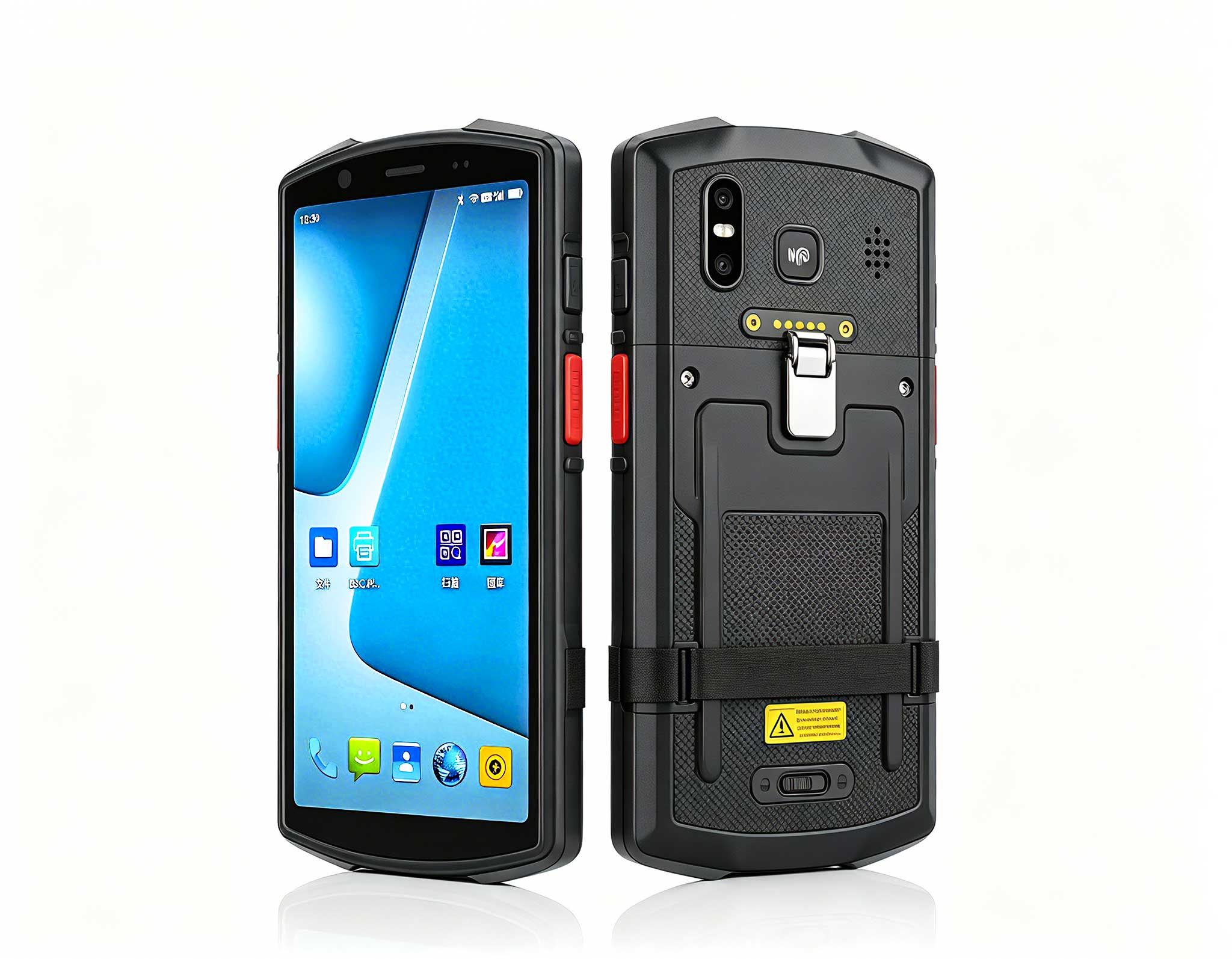
R860-S 5.5-inch Industrial PDA with Thermal Printe...
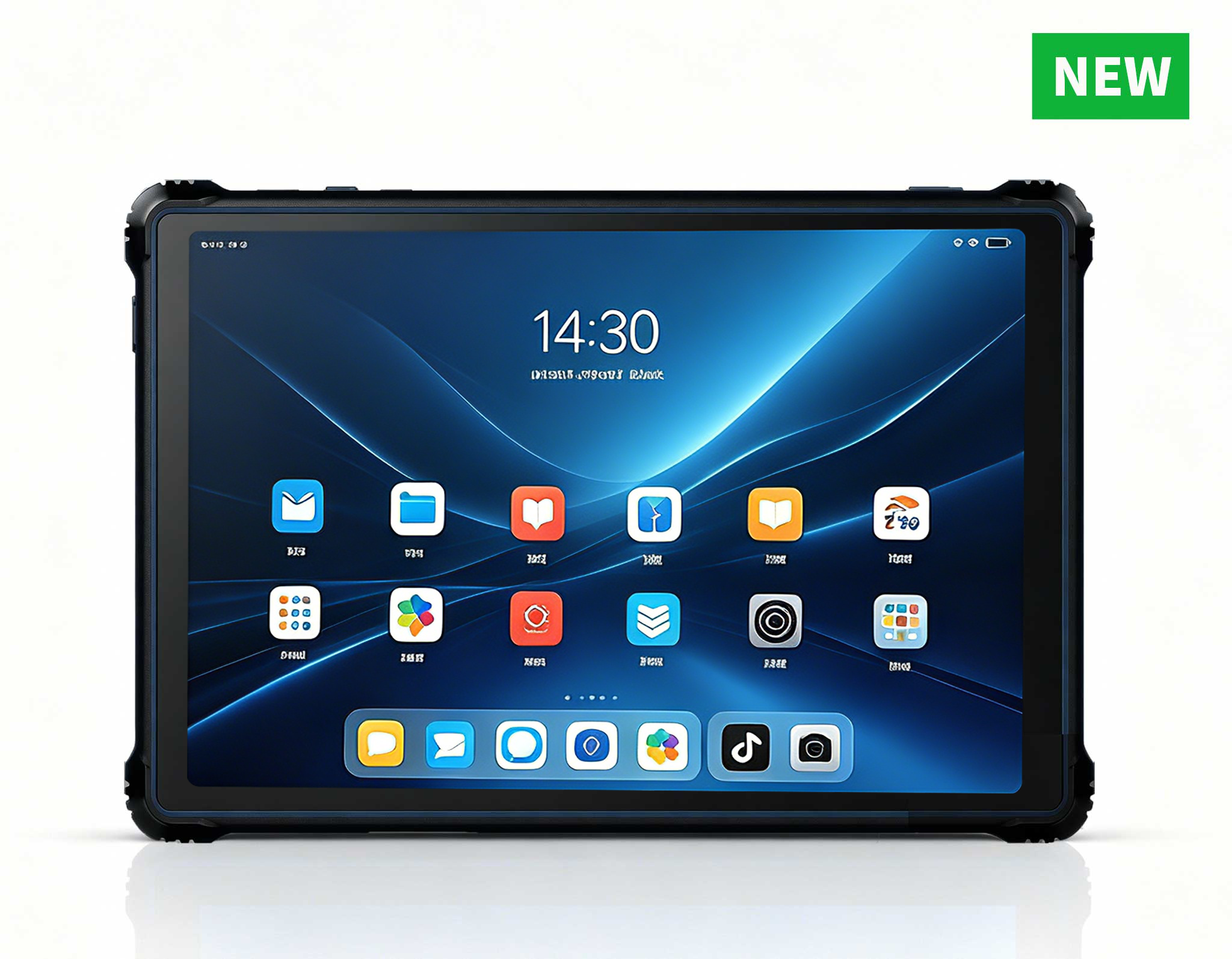
RT82 5G Rugged Tablet | 10.1" FHD 400nit | Qu...
The N60 PDA is a cutting-edge device for inventory...
From the unknown so simpleUsed for mobile phones, ...
The AMD Mini PC Windows 10 Pro is a compact yet po...
One Device, Dual Functions – A Projector and a Com...
This dual touchscreen gaming laptop combines cutti...
Technical evolution gets told as a relay race. A newer unit takes the baton, the older one leaves the track, and the story ends with a faster runner. On a factory floor the same story reads more like a receipt. Each generation buys something worth having, and each one signs something away in the same transaction. Three units now share the work on most inspection rounds: the 4.5-inch T80 handheld, the 10.1-inch RT80 tablet and the AR Smart Glasses with a 51-degree field of view. Which of them is "newer" matters far less than what each one gave up to get there. Write the second column down and the shortlist changes shape. factory inspection
A round is not one job. It is a walk between tags, a form filled in at the asset, a photograph taken of a nameplate, and a conversation with the operator standing next to the machine. Those steps ask for different things from the person doing them, and no single unit serves all four well. That is the plain reason the earlier models stay on the round instead of going into a cupboard. Evolution in this setting is not replacement but division of labour. The question worth asking at each purchase is not which unit wins a comparison table. It is what the newest one quietly removed from the kit, and whether the round still contains a step that needed the thing that was removed. A plant that has watched two generations arrive answers that question faster the second time, because the earlier units are still in the building and their new jobs are visible from the walkway rather than hidden in a procurement file.
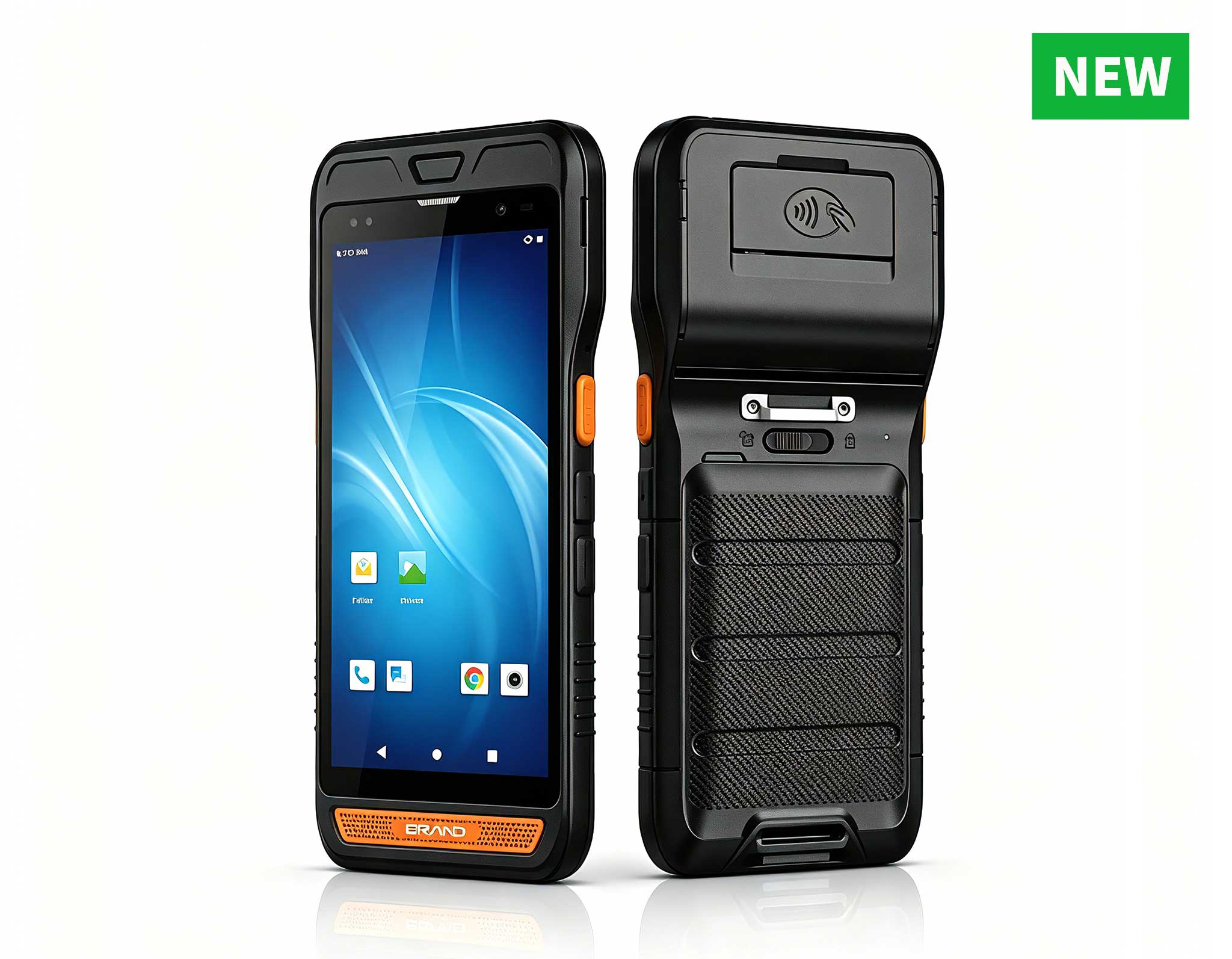
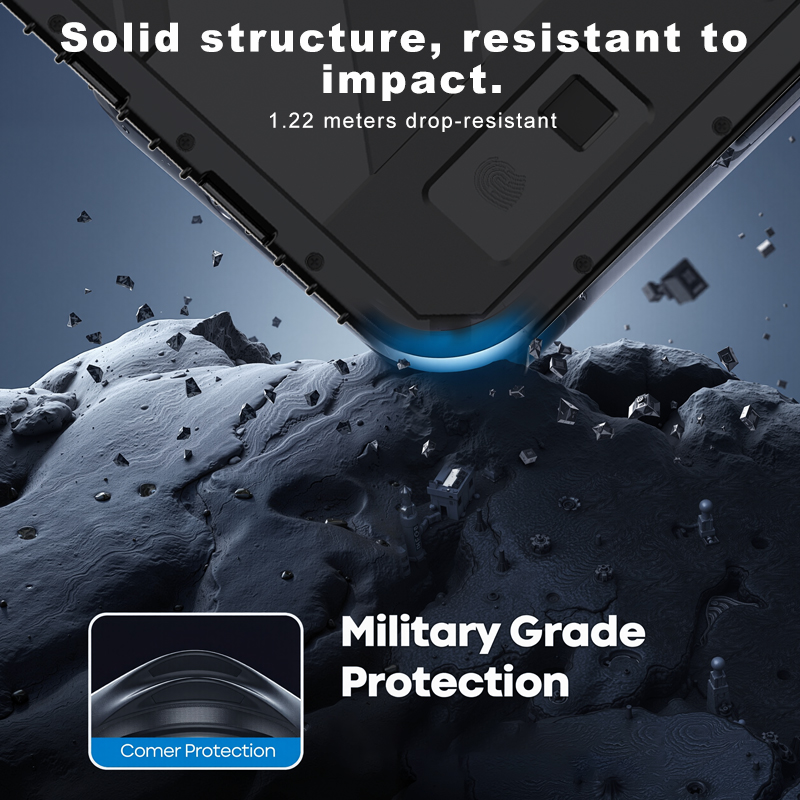
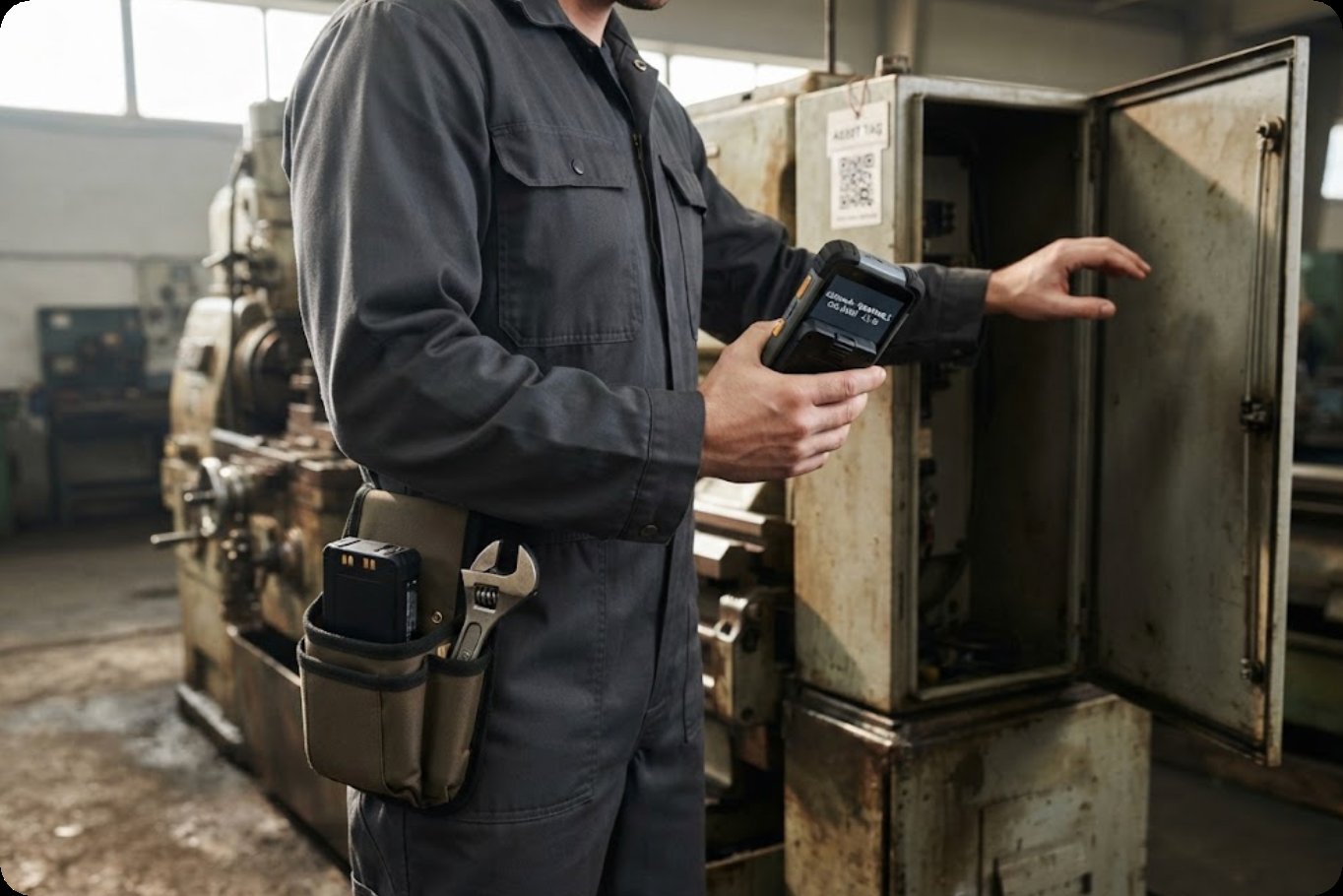
The T80 carries a 4.5-inch IPS display at 480 by 854, runs Android 9.0 on a quad-core 2.0GHz processor with 2GB of memory and 16GB of storage, and measures 166 by 77.5 by 22 millimetres. Its 4200mAh pack comes out of the body, no tools needed, and is quoted at more than twelve hours with a charge time under four. An 8MP rear camera handles close work, and the RFID reader reaches two to five centimetres. What the unit buys is obvious the first morning: it fits one hand, it survives a drop, and a spare pack in a pocket means the shift never waits on a socket. What it signs away is area. At 480 by 854 a nine-column table cannot be read in one view, and a paragraph of written description has nowhere to go. The handheld keeps the steps that fit on one screen. T80 Handheld PDA
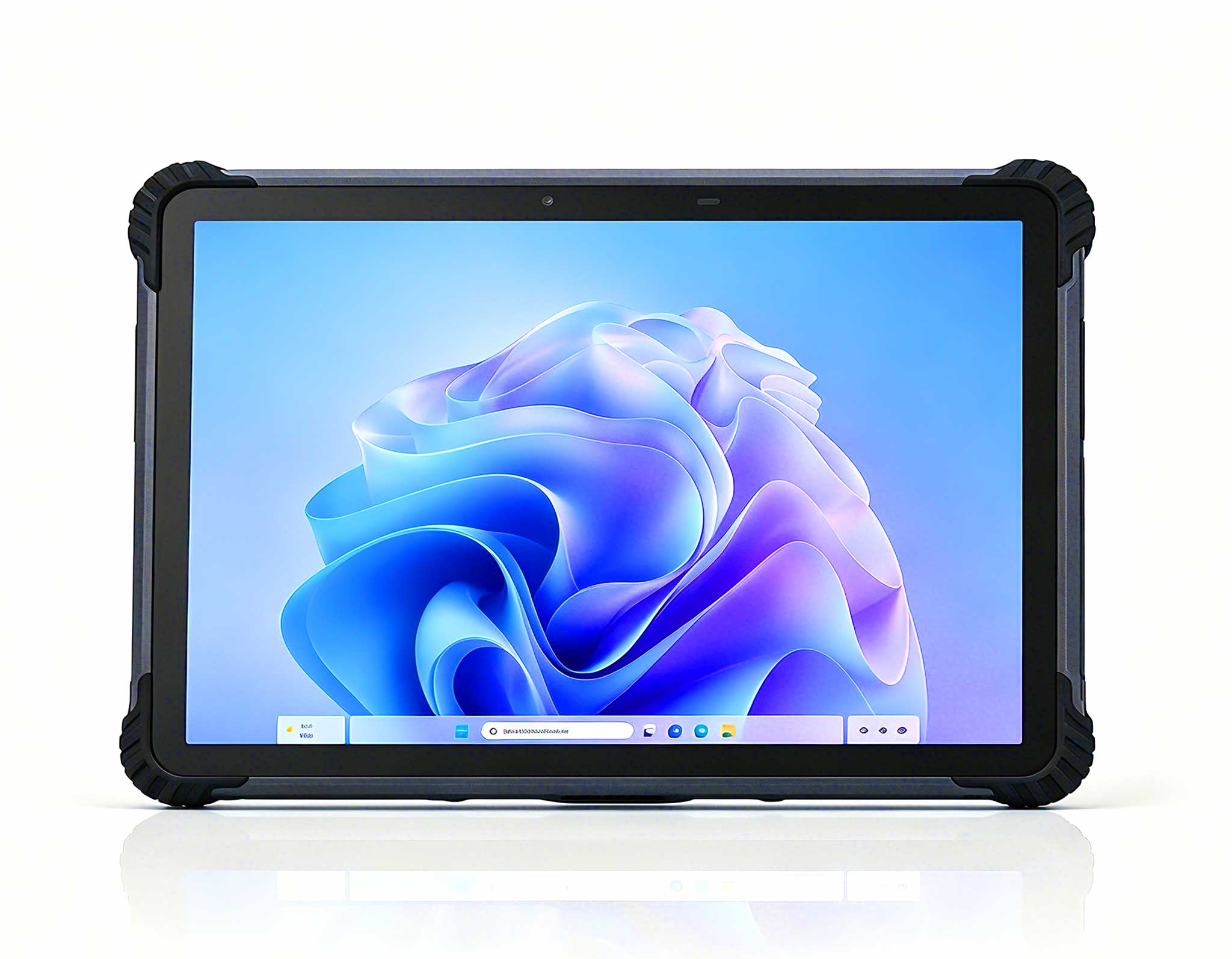
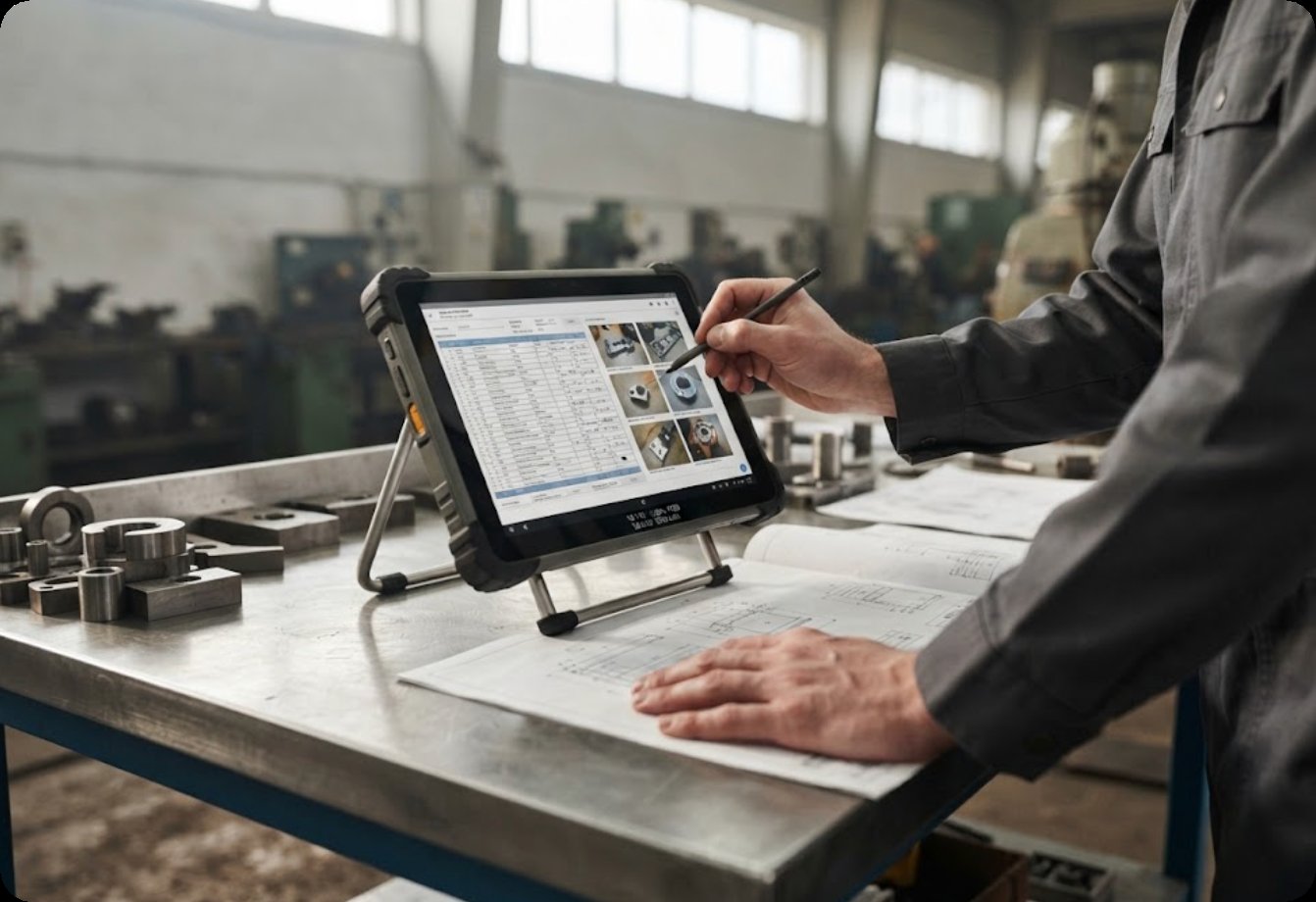
The RT80 answers the screen problem directly: a 10.1-inch IPS panel at 1200 by 1920 with 400 nits, eight gigabytes of memory, 128GB of storage, and a 48MP autofocus rear camera that turns a nameplate into a legible record. At 252 by 170 by 14.6 millimetres and under 650 grams it is still portable. The trade is written into two rows of the same sheet. First, weight and width: at that size the unit wants a stand, a table, or a second hand while the first one types. Second, the 10000mAh pack is sealed into the body and is quoted at twelve to fourteen hours of mixed use. A sealed pack cannot be swapped at the machine. It buys a wider page and a better photograph, and it signs away the habit of carrying a spare battery, along with the one-handed step that used to need nothing but a free thumb. RT80 Rugged Tablet
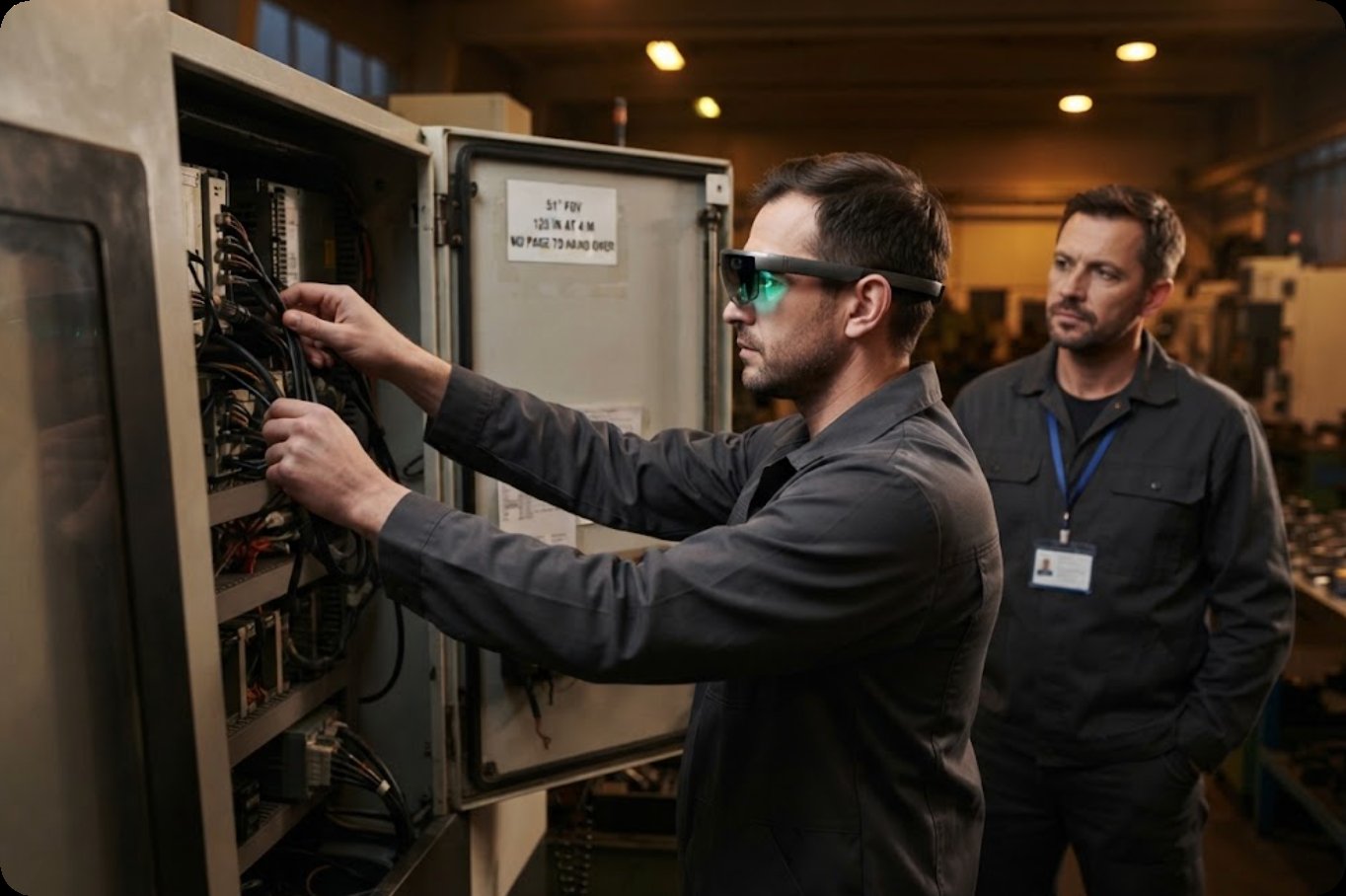
The AR Smart Glasses take the last step in a different direction. The display is a 51-degree field of view that reads as a 120-inch virtual screen at four metres, with an adjustment from zero to six hundred degrees of myopia so a wearer who normally needs glasses does not have to fit them under the frame, and a single button for 3D. Nothing is held, so both hands stay on the machine and the eyes are not pulled down to a panel. What that signs away is a touch surface and private reviewing. There is no keyboard, no list to scroll with a thumb, and no way to hand the picture sideways to a supervisor standing at the same asset. The frame buys the two things the other units cannot offer at the same time, and spends the two things they were built around. AR Smart Glasses
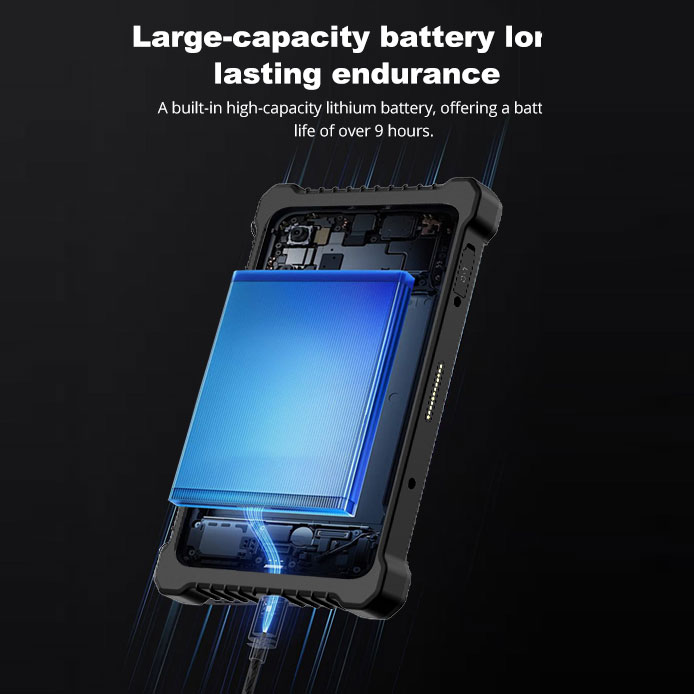
Battery rarely appears in an evolution story and it belongs near the front. The handheld keeps its pack removable, so a technician who carries two spares is never waiting on a socket and never stops walking. The tablet seals a pack more than twice the size into a body just over fourteen millimetres thick, which is a real gain in capacity and a real loss in scheduling. Fourteen hours is generous until a double shift runs past it, and when it does the unit has to sit down somewhere with a socket, which is a plan rather than a battery problem. The glasses do not publish a comparable figure at all, so the shift has to be built around charging windows that were never quoted. Each step up lengthens the run between charges and removes the one routine that made the run endless.
The quietest thing handed over is typing. Set the three units side by side on the one row that decides most rounds.
| Unit | Screen | What can be entered at the asset | What has to wait |
|---|---|---|---|
| T80 Handheld PDA | 4.5-inch, 480 x 854 | Scan, tick, short field, one-line comment | Descriptions, drawings, anything with two columns |
| RT80 Rugged Tablet | 10.1-inch, 1200 x 1920 | Long note, signature, side-by-side compare | Nothing much, but one hand is spent holding it |
| AR Smart Glasses | 51-degree field of view | Confirm, advance, speak | Anything typed, and anything meant for a second reader |
Read down the third column and the pattern is plain. The more the hardware moves toward the operator's head, the less it can be written on. That is not a fault in the newest unit. It is the price of the field of view, and it means the descriptive half of a record has to be finished on one of the two units that still has a page.
Shared review is the item nobody lists, and it decides more rollouts than battery life does. A handheld or a tablet screen can be turned ninety degrees so the shift lead, the auditor or the operator signs off on the same reading at the same asset. The virtual screen of the glasses exists for one pair of eyes. Two people standing a metre apart are looking at two different things, and the second one is looking at nothing. Rounds that end in a joint signature therefore need to route the confirmation step back to a unit with a panel, or the record gains a gap that no specification row prepares a buyer for. Choosing the newest unit and then discovering this on the floor is the expensive order of events. The usual repair is cheap and unsentimental: a second panel carried for the sign-off alone, which is exactly the kind of line that never appears on the sheet used to justify the newest unit in the first place.
None of this argues against the newer unit. It argues for pricing the exchange before the order rather than after the first month. Take the four steps of a real round, list the unit that currently carries each one, and write down what moves if a new unit takes it over. If the step it takes is the wide table or the hands-free inspection of a live panel, the trade pays. If the step it takes is the short field that a handheld already finishes in three seconds, the round has gained a device and lost a habit. The units run from the handheld line through the tablet range to the wearable, and each one is best at a different step. our industrial hardware sits across all three, and the product comparisons are a reasonable place to price the exchange before a purchase order does it for you.