- Select Language
The N60 PDA is a cutting-edge device for inventory...
Technical SpecificationsModel: Palm-sized miniPCTy...
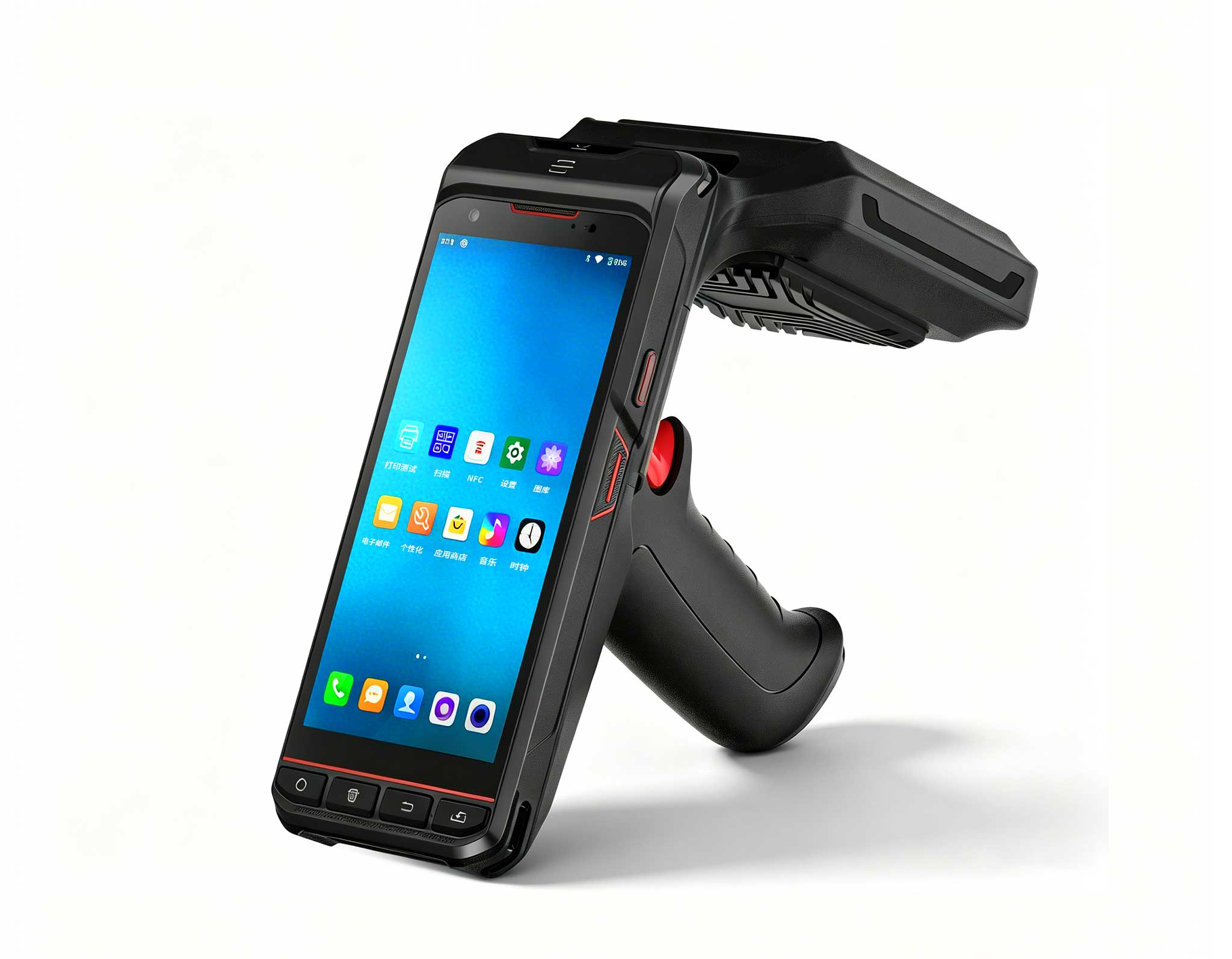
R366C-S 5.5-inch Industrial UHF RFID Reader | Qual...
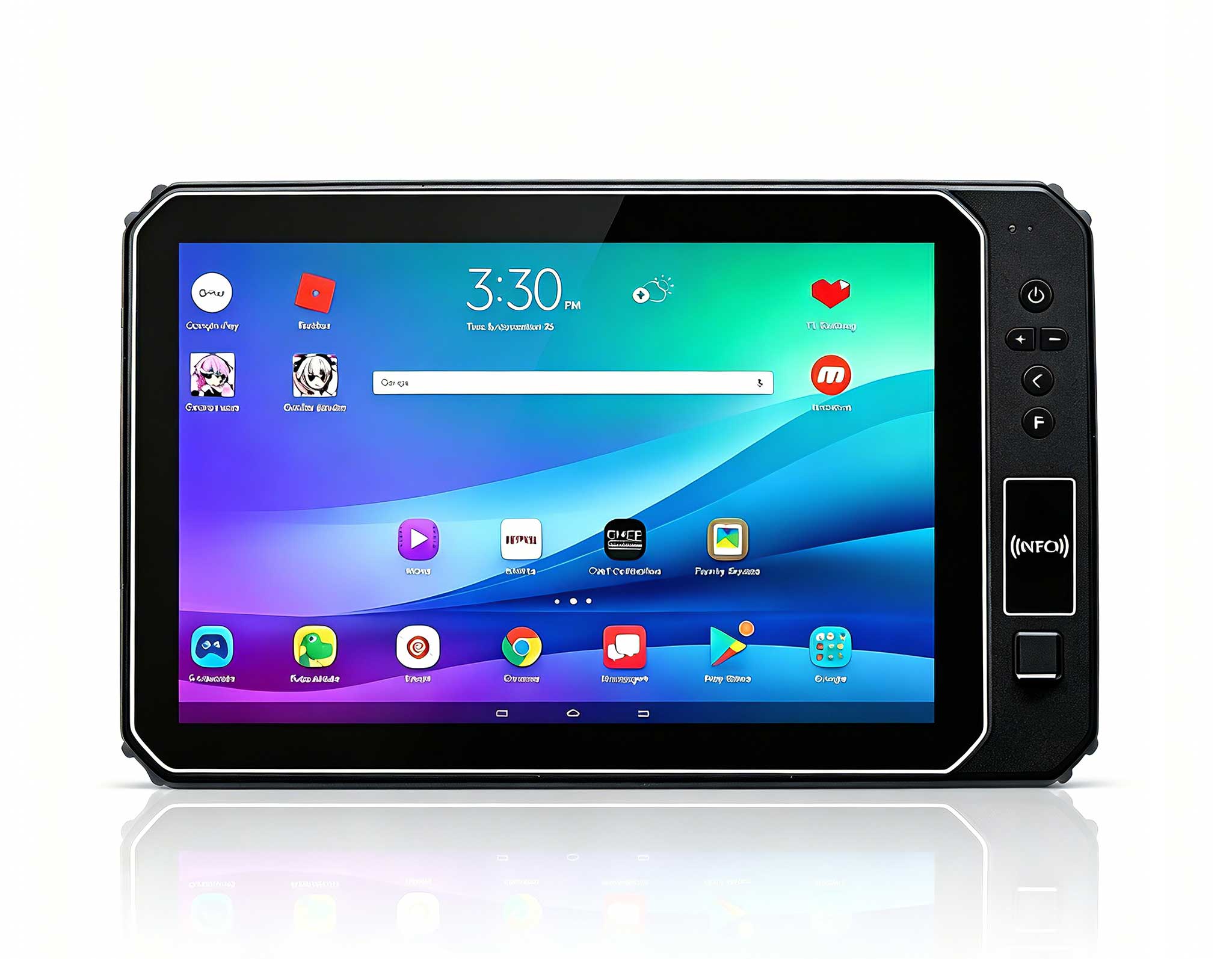
This 10-inch Android rugged tablet is designed for...
The F505 Handheld PDA is a compact, high-performan...
R860-S 5.5-inch Industrial PDA with Thermal Printe...
The R501 PDA combines a powerful MT6762 Octa-Core ...
RS51 4G Rugged Handheld Terminal | 6.3" FHD+ ...
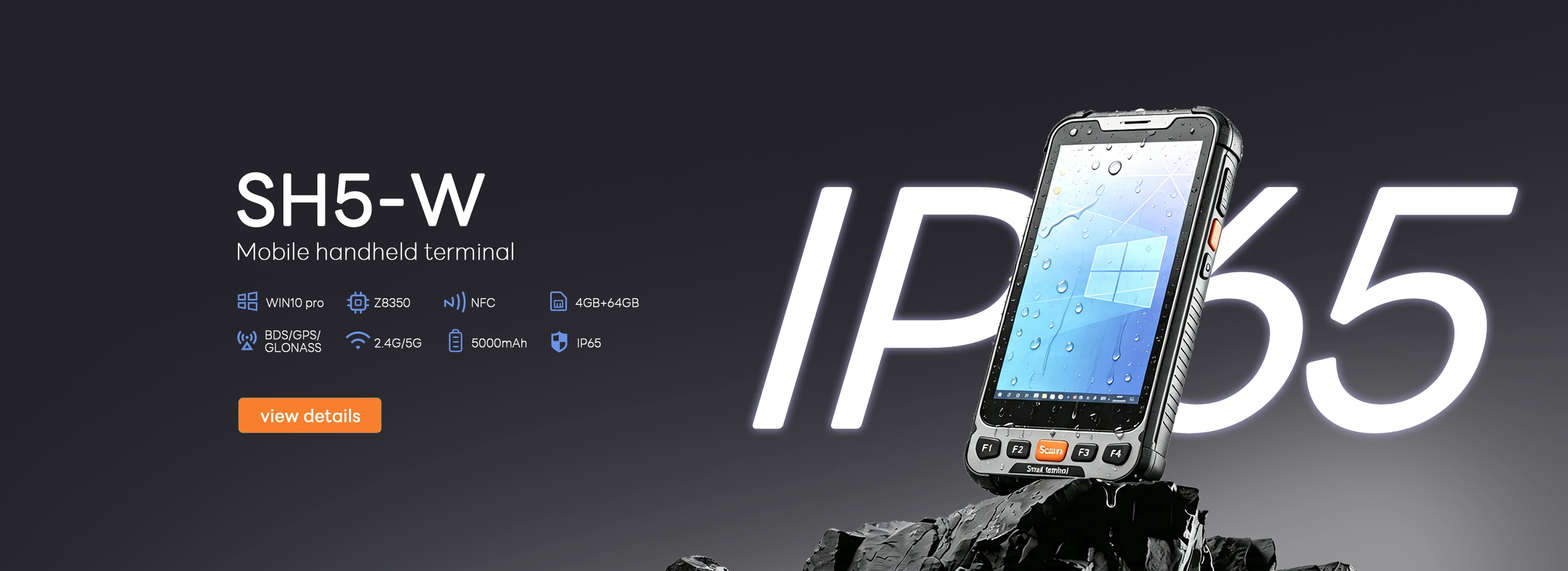
Full SpecificationsModel Hotus SH5‑WOperating ...
This ultra-compact mini PC offers powerful perform...
️ X8 Series Handheld Label & Thermal Printing ...
A home server does not usually fail because a task was skipped. It fails because a task was skipped in the wrong order. The maintenance list most households inherit was written for a room with a duty rota: dust the intakes every month, update the firmware every quarter, replace the batteries on a fixed anniversary. Read against a house, that list is complete and almost useless, because nothing on it says which entries can slide through a busy season.
Three panels sit in the same cupboard here, and they are not interchangeable when the list is applied to them. A 10.1in industrial tablet, a 6.5in handheld and a 5.5in handheld differ in how many openings they expose, how often they are picked up, and how long they sit untouched between uses. Those differences decide where each one lands once the tasks are ranked by what a delay actually costs. They sit beside a home storage setup and read it.
Most household schedules are split into two columns: monthly and quarterly. That split is a calendar, not a ranking. It answers how often a job comes round, and it says nothing about what happens if the answer is "not this month". A household that loses a month to a move, a birth, a long job posting or a leaking roof does not resume the list where it stopped.
The practical question is therefore not how often a task should be repeated. It is what the equipment looks like on the far side of a missed month. Two tasks can share the same interval and have completely different answers. One returns to its previous condition the moment it is done. The other has already become something else, and doing it late is now a repair.
Two questions separate the list into groups that hold up when the calendar does not. The first is whether the state of the equipment changes while the task waits. Some jobs address a condition that is stable: dust that has settled stays settled, and a loose bracket stays loose. Others address a condition that is moving on its own, and the equipment crosses a line in the meantime.
The second question is whether the equipment announces that it is crossing the line. A panel running warm, holding less charge, or slowly losing the ability to answer on the first press will usually show it to somebody who looks. One sitting on a shelf in a closed cabinet shows nothing at all. Crossing the two questions gives three groups, and only the third has to be done on time.
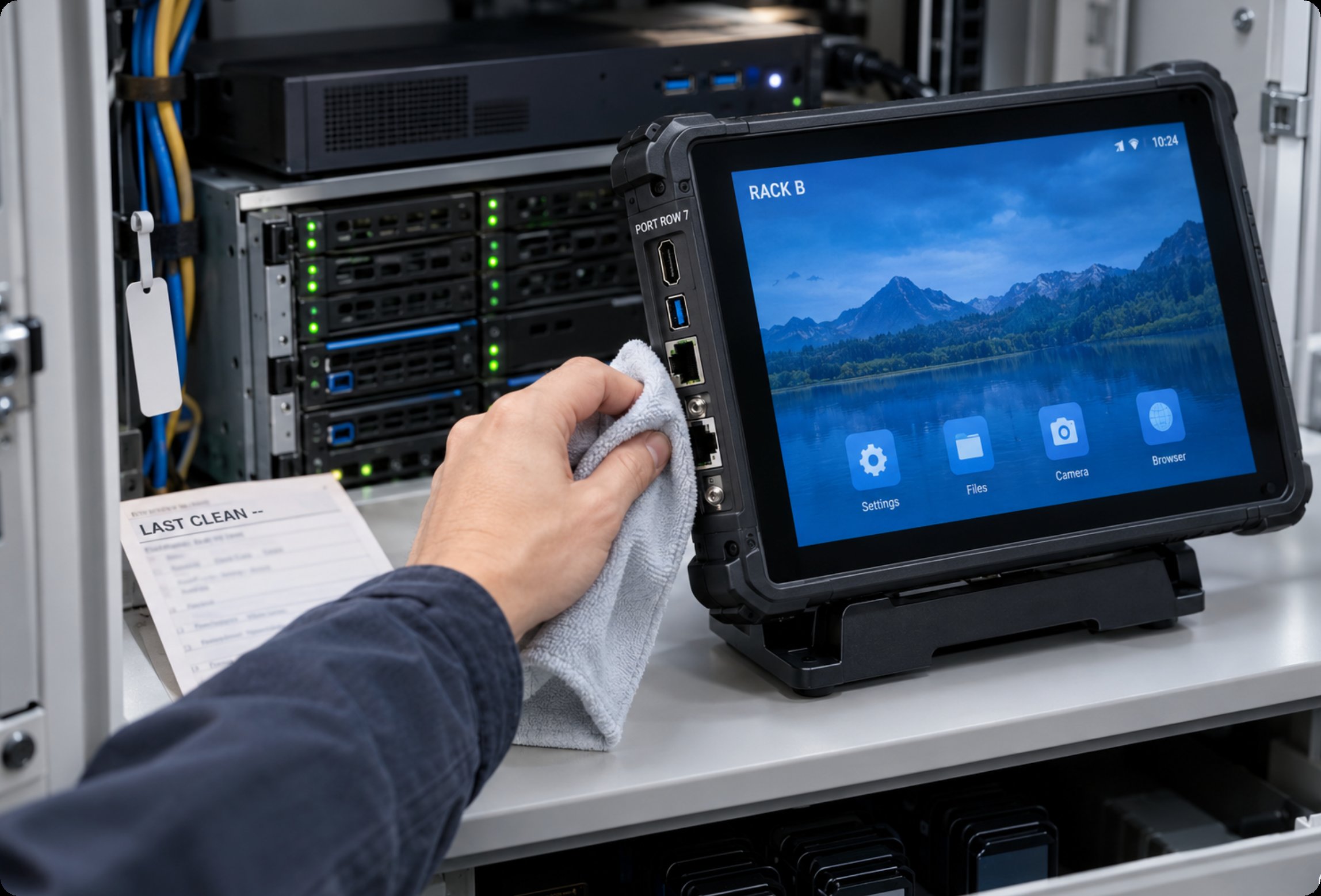
The first group covers the surfaces and the openings. The ST11-M 10.1in industrial tablet exposes more of them than the other two combined, because it is built to be wired rather than carried: HDMI, SIM, TF, two USB 3.0 ports, RJ45 and RS232 along the edge, plus pogo pins for a charging cradle. Each of those is a place where dust settles and a contact slowly stops being a contact.
Nothing about that job changes while it waits. A wipe of the openings and a check that the dock pins are clean puts the panel back to where it was, whether it happens this month or next. The same holds for the bracket that carries it and the cable to the drive enclosure: a loose screw and a strained connector are conditions, not processes. They are worth doing, and safe to defer.
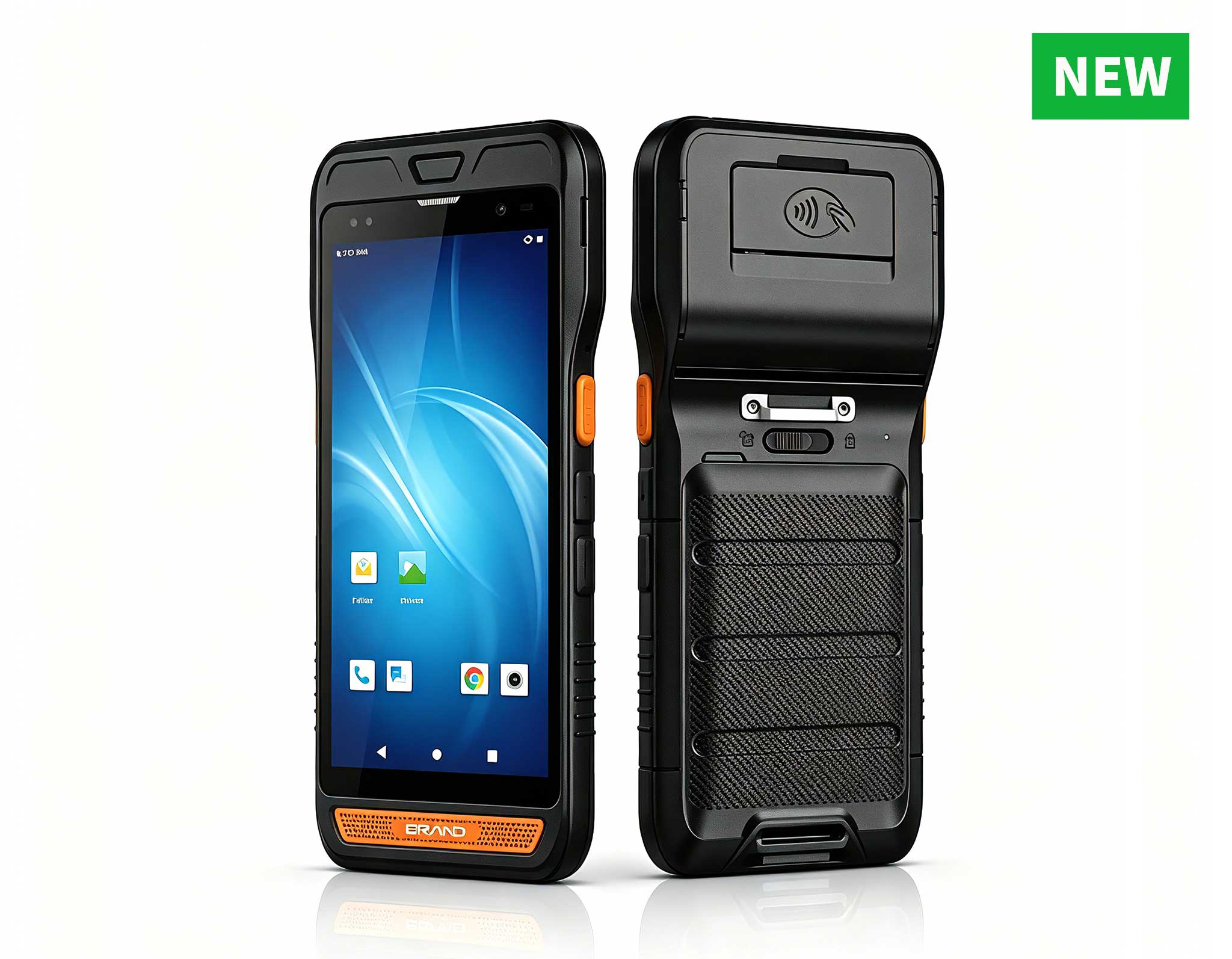
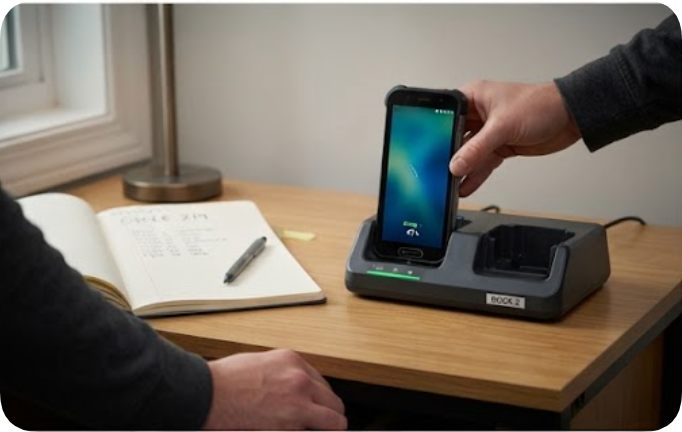
The second group has a deadline set by the equipment rather than by a calendar. The SH6 6.5in handheld carries the strongest processor and the largest memory of the three, an Intel N100 quad core with 8GB and 256GB, which makes it the panel picked up most often for anything that has to be looked at closely. Frequent use is what ages a battery, and the maintenance that follows is a window rather than a date.
Charging is the obvious one: a 5000mAh pack at 7.6V good for about four and a half hours runs a predictable cycle, and the window closes at the low end. A pack that reaches a deep discharge once too often comes back with less capacity. Handling matters for the same reason. The shell is rated for IP65 and a 1.2m drop, but the seal has a working life, and a unit opened for a battery change has to go back together as it came apart.
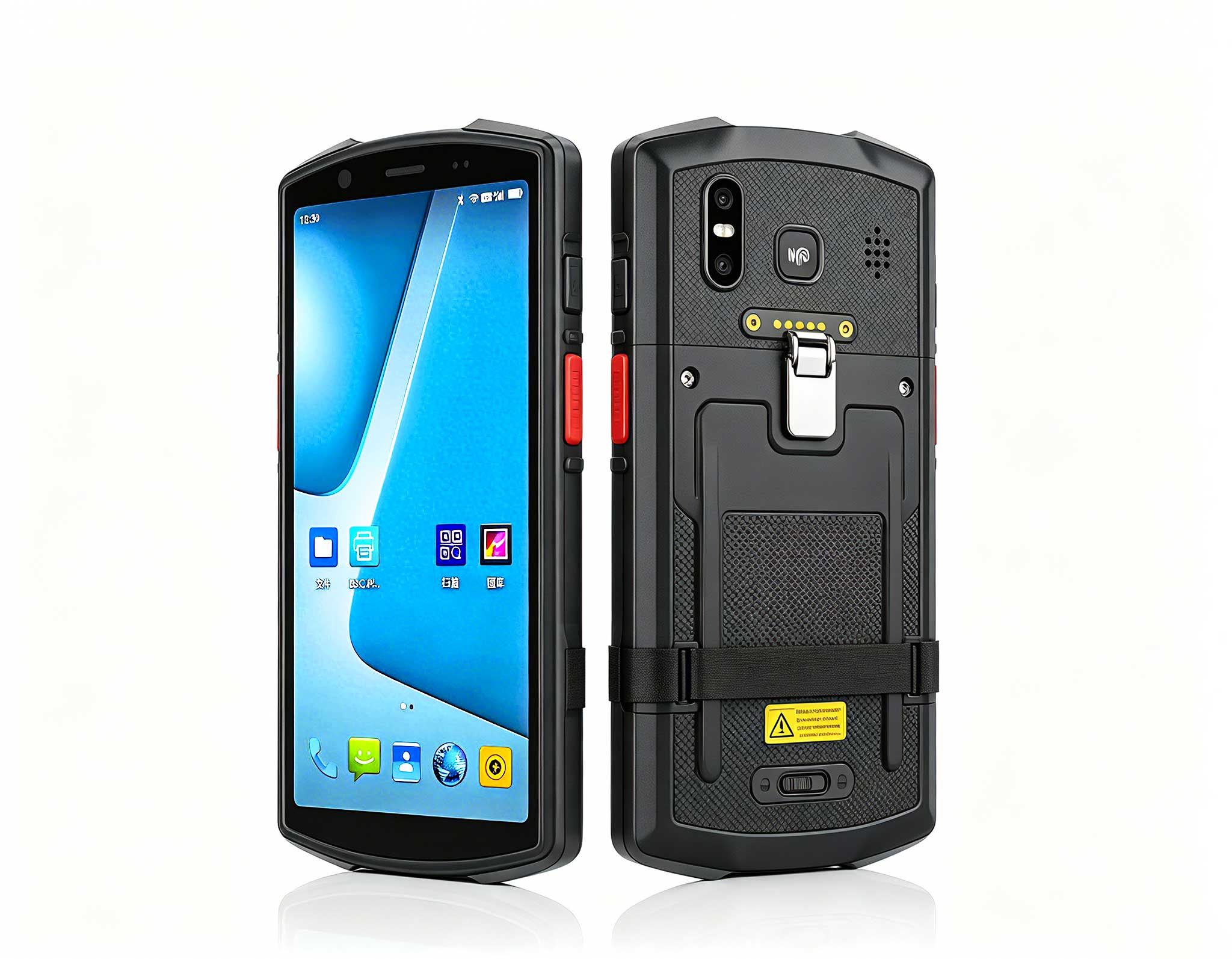
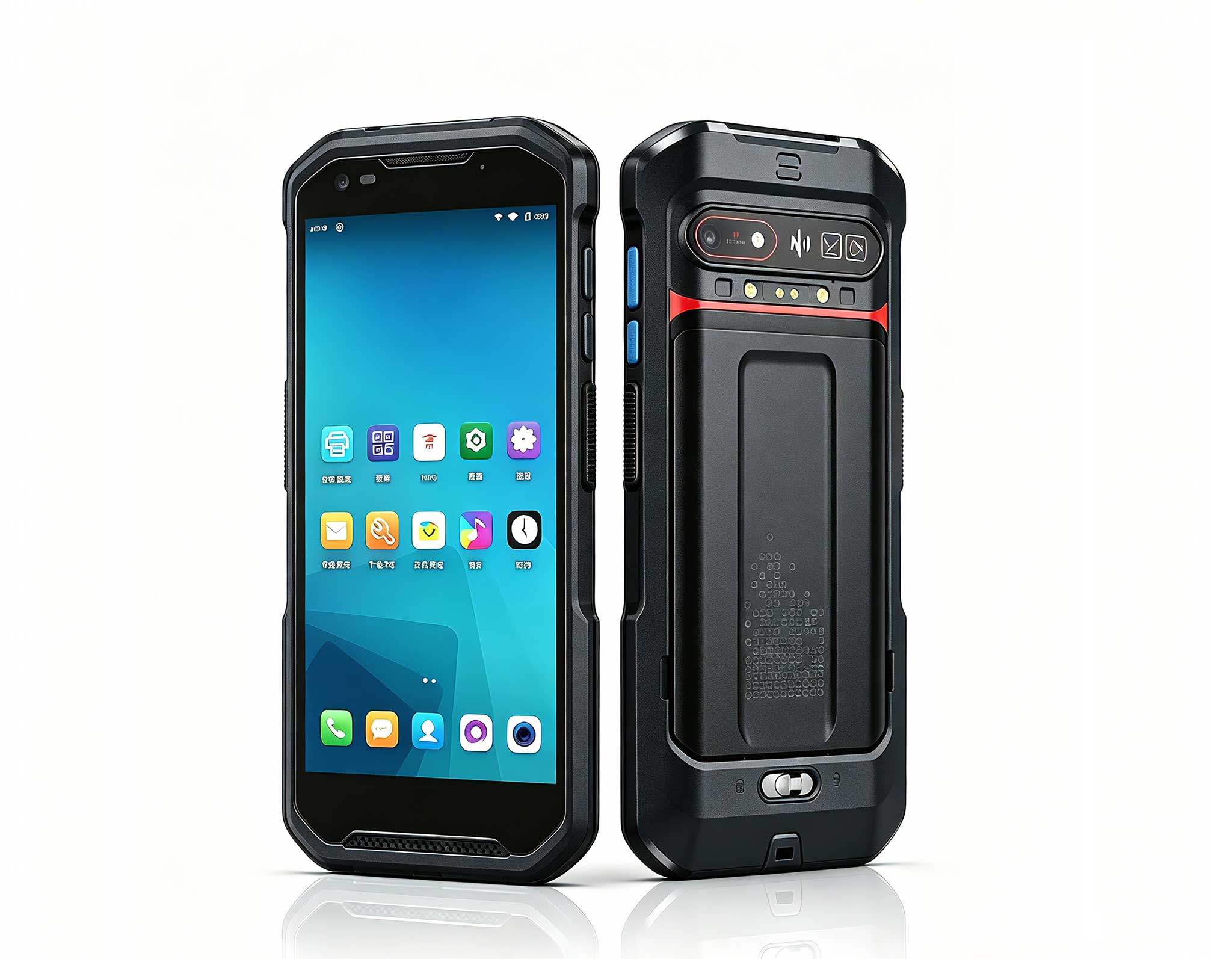
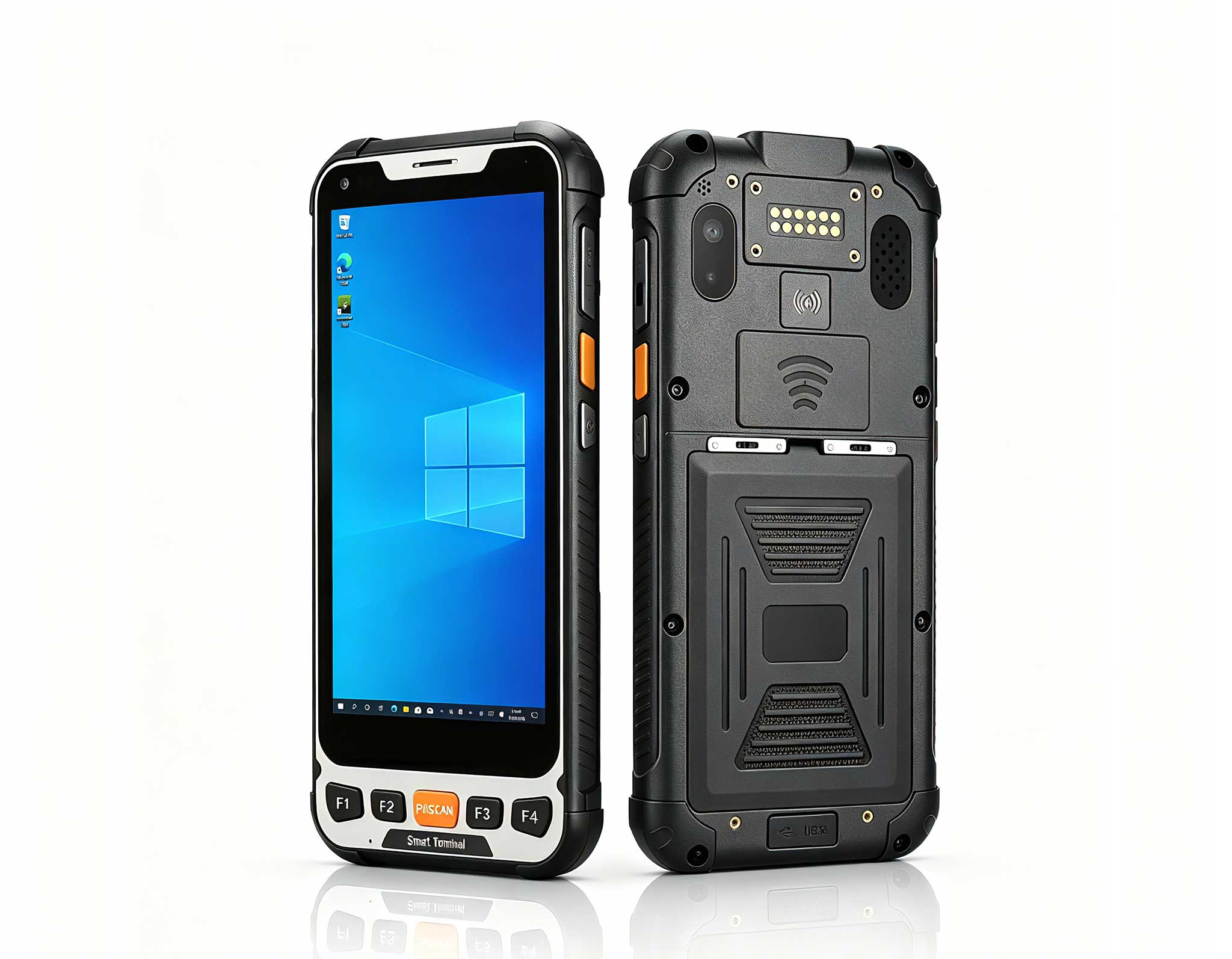
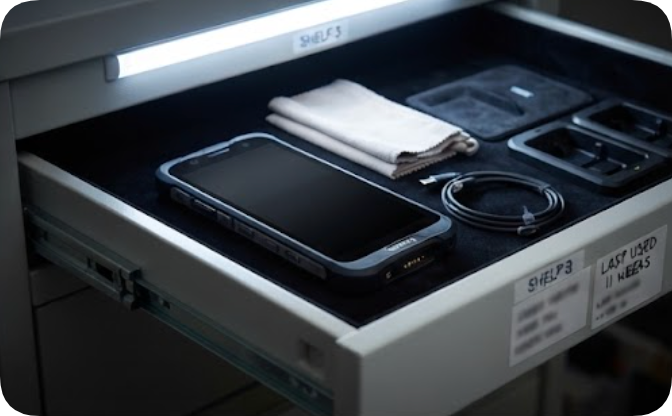
The third group contains the fewest items and takes the most discipline, because none of them announce themselves. The SH5-W 5.5in handheld is the one most likely to disappear into a drawer: it measures 180 by 87 by 20mm and weighs 350g, so it fits anywhere, and it comes out when something needs checking at the enclosure. That habit is what produces the failure with no second attempt.
A pack left flat for months is the classic case. Its 5000mAh cell at 3.8V is happiest when cycling, and one left to fall to nothing will not come back to the capacity it had, however carefully it is charged. Nothing warns you while that happens: the panel is switched off, so there is no reading to notice. Writing during an unplanned power loss is the other entry, because an enclosure that loses power mid-write leaves its recording beyond any later repair.
The three units differ in ways that decide which group each one spends most of its time in, and those differences are worth putting on a single line.
| ST11-M | SH6 | SH5-W | |
|---|---|---|---|
| Display | 10.1in IPS, 1200×1920, 430 nits | 6.5in HD+, 380 nits | 5.5in IPS, 1080×1920, 400 nits |
| Touch | Ten-point, stylus and wet-hand support | 10-point capacitive | 5-point capacitive |
| Operating system | Windows 10 Pro | Windows 11 Pro | Windows 10 Pro |
| Processor | Intel i5-8200Y, dual core | Intel N100, quad core | Intel Z8350, quad core |
| Memory and storage | 8GB RAM, 256GB storage | 8GB with 256GB (16GB and 512GB optional) | 4GB RAM, 64GB storage |
| Battery | 6000mAh at 7.6V, about seven and a half hours of use | 5000mAh at 7.6V, about four and a half hours of use | 5000mAh at 3.8V, up to five and a half hours of use |
One column is deliberately absent from that table. Protection is published at different levels across the three pages: the SH6 and the SH5-W carry IP65 and a 1.2m drop rating inside their specification tables, while the ST11-M mentions IP65 in its product highlights instead. Physical size reads the same way, since only the two handhelds publish one. Those fields are left out rather than filled in from the other units.
A move is the case that shows why the ranking matters more than the schedule. A household can plan the date, but it cannot plan the outage: the panel is powered down when the van arrives, not when the last backup finished, and the gap between those two moments is whatever the moving crew decides it is. There is no way to bring a calendar forward far enough to cover that.
What does cover it is knowing which entries cannot be postponed at all. The third group gets handled before anything is packed, because those are the tasks whose state will have moved by the time the equipment is powered up again. The first two groups travel with the boxes without consequence. A household that has sorted the list once does not have to re-derive it in the middle of a move.
The ranking only works if it is fed. Three pieces of information cover almost all of it, and none can be recovered from the equipment itself: the date each panel was last charged to full, the date its openings were last cleaned, and the date any of the three batteries was replaced. A panel reports its current charge, not the history behind it, and a battery sitting for four months looks identical to one charged last week.
Written down once and kept somewhere a second person can find it, those dates turn the list into something that can be re-sorted in a minute rather than re-argued every season. The point of the whole exercise is not to do more maintenance. It is to be able to skip a month without guessing which parts of the list will still be waiting when the household comes back to it.
If the panel that reads a home enclosure is the part you are still choosing, the rugged tablet range covers sizes from a 5.5in handheld to a 13.3in model, and the wider product overview shows how they sit alongside the enclosures and mini PCs they are usually paired with.