- Select Language
Technical SpecificationsModel: Palm-sized miniPCTy...
The N40 Android smart PDA features a Cortex-A53 qu...
R366C-S 5.5-inch Industrial UHF RFID Reader | Qual...
The N60 PDA is a cutting-edge device for inventory...
R530C 6.0-inch Industrial PDA | Qualcomm Octa-core...
Full SpecificationsModelHotus ST9‑JOSWindows 10 Pr...
This dual touchscreen gaming laptop combines cutti...
The PM133-2 is a 13.3-inch portable monitor featur...
This 10-inch Android rugged tablet is designed for...
A meeting room is easy to equip and hard to account for. Business conference rooms run into this every year: the purchase order lists three devices, the room lists two, and the finance sheet lists none of them by name. The gap opens because the list is built on what each unit is, while the question that decides the money is where each unit goes when the meeting ends. A unit that stays behind belongs to the room. A unit that leaves in someone's hand belongs to a person. Both look identical on the day they arrive. Most rooms are equipped once and then quietly re-equipped in pieces, one replacement at a time, and nobody checks whether the new unit still belongs to the same list as the one it replaced.
Three Hotus units make that split easy to see. ST11-U is a 10.1in Windows tablet built to sit on a dock or a vehicle mount. SH5-W is a 5.5in handheld light enough to carry all day. H2 is a portable DLP projector that is also a small Windows computer and a power bank. They share a processor class, a battery and a wireless stack, and they land in three different places on the same form.
A quote tells you what one unit costs today. It says nothing about which line absorbs that unit when it fails in year three. That line is decided months earlier by a small decision nobody records: where the unit is kept overnight. Units that sleep in the room acquire a home, a mount and a place in the facilities plan. Units that sleep in a bag keep moving, and the plan never quite catches up with them. Two devices bought on the same day can be replaced out of two different budgets, and durability is not the reason why.
| Question | ST11-U | SH5-W | H2 |
|---|---|---|---|
| Kept overnight | On a mount in the room | With the person on shift | In a bag that leaves the building |
| List it joins | Room equipment | Personal kit | Signed-out kit |
| Spec that decides it | 10.1in screen, 1190±50g | 5.5in screen, 350±20g | 735g, 10000mAh battery |
Those three rows are not a ranking. They are three answers to the same question, and each answer changes who signs the replacement order later on. Read them once before the next purchase and the rest of the sheet starts to organize itself.
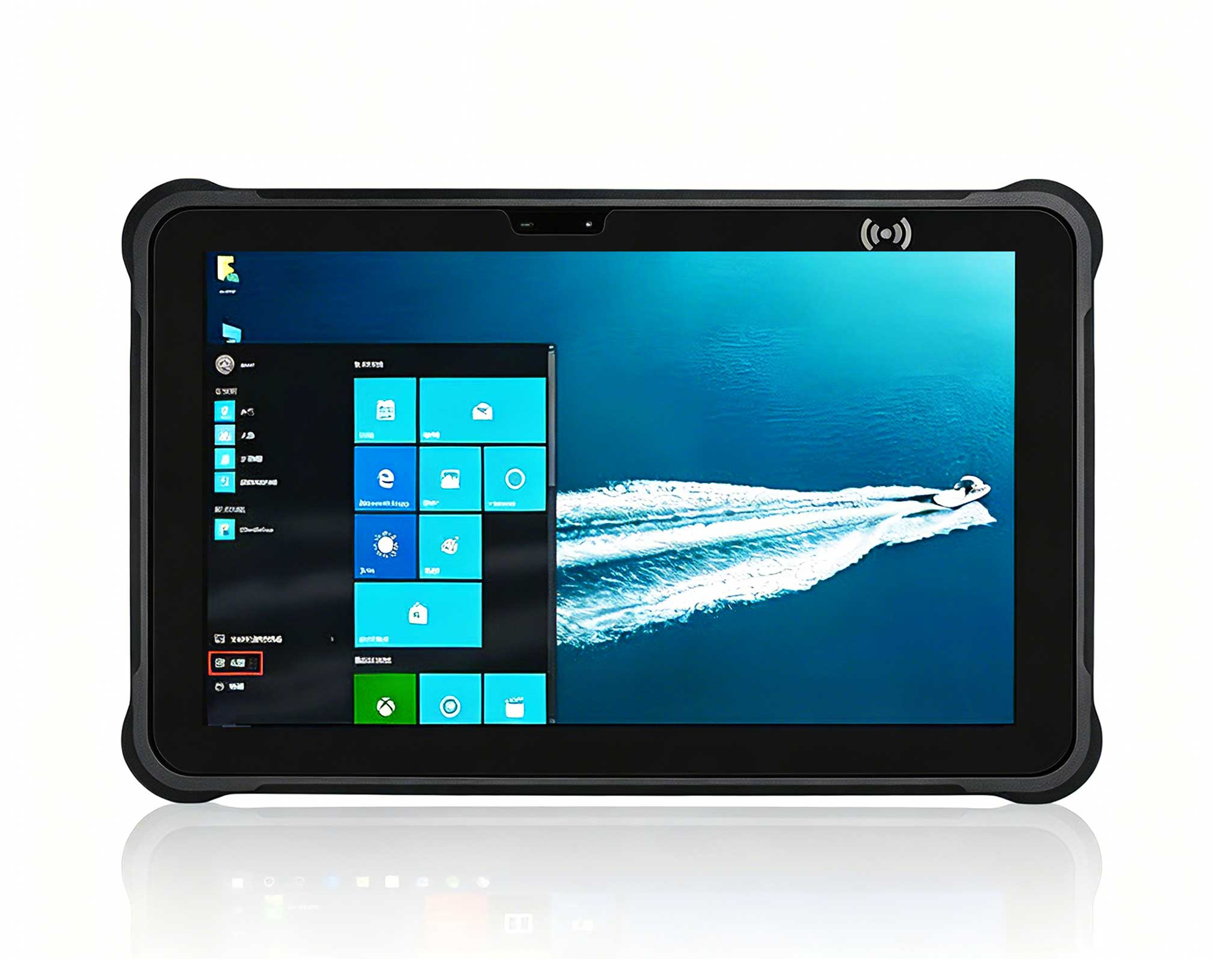
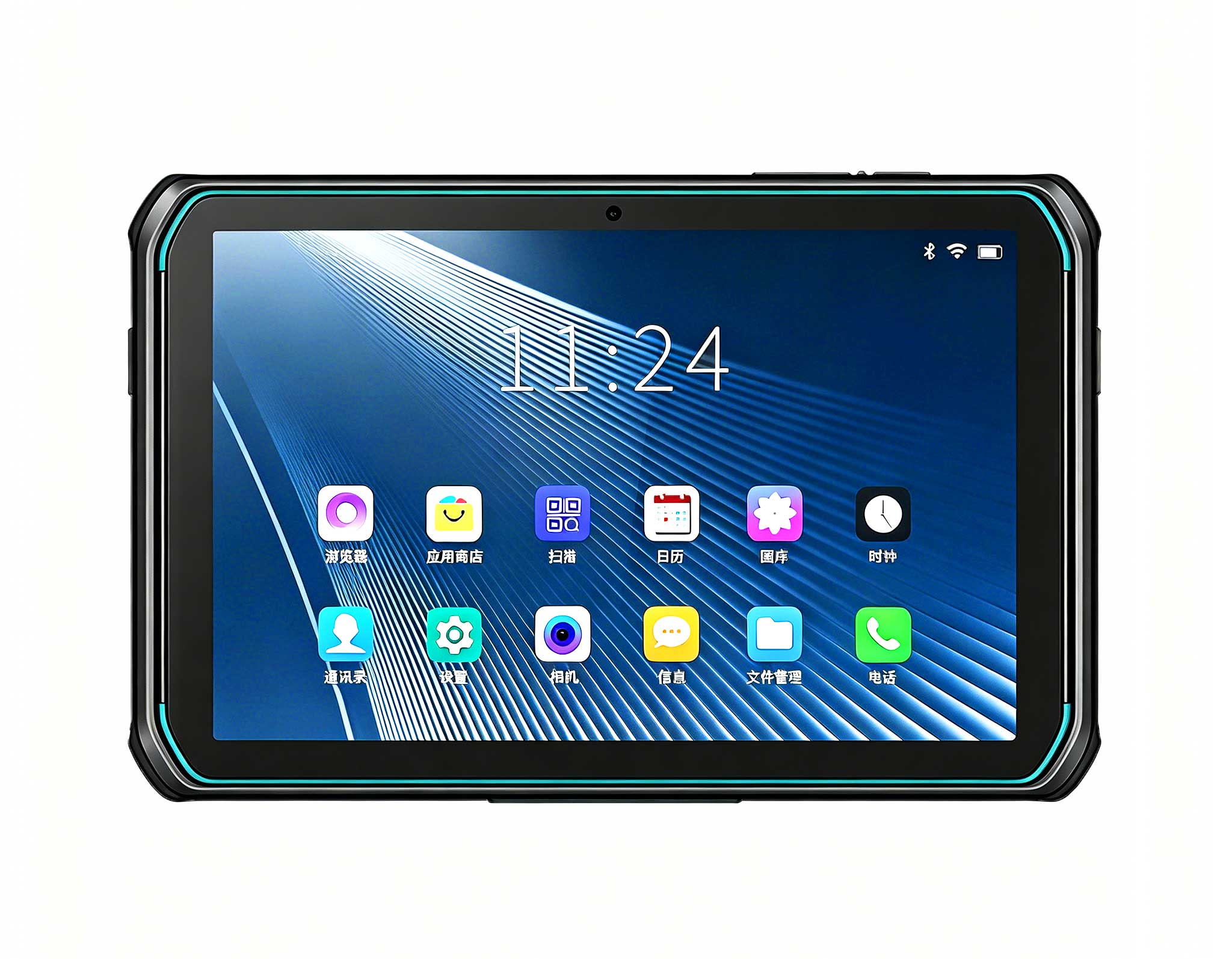
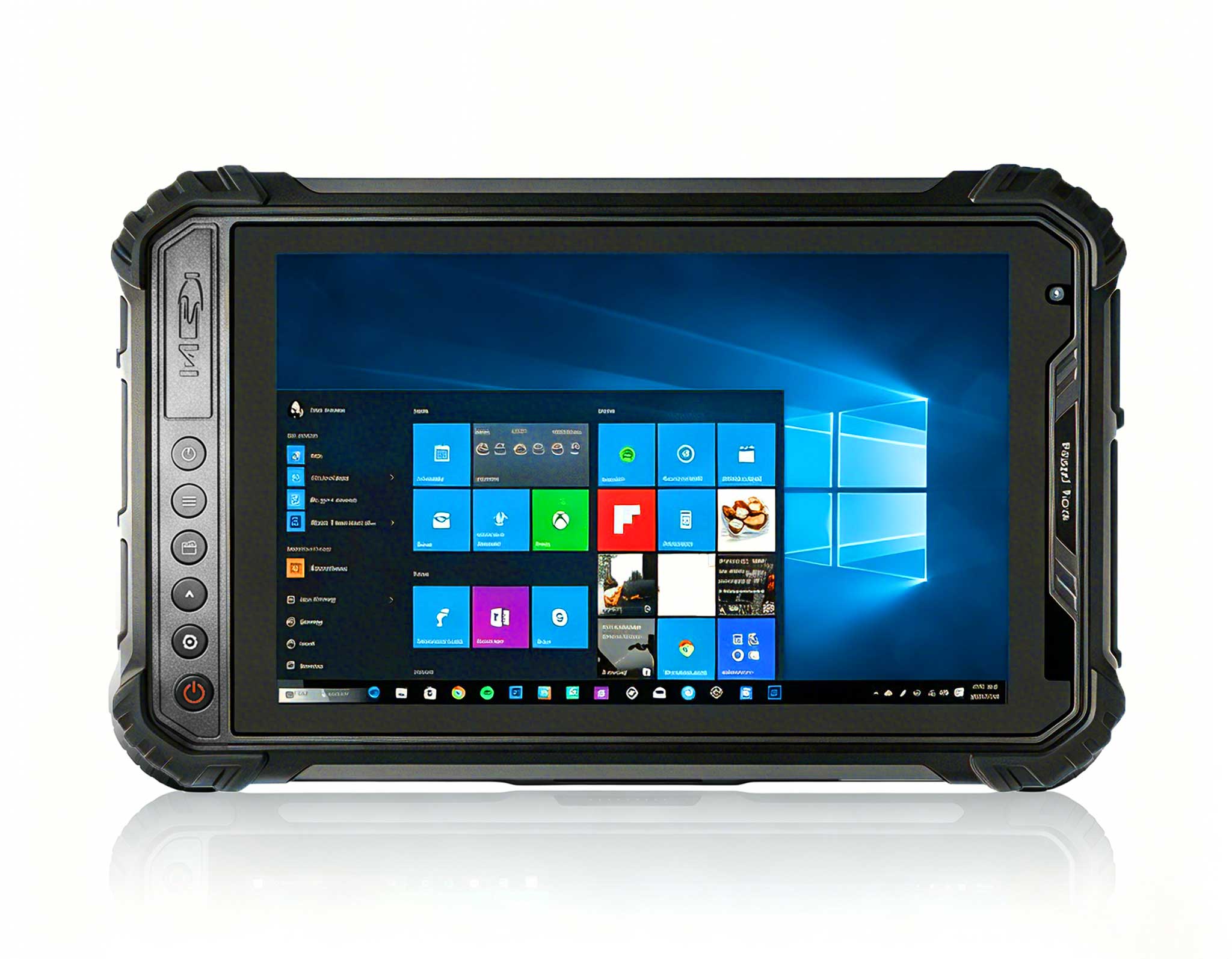
The ST11-U is a 10.1in Windows 11 Pro tablet with an Intel Core i5-1235U or i7-1255U, up to 64GB of RAM and 512GB of storage, and a 6000mAh battery at 7.6V. Its own page names docking stations and vehicle brackets as the way it is meant to be used, and that sentence is an accounting decision in disguise. A unit that lives on a mount stops being something you carry and becomes part of the room, like the screen on the wall or the table under it. When it fails, nobody reorders it from a stationery list. The room gets refitted.
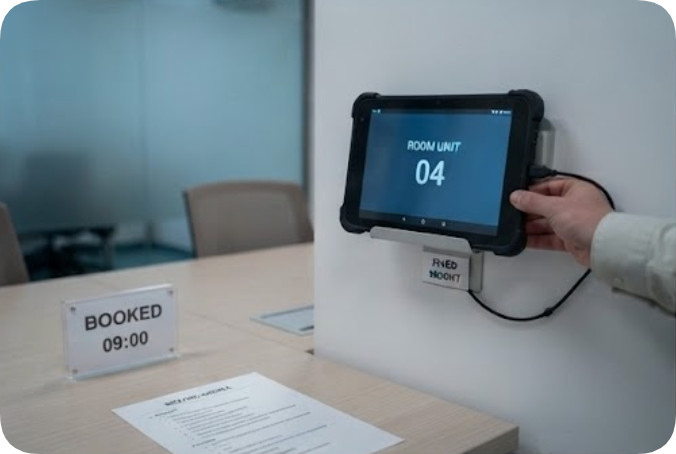
A vehicle mount moves the question again without changing the device. The tablet is no longer room stock, because the room does not hold it, and it is not personal kit either, because a person does not carry it home. It becomes equipment attached to a vehicle, which usually means a third owner who was not in the meeting when the unit was chosen. The specifications that decide this are the least interesting ones on the page. Memory and storage decide what the unit can do, while weight and dimensions decide where it can be fixed and by whom. The comparison notes make a similar point from a different direction, reading three units against one route instead of one date.
| Specification | ST11-U | SH5-W | H2 |
|---|---|---|---|
| Operating system | Windows 11 Pro | Windows 10 Pro | Windows 10 |
| Battery | 6000mAh at 7.6V | 5000mAh at 3.8V | 10000mAh at 3.7V |
| Weight | 1190±50g | 350±20g | 735g |
Nothing in that table answers the ownership question. All three run Windows, all three carry a battery, and the heaviest one is not the one that costs the most to lose. The deciding facts sit in the two sections that follow, which is where a purchasing list usually stops reading.
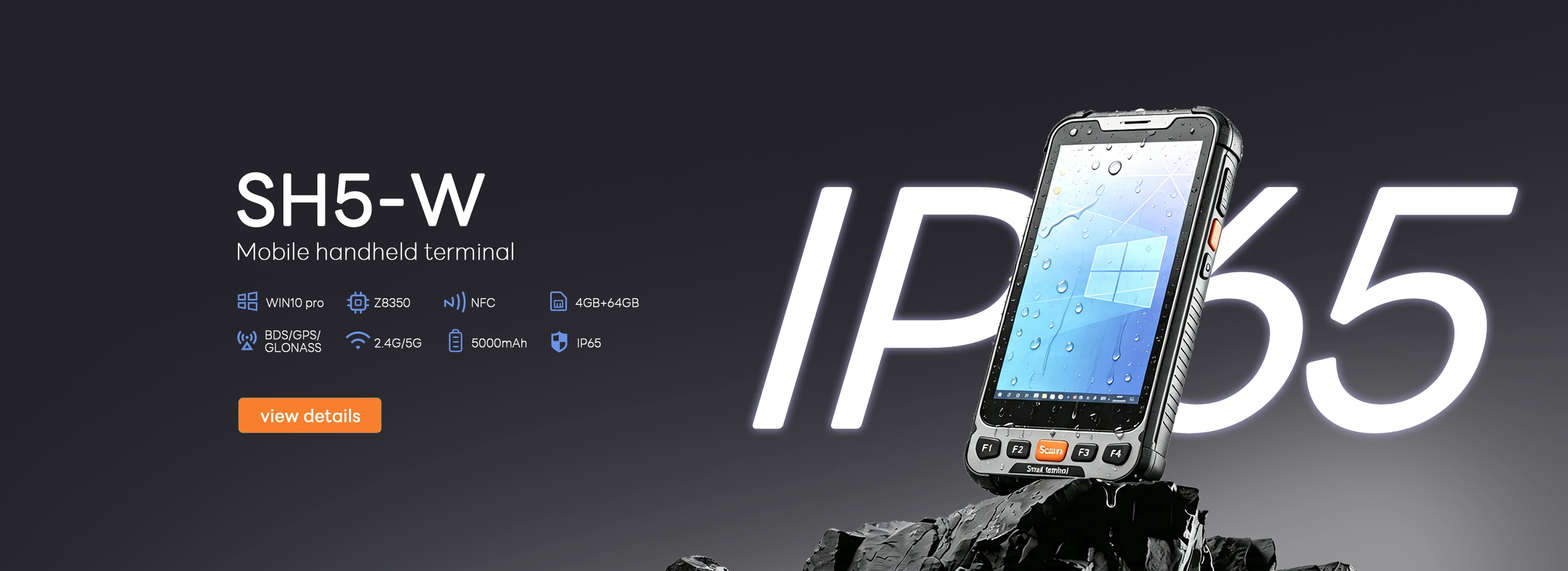
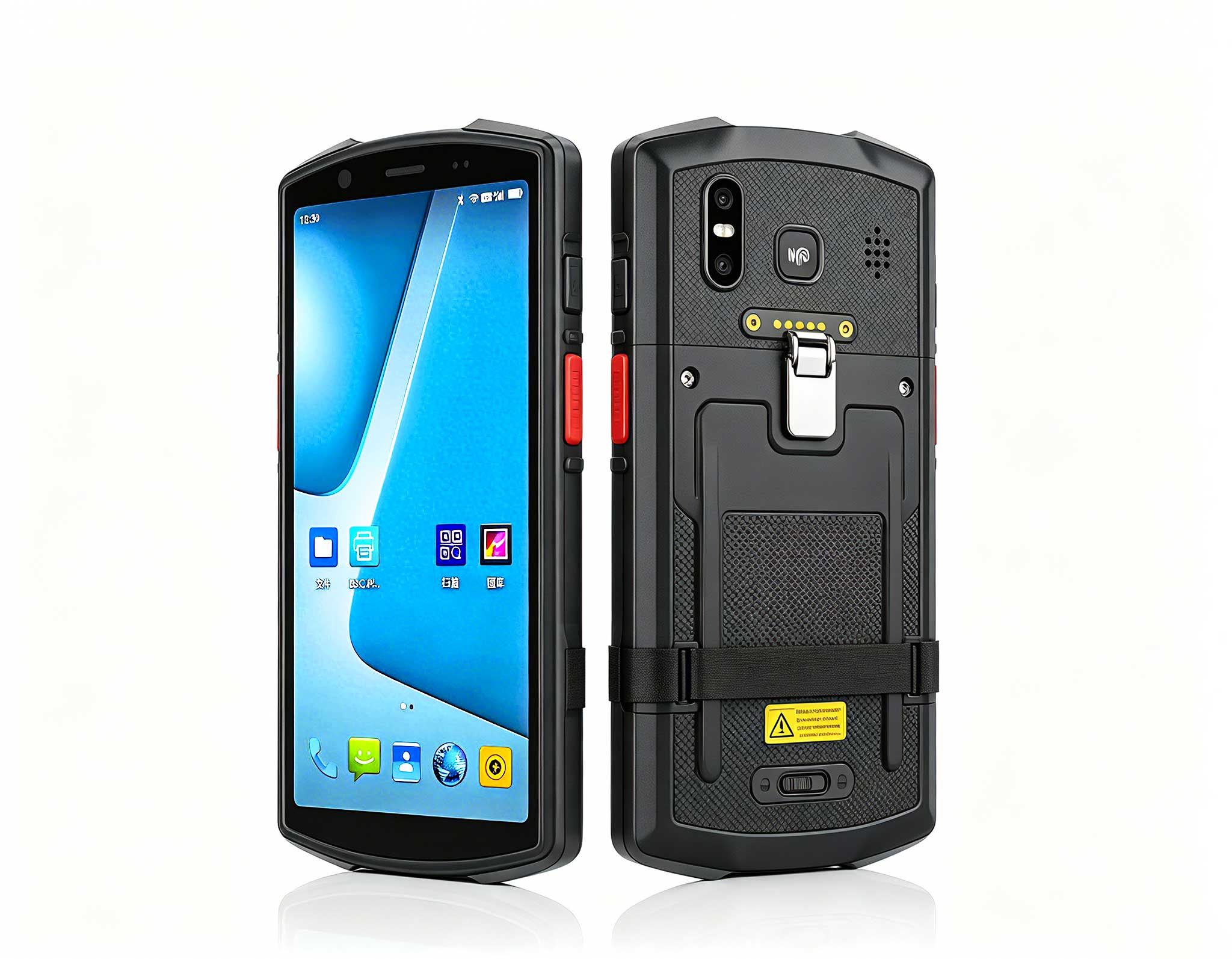
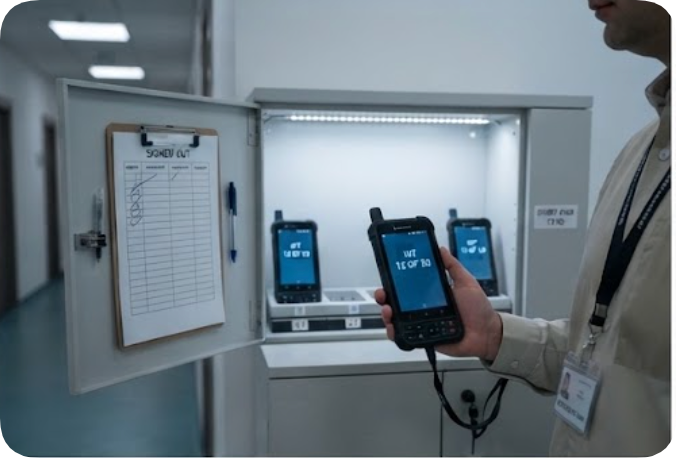
The SH5-W is the opposite case. It measures 5.5in across and weighs 350±20g, running Windows 10 Pro on an Intel Cherry Trail Z8350 with 4GB of RAM and 64GB of storage, and its 5000mAh battery is quoted at up to 5.5h of work. Every one of those figures points away from a desk and toward one-handed use on the move. A unit that size does not get a mount. It gets a pouch and a habit, and habits are not written into facilities plans. So the room never owns it, and the cost of a lost handheld lands on a handover rather than on a refit.
The H2 is the third shape. It is a 735g portable DLP projector running Windows on an Intel Atom quad-core with 4GB of RAM and 128GB of storage, and its 3.7V 10000mAh battery is quoted at about 120 minutes of projection. It has no mount and no pocket, so it travels in a bag and comes back whenever somebody remembers to bring it. Its cost problem is not the purchase. It is that the unit turns up for the next meeting carrying whatever charge the last trip left in it, and nobody books that difference anywhere, because it looks like a favour rather than an expense.
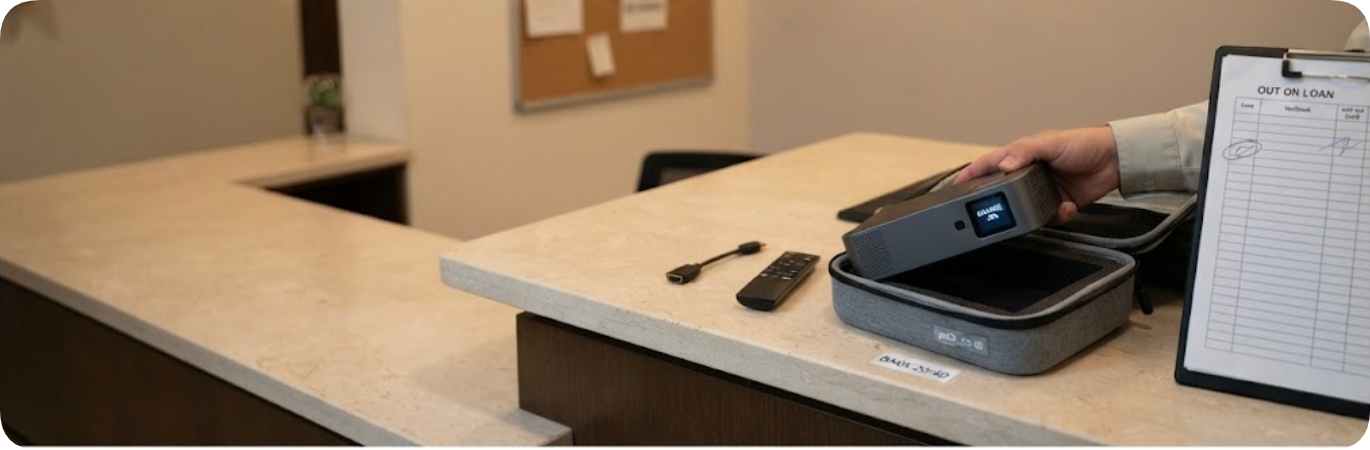
One line on the H2 page quietly widens its ownership, and it is easy to skim past: the same battery can serve as a mobile power supply for other devices. The morning a projector can charge a phone, people stop treating it as meeting-room equipment and start treating it as a resource that happens to be nearby. Nothing breaks and no rule is bent, yet the unit now leaves the building for reasons that have nothing to do with presenting. The list it belonged to yesterday cannot describe what it is doing today, and the person who signed for it is not the person who benefited. Put that next to the 120 minutes of projection the battery also has to cover, and the arithmetic of one trip stops being obvious: the unit may be doing three jobs on a single charge, while only one of those jobs appears on any sheet.
Missing units are where the three lists disagree most loudly. Room equipment is checked against a booking, so a gap is noticed late and the cost is quietly absorbed into the next refit. Personal kit is checked at the end of a shift, so the gap is noticed within hours but usually settled between two people rather than on any form. Signed-out kit is checked when somebody asks for it, which can be weeks after the loss. Three units bought for the same room can disappear three separate times without any single report showing a pattern, and the first sign of trouble is usually a purchase order that looks familiar. That is the practical cost of leaving the ownership column blank. Each loss is handled sensibly on the day it happens, by whoever notices first, and nobody is in a position to see that the same room has paid three times.
Add a single column before the next purchase and the rest of the sheet becomes readable. The column is not price and it is not a specification. It is where the unit will be kept overnight, written down before anyone signs. Fill it in once for each line and the sheet splits into room equipment, personal kit and signed-out kit on its own. The rest of the Hotus range is built along the same divide, with units meant to be mounted, units meant to travel and units that do both. Choosing between them on the column rather than the price tells you which budget pays for the replacement before the first invoice arrives.