- Select Language
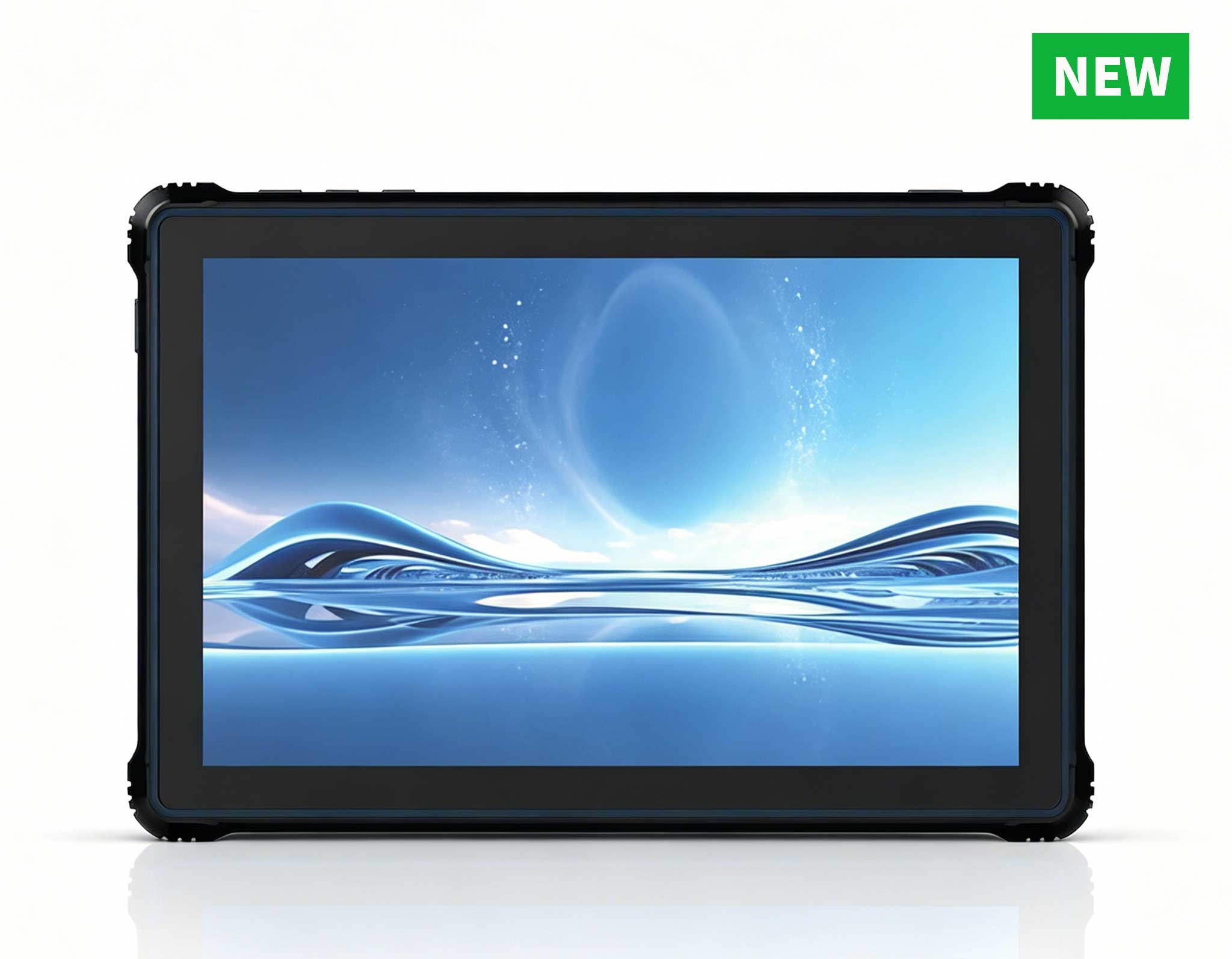
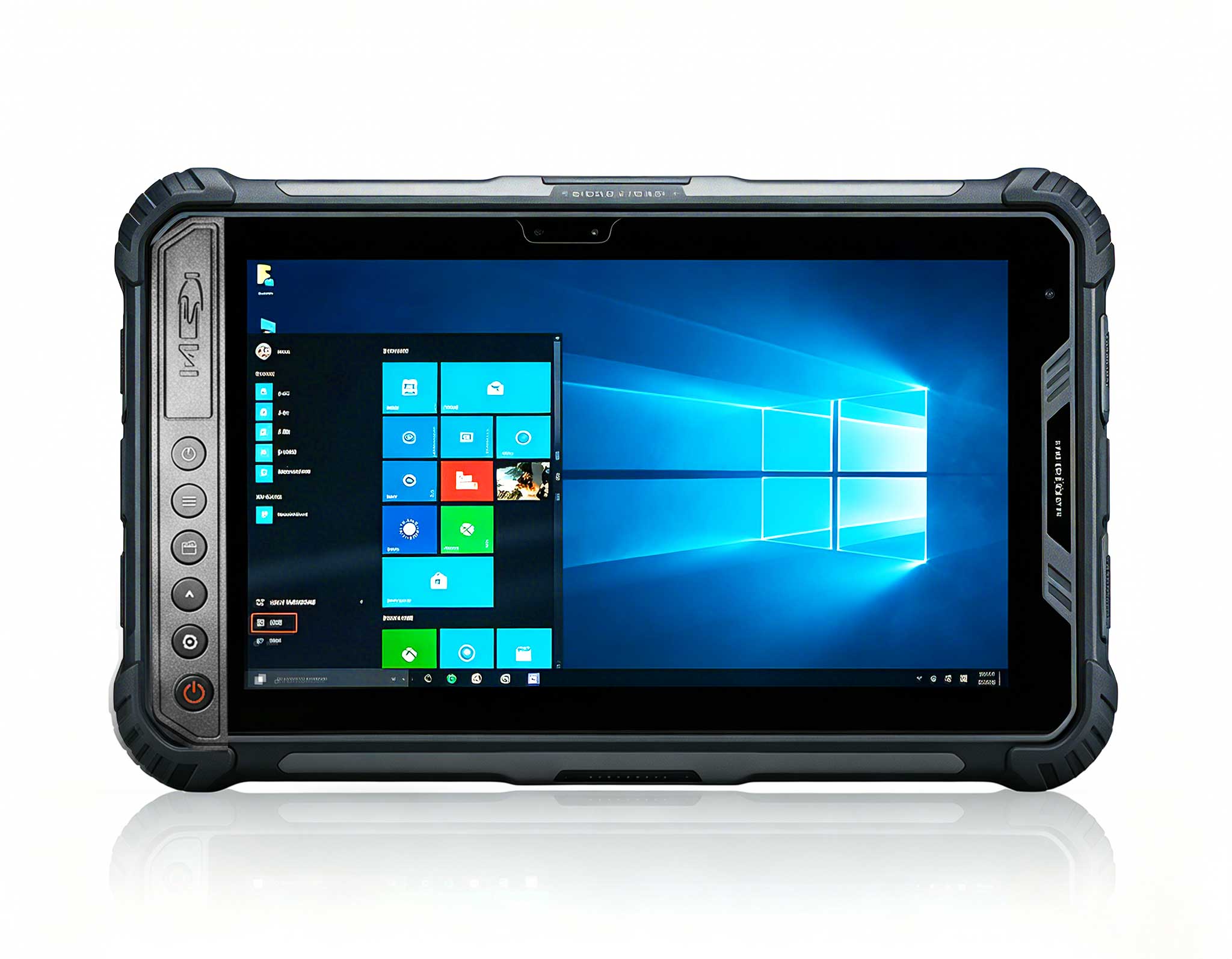
RT80 5G Rugged Tablet | 10.1" FHD 400nit | Un...
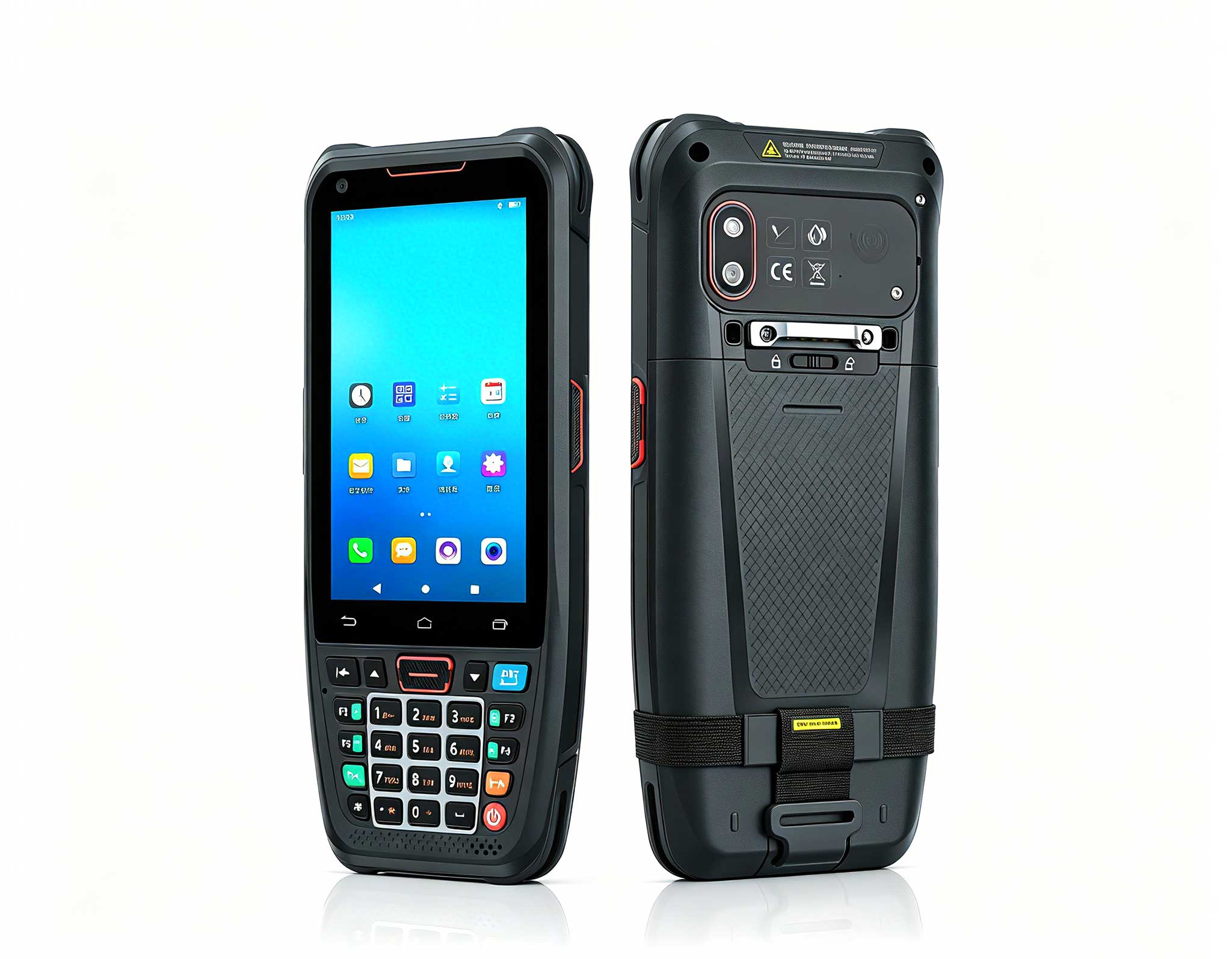
The N40 Android smart PDA features a Cortex-A53 qu...
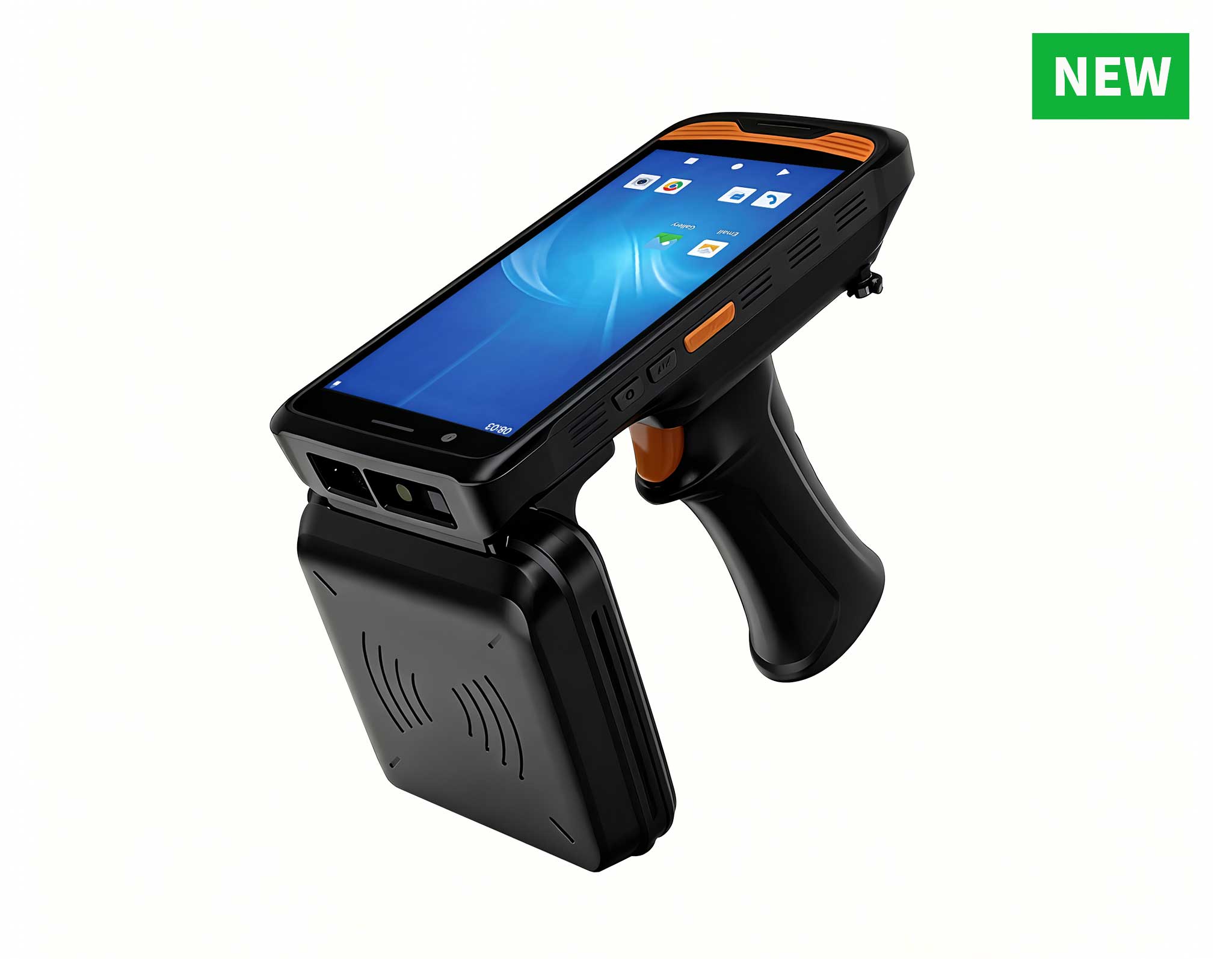
R366C-S 5.5-inch Industrial UHF RFID Reader | Qual...
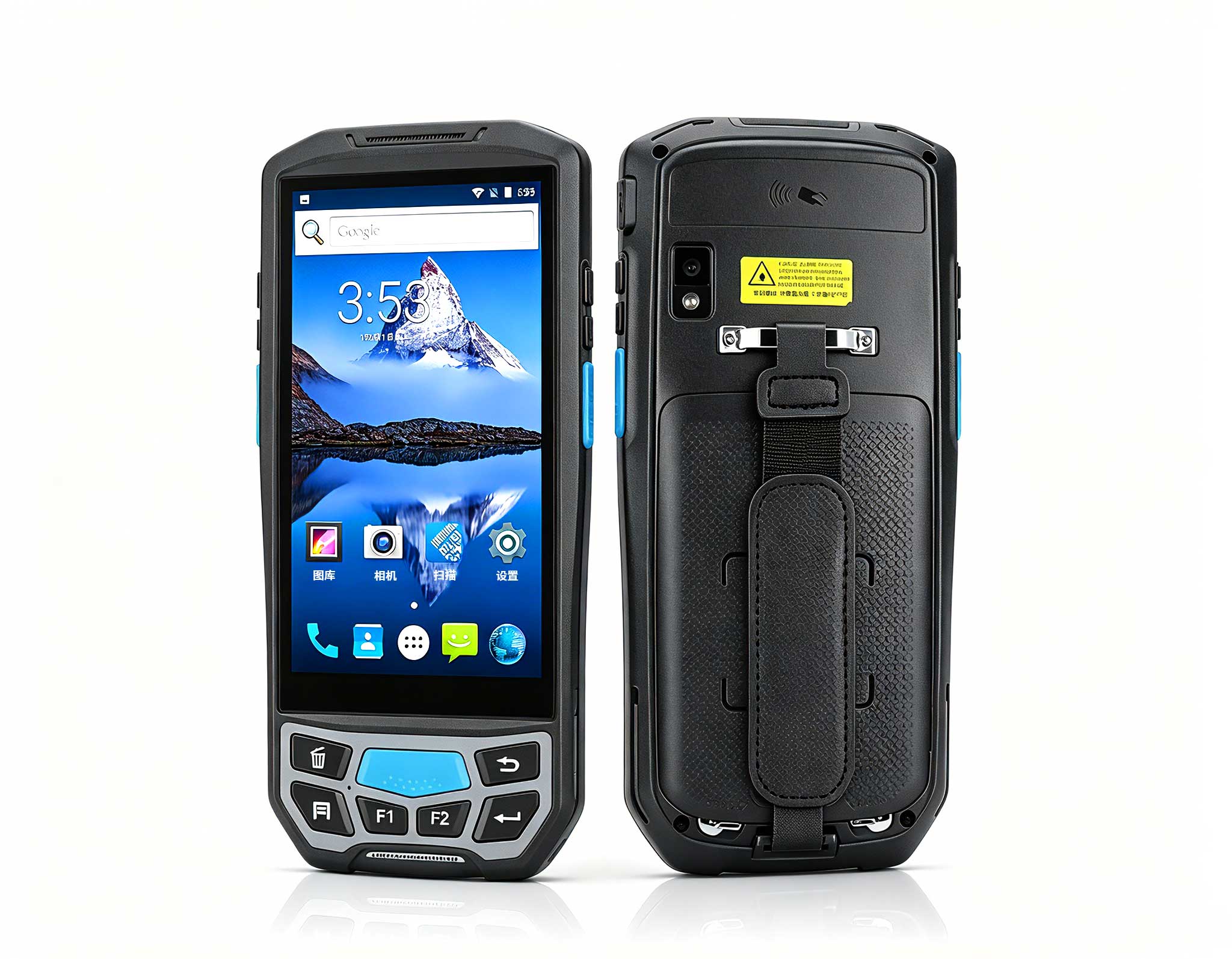
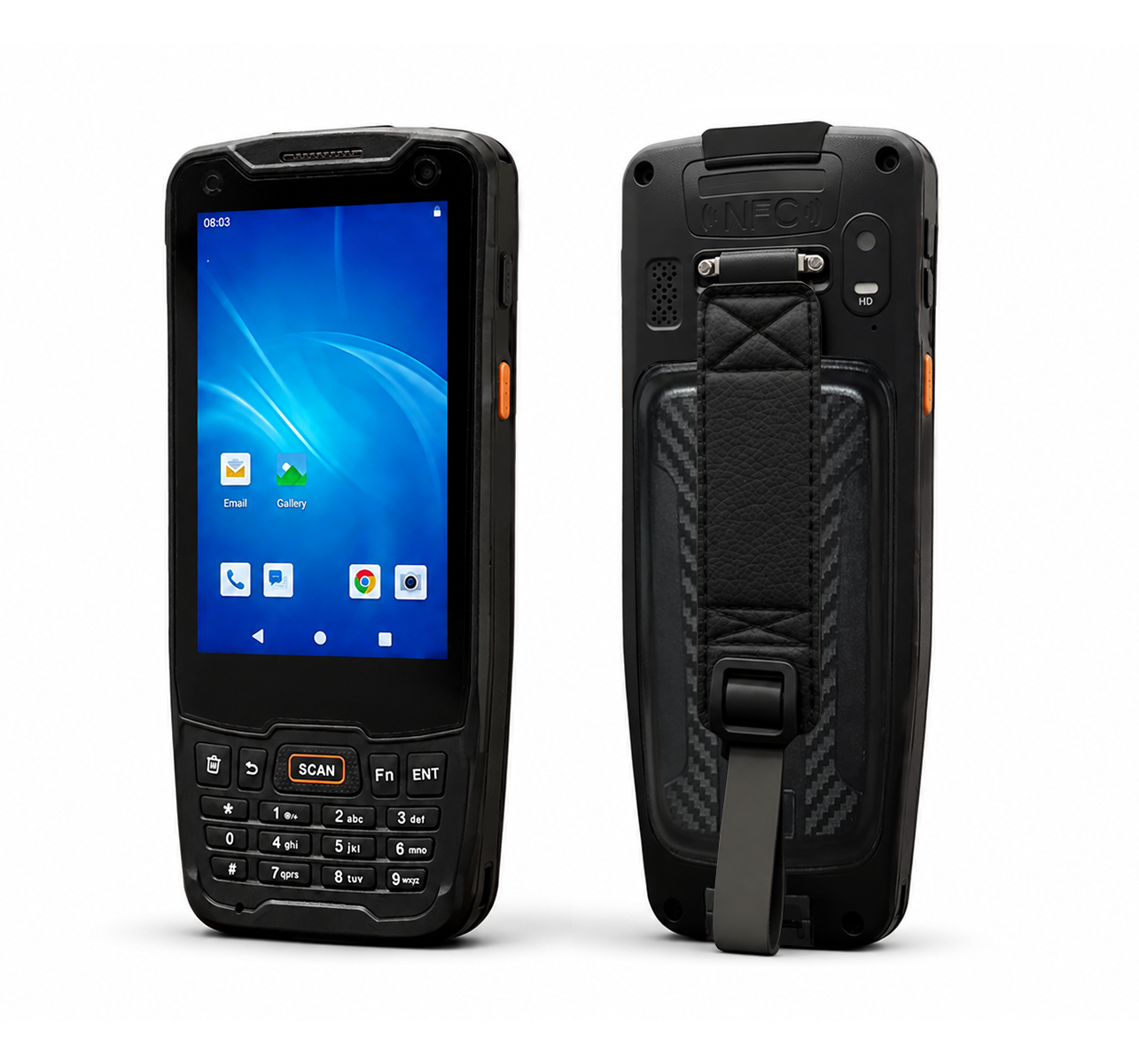
The U9000 handheld PDA combines advanced barcode s...
Technical SpecificationsModel: Palm-sized miniPCTy...
RS50 5G Rugged Handheld Terminal | 6.3" FHD+ ...
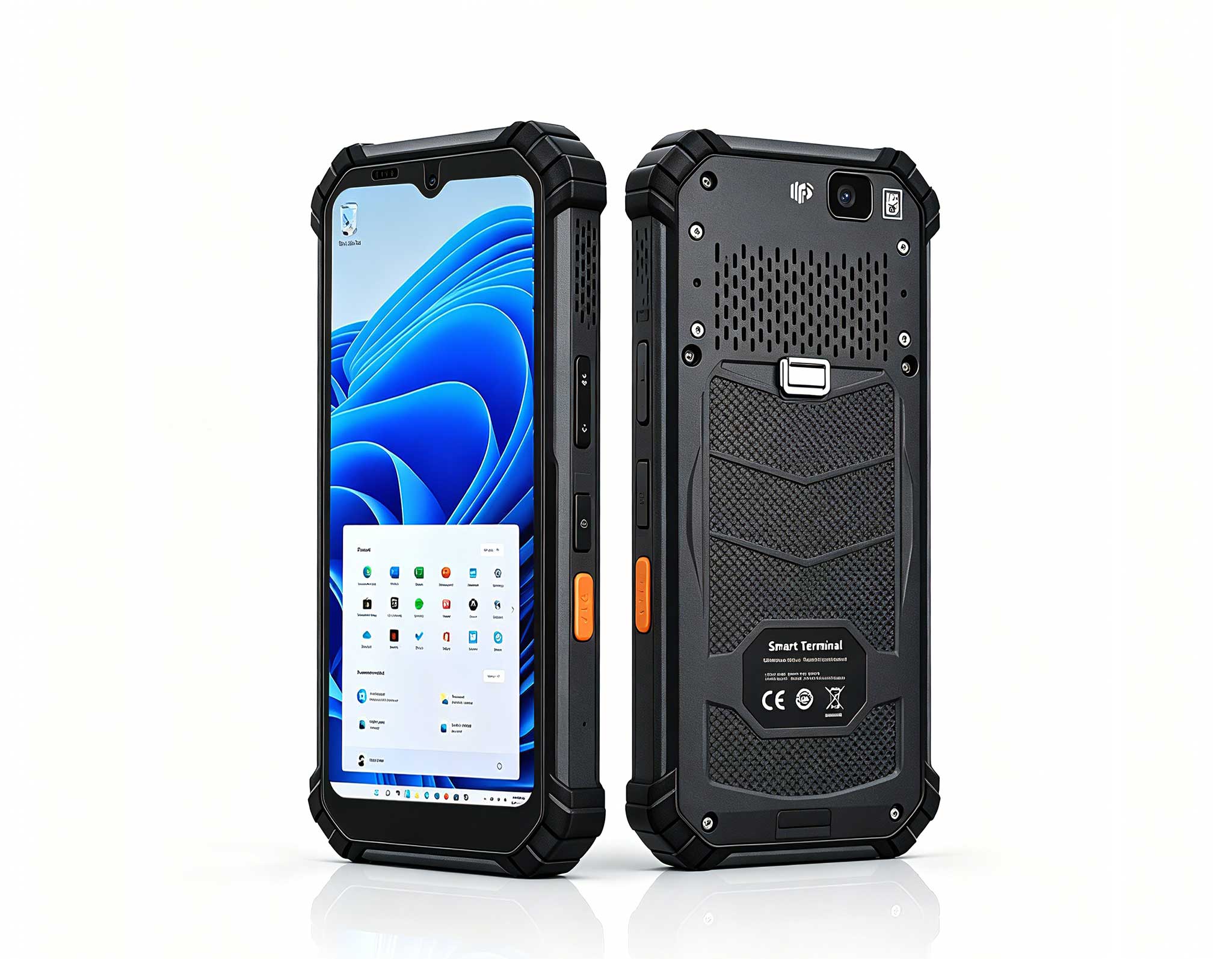
Full SpecificationsModelHotus ST9‑JOSWindows 10 Pr...
R350C 4-inch Industrial Handheld PDA | Qualcom...
Utility-scale solar used to be inspected on foot: a technician, a clamp meter, and rows of modules long enough to consume a week. The industry has since added a first track that flies — drones carrying infrared cameras sweep a plant in hours and paint every anomaly as a bright spot on a thermal map. What the map cannot do is say why the module runs hot, whether the fault is a bypass diode, soiling, or a cracked cell, or which of four thousand strings it belongs to. So a second track formed on the ground, and the trend now shaping solar O&M procurement is the handoff between the two: the air finds, the ground confirms, and the tools that confirm are the subject here — the RT80 5G rugged tablet in the field, and the ST9-M 8-inch industrial tablet and ST9-J 8-inch industrial tablet wherever the data lands.
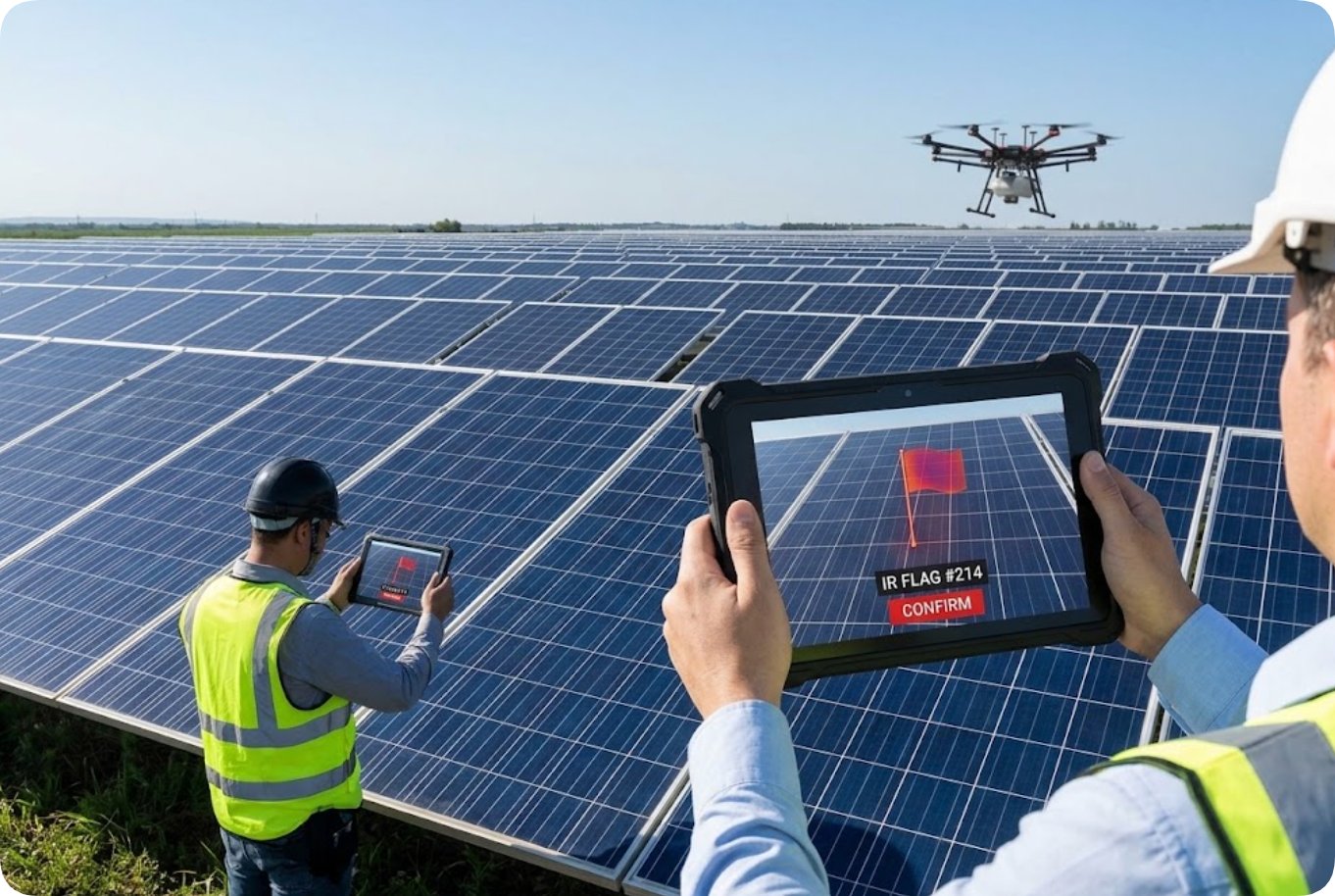
An infrared sweep is superb at narrowing the world down. From thirty meters a thermal camera distinguishes a module running eight degrees above its neighbors and logs the coordinates automatically. It cannot read the serial number behind the glare, see a cracked backsheet through glass, or distinguish soiling that a rinse will fix from a diode that a crew must replace. Thermal analysts sort every flag into classes — single-cell hotspots, multi-cell patterns, whole-module deltas — and each class implies a different ground action, but the classification is only ever a guess until someone stands in front of the module. Every aerial flag is therefore a hypothesis. Plants that treat the thermal map as the deliverable send crews back to the same rows repeatedly; plants that treat it as a work list close findings in one visit. The difference is entirely in what the ground crew carries.
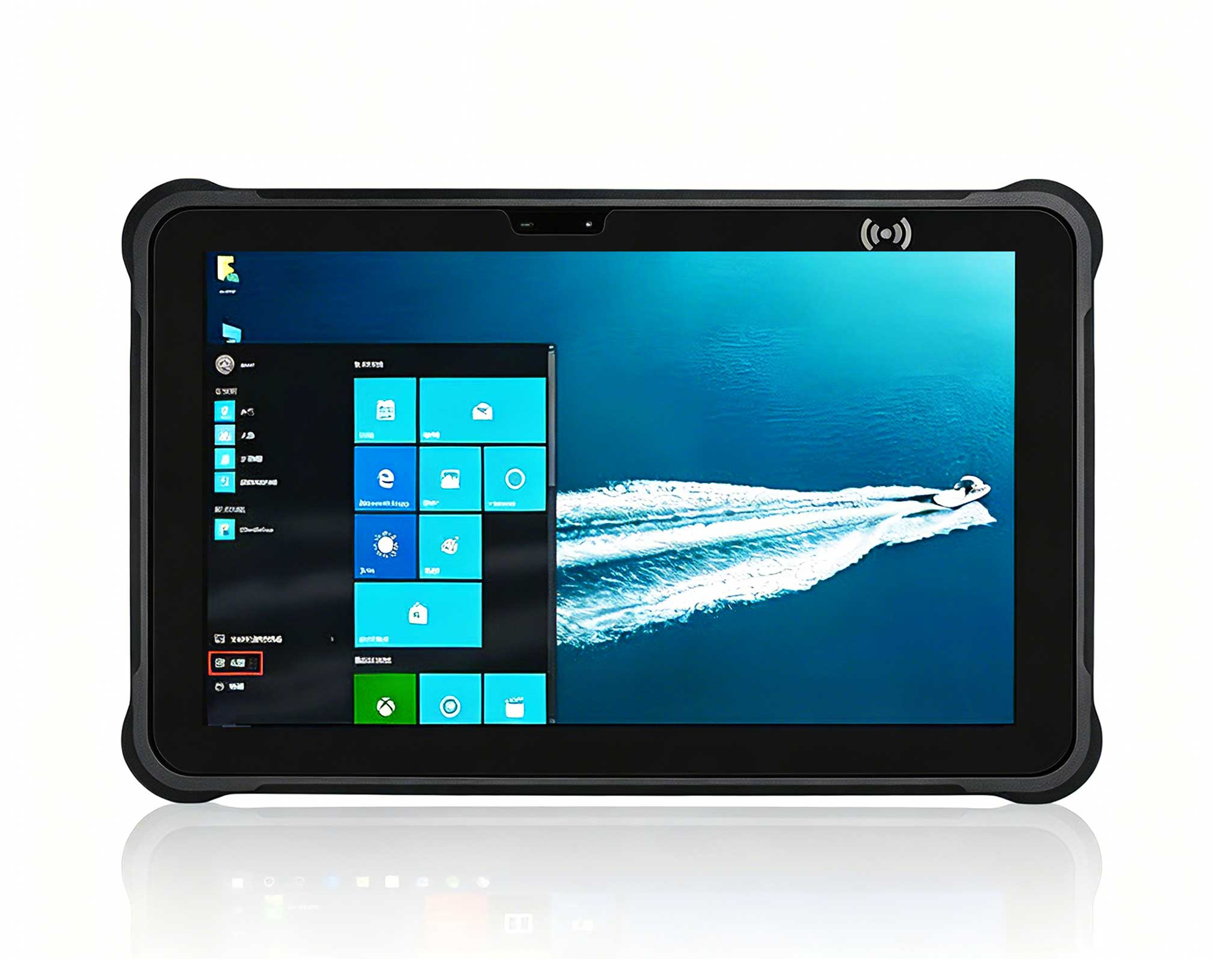
The confirmation visit has collapsed into a short loop. Walk to the flagged coordinates, photograph the module up close, scan its barcode, and file the observation against the aerial image. On the RT80 that loop lives on one device: the rear 48-megapixel autofocus camera resolves cell-level damage that a drone cannot see at altitude, an optional 8-megapixel macro unit covers the near shots, and the optional 2D scanner reads barcodes down to 3 mil printed on module labels that weather has faded. The scanner matters more than it sounds — re-keying a serial number on a roof in summer gloves is where transcription errors are born, and a mis-typed serial quietly orphans the finding from the fleet database. The rest of the day rides on the same unit: a 9600mAh battery carries a full roof shift without a midday swap, IP67 sealing shrugs off dust and an afternoon storm, and the operating envelope of minus ten to plus fifty degrees Celsius matches the conditions a tracker field actually reaches. Fingerprint unlock and NFC round out the small conveniences that keep the loop fast when a crew is working through a list of forty flags.
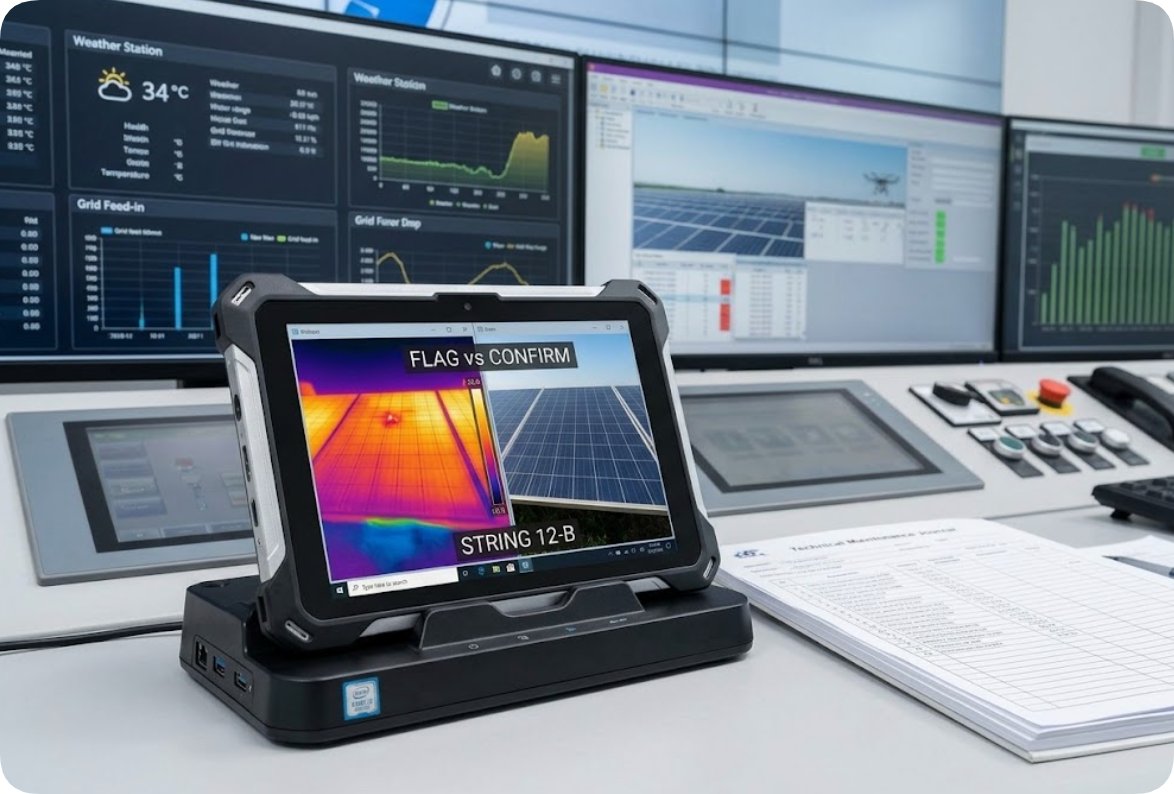
Location is the other half of the record. A drone logs its own position at shutter release, but parallax and altitude scatter the estimate; the ground crew closes the gap. The RT80 carries an optional independent Beidou RTK module with accuracy below five centimeters, alongside GPS, GLONASS and standard Beidou positioning, so the confirmed finding lands within a panel-width of the thermal flag. Connection closes the loop in time as well as space: full 5G SA/NSA coverage on the common bands pushes each confirmation back to the office while the crew is still standing at the row, instead of batch-syncing over hotel Wi-Fi at night, and an on-device 8T NPU can pre-screen photographs for obvious crack signatures so the office reviews the findings that matter. Operators running string-level analytics say the payoff compounds: when a hotspot recurs after cleaning or repair, a centimeter-grade history shows whether the same module, the same string, or the same combiner box keeps trending hot — evidence that separates a workmanship defect from a design one.
Back at the control room, the morning's confirmation photos need a machine that treats them as data rather than a camera roll. The ST9-M runs Windows 10 or 11 Pro on an Intel i5-8200Y with turbo up to 3.9 GHz, eight to sixteen gigabytes of memory and up to a terabyte of storage — enough to run the plant's analysis suite, the fleet database and a thermal-comparison tool side by side, with Intel UHD 615 graphics driving the overlay views. Its touch panel accepts a stylus and wet hands, which sounds minor until someone annotates a hotspot photograph with damp gloves on; an optional TPM 2.0 module covers the plant-security baseline for a device that now holds grid-side records. Docked at the desk through its optional docking connector, it becomes the sorting bench where aerial flags, ground photographs and serial records merge into one work order. Its IP65 sealed body and MIL-STD-810G pedigree also survive the trip to the inverter room when the sorting has to happen where the cabinets are.
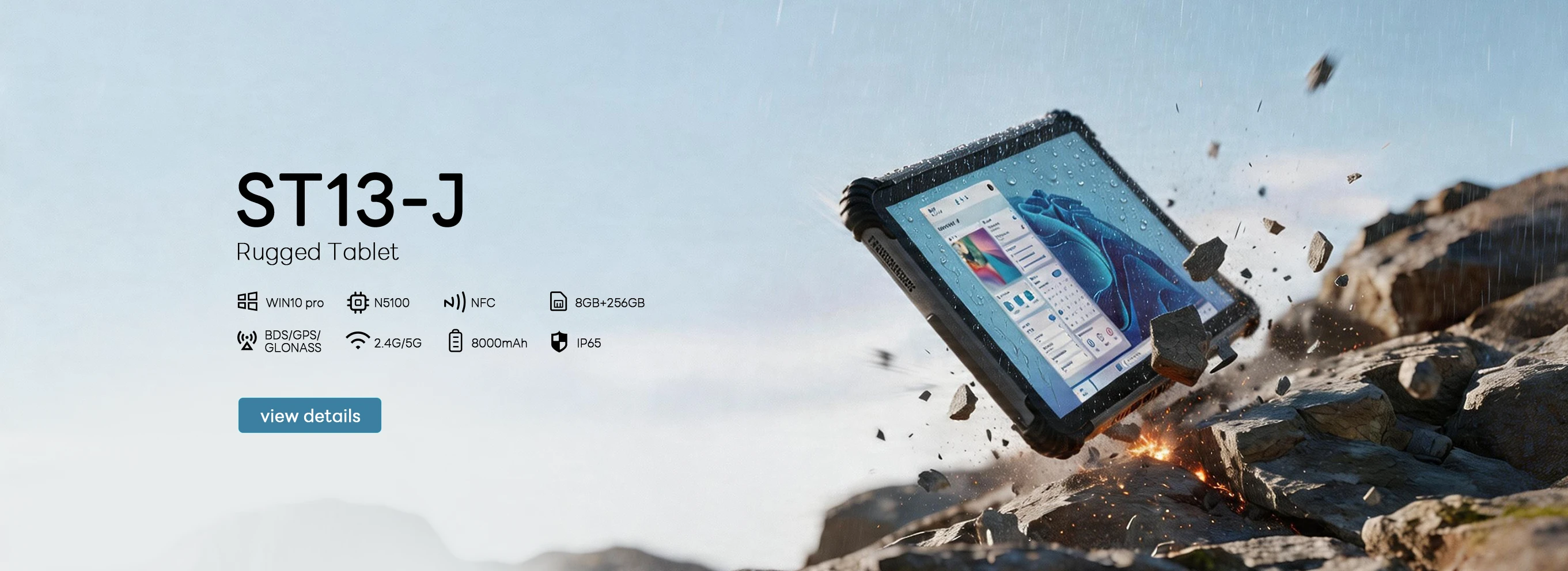
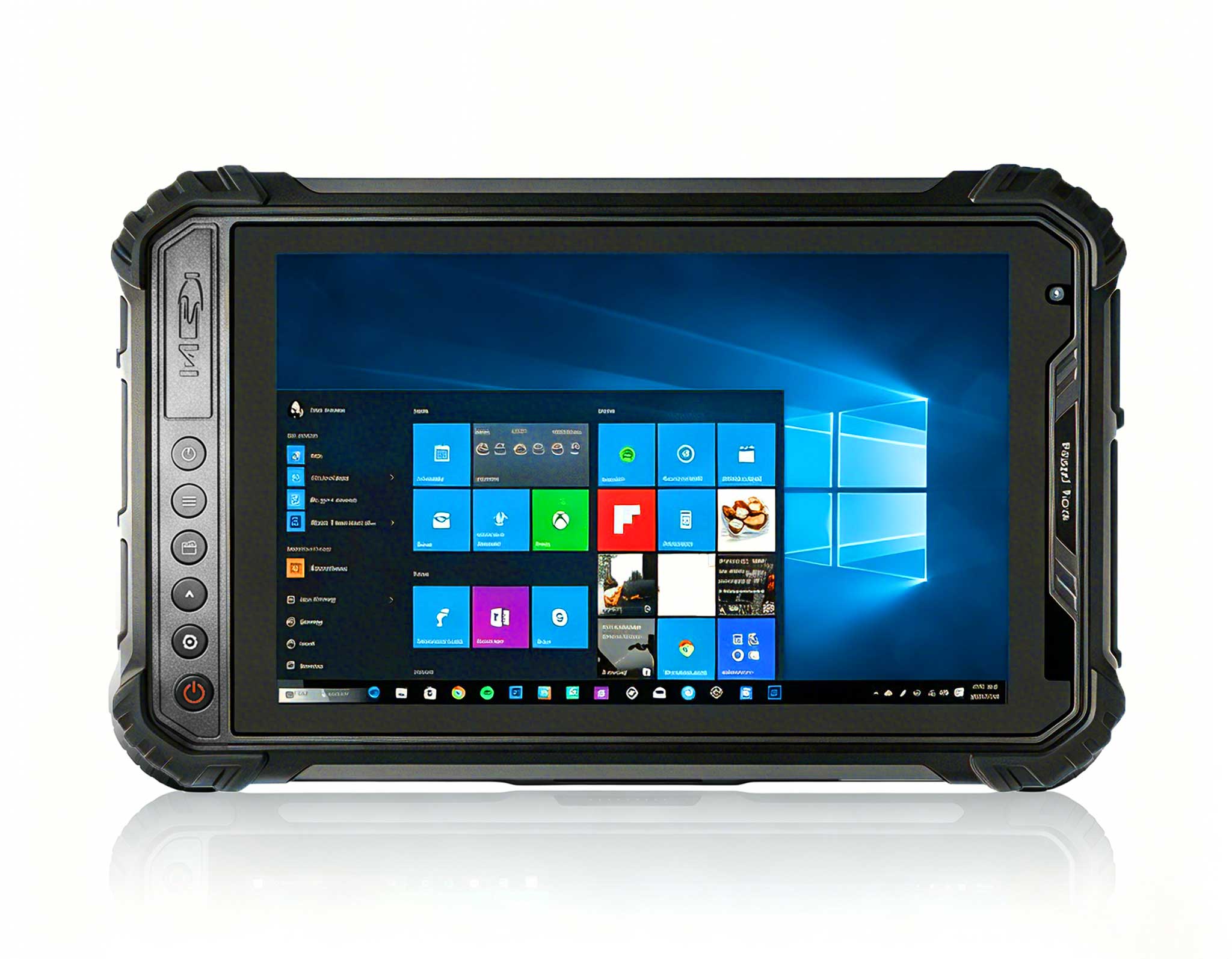
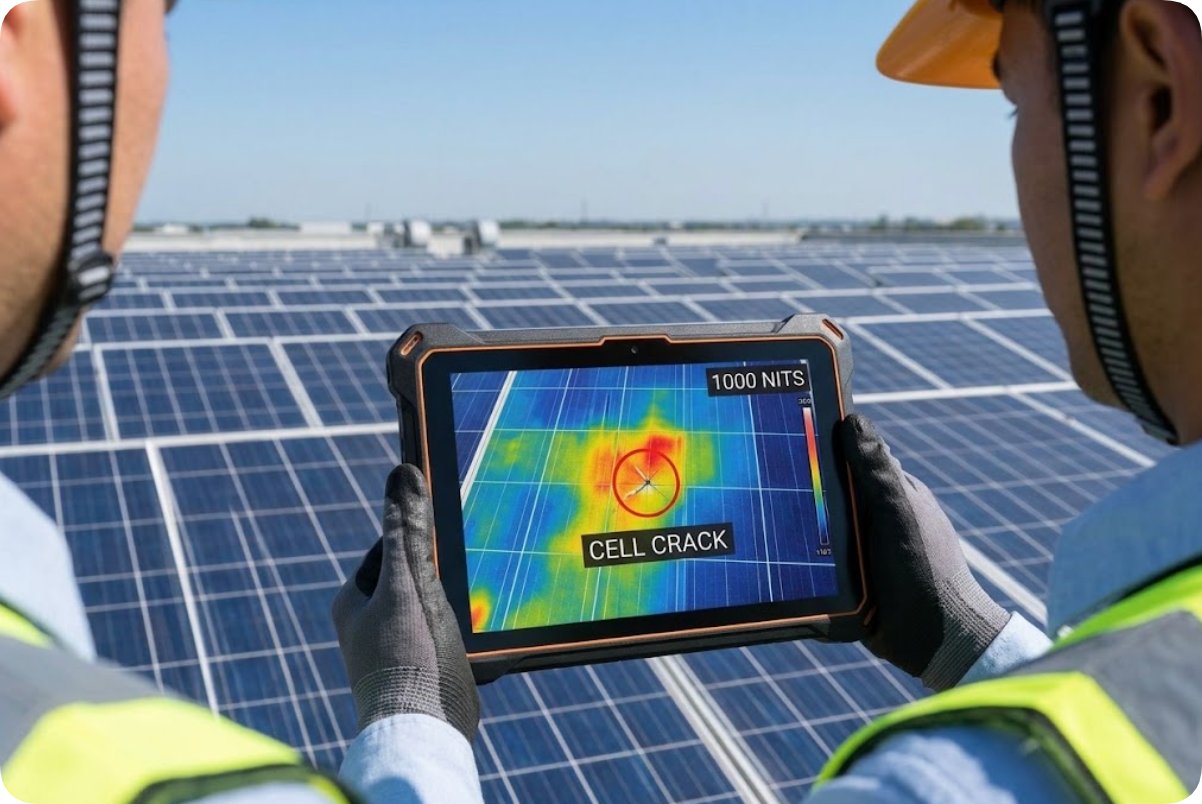
The ST9-J covers the other end of the trend: crews that want analysis in the field, not at a desk. An Intel N5100 quad-core running Windows keeps power draw low enough for a 5000mAh pack to hold about seven hours, and the 8-inch IPS panel is offered at up to 1000 nits — the difference between reading a thermal overlay at noon and guessing at it. The operating envelope reaches from minus twenty to plus fifty-five degrees Celsius, which covers rooftops in most of the climates where plants are actually built, and the 700-gram body with IP65 sealing and 1.2-meter drop resistance rides a harness all day without complaint. Connectivity stays conservative on purpose: a 4G LTE module keeps findings syncing in rural plant territory where 5G has not reached, WiFi 5 and Bluetooth 4.2 cover the local links, and GPS, BDS and GLONASS positioning hold the record to the row. An optional high-precision GPS module, UHF link and NFC round out the confirm loop for crews that issue or verify work on the spot, and the 236 by 144 millimeter footprint slots into the same case pockets the older 8-inch fleet already uses.
| Unit | Compute | Display | Field Role |
|---|---|---|---|
| RT80 | 5G SA/NSA + 8T NPU | 10.1" FHD, 400nit | Ground confirm: 48MP camera, RTK, barcode scan |
| ST9-M | Intel i5-8200Y, 8-16GB | 8" IPS, up to 1000nit | Bench analysis and work-order sorting |
| ST9-J | Intel N5100 quad-core | 8" IPS, up to 1000nit | In-field analysis, -20~55°C roof duty |
Read together, the three units describe a pipeline rather than a product family. The drone produces a list of hypotheses with coordinates. The RT80 turns each hypothesis into evidence — a photograph that shows the crack, a scan that names the module, a position that places it within five centimeters. The ST9-J lets a crew chief make the replace-or-clean call on the roof instead of deferring it, and the ST9-M at the bench closes the loop by filing the work order against the fleet record. Crews that ran the old single-track routine — walk every row with a clamp meter — remember the arithmetic: a technician covers a few hundred modules a day, a drone covers thousands, and the ground confirm visits only the rows the infrared map names. Plants that run this loop report the metric that matters to owners: the ratio of aerial flags to closed findings, which is another way of saying how many truck rolls each thermal map actually saves.
The trend line in solar O&M procurement follows that ratio. Fleets used to buy tablets as cameras with screens; now they buy them as the confirmation instrument that makes an expensive aerial program worth funding. If you are re-equipping a ground crew, the rugged tablet line page lays out the full range, and the Hotus lineup covers the dock, module and accessory options that turn a tablet into a pipeline component. For how these models compare on connectivity, brightness and positioning across other field roles, the news and comparisons section keeps the running series. Bring your plant layout and drone flight plan; the confirm-loop spec writes itself from there.