- Select Language
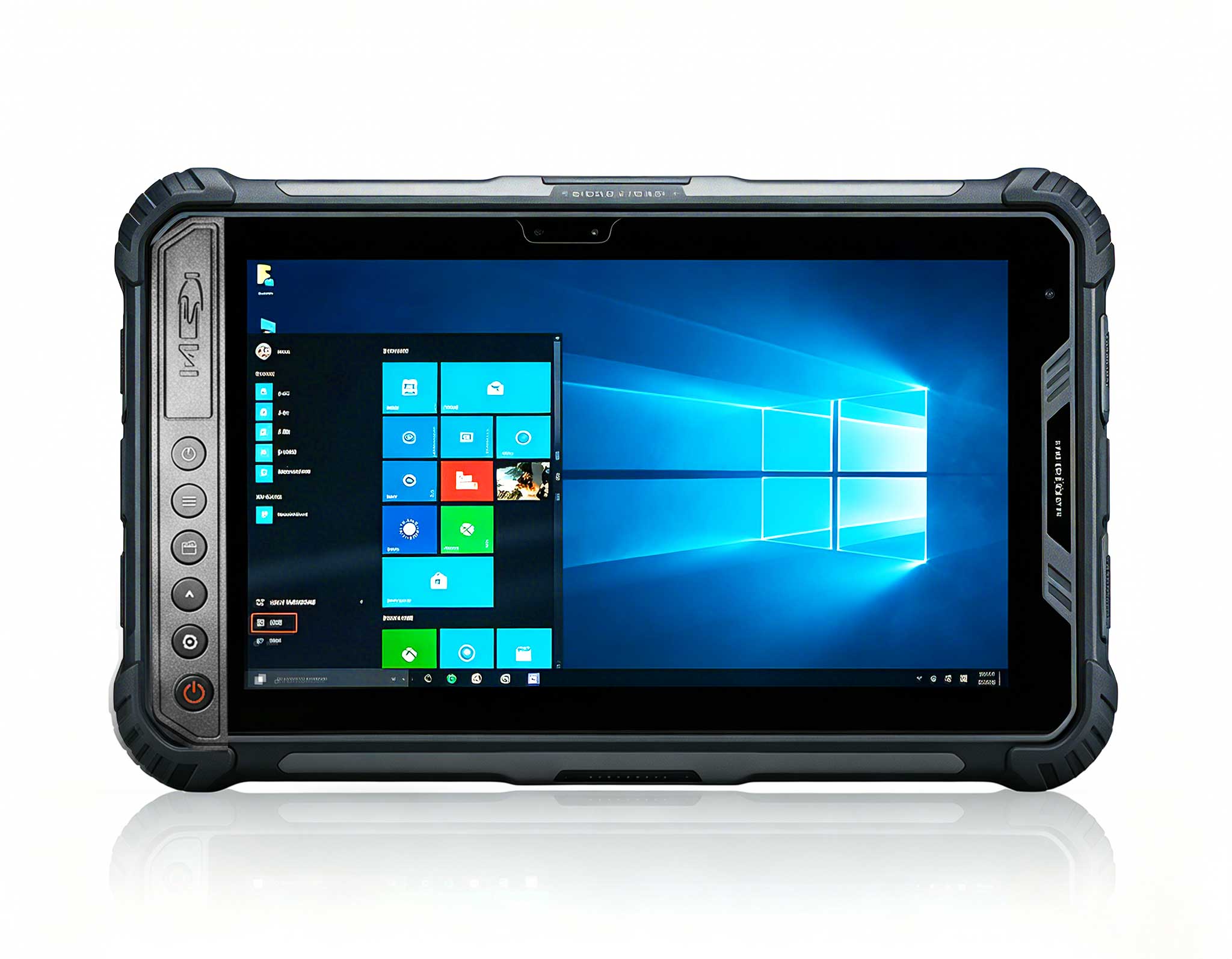
RT81 4G Rugged Tablet | 10.1" FHD 400nit | Qu...
The N60 PDA is a cutting-edge device for inventory...
R366-S 5.5-inch Industrial PDA | Qualcomm Octa-cor...
The F505 Handheld PDA is a compact, high-performan...
P11 Series Next-Gen Enterprise Rugged Industrial ...
The N40 Android smart PDA features a Cortex-A53 qu...
Enterprise Flagship SeriesEngineered for mission-c...
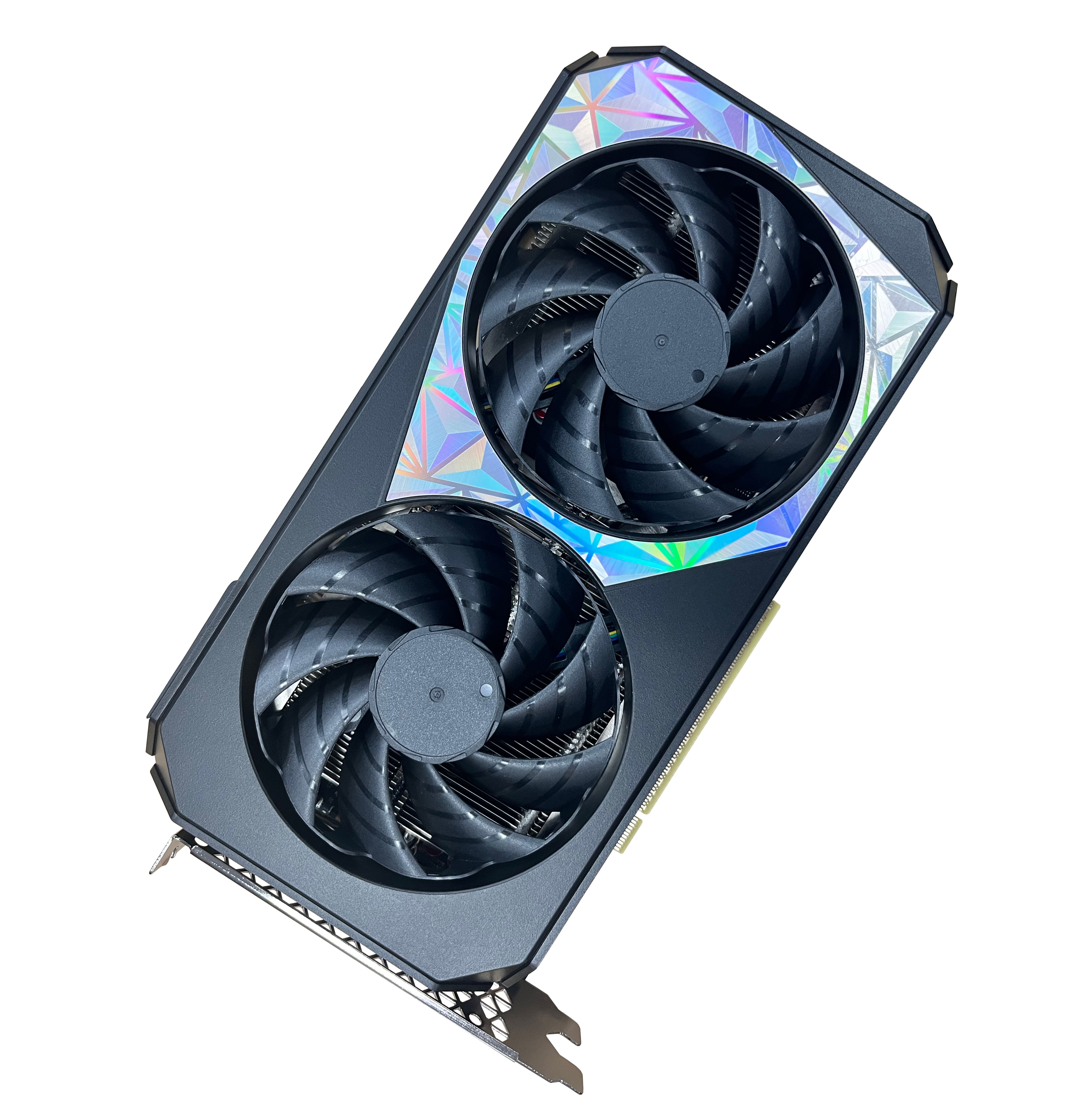
The EGPU Graphics Card Expansion Dock is a high-pe...
RT81 4G Rugged Tablet | 10.1" FHD 400nit | Qu...
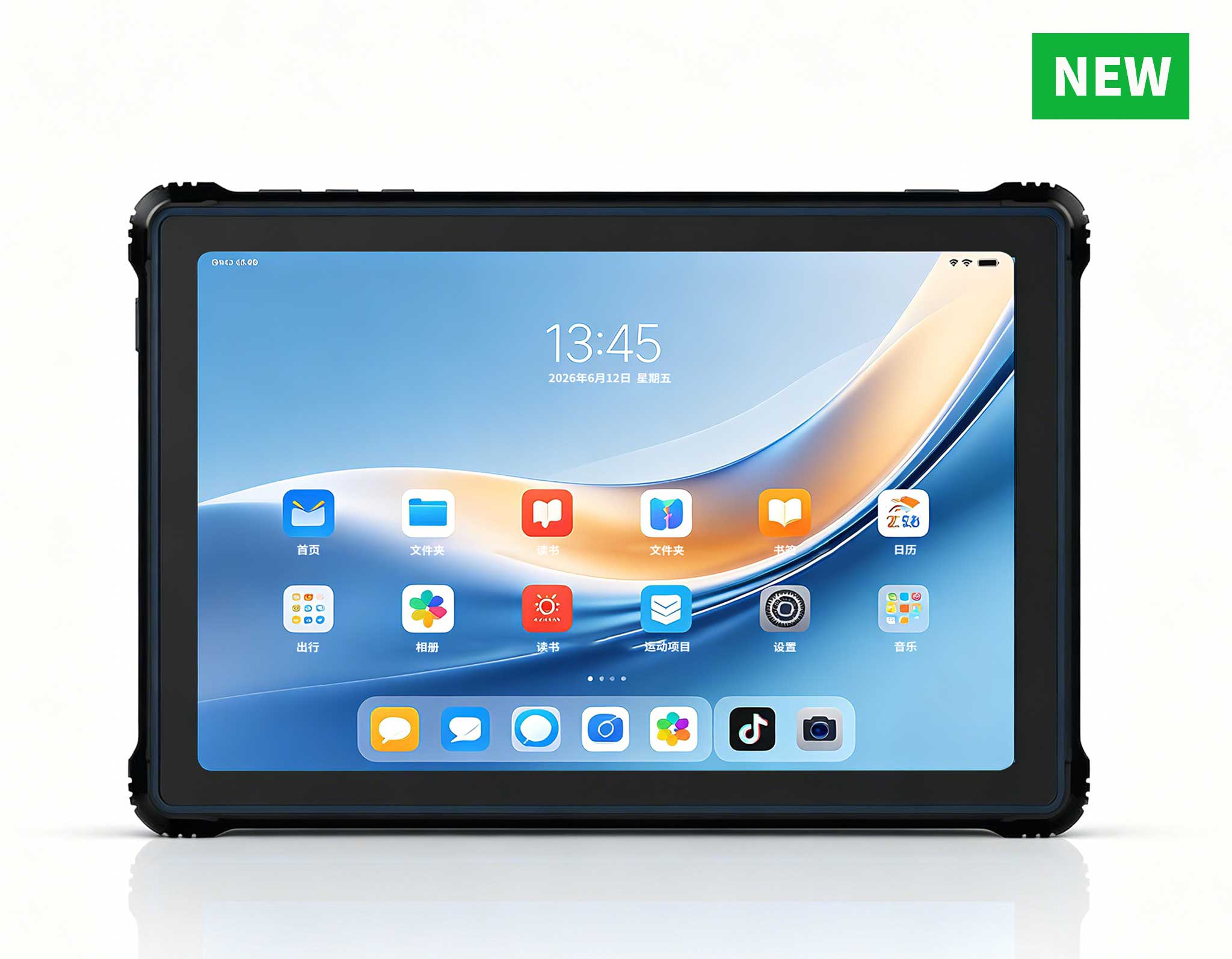
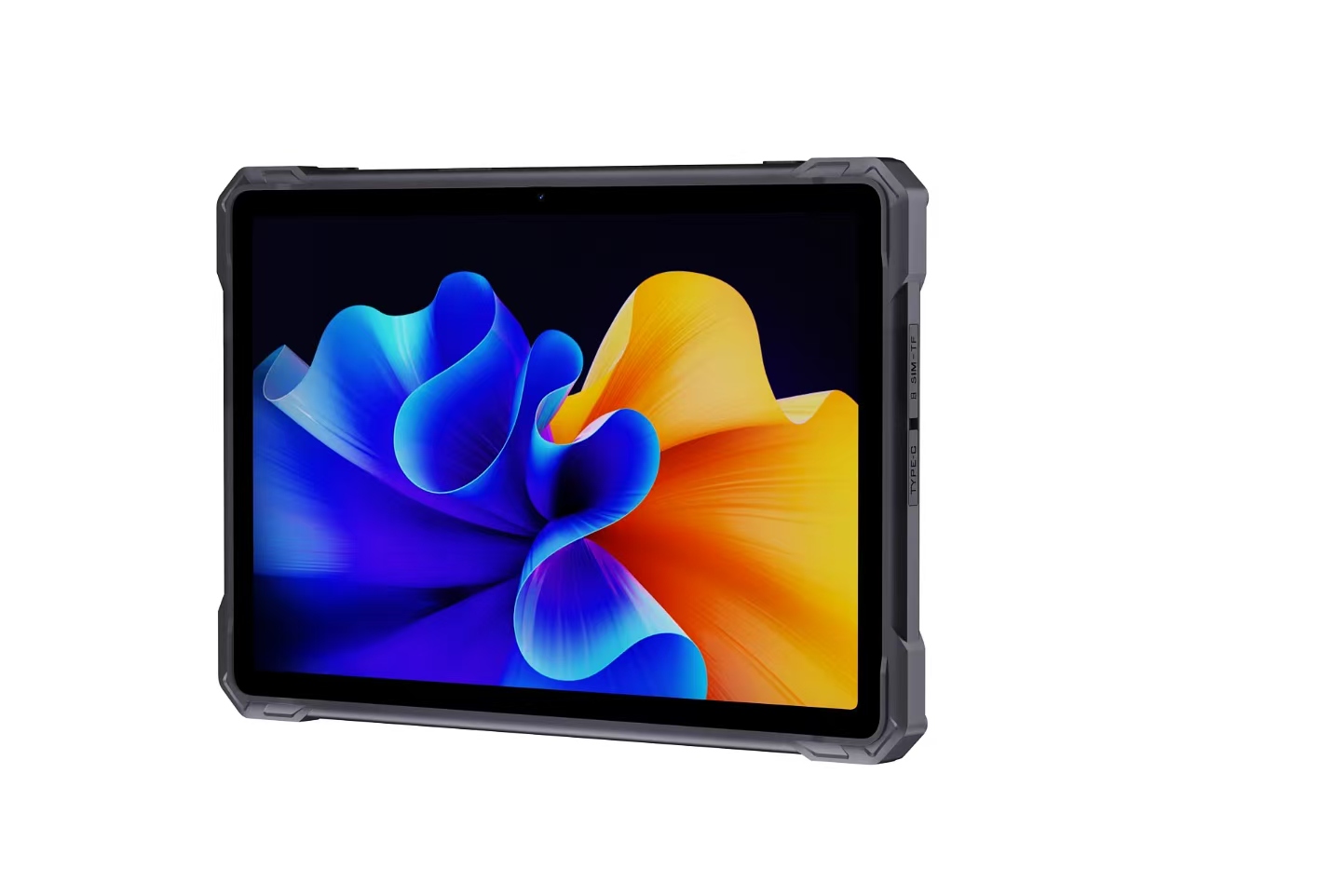
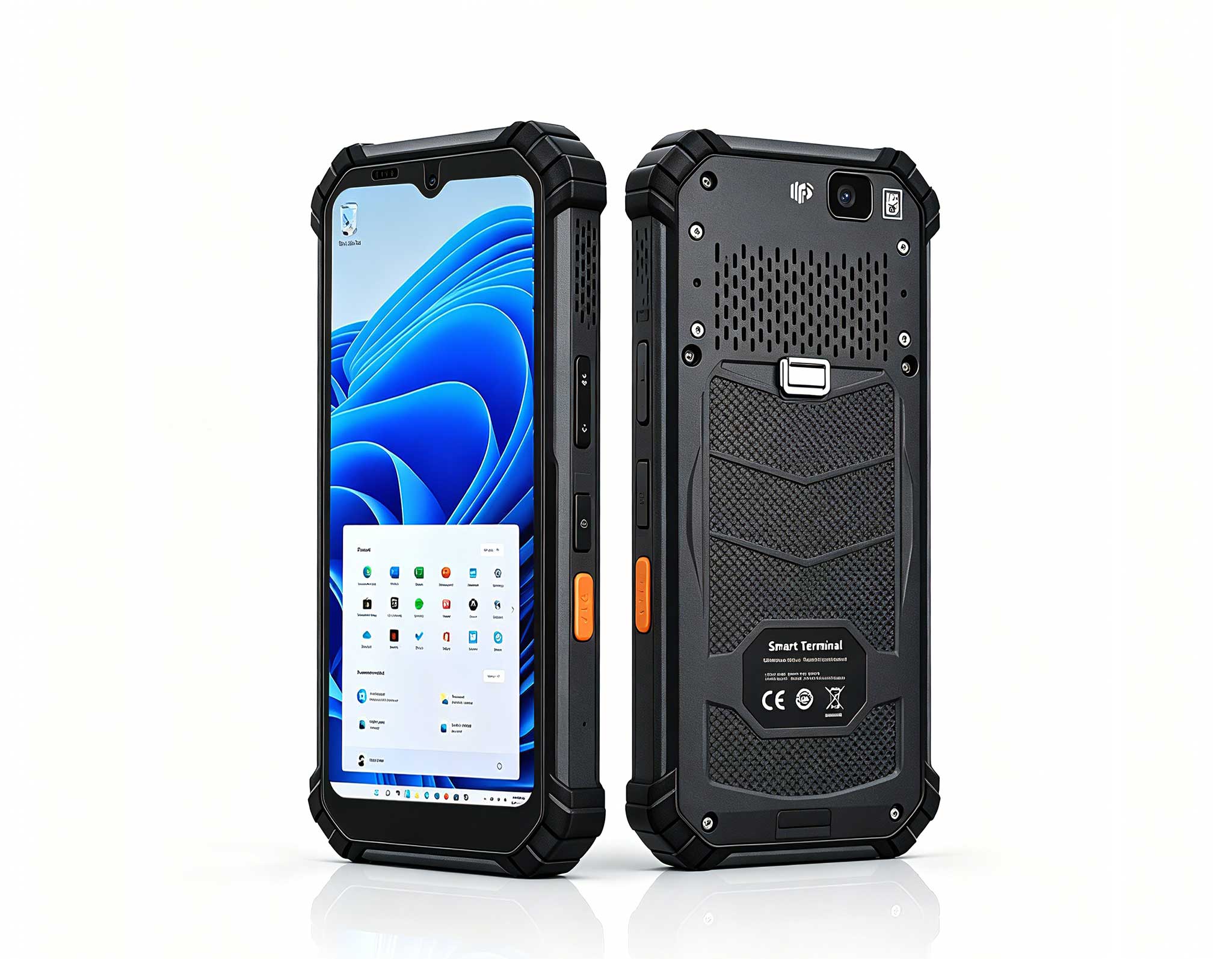
A checkpoint does not fail loudly. It slows down — a reader that needs two attempts instead of one, a screen the officer tilts to escape the sun, a dock that stops seating the unit firmly. None of these is a breakdown, and none appears in an incident report; they are just friction, and friction compounds across every person queued at a temporary roadblock or a station desk. The equipment in question here is the trio our public-safety customers deploy most often for field identity work: the HTNJ10C rugged tablet, the RT81 4G rugged tablet and the HTNJ08A rugged tablet.
What keeps those units fast is not a service contract. It is a handful of ten-second actions, done at shift boundaries by the officers who carry the hardware, that stop small degradations from becoming queue problems. This article walks through them in the order a shift actually happens.
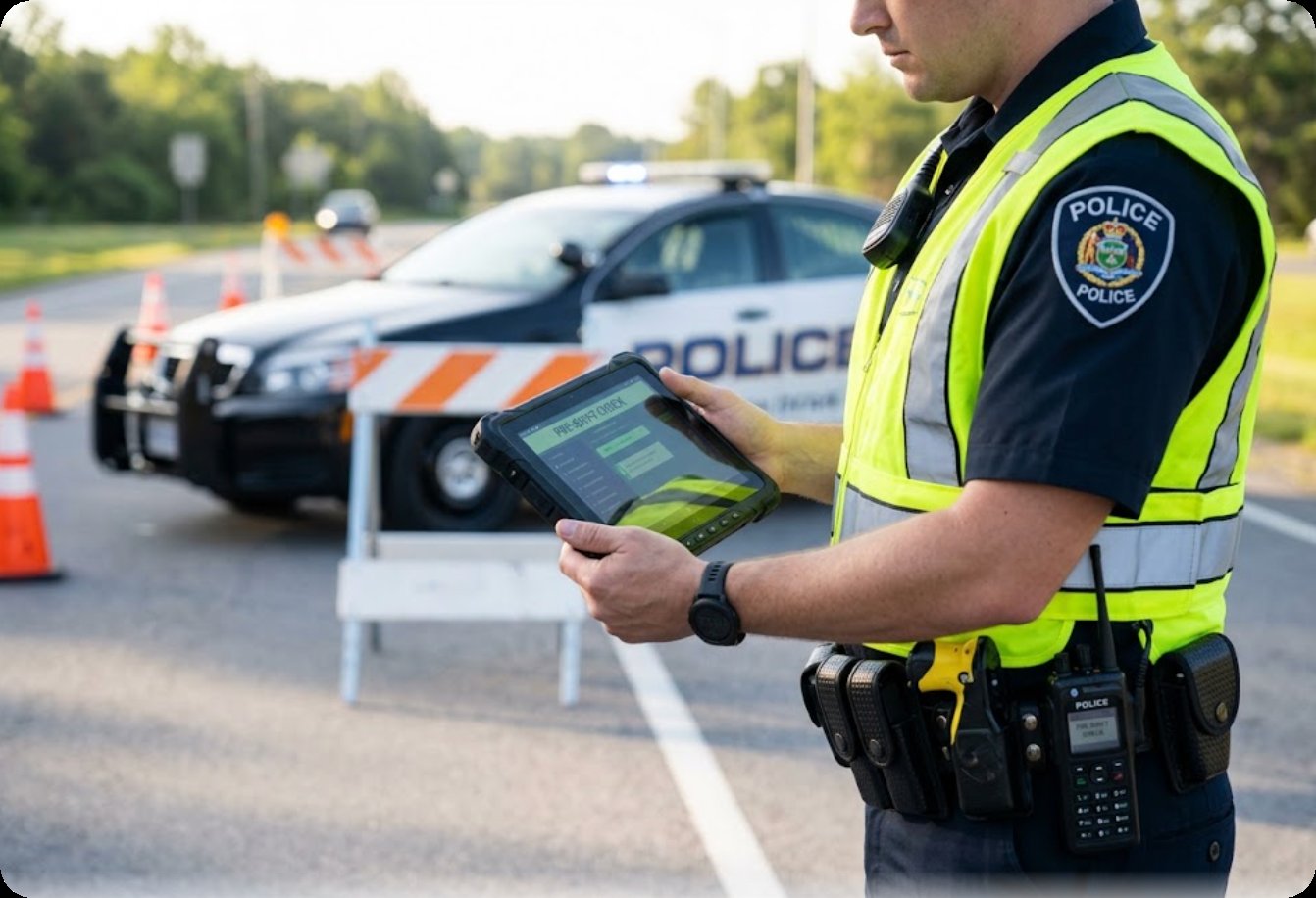
Before the vest comes out of the locker, the unit gets thirty seconds of attention. Power it on and watch the boot sequence — a unit that hesitates at startup is telling you about a battery or storage issue while there is still time to swap it. Confirm the radio connects: the HTNJ10C pairs Wi-Fi 6 with Bluetooth 5, the RT81 registers on 4G LTE, and the HTNJ08A negotiates Wi-Fi 5, so each has its own normal connection screen an officer learns to read at a glance. Check the date and time against the station clock, because a synced log with a wrong timestamp is a problem discovered months later.
The sweep ends with a physical once-over: shell intact, no new dents deeper than the coating, ports free of gravel. After a 1.2-meter drop onto concrete the IP67 enclosure usually survives — the question is whether the unit is still square enough to trust, and thirty seconds answers it before the unit is ten kilometers from a spare.
Field identity work happens outdoors, often facing east in the morning, and a screen that cannot win against sunlight slows every verification. The two Hotus Intel-family units carry 560-nit panels at 1200×1920; the RT81's 10.1-inch FHD panel runs 400 nits, bright enough for direct sun when the automatic brightness is allowed to do its job. The habit is small: at the start of the shift, confirm auto-brightness is on and the theme is set to the high-contrast mode the department standardized on, not whatever the last user left.
The second screen habit costs nothing and saves rework: verify touch accuracy after temperature swings. All three panels use 10-point capacitive touch under 7H-hardness glass, and a tablet that rode in a vehicle overnight at minus figures needs a minute to stabilize before an officer blames the calibration. If a gloved finger misses twice in a row at the checkpoint, the fix is usually a cleaned screen surface rather than a service ticket.
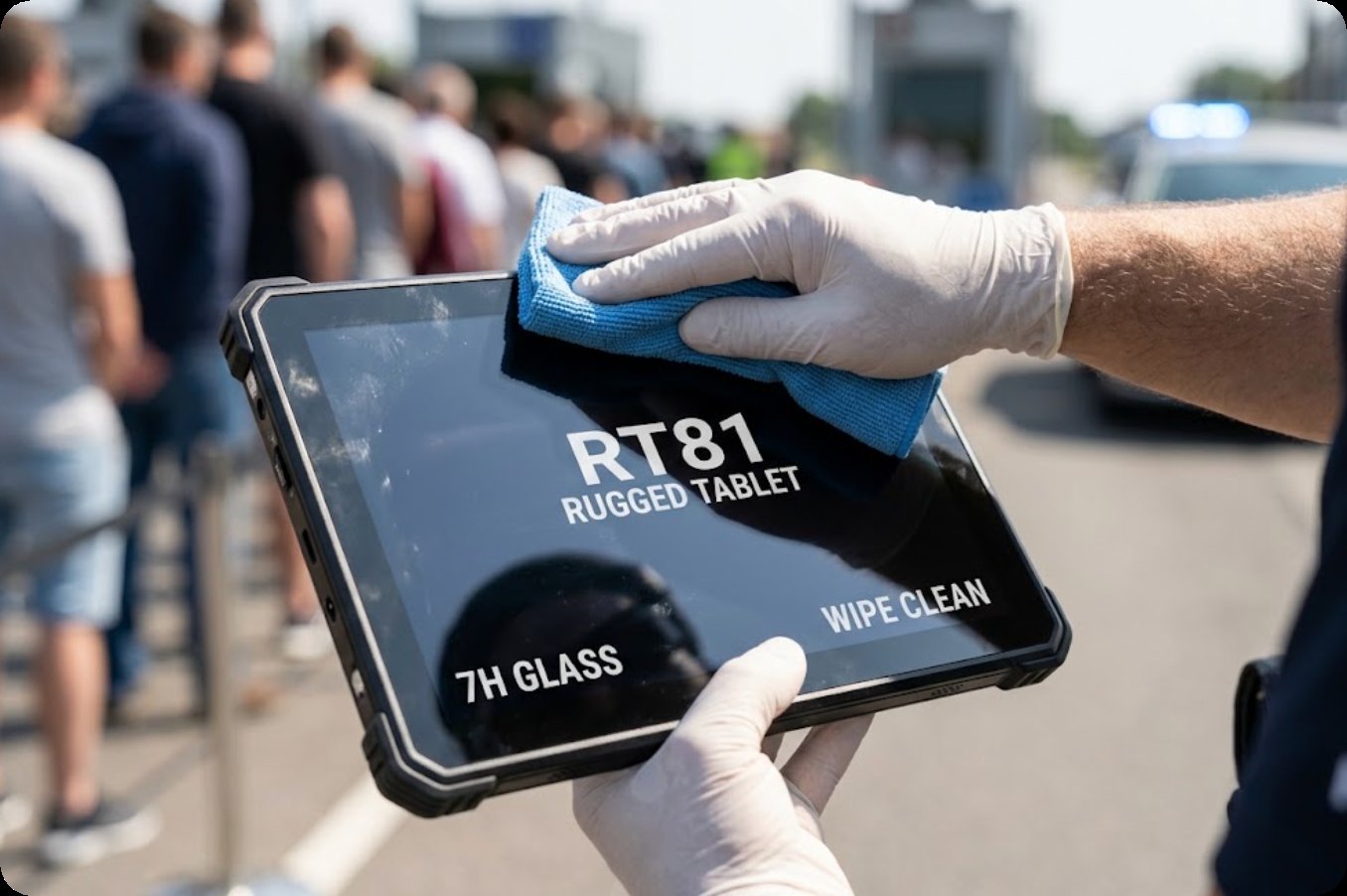
An identity checkpoint is one of the few places a tablet screen is touched by members of the public all day. Glass rated 7H resists scratches well, but skin oil and sunscreen film degrade touch response long before anything visibly damages the surface. Between subjects — or at minimum at each lull — a microfiber cloth pass over the glass keeps touch registration crisp. When departments rotate units between officers, a wipe-down also serves hygiene duties that indoor front desks never face.
Two cautions keep the habit safe. First, spray the cloth, never the unit: liquid finds seams on any enclosure, even one rated IP67 against the outside world. Second, keep dry the areas around the SIM and TF slot covers while cleaning; those rubber gaskets are the seal path, and a wet cloth pushed along an unlatched cover is the classic way moisture gets invited in.
The three units treat power differently, and the shift routine should follow that difference rather than a generic rule. The HTNJ10C and HTNJ08A carry fixed 7.6V 3500mAh packs — light, sealed, and dependent on the charging dock at night. The RT81 runs a 10000mAh pack rated for a full day and beyond, and its battery is field-swappable, so a two-shift rotation carries a charged spare instead of a mid-shift charger hunt.
| Unit | Panel | Power | Shift-relevant habit |
|---|---|---|---|
| HTNJ10C | 10" 1200×1920, 560nit | 7.6V 3500mAh, dock-charged | Seat firmly on dock, confirm charge LED |
| RT81 | 10.1" 1200×1920, 400nit | 10000mAh, swappable | Rotate the spare pack, not the charger |
| HTNJ08A | 8" 1200×1920, 560nit | 7.6V 3500mAh, dock-charged | Wipe dock contacts weekly |
The arithmetic that matters: a 3500mAh unit at low state of charge finds its screen dimming and radios throttling precisely when the queue is longest, while the RT81's larger cell trades weight for the freedom to skip mid-shift charging entirely. Officers who understand which unit degrades how plan their ten seconds accordingly.
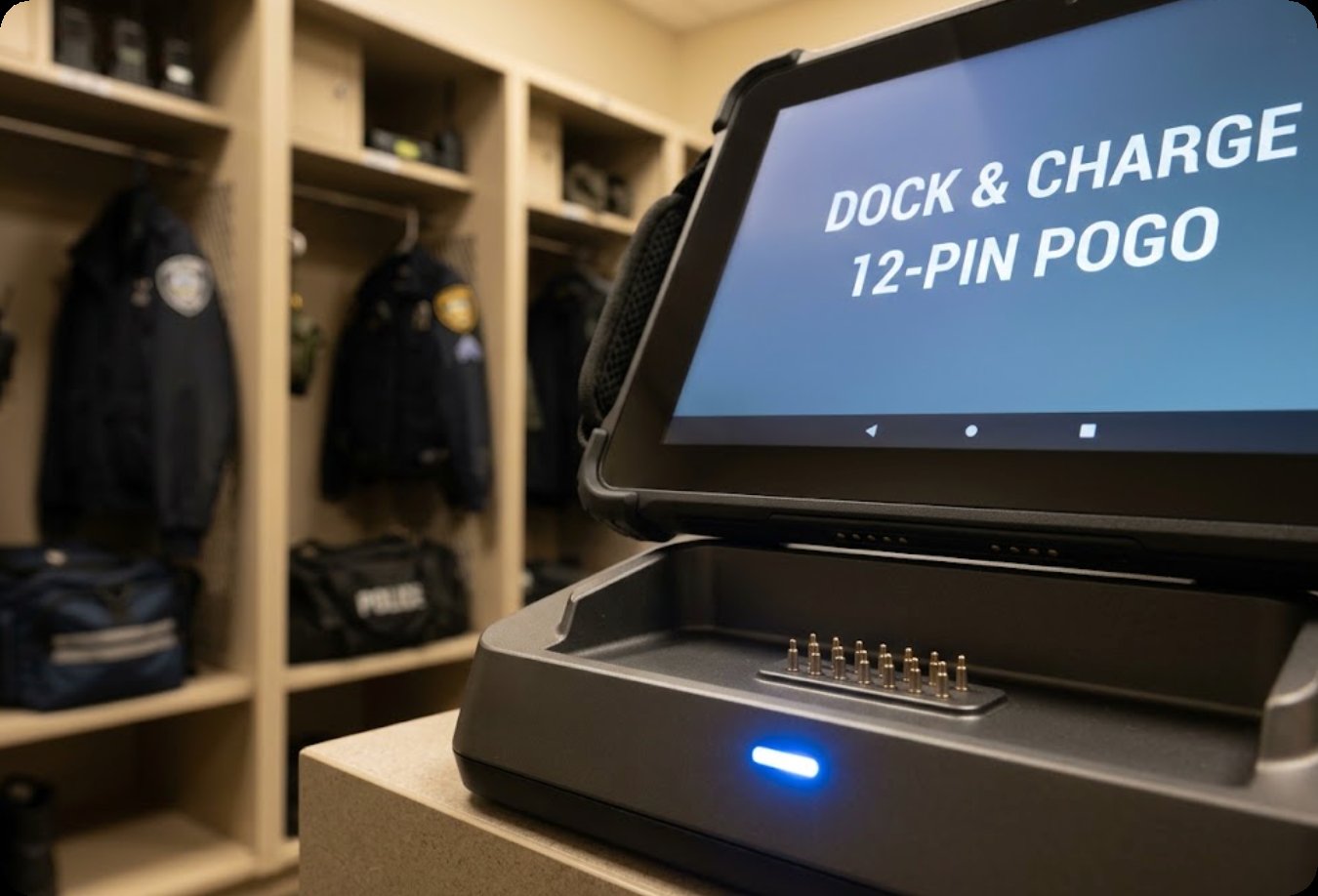
All three units expose a 12-pin pogo-pin interface for dock charging and data, and those spring contacts are the most neglected component in any fleet. Oxidation on a pogo pin does not announce itself; it shows up as intermittent charging, a unit that reports docked but gains no percent, or sync jobs that stall at ninety. Once a week — a duty that takes less time than unlocking the dock — contacts on both dock and unit get inspected for dull gray film and wiped with an isopropyl-dampened swab.
The same inspection catches the mechanical half of the problem: a dock whose alignment posts have loosened will seat a unit at a slight angle, stressing the pins until one stops making contact. A firm, square seat with an audible click is the standard; anything less gets flagged the same day, because a checkpoint unit that silently failed to charge overnight is discovered at the worst possible moment.
The IP67 rating assumes the seals are intact, and the only ports an officer opens are the ones the workflow requires. On the Intel-family units the interface set is generous — USB Type-A, Type-C, mini HDMI, RJ45, SIM and TF behind individual covers — and each opening event is a small wear cycle on the gasket. The habit: open only what the shift needs, press every cover until it sits flush, and glance at the gasket for grit each time it closes.
For field identity work the radio matters more than the wired ports. The RT81's optional NFC module reads contactless credentials at 2 to 3 centimeters through ISO14443A/B and ISO15693, and its surface needs the same wipe discipline as the screen, because the antenna sits near the glass an officer taps cards against. Units specced with fingerprint readers add one more surface — the sensor window — to the cleaning loop. None of this is maintenance in the formal sense; it is the thirty seconds that keeps optional modules earning their place in the build.
The shift ends the way it began: thirty seconds, done by whoever carried the hardware. Logs sync while the unit is still in the vehicle's coverage — queued verification records pushed over Wi-Fi or LTE before the officer reaches the armory. The unit goes back on the dock or into the rotation case, the battery state noted for the next holder, and anything odd during the shift — a missed touch, a slow read, a cover that would not seat — said aloud to the incoming officer rather than left for them to rediscover.
Departments that adopt this rhythm report the same thing: formal service events drop, because most tickets were never component failures at all. They were dirty glass, oxidized pins, and a cover left ajar, each invisible on its own and each worth ten seconds a shift. The hardware is built to survive the street; the routine exists so the street does not slowly tax it anyway.
If your unit is equipping a checkpoint force and the question is which of the three fits the duty profile, the rugged tablet line page lays out the full range, and the Hotus lineup covers the wider industrial family these tablets share parts and dock standards with. For a worked comparison of screen brightness, radio options and power across the current models, the news and comparisons section publishes the running series. Bring your shift structure and duty cycle; the recommendation follows from how the unit is actually carried.