- Select Language
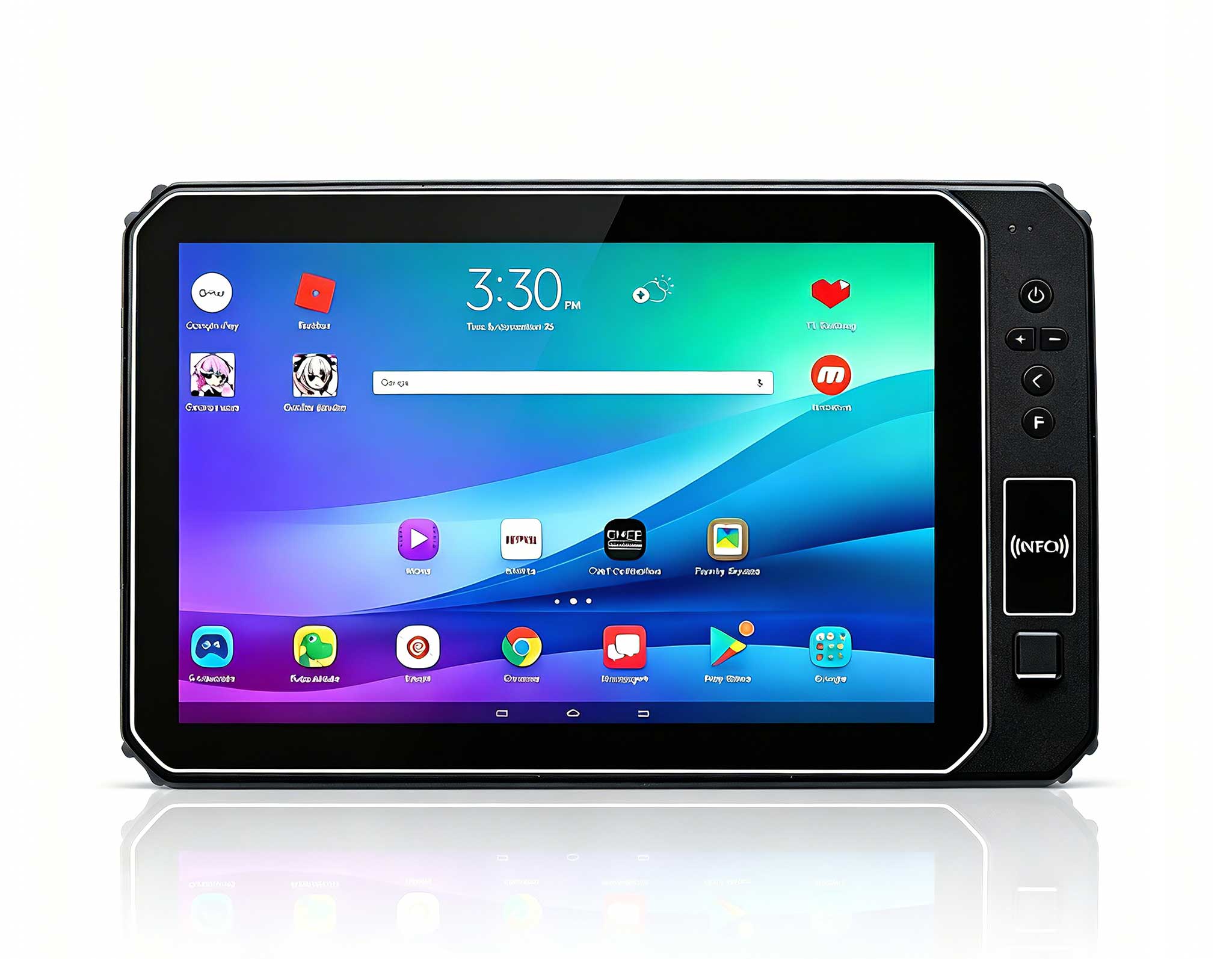
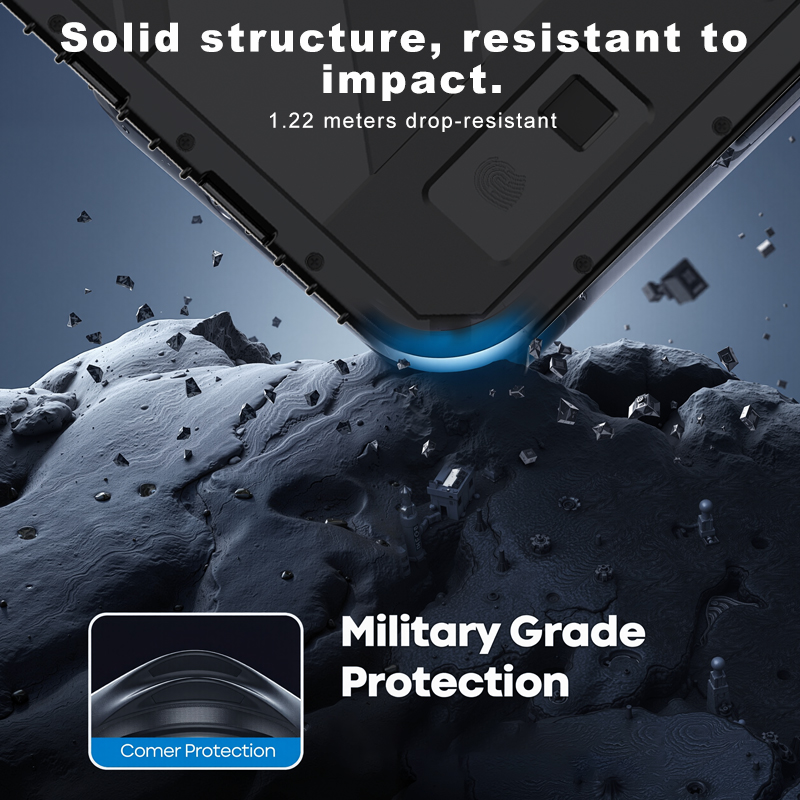
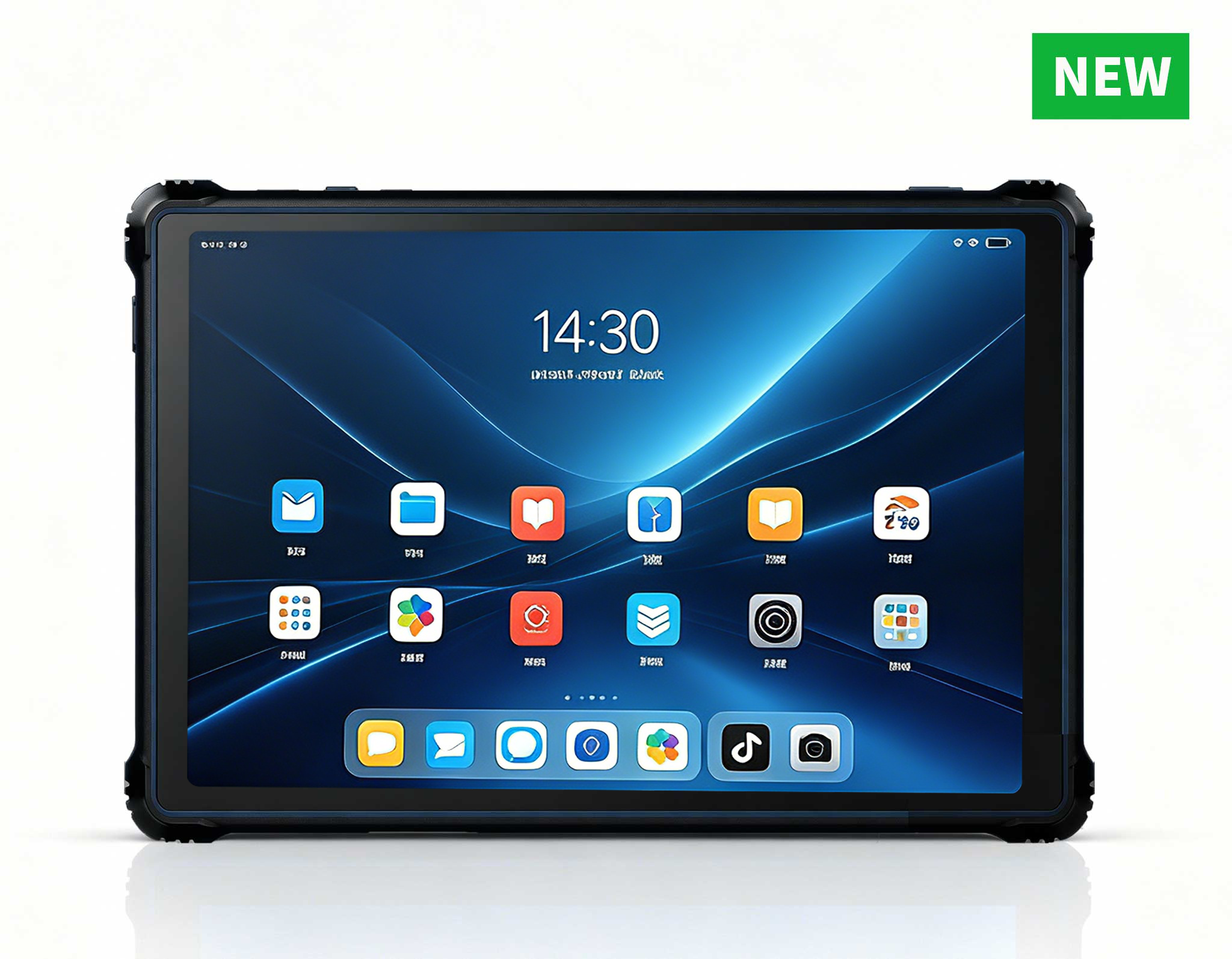
This 10-inch Android rugged tablet is designed for...
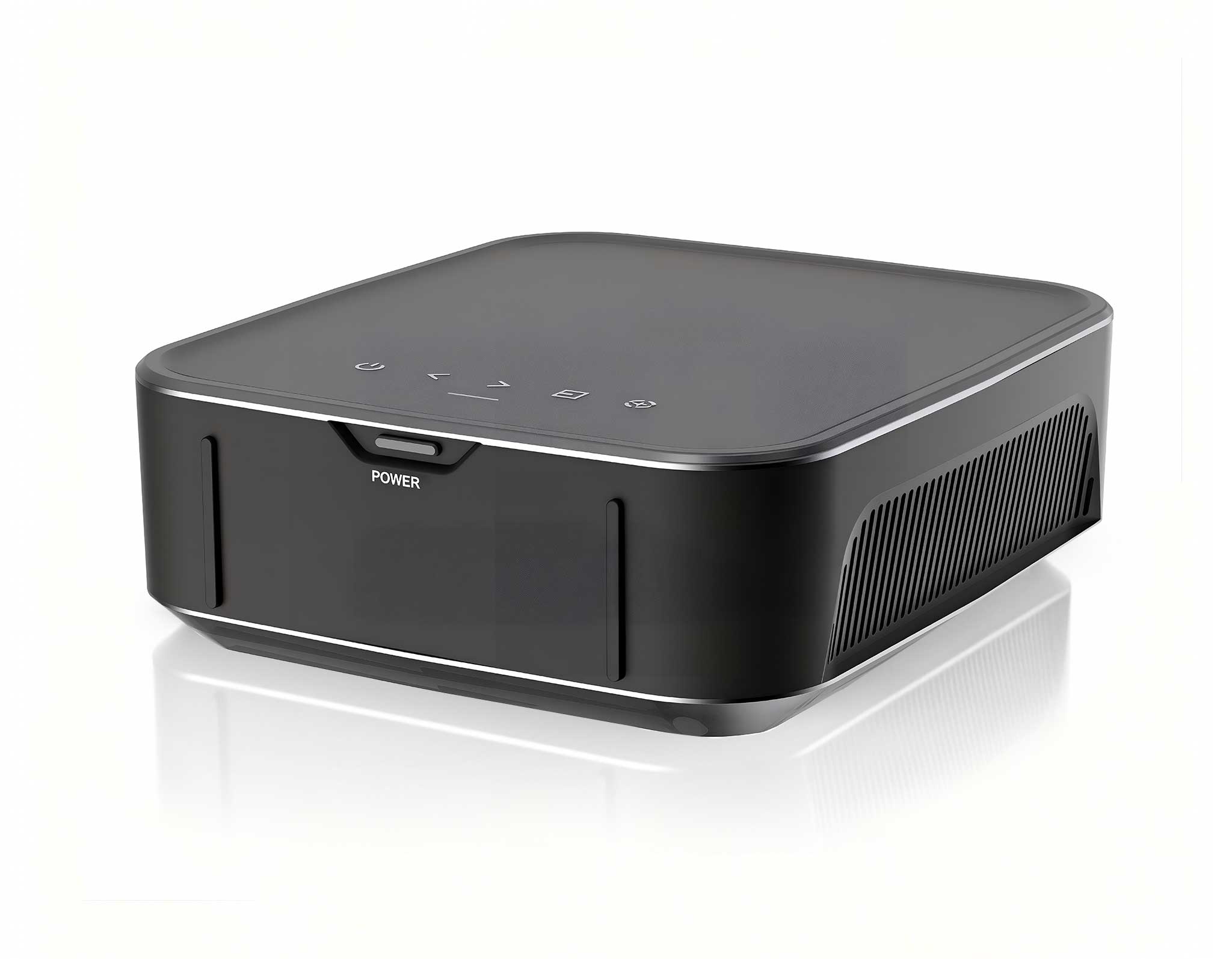
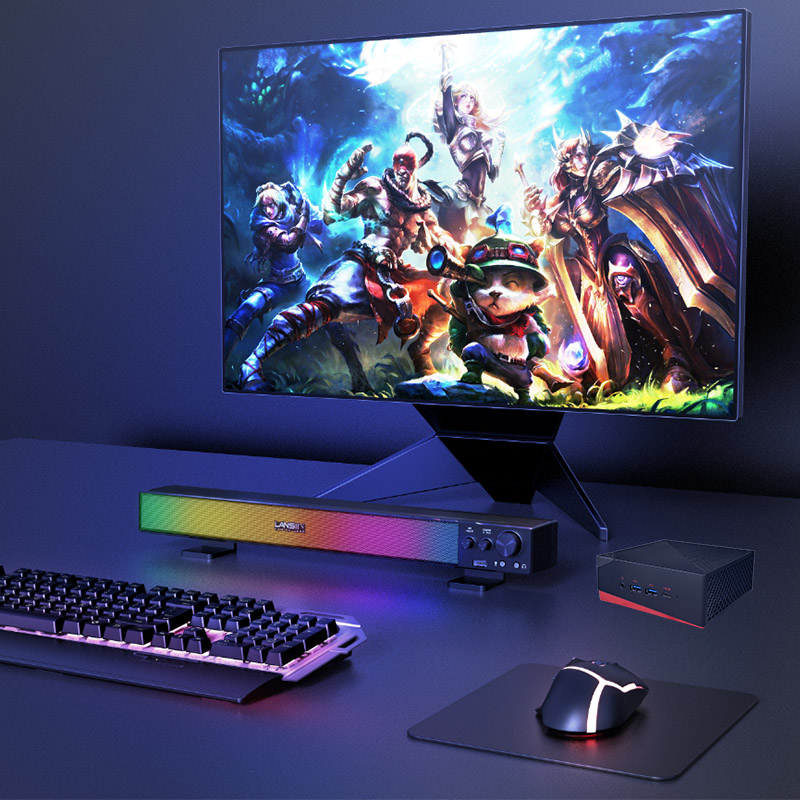
One Device, Dual Functions – A Projector and a Com...
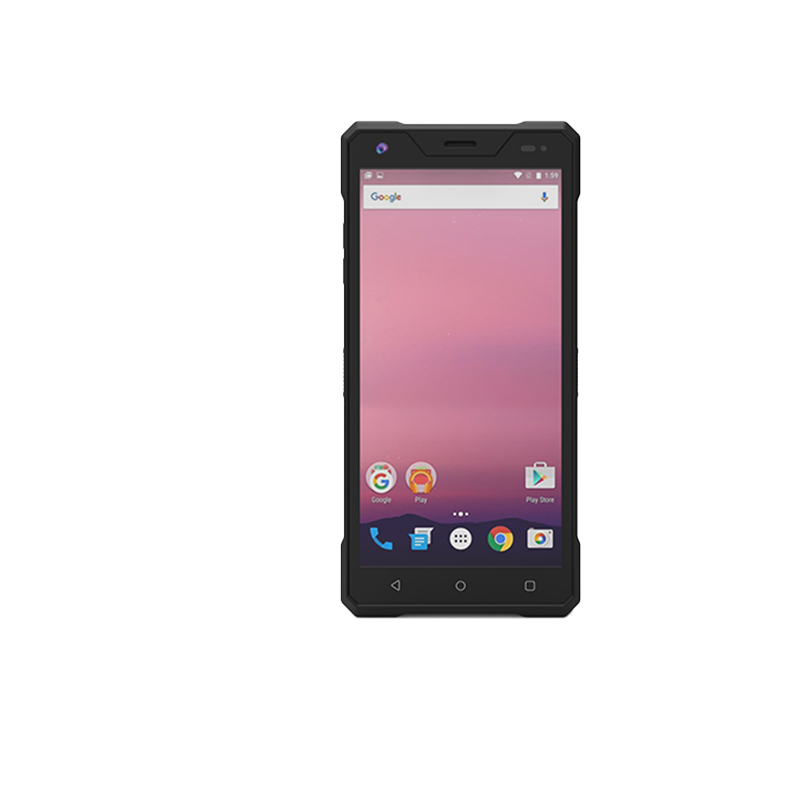
R366-S Thin 5.5-inch Industrial PDA | Qualcomm Oct...
Explore an innovative Personal Digital Assistant f...
RT82 5G Rugged Tablet | 10.1" FHD 400nit | Qu...
Enterprise Flagship SeriesEngineered for mission-c...
The R501 PDA combines a powerful MT6762 Octa-Core ...
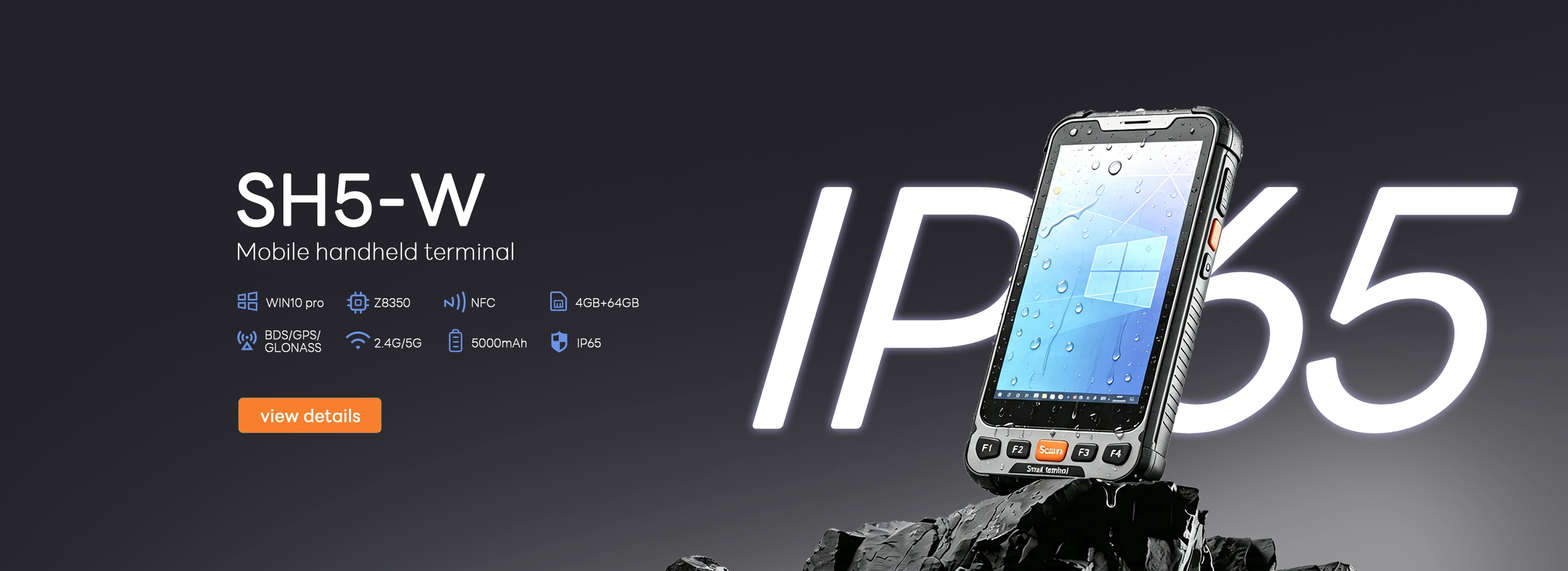
Full SpecificationsModel Hotus SH5‑WOperating ...
The N40 Android smart PDA features a Cortex-A53 qu...
The X501 Handheld PDA combines advanced barcode sc...
P11 Series Next-Gen Enterprise Rugged Industrial ...
R860-S 5.5-inch Industrial PDA with Thermal Printe...
I have spent the last decade watching the digital signage industry evolve from simple, looping video players into complex, interactive ecosystems. The days of a single, bulky tower PC hidden behind a 40-inch screen are over. Today, the scene demands something radically different. We are seeing a shift toward edge computing, where data is processed locally for instant response, and toward ultra-compact, fanless designs that can survive the heat of a kitchen menu board or the dust of an outdoor ticketing kiosk. From my perspective, the hardware that drives these screens is no longer just a "computer"; it is a mission-critical appliance. This is precisely why the market is turning to specialized, ruggedized Mini PC units. They offer the processing power of a desktop but in a footprint that fits in the palm of your hand, enabling a new wave of sleek, reliable, and intelligent self-service terminals. For any business looking to deploy a dedicated digital signage kiosk solution, the choice of the right core hardware is the single most important decision you will make.
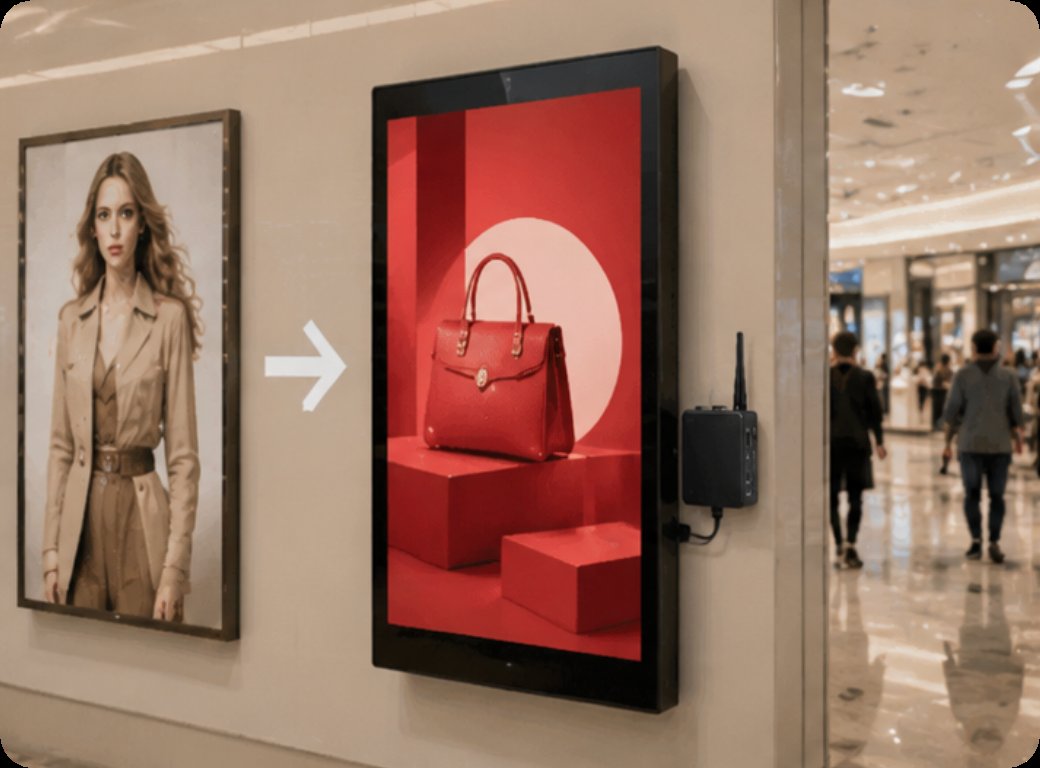
When a client tells me their kiosk enclosure has zero room for a conventional PC, the Palm-sized miniPC is my first recommendation. This device is the epitome of the "less is more" philosophy in industrial computing. Its core positioning is for scenarios where space is the ultimate premium—think behind a slim digital menu board, inside a retail shelf-edge display, or embedded in a compact check-in kiosk. Weighing in at just a few hundred grams, it is incredibly easy to mount using a standard VESA bracket. Do not let the size fool you; it packs enough processing power to handle 4K video playback and basic interactive applications without breaking a sweat. Its fanless design is a critical feature for the digital signage world, as it guarantees silent operation and zero dust intake, dramatically improving long-term reliability in dusty retail or food service environments.
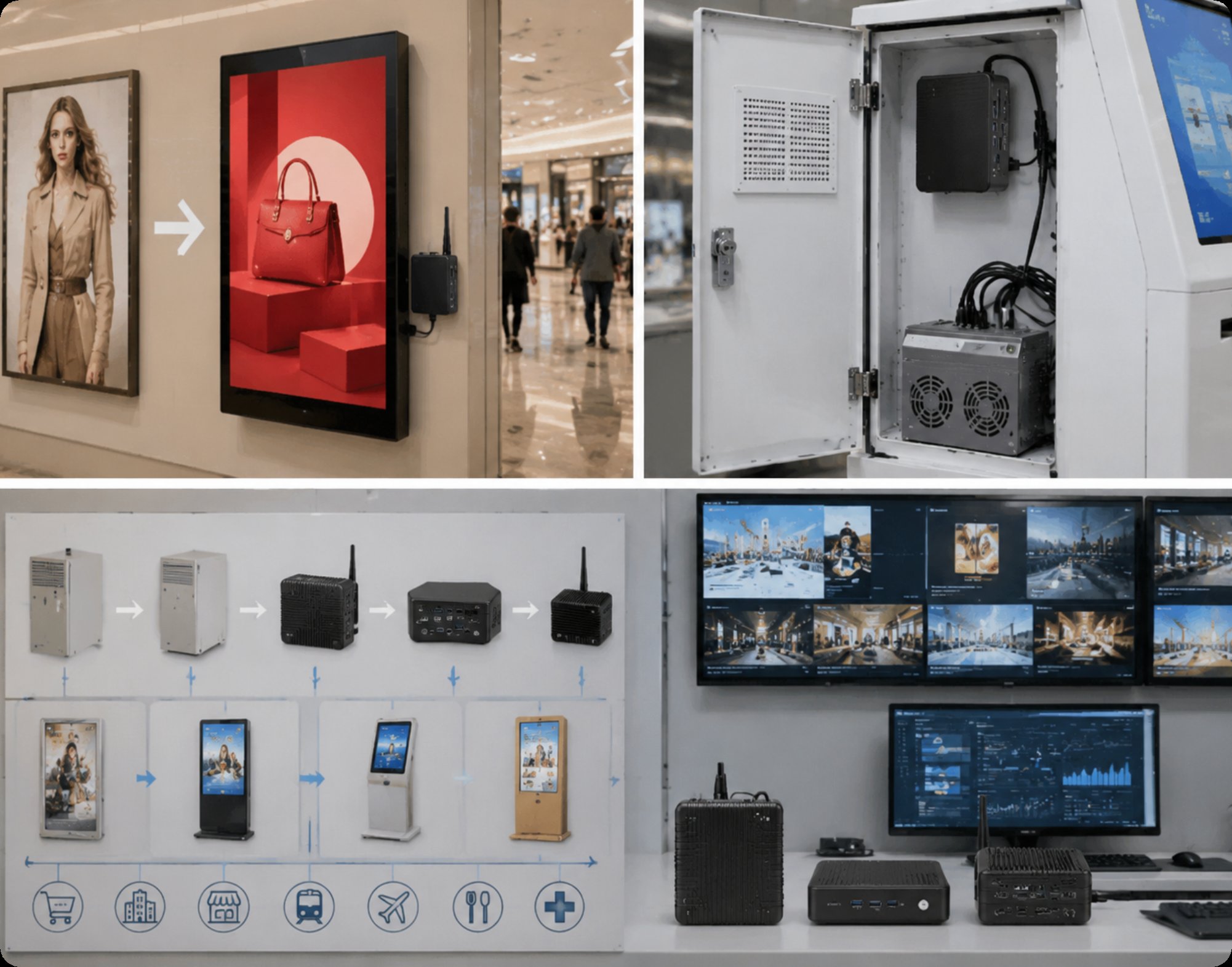
For more advanced deployments, particularly those that require local data storage or act as a network hub, the WTR PRO AMD is a game-changer. This model is unique because it combines a powerful AMD processor with a 4-bay NAS (Network Attached Storage) system in a mini PC form factor. In a digital signage context, this is revolutionary. Imagine a self-service library kiosk that needs to store thousands of e-books locally, or a hotel check-in terminal that caches guest data and runs a local database. The WTR PRO AMD handles this with ease. It is the perfect choice for a "smart kiosk" that needs to operate independently of a constant cloud connection, offering high-speed data processing and massive local storage. Its robust build also makes it suitable for semi-public areas where the device might be exposed to more handling.
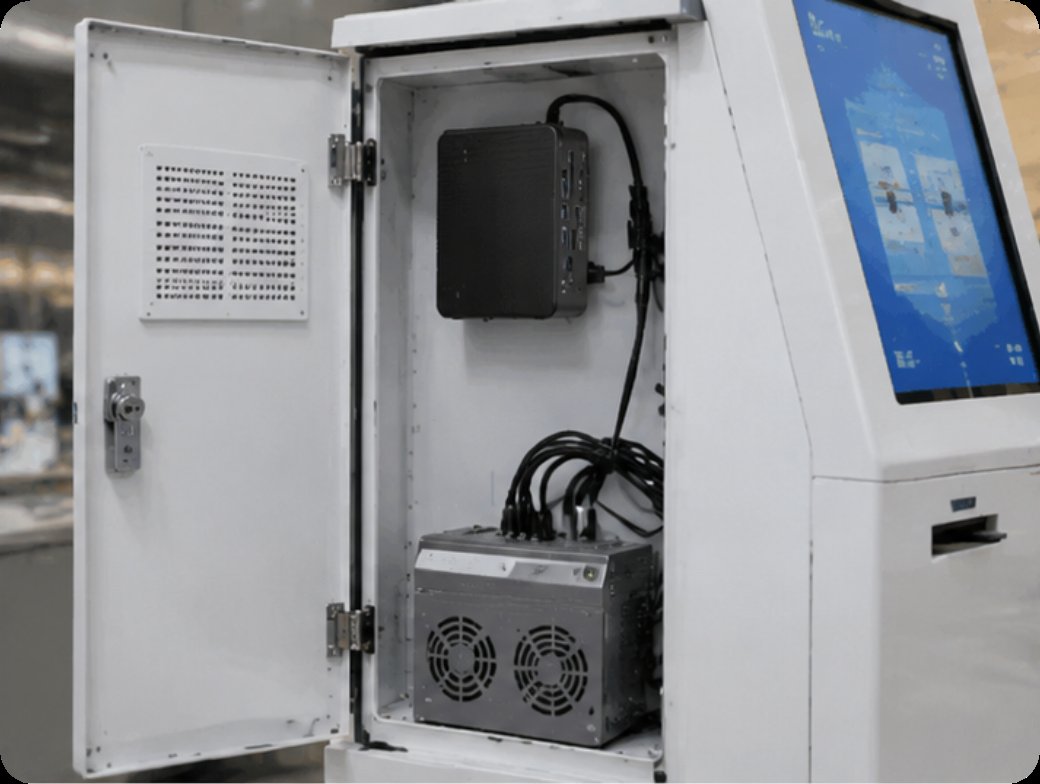
Sometimes, a digital signage application is not just about playing a video. Think of a high-end retail "magic mirror," a 3D product configurator, or an interactive wayfinding kiosk with real-time crowd analytics. These tasks demand serious CPU and GPU horsepower. The HCAR5000 MI, powered by the AMD Ryzen 5000H Series, is designed for this exact purpose. It is the high-performance option in our lineup, capable of driving multiple 4K displays simultaneously and running complex software without lag. This model is positioned for the most demanding self-service scenarios where user experience cannot be compromised. If you are building a premium, interactive kiosk that needs to impress users with speed and graphical fidelity, this is the engine you need. It bridges the gap between a consumer-grade mini PC and a bulky, expensive workstation.
| Feature | Palm-sized miniPC | WTR PRO AMD | HCAR5000 MI |
|---|---|---|---|
| Processor | Entry-level to Mid-range | AMD High-Efficiency | AMD Ryzen 5000H Series |
| Primary Memory | Up to 16GB DDR4 | Up to 32GB DDR4 | Up to 64GB DDR4 |
| Storage | M.2 SSD (Single) | M.2 + 4x 3.5" HDD Bays | M.2 SSD (Dual Slot) |
| Cooling System | Fanless (Silent) | Active Fan | Active Fan (High-Performance) |
| Form Factor | Ultra-Compact (Palm-sized) | Compact (NAS Integrated) | Standard Mini PC |
| Best Use Case | Menu boards, Shelf displays, Simple wayfinding | Data-heavy kiosks, Local caching, Library systems | Interactive kiosks, 3D rendering, Multi-display setups |
Selecting the correct mini PC for your digital signage project comes down to three key questions: What is the physical environment? For a space-constrained, dusty, or hot location like a fast-food kitchen, the fanless, rugged Palm-sized miniPC is the clear winner. What is the data requirement? If your kiosk needs to store and serve large amounts of data locally (like a video library or a product catalog), the integrated NAS functionality of the WTR PRO AMD will save you from expensive cloud storage and network latency. What is the user experience goal? If you are building a high-engagement interactive experience that demands instant response and rich graphics, you must invest in the processing power of the HCAR5000 MI. Do not underspec your hardware for a visually demanding application, as slow performance will ruin the user experience.
The technology behind digital signage and self-service kiosks is evolving faster than ever, and the hardware you choose today will define your operational efficiency for years to come. Whether you need the silent reliability of a Palm-sized miniPC, the data-centric power of the WTR PRO AMD, or the high-performance graphics of the HCAR5000 MI, Hotus Technology has the exact solution to match your project's demands. I encourage you to browse our entire Palm-sized miniPC series to see the full breadth of options available. For more insights on building a robust digital signage network, explore our mini PC solutions and contact our team. We are ready to help you build the future of customer interaction.