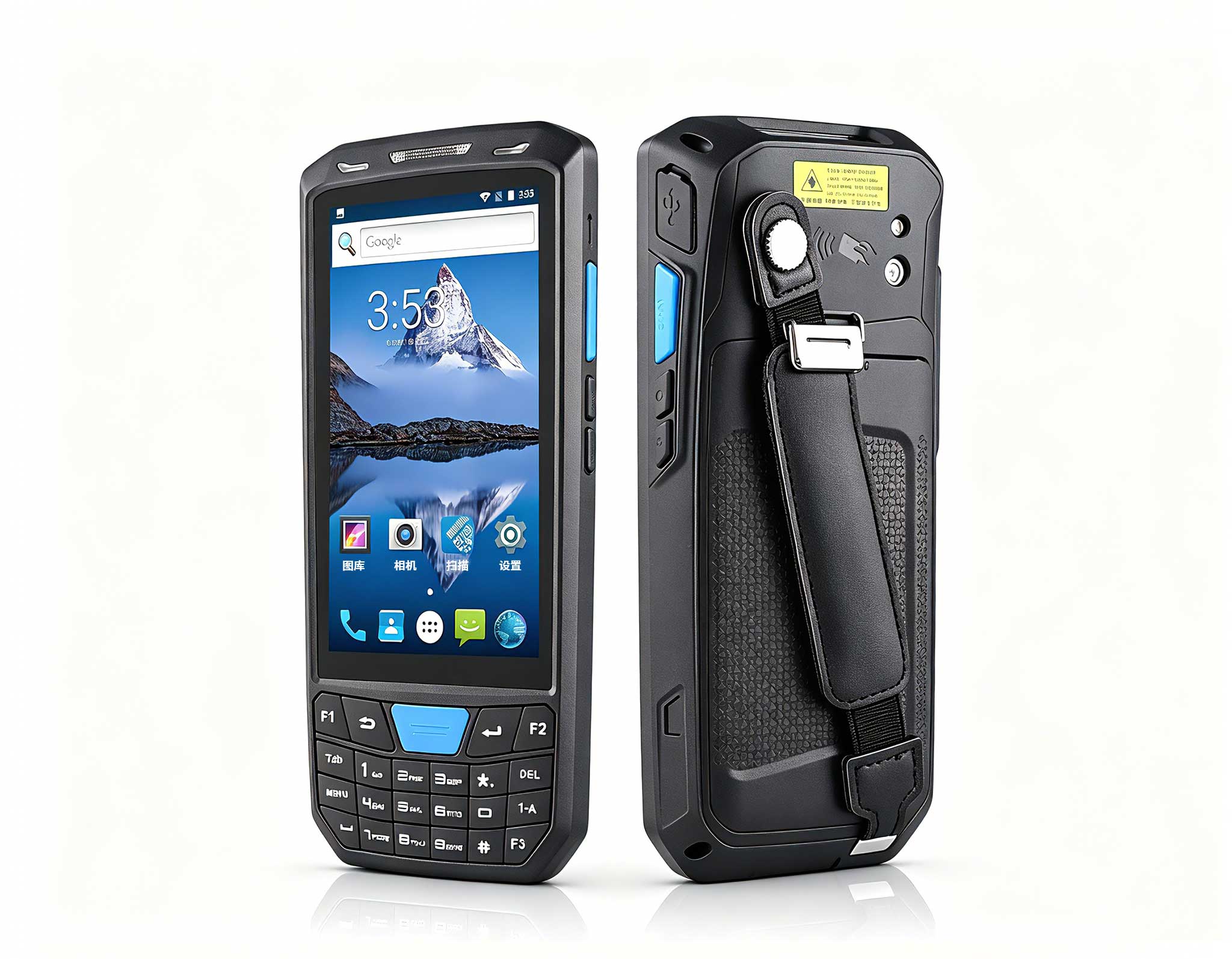
- Select Language
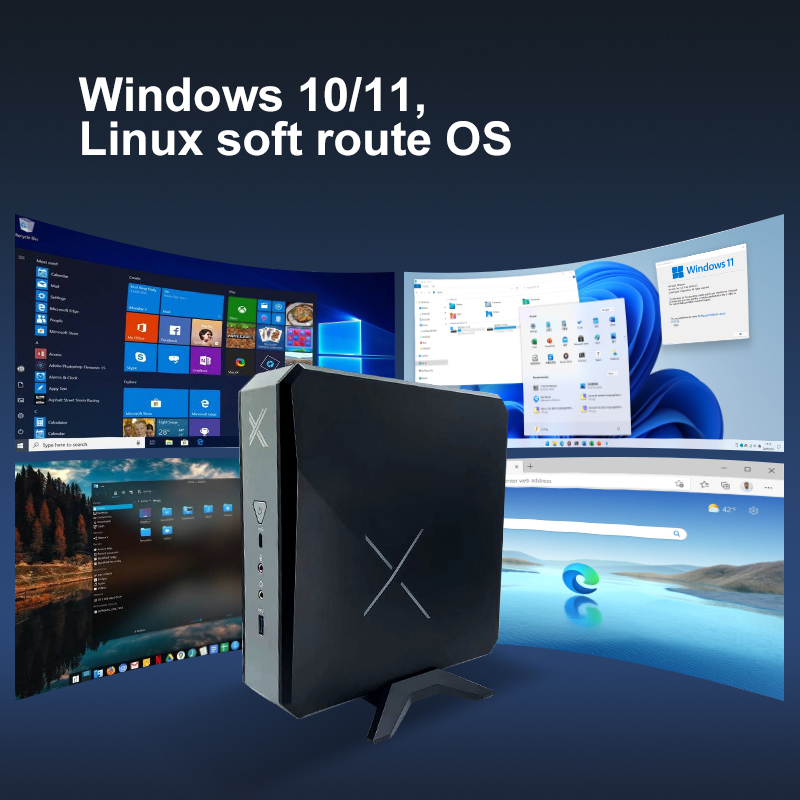
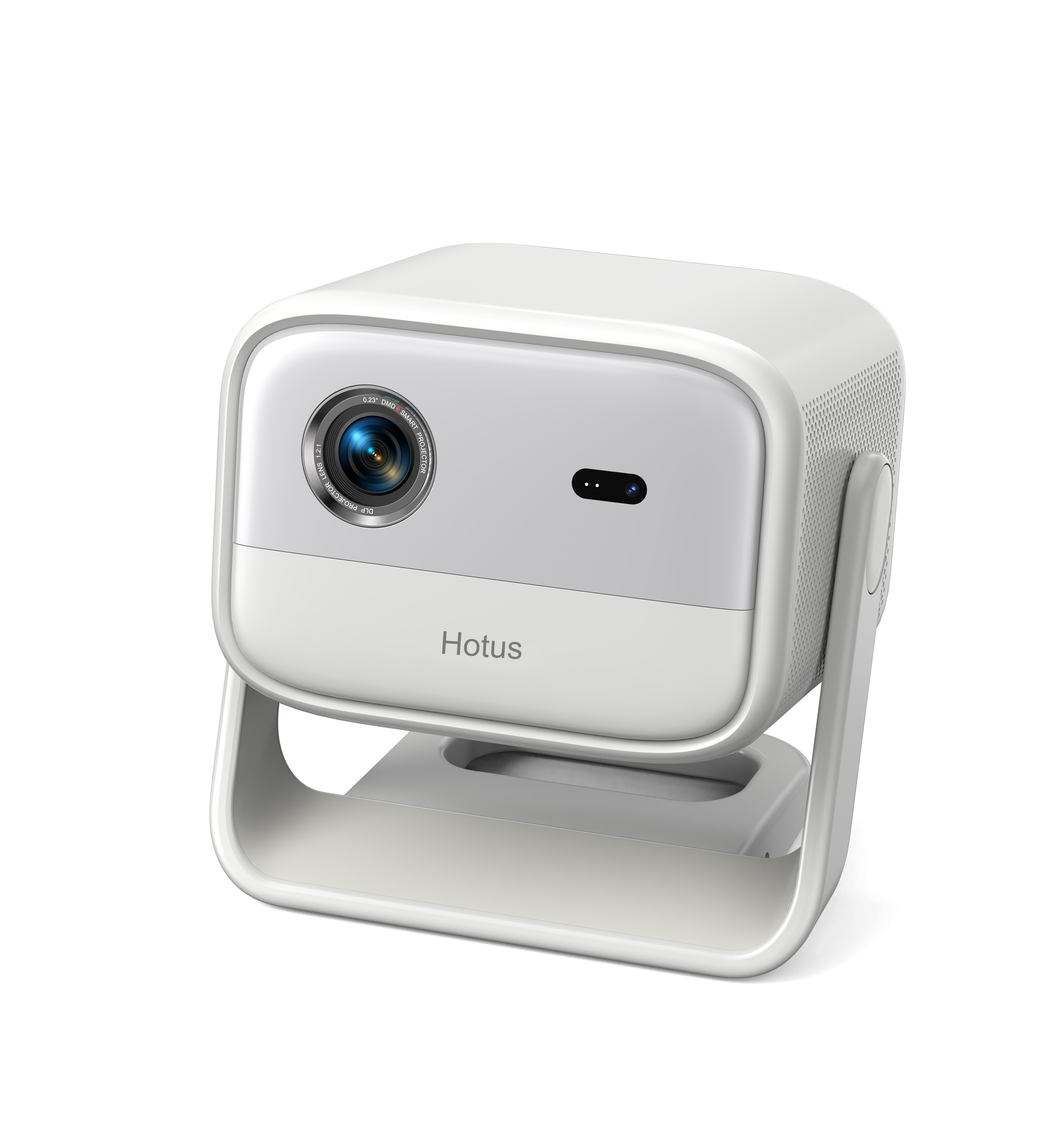
One Device, Dual Functions – A Projector and a Com...
The X501 Handheld PDA combines advanced barcode sc...
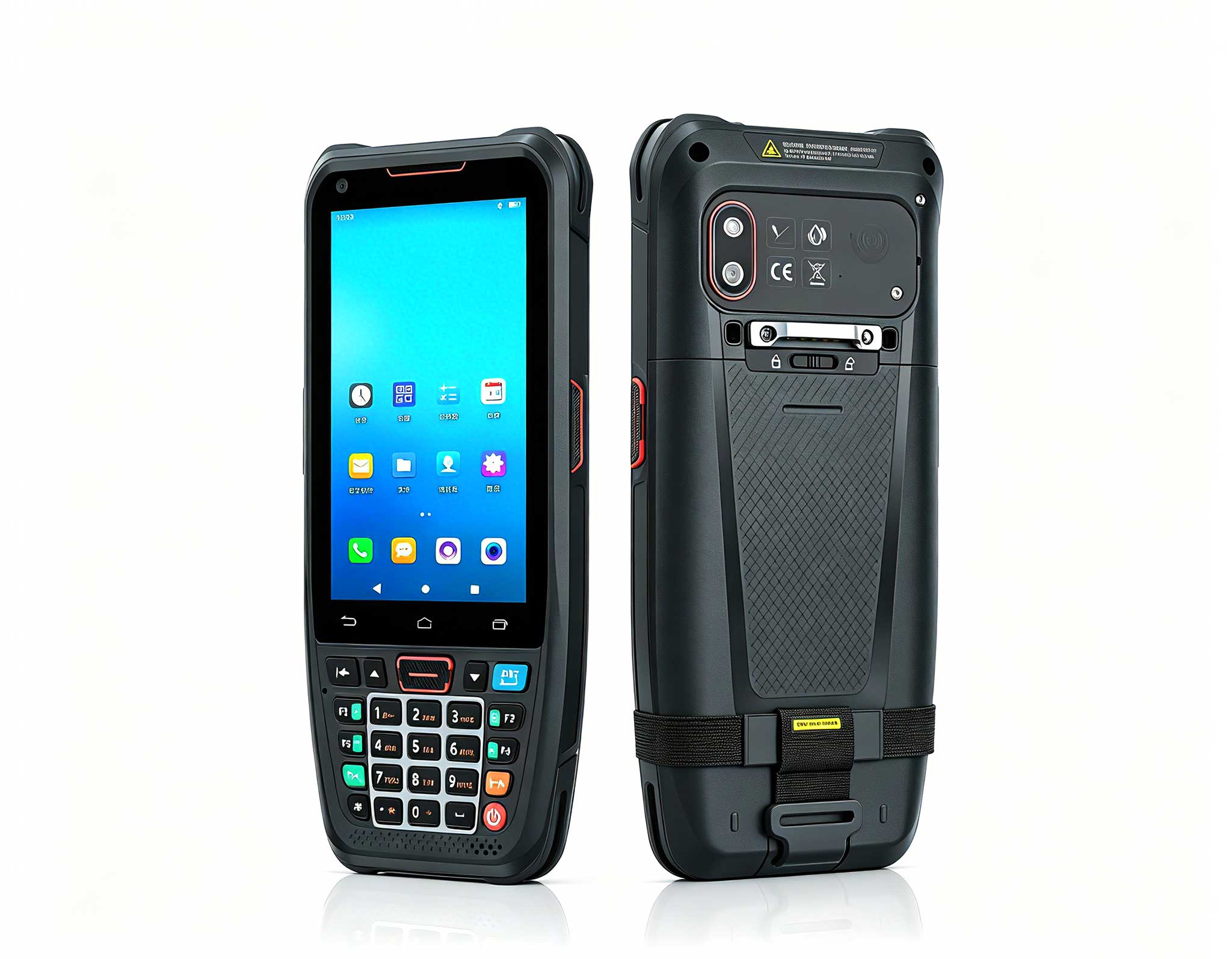
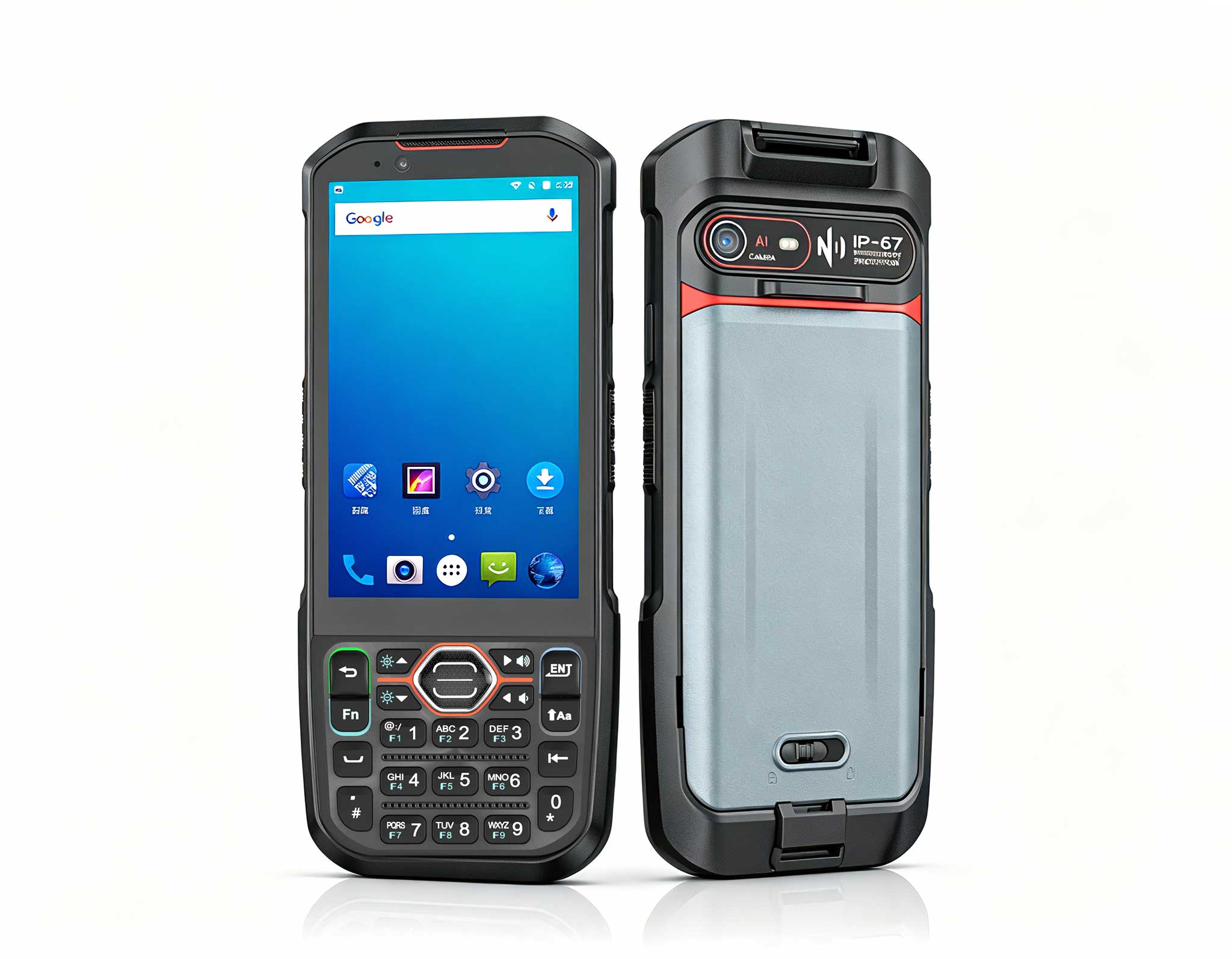
The N40 Android smart PDA features a Cortex-A53 qu...
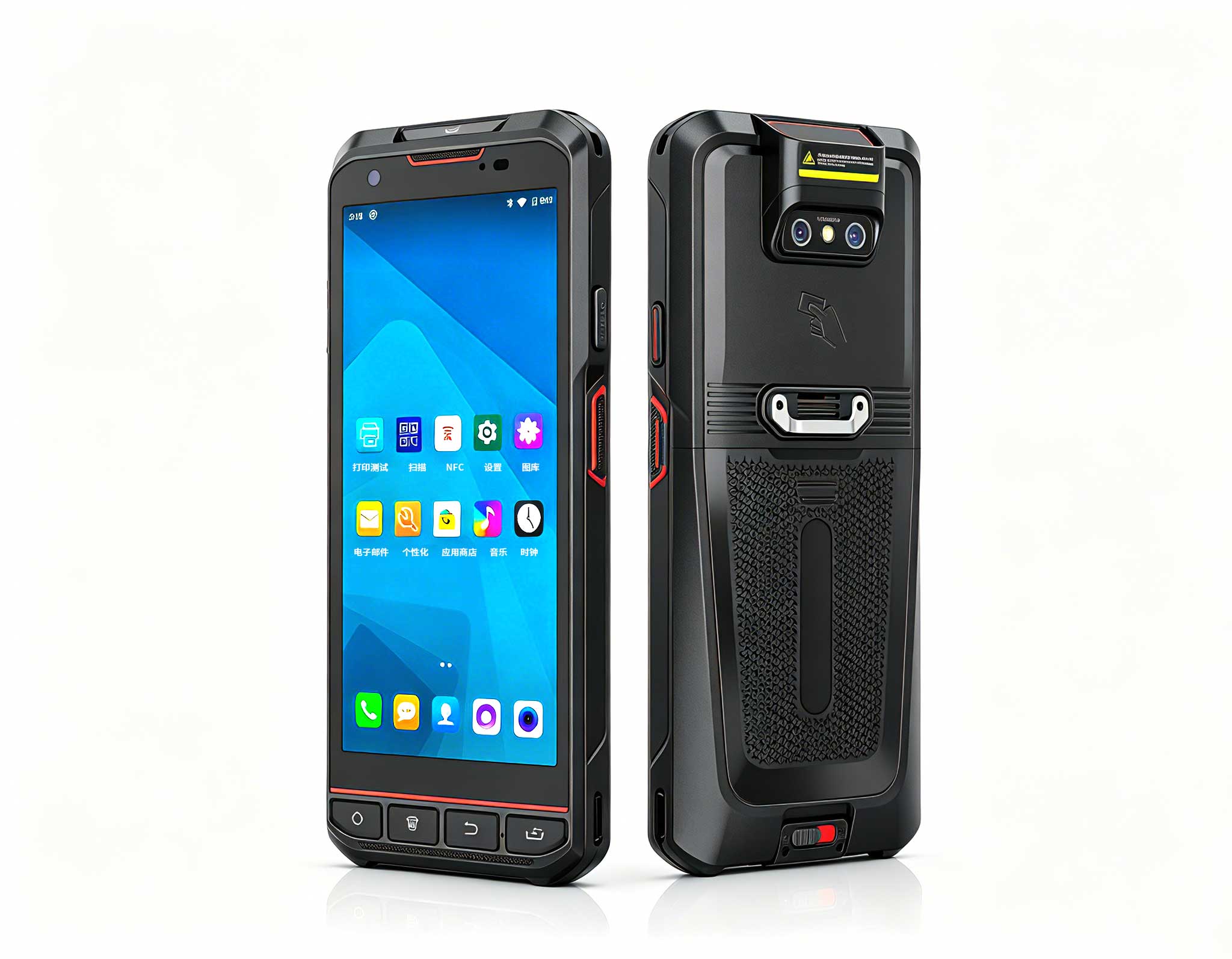
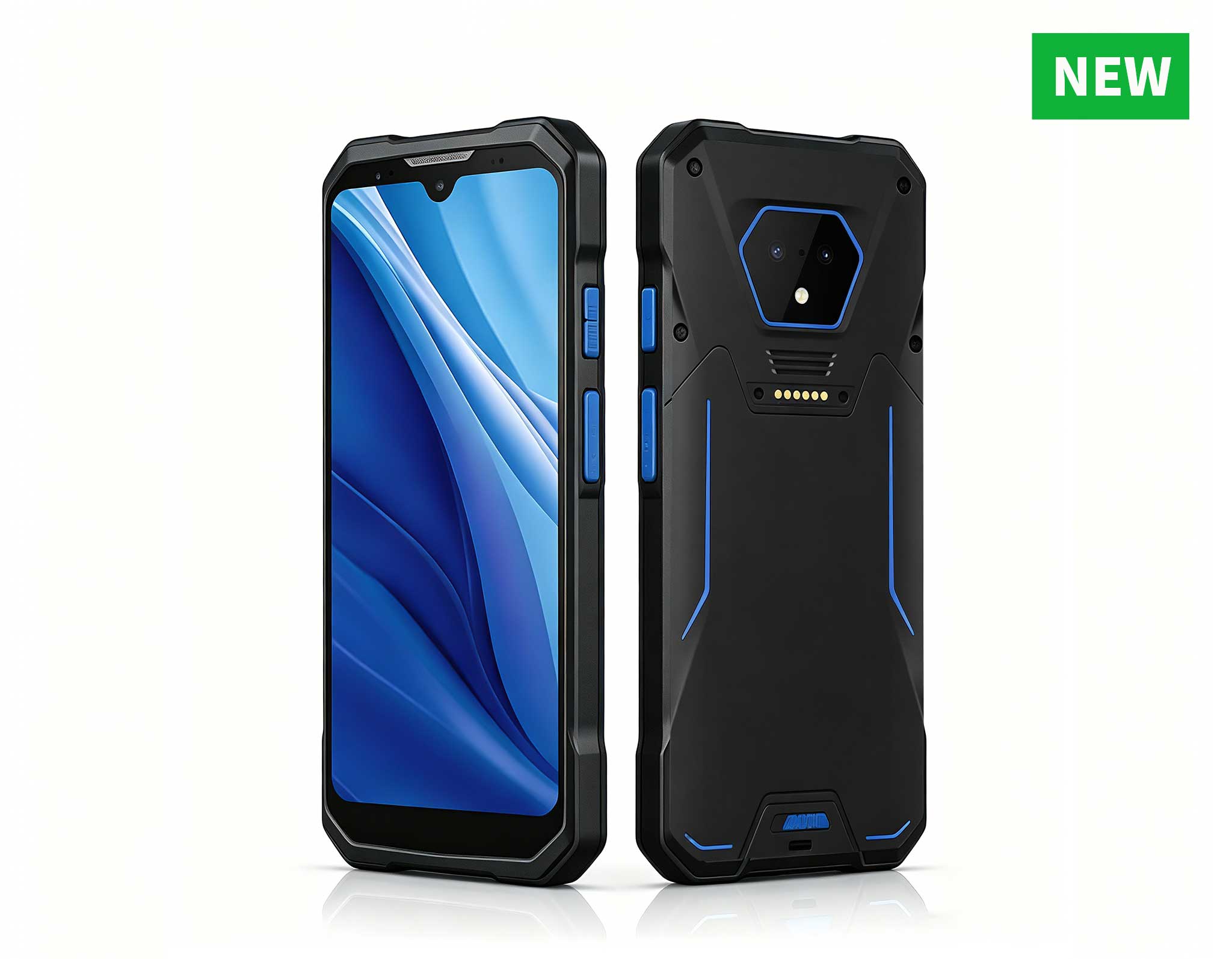
RS50 5G Rugged Handheld Terminal | 6.3" FHD+ ...
Explore an innovative Personal Digital Assistant f...
One Device, Dual Functions – A Projector and a Com...
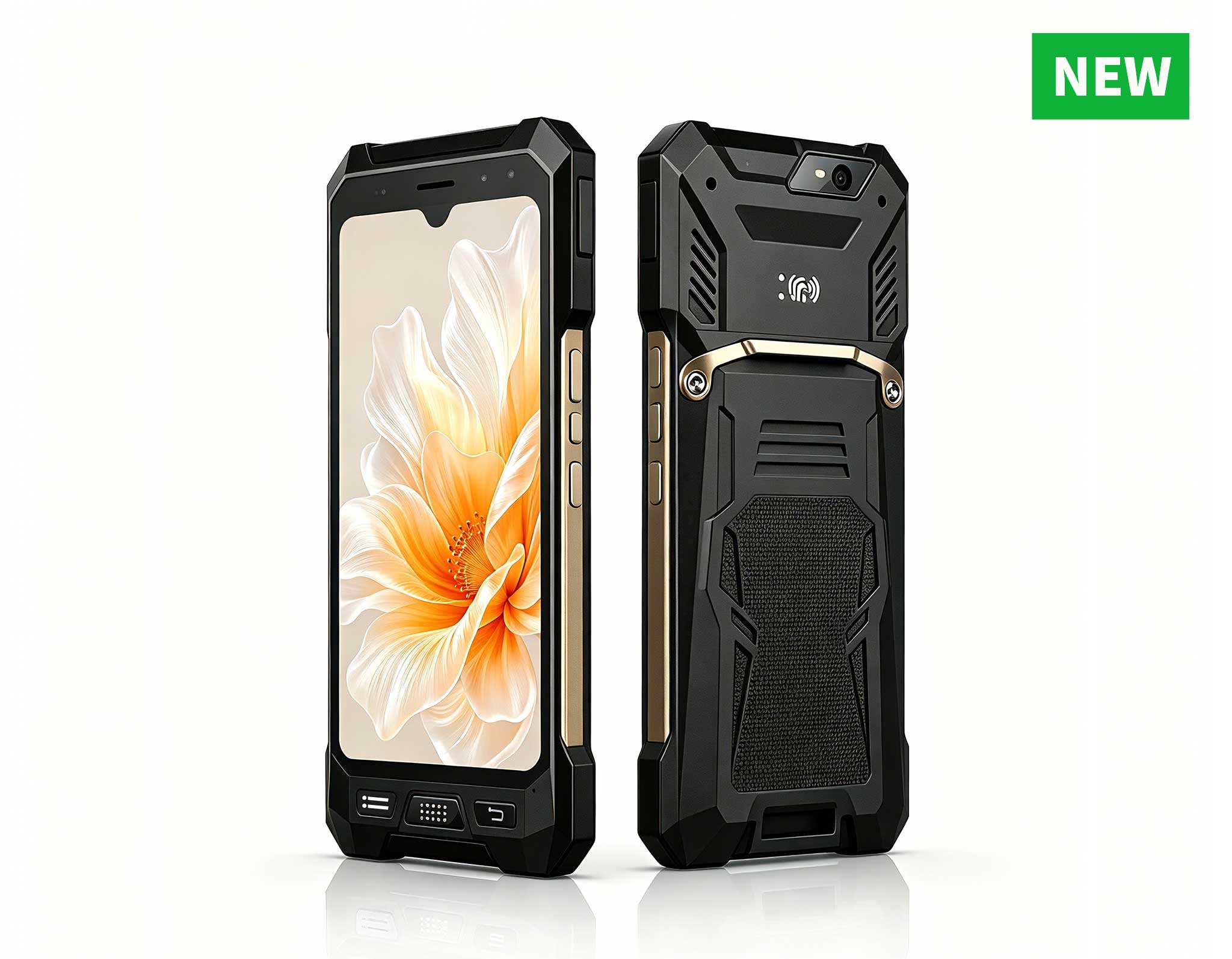
R530C 6.0-inch Industrial PDA | Qualcomm Octa-core...
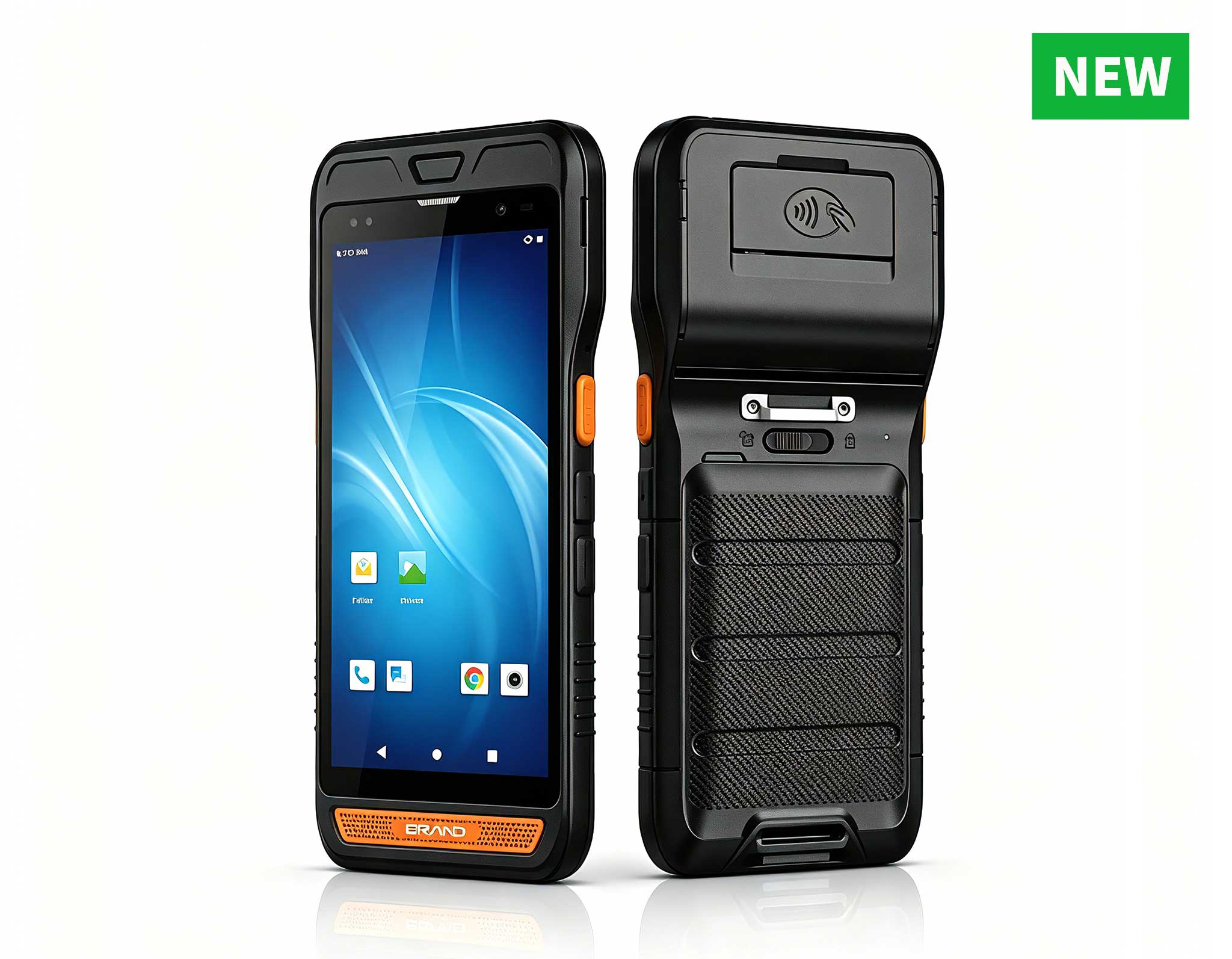
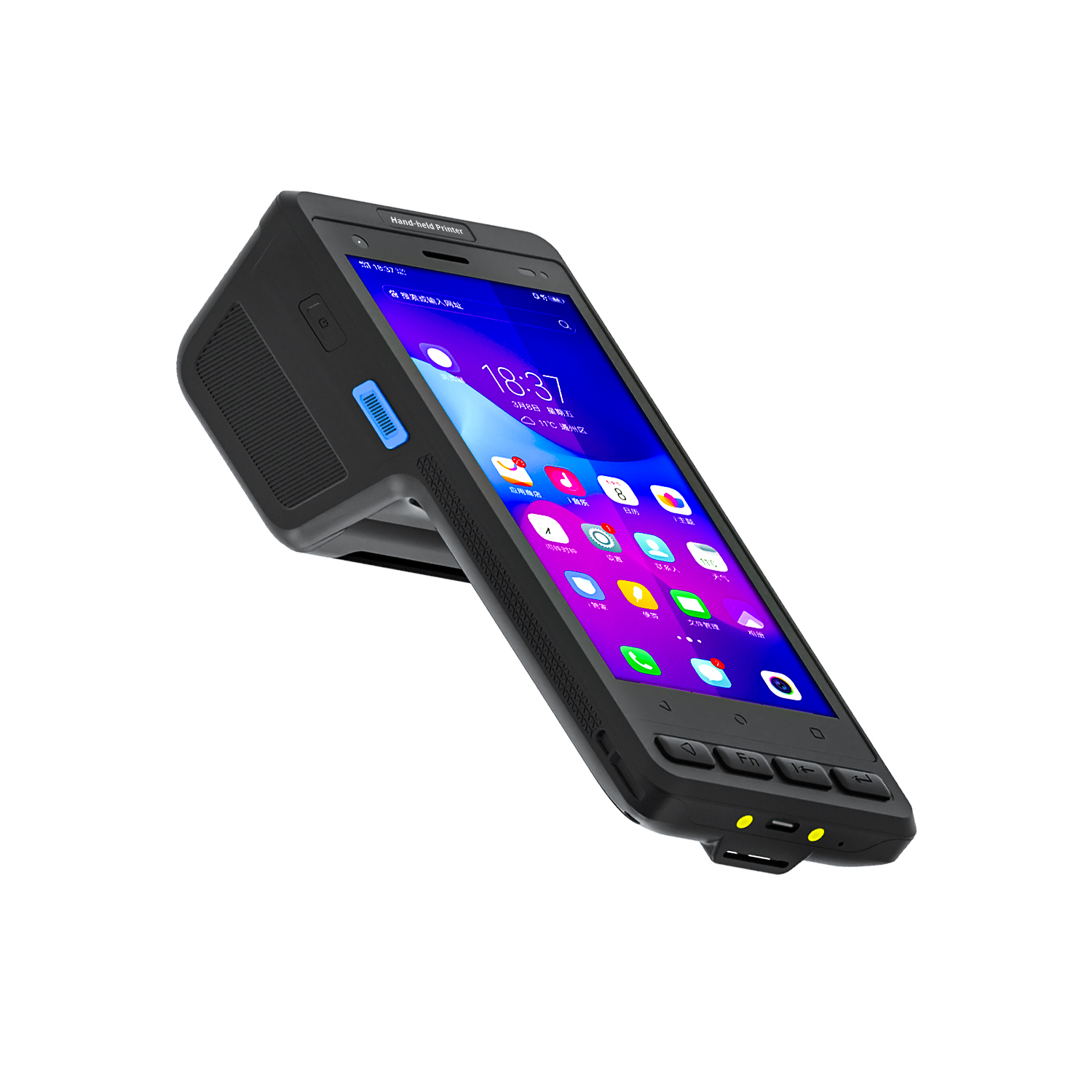
R860-S 5.5-inch Industrial PDA with Thermal Printe...
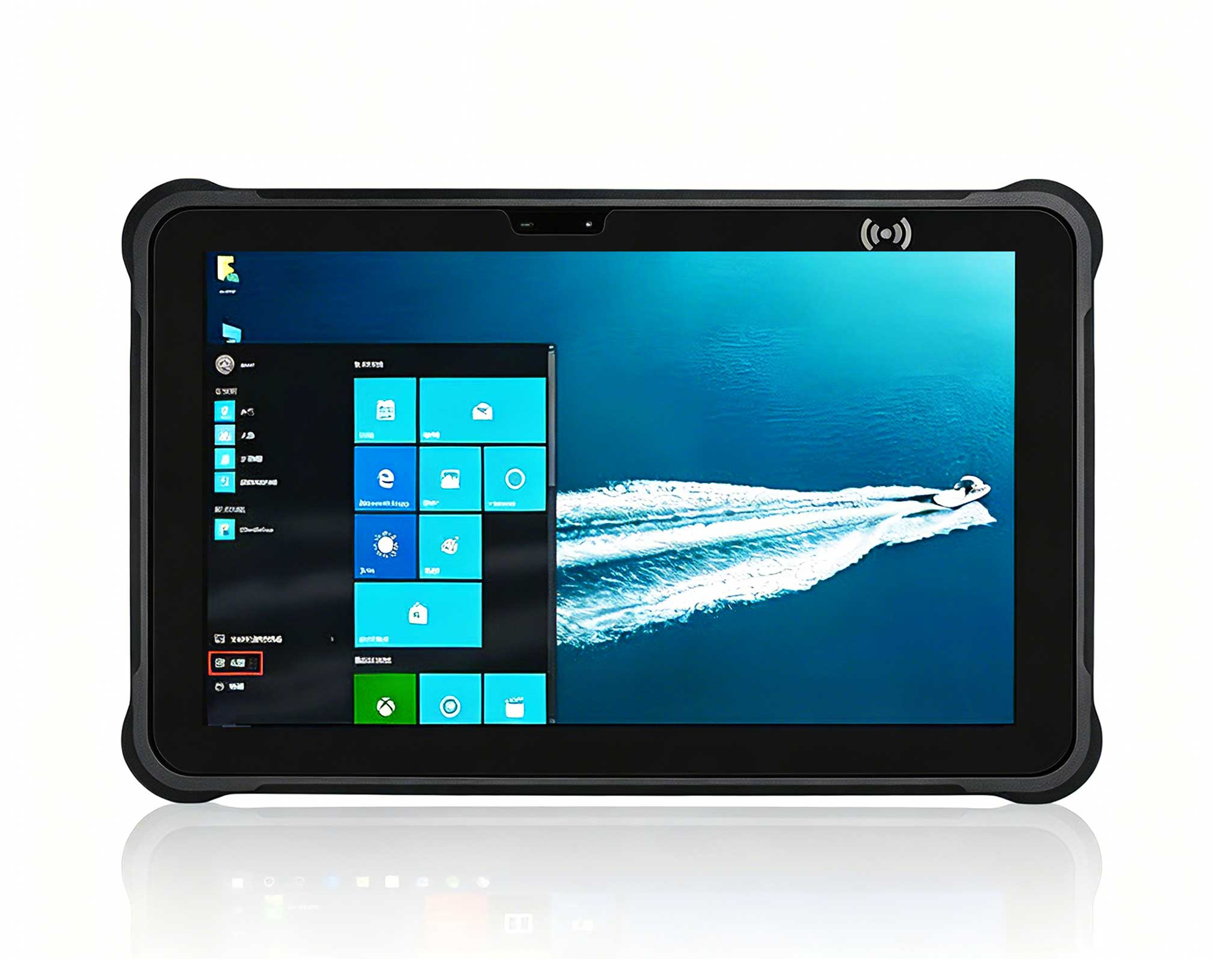
Full SpecificationsModelHotus ST11‑JOSWindows 10 P...
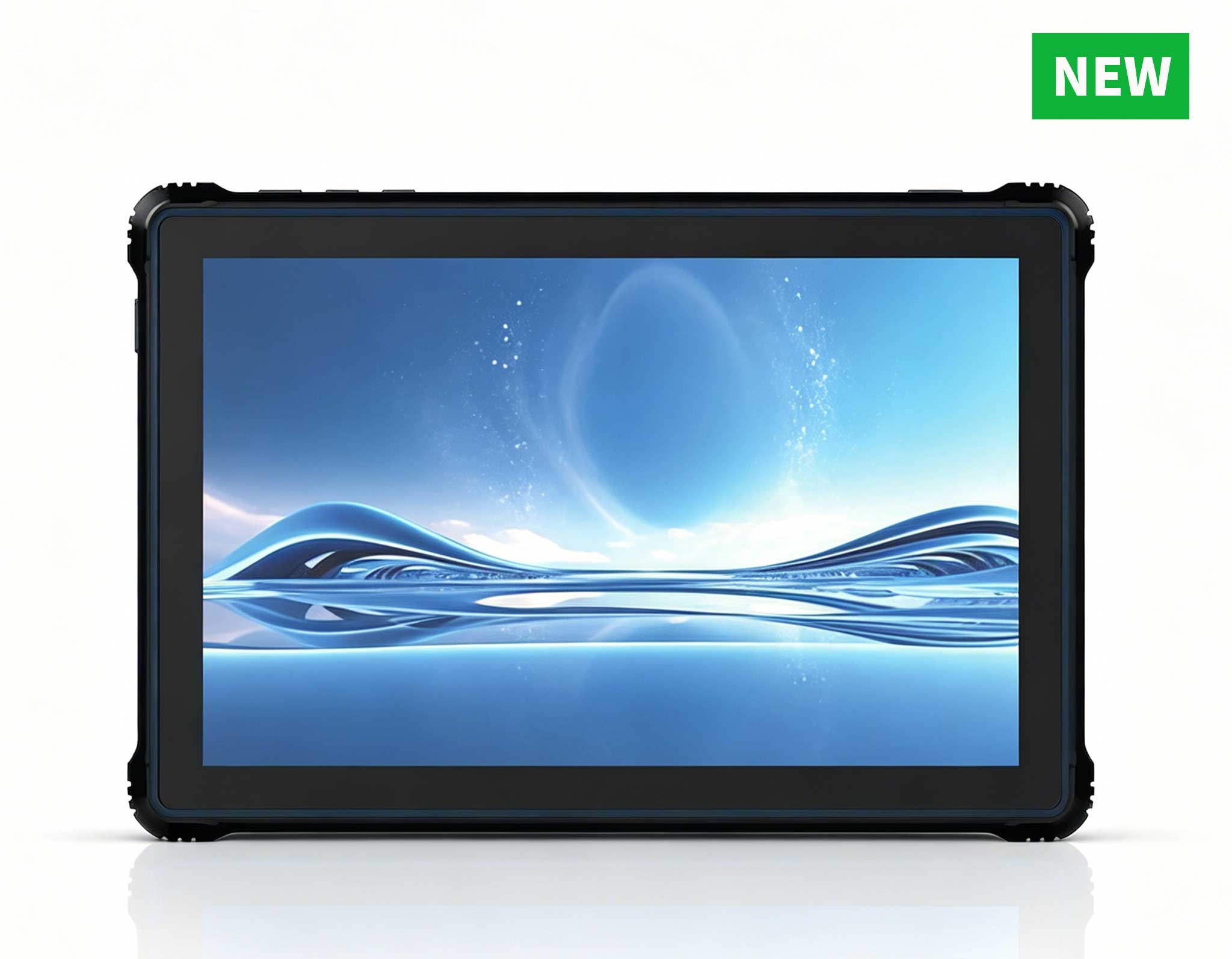
RT80 5G Rugged Tablet | 10.1" FHD 400nit | Un...
️ X8 Series Handheld Label & Thermal Printing ...
The T80 handheld PDA combines advanced barcode sca...
According to recent industry data, warehouse communication errors cost logistics companies an average of $400K annually. This is reshaping how organizations approach Mini PC and rugged device strategies within Warehouse Logistics. Here is what RT81 Rugged Tablet, R530C PDA and N60 Inventory Management PDA bring to the table. The shift from paper-based tracking to digital automation has introduced a new set of challenges, particularly around device reliability and data accuracy. Modern logistics centers require equipment that can withstand drops, dust, and extreme temperatures while maintaining seamless connectivity. The evolution of handheld computing in this space has been driven by three core demands: real-time inventory visibility, reduced human error, and operational scalability. For companies seeking a comprehensive industrial solution for Warehouse Logistics, the transition from legacy scanners to integrated rugged devices represents a critical investment in long-term efficiency.
The technological trajectory in warehouse logistics has moved from simple barcode wands to multi-functional computers that combine scanning, computing, and communication capabilities. Early systems required workers to carry separate devices for scanning, data entry, and voice communication, creating workflow bottlenecks. Today's rugged tablets and PDAs consolidate these functions into single, durable units. The RT81 Rugged Tablet, for instance, represents a convergence of tablet computing power with industrial-grade protection, while the R530C PDA offers a more traditional form factor with modern processing capabilities. This evolution mirrors broader trends in mobile computing, where form factors are optimized for specific operational contexts rather than forcing a one-size-fits-all approach.
The key benefits of N60 Inventory Management PDA, RT81 Rugged Tablet and R530C PDA for Warehouse Logistics extend beyond basic data capture. Organizations consistently report improved inventory accuracy rates exceeding 99.5%, reduced staff overtime from equipment troubleshooting, lower total cost of ownership compared to older systems, and the flexibility to scale operations as demand grows. The N60 Inventory Management PDA excels in high-density scanning environments, offering rapid barcode reading and RFID tag processing that dramatically reduces cycle counting times. Its ergonomic design minimizes operator fatigue during extended shifts, directly contributing to higher productivity metrics.
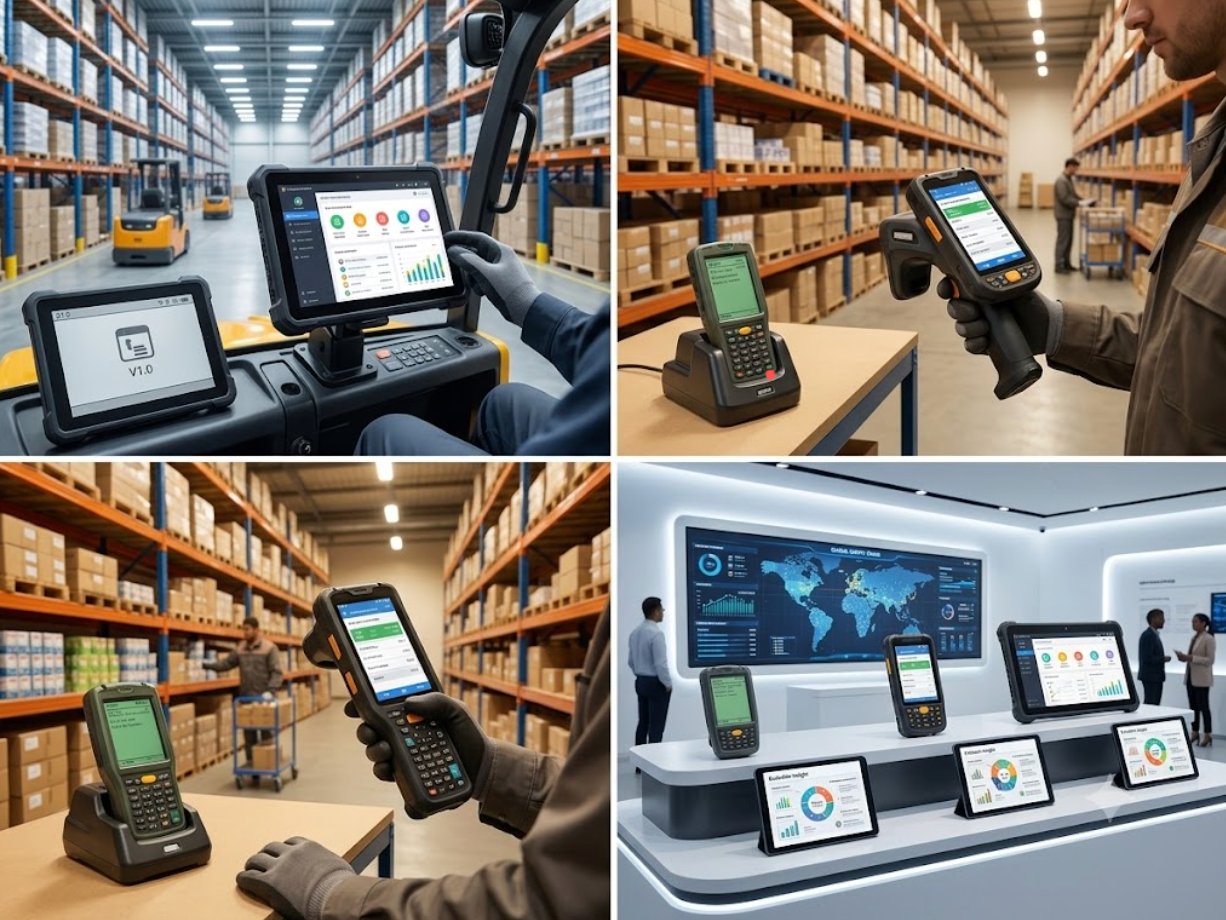
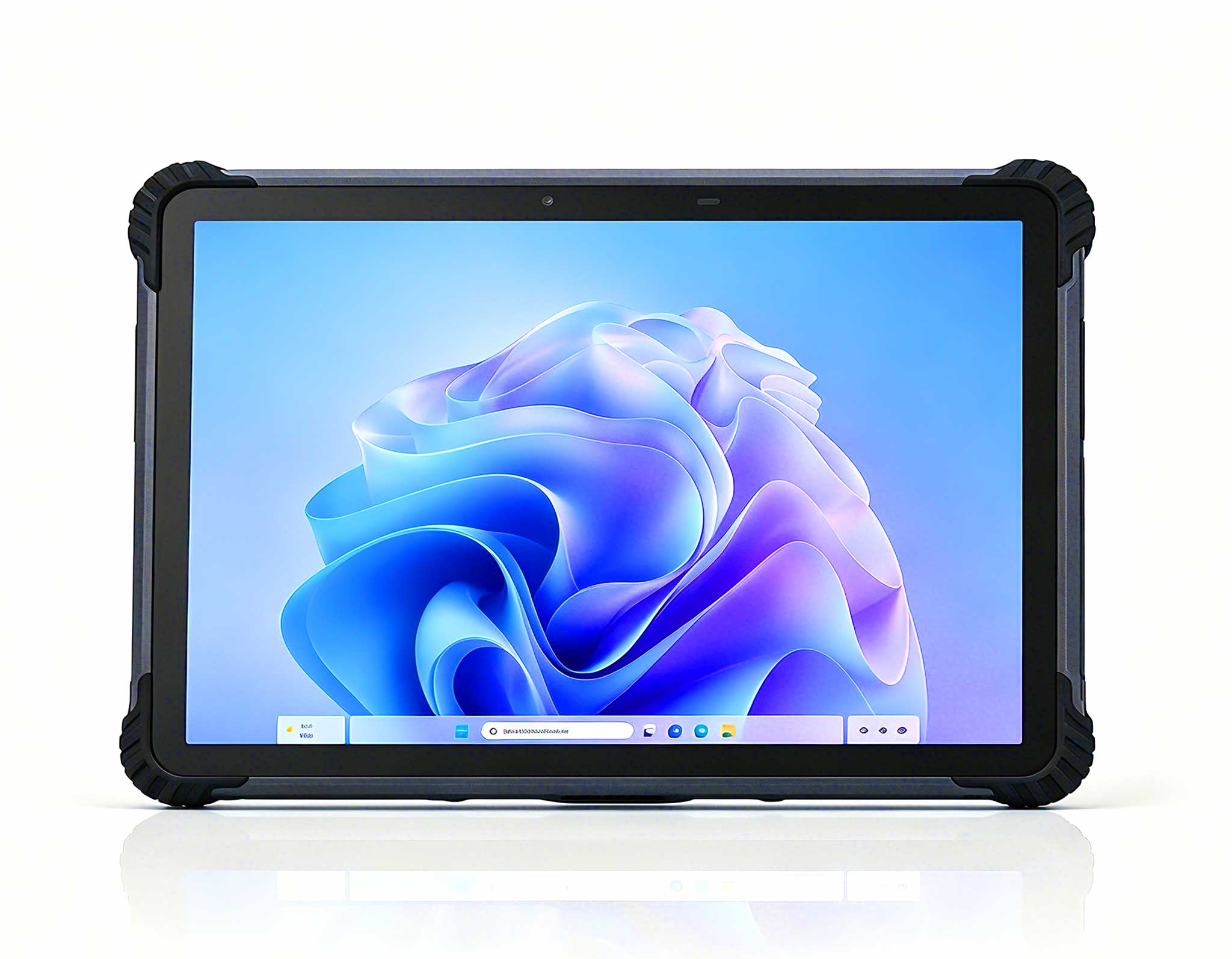
For operations requiring larger screen real estate and more complex data visualization, the RT81 Rugged Tablet provides a transformative solution. Warehouse managers can run full inventory management software, view real-time dashboards, and communicate with team members through a single device. The tablet's sunlight-readable display and glove-compatible touchscreen ensure usability in challenging warehouse conditions. Meanwhile, the R530C PDA offers a compact alternative for workers who prioritize mobility and quick scanning access. Together, these devices create a tiered technology ecosystem where the right tool matches the specific task, whether that involves pallet-level receiving, piece-pick verification, or supervisory oversight.
Customers deploying equipment for Warehouse Logistics consistently report that reliability is their number one concern. System crashes during peak shipping hours, battery failures mid-shift, and screen breakage from accidental drops create friction that undermines operational efficiency. The challenge intensifies in cold storage environments where standard consumer electronics fail within weeks. Additionally, many logistics centers struggle with device fragmentation, where different departments use incompatible hardware, leading to data silos and training inefficiencies. The introduction of ruggedized devices like the RT81 and R530C addresses these pain points through military-grade durability standards and hot-swappable battery designs that keep operations running continuously.
Another significant pain point involves software integration complexity. Many warehouses still run legacy warehouse management systems (WMS) that were not designed for modern mobile devices. The transition to rugged tablets and PDAs often requires middleware solutions or API development to ensure seamless data flow. However, the latest generation of devices, including the N60 PDA, come pre-configured with compatibility for major WMS platforms, reducing implementation time from months to weeks. The rugged mini PC solutions available from leading manufacturers now offer edge computing capabilities that process data locally, minimizing latency and reducing dependence on constant cloud connectivity.
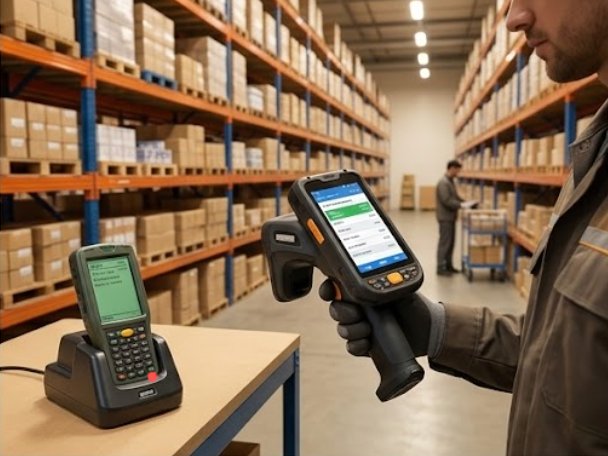
The Warehouse Logistics technology landscape is shifting rapidly. Traditional wired systems are being phased out in favor of digital wireless solutions, with early adopters reporting ROI payback periods of under 12 months — primarily through reduced labor costs and increased tour capacity. Industry analysts project that the global rugged handheld market will grow at a compound annual growth rate of 7.2% through 2030, driven by e-commerce expansion and the need for real-time supply chain visibility. The R530C PDA, with its advanced 2D imager and Wi-Fi 6 connectivity, exemplifies the direction of the market: faster, more reliable, and purpose-built for industrial environments.
Another emerging trend is the integration of artificial intelligence and computer vision into handheld devices. Modern PDAs can now identify damaged barcodes, read labels from any angle, and even detect inventory anomalies through image analysis. This intelligence reduces the need for manual data correction and exception handling. The RT81 Rugged Tablet supports these advanced applications through its powerful processor and ample memory, enabling warehouses to deploy AI-driven picking optimization and quality control checks directly on the device. As supply chains become more complex, the ability to process data at the edge rather than sending everything to a central server will become a competitive differentiator.
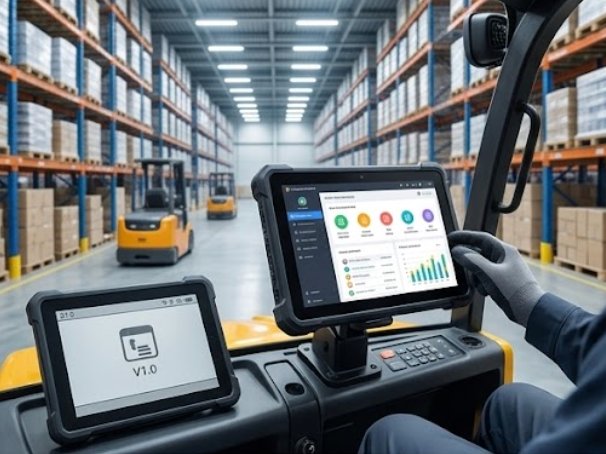
When evaluating rugged devices for warehouse logistics, decision-makers must consider the specific operational context. The table below provides a comparison of the three primary models discussed in this analysis, highlighting their key specifications and recommended use cases.
| Model | Form Factor | Key Application | Product Page |
|---|---|---|---|
| N60 Inventory Management PDA | Handheld PDA | High-volume scanning, cycle counting, receiving | N60 PDA Details |
| RT81 Rugged Tablet | 10-inch tablet | Supervisory dashboards, complex data entry, training | RT81 Tablet Details |
| R530C PDA | Compact PDA | Pick verification, putaway, mobile communication | R530C PDA Details |
The selection process should begin with a workflow analysis that identifies the primary tasks each worker performs. For pickers who need to scan hundreds of items per hour, the N60 PDA's ergonomic grip and rapid scanning engine provide clear advantages. For supervisors who need to monitor KPIs and coordinate teams, the RT81's larger display and multitasking capabilities offer superior utility. The R530C PDA serves as an excellent middle-ground option for workers who need both scanning and data entry capabilities without the bulk of a full tablet. For organizations looking to standardize their hardware ecosystem, exploring explore our mini PC solutions can provide additional computing power for fixed workstations that complement these mobile devices.
Ultimately, the evolution from simple barcode scanners to intelligent rugged devices represents a fundamental shift in how warehouses operate. The combination of the RT81 Rugged Tablet, R530C PDA, and N60 Inventory Management PDA creates a flexible technology stack that can adapt to changing operational demands. As the logistics industry continues to embrace automation and data-driven decision-making, these devices will play an increasingly central role in reducing errors, improving worker safety, and driving profitability. The key to successful implementation lies in matching the right device to the right task, supported by robust infrastructure and comprehensive training programs.