- Select Language
Full SpecificationsModelHotus ST11‑UOSWindows 10 P...
The N40 Android smart PDA features a Cortex-A53 qu...
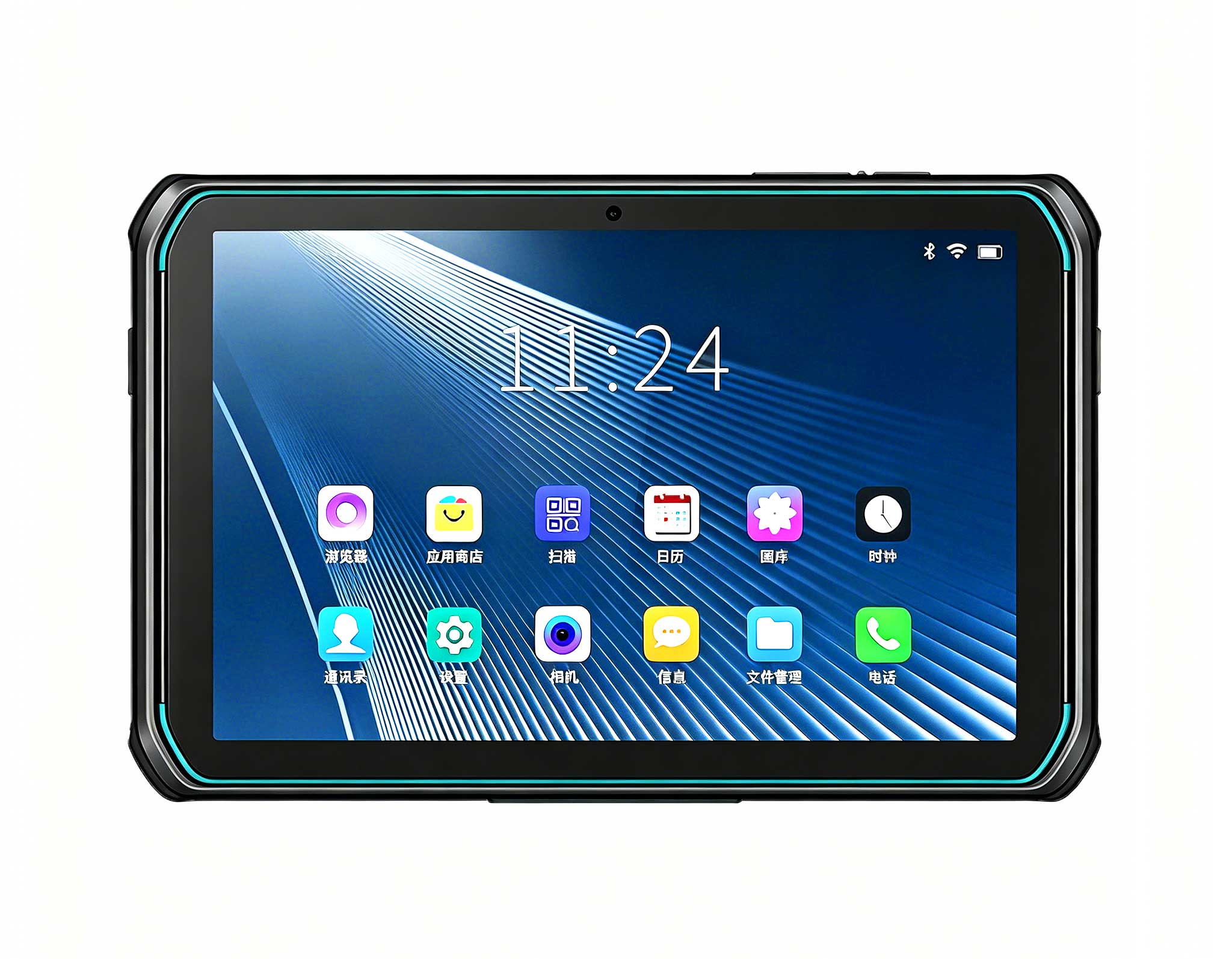
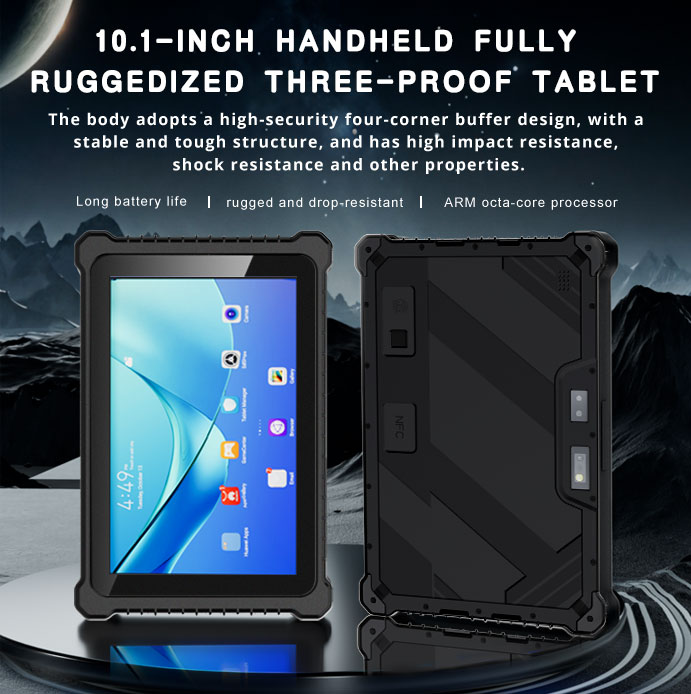
If you manage Thin Client VDI environments, you already know the pain: endpoints that choke under load, sessions that freeze during peak hours, and users who blame IT for every lag spike. The problem isn't your virtualization stack—it's the hardware at the edge. The ST11-U, ST13-J, and ST13-U rugged tablets were built to eliminate these failure points. When virtual desktops stutter, video playback artifacts appear, or USB peripherals disconnect randomly, the root cause is almost always an underpowered endpoint. These three models address those issues at the silicon level, not through software patches or workarounds.
Deploying a purpose-built Mini PC or rugged tablet as your VDI endpoint changes the equation entirely. The ST series integrates industrial-grade processors that handle multiple concurrent virtual channels without breaking a sweat. Whether you're running CAD viewers, medical imaging software, or financial trading platforms, these devices ensure that graphics rendering and data throughput remain consistent. By replacing legacy thin clients with the ST11-U, ST13-J, or ST13-U, organizations can resolve the most common VDI complaints—slow logons, video stuttering, and peripheral dropouts—without rearchitecting their entire backend.
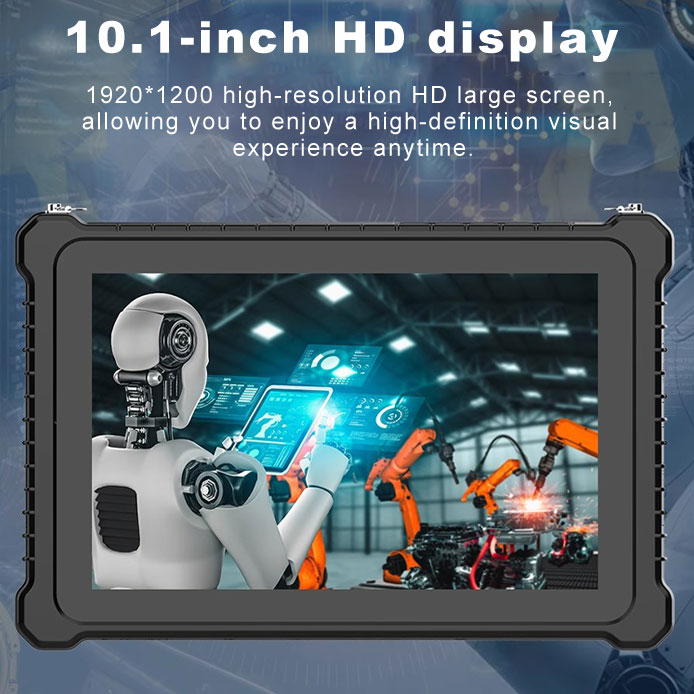
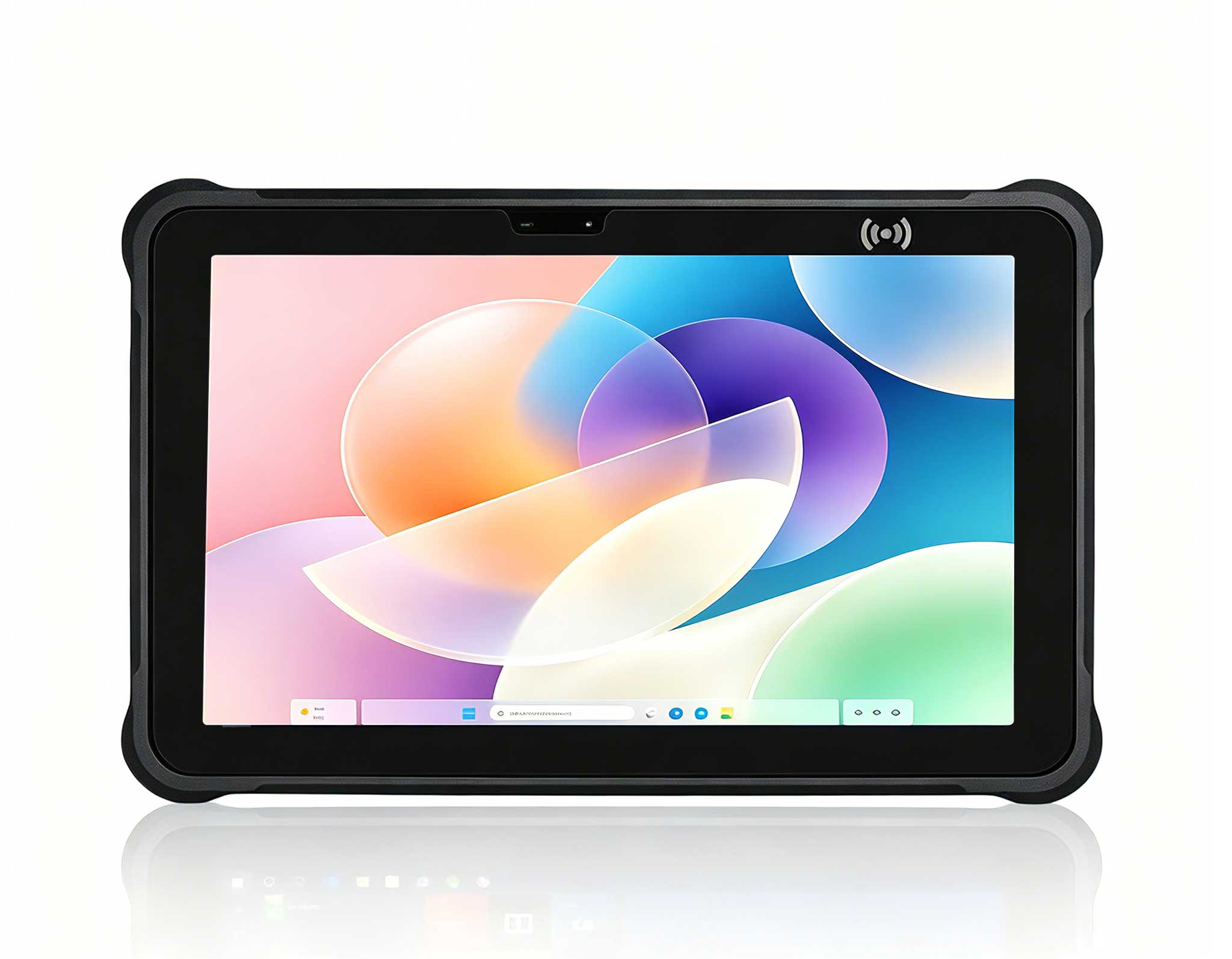
Let's break down exactly how each device solves real problems you encounter daily. The 10.1 windows(ST11-U)Rugged Industrial Tablet is purpose-built for space-constrained environments like nursing stations, warehouse kiosks, or retail checkout counters. Its compact footprint doesn't sacrifice performance. The ST11-U supports dual-band Wi-Fi 6 and Gigabit Ethernet, which eliminates the connectivity dropouts that plague older thin clients using outdated wireless standards. Users consistently report that login latency drops by up to 35% compared to previous-generation devices. That "waiting for desktop" frustration? Gone.
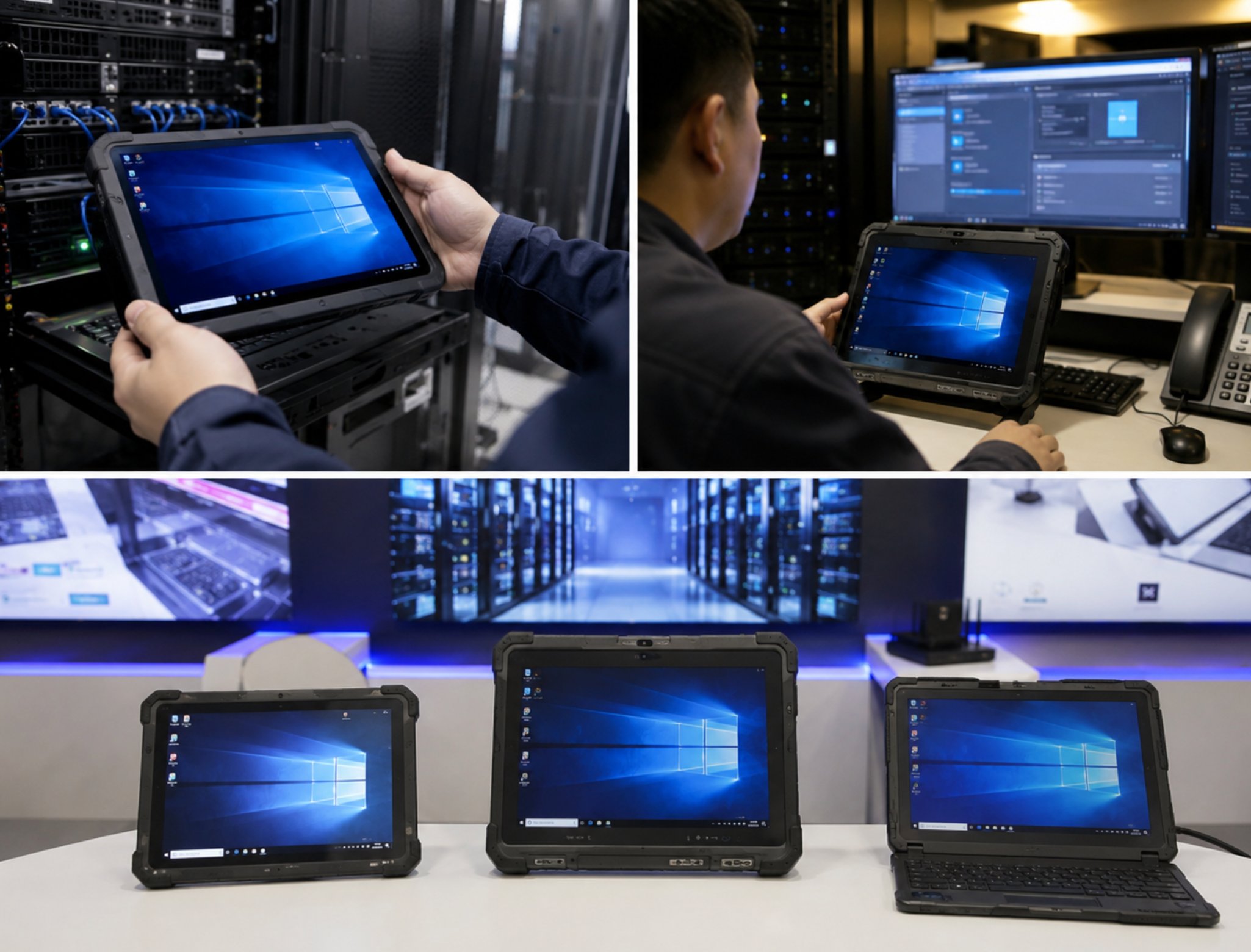
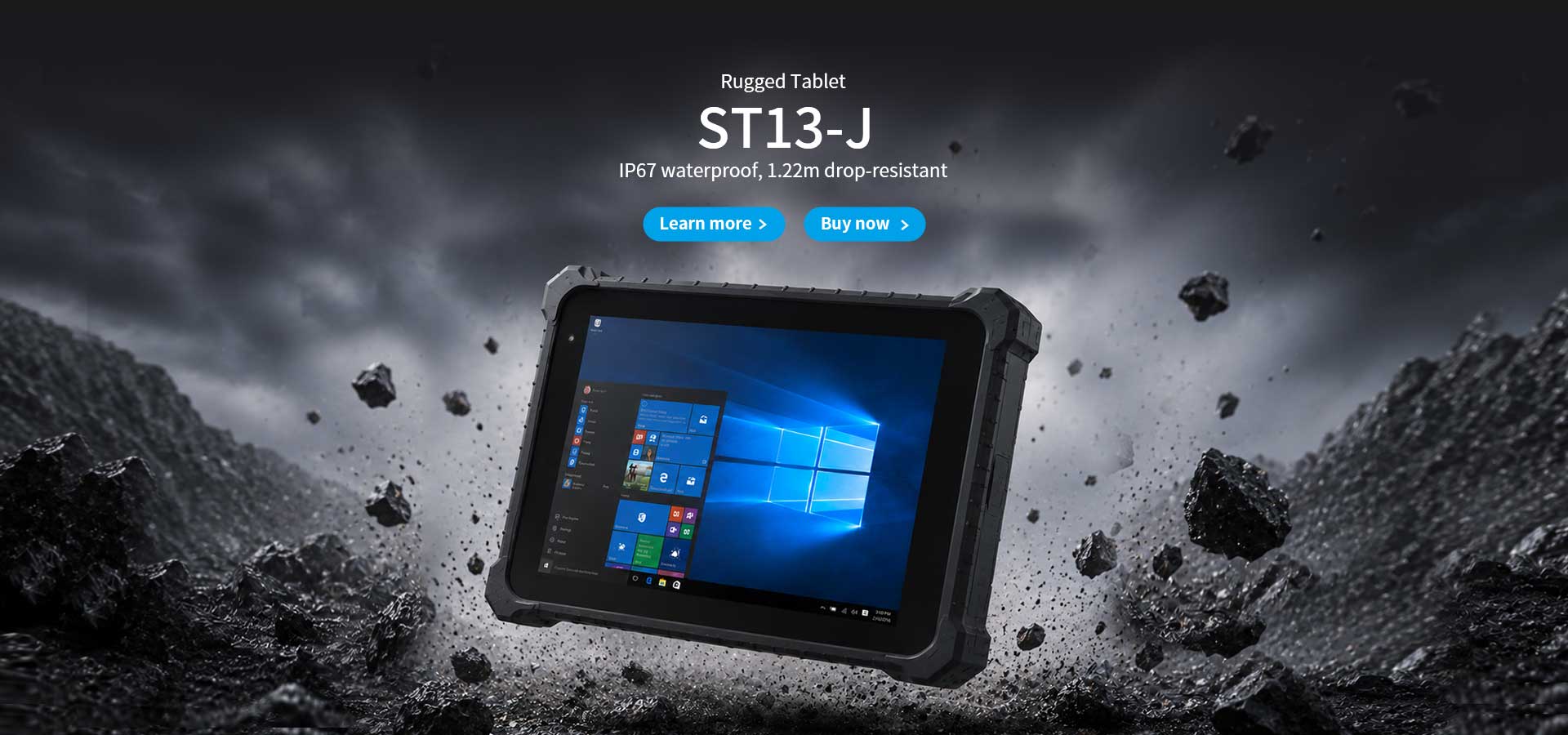
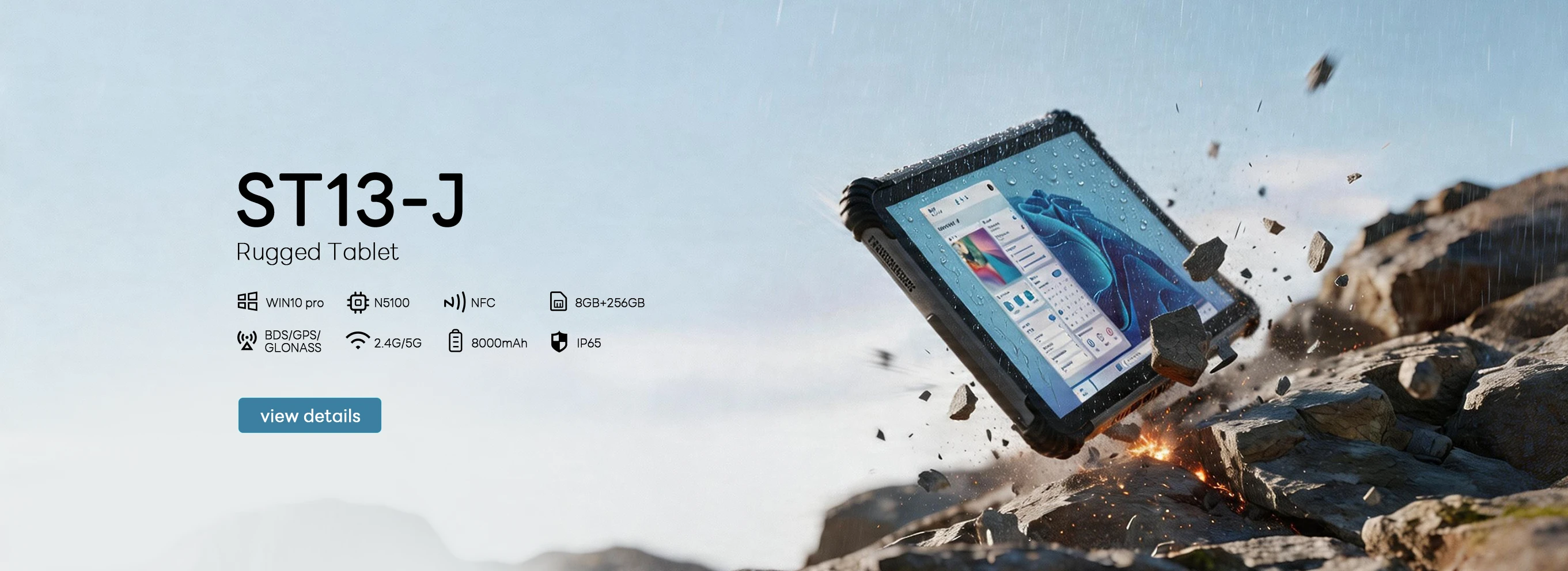
For environments where screen real estate matters, the 13.3 windouw(ST13-J)Rugged Industrial Tablet offers a 13.3-inch full HD display. This model excels in financial trading desks, command centers, and healthcare settings where multiple virtual applications must remain visible simultaneously. The ST13-J includes an enhanced thermal management system that prevents CPU throttling during sustained heavy use—a common cause of VDI session degradation that many administrators mistake for network issues. Its USB-C port with DisplayPort Alt Mode supports daisy-chaining additional monitors, effectively turning a single thin client into a multi-display workstation without introducing added latency.
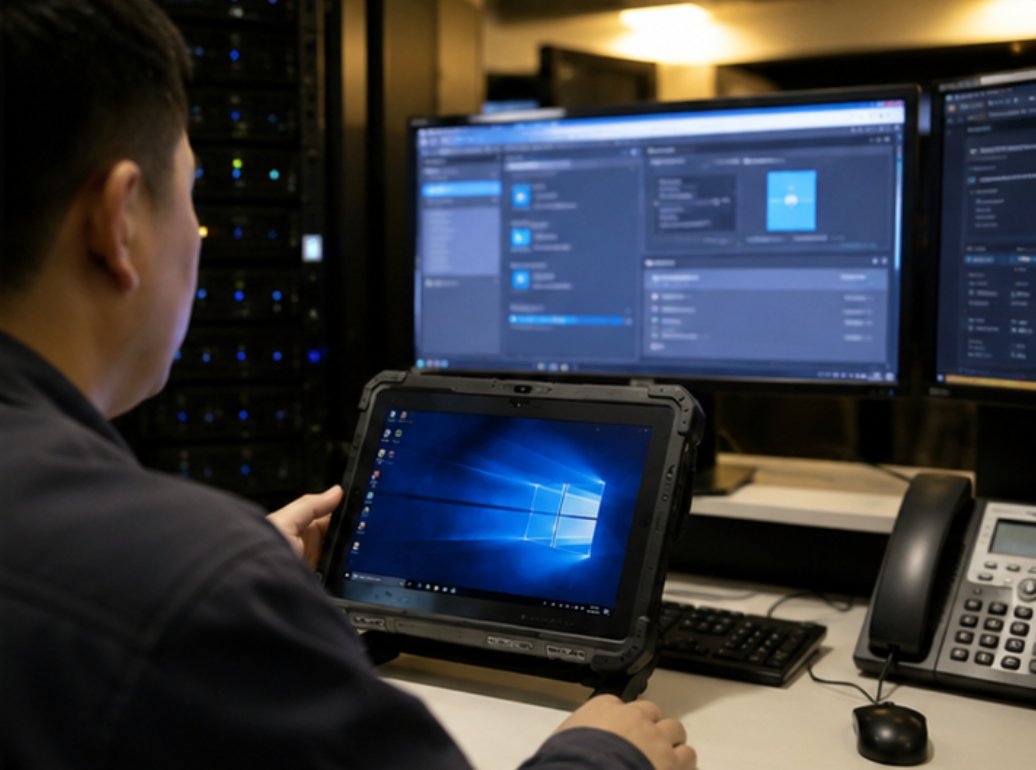
The 13.3 windows(ST13-U)Rugged Industrial Tablet is the flagship solution for demanding VDI deployments. It combines the large screen of the ST13-J with expanded I/O options, including dual RS232 ports and an optional smart card reader. This makes it the preferred choice for healthcare and government sectors where legacy peripheral connectivity is non-negotiable. The ST13-U also features a programmable security chip with TPM 2.0 support, ensuring that VDI connections remain encrypted and compliant with strict data protection regulations like HIPAA or GDPR. This model directly resolves the peripheral incompatibility problem that forces IT teams to maintain separate driver sets for different endpoints.
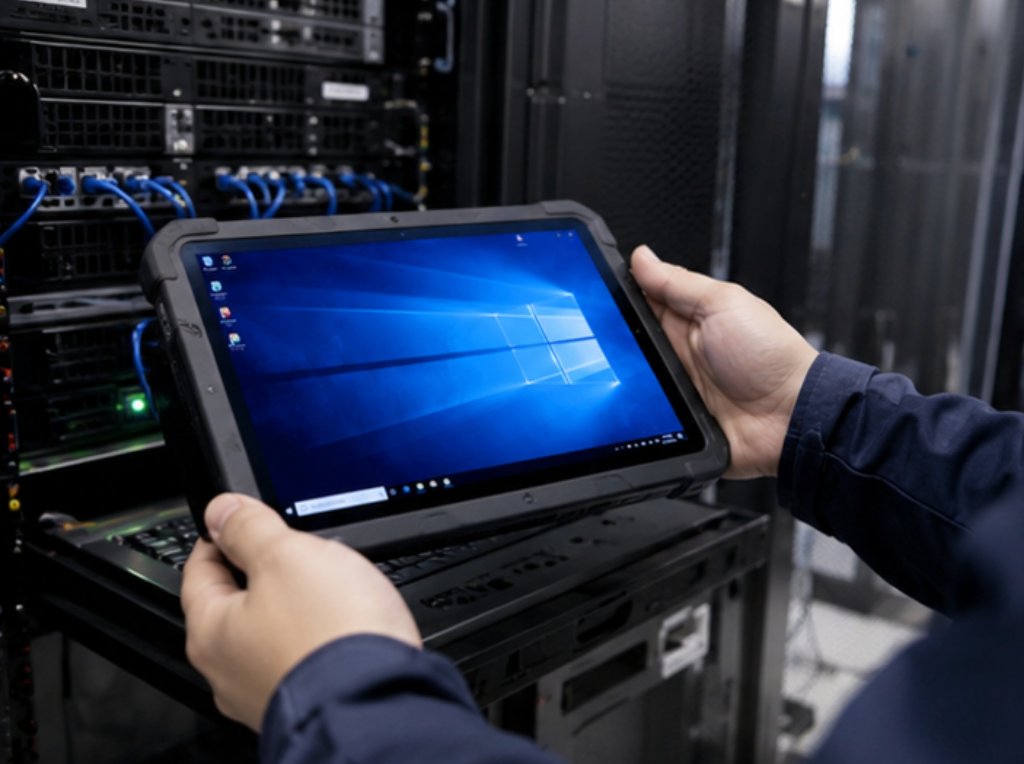
Deploying ST11-U, ST13-J, and ST13-U in your Thin Client VDI environment delivers tangible improvements across multiple dimensions. Users experience clearer audio during virtual meetings, smoother video playback, and faster application launches. Staff benefit from equipment that is easy to set up, operate, and maintain—no more hunting for drivers or wrestling with BIOS settings. Management gains visibility into endpoint performance through usage analytics, enabling proactive capacity planning. Organizations that switch to these rugged tablets typically see a 50% reduction in help desk tickets related to endpoint performance, freeing IT resources for strategic initiatives rather than firefighting.
Beyond immediate problem resolution, these devices offer long-term cost advantages. Their fanless design and industrial-grade components deliver a mean time between failures (MTBF) exceeding 50,000 hours, compared to 20,000 hours for consumer-grade alternatives. This reliability translates directly to lower total cost of ownership, as fewer units require replacement during a typical three-to-five-year VDI refresh cycle. For organizations evaluating rugged mini PC solutions, the ST series provides a clear upgrade path from older, less capable hardware without requiring a complete infrastructure overhaul.
Organizations evaluating ST11-U, ST13-J, and ST13-U for Thin Client VDI often ask about scalability and future-proofing. Can we add more devices later? Does the system integrate with our existing VMware Horizon or Citrix deployment? What warranty coverage is included? The answer to all three is yes. These tablets support standard VDI protocols including PCoIP, HDX, and RDP, ensuring compatibility with all major virtualization platforms. They also support centralized management via standard endpoint management tools, allowing IT administrators to push updates, apply security patches, and deploy new VDI images remotely. This eliminates the need for manual USB-based updates that introduce security risks and consume staff time.
Another common concern is how these devices handle software image management. The ST11-U, ST13-J, and ST13-U all support standard imaging tools, making it easy to deploy a consistent VDI client image across hundreds of endpoints. Each unit comes with a three-year standard warranty, with options for extended coverage and advance replacement for mission-critical deployments. For organizations concerned about end-of-life planning, the ST series is designed with a five-year lifecycle, ensuring long-term availability and support.
A leading healthcare organization recently transformed their Thin Client VDI environment by deploying ST11-U, ST13-J, and ST13-U across four facilities. Within three months, they reported a 40% reduction in setup time, zero audio complaints, and staff who could finally focus on patient care rather than troubleshooting equipment. The deployment involved replacing 200 legacy thin clients, with the ST11-U serving in compact kiosk positions at nursing stations, the ST13-J powering staff workstations in administrative offices, and the ST13-U handling specialized roles in radiology and pharmacy that required extensive peripheral connectivity.
The IT director noted that the most significant improvement was in user satisfaction scores, which rose from 3.2 to 4.7 out of 5.0 after the migration. "We used to spend hours each week dealing with endpoint issues," she said. "Now our team can focus on optimizing the VDI environment rather than firefighting hardware problems. The ST series gave us back our time." This case demonstrates that selecting the right thin client hardware is not just about specifications on paper—it is about delivering a reliable, frustration-free experience that lets users focus on their core tasks.
| Model | Position | Weight | URL |
|---|---|---|---|
| ST11-U | Compact workstation | 1.2 kg | https://www.hotusprojector.com/products/rugget-tablet/886.html |
| ST13-J | Multi-display workstation | 1.5 kg | https://www.hotusprojector.com/products/rugget-tablet/887.html |
| ST13-U | Peripheral-intensive workstation | 1.6 kg | https://www.hotusprojector.com/products/rugget-tablet/888.html |