- Select Language
Technical SpecificationsModel: Palm-sized miniPCTy...
Full SpecificationsModelHotus ST9‑JOSWindows 10 Pr...
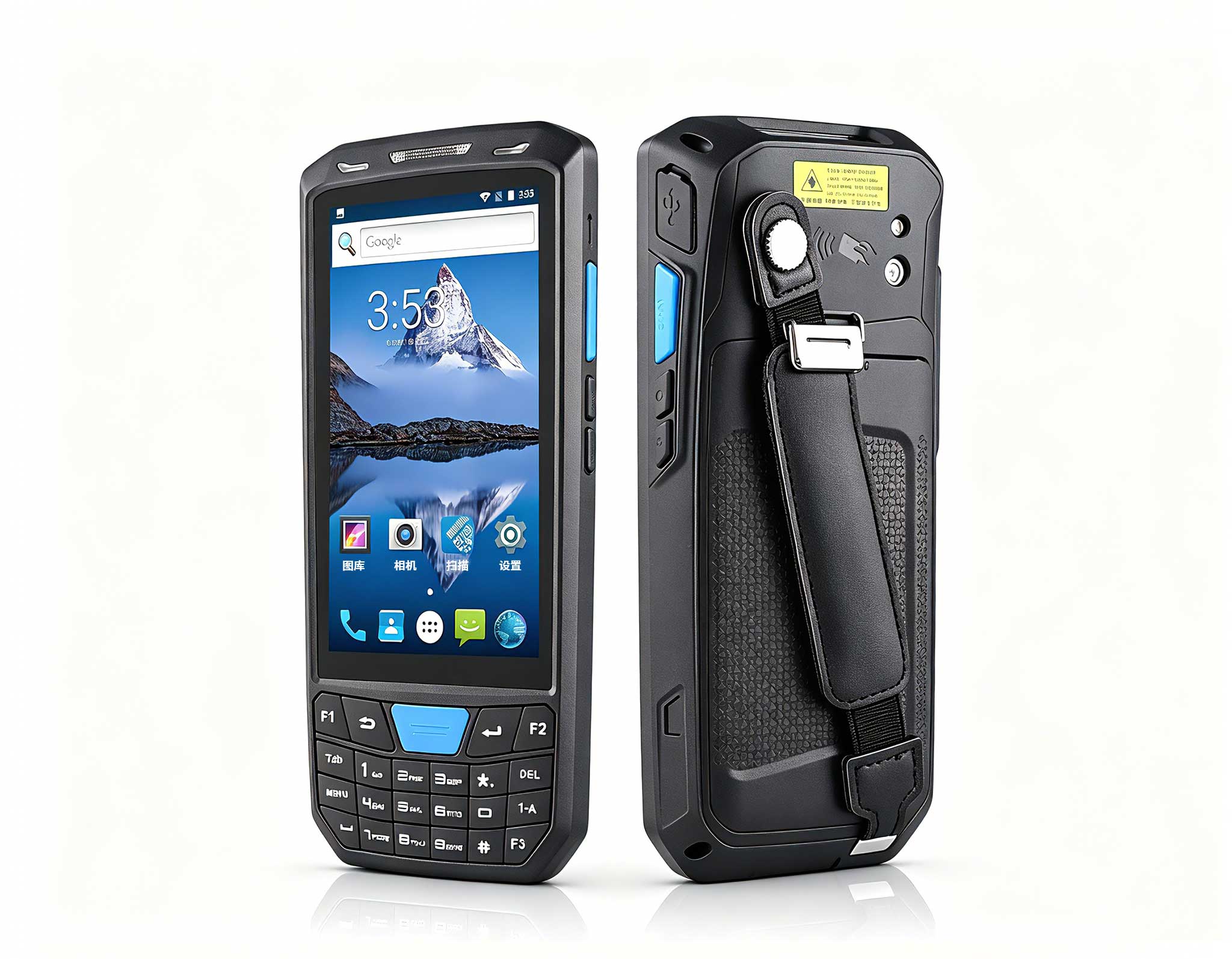
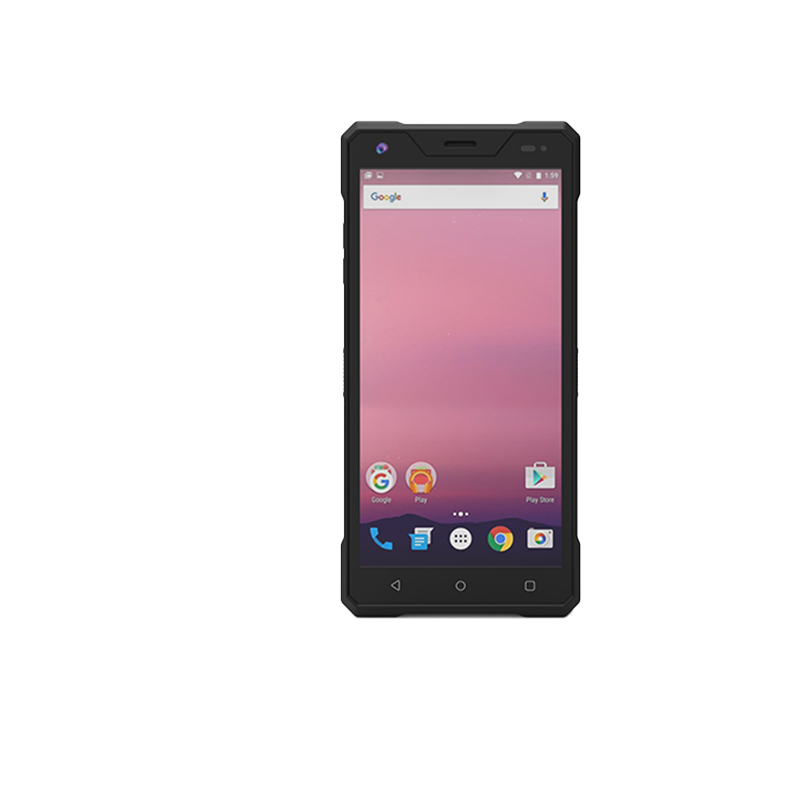
The T80 handheld PDA combines advanced barcode sca...
From the unknown so simpleUsed for mobile phones, ...
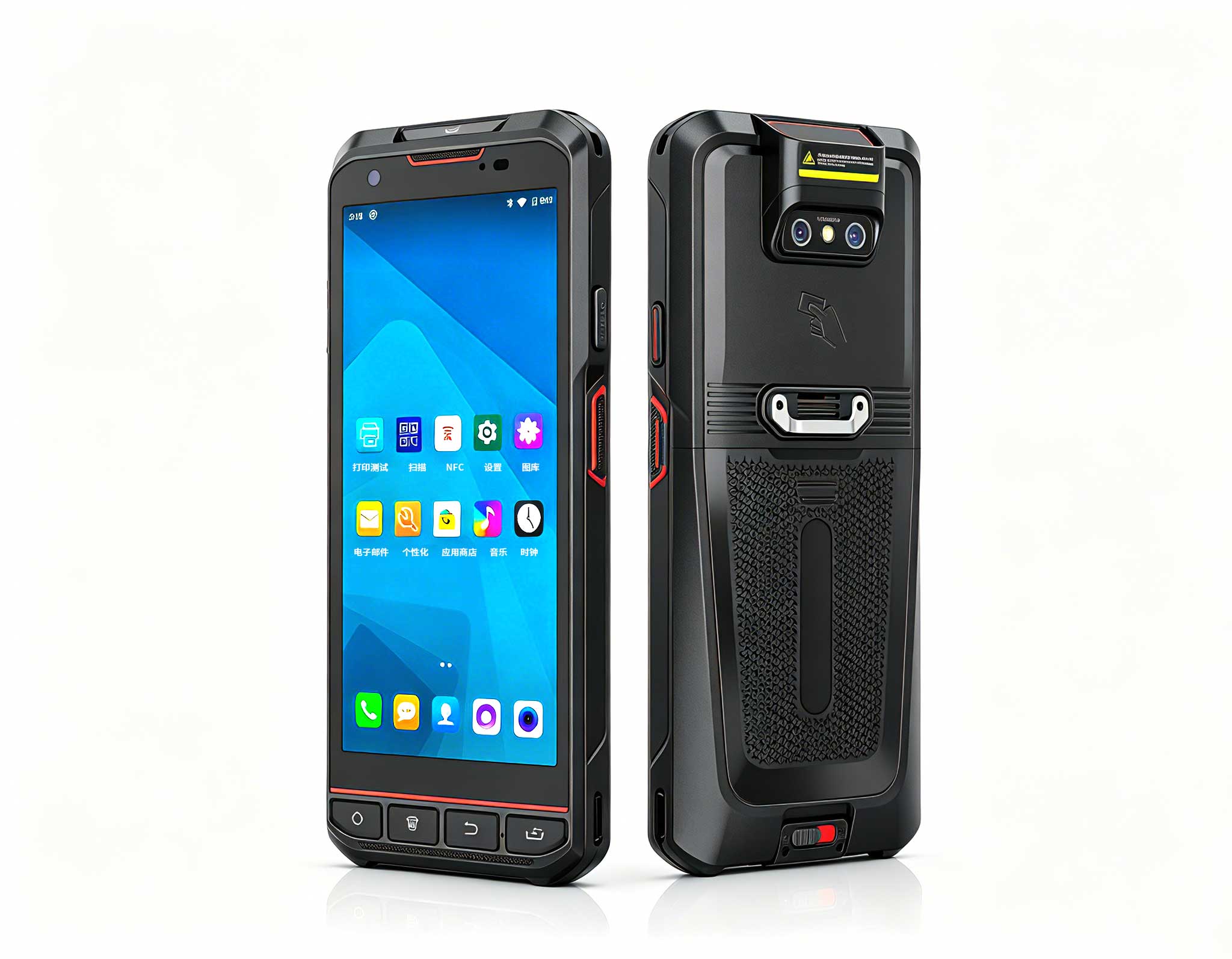
The X501 Handheld PDA combines advanced barcode sc...
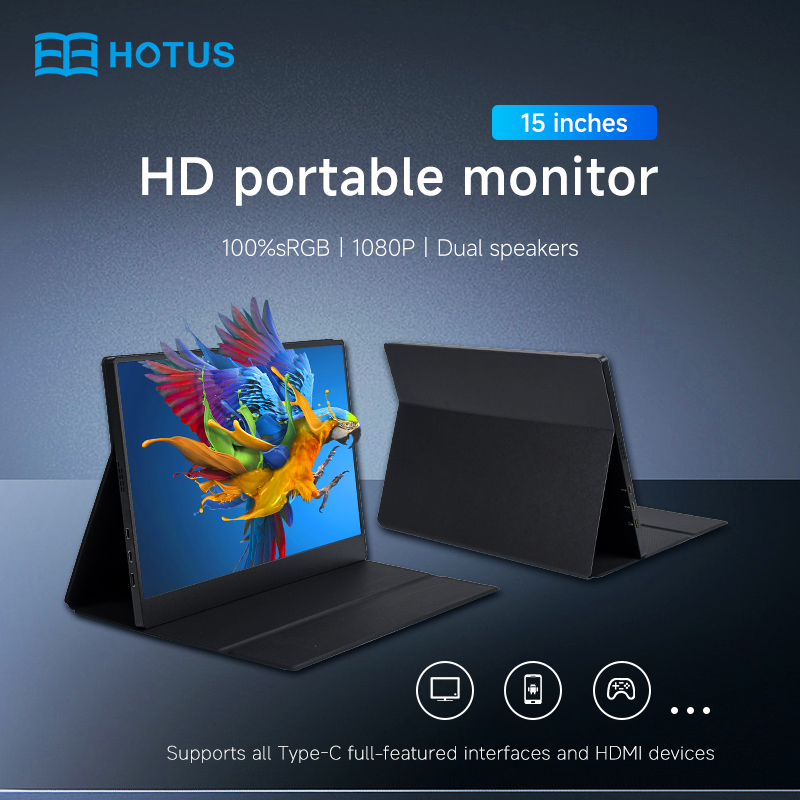
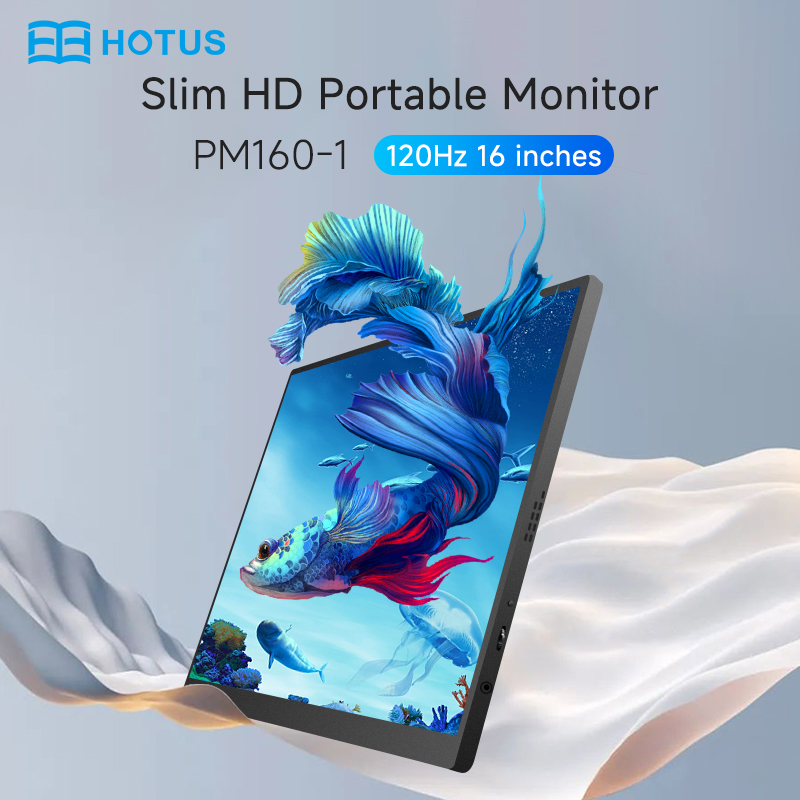
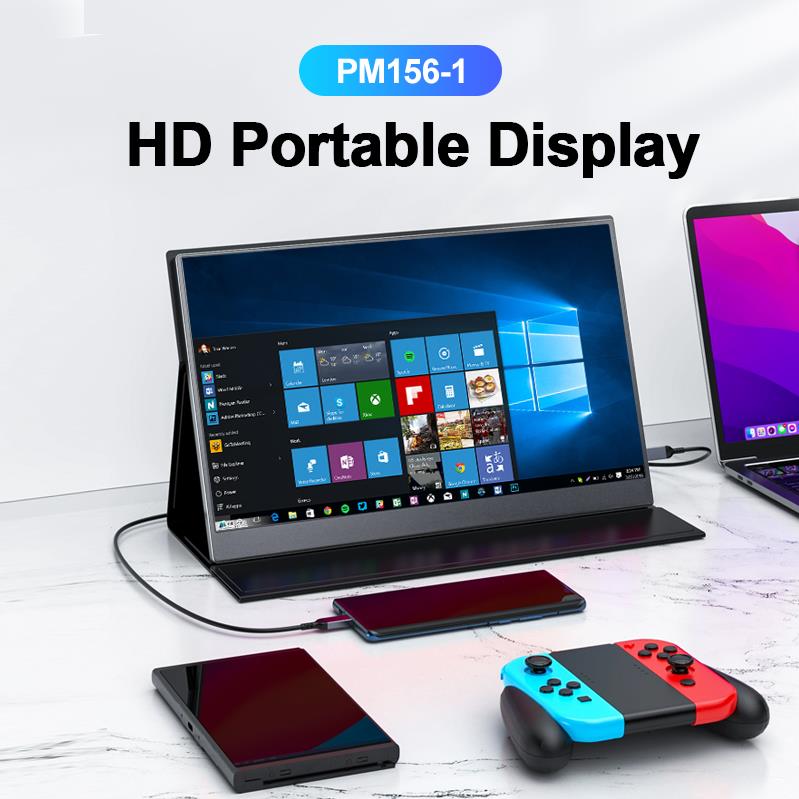
The PM156-1 is a 15.6-inch portable PC monitor fea...
Enterprise Flagship SeriesEngineered for mission-c...
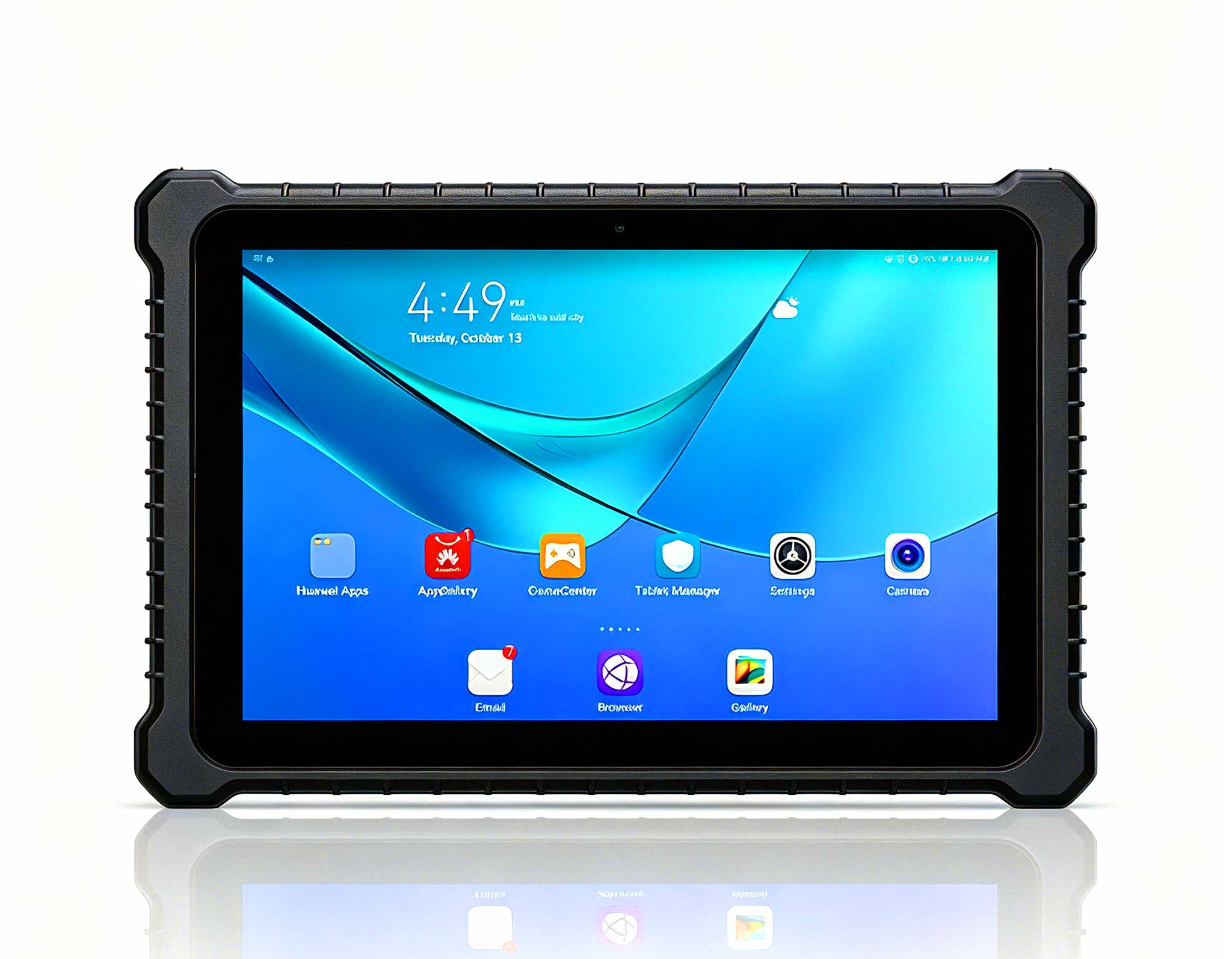
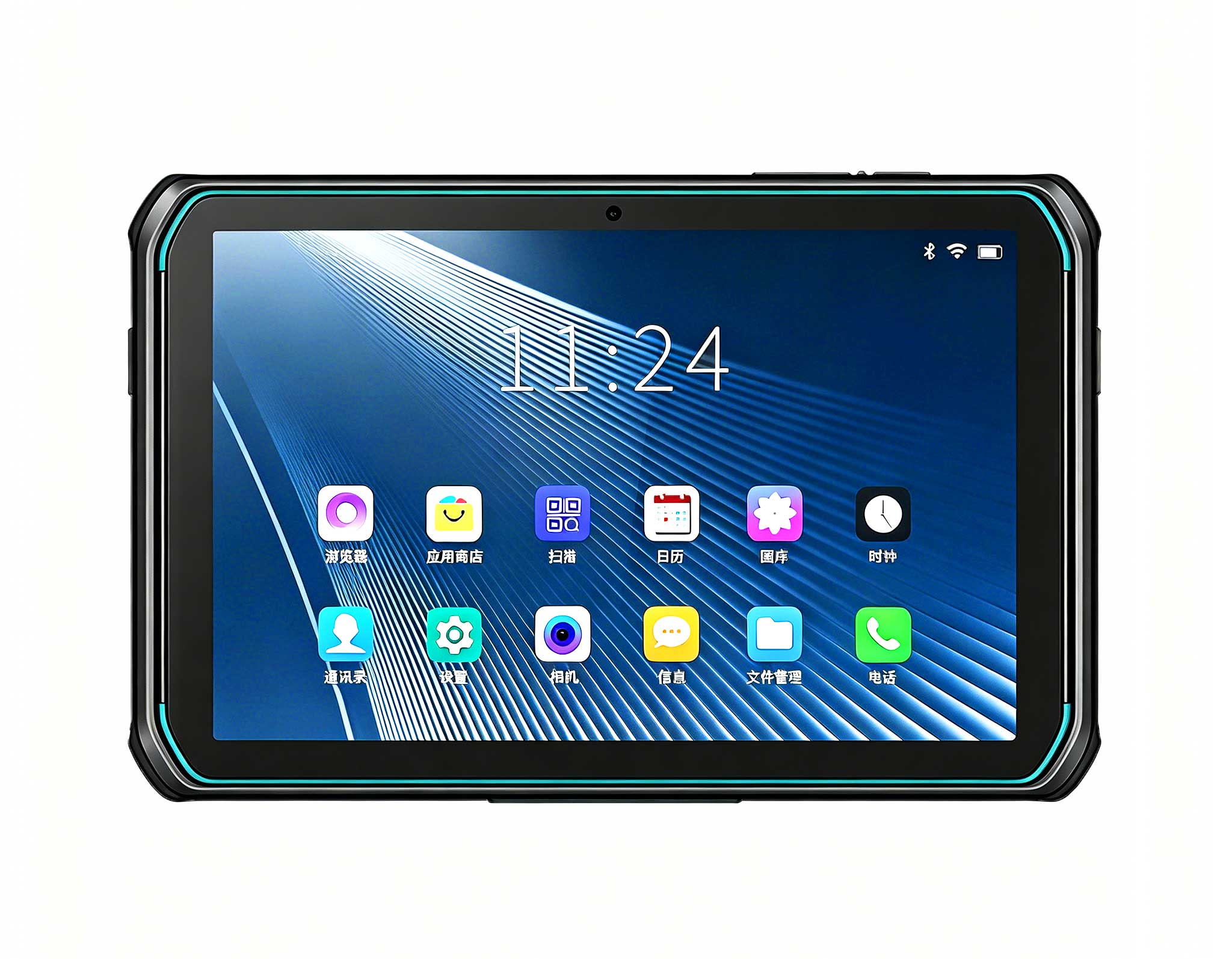
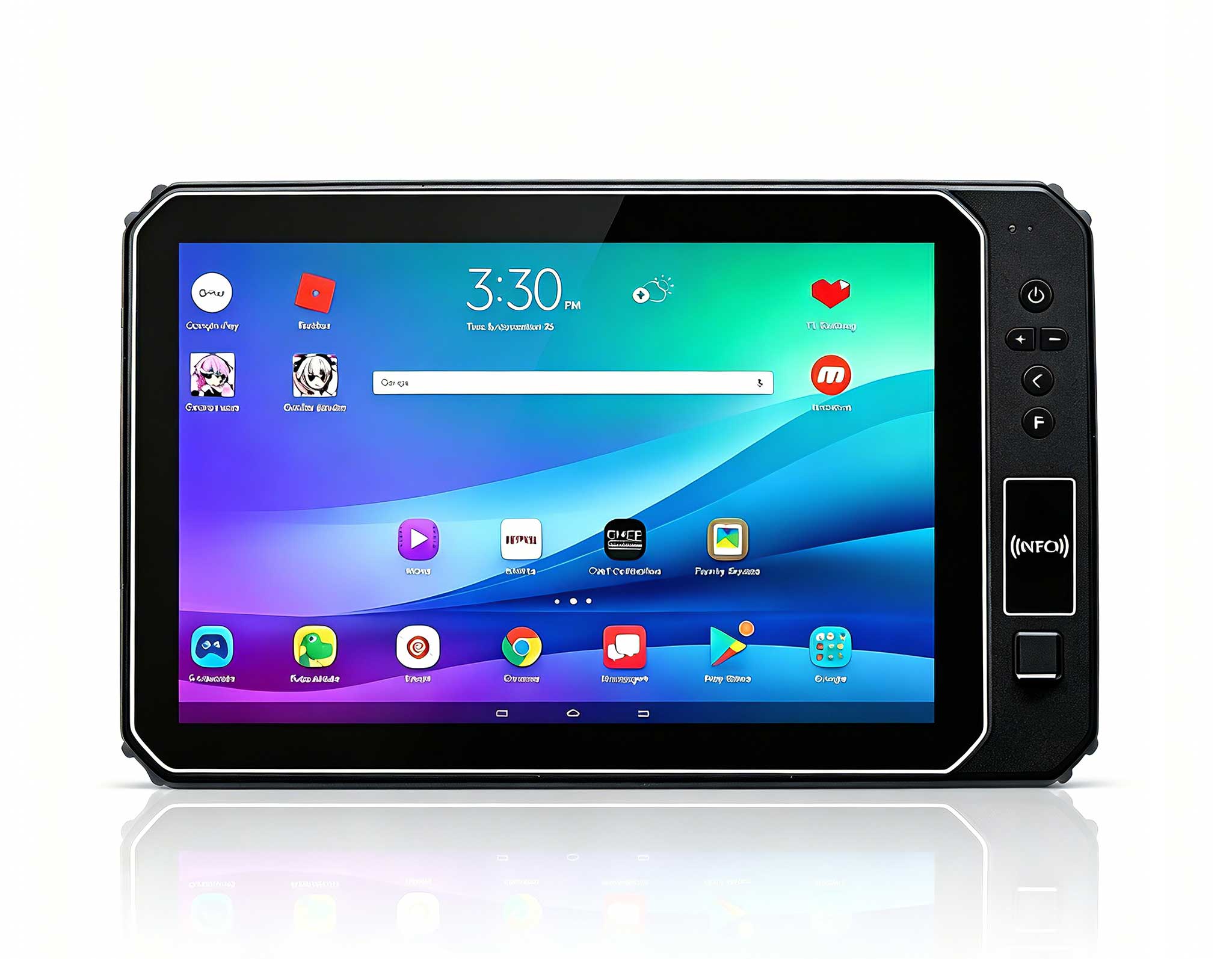
This 10-inch Android rugged tablet is designed for...
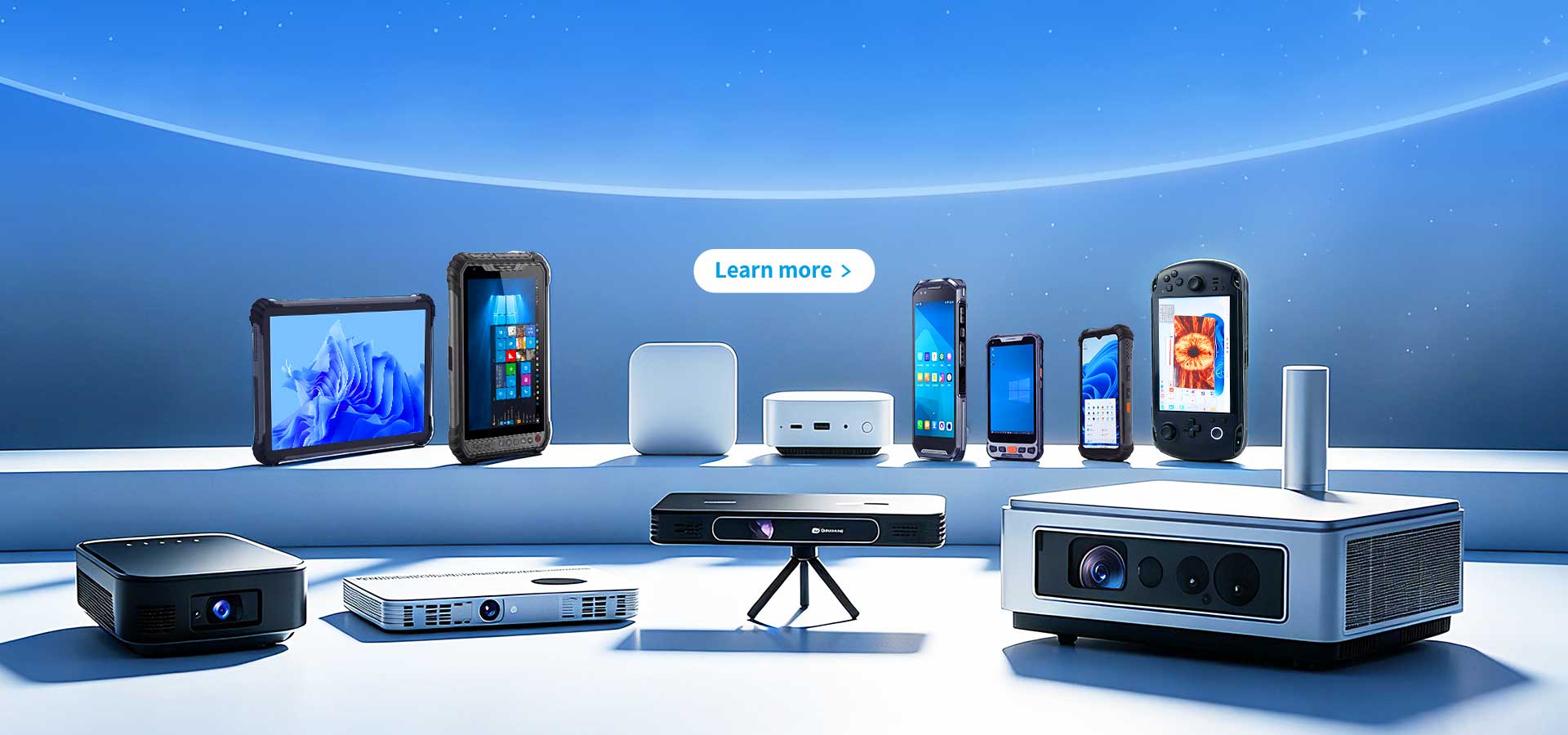
65% of gamers say hardware limitations negatively impact their gaming experience, yet they spend hundreds on high-end peripherals while tolerating noisy, bulky towers that dominate their desks. This disconnect explains why the ST11-J, the Palm-sized miniPC, and the Hotus HT500 are rapidly gaining traction in the Gaming Entertainment sector. The numbers tell the story. Data from platforms like CrazyGames confirms that modern users demand instant, high-quality experiences—free from the friction of downloads, intrusive ads, or pop-ups. This shift toward seamless, on-demand entertainment aligns perfectly with the compact, powerful hardware that is redefining how both gamers and media enthusiasts interact with digital content. The modern gamer no longer wants a dedicated battle station; they want a versatile system that disappears into the background while delivering uncompromising performance.
This trend report examines how the convergence of palm-sized computing, portable projection, and rugged tablet technology is creating new possibilities for gaming and home theater setups. By analyzing market context and real-world applications, we can see why these compact devices are becoming the preferred choice for users who value both performance and portability. The Mini PC solutions from Hotus demonstrate that miniaturization does not have to compromise capability, offering a clear glimpse into the future of personal entertainment hardware. The industrial solution for Gaming Entertainment provided by Hotus shows how thoughtful engineering can deliver a premium experience without the bulk.
Deploying the Palm-sized miniPC, the Hotus HT500, and the ST11-J in Gaming Entertainment delivers measurable improvements across multiple dimensions. Visitors enjoy clearer visuals and a more immersive audio experience. Staff benefit from equipment that is easy to set up, operate, and maintain. Management gains visibility into usage patterns through analytics, allowing for smarter resource allocation. The combined result is a more professional, efficient, and enjoyable operation. For the home user, this translates into a clutter-free living space where a single palm-sized device can power intense gaming sessions, stream 4K movies, and even serve as a portable workstation when needed.
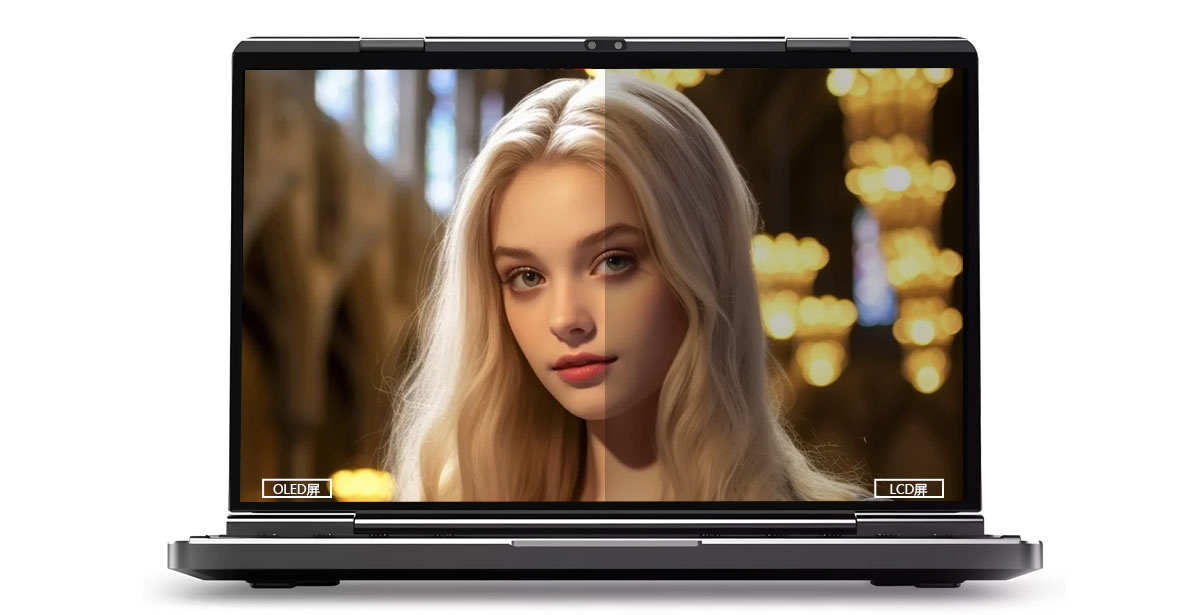
One of the most significant outcomes is the drastic reduction in setup time. Traditional gaming rigs require a tangle of cables, multiple external peripherals, and significant desk space. With the Palm-sized miniPC, users can achieve a clean, minimalistic setup that fits in a backpack. When paired with the Hotus HT500 projector, the system transforms any wall into a 100-inch gaming display, creating an experience that rivals dedicated home theaters without the permanent installation. The ST11-J rugged tablet adds a layer of versatility, allowing users to take their gaming library on the go or use it as a secondary touchscreen controller for strategy and simulation games. This ecosystem is built for flexibility, not just power.
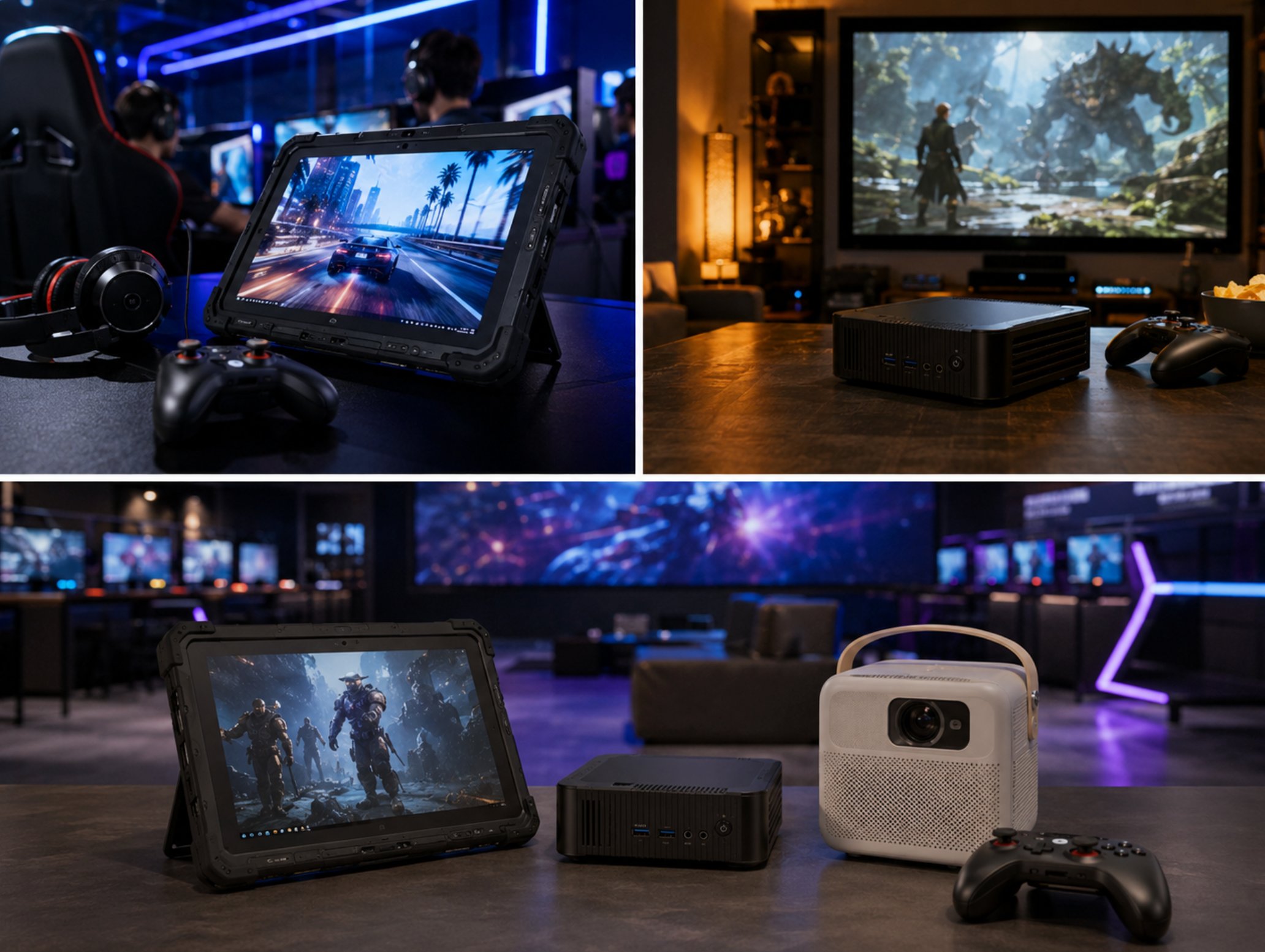
A notable development in the Gaming Entertainment sector this year is the growing emphasis on visitor data analytics. Modern systems now capture anonymous usage patterns that help managers optimize game station layouts, staffing levels, and content delivery—turning a simple hardware setup into a strategic operations tool. While this trend originated in the museum and tourism sectors, its principles are being rapidly adopted by gaming lounges, e-sports arenas, and entertainment venues. These spaces are using similar analytics to understand which game stations are most popular, how long visitors stay, and what hardware configurations deliver the best engagement.
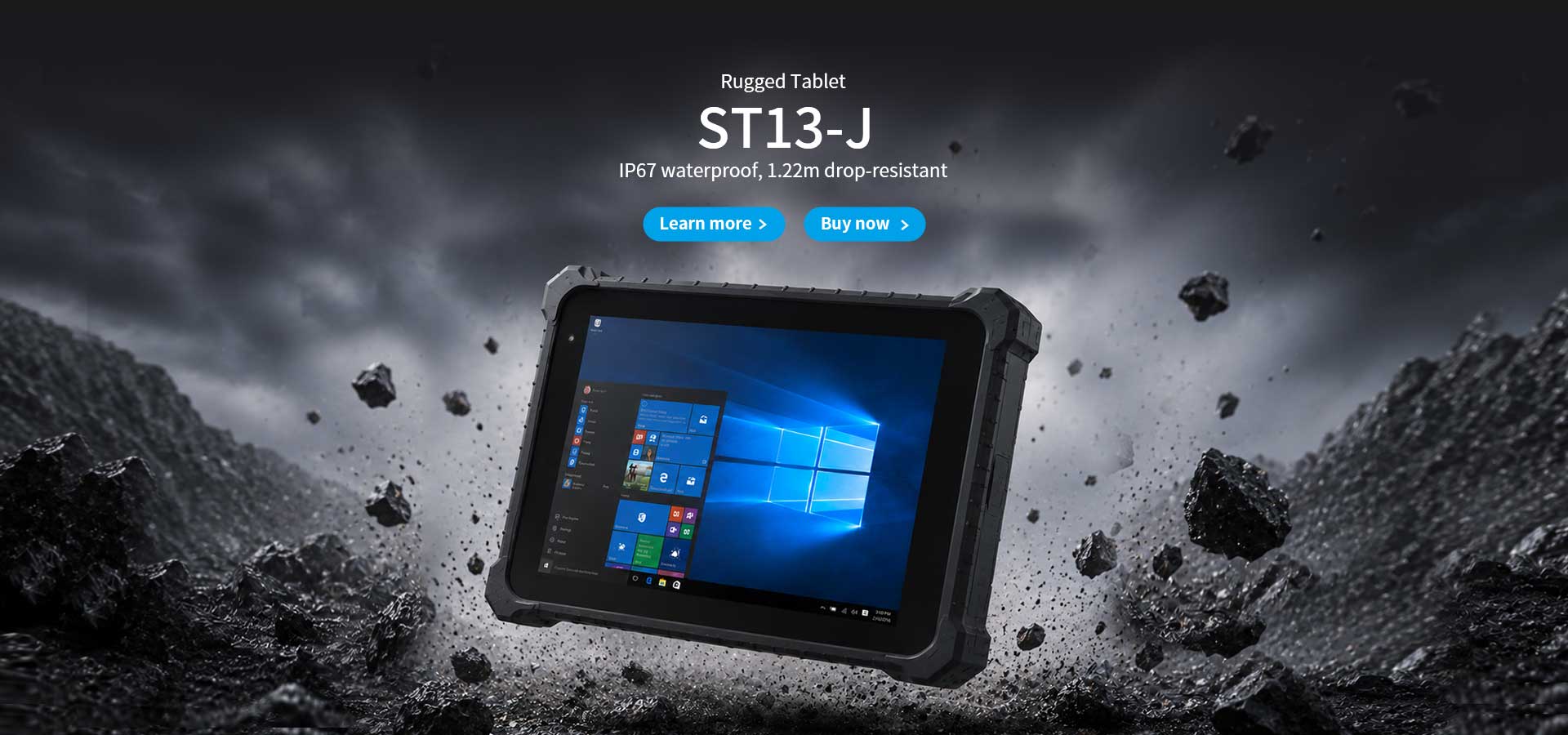
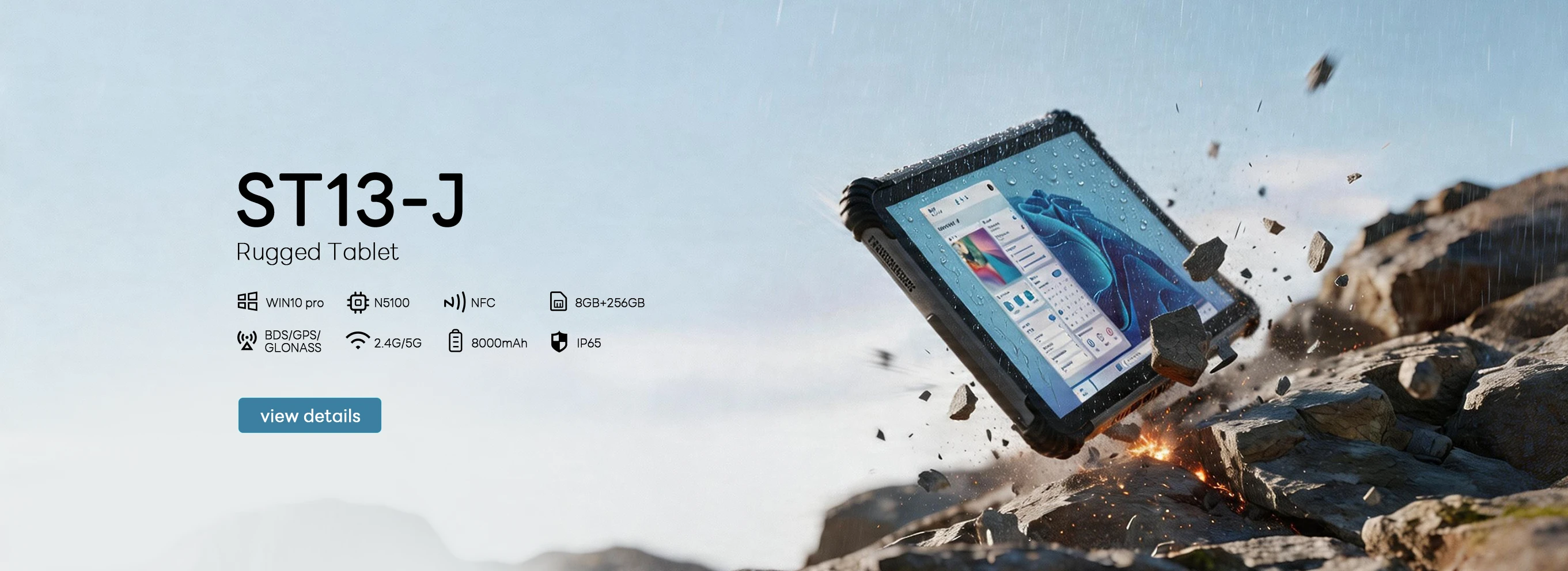
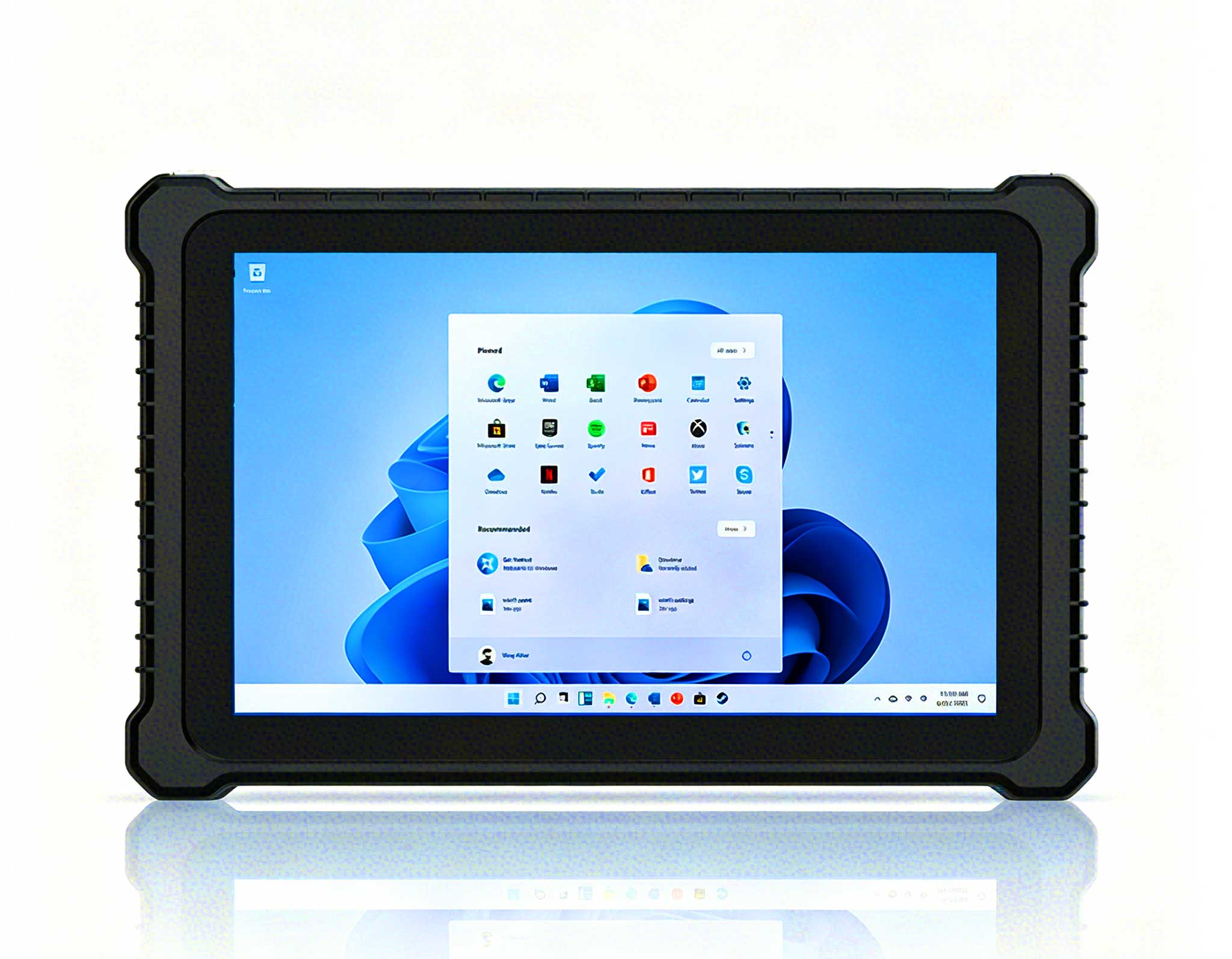
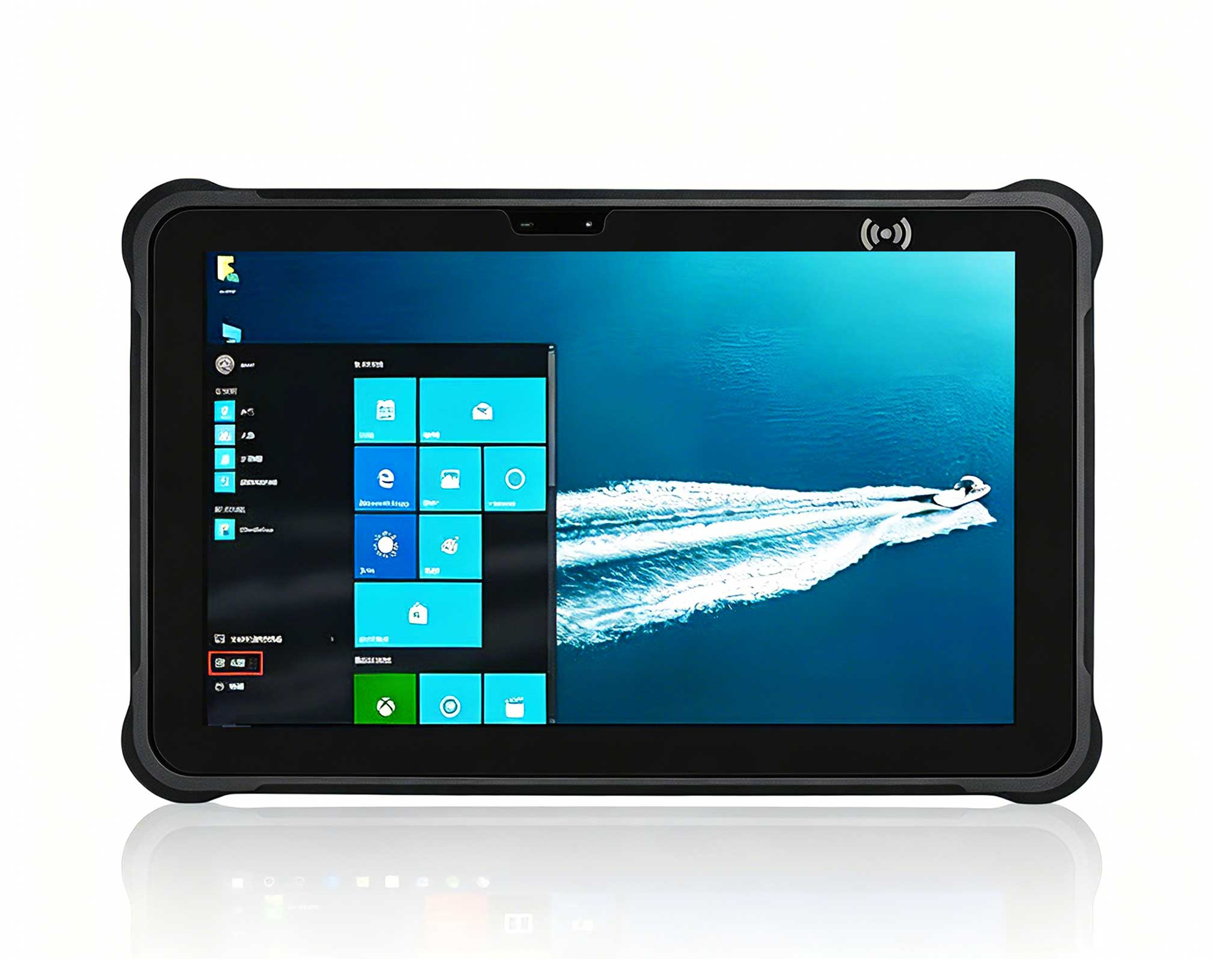
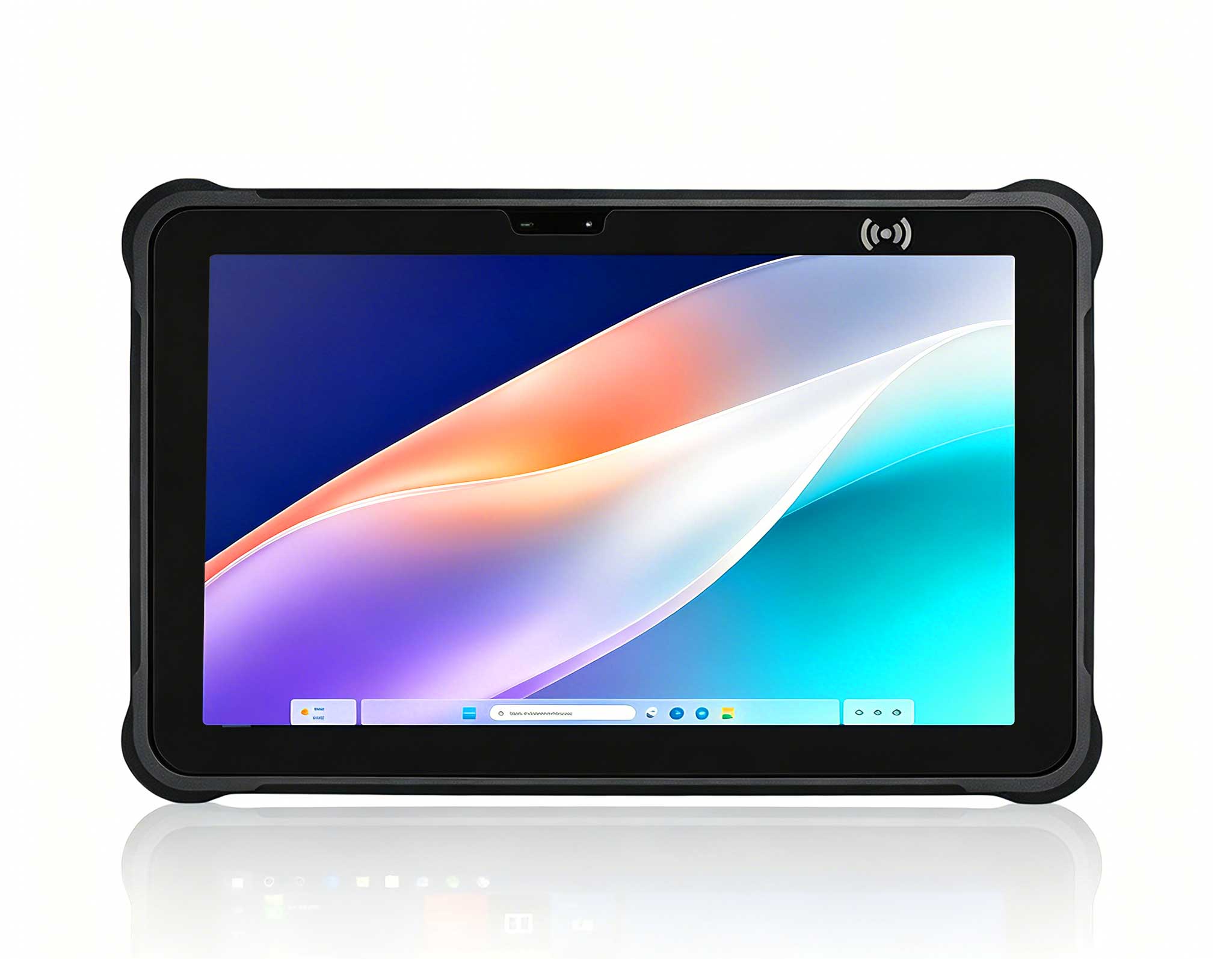
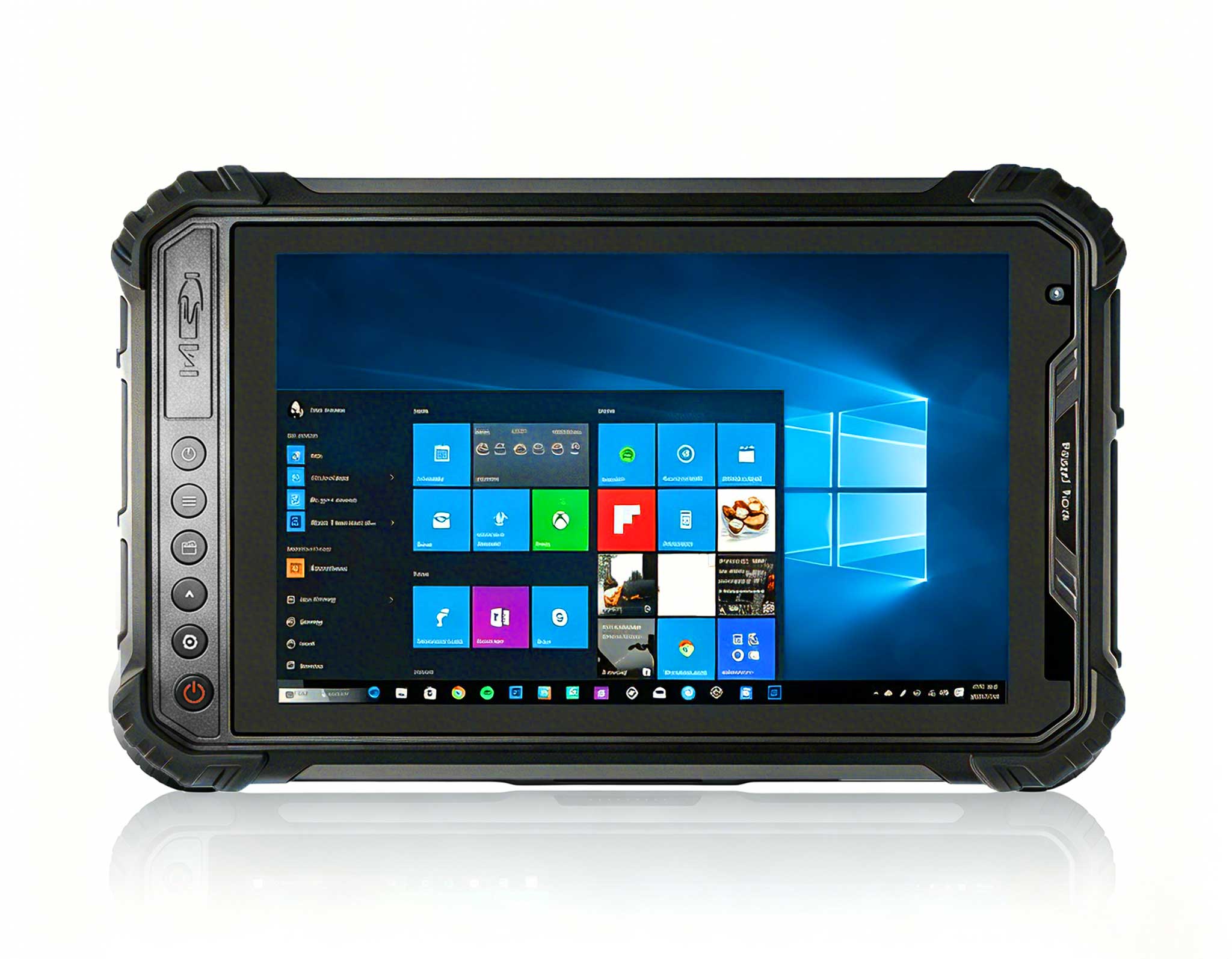
The CrazyGames platform data reinforces this trend, showing that users prefer platforms where they can "play fun games without interruptions from downloads, intrusive ads, or pop-ups." This demand for seamless, instant access is driving hardware manufacturers to create systems that boot quickly, run silently, and require minimal maintenance. The 10.1 windows(ST11-J)Rugged Industrial Tablet exemplifies this philosophy, offering a fanless design that operates silently while providing the processing power needed for modern gaming titles. Its rugged construction also makes it ideal for public gaming kiosks or interactive museum exhibits where durability is paramount. The device is built to withstand constant use in high-traffic environments without skipping a beat.
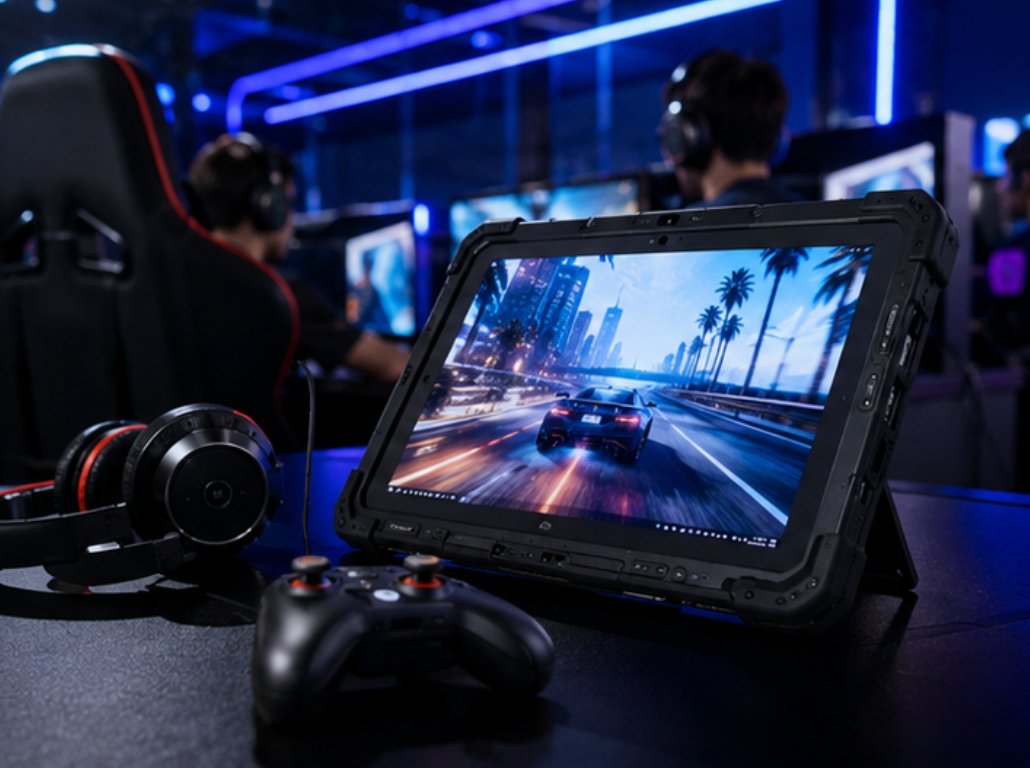
Tracing the evolution of Gaming Entertainment technology reveals a steady progression from cumbersome, single-purpose hardware toward versatile, user-centric solutions. The modern Palm-sized miniPC, Hotus HT500, and ST11-J represent this latest generation—combining professional-grade performance with the ease of use that has become the new industry standard. The trajectory is clear: consumers are moving away from the traditional "bigger is better" mentality and embracing compact, modular systems that can adapt to different scenarios. A single palm-sized device can now handle tasks that once required a full tower PC, a separate streaming box, and a dedicated gaming console.
The Hotus HT500 Portable Outdoor Projector represents a key component of this evolution. By combining DLP projection technology with a compact form factor, it allows users to create immersive gaming environments anywhere—from a backyard movie night to a multiplayer gaming session in a park. When connected to the Palm-sized miniPC, the HT500 delivers low-latency visuals that are crucial for competitive gaming, while its built-in speakers provide adequate audio for casual play. This ecosystem approach, where each device complements the others, is the hallmark of modern gaming entertainment solutions. The entire setup can be packed into a single backpack, ready for spontaneous gaming sessions or planned home theater experiences. For those seeking even more robust configurations, exploring rugged mini PC solutions can provide additional performance options for demanding gaming and multimedia applications.
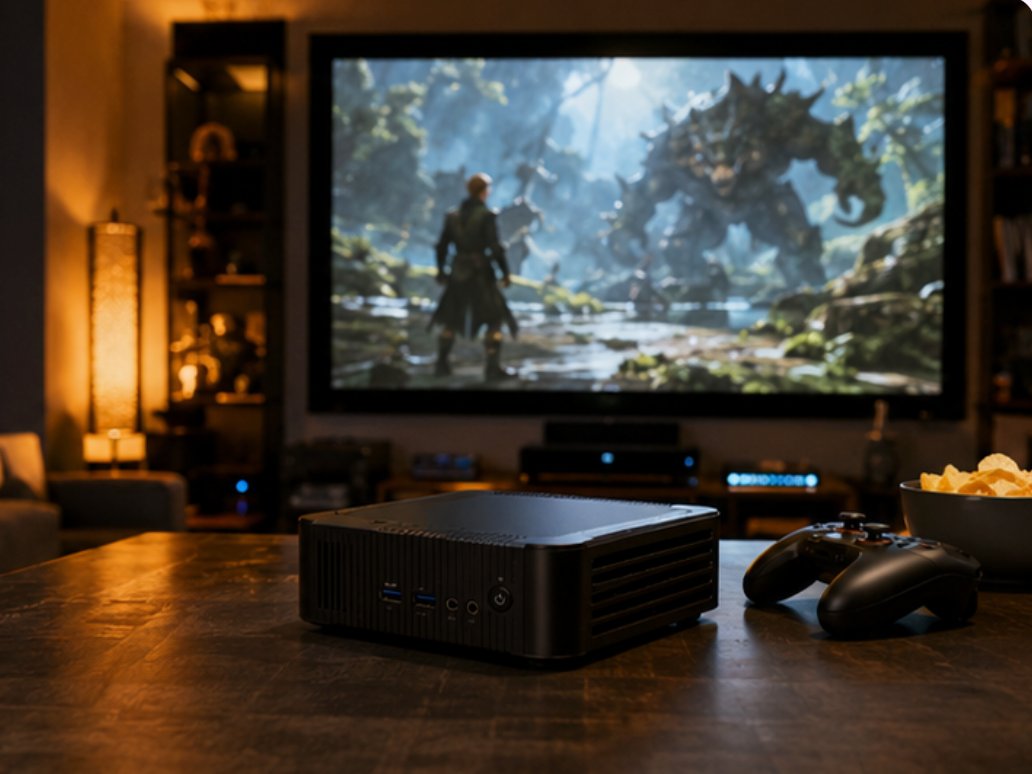
To understand the value proposition of these compact devices, it is helpful to compare them against traditional gaming setups. The table below outlines key specifications and advantages of the Hotus ecosystem versus conventional alternatives.
| Model | Position | Weight | Key Advantage | Use Case |
|---|---|---|---|---|
| Palm-sized miniPC | Core computing unit | Under 500g | Silent operation, 4K output, low power consumption | Gaming, streaming, office work |
| Hotus HT500 | Display solution | 1.2 kg | Portable DLP projector, 100-inch projection, low latency | Home theater, outdoor gaming, presentations |
| ST11-J | Mobile touchscreen | 1.5 kg | Rugged design, 10.1-inch touchscreen, Windows OS | On-the-go gaming, interactive kiosks, field work |
The data confirms that the combined weight of all three devices is less than a single traditional gaming laptop, while offering far greater flexibility. Users can mix and match components based on their specific needs, upgrading individual pieces without replacing the entire system. This modularity is particularly appealing in the current economic climate, where consumers are looking for durable, future-proof investments rather than disposable electronics. The trend toward compact, multi-functional devices is not a passing fad; it is a fundamental shift in how people interact with technology in their entertainment spaces. Whether you are a competitive gamer, a casual streamer, or a venue manager, the combination of the Palm-sized miniPC, the Hotus HT500, and the ST11-J offers a smarter, more adaptable way to play.