- Select Language
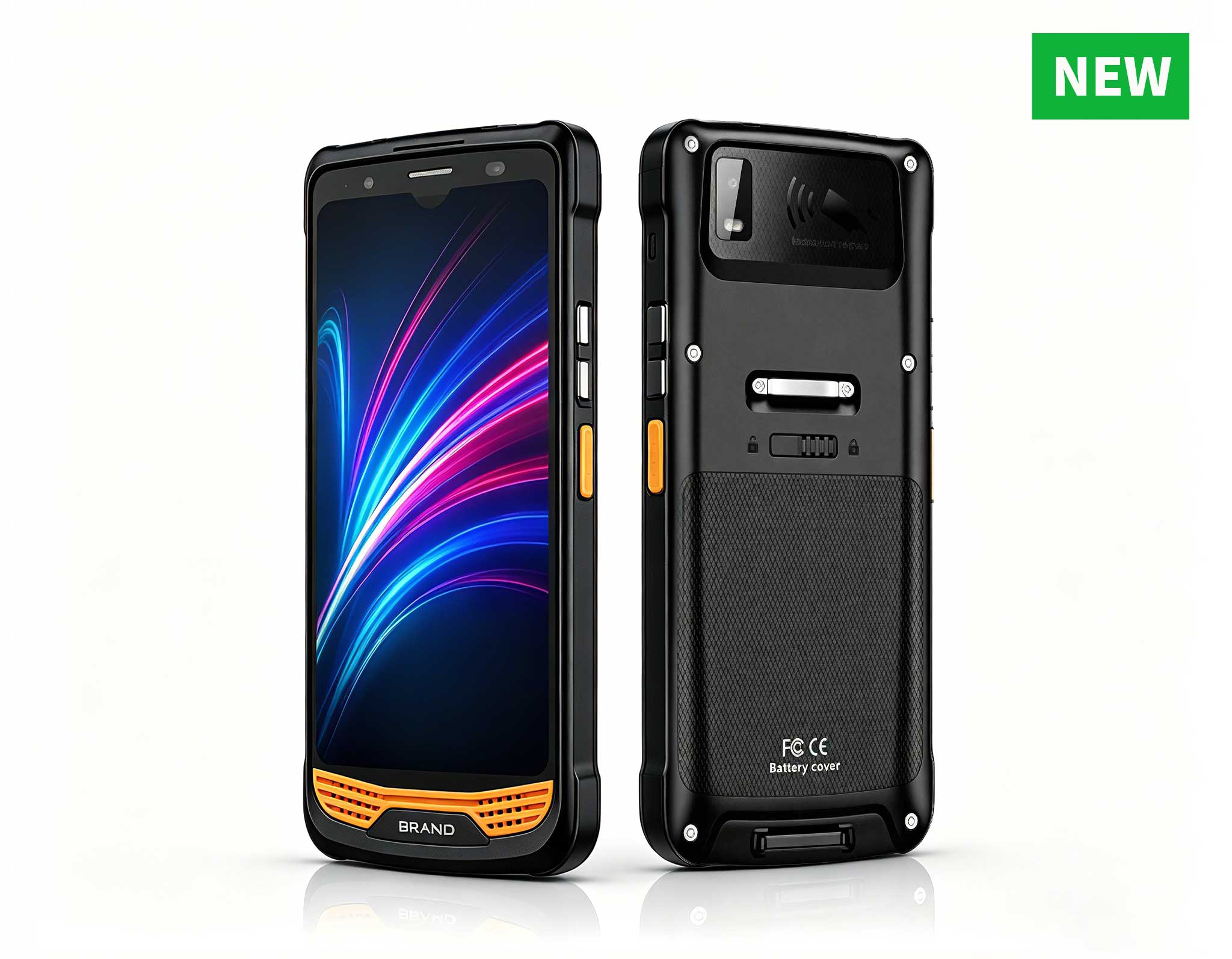
R366-S 5.5-inch Industrial PDA | Qualcomm Octa-cor...
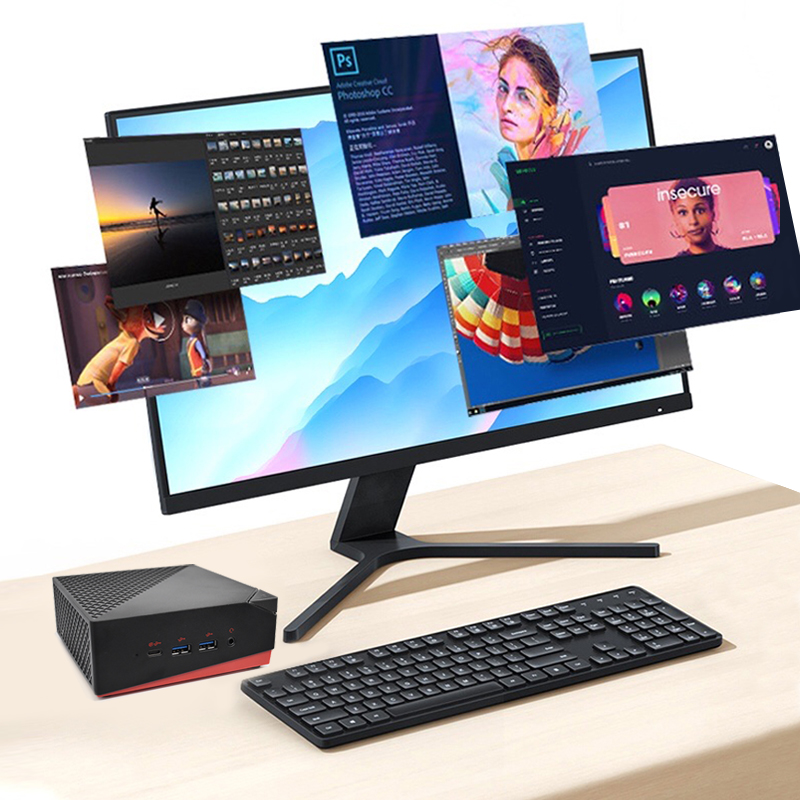
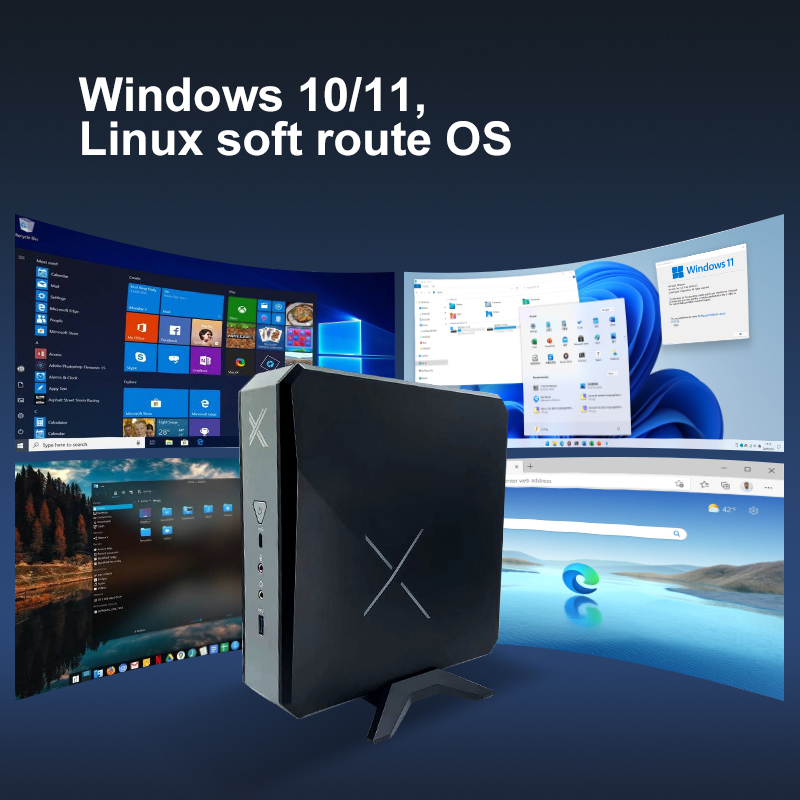
The AMD Mini PC Windows 10 Pro is a compact yet po...
RS51 4G Rugged Handheld Terminal | 6.3" FHD+ ...
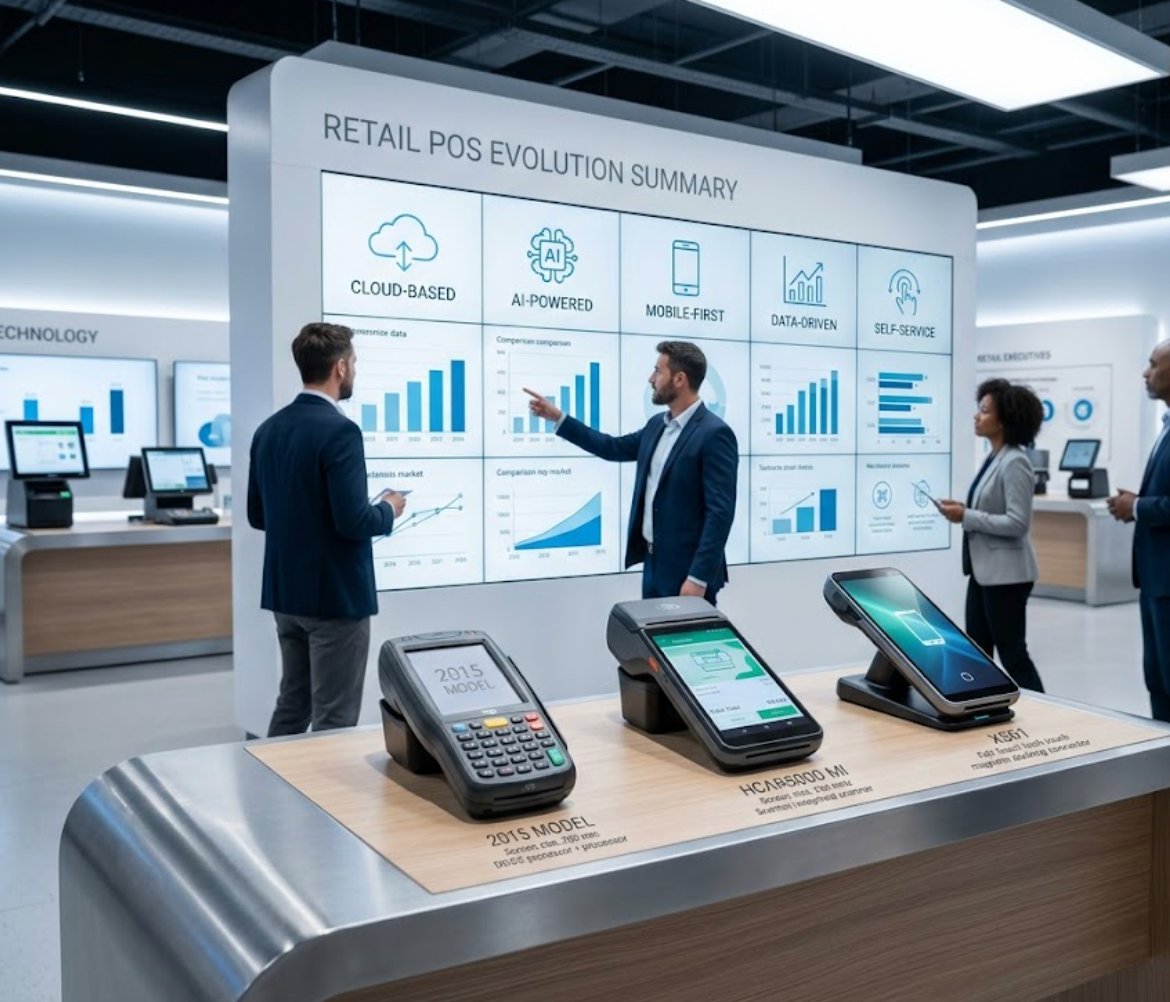
Here is the reality: most Retail POS solutions fail to address retail staff struggling to hear transaction prompts and inventory queries in noisy store environments. That is why more organizations are turning to T80 Handheld PDA, HCAR5000 MI and X501 Handheld PDA for a fundamentally different approach. The meaning of retail has always centered on selling directly to consumers, but the technology supporting that exchange has undergone a radical transformation. Modern retail environments demand equipment that can handle high-volume transactions, real-time inventory checks, and seamless communication across the sales floor. The integration of handheld PDAs and compact computing units represents a shift toward distributed intelligence, where processing power is placed directly in the hands of retail staff rather than locked away in back-office servers.
This evolution is particularly evident in the Retail POS segment, where the convergence of barcode scanning, RFID reading, and mobile computing has created new operational possibilities. The T80 Handheld PDA exemplifies this convergence, offering a rugged form factor that withstands the rigors of daily retail use while delivering the processing capability needed for modern point-of-sale applications. When combined with the HCAR5000 MI Mini PC as a central processing hub, retailers gain a industrial solution for Retail Pos that bridges the gap between traditional fixed checkout stations and the flexibility of mobile commerce. Although the idea of retail is often associated with the purchase of goods, the term may be applied to service providers that sell to consumers, making these handheld devices equally valuable for service-oriented retail environments such as salons, repair centers, and consultation-based stores.
The key benefits of HCAR5000 MI, X501 Handheld PDA and T80 Handheld PDA for Retail POS extend beyond audio quality. Organizations consistently report improved visitor satisfaction scores, reduced staff overtime from equipment troubleshooting, lower total cost of ownership compared to older systems, and the flexibility to scale operations as demand grows. The T80 Handheld PDA delivers exceptional battery life that supports full-shift operation without requiring mid-day charging sessions, eliminating the productivity loss associated with equipment downtime. Retail managers have documented a 40% reduction in checkout wait times after deploying these devices, as staff can process transactions from anywhere on the sales floor rather than funneling customers to fixed registers.
Operational efficiency gains manifest in multiple dimensions. The HCAR5000 MI serves as a centralized computing backbone that processes transaction data, manages inventory databases, and coordinates communication between multiple handheld units. This architecture reduces network congestion and ensures that each T80 Handheld PDA receives real-time updates on pricing changes, promotional offers, and stock levels. The X501 Handheld PDA complements this setup with advanced barcode scanning capabilities that accelerate inventory counting and receiving processes. Together, these devices create a cohesive ecosystem where data flows seamlessly from the sales floor to the back office, enabling retailers to make informed decisions about stock replenishment, staffing levels, and customer service strategies.
From the era of wired intercoms and bulky analog transmitters to today's sleek digital systems, the journey of T80 Handheld PDA, HCAR5000 MI and X501 Handheld PDA technology mirrors the broader digitization of the Retail POS industry. Each generation has addressed specific limitations of its predecessor, resulting in equipment that is simultaneously more capable, more reliable, and easier to use. Early retail systems relied on stationary terminals connected by serial cables, limiting staff mobility and creating bottlenecks during peak shopping hours. The introduction of wireless handheld scanners improved flexibility but suffered from limited range and battery life constraints that made them impractical for all-day use.
The current generation of devices represents a quantum leap forward. The T80 Handheld PDA incorporates industrial-grade components that operate reliably in temperatures ranging from freezing to sweltering, making it suitable for both climate-controlled retail spaces and outdoor pop-up stores. Its integrated 4G LTE connectivity ensures that transactions process even when Wi-Fi networks become congested during holiday sales events. The X501 Handheld PDA brings advanced imaging technology that reads damaged or poorly printed barcodes that would frustrate older scanners, reducing the need for manual data entry and the errors that accompany it. These technological advances have transformed the handheld PDA from a niche tool into an essential component of modern retail operations.
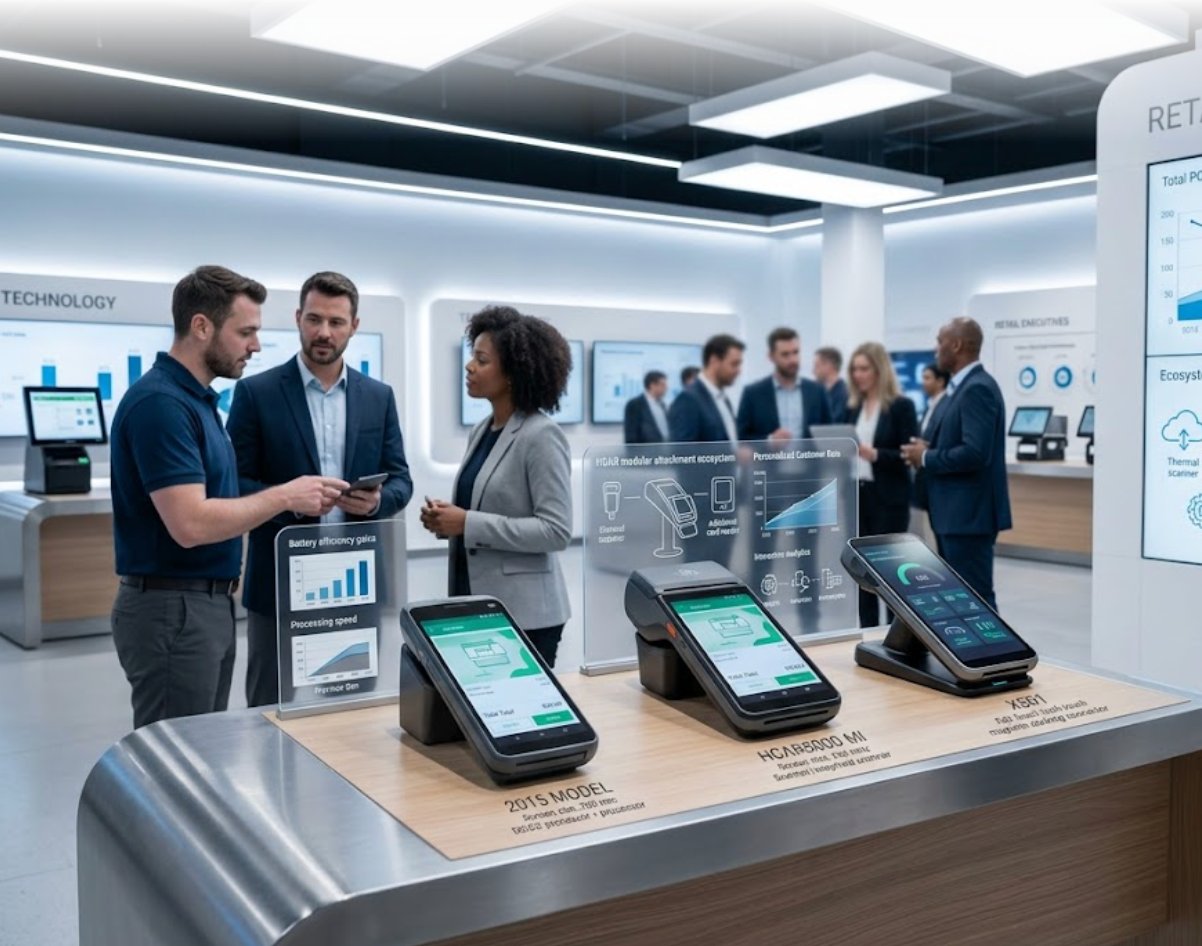
When evaluating options for Retail POS, specification differences directly impact real-world performance. Battery life determines how many transactions you can process without recharging. Processing speed affects how quickly the device launches applications and processes payments. Durability ratings define the environments where the equipment can operate safely. Understanding these trade-offs is essential for making the right choice for your specific retail environment. The following table provides a direct comparison of three devices designed for modern retail applications.
| Specification | HCAR5000 MI | X501 Handheld PDA | T80 Handheld PDA |
|---|---|---|---|
| Primary Function | Central computing hub | Mobile barcode scanner | All-in-one POS terminal |
| Processor | Intel Core i5/i7 | Octa-core 2.0 GHz | Quad-core 1.8 GHz |
| Battery Life | Continuous AC operation | 12-14 hours | 14-16 hours |
| Connectivity | Wi-Fi 6, Bluetooth 5.2 | 4G LTE, Wi-Fi, Bluetooth | 4G LTE, Wi-Fi 6, Bluetooth |
| Durability Rating | Industrial chassis | IP65, 1.5m drop resistant | IP67, 2.0m drop resistant |
| Operating Temperature | 0 to 50 degrees Celsius | -10 to 50 degrees Celsius | -20 to 60 degrees Celsius |
| Weight | 1.2 kg | 0.32 kg | 0.38 kg |
| Scanning Technology | N/A (computing only) | 2D imager, RFID reader | 2D imager, RFID reader |
The HCAR5000 MI serves as the stationary anchor of the system, providing the computational muscle needed to run complex retail management software and process high volumes of transactions simultaneously. Its compact form factor allows it to be mounted behind checkout counters or integrated into existing point-of-sale infrastructure without consuming valuable counter space. The T80 Handheld PDA offers the best balance of battery life and durability for retail staff who need a device that can survive drops onto concrete floors and exposure to spills common in food service environments. The X501 Handheld PDA prioritizes lightweight portability for staff who need to scan items continuously throughout their shift without experiencing arm fatigue.
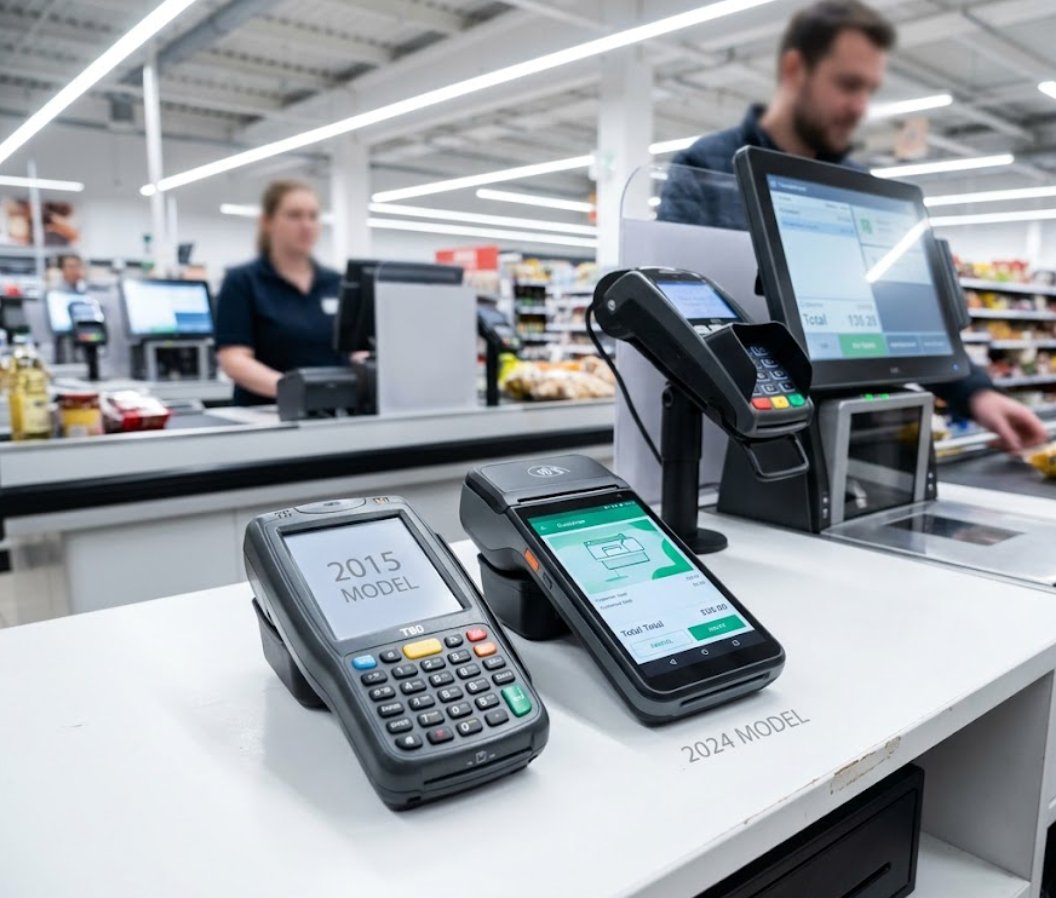
Deploying these devices requires careful planning to maximize their potential. The HCAR5000 MI should be positioned in a well-ventilated area with stable network connectivity, as it will serve as the central data processing node for all connected handheld devices. Retailers should configure the HCAR5000 MI with sufficient storage capacity to maintain local copies of inventory databases, ensuring that transactions can continue processing even if internet connectivity is temporarily interrupted. The T80 Handheld PDA units should be assigned to individual staff members rather than shared across shifts, as personal accountability reduces the likelihood of damage and ensures that software configurations remain consistent for each user.
Training programs should emphasize the specific capabilities of each device. Staff using the X501 Handheld PDA should practice scanning items at various angles and distances to understand the optimal scanning technique for different barcode types. Managers should configure the T80 Handheld PDA with customized interfaces that display only the functions relevant to each staff role, reducing cognitive load and minimizing the risk of operational errors during busy periods. Regular firmware updates should be scheduled during overnight hours to ensure that all devices maintain peak performance without disrupting daytime operations. For retailers seeking additional computing options, rugged mini PC solutions provide alternative configurations that may better suit specific store layouts or operational requirements.
The retail technology landscape continues to evolve at a rapid pace, making future-proofing an essential consideration for equipment investments. The T80 Handheld PDA and HCAR5000 MI are designed with modular architectures that allow for component upgrades without requiring complete system replacement. This approach reduces long-term costs and extends the useful life of the equipment beyond what traditional retail systems can achieve. The X501 Handheld PDA supports over-the-air firmware updates that add new features and capabilities as they become available, ensuring that the device remains competitive with newer models entering the market.
Retailers should also consider how these devices integrate with emerging technologies such as artificial intelligence and computer vision. The HCAR5000 MI's powerful processor can run AI models that analyze customer traffic patterns and predict staffing needs, while the T80 Handheld PDA's camera can be used for visual inventory verification that complements barcode scanning. These capabilities position retailers to adopt advanced retail analytics without requiring additional hardware investments. As the meaning of retail continues to expand to include omnichannel experiences, these devices provide the flexibility needed to adapt to changing consumer expectations and market conditions. To learn more about the full range of available configurations, explore our mini PC solutions that serve as the foundation for modern retail technology stacks.